Eco-Friendly Hard Urine Sample Cup Suppliers and Manufacturers
Source 22 verified suppliers for Eco-Friendly Hard Urine Sample Cup products. Compare grounded dimensions including ISO and CE certifications, OEM/ODM capabilities, and lead times. Review product specifications and request quotes to streamline your procurement process; review the available evidence before requesting comparable quotations from suitable candidates.
Suppliers List

Zhejiang Aicor Medical Technology Co., Ltd.
- Verified by BV
- Combined
- China Zhejiang
- Lead time15 days
- Avg. response≤ 10h
Main productsSpecimen Container, Petri Dish, Centrifuge Tube, Cuvette, Sample Cup, Test Tube, Vacuum Tube, Cleaner Solution, Color Dilution Cuvette, Pipette Tip
Main marketsEurope,North America

Hunan BKMAM International Trade Co., Ltd.
- Trading Company,Manufacturer/Factory
- China Hunan
- Lead time15 days
- Avg. response≤ 5h
Main productsSterile Sampling Bag, Centrifuge Tube, Laboratory Glassware, Petri Dishes, Serologial Pipette, Glass Cuvette, Biohazard Bag, Culture Medium, Laboratory Instruments, Whirl Pack Bag
Main marketsSouth America,Eastern Europe,Mid East,North America,Southeast Asia,Eastern Asia,Oceania,Western Europe,Africa

Xiamen Vida Healthcare Products Co., Ltd.
- Trading Company,Manufacturer/Factory,Group Corporation
- China Fujian
- Lead time38 days
- Avg. response≤ 4h
Main productsMedical Injection Mould, Disposable Infusion Sets, Disposable Syringe Pre-Filled Flush Syringe, I. V. Catheter I. V. Cannula, Disposable Blood Collection Tube & Needles, Angiography Syringes CT Syringes MRI Syringes, Anesthesia Needles Spinal and Epidural Kit, Silicone Nasal Cannula Oxygen Tubing & Mask, Anesthesia Mask CPAP Mask CPR Mask, Silicone Nasal Prongs
Main marketsSouth America,Eastern Europe,Mid East,North America,Southeast Asia,Eastern Asia,Oceania,Western Europe,Africa

Disposable Sample Cup Disposable Urine Measuring Collecting Container Urine Specimen Cup
$0.04 - $0.05
MOQ: 100000 Pieces


$0.04 - $0.05
MOQ: 100000 Pieces


Disposable Cups Urine Specimen Cups Disposable Plastic Measuring Cups
$0.04 - $0.05
MOQ: 100000 Pieces

Shandong Chengwu Medical Products Factory
- Combined
- China Shandong
- Lead time23 days
- Avg. response≤ 9h
Main productsDisposable Blood Collection Tube, Disposable Blood Collection Needle, Infusion Set, Lancet, Scalp Vein Set, Urine Container, Micro/Mini Tube, Needle Holders for Blood Collection, Luer Adapter, Flash Back Neddle
Main marketsSoutheast Asia/ Mideast,Europe,North America


Urine Cup Urine Urine Container Urine Container/Urine Sample/Urine Specimen Cup
$0.03 - $0.06
MOQ: 50000 Pieces


SHANGHAI TEAMSTAND CORPORATION
- Verified by BV
- Trading Company
- China Shanghai
- Lead time23 days
- Avg. response≤ 2h
Main productsHypodermic Syringe, Blood Collection Set, Infusion Set, Huber Needle, Breathing Circuit, Prefilled Syringe, Catheter and Tube, Hemodialyser, AV Fistula Needle, Biopsy Needle
Main marketsOthers(foreignTradeCapacity.exportBusinessCapacityMarketOther)


Disposable Plastic Sterile Urine Specimen Collection Container Urine Cup
$0.10 - $0.20
MOQ: 100000 Pieces

Jiangsu Junyue Medical Science and Technology Co., Ltd.
- Verified by BV
- Combined
- China Jiangsu
- Lead time15 days
- Avg. response≤ 24h
Main productsmedical equipment
Main marketsSoutheast Asia/ Mideast,Domestic

Disposable Specimen Cups with Temperature Gage Hospital Urine Testing Cup
$0.03 - $0.07
MOQ: 500 Pieces


- Manufacturer/Factory
- China Jiangsu
- Lead time15 days
- Avg. response≤ 24h
Main productsArtificial Vertical Garden, Artificial Wall Garden, Green Hedge, Artificial Boxwood Hedge, Artificial Plant Wall, Artificial Grass, Artificial Plant Potted, Artificial Plant Framed, Preserved Product, Artificial Moss
Main marketsSouth America,Eastern Europe,Mid East,North America,Southeast Asia,Eastern Asia,Oceania,Western Europe,Africa


Disposable Plastic Medical Sample Cup Container Urine Specimen Test Cup
$0.08 - $0.09
MOQ: 5000 Pieces


Ningbo Finer Medical Instruments Co., Limited
- Trading Company,Manufacturer/Factory
- China Zhejiang
- Lead time23 days
- Avg. response≤ 22h
Main productsMedical Consumables, Medical Equipment, Hospital Furniture, Mobility Safety Aid, Daily Living Aid
Main marketsSouth America,Eastern Europe,Mid East,North America,Southeast Asia,Eastern Asia,Oceania,Western Europe,Africa

- Verified by CTI
- Trading Company
- China Zhejiang
- Lead time30 days
- Avg. response≤ 7h
Main productsPipette Tip, Nasal Swab, Oral Swab, PCR Plate, Cryo Vial, Face Mask, Virus Transport Medium, Centrifuge Tube, Robotic Tip, PCR Tube
Main marketsEurope
Maxim Medical and Labware Co., Ltd
- Manufacturer/Factory
- China Shandong
- Lead time15 days
- Avg. response≤ 2h
Main productsMicroscope Slides, Tissue Processing&Embedding, Petri Dish, Blood Collection Tube, Mini Tube, Centrifuge Tube, Swabs, Loops, PP Culture Tubes, Specimen Container
Main marketsSouth America,Eastern Europe,Mid East,North America,Southeast Asia,Eastern Asia,Oceania,Western Europe,Africa

Yangzhou Super Union Medical Material Co., Ltd.
- Combined
- China Jiangsu
- Lead time15 days
- Avg. response≤ 12h
Main productsGauze Swab, Sterile Gauze Sponge, Lap Sponge, Non Woven Sponge, Gauze Roll, Sterile Non Woven Swab, Paraffin Gauze, Gauze Bandage, Triangel Bandage, Cotton Wool
Main marketsSouth America,Africa,Others(foreignTradeCapacity.exportBusinessCapacityMarketOther),Southeast Asia/ Mideast,East Asia(Japan/ South Korea),Domestic,Europe,Australia,North America

Taizhou Goddess Playingcards Co., Ltd.
- Verified by CTI
- Combined
- China Jiangsu
- Lead time30 days
- Avg. response≤ 10h
Main productsPlaying Card, Playing Cards, Plastic Playingcards, Jumbo Playingcards, Giant Playingcards, Tarot, Skat, Jeu De Cartes, Paper Playing Card, OEM Playing Card
Main marketsEast Asia(Japan/ South Korea),Domestic,Europe,North America

Nanjing Superfit I&E Co., Ltd.
- Trading Company
- China Jiangsu
- Lead time23 days
- Avg. response≤ 7h
Main productsDisposable Medical, Disposable Laboratory Item, Disposable Medical Item, Hospital Equipment, Hot Water Bottle, Ice Bag, Pipette Tips Centrifuges Test Tube Embedding, Urine Container Microscope Slide Cover Glass, Urine Container Microscope Slide Cover Glass an, Hot Water Bottle Ice Bag Disposible Mask
Main marketsSouth America,Africa,Southeast Asia/ Mideast,East Asia(Japan/ South Korea),Europe,North America

Chengdu Puth Medical Technology Co., Ltd.
- Manufacturer
- China Sichuan
- Lead time15 days
- Avg. response≤ 25h
Main productsBlood Collection Tube, Blood Collection Needle, Multi-Sample Blood Collection Needle, Flash-Back Blood Collection Needle, Blood Collection Needle Set, Safety Blood Collection Needle Set, Needle Holder, Tourniquet, Syringe, Eurocap for Plastic Infusion Bottle
Main marketsSouth America,Southeast Asia/ Mideast,Europe

MOQ: 100000 Pieces

MOQ: 10000 Pieces

- Trading Company
- China Jiangsu
- Lead time15 days
- Avg. response≤ 4h
Main productsSyringes, Infusion Sets, Mercury Free Thermometer, Medical Bandage, Medical Tape
Main marketsSouth America,Africa,Southeast Asia/ Mideast,East Asia(Japan/ South Korea),Europe,Australia,North America

Sainty International Group Jiangsu Yangzhou Sumex Imp. & Exp. Co., Ltd.
- Trading Company
- China Jiangsu
- Lead time30 days
- Avg. response≤ 11h
Main productsSyringe, Suction Catheter, Endotracheal Tube, Drainage Bag, Bandage, Dental Instrument, Surgical Gown, Vaginal Speculum, Vacutainer, Suture
Main marketsSouth America,Africa,Southeast Asia/ Mideast,East Asia(Japan/ South Korea),Europe,Australia,North America

30ml 40ml 60ml 100ml 120ml Disposable Urine Specimen Urine Container Stool Cup for Lab Tested
$0.03 - $0.05
MOQ: 10000 Pieces

Fushikang Medical Group Co., LTD.
- Manufacturer, Trading Company
- Jiangsu, China
- Lead time15 days
- Avg. response≤ 2h
Main productsCuvette, Diluent, Lyse, Microscope Slide, Blood Collection Tube
Main marketsSouth America(20.00%), North America(15.00%), Eastern Europe(10.00%), Southern Europe(9.00%), Southeast Asia(8.00%), Central America(8.00%), Northern Europe(6.00%), Western Europe(6.00%), Mid East(5.00%), Eastern Asia(4.00%), South Asia(3.00%), Africa(3.00%), Oceania(2.00%), Domestic Market(1.00%)

Changzhou Operson Imp. and Exp. Co., Ltd.
- Verified by BV
- Combined
- China Jiangsu
- Lead time45 days
- Avg. response≤ 10h
Main productsWounder Plaster, Catheter, Surgical Suture, Medical Consumables, Wounder Dressing, Surgical Disposables, Surgical Equipment, Bandage, First Aid Kit, Syringe
Main marketsEurope

Hangzhou Wehere Medical Technology Co., Ltd.
- Verified by BV
- Trading Company
- China Zhejiang
- Lead time30 days
- Avg. response≤ 2h
Main productsProtective Gown, Face Mask, Thermometer, Dust Mask, Respirator, Pulse Oximeter, Forehead Thermometer, Cadaver Bag, Isolation Gown, Surgical Drape
Main marketsSouth America,Africa,East Asia(Japan/ South Korea),Europe


Disposable Sterile 60ml Sample Urine Specimen Collection Container Cup
$0.03 - $0.06
MOQ: 10000 Pieces


China Tianjin Recare Co., Ltd.
- Verified by BV
- Combined
- China Tianjin
- Lead time15 days
- Avg. response≤ 4h
Main productsCondom, Rapid Test, Lubricant, Wipe, Probe Cover, Band-Aid, Gauze, Cotton Wool, Glove
Main marketsSouth America,Africa,Southeast Asia/ Mideast

urine sample collection container plastic sterile Disposable urine sample cups
$0.05 - $0.08
MOQ: 20000 Pieces

urine sample cups sterile Disposable with cap good quality low price on sale
$0.05 - $0.08
MOQ: 20000 Pieces


Ningbo Siny Medical Technology Co., Ltd.
- Verified by TUVRHEINLAND
- Trading Company
- China Zhejiang
- Lead time23 days
- Avg. response≤ 2h
Main productsBlood Collection Tube, Blood Collection Needle, Sanitizer, Medcial Mask, Protective Suit, Micro Capillary Tube, Prp Tube, Biohazard Waste Bag, Virus Sampling Tube, Urine Cup
Main marketsOthers(foreignTradeCapacity.exportBusinessCapacityMarketOther)


Siny 40ml Wholesale Price Specimen Cup Stool Urine Sample Collection Container
$0.03 - $0.07
MOQ: 10000 Pieces


HANGZHOU WEIZE IMP & EXP CO., LTD.
- Verified by TUVRHEINLAND
- Trading Company
- China Zhejiang
- Lead time30 days
- Avg. response≤ 4h
Main productsProtective Mask
Main marketsAfrica,Southeast Asia/ Mideast,Europe,North America

Urine Collection Cup Disposable Transparent PP Specimen Sample Urine Cup
$0.01 - $0.02
MOQ: 10000 Pieces

Medical Disposable Urine Cup Customized Specimen Container Urine Collection Cup with Lid
$0.06 - $0.07
MOQ: 10000 Pieces




Comprehensive Sourcing Guide
Eco-Friendly Hard Urine Sample Cup Supplier Concentration and Factory Types
The current supplier landscape for specimen collection containers reveals a distinct geographic and operational split that buyers must navigate carefully. Data indicates a concentration of manufacturing and trading entities in China, specifically within the Zhejiang and Hunan provinces. These regions serve as primary hubs for producing laboratory supplies, including the hard plastic cups required for accurate urine analysis. Suppliers in these areas often operate as combined entities, functioning as both trading companies and manufacturers. This dual role can offer buyers flexibility, as some suppliers may provide direct factory pricing while others leverage broader supply chains to offer diverse product ranges. The presence of verified suppliers, such as those with BV verification, adds a layer of trust regarding their operational legitimacy. However, the term "eco friendly" in your query requires careful scrutiny, as most standard hard urine sample cups are made from polypropylene or similar plastics designed for single-use sterility rather than biodegradability. Buyers should not assume that "hard" implies an environmentally sustainable material without explicit verification from the supplier. The focus in this market is typically on durability, leak-proof integrity, and sterile packaging rather than ecological impact. Therefore, when evaluating supplier concentration, prioritize those who clearly disclose their material composition and manufacturing processes. The Zhejiang and Hunan clusters are known for high-volume production of items like centrifuge tubes, petri dishes, and specimen cups, suggesting that these regions have the industrial capacity to meet large orders. Understanding this concentration helps buyers target their search efforts more effectively, knowing that these specific provinces are likely to yield the most relevant results for hard plastic specimen containers.
Beyond geography, the type of supplier significantly impacts the sourcing experience and product specifications. The observed supplier types include combined companies, trading companies, and manufacturer/factories. Each type offers distinct advantages and potential drawbacks for buyers seeking eco-friendly or hard specimen cups. Manufacturer/factories, such as those in Hunan, often provide OEM and ODM capabilities, allowing for custom branding and specific material requests. These suppliers may also offer lower minimum order quantities for certain stock items, as seen with some suppliers accepting orders as low as ten units. In contrast, trading companies might offer a wider variety of related lab supplies, such as sterile sampling bags and glassware, which could be beneficial for buyers looking to consolidate their procurement. However, trading companies may have less direct control over the manufacturing process, potentially affecting lead times and quality consistency. It is crucial to verify whether a supplier is a true factory or a middleman, as this affects pricing transparency and communication efficiency. The presence of RD capacity for OEM and ODM among combined suppliers indicates that customization is a viable option for buyers who need specific features, such as unique lid designs or specialized packaging. Buyers should align their supplier choice with their specific needs, whether that requires direct factory interaction for customization or the convenience of a trading company for broader product access. Understanding these dynamics ensures that buyers can select a partner that best fits their operational requirements and quality standards.
How to Verify Eco-Friendly Hard Urine Sample Cup Suppliers
Verifying suppliers for hard urine sample cups requires a rigorous approach to ensure product quality, safety, and operational reliability. The first step is to check for established verification badges, such as BV verification, which indicates that a third-party inspection has been conducted on the supplier’s business credentials. This verification is a strong initial indicator of legitimacy but should not be the sole criterion for selection. Buyers must also examine the supplier’s certifications, particularly ISO and CE marks, which are commonly listed for specimen containers. These certifications suggest that the supplier adheres to international quality management standards and European safety regulations, which are critical for medical and laboratory equipment. However, the term "eco friendly" is not a standard certification for plastic specimen cups, so buyers should not rely on marketing terms alone. Instead, they should request specific documentation regarding the material’s recyclability or environmental impact if sustainability is a core requirement. Suppliers may claim to use recyclable plastics, but this must be backed by technical data sheets or environmental product declarations. Additionally, buyers should verify the supplier’s response time, as a quick and professional response often correlates with better customer service and operational efficiency. In the current data, response times vary, with some suppliers responding within hours, which is advantageous for urgent inquiries. Buyers should also look for evidence of past performance, such as product attributes that detail sterilization methods, such as Ethylene Oxide Sterilization, which is crucial for medical-grade specimen cups. Ensuring that the supplier can provide proof of these processes is essential for maintaining compliance with health regulations.
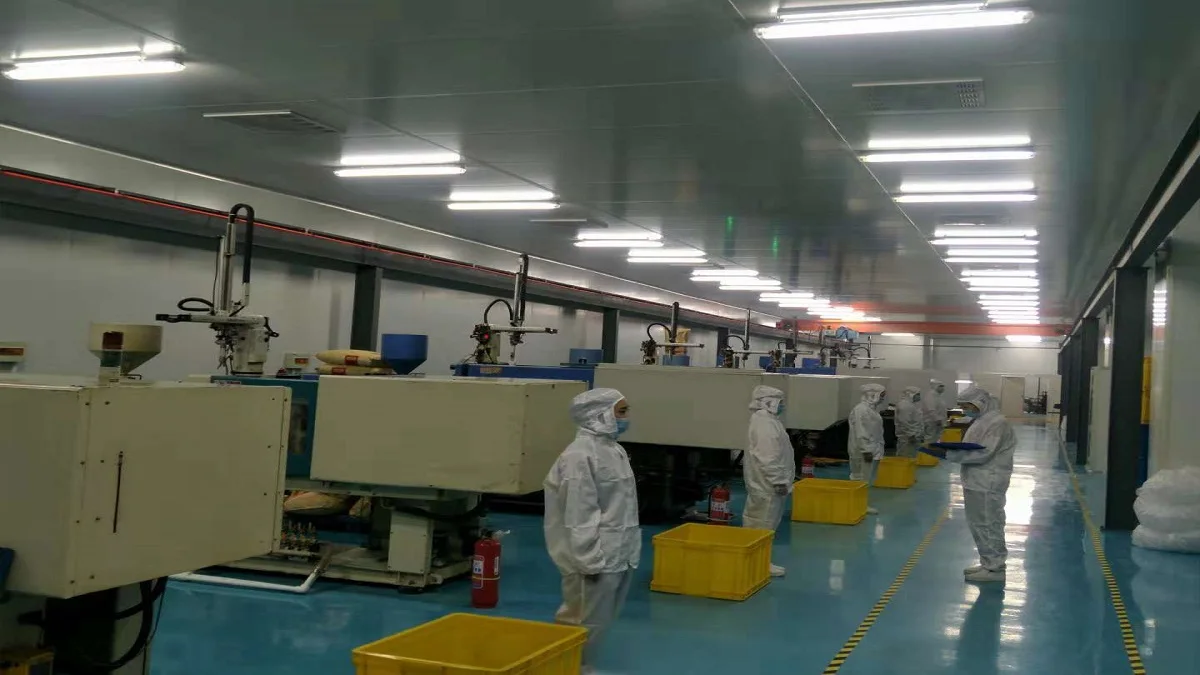
Furthermore, buyers should assess the supplier’s ability to provide samples and their transparency regarding production capabilities. Many suppliers offer free samples, which allows buyers to physically inspect the cup’s hardness, lid integrity, and graduation accuracy. This hands-on verification is invaluable for ensuring that the product meets specific laboratory requirements. Buyers should also inquire about the supplier’s quality guarantee period, as some suppliers offer two-year guarantees, indicating confidence in their product’s durability. It is also important to verify the supplier’s main products to ensure they specialize in lab supplies rather than general merchandise. Suppliers focusing on items like centrifuge tubes, petri dishes, and specimen cups are more likely to have the expertise and equipment necessary for high-quality production. Buyers should also check for any discrepancies in the supplier’s claimed location versus their actual manufacturing base, as this can affect logistics and communication. Additionally, verifying the supplier’s capacity for OEM and ODM orders can help buyers understand their flexibility in customizing products. If a supplier claims to be a manufacturer, buyers should request photos or videos of the production line to confirm this claim. Transparency in these areas is key to building a reliable supply chain. By combining verification of credentials, product quality, and operational transparency, buyers can mitigate risks and select suppliers who are capable of delivering high-quality, hard urine sample cups that meet their specific needs.
What to Compare Across Eco-Friendly Hard Urine Sample Cup Suppliers
When evaluating multiple suppliers for hard urine sample cups, buyers must compare several key dimensions to identify the best fit for their operational needs. One critical factor is the minimum order quantity (MOQ), which can vary significantly across suppliers. Some suppliers may have an MOQ of one carton, while others might require bulk purchases of hundreds or thousands of units. Understanding these thresholds is essential for aligning supplier capabilities with your inventory management strategy. Buyers with smaller volume requirements should prioritize suppliers with lower MOQs, such as those accepting orders of ten or fifty units, to avoid excess inventory costs. Conversely, large-scale buyers may benefit from suppliers who offer economies of scale through higher volume discounts. Another important comparison point is the lead time, which indicates how quickly the supplier can fulfill orders. In the current market, lead times can range from one day for stock products to fifteen days for customized orders. Buyers with urgent needs should seek suppliers with shorter lead times or those who maintain sufficient stock of standard items. Additionally, comparing the price per unit is necessary, but buyers should consider the total cost of ownership, including shipping and potential customs duties. Prices for specimen cups can vary based on material quality, sterilization methods, and packaging options. Buyers should request detailed quotes that break down these costs to make accurate comparisons.
Beyond pricing and quantities, buyers should compare the customization options and technical specifications offered by each supplier. Some suppliers provide OEM and ODM services, allowing for custom branding, logo printing, and specific design modifications. If brand identity is important, buyers should compare the flexibility and cost of these customization services. Technical specifications, such as cup capacity, lid type, and graduation clarity, are also critical for ensuring the product meets laboratory standards. Buyers should compare the available capacities, which may range from 20ml to 120ml, and ensure that the supplier offers the specific sizes required for their applications. Additionally, comparing the sterilization methods is vital, as some suppliers offer Ethylene Oxide Sterilization while others may not. Buyers should also evaluate the packaging options, such as individual packaging versus bulk packaging, as this can impact storage and handling efficiency. Response time is another comparative metric, as faster responses can indicate better customer service and operational efficiency. Buyers should also consider the supplier’s location, as this affects shipping costs and delivery times. By systematically comparing these factors, buyers can make informed decisions that balance cost, quality, and operational efficiency. This comprehensive approach ensures that the selected supplier can meet all of the buyer’s requirements for hard urine sample cups.
Common Eco-Friendly Hard Urine Sample Cup Sourcing Risks
Sourcing hard urine sample cups involves several potential risks that buyers must proactively manage to ensure a smooth procurement process. One significant risk is the misalignment between marketing claims and actual product specifications, particularly regarding the "eco friendly" attribute. Many suppliers may use this term loosely without providing concrete evidence of environmental sustainability. Buyers should be cautious of suppliers who do not provide detailed material composition data or environmental certifications. This lack of transparency can lead to compliance issues, especially if the buyer’s organization has strict sustainability policies. Another risk is the variability in product quality, which can affect the integrity of urine samples. Hard plastic cups must be durable and leak-proof to prevent contamination. Buyers should be aware that not all suppliers maintain consistent quality control standards, which can result in defective products. This risk is heightened when dealing with suppliers who have low MOQs or offer extremely low prices, as these may indicate compromised quality. Additionally, the risk of supply chain disruptions is a concern, particularly for customized orders. Lead times can extend if there are raw material shortages or production delays, which can impact the buyer’s operations. Buyers should mitigate this risk by working with suppliers who have robust inventory management systems and clear communication channels.
Furthermore, buyers face the risk of logistical challenges, including shipping delays and customs clearance issues. The location of the supplier, such as Zhejiang or Hunan in China, can affect shipping times and costs. Buyers should be prepared for potential delays, especially during peak seasons or global supply chain disruptions. Another risk is the lack of after-sales support, which can be problematic if there are quality issues or order discrepancies. Buyers should verify the supplier’s warranty and return policies before placing an order. Some suppliers offer quality guarantee periods, which can provide some protection, but buyers should ensure that these policies are clearly defined and enforceable. Additionally, the risk of intellectual property infringement is a concern for buyers seeking OEM services. Buyers should ensure that their branding and design specifications are protected through proper contracts and agreements. Finally, buyers should be wary of suppliers who do not provide transparent pricing, as hidden costs can inflate the total procurement expense. By identifying and addressing these risks early in the sourcing process, buyers can minimize disruptions and ensure a reliable supply of high-quality hard urine sample cups. Proactive risk management is essential for maintaining operational continuity and meeting laboratory standards.
Eco-Friendly Hard Urine Sample Cup Regional Sourcing and Logistics
Regional sourcing plays a crucial role in determining the efficiency and cost-effectiveness of procuring hard urine sample cups. The current supplier data highlights China as a primary sourcing region, with specific concentrations in Zhejiang and Hunan provinces. These regions are well-established manufacturing hubs for laboratory supplies, offering a wide range of products, including specimen cups, centrifuge tubes, and petri dishes. Sourcing from these areas can provide buyers with access to a diverse supplier base and competitive pricing. However, buyers must consider the logistical implications of sourcing from these regions. Shipping times and costs can vary depending on the destination and the supplier’s location within China. For instance, suppliers in Zhejiang may have better access to major ports, potentially reducing shipping times for international buyers. In contrast, suppliers in Hunan, such as those in Changde, may require additional inland transportation, which can impact lead times. Buyers should evaluate these logistical factors when selecting a supplier, as they can significantly affect the overall procurement timeline
FAQs
Are urine sample cups available in eco-friendly materials?
Suppliers offer specimen cups made from durable plastic and polypropylene. While specific biodegradable certifications are not listed in the current results, many options are disposable and designed for single-use medical applications. Buyers should verify material composition and sustainability claims directly with manufacturers to ensure the product meets specific environmental standards.
What is the minimum order quantity for urine cups?
Minimum order quantities vary significantly by supplier and product type. Some manufacturers require a minimum of one carton, while others set the threshold at 100 units or 500 pieces. Buyers should check the specific product listing for the exact MOQ, as bulk orders often yield better pricing and shipping efficiency.
How long does delivery take for specimen cups?
Standard lead times for manufacturing are typically around 15 days. However, for stock products, some suppliers can deliver within one day. Response times for inquiries average between 4.87 and 9.55 hours. Buyers should confirm exact delivery schedules with the supplier to account for production and shipping logistics.
Are sterile urine sampling cups available from these suppliers?
Yes, sterile options are available, often sterilized using ethylene oxide. These cups are suitable for medical, laboratory, and school applications. They come with screw lids and clear graduations. Buyers should verify the sterilization method and quality guarantee period, which may include a two-year warranty, to ensure compliance with safety standards.
What certifications do these urine sample cup suppliers hold?
Suppliers hold various certifications including ISO, CE, ISO 9001, and GMP. These credentials indicate adherence to quality management and medical device standards. Buyers should request valid certification documents to verify compliance. Additionally, some suppliers are verified by BV, adding an extra layer of trust regarding their operational capabilities.
Can I get custom branding on urine sample cups?
Customization is available through OEM and ODM services. Suppliers offer logo printing, custom packaging, and specific capacity options ranging from 20ml to 120ml. Some products allow for UV printing or specific lid materials. Buyers should discuss design requirements and minimum order quantities for custom orders directly with the manufacturer.
What is the price range for wholesale urine cups?
Prices for urine sample cups range from approximately $0.004 to $0.10 per unit. The cost depends on factors such as volume, sterilization, and customization. Bulk orders typically offer lower unit prices. Buyers should request detailed quotations based on their specific quantity and product requirements to get accurate pricing.