Eco-Friendly Heat Resistant Hook Strap Suppliers and Manufacturers
Discover 13 verified suppliers offering Eco-Friendly Heat Resistant Hook Strap options with ISO 9001 and REACH certifications. Compare lead times, MOQs, and response rates to find the right factory for your custom strap needs today; review the available evidence before requesting comparable quotations from suitable candidates.
Suppliers List
Shenzhen Dongsanxin Textile Co., Ltd.
- Verified by SGS Group
- Manufacturer, Trading Company
- Lead time10 days
- Avg. response≤ 3h
Main productsHook and Loop, Hook and Loop Cable Ties, Back to Back Hook and Loop Fastener, Adhesive Hook and Loop, Hook and Loop Buckle Strap
Main marketsDomestic Market(30%), North America(25%), Eastern Europe(12%)
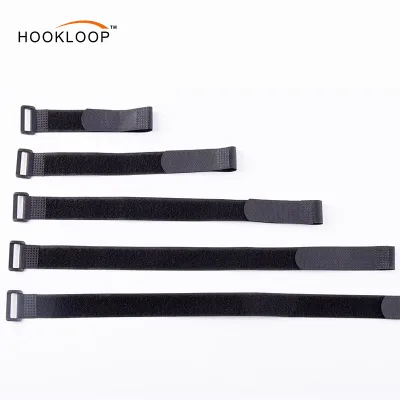
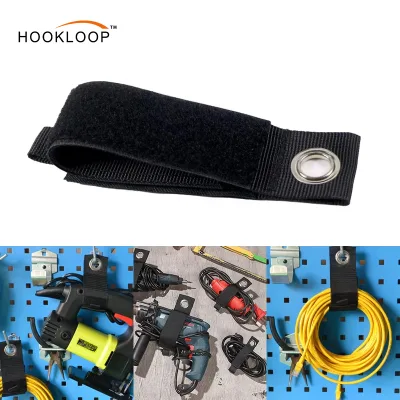
$0.37 - $0.45
MOQ: 1000 Minimum
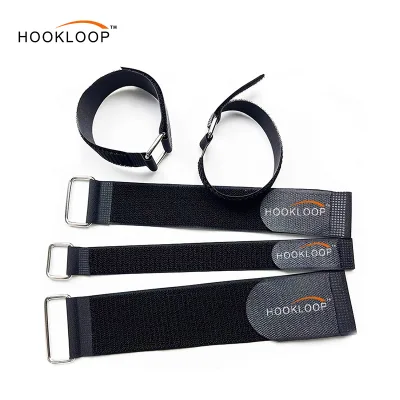

Shenzhen Hongyi Textile Co., Ltd.
- Manufacturer/Factory
- China Guangdong
- Lead time15 days
- Avg. response≤ 24h
Main productsHook and Loop, Hook and Loop Cable Tie, Adhesive Hook and Loop, Back to Back Hook and Loop, Elastic Hook Abd Loop, Garment Accessories, Incorporating Products, Storage Strap
Main marketsSouth America,Eastern Europe,Mid East,North America,Southeast Asia,Eastern Asia,Oceania,Western Europe,Africa

Tianjin Xinghuo Trading CO.,LTD
- Verified by TUVRHEINLAND
- Trading Company
- China Tianjin
- Lead time15 days
- Avg. response≤ 10h
Main productsSewing Thread, Hook and Loop
Main marketsSouth America,Others(foreignTradeCapacity.exportBusinessCapacityMarketOther),Europe

DSC Xiamen Enterprise Pte Ltd.
- Trading Company
- China Fujian
- Lead time23 days
- Avg. response≤ 2h
Main productsHardware, Accessories, Plastic Buckle, Ribbons, Metal Stamping, Bag Accessories, Promotion Gift, Bag Hardware
Main marketsSouth America,Southeast Asia/ Mideast,East Asia(Japan/ South Korea),Europe,Australia,North America
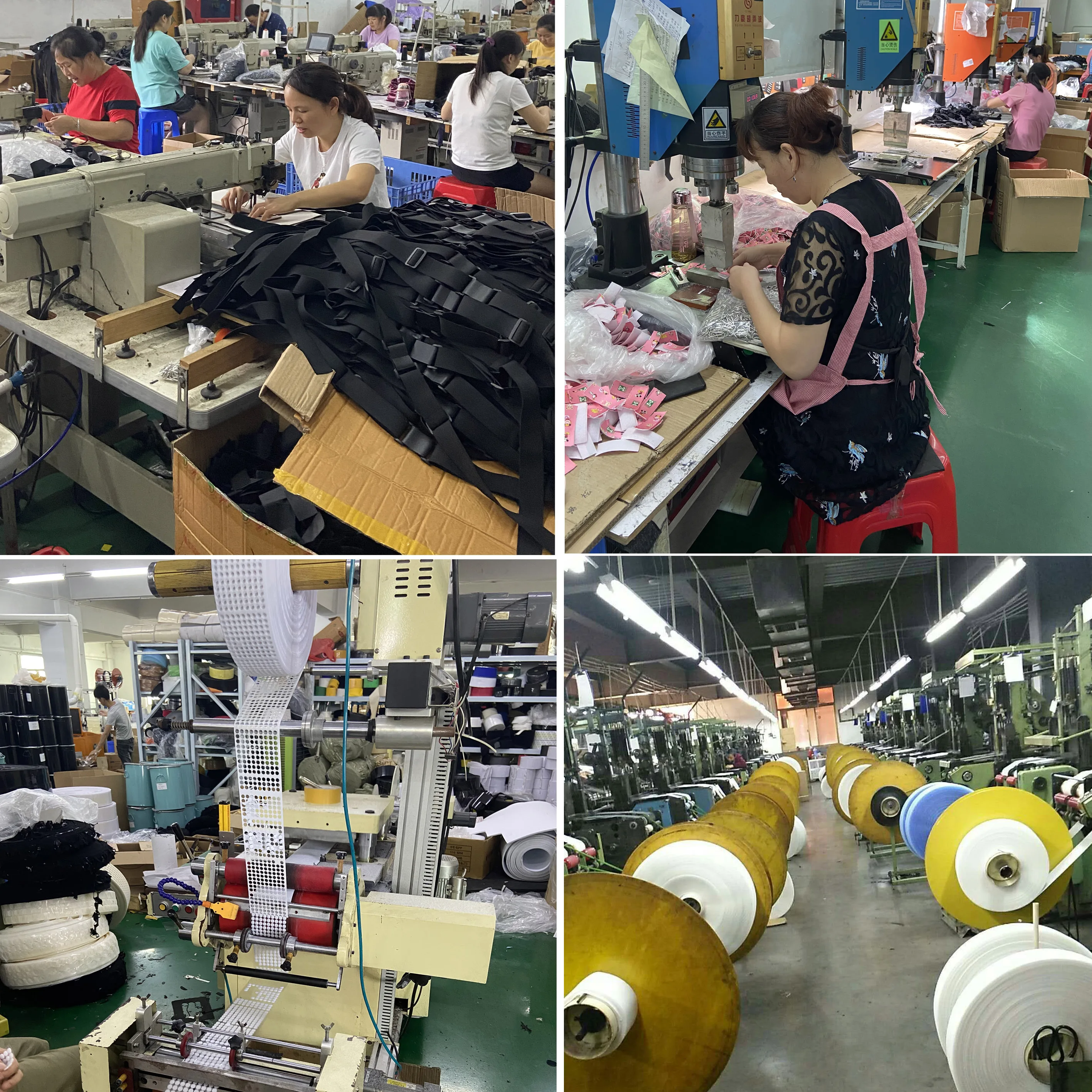
Shenzhen Fengya Technology Co., Ltd.
- Manufacturer, Trading Company
- Guangdong, China
- Lead time15 days
- Avg. response≤ 6h
Main productsHook And Loop,hook and loop Buckle strap,Hook And Loop Strap,Heavy duty extension cord strap,Textile Accessories
Main marketsSouth America(20.0%), North America(20.0%), Mid East(15.0%), Eastern Asia(10.0%), Africa(10.0%), Southern Europe(10.0%), Western Europe(10.0%), Southeast Asia(2.0%), Northern Europe(2.0%), Eastern Europe(1.0%)
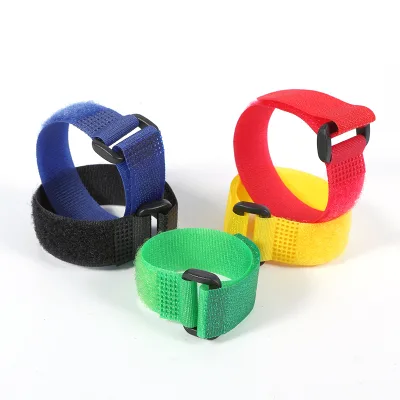
Eco-Friendly Pallet Strapping Belt Hook and Loop Strap Packing Strap With Plastic Buckle
$0.06 - $0.08
MOQ: 1000 pieces
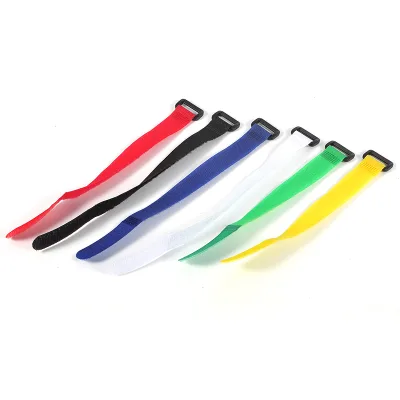
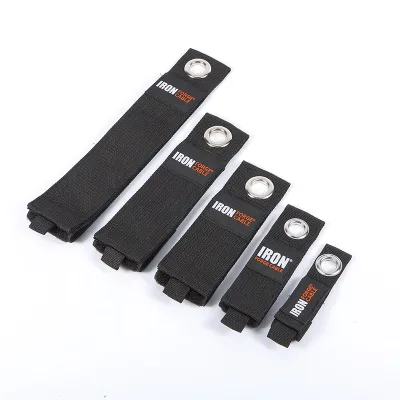
Customized Hook and Loop Fastening Strap Heavy Duty Nylon Hook and Loop Lanyard
$0.25 - $0.30
MOQ: 1000
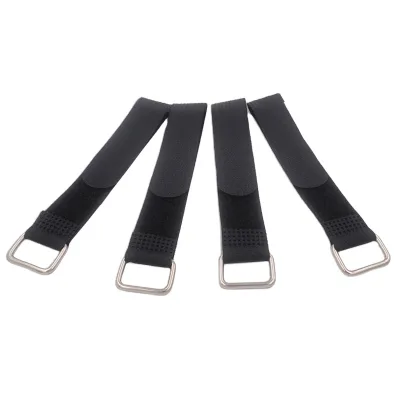
Custom Logo Reusable Nylon Colorful Heavy Lifting Storage Straps Hook and Loop Strap
$0.10 - $0.25
MOQ: 1000 pieces
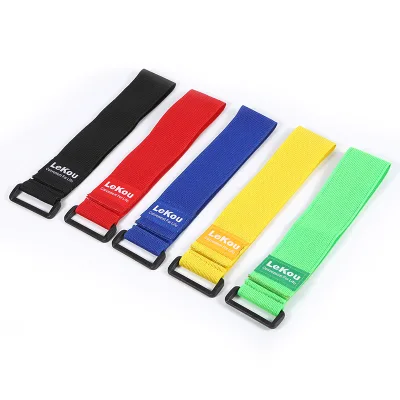
$0.23 - $0.27
MOQ: 1000 pieces
Shenzhen Bondwell Industrial Co., Ltd.
- Manufacturer, Trading Company, Distributor/Wholesaler
- Guangdong, China
- Lead time7 days
- Avg. response≤ 1h
Main productshook loop,ski strap,elastic hook loop,webbing,neoprene
Main marketsNorth America(30.0%), Western Europe(18.0%), Northern Europe(15.0%), Southern Europe(10.0%), Eastern Asia(5.0%), Eastern Europe(5.0%), Oceania(5.0%), Central America(3.0%), Southeast Asia(3.0%), South Asia(2.0%), South America(2.0%), Mid East(2.0%)
Shenzhen Likou Textile Co., Ltd.
- Verified by Intertek
- Manufacturer, Trading Company
- Lead time10 days
- Avg. response≤ 3h
Main productsCable Ties, Back to Back, Buckle Straps, Hook & Loop, Webbing Band
Main marketsDomestic Market(40%), North America(15%), Western Europe(15%)

- Trading Company,Manufacturer/Factory
- China Fujian
- Lead time15 days
- Avg. response≤ 3h
Main productsCable Sleeving, Heat Shrink Tubing, Wire Loom, Fiberglass Sleeving, Expandable Sleeving, Cable Management Sleeve, Hook and Loop, Hook and Loop Cable Tie, Cold Shrink Tube, High Temperature Tube
Main marketsSouth America,Eastern Europe,Mid East,North America,Southeast Asia,Eastern Asia,Oceania,Western Europe,Africa


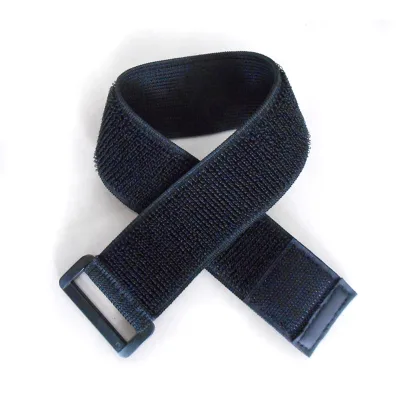
Adjustable Buckled Black Elastic Cinch Strap Hook & Loop Straps for Extra Durability
$0.05 - $0.80
MOQ: 1000 Pieces


Zhejiang Yuda New Material Technology Co., Ltd.
- Verified by SGS
- Manufacturer
- China Zhejiang
- Lead time15 days
- Avg. response≤ 9h
Main productsWebbing Strap, Ratchet Strap, Safety Belt, Polyester Webbing, Nylon Webbing, Cotton Webbing, Lanyard, Outdoor Straps, Tactical Webbing, Sublimation Webbing Strap

Dongguan Xuli Textile Co., Ltd
- Verified by SGS
- Manufacturer
- China Guangdong
- Lead time15 days
- Avg. response≤ 1h


Eco-Friendly Nylon Hook and Loop Velcro Strap for High Quality Outdoor Gear Hook and Loop Fastener
$0.05 - $0.50
MOQ: 1000 Meters
Guangzhou Balance Daily Commodities Co., Ltd.
- Verified by SGS Group
- Manufacturer, Trading Company
- Lead time15 days
- Avg. response≤ 4h
Main productsHook And Loop, Adhesive Hook And Loop, Functional Strap, Injection Mold Hook
Main marketsNorth America(45%), Domestic Market(20%), Oceania(8%)

Jianli Sticky Ribbon Co., Ltd.
- Manufacturer
- China Zhejiang
- Lead time0 days
- Avg. response≤ 14h
Main productsVelcro, Velcro Tape, Hook and Loop, Velcro Strap, Hook and Loop Tape, Velcro Roller

Hangzhou Xinyang Ribbon Co., Ltd.
- Combined
- China Zhejiang
- Lead time23 days
- Avg. response≤ 6h
Main productsHook and Loop, Hook Loop Fasterner, Velcro, Pile and Stick
Main marketsSoutheast Asia/ Mideast




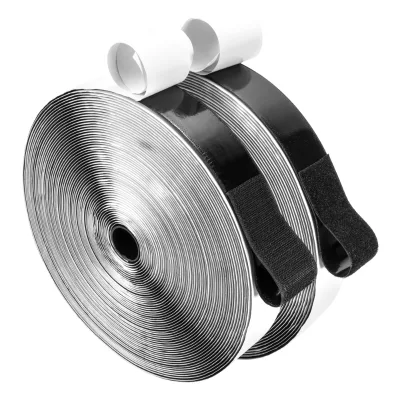


Comprehensive Sourcing Guide
Eco-Friendly Heat Resistant Hook Strap Supplier Concentration and Factory Types
The current supplier landscape for Eco-Friendly Heat Resistant Hook Strap products reveals a distinct concentration of manufacturing capabilities within specific industrial regions. Data indicates that a significant portion of these suppliers are located in Guangdong, China, a region known for its robust textile and fastener manufacturing infrastructure. This geographic clustering suggests that buyers seeking these specific materials can expect a high density of potential partners in this area, facilitating easier logistics and potentially lower shipping costs for bulk orders. The presence of manufacturers in this hub implies that the supply chain for raw materials like polyester and nylon is well-established, allowing for efficient production cycles. Buyers should recognize that this concentration is not random but driven by the availability of specialized machinery and skilled labor required to produce high-tenacity, heat-resistant hook and loop fasteners. Understanding this geographic reality helps in narrowing down search parameters and focusing on suppliers who are physically situated in these verified manufacturing zones.
In terms of company structure, the results show a mix of Manufacturer, Trading Company, and Manufacturer/Factory entities. This diversity offers buyers different engagement models depending on their specific needs. Direct manufacturers often provide more control over customization and pricing, while trading companies might offer a broader range of complementary products or simplified communication processes. The data highlights that many suppliers offer OEM and ODM services, indicating a strong capacity for custom design and logo application. This is particularly relevant for buyers looking for branded storage straps or specialized cable ties. The ability to customize sizes, colors, and adhesive properties is a key differentiator among these factory types. Buyers should evaluate whether they need the direct factory relationship for cost efficiency or the flexibility of a trading partner for diverse sourcing needs. The presence of both types ensures that there are options for various order volumes and customization requirements.
How to Verify Eco-Friendly Heat Resistant Hook Strap Suppliers
Verification is a critical step in ensuring the reliability and quality of suppliers offering Eco-Friendly Heat Resistant Hook Strap products. Buyers should prioritize suppliers who have undergone third-party verification processes, such as those conducted by SGS Group. This verification adds a layer of trust by confirming the supplier's business legitimacy and operational capabilities. Additionally, checking for specific system certifications is essential for validating the environmental and safety claims of the products. Certifications like ISO 9001, REACH, SVHC, PFAS, EN 14582, and IEC 62321 are frequently mentioned in the supplier data. These certifications indicate that the supplier adheres to international standards for quality management and chemical safety. Buyers should request copies of these certificates to ensure they are current and relevant to the specific products being ordered. This due diligence helps mitigate risks associated with non-compliant materials or poor manufacturing practices.
Beyond certifications, buyers should assess the supplier's response time and sample processing capabilities. A quick response time, such as the three-day average observed in some results, indicates a responsive and professional sales team. This is crucial for resolving queries and negotiating terms efficiently. Furthermore, the availability of sample processing is a key indicator of a supplier's willingness to engage in a trial order. Many suppliers support sample orders with lead times ranging from three to seven days, allowing buyers to test the product's quality before committing to larger volumes. Buyers should also verify the supplier's capacity for light customization and graphic processing, as these services are often required for branded products. By combining verification of credentials with an assessment of operational responsiveness, buyers can build a shortlist of reliable partners. This multi-faceted approach ensures that the selected suppliers are not only certified but also capable of meeting specific project requirements.
What to Compare Across Eco-Friendly Heat Resistant Hook Strap Suppliers
When evaluating multiple suppliers, buyers must compare key operational metrics to determine the best fit for their procurement strategy. One of the most significant factors is the minimum order quantity (MOQ). The data shows varying MOQs, with some suppliers requiring as few as 500 pieces while others mandate 1000 pieces or more. This variation allows buyers to align orders with their inventory needs and budget constraints. Additionally, lead times are a critical comparison point. While some suppliers offer a standard lead time of ten days, others may require up to fifteen days for production. Buyers should consider their project timelines and choose suppliers whose lead times align with their delivery schedules. Price is another essential factor, with costs ranging from approximately $0.12 to $0.70 per unit depending on the product specifications and customization level. Comparing these prices across different suppliers helps in identifying the most cost-effective options without compromising on quality.
Beyond price and quantity, buyers should compare the specific product attributes and customization options offered. For instance, some suppliers provide heavy-duty storage straps with iron buckles, while others focus on adhesive hook and loop tapes. The material composition, such as polyester or nylon, and the adhesive force are also important differentiators. Buyers should review the product keywords and descriptions to ensure they match their technical requirements. Additionally, the availability of custom logos and sizes is a valuable feature for branded products. Suppliers that support OEM and ODM services offer greater flexibility in product design. By systematically comparing these attributes, buyers can create a detailed matrix of supplier capabilities. This structured approach facilitates objective decision-making and ensures that the final selection is based on comprehensive data rather than superficial impressions.
Common Eco-Friendly Heat Resistant Hook Strap Sourcing Risks
Sourcing Eco-Friendly Heat Resistant Hook Strap products involves several potential risks that buyers must actively manage. One significant risk is the discrepancy between claimed certifications and actual product compliance. While suppliers may list certifications like ISO 9001 or REACH, buyers must verify that these apply to the specific items being ordered. There is a risk that a supplier might hold general certifications but fail to meet specific chemical safety standards for the materials used in heat-resistant straps. Another risk is the variability in product quality across different batches. Even with established manufacturers, inconsistencies in adhesive strength or material durability can occur. Buyers should mitigate this by requesting detailed product specifications and conducting rigorous quality checks upon receipt. The reliance on third-party testing reports can help ensure that the products meet the required performance standards.
Logistical and communication risks are also prevalent in international sourcing. Misunderstandings regarding customization requirements, such as logo placement or strap dimensions, can lead to costly errors. Buyers should maintain clear and documented communication with suppliers to avoid such issues. Additionally, the risk of delayed shipments is a concern, especially if suppliers face production bottlenecks. The observed lead times of ten to fifteen days are generally manageable, but any delays can disrupt supply chains. Buyers should establish clear penalty clauses for late deliveries in their contracts. Furthermore, there is a risk associated with using trading companies that may not have direct control over production quality. Buyers should verify the actual manufacturing capabilities of their partners to ensure they are dealing with the source of production. By identifying and addressing these risks proactively, buyers can safeguard their procurement processes.
Eco-Friendly Heat Resistant Hook Strap Regional Sourcing and Logistics
The regional concentration of suppliers in Guangdong, China, has significant implications for logistics and shipping strategies. Buyers sourcing from this region can benefit from established export infrastructure and competitive freight rates. The proximity of manufacturing facilities to major ports facilitates efficient loading and dispatch of goods. However, buyers must also consider the environmental impact of long-distance shipping and explore options for consolidating shipments to reduce carbon footprints. The data indicates that many products are packaged in OPP bags or custom packaging, which affects the volume and weight of shipments. Understanding the single package size and gross weight is crucial for calculating shipping costs accurately. For instance, some heavy-duty straps have a single gross weight of 15.000 kg, which can significantly impact freight charges if not optimized.
Logistics planning should also account for the lead times associated with production and transit. Buyers should coordinate with suppliers to align production schedules with shipping availability. The ability to customize packaging, as noted in some supplier attributes, can help optimize space utilization in containers. This customization can reduce the number of shipments required, thereby lowering overall logistics costs. Additionally, buyers should be aware of any import regulations or tariffs that may apply to hook and loop products in their destination countries. Compliance with these regulations is essential to avoid delays at customs. By leveraging the logistical advantages of the Guangdong manufacturing hub and planning carefully for transit, buyers can ensure a smooth and cost-effective supply chain. This regional focus allows for greater control over the sourcing process and enhances overall supply chain resilience.
Eco-Friendly Heat Resistant Hook Strap Commercial Terms and Order Planning
Effective order planning requires a thorough understanding of the commercial terms offered by suppliers. Payment terms, such as the use of escrow services, provide a layer of financial security for buyers. Escrow ensures that funds are only released upon satisfactory delivery of the goods, reducing the risk of fraud. Buyers should prioritize suppliers who offer secure payment options and clear refund policies. Additionally, the availability of sample orders is a crucial commercial term that allows buyers to validate product quality before committing to large volumes. The sample lead time of three to seven days is a standard offering, enabling quick decision-making. Buyers should budget for sample costs and factor them into their overall procurement strategy. This approach minimizes the risk of receiving substandard products in bulk orders.
Beyond payment and samples, buyers should negotiate clear terms for customization and after-sales support. Suppliers that support OEM and ODM services often have specific terms regarding design approvals and mold costs. Buyers should clarify these costs upfront to avoid unexpected expenses. Furthermore, understanding the warranty and return policies for defective products is essential. Suppliers with strong quality control processes, as indicated by their certifications, are more likely to offer robust after-sales support. Buyers should also consider the scalability of the supplier's production capacity. Suppliers with high customization capabilities can accommodate fluctuating order volumes, providing flexibility for growing businesses. By carefully planning commercial terms and leveraging supplier capabilities, buyers can establish a sustainable and efficient sourcing relationship. This strategic approach ensures long-term value and operational stability.
FAQs
What certifications do these hook straps hold?
Suppliers provide ISO 9001, REACH, SVHC, PFAS, EN 14582, and IEC 62321 certifications. Some listings also mention BSCI, RoHS, and CE compliance. Verify specific product certificates like SGS or RoHS before ordering to ensure material safety standards are met for your application.
What is the minimum order quantity for these straps?
Minimum order quantities typically start at 500 pieces or 1000 pieces depending on the specific supplier and product model. Some listings require 1000 pieces for custom designs, while others accept orders as low as 500 pieces. Always confirm the exact MOQ with the supplier before finalizing your purchase.
How long does it take to receive samples?
Sample processing times generally range from 3 to 7 days for most suppliers. Some listings explicitly support a 7-day sample order lead time. This duration allows for quick evaluation of material quality and customization options before committing to a larger bulk production run.
What materials are used for these heat resistant straps?
Products are commonly manufactured using polyester and nylon materials to ensure durability and heat resistance. These materials support eco-friendly features and strong adhesive forces. Check specific product attributes to confirm the exact blend and suitability for your specific garment or storage application needs.
Can suppliers customize the size and logo of straps?
Yes, suppliers offer customized sizes, logos, and designs on demand. Many listings support OEM and ODM services with options for printed graphics or specific dimensions. Verify customization capabilities and any additional costs for unique branding or non-standard sizing requirements before placing your order.
Where are these hook and loop straps manufactured?
Most products originate from Guangdong, China, with some listings specifying Shenzhen as the place of origin. This region is known for manufacturing apparel accessories and storage straps. Confirm the exact location with the supplier to understand shipping logistics and potential lead time variations.
What is the typical response time for supplier inquiries?
Response times vary, with some suppliers responding within 3 hours and others taking up to 24 hours. Check the specific supplier profile for their average response time to ensure timely communication. Faster response times often indicate better availability for addressing urgent sourcing questions or custom requests.