Eco-Friendly Induction Cooker Clay Pot Suppliers and Manufacturers
Source 23 verified suppliers for Eco-Friendly Induction Cooker Clay Pot products. Compare key dimensions including location, lead time, MOQ, response time, and certifications to find the right partner. Review product specifications and request quotes directly; review the available evidence before requesting comparable quotations from suitable candidates.
Suppliers List

Hunan Rui Yue Industrial and Trade Co., Ltd.
- Verified by SGS
- Combined
- China Hunan
- Lead time23 days
- Avg. response≤ 11h
Main productsFire Assay Crucible and Clay Crucible Cupel, Ceramic Faucet Disc Alumina Ceramic Disc for Tap, Alumina Ceramic Tube Al2O3 Refractory Kiln Tube, Silicon Carbide Beam Kiln Tube Sic Nozzle, Aluminium Nitride Plate Rod Tube with Spare Part, Boron Nitirde Crucible Tubd Special Part, Pbn Crucible Plate Pyrolytic Boron Nitride, Zirconia Tube Plate Crucible Parts, Ceramic Tube Rod Parts, Alumina Ceramic Parts
Main marketsSouth America,Africa,Southeast Asia/ Mideast,East Asia(Japan/ South Korea),Domestic,Europe,Australia,North America

YONGKANG HOMESHINE SILICONE PRODUCTS CO., LTD.
- Combined
- China Zhejiang
- Lead time23 days
- Avg. response≤ 24h
Main productsGlass Lid
Main marketsSouth America,East Asia(Japan/ South Korea),Domestic,Europe,North America

Zhongshan Longstar Electrical Appliance Co., Ltd.
- Verified by BV
- Combined
- China Guangdong
- Lead time30 days
- Avg. response≤ 6h
Main productsInduction Cooker, Infrared Cooker
Main marketsSoutheast Asia/ Mideast

Guangzhou Nantian Sources Co., Ltd.
- Manufacturer/Factory
- China Guangdong
- Lead time15 days
- Avg. response≤ 7h
Main productsKitchen Equipment, Kitchenware, Food Machine, Kitchen Appliance, Glassware, Food Machinery, Bakery Equipment, Dinnerware, Kitchen Utensils, Food Processor
Main marketsSouth America,Mid East,Southeast Asia,Eastern Asia,Oceania,Africa

MOQ: 1 Pieces

Hot Sell Portable Electric Induction Cooker
MOQ: 1 Pieces
Guangzhou Qianshun Electric Appliance Co., Ltd.
- Trading Company,Manufacturer/Factory,Group Corporation
- China Guangdong
- Lead time0 days
- Avg. response≤ 14h
Main productsCoffee Machine, Induction Cooker, Electric Fan, Rice Cooker

- Verified by SGS
- Trading Company,Manufacturer/Factory
- China Guangdong
- Lead time45 days
- Avg. response≤ 2h
Main productsStainless Steel Cookware, Stainless Steel Untensil, Stainless Steel Kitchenware, Stainless Steel Colander Bowl, Stainless Steel G. N Pan, Stainless Steel Pressure Cooker, Stainless Steel Buckets, Stainless Steel Dishes Rack, Stainless Steel Chafing Dishes, Stainless Steel Fittings
Main marketsSouth America,Eastern Europe,Mid East,North America,Southeast Asia,Eastern Asia,Oceania,Western Europe,Africa

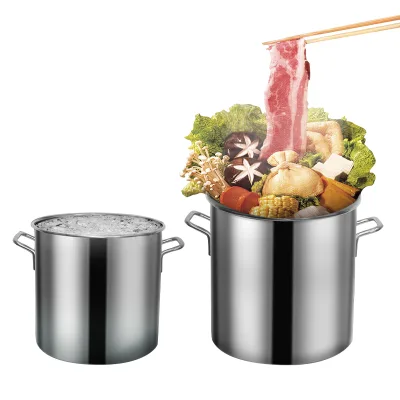
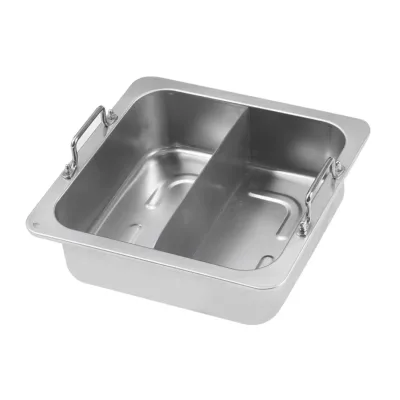
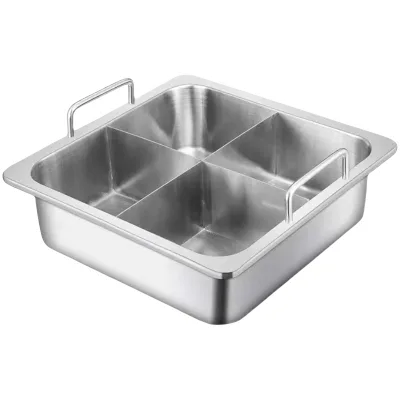
Induction Cooker Available Stainless Steel Hot Pot with Divider Two Flavor Hot Pot
$1.50 - $11.50
MOQ: 50 Sets


Shenzhen Pengcheng Haina Foreign Trade Co., Ltd.
- Manufacturer/Factory
- China Guangdong
- Lead time23 days
- Avg. response≤ 20h
Main productsKitchenware, Household Products, Home Appliance, Outdoor Products, Hardware, LED Panel
Main marketsSouth America,Eastern Europe,Mid East,North America,Southeast Asia,Eastern Asia,Oceania,Western Europe,Africa
Guangdong Allnice Hardware Industrial Co., Ltd.
- Verified by Intertek
- Manufacturer, Trading Company
- Lead time20 days
- Avg. response≤ 2h
Main productsCookware Set, Fry Pan, Stock Pot, Bowls, Pressure Cooker
Main marketsNorth America(22%), Mid East(21%), Southeast Asia(17%)
$10.15 - $30.15
MOQ: 100 Minimum

Foshan Ron Hospitality Supplies Co., Ltd.
- Verified by BV
- Manufacturer/Factory,Group Corporation
- China Guangdong
- Lead time45 days
- Avg. response≤ 2h
Main productsRestaurant Furniture, Restaurant Booth, Restaurant Chair, Restaurant Table, Bar Stools, Wedding Chairs, Flatware Sets, Dinnerware Sets, Garden Chairs, Disposable Dinnerware & Tableware
Main marketsSouth America,Eastern Europe,Mid East,North America,Southeast Asia,Eastern Asia,Oceania,Western Europe,Africa
Guangzhou Jiatong Import And Export Trade Co., Ltd.
- Verified by TüVRheinland
- Trading Company
- Lead time0 days
- Avg. response≤ 4h
Main productsHot Pot, Wok, Pressure Cooker, Soup Pot, Frying Pan
Main marketsNorth America(20%), South America(20%), Eastern Europe(20%)
- Manufacturer, Trading Company
- Guangdong, China
- Lead time45 days
- Avg. response≤ 2h
Main productsFondue Set,Cup & Saucer,Dinnerware,Kitchenware,Bathroom Set
Main marketsWestern Europe(36.00%), Oceania(10.00%), Southern Europe(8.00%), North America(8.00%), Eastern Europe(6.25%), Mid East(5.00%), Central America(5.00%), Northern Europe(4.52%), South Asia(4.50%), South America(3.65%), Southeast Asia(3.48%), Domestic Market(2.43%), Africa(1.82%), Eastern Asia(1.35%)

Linyi Feifan Imp. & Exp. Co., Ltd.
- Verified by TUVRHEINLAND
- Trading Company
- China Shandong
- Lead time30 days
- Avg. response≤ 10h
Main productsEnamel Mug/Cup, Enamel Bowl, Enamel Basin, Enamel Plate/Tray/Kettle, Enamel Casserole/Pot, Enamel Bucket, Safety Shoe/Boot, Safety Gloves
Main marketsSoutheast Asia/ Mideast,Domestic

Jiangmen Ruida Houseware Co., Ltd.
- Verified by TUVRHEINLAND
- Trading Company,Manufacturer/Factory
- China Guangdong
- Lead time60 days
- Avg. response≤ 7h
Main productsCookware, Stainless Steel Kettle, Stainless Steel Cookware, Kettle, Tableware, Kitchenware, Cooker, 30PCS Stainless Steel Cookware, Utensil, Cooking Pot
Main marketsSouth America,Eastern Europe,Mid East,North America,Southeast Asia,Eastern Asia,Oceania,Western Europe,Africa

Xingtai Huaiyang Enamel Co., Ltd
- Verified by SGS
- Trading Company
- China Hebei
- Lead time30 days
- Avg. response≤ 2h
Main productsCast Iron Cookware, Enamel Casserole, Cast Iron Dutch Oven, Cast Iron Skillet, Cast Iron Casserole, Cast Iron Fry Pan, Cast Iron Fondue Set, Cast Iron Pissa Pan, Cast Iron Pot, CAS Iron Griddle
Main marketsDomestic

Shenzhen Rocket Industry Co., Ltd.
- Trading Company,Manufacturer/Factory
- China Guangdong
- Lead time30 days
- Avg. response≤ 1h
Main productsCookware, Kettle, Steamer, Lunch Box, Cutlery, Kitchenware, Casserole, Kitchen Knife, Kitchen Utensil
Main marketsSouth America,Eastern Europe,Mid East,North America,Southeast Asia,Eastern Asia,Oceania,Western Europe,Africa

2 Elements 22cm Stainless Steel Steamer Cooking Pot with Induction Bottom
$2.80 - $3.00
MOQ: 1200 Sets


Baoding Tengke Trading Co., Ltd.
- Verified by SGS
- Trading Company
- China Hebei
- Lead time15 days
- Avg. response≤ 3h
Main productsBags, Cleaning Tools Scraper, Household Products, Towel, Tumbler Bottle Mug, Ktichen Tools/Gardget, Textile, Personal Care, Balloons, Hook and Loop Tape
Main marketsEurope
Chaoan Caitang Jiayu Metal Products Factory
- Verified by TüVRheinland
- Manufacturer, Trading Company
- Lead time15 days
- Avg. response≤ 6h
Main productsStainless Steel Cookware Set
Main marketsSoutheast Asia(50%), Eastern Europe(15%), Western Europe(15%)
Guangzhou Shunyilong Trading Co., Ltd.
- Verified by SGS Group
- Trading Company
- Lead time10 days
- Avg. response≤ 1h
Main productsGlass Rack, Service Trolley, Chaffing Dish, Storage Box, Trash Can
Main marketsNorth America(30%), Domestic Market(30%), Southeast Asia(20%)
Zhucheng Dongke Special Equipment Co., Ltd.
- Verified by CTI
- Combined
- China Shandong
- Lead time30 days
- Avg. response≤ 2h
Main marketsDomestic


Stainless Steel Professional Cooking Pot for High Pressure Applications
$1000.00 - $1800.00
MOQ: 1 Sets


Wenzhou Lihong Machinery Technology Co., Ltd.
- Verified by BV
- Combined
- China Zhejiang
- Lead time45 days
- Avg. response≤ 5h
Main productsDairy Equipment, Mixing Tank, Stainless Teel Tank, Bulk Farm Milk Cooling Tank, Wine Tank, Pharmaceutical Equipments, Milk Tank, Milk Cooling Tank, Brewery Equipments, Pipe
Main marketsSouth America,Africa,Southeast Asia/ Mideast,Europe,North America

Jiangmen Xinhaohui Kitchenware Manufacturing Co., Ltd
- Verified by BV
- Combined
- China Guangdong
- Lead time15 days
- Avg. response≤ 3h
Main productsPot
Main marketsSoutheast Asia/ Mideast,Europe

3-Ply Kitchen Tabletop Hot Pot Stainless Steel Induction Ready Deepfry Pot
$73.00 - $85.00
MOQ: 10 Pieces


Guangzhou Riching Renewable Resources Co., Ltd.
- Verified by SGS
- Combined
- China Guangdong
- Lead time30 days
- Avg. response≤ 9h
Main productsUsed Summer Clothes, Used Winter Clothes, Used Brand Clothes, Used Mixed Shoes, Used Brand Shoes, Used Kids Shoes, Used Football Shoes, Used Basketball Shoes, Used Mixed Bags, Used School Bags
Main marketsAfrica
Dongguan Comfort Home Catering Equipment Co., Ltd.
- Manufacturer, Trading Company
- Guangdong, China
- Lead time25 days
- Avg. response≤ 17h
Main productshot pot table,bbq table,Commercial induction cooker,Commercial electric oven,Soup base
Main marketsNorth America(40.00%), Eastern Europe(20.00%), Western Europe(11.00%), Northern Europe(9.00%), Southeast Asia(8.00%), Eastern Asia(7.00%), South America(5.00%)






Comprehensive Sourcing Guide
Eco-Friendly Induction Cooker Clay Pot Supplier Concentration and Factory Types
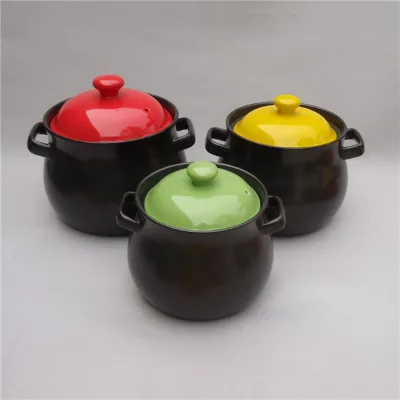
Buyers searching for an Eco-Friendly Induction Cooker Clay Pot will encounter suppliers whose main products reveal very different manufacturing identities. Some listings center on clay bodies themselves: fire assay crucibles, clay cupels, alumina kiln tubes, and similar fired ceramic goods, alongside rice cooker clay pots and ceramic inner pots with lids. These are typically ceramic-focused factories, and their listings in China's Hunan region reflect that clay-processing heritage. Other suppliers concentrate on the induction side, listing four-burner and two-burner induction cookers, induction wok units, and infrared cookers, with sourcing concentrated in Guangdong. A third group supplies the surrounding cookware ecosystem, such as glass lids and low-pressure or micro-pressure cooker pots, often based in Zhejiang.
Understanding these factory types matters because a complete Eco-Friendly Induction Cooker Clay Pot offer may require pairing a clay pot specialist with an appliance or lid producer rather than finding one supplier covering all three. When scanning results, look at the main-product line first: a supplier listing refractory tubes and crucibles is a fired-clay specialist, while one listing induction cookers with CE, RoHS, EMC, and CB marks is an electronics manufacturer. If cluster data is not displayed for a given result, infer factory type from product mix, material declarations, and whether customization is offered, then confirm with the supplier directly what is made in-house versus traded.
How to Verify Eco-Friendly Induction Cooker Clay Pot Suppliers
Verification starts with the platform labels and extends to documentation you request. Some suppliers carry third-party verification badges such as SGS or BV; note that absence of a badge does not mean a supplier is untrustworthy, only that you must verify independently. Check whether the supplier is listed as a manufacturer, trading company, or combined operation, since a combined type may both produce clay pots and trade induction units. Next, examine product-level evidence: clay pot listings should state material (clay), refractoriness range, model number, packing method, and origin. A listing that specifies "1580< Refractoriness< 1770" and a carton-box packing standard is more auditable than a vague description.
Then verify what matters for induction compatibility and eco claims. Ask whether the clay pot base is designed for induction cooktops or only for gas and infrared heating, and request the actual test method used. For food-contact safety, ask for material safety documentation for the clay body and any glaze, since general cookware listings may carry certifications such as FDA, CE/EU, or LFGB on related products but not on the clay pot itself. Confirm factory ownership through a business license check and, for higher-volume orders, an on-site or third-party audit. Ask each supplier to confirm which listed attributes are factory-held versus customizable, and record responses in writing before any deposit.
What to Compare Across Eco-Friendly Induction Cooker Clay Pot Suppliers
Build a comparison sheet using the attributes displayed on supplier profiles, without assuming every supplier shows every field. Key dimensions include location, response time, lead time, verification status, company type, and main products. In observed results, response times ranged from under six hours to nearly twenty-four hours, and stated lead times ran from around twenty-three days to thirty days; treat these as supplier-specific figures to request in your own inquiry, not category norms. A clay-focused supplier with a roughly ten-hour response and mid-twenties lead time can be compared directly against an induction cooker producer showing a faster response and thirty-day lead time.
On product economics, compare displayed MOQ and price ranges per model. Clay pot listings in the observed data showed MOQs of fifty units with prices from ten to twenty US dollars, while a related pressure-cooker pot listing showed an MOQ of 1,500 units at roughly eleven dollars, and induction cookers ranged from about forty-three to one hundred five dollars with MOQs of 500 to 800. Compare like with like: refractoriness, material, glass or plate size, housing material, packing standard, and customization availability. Also compare certification lists and whether the supplier offers ODM, OEM, own-brand, or customization support, since these signals predict how easily they can adapt a clay pot for your induction cooker specification.
Common Eco-Friendly Induction Cooker Clay Pot Sourcing Risks
The largest risk is the induction-compatibility gap. Many clay and ceramic pots are fired for thermal performance, with refractoriness far above cooking temperatures, but that says nothing about whether the base carries ferromagnetic material suitable for induction coupling. A supplier may honestly list a high-quality clay pot that simply will not heat on an induction hob. Always request a sample and test it on the induction cooker model you intend to pair with it, or ask the clay supplier and the cooker supplier to coordinate on base-plate specifications.
Second, beware of certification mismatch. A supplier's related products may carry CE, RoHS, EMC, CB, FDA, or LFGB marks, but those apply to the listed items, not automatically to your clay pot or your combined product. Verify which certificates cover which models. Third, watch for "eco friendly" claims without evidence; ask what the claim means, such as lead-free glaze or natural clay composition, and demand documentation. Fourth, risk arises from mixed factory types: a combined or trading supplier may relay your technical requirements to a third kiln, lengthening feedback loops. Finally, low displayed MOQs, such as fifty units, can attract buyers into assuming all suppliers match them; induction-focused suppliers often require hundreds or thousands of units. Confirm each MOQ in writing and clarify whether trial orders carry surcharges.
Eco-Friendly Induction Cooker Clay Pot Regional Sourcing and Logistics
The observed supplier landscape is concentrated in mainland China, with clay-product suppliers in Hunan, induction cooker manufacturers in Guangdong, and cookware and glass-lid suppliers in Zhejiang. This geography creates a practical logistics pattern: the clay pot and the induction cooker may ship from different provinces, so plan for consolidated freight, multi-origin customs documentation, or a designated consolidator. Hunan's clay tradition supports refractory and ceramic firing, which is favorable for pot quality, but inland origin can add inland trucking time to a coastal port. Guangdong's appliance cluster offers mature export handling for electrical goods, including the CE, RoHS, EMC, and CB documentation those markets require.
Zhejiang suppliers of lids and pressure-cooker pots round out the ecosystem, and their products show certifications such as FDA, CE/EU, and LFGB relevant to food contact. When planning logistics, ask each supplier for EXW and FOB options, standard packing configurations, and carton dimensions; clay pot listings typically specify carton-box packing, while cooker pots may specify color box plus carton at fixed pieces per carton. Clay products are fragile, so request drop-test or packing reinforcement details even if no test data is displayed. If no cluster information is shown for a candidate supplier, ask directly for the factory address and nearest port before committing to freight terms.
Eco-Friendly Induction Cooker Clay Pot Commercial Terms and Order Planning
Structure negotiations around the displayed commercial parameters and then negotiate beyond them. Start by quoting against a specific model number, since observed listings show distinct models such as RY-133, RY-135, and RY-136 for clay pots, each with its own price band of roughly ten to twenty dollars and a fifty-unit MOQ. Induction cooker models carry higher MOQs, between 500 and 800 units, with prices from about forty-three to one hundred five dollars, and a lid-equipped cooker pot listing showed 1,500 units minimum. Ask whether the quoted price holds at higher volumes and whether customization fees apply; most listings state customization as available, but tooling or decal costs are rarely included.
Plan payment and risk controls carefully. Use escrow or platform-protected payment where offered, and never treat verification badges as a substitute for payment discipline. For first orders, split shipments: a small clay pot trial to verify induction performance and glaze durability, then a combined order once the pairing works. Confirm lead times in the purchase contract, since displayed figures of roughly twenty-three to thirty days will shift with season and load. Define packing standards, inspection criteria, and who bears freight risk at each stage. Finally, build reorder planning around realistic response times, which in observed data ranged from under six to nearly twenty-four hours, and set expectations for quoting turnaround before season peaks.
FAQs
What is the price range for eco friendly induction cooker clay pots?
Prices for these items typically range from $10 to $20 per unit. This range applies to clay rice cooker pots and ceramic cookware. Buyers should note that pricing depends on order quantity and specific customization requirements. Always verify the final cost with the supplier before placing an order.
What is the minimum order quantity for clay cookware?
The minimum order quantity is generally 50 units for clay rice cooker pots. For other ceramic cookware items, the MOQ may be higher, such as 1500 units for specific low-pressure cooker lids. Buyers must check the specific product details to confirm the exact MOQ required for their purchase.
How long does it take to manufacture and ship these products?
Lead times vary by supplier and location. Some suppliers in Hunan report a lead time of 23 days. Others in Guangdong may require up to 30 days for production. Buyers should confirm the exact delivery schedule with the supplier to ensure it aligns with their project timeline and inventory needs.
Are these clay pots certified for food safety?
Certifications vary by product type. Some ceramic lids carry FDA, CE/EU, and LFGB certifications. Induction cookers often hold CE, RoHS, EMC, and CB certifications. Clay pots themselves may not always list specific food safety certifications. Buyers should request certification documents directly from the supplier to verify compliance for their market.
What is the typical response time for suppliers?
Response times differ significantly among suppliers. Some suppliers respond within 5.58 hours, while others may take up to 23.88 hours. Faster response times are often associated with suppliers in Guangdong. Buyers should prioritize suppliers with quicker response times to ensure efficient communication and faster resolution of sourcing inquiries.
Can I customize the color or logo on these products?
Customization is available for many products. Clay pots can be customized in black or brown colors. Ceramic lids allow for logo customization. Buyers should specify their customization requirements, such as color preferences or logo placement, when contacting suppliers to ensure the final product meets their specific branding and design needs.