Eco Friendly Jawline Exerciser Suppliers and Manufacturers
Compare 29 verified suppliers offering Eco Friendly Jawline Exerciser products from Guangdong and Jiangsu. Review response times, lead times, and pricing to source effectively. Contact suppliers directly to request samples and verify certifications; review the available evidence before requesting comparable quotations from suitable candidates.
Suppliers List
Shenzhen Jiantaisheng Silicone Rubber Co., Ltd.
- Manufacturer
- Guangdong, China
- Lead time20 days
- Avg. response≤ 8h
Main productsMouth Guard,Gum shield,Dental Case,Dental Guard,Silicone Rubber Products
Main marketsNorth America(50.00%), Western Europe(40.00%), Northern Europe(5.00%), Southern Europe(1.00%), Southeast Asia(1.00%), Eastern Europe(1.00%), Eastern Asia(1.00%), Oceania(1.00%)
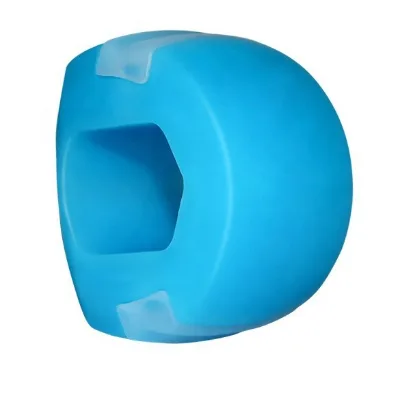
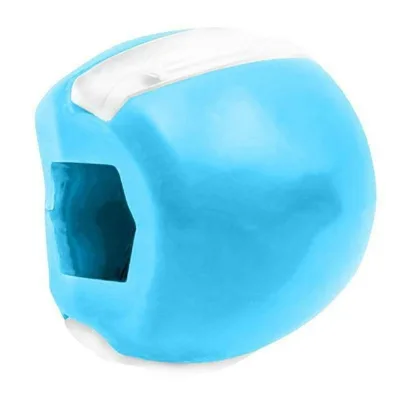
$0.76 - $1.00
MOQ: 500 pieces
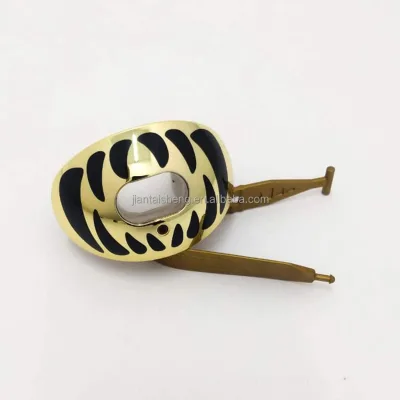
Wuxi Jstar Sports Products Co., Ltd.
- Trading Company
- Jiangsu, China
- Lead time30 days
- Avg. response≤ 2h
Main productsExercise Band,Weight Lifting,Fitness Training,Sports Safety,Yoga Products
Main marketsNorth America(65.00%), Western Europe(6.00%), South America(5.00%), Eastern Asia(5.00%), Eastern Europe(5.00%), South Asia(3.00%), Oceania(3.00%), Southeast Asia(3.00%), Mid East(3.00%), Northern Europe(2.00%)
$0.46 - $0.58
MOQ: 10 pieces

Shanghai Goldenwell Medical Technology Co., Ltd.
- Verified by CTI
- Trading Company
- China Shanghai
- Lead time15 days
- Avg. response≤ 6h
Main productsMedical Devices, Sports Support, Medical Dressings
Main marketsSoutheast Asia/ Mideast,Europe
Dongguan Bluebird Technology Co., Ltd.
- Trading Company
- Guangdong, China
- Lead time15 days
- Avg. response≤ 1h
Main productseyeglass accessories,water sports,cosmetic accessories,promotion gifts,package
Main marketsNorth America(40.00%), Southeast Asia(10.00%), Western Europe(10.00%), Eastern Asia(8.00%), Eastern Europe(5.00%), Southern Europe(5.00%), Oceania(5.00%), South Asia(3.00%), Mid East(3.00%), Northern Europe(3.00%), Central America(3.00%), South America(3.00%), Domestic Market(2.00%)

Yangzhou Goldenwell Import&Export Co., Ltd.
- Verified by BV
- Trading Company,Manufacturer/Factory
- China Jiangsu
- Lead time23 days
- Avg. response≤ 5h
Main productsMedical Devices, Syringe, Medical Tape, Medical Bandage
Main marketsSouth America,Eastern Europe,Mid East,North America,Southeast Asia,Eastern Asia,Oceania,Western Europe,Africa


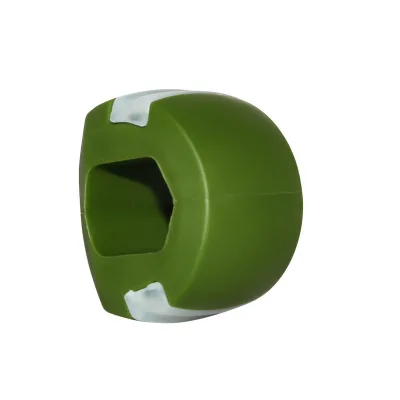
Face Fitness Ball Exerciser Facial Toner Reduce Double Chin Relax Training Jawline
$0.79
MOQ: 1200 Pieces
Yiwu Greefun Import & Export Co., Ltd.
- Trading Company
- Zhejiang, China
- Lead time5 days
- Avg. response≤ 14h
Main productsSports & Exercise,Yoga & Fitness,Training Kit,Toys,Camping & Hiking
Main marketsNorth America(39.00%), Western Europe(20.00%), Oceania(10.00%), South America(8.00%), Eastern Asia(5.00%), Mid East(5.00%), Southeast Asia(3.00%), Eastern Europe(3.00%), Domestic Market(3.00%), South Asia(2.00%), Africa(1.00%), Central America(1.00%)
Hangzhou Jiaqian Technology Co., Ltd.
- Trading Company
- Zhejiang, China
- Lead time45 days
- Avg. response≤ 1h
Main productsPickleball,EFoil,Padel,Tennis,Carbon Fiber
Main marketsNorth America(60.00%), Western Europe(10.00%), Oceania(10.00%), South America(10.00%), Southern Europe(5.00%), Northern Europe(5.00%)
Dongguan Shihuang Household Industrial Co., Ltd.
- Manufacturer, Trading Company
- Guangdong, China
- Lead time10 days
- Avg. response≤ 2h
Main productsBaby Teether,Bakeware,Dinnerware Set,Pet Product,Sports accessoris
Main marketsNorth America(15.00%), Southern Europe(15.00%), Domestic Market(10.00%), Northern Europe(10.00%), Oceania(10.00%), South America(8.00%), Western Europe(8.00%), Eastern Europe(8.00%), Central America(6.00%), Eastern Asia(3.00%), Southeast Asia(3.00%), Africa(2.00%), Mid East(2.00%)
Zhenjiang Deep Fitness Co., Ltd.
- Verified by Intertek
- Manufacturer, Trading Company
- Lead time25 days
- Avg. response≤ 4h
Main productsResistance Bands, Hip Bands, Power Bands, 11 pcs Resistance Bands Tubes, Jump Rope
Main marketsNorth America(35%), Western Europe(33%), Southeast Asia(15%)
Shenzhen Xinjianli Technology Co., Ltd.
- Verified by Intertek
- Manufacturer, Trading Company
- Lead time30 days
- Avg. response≤ 3h
Main productsMouth Guard, Football & Soccer Shin Guard, Knee Brace, Headgear
Main marketsNorth America(45%), Western Europe(20%), South America(15%)

- Verified by BV
- Trading Company,Manufacturer/Factory
- China Zhejiang
- Lead time23 days
- Avg. response≤ 5h
Main productsSpiral Slicer, Tent, Hammock, Garden Decoration, Garden Light, Kitchenware, Homeware, Camping, Travel Suitcase, Organizer
Main marketsSouth America,Eastern Europe,Mid East,North America,Southeast Asia,Eastern Asia,Oceania,Western Europe,Africa


Adjustable Hand Grip Strength Exerciser Arm Wrist Muscle Expander Ci18144
$1.35 - $1.80
MOQ: 100 Pieces

Guangzhou Ynuo Technology Co., Ltd.
- Manufacturer, Trading Company, Distributor/Wholesaler
- Guangdong, China
- Lead time15 days
- Avg. response≤ 2h
Main productsstorage baskets,kitchen accessories,Baby products,Pet products,Cake Tools
Main marketsSouth America(25.00%), North America(25.00%), Southern Europe(10.00%), Northern Europe(10.00%), Western Europe(10.00%), Eastern Europe(10.00%)

- Verified by TUVRHEINLAND
- Trading Company,Manufacturer/Factory
- China Zhejiang
- Lead time23 days
- Avg. response≤ 6h
Main productsTent, Gazebo, Trampoline, Canopy, Camping, Luggage, Yoga Mat, Shade Sails, Climing, Hiking
Main marketsSouth America,Eastern Europe,Mid East,North America,Southeast Asia,Eastern Asia,Oceania,Western Europe


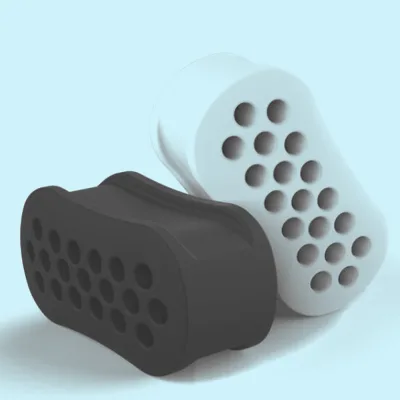
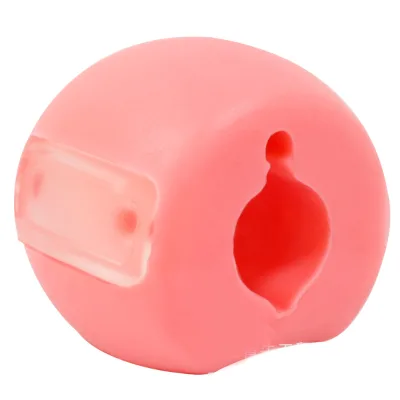
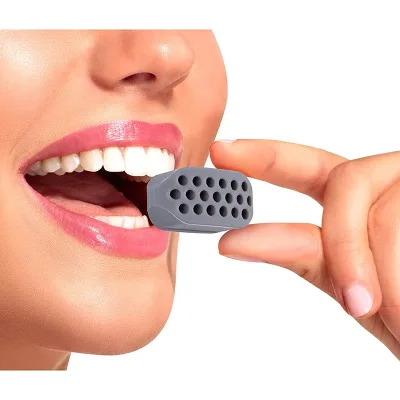
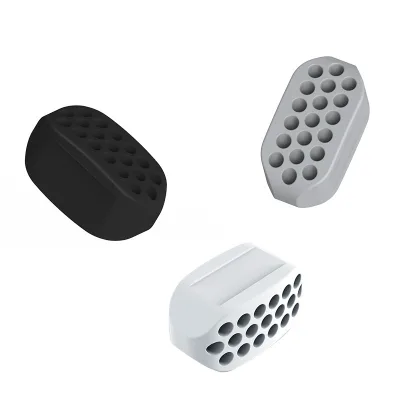
Jaw Trainer Exerciser Facial Jaw Toner Define Jawline Neck Exercise Ball Wyz21130
$0.87 - $1.05
MOQ: 100 Pieces
Hebei Chuangya Technology Co., Ltd.
- Verified by SGS Group
- Manufacturer, Trading Company
- Lead time15 days
- Avg. response≤ 2h
Main productsDumbbell, Barbell Bar, Weight Plate, Dumbbell Bench
Main marketsSoutheast Asia(40%), Western Europe(25%), Mid East(25%)
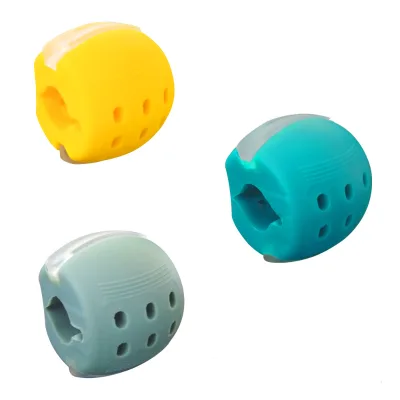
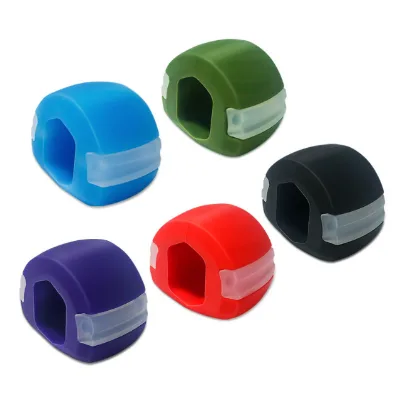
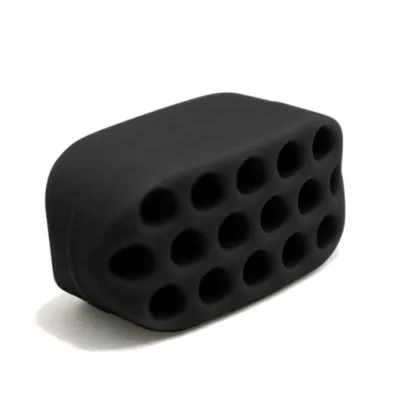
Colorful Jaw Exerciser Ball Custom Logo Jawline Exerciser for Neck Muscle Chin Slimming
$1.00 - $1.90
MOQ: 200 pieces
$0.92 - $1.00
MOQ: 100 pieces

Wenzhou Holdapple Technology Co., Ltd.
- Trading Company
- Zhejiang, China
- Lead time15 days
- Avg. response≤ 2h
Main productsSilicone Insoles,Gel Insole,TPE Insoles,PU Insoles,EVA Insoles
Main marketsNorth America(25.00%), Western Europe(18.00%), Eastern Europe(17.00%), Eastern Asia(5.00%), Southern Europe(5.00%), Oceania(5.00%), Northern Europe(5.00%), Domestic Market(5.00%), Mid East(3.00%), South Asia(3.00%), Southeast Asia(3.00%), South America(3.00%), Africa(2.50%), Central America(0.50%)
- Trading Company
- Jiangsu, China
- Lead time15 days
- Avg. response≤ 1h
Main productsSutuspension Trainer/Ballet Strap/Resistance Bands/Booty Belt/Hip Cicle/Speed Che/Trampoline/Weight-lifting Belt/AB Roller/Yoga Ball,Suspension Trainer,Yoga Blanket,Massage ball,Wateproof dry bag
Main marketsNorth America(52.00%), Western Europe(20.00%), Northern Europe(10.00%), Oceania(5.00%), South America(5.00%), Mid East(5.00%), Domestic Market(3.00%)
Dongguan Mika Technology Co., Ltd.
- Trading Company
- Guangdong, China
- Lead time15 days
- Avg. response≤ 3h
Main productsYoga mat,Resistance band,Yoga balls,Yoga block,Yoga Accessories
Main marketsNorth America(30.00%), Eastern Europe(20.00%), South America(20.00%), Southeast Asia(10.00%), Mid East(5.00%), Northern Europe(4.00%), Oceania(2.00%), Central America(2.00%), Africa(2.00%), Domestic Market(1.00%), South Asia(1.00%), Southern Europe(1.00%), Western Europe(1.00%), Eastern Asia(1.00%)

- Verified by TUVRHEINLAND
- Trading Company,Manufacturer/Factory
- China Jiangsu
- Lead time23 days
- Avg. response≤ 4h
Main productsMedal, Coin, Lapel Pin, PVC Patch, Embroidery Patch, Keychain, Button Badge, Silicone Wristband, Lanyards, Gift
Main marketsSouth America,Eastern Europe,Mid East,North America,Oceania,Western Europe
Foshan Greenkitchen Rubber Plastic Products Co., Ltd.
- Manufacturer, Trading Company
- Guangdong, China
- Lead time25 days
- Avg. response≤ 3h
Main productsSilicone baby feeding tool,Silicone baby uteinsil,Silicone baby products,Silicone Cupping Cup,Silicone kitchenware
Main marketsNorthern Europe(24.00%), Western Europe(18.00%), North America(15.00%), Domestic Market(15.00%), Eastern Asia(8.00%), Southeast Asia(7.00%), Mid East(5.00%), Eastern Europe(3.00%), Southern Europe(3.00%), South Asia(2.00%)

Nanjing Tropical International Co., Ltd.
- Trading Company
- China Jiangsu
- Lead time30 days
- Avg. response≤ 15h
Main productsYoga Block, Yoga Mat, Yoga Wheel, Foam Roller, Yoga Bolster, Yoga Towel, Yoga Ball, Yoga Bag, Pilates Ring, Resistance Band
Main marketsEurope,North America
Shijiazhuang Aofeite Imp & Exp Co., Ltd.
- Manufacturer, Trading Company
- Lead time旺季: "1 - 1000":31,"> 1000":"To be negotiated", 淡季: "1 - 1000":31,"> 1000":"To be negotiated"
- Avg. response≤ 2h
Main productsKnee Brace, Lumbar Support Belt
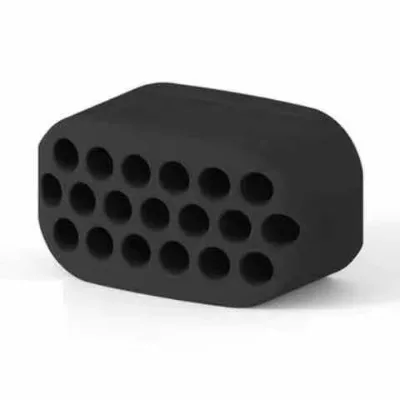
$0.09 - $0.99
MOQ: 20 Minimum
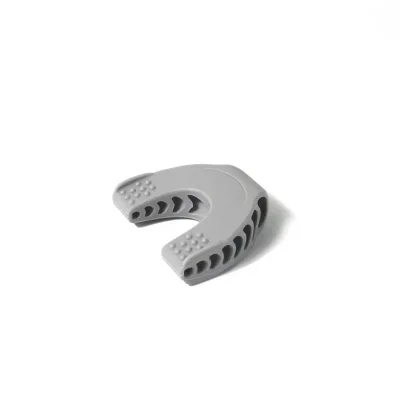
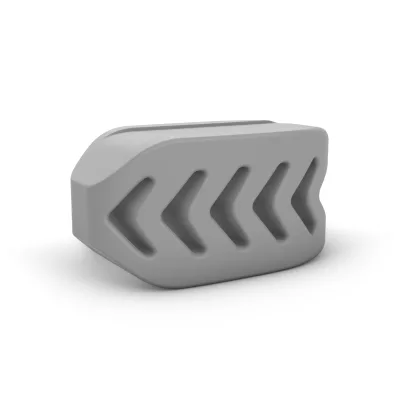
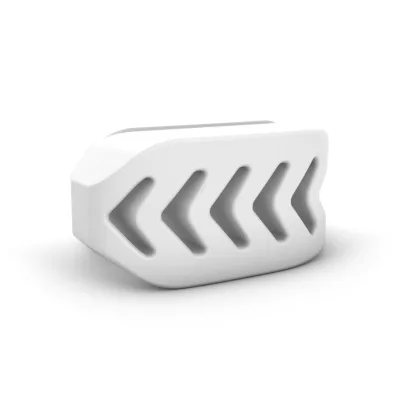

- Verified by SGS
- Trading Company,Manufacturer/Factory
- China Shaanxi
- Lead time23 days
- Avg. response≤ 8h
Main productsCork Sheets, Cork Rolls, Cork Granules, Yoga Cork, Cork Stoppers, Cork Placemats, Cork Coasters, Cork Sticks, Cork Mats, Cork Wall Panels


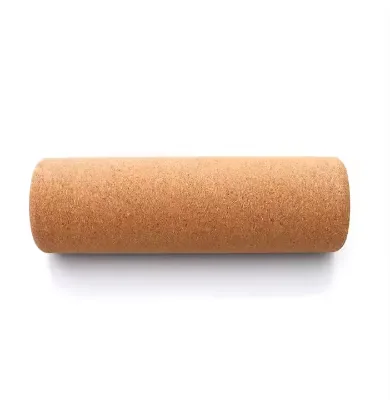
Natural Cork Roller Eco Friendly Muscle Back Pain Fitness Equipment Yoga Roller
$7.30 - $7.50
MOQ: 5000 Pieces


Natural Gym Equipment Release Fitness Exercising Cork Yoga Massage Roller
$7.30 - $7.80
MOQ: 5000 Pieces

Natural Cork Yoga Roller Eco Friendly Massage Roller for Fitness Wholesale
$7.20 - $7.80
MOQ: 5000 Pieces


Shenzhen Fengtong Technology Co., Ltd.
- Manufacturer, Distributor/Wholesaler, Business Service (Transportation, finance, travel, Ads, etc)
- Guangdong, China
- Lead time7 days
- Avg. response≤ 2h
Main products3C hot electronics,Wireless charging products,wireless charging mouse pad,Gift usb flash drive,inflatable advertising
Main marketsNorth America(20.00%), Western Europe(12.00%), Northern Europe(10.00%), Eastern Europe(8.00%), Mid East(8.00%), Africa(6.00%), Domestic Market(5.00%), Southern Europe(4.00%), Oceania(4.00%), South America(4.00%), Southeast Asia(4.00%), Eastern Asia(2.00%), South Asia(2.00%)

Shandong Realleader Fitness Co., Ltd.
- Trading Company,Manufacturer/Factory
- China Shandong
- Lead time60 days
- Avg. response≤ 6h
Main productsFitness Equipment, Fitness Equipment-Made in China, Gym, Gym Equipment, Fitness, Bodybuilding Equipment, Fitness Equipment-Made-in-China. com, Gym Equipment-Made-in-China, Cardio Equipment-Made-in-China, Home Gym
Main marketsSouth America,Eastern Europe,Mid East,North America,Southeast Asia,Eastern Asia,Oceania,Western Europe,Africa


Multi Exercise Machine Exercise Instruments Freedom Fitness Equipment Pectoral Machine
$2991.00 - $3739.00
MOQ: 1 Pieces


Shijiazhuang Cening Trading Co., Ltd.
- Trading Company
- Hebei, China
- Lead time7 days
- Avg. response≤ 3h
Main productsYoga products,gym fitness products,Boxing equipment,Outdoor sports,Sports Safety
Main marketsNorth America(20.00%), Southeast Asia(11.00%), Oceania(8.00%), Northern Europe(8.00%), Mid East(8.00%), Western Europe(8.00%), South Asia(7.00%), Southern Europe(6.00%), Eastern Europe(6.00%), Eastern Asia(6.00%), Central America(5.00%), South America(4.00%), Africa(2.00%), Domestic Market(1.00%)
Danyang Skyhope Health & Sports Industry Co., Ltd.
- Verified by TüVRheinland
- Manufacturer, Trading Company
- Lead time0 days
- Avg. response≤ 3h
Main productsResistance Bands, Resistance Tubing, Hand Pump, Ear Syringe, Hip Bands
Main marketsNorth America(50%), Domestic Market(20%), Western Europe(7%)
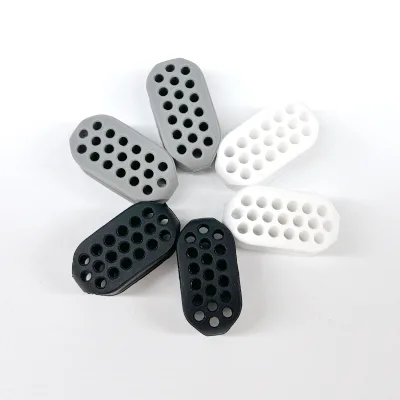
2024 Skyhope Jaw Equipment Chew Tool Exerciser Ball Shaper Jaw Trainer Jaw Exerciser
$0.59 - $0.65
MOQ: 100

Shandong Tianzhan Fitness Equipment Co., Ltd.
- Verified by BV
- Combined
- China Shandong
- Lead time30 days
- Avg. response≤ 8h
Main productsGym Equipment, Fitness Equipment, Strength Machines, Exercise Bike, Body Building Machines, Commercial Fitness Equipment, Motorized Treadmill, Fitness Equipment Gym Machine, Free Weight Accessories, Treadmill
Main marketsSouth America,Southeast Asia/ Mideast,East Asia(Japan/ South Korea),Europe,Australia,North America
Danyang Zhenxing Latex Products Co., Ltd.
- Verified by SGS Group
- Manufacturer, Trading Company
- Lead time20 days
- Avg. response≤ 10h
Main productsLatex Products (Latex Resistance Bands, Latex Tubes, Latex Bladder, Latex Bulb, Latex Hip Bands, Latex Resistance Tube, Yoga Bands)
Main marketsNorth America(40%), Eastern Asia(10%), Western Europe(10%)
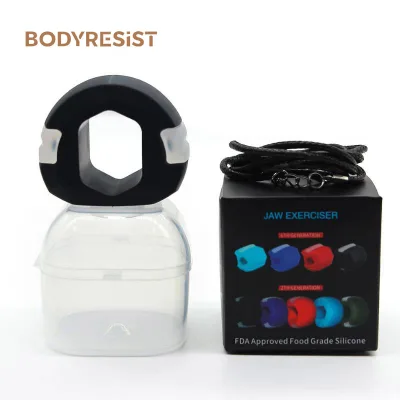
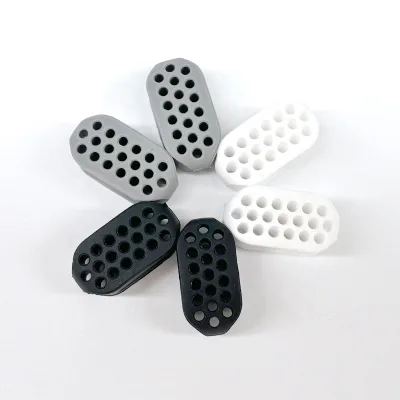
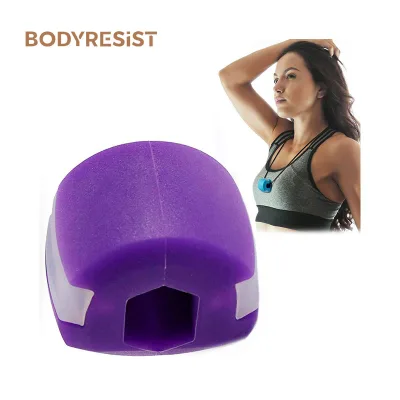
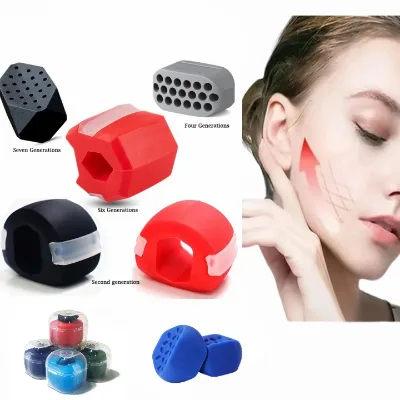
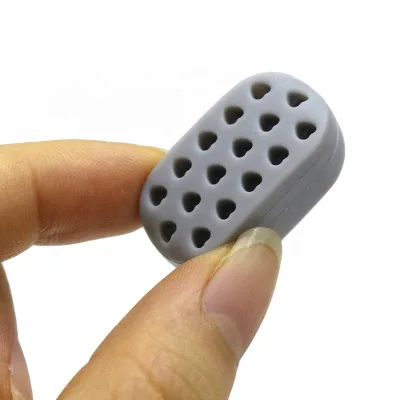
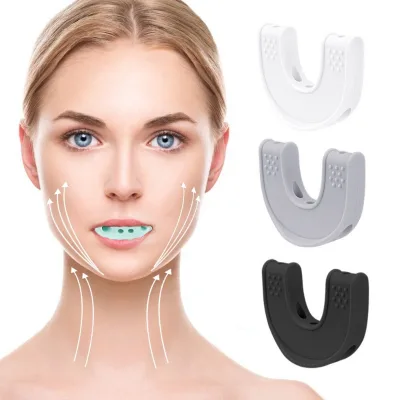
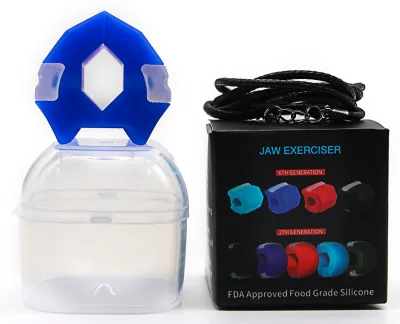
Silicone Case Jaw Exerciser Pack and Neck Toning Equipment Flexible Jaw Muscle for Jawline
$0.76 - $0.97
MOQ: 10 sets

Wenzhou Haoxiang Amusement Toys Co., Ltd.
- Verified by SGS
- Combined
- China Zhejiang
- Lead time15 days
- Avg. response≤ 14h
Main productsWooden Playground, Wooden Outdoor Playground, Plastic Outdoor Playground, Plastic Playground, Kindergarten Furniture, Wooden Furniture, Wooden Adventure Playground, Kindergarten Role Play Toys, Wooden Toys, Swing and Slide
Main marketsSouth America,Southeast Asia/ Mideast,East Asia(Japan/ South Korea),Domestic,Europe


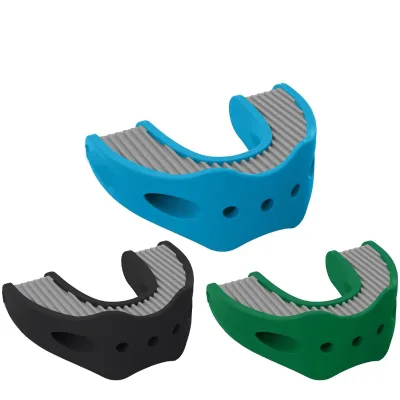
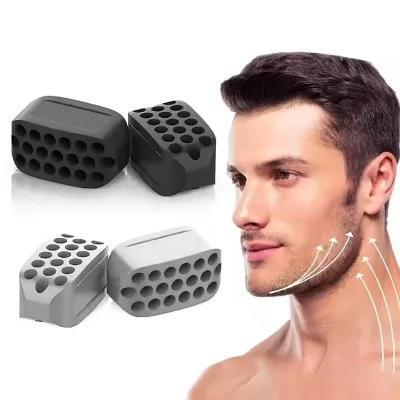
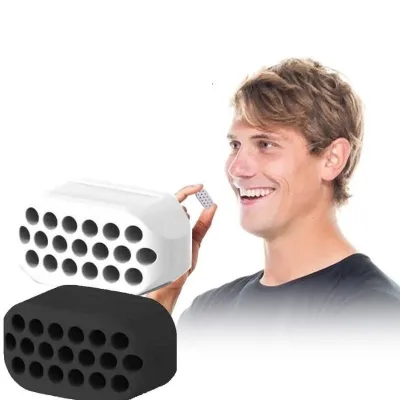
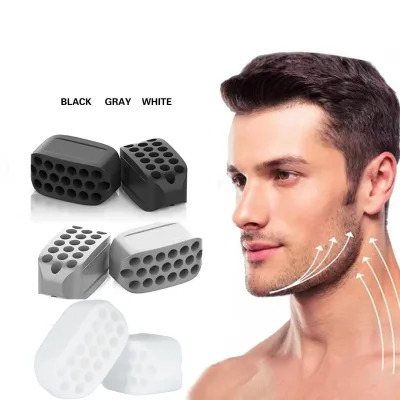






Comprehensive Sourcing Guide
Eco Friendly Jawline Exerciser Supplier Concentration and Factory Types
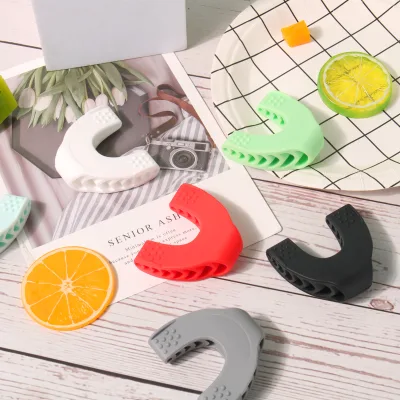
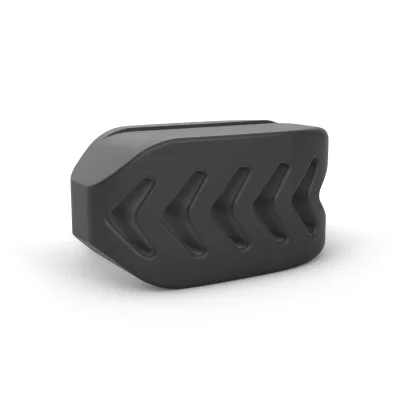
When buyers search for Eco Friendly Jawline Exerciser products, the visible supplier results show a clear pattern worth understanding before outreach. In this category, the results on this page point to suppliers based in Guangdong and Jiangsu, China, which suggests that mandibular training devices made from food-grade silicone are produced across more than one coastal province rather than in a single town. Some listings identify the seller as a manufacturer whose main products include mouth guards, gum shields, dental cases, and silicone rubber products, while another is labeled a trading company whose catalog centers on exercise bands, weight lifting gear, fitness training items, and yoga products. That split matters: a manufacturer with a silicone line can typically control material sourcing and molding in-house, whereas a trading company may aggregate items from several workshops and add coordination value on resistance-level variants, packaging, or sample handling.
Beyond the regions shown here, buyers should not assume this category has a single dominant cluster. A practical way to identify one is to run the same product keyword across several sourcing channels and record where verified manufacturers cluster, then cross-check business-license addresses against factory addresses. Suppliers whose main products sit adjacent to jaw exercisers—dental guards, sports protection, silicone rubber goods—are more likely to own tooling and compounding capability than generalist sellers who list the item among hundreds of unrelated SKUs.
How to Verify Eco Friendly Jawline Exerciser Suppliers
Verification starts with separating manufacturers from trading companies, and the labels visible in this category show both types. Confirm which one you are dealing with, because it changes what you can ask for: a manufacturer should be able to discuss silicone durometer, mold ownership, and curing processes, while a trading company should be probed on which factory actually produces the jaw trainer and who holds the mold. Check that the supplier's main products align with silicone or sports-protection goods rather than a scattered catalog. Ask for a business license and, for eco-friendly claims, documentation showing the material is food-grade or compliant with the destination market's contact-safety rules—do not accept "eco-friendly" as a bare adjective without supporting paperwork.
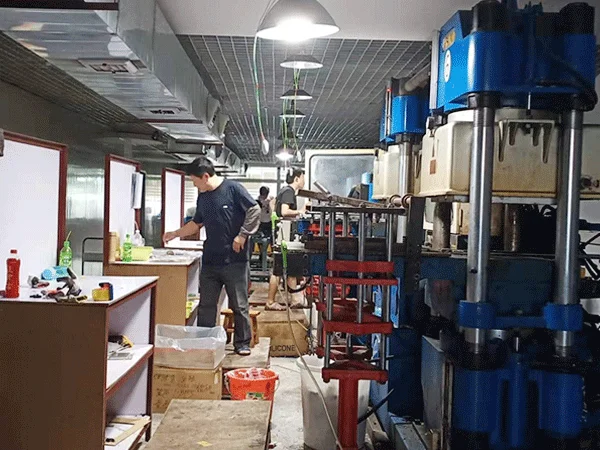
Next, validate the product itself. Listings in this category describe silicone jaw trainers with resistance levels from 30 to 60 pounds, custom colors, and OEM logo options, so request samples to confirm the stated resistance actually matches the item you receive. Where a listing shows a supplier response time, treat it as one signal among many rather than a guarantee; the results here range from roughly two hours to eight hours, but response speed can drift. Ask for recent, dated photos or a short video call from the workshop floor, and request references from buyers in a similar category. Finally, verify that the "Place of Origin" stated on the product page matches the company registration region you were told, since inconsistencies are an early warning sign.
What to Compare Across Eco Friendly Jawline Exerciser Suppliers
Build a side-by-side sheet using the attributes suppliers actually display, without assuming every supplier shows every field. Useful dimensions from this category include: supplier type (manufacturer versus trading company), location, main products, lead time, response time, and the individual product fields such as material, resistance levels, size, packaging, and customization options. On the numbers visible here, lead times span roughly 20 to 30 days and minimum order quantities range from as low as 10 pieces on one Jiangsu-listed trainer to 500 pieces on a Guangdong silicone item, with unit prices that vary accordingly. That spread shows why MOQ and price must be compared together, not in isolation—a low MOQ listing may carry a different unit economics profile than a factory-direct bulk quote.
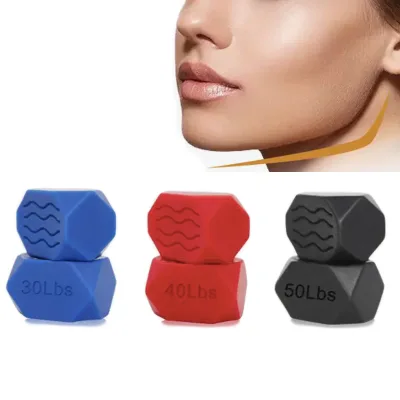
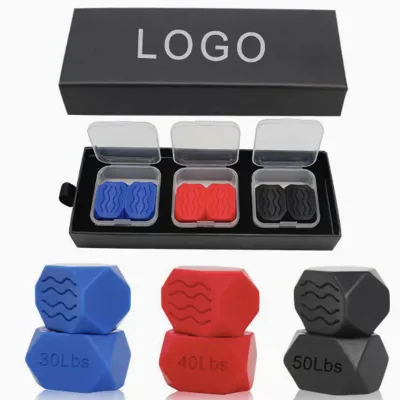
Also compare customization depth. Some listings offer customized logos, colors, and sizes, while others specify only a fixed color or a standard model number. If branding matters, score suppliers on whether they accept OEM logos, whether samples are available, and whether packaging choices (plastic bag, opp bag, retail box) are configurable. Compare resistance-level ranges too: one supplier offers 40/50/60-pound variants, another lists 30/40/50-pound color-coded options, which affects how you position a product line. Finally, note each supplier's establishment year if displayed, since tenure is a weak but nonzero signal of stability—then verify anything that will affect your launch timeline with a direct question rather than relying on the listing alone.
Common Eco Friendly Jawline Exerciser Sourcing Risks
The most common risk in this category is material misrepresentation. "Eco-friendly" and "food-grade" appear frequently in listings, but neither phrase is a certification in itself. If a supplier claims food-grade silicone without documentation, the shipped batch may use cheaper rubber that fails contact-safety tests in regulated markets. Always ask for the material declaration and, where relevant, third-party test reports naming the specific resin, before placing a deposit. A second risk is resistance-level inaccuracy: jaw trainers are sold by pound ratings, and a 50-pound unit that actually resists at 35 pounds will generate returns. Specify an acceptable tolerance in your purchase agreement.
Quality consistency across batches is a third risk, especially with trading-company listings where the producing factory may change without notice. Lock the mold, the material spec, and the color codes in writing. A fourth risk is over-reliance on displayed attributes: a fast response time or a low MOQ shown on a listing is a snapshot, not a contract term. Confirm current pricing, current lead time, and current stock before assuming the page is accurate. Finally, watch for keyword-stuffed listings that copy competitor descriptions—a supplier whose product titles repeat many keyword variants may be reselling rather than manufacturing. Mitigate these risks with pre-shipment inspection, a signed specification sheet, and a first order sized so that a quality failure hurts but does not sink your cash position.
Eco Friendly Jawline Exerciser Regional Sourcing and Logistics
The location data visible in this category places suppliers in Guangdong and Jiangsu, China, two provinces with deep silicone-molding and sporting-goods infrastructure. Guangdong's listings here come from a manufacturer whose catalog includes mouth guards and silicone rubber products, suggesting integrated dental-adjacent molding capability, while the Jiangsu listings come from a trading company focused on fitness goods with lead times around 30 days versus roughly 20 days shown for the Guangdong supplier. Both provinces have strong export handling, but logistics specifics—nearest port, freight-forwarder relationships, and consolidation options—should be confirmed directly rather than assumed from province alone.
Because these items are small and light (one listing shows a single gross weight of about 0.035 to 0.05 kg per piece), they ship economically by air parcel for samples and by sea in consolidated cartons for volume. That low unit weight means freight is rarely the dominant cost; the silicone compound and mold amortization are. Plan sample shipments by air to evaluate goods quickly, then move to sea freight once the specification is frozen. If sourcing outside the regions shown here, use the same evaluation method: identify provinces where silicone molding and sports-protection manufacturing overlap, request proof of factory address, and ask which port the supplier normally ships from, since that answer reveals how experienced the supplier is with export volumes similar to yours.
Eco Friendly Jawline Exerciser Commercial Terms and Order Planning
Commercial planning should start from the real numbers in this category, then be stress-tested with each supplier. Displayed unit prices for jaw trainers here range from roughly $0.45 to $1.89 depending on model and quantity, with MOQs from 10 to 500 pieces and lead times from about 20 to 30 days. Use these as anchors, not as quotes: prices move with silicone raw-material costs, resistance-level complexity, packaging choice, and order volume. When you request quotations, ask each supplier to break out unit price at two or three quantity tiers, sample cost (and whether it is credited against the first order), tooling or logo-printing charges, and packaging cost separately, so you can compare like with like.
On payment and risk terms, ask what protection mechanisms the supplier supports—escrow-style arrangements or platform-backed trade assurance where available—and never wire an unrecoverable deposit to an unverified account. Plan a first order at the supplier's stated MOQ or slightly above, enough to validate the full production and inspection cycle without overcommitting. Build your launch calendar backward from the longest lead time among shortlisted suppliers (here, up to about 30 days plus shipping and inspection). Add a buffer for rework if the first batch fails resistance or material checks. Finally, put response-time expectations, artwork approval deadlines, and defect-rate remedies into a written agreement before the deposit moves, since displayed response times of a few hours do not bind the supplier once production starts.
FAQs
What materials are typically used in eco friendly jawline exercisers?
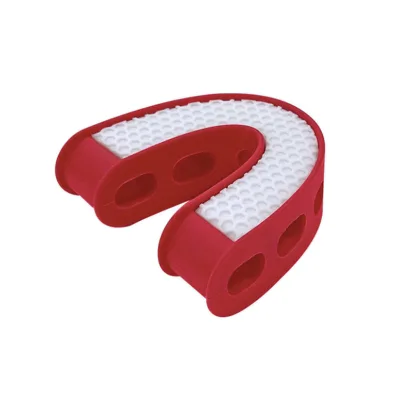
Most eco friendly jawline exercisers listed by suppliers are made from silicone, and some mouth-guard style models use EVA. Food-grade and washable silicone is commonly advertised, which matters because the device is held in the mouth during training. Buyers should request material declarations and confirm food-contact compliance for the destination market before ordering samples.
What is the typical minimum order quantity for jawline exercisers?
Minimum order quantities vary widely by supplier and model. Some trading companies list jawline trainers starting from as few as 10 pieces, while a Guangdong manufacturer lists silicone models at a 500-piece minimum. Low MOQs usually come with higher unit prices, so confirm the exact MOQ and tiered pricing for your chosen model before requesting a quotation.
How much do eco friendly jawline exercisers cost per unit?
Listed unit prices generally range from under one dollar to under two dollars depending on material and design. Silicone trainers appear between roughly 0.45 and 1.00 dollars per piece, while EVA mouth-guard style products are quoted around 1.56 to 1.89 dollars. Final pricing depends on order quantity, customization, and packaging, so request quotes per model.
What lead times should buyers expect for jawline exerciser orders?
Suppliers in the results report production lead times of roughly 20 days for a Guangdong manufacturer and 30 days for a Jiangsu trading company. Actual schedules depend on order size, customization such as custom colors or logos, and season. Always confirm the current lead time in writing and factor in shipping time to your destination market.
Can jawline exercisers be customized with my logo and colors?
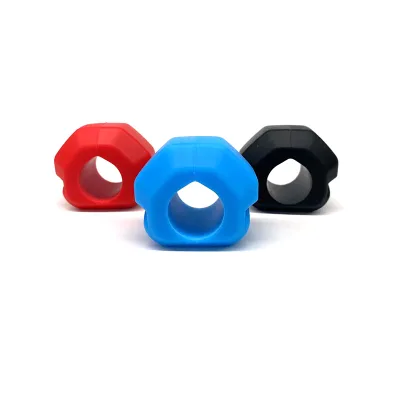
Yes, customization is widely offered. Listings mention customized logos, customized colors, and custom sizes, with some models available in black, blue, or red colorways tied to resistance levels. OEM logo options are explicitly noted by trading suppliers. Ask each supplier for artwork requirements, sample availability, and any tooling or printing charges before placing a bulk order.
What resistance levels are available for silicone jaw trainers?
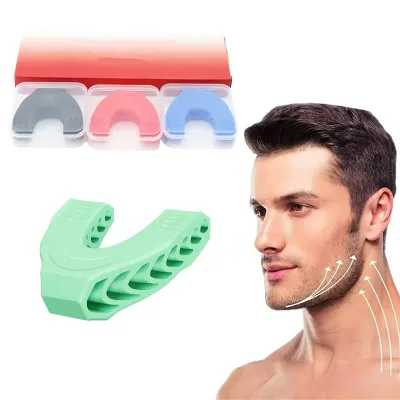
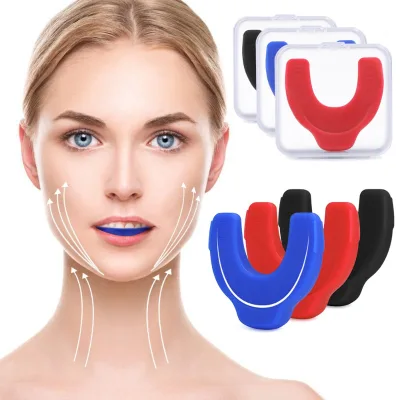
Silicone jaw trainers commonly come in multiple resistance levels, with listings showing 30, 40, 50, and 60 pounds, often sold as color-coded sets such as black, blue, and red. Offering several levels lets customers progress over time. Confirm which resistance levels each supplier can produce, whether levels can be mixed within one order, and how levels are labeled.
Do suppliers offer samples before bulk production?
Several listings state that samples are available, which lets you evaluate silicone quality, chewing comfort, and resistance before committing. Samples usually carry a cost plus shipping, and some suppliers credit the fee against a later bulk order. Order samples of every resistance level you plan to stock and test washability and durability during evaluation.