Eco-Friendly Kitchen Glass Storage Tank Suppliers and Manufacturers
Source 30 verified suppliers for Eco-Friendly Kitchen Glass Storage Tank solutions. Compare grounded dimensions including ISO certifications, OEM capabilities, lead times, and response rates. Review product specifications and request quotes to identify the right partner for your procurement needs.
Suppliers List

Huateng Datang(Langfang) International Trade Co., Ltd.
- Verified by BV
- Trading Company
- China Beijing
- Lead time45 days
- Avg. response≤ 2h
Main productsGlass Lined Tank, Glass Lined Reactor
Main marketsDomestic
Hebei Yingnai Environmental Protection Technology Co., Ltd
- Verified by BV
- Combined
- China Hebei
- Lead time30 days
- Avg. response≤ 1h
Main productsFRP, FRP Tank, FRP Tower, FRP Pipe, FRP Grating, FRP Storage Tank, FRP Product, FRP/GRP Molded Grating Machine, FRP Cable Tray, Fgd Scrubber for Power Plant
Main marketsOthers(foreignTradeCapacity.exportBusinessCapacityMarketOther),Domestic
Anhui Idea Technology Imp & Exp Co., Ltd.
- Verified by SGS Group
- Trading Company
- Lead time15 days
- Avg. response≤ 5h
Main productsGlass Jar, Glass Bottle, Glass Container, PET Preform, Aluminum Cans
Main marketsSouth America(30%), Southern Europe(20%), Northern Europe(10%)
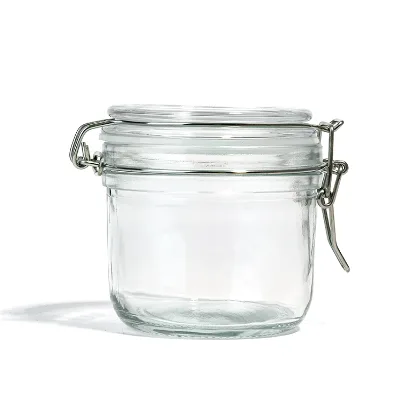
Hot Sales Honey Jar Food Storage Glass Jar Glass tank clear tank with Rubber Sealing Ring
$0.25 - $0.55
MOQ: 10000 pieces

Zhejiang Jhen Ten Machinery Co., Ltd.
- Verified by CTI
- Manufacturer/Factory
- China Zhejiang
- Lead time38 days
- Avg. response≤ 10h
Main productsStorage Tank, Mixing Tankfilter Housing, Stainless Steel Tank, Filter Housing, Bag Filter, Fermentation Tank, Sanitary Filter, Cartridge Filter, Reactor, Pressure Vessel
Main marketsSouth America,Eastern Europe,Mid East,North America,Southeast Asia,Eastern Asia,Oceania,Western Europe,Africa

Qingdao Jianhai International Trade Co., Ltd.
- Verified by BV
- Trading Company,Manufacturer/Factory
- China Shandong
- Lead time23 days
- Avg. response≤ 4h
Main productsGlassware, Cosmetic Bottle, Mason Jar, Storage Bottle, Vase, Wine Bottle, High Borosilicate Glass, Glass Bottle, Cup, Glass Craft
Main marketsSouth America,Eastern Europe,Mid East,North America,Southeast Asia,Eastern Asia,Oceania,Western Europe,Africa
Hebei Zhuozhongxi Glass Products Co., Ltd.
- Verified by BV
- Manufacturer/Factory
- China Hebei
- Lead time15 days
- Avg. response≤ 4h
Main productsGlass Cup, Glass Teapot, Coffee Appliance, Tea Set, Glass Crafts, Glass Jug, Glass Food Storage Jar, Wine Glass, Candle Holders, Double Wall Glass
Main marketsSouth America,Eastern Europe,Mid East,North America,Southeast Asia,Eastern Asia,Oceania,Western Europe,Africa
Hebei Xingchen Glass Technology Co., Ltd.
- Verified by CTI
- Combined
- China Hebei
- Lead time30 days
- Avg. response≤ 9h
Main productsGlass Cup, French Press, Coffee Pot, Glass Jar, Teapot, Syphon Coffee Maker, Glass Cooking Pot, Glass Pitcher, Glass Straw, Glass Teacup
Main marketsSouth America,Africa,Others(foreignTradeCapacity.exportBusinessCapacityMarketOther),Southeast Asia/ Mideast,East Asia(Japan/ South Korea),Europe,Australia,North America


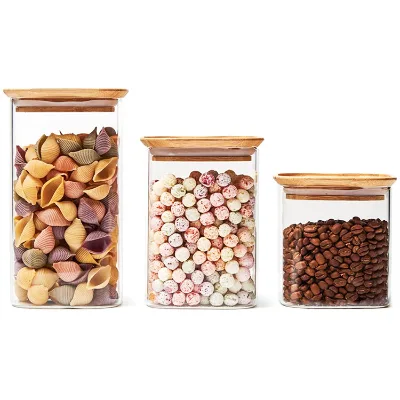
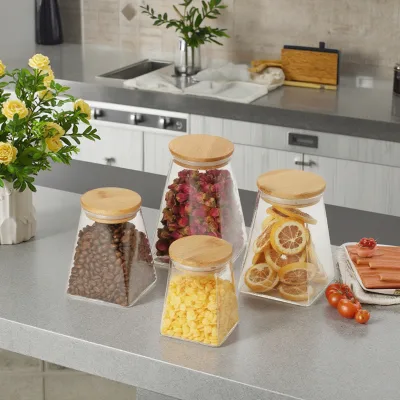
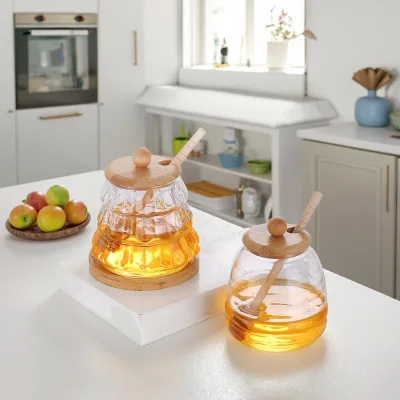
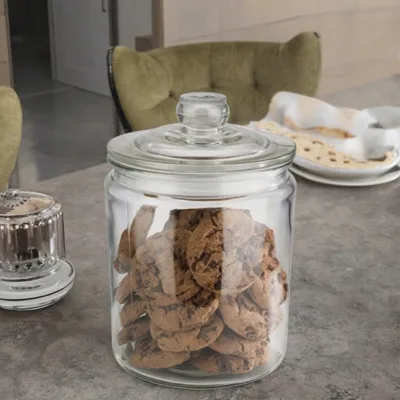
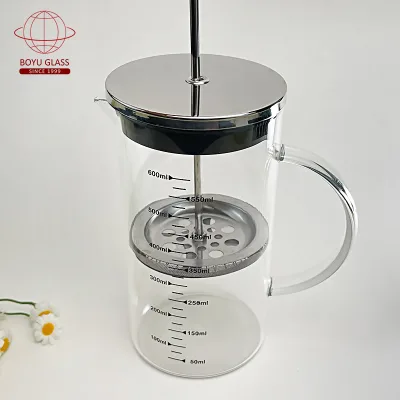
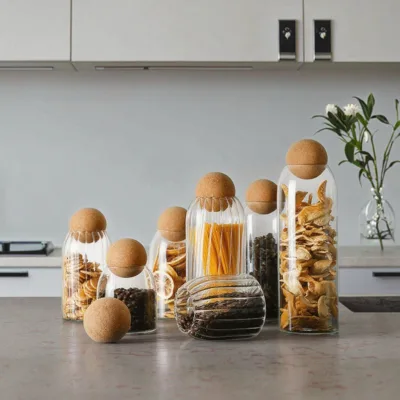
Wholesale Hot Sale Air Tight Storage Jar with Bamboo Lid Eco-Friendly Glass Storage Tank Jar
$0.42 - $0.80
MOQ: 100 Pieces


- Manufacturer, Trading Company
- Hebei, China
- Lead time30 days
- Avg. response≤ 3h
Main productsGlass Cups,Glass Ware,Wine Bottle,handmad glassware,double wall glass cup
Main marketsNorthern Europe(15.0%), Western Europe(15.0%), Southern Europe(10.0%), Mid East(10.0%), Eastern Europe(10.0%), Domestic Market(5.0%), South America(5.0%), Central America(5.0%), North America(5.0%), Eastern Asia(5.0%), Southeast Asia(5.0%), Oceania(5.0%), South Asia(3.0%), Africa(2.0%)
$0.86 - $1.29
MOQ: 100 Minimum

LIANYUNGANG KAESHING INTERNATIONAL TRADING CO., LTD.
- Verified by TUVRHEINLAND
- Trading Company
- China Jiangsu
- Lead time15 days
- Avg. response≤ 6h
Main productsGlass Bottle, Glass Jar, Glass Cup, Glassware, High Borosilicate Glass Jar Bottle Mug, Glass Perfume Bottle, Glass Mug, Glass Decanter, Storage Jar, Fused Silica
Main marketsNorth America

Zibo Melory Import & Export Trade Co., Ltd.
- Trading Company,Manufacturer/Factory
- China Shandong
- Lead time45 days
- Avg. response≤ 17h
Main productsGlass Candle Holder, Glass Jar, Glass Votive, Glass Diffuser, Glass Bottle, Glass Vase, Matches, Ceramic Candle Holder, Ceramic Holder for Incense, Glass Candle Jar
Main marketsSouth America,Eastern Europe,North America,Western Europe

Li&Li Mechanical (Guangzhou) Corporation
- Verified by TUVRHEINLAND
- Combined
- China Guangdong
- Lead time30 days
- Avg. response≤ 8h
Main productsMixing Tank, Reactor, IBC Tank, Filling Machine, Vacuum Emulsifying Mixer, Heat Exchanger, Storage Tank, Tail Gas Recovery Tower, Planetary Stirrer, Stainless Steel Barrel Drum
Main marketsNorth America
Hebei Laiyan Technology Co., Ltd.
- Trading Company
- Hebei, China
- Lead time7 days
- Avg. response≤ 1h
Main productsglass storage jar,glass bottles and jars,plastic bottles and jars,aluminum bottles and tins,caps accessories
Main marketsEastern Europe(20.0%), Eastern Asia(20.0%), Africa(15.0%), Western Europe(10.0%), South America(10.0%), North America(10.0%), Oceania(8.0%), Southeast Asia(5.0%), Mid East(2.0%)

Golden Ace Industrial Co., Ltd.
- Verified by BV
- Combined
- China Shandong
- Lead time60 days
- Avg. response≤ 8h
Main productsGlassware, Kitchenware, Houseware, Glass Vase, Giftware
Main marketsAfrica,Southeast Asia/ Mideast,Europe,Australia,North America


Storage Containers with Lids Glass Jar Glass Containers for Food Storage
$6.70 - $7.00
MOQ: 300 Pieces

Jinan Glass International Trade Co., Ltd.
- Manufacturer/Factory
- China Shandong
- Lead time15 days
- Avg. response≤ 7h
Main productsGlass Smoking Pipe, Glass Pipe, Printing and Package, Laboratory Glassware, Home Glassware, Machine, Sticker, Wall Decal
Main marketsSouth America,Eastern Europe,North America,Southeast Asia,Eastern Asia,Oceania,Western Europe,Africa
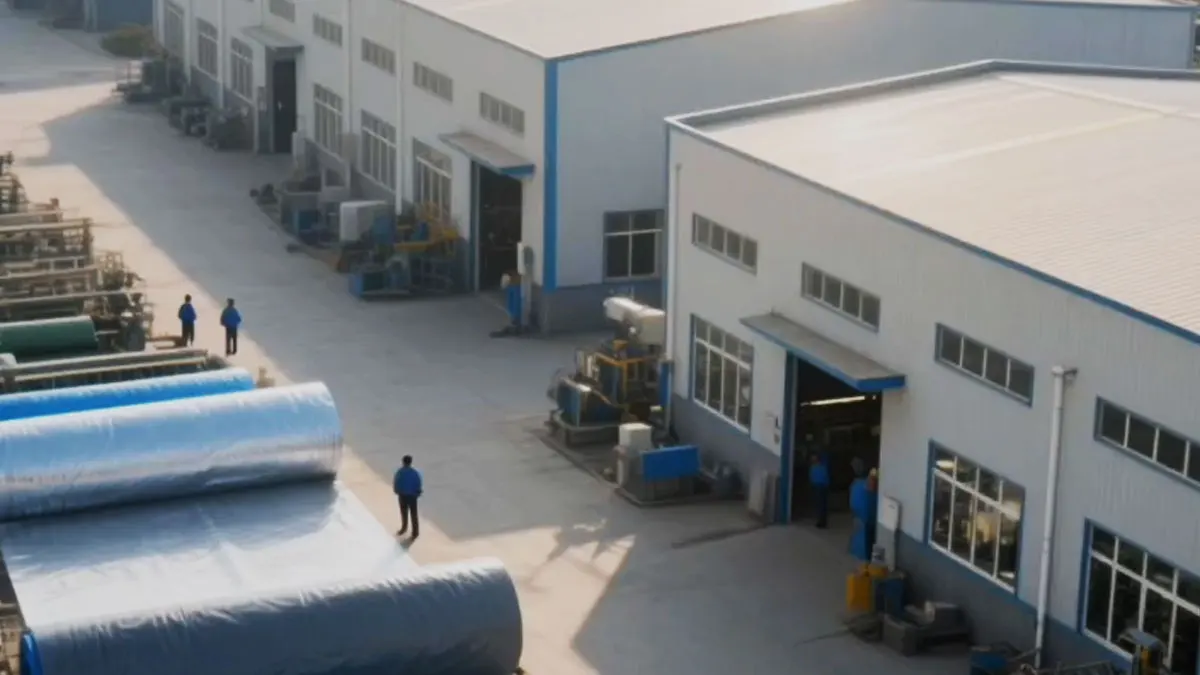
Hainan Fubang Industrial Management Co., Ltd.
- Trading Company
- Hainan, China
- Lead time0 days
- Avg. response≤ 1h
Main productsWaterproof Tape,waterproofing membrane,tarpaulin,Greenhouse film,Geotextile
Main marketsDomestic Market(36.0%), North America(22.0%), Northern Europe(12.0%), Southern Europe(12.0%), South America(9.0%), Mid East(9.0%)
Yiwu Hezhexin Trading Co., Ltd.
- Trading Company
- Zhejiang, China
- Lead time0 days
- Avg. response≤ 2h
Main productsKitchen Tools,Gardening Tools,Storage Container,Popular Drinkware,Household Appliances
Main marketsNorth America(20.0%), Southern Europe(10.0%), Northern Europe(10.0%), Africa(10.0%), Southeast Asia(10.0%), Eastern Europe(10.0%), Western Europe(10.0%), South Asia(5.0%), Mid East(5.0%), Oceania(5.0%), South America(5.0%)

Shenzhen Hengrong Water Treatment Equipment Co., Ltd
- Verified by CTI
- Trading Company
- China Guangdong
- Lead time15 days
- Avg. response≤ 3h
Main productsWater Treatment Equipment Filter Water Puri, Water Purification Equipment, Reverse Osmosis Equipment, Integrated Sewage Equipment, Filter, Sanitary Storage Tanks, UV Sterilizer, Stirring The Can, Radiator, Mixing and Dosing Equipment
Main marketsAfrica,Domestic
Yishui Xinsen Stainless Steel Products Co., Ltd
- Verified by SGS
- Manufacturer
- China Shandong
- Lead time15 days
- Avg. response≤ 1h
Main productsStainless Steel Tank, Daily Chemical Reaction Vessel, Glue Dispensing Machine, Pressure Tank, Water Storage Tank, Palletizer, Stainless Steel Pressure Tank, Hot Melt Glue Dispenser Pressure Tank, PU Injection Machine Pressure Vessel, Composite Autoclave
Main marketsDomestic

Guangzhou AiK Machinery Technology Co., Ltd.
- Verified by SGS
- Manufacturer/Factory
- China Guangdong
- Lead time15 days
- Avg. response≤ 5h
Main productsVacuum Homogenizer Mixer, Mixing Tank, Cosmetics Mixing Machine, RO Water Treament, Filling Machine, Capping Machine, Lableing Machine, Ink Printer, Shampoo Mixer, Detergent Soap Products Homogenizer Mixer
Main marketsSouth America,Eastern Europe,Mid East,North America,Southeast Asia,Eastern Asia,Oceania,Western Europe,Africa
Yangzhou Artdragon Decorations Co., Ltd.
- Manufacturer, Trading Company
- Jiangsu, China
- Lead time60 days
- Avg. response≤ 3h
Main productsGlass Crafts, Felt Products, Sport Products
Main marketsNorth America(65.0%), Western Europe(25.0%), South America(3.0%), Northern Europe(3.0%), Oceania(1.0%), Southern Europe(1.0%), Eastern Asia(1.0%), Mid East(1.0%)
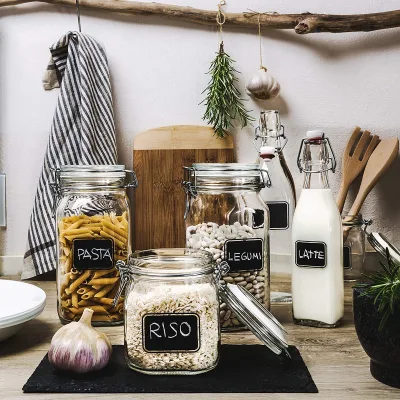
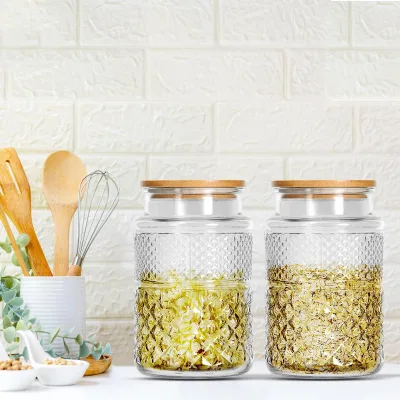
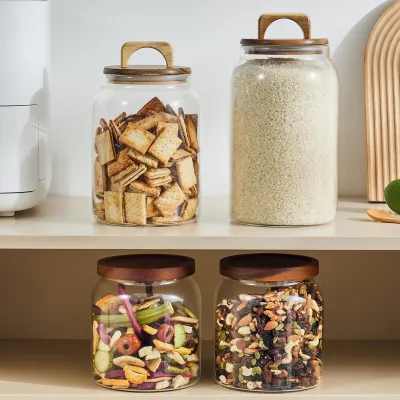
Kitchen Food Snack Glass Storage Jar High Quality Glass Food Storage Jar Containers with Lid
$0.83 - $1.07
MOQ: 500 pieces
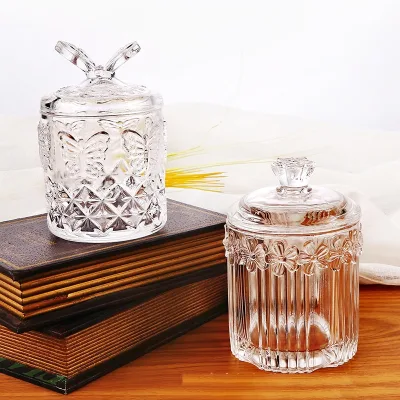
Glass Sealed Jar Kitchen Food Storage Jar Tank High Borolicicate Glass Food Jar with Lid
$1.96 - $2.78
MOQ: 10 pieces
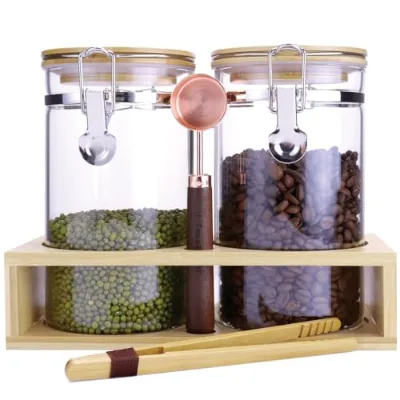
Food Storage Tank Glass Jar Storage Containers Coffee Canister with Lid Spoon and Shelf
$7.83 - $8.34
MOQ: 500 pieces
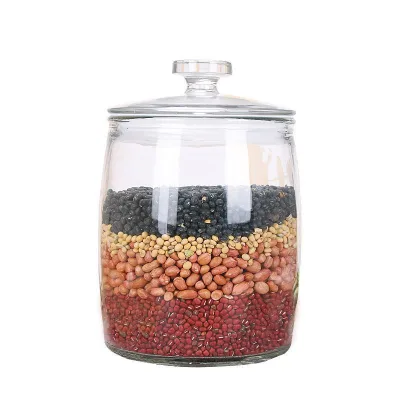

Hemera (Tianjin) Technology Development Limited
- Verified by TUVRHEINLAND
- Manufacturer/Factory
- China Tianjin
- Lead time38 days
- Avg. response≤ 4h
Main productsGlass Cup, Glass Teapot, Glass Jar&Container, Glass Pitcher&Carafe, Water Jug, Coffee Set, Wine Set, Glass Cooking Ware
Main marketsSouth America,Eastern Europe,Mid East,North America,Southeast Asia,Eastern Asia,Oceania,Western Europe,Africa

Glass Rice Bucket Storage Tank Sealed Glass Jar in Kitchen Supplies Factory
$28.00 - $32.00
MOQ: 500 Pieces

200ml Borosilicate Glass Storage Jar Tank with Bamboo Lid for Kitchen Use
$2.55 - $3.31
MOQ: 300 Pieces

Large Capacity High Borosilicate Glass Food Kitchen Use Storage Tank Jars with Wooden Sealed Lid
$6.20 - $7.00
MOQ: 300 Pieces

Hebei Zhonglong Glassware Co., Ltd.
- Verified by SGS Group
- Manufacturer, Trading Company
- Lead time25 days
- Avg. response≤ 3h
Main productsDecanter, Liquor Glassware, Coffee Glassware, Tea Glassware, Glass Cup
Main marketsDomestic Market(60%), North America(20%), Western Europe(20%)
Yiwu Dingxin E-Commerce Co.,ltd.
- Trading Company
- Zhejiang, China
- Lead time7 days
- Avg. response≤ 4h
Main productsHousehold Items,Kitchen Items,Baking tools,fashion accessories,wearing
Main marketsNorth America(30.0%), Western Europe(20.0%), South Asia(10.0%), Southern Europe(10.0%), Northern Europe(10.0%), Eastern Europe(10.0%), Southeast Asia(10.0%)
Zibo Huahang Import and Export Co., Ltd.
- Verified by SGS
- Trading Company
- China Shandong
- Lead time15 days
- Avg. response≤ 5h
Main productsGlass Packaging, Glass Storage Tank, Paper/Paper Products, Sandwich Paper/Tissue Paper/Hamburger Paper/Kraf, Plastic Products
Main marketsAfrica,Europe


$0.20 - $0.48
MOQ: 1000 Pieces

$0.18 - $0.44
MOQ: 1000 Pieces

Shandong Longguang Tianxu Solar Energy Co., Ltd.
- Combined
- China Shandong
- Lead time15 days
- Avg. response≤ 23h
Main productsSolar Water Heater, Solar Panels, Solar Vacuum Tube, Borosilicate Glass Tube, Solar Collector, Heat Pump, Solar Inverter, Solar Battery Energy Storage System
Main marketsSoutheast Asia/ Mideast

Rizhao Baibo Packaging Co., Ltd.
- Verified by TUVRHEINLAND
- Trading Company
- China Shandong
- Lead time15 days
- Avg. response≤ 3h
Main productsGlass Vase, Glass Jar, Glass Bottle, Glass Beverage, Glass Candlestick Jar, Glass Lampshade
Main marketsNorth America
MSD (Tianjin) Glass Supply Co., Ltd.
- Verified by SGS
- Manufacturer
- China Tianjin
- Lead time30 days
- Avg. response≤ 3h
Main productsDaily-Use Glass, Laboratory Glassware, Pharmaceutical Glass Packaging, Food Glass Packaging, Cosmetic Glass Packaging
Main marketsSoutheast Asia/ Mideast,East Asia(Japan/ South Korea),North America
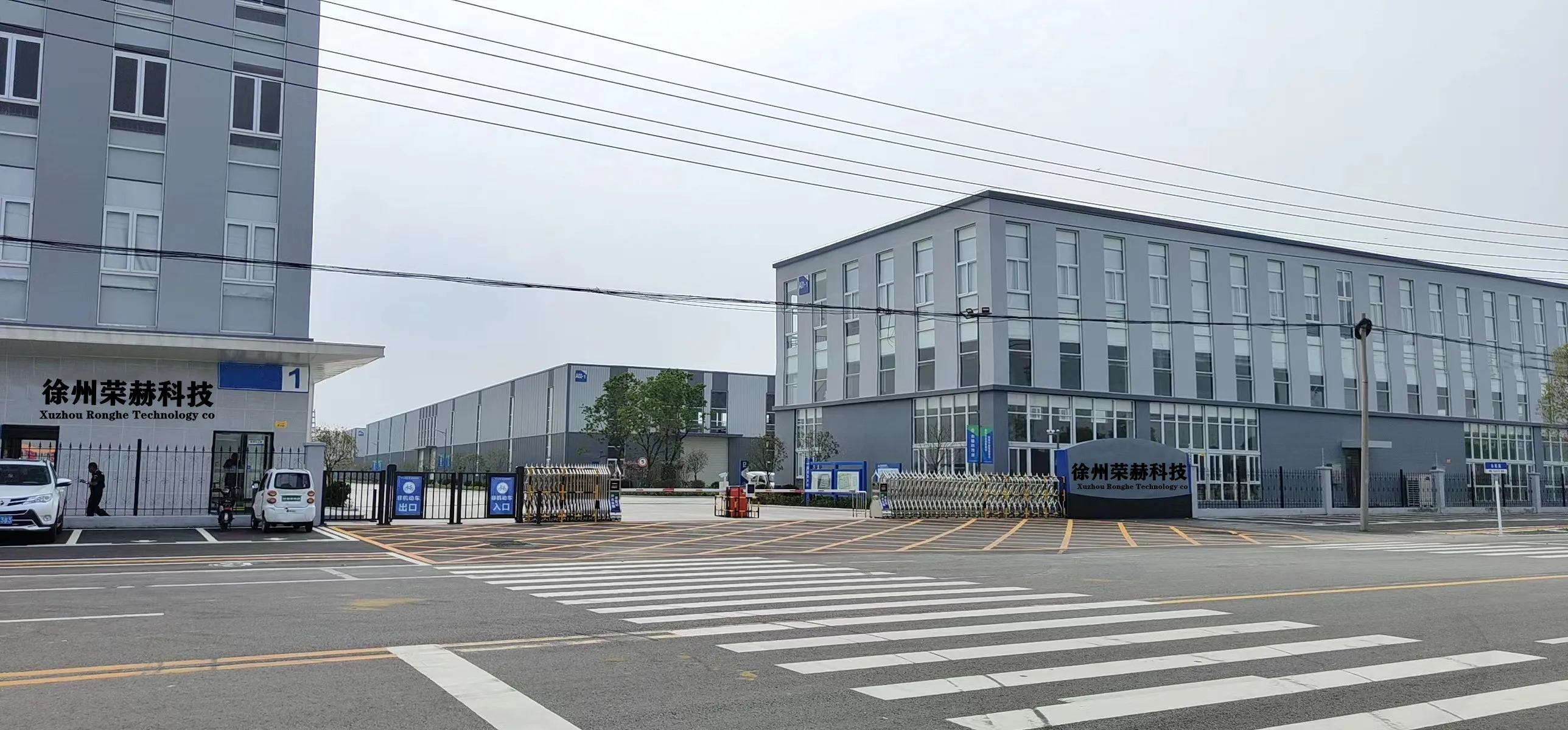
Xuzhou Ronghe Glass Technology Co., Ltd.
- Manufacturer, Trading Company
- Jiangsu, China
- Lead time30 days
- Avg. response≤ 2h
Main productsProduction and sales of glass products,Aromatherapy glass bottle,Glass storage tank,Carafe,Sealed glass bottle
Main marketsSouthern Europe(15.0%), Northern Europe(15.0%), Central America(15.0%), Western Europe(15.0%), Southeast Asia(15.0%), Eastern Europe(15.0%), South America(15.0%), North America(15.0%), Domestic Market(10.0%), South Asia(10.0%), Eastern Asia(10.0%), Mid East(10.0%), Oceania(10.0%), Africa(10.0%)
Cangzhou Jingyi Glass Products Co., Ltd.
- Verified by Intertek
- Manufacturer, Trading Company
- Lead time30 days
- Avg. response≤ 1h
Main productsGlass wine decanter, Glass tea set, Glass storage jar, Glass Cup, Glassware wine bottle
Main marketsNorth America(20%), South America(20%), Eastern Europe(20%)
Dongguan Mingyu E-Commerce Co., Ltd
- Verified by CTI
- Trading Company
- China Guangdong
- Lead time30 days
- Avg. response≤ 5h
Main productsHousehold Decorations, Home Accessories, Ornaments, Craftworks, Candle Stick, Gifts & Crafts
Main marketsSouth America,Southeast Asia/ Mideast,East Asia(Japan/ South Korea),Europe,Australia,North America


Multifunctional Ceramic Storage Tanks Suitable for Both Household and Industrial Use
$13.00 - $15.50
MOQ: 50 Pieces


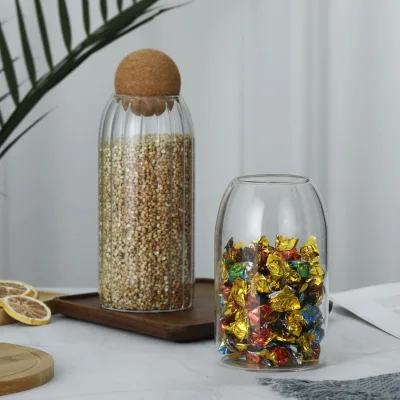
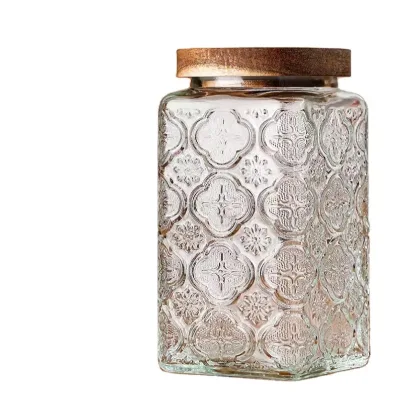
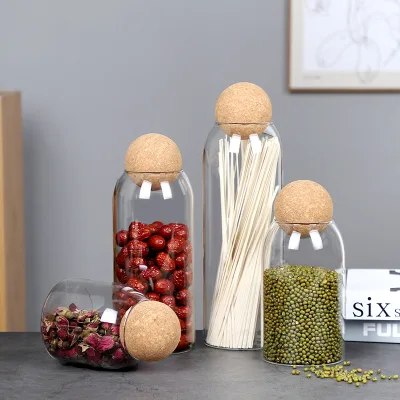


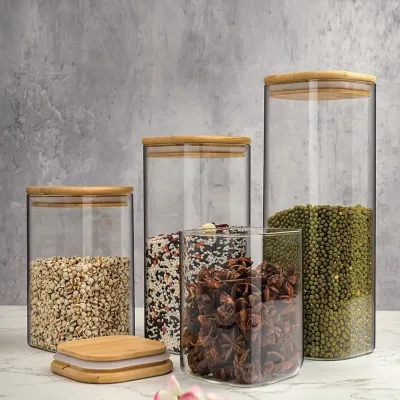
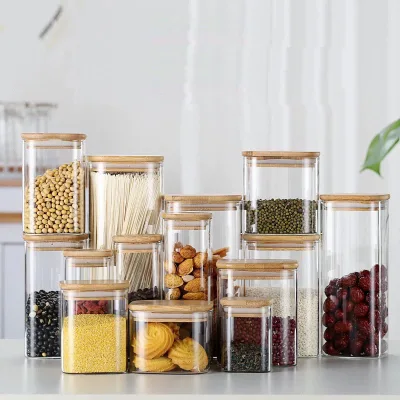


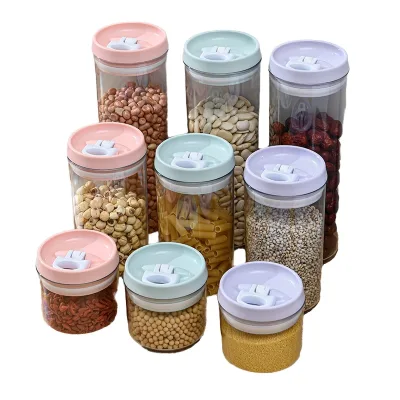
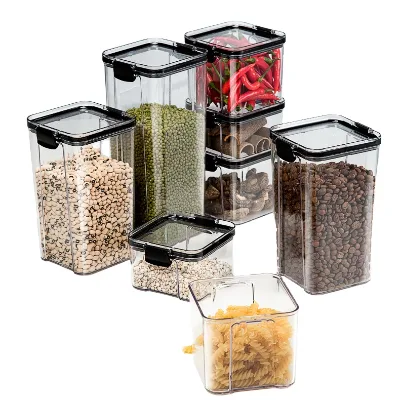


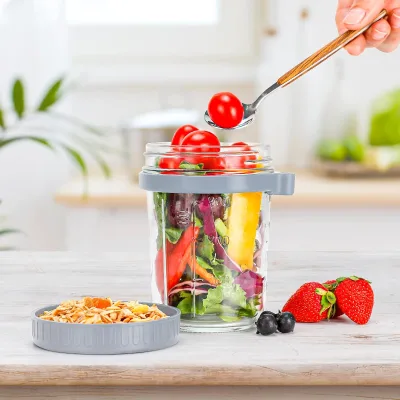
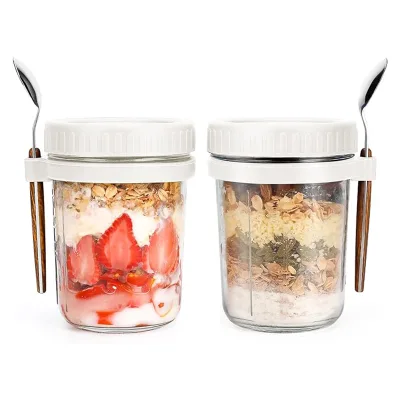
Comprehensive Sourcing Guide
Eco-Friendly Kitchen Glass Storage Tank Supplier Concentration and Factory Types
Current data indicates that suppliers offering glass-lined vessels and related storage equipment are concentrated in Beijing, China, with specific product evidence pointing to industrial machinery and chemical storage categories. These entities often operate as trading companies or combined entities, providing OEM and ODM capabilities for non-standard storage tanks. While the primary focus in the observed results is on industrial glass-lined reactors and tanks, some suppliers also list glass jars and bottles, suggesting a potential overlap in manufacturing clusters for food-grade containers. Buyers should verify if these industrial clusters can scale down to kitchen-sized units, as the observed main products include large-scale industrial tanks rather than domestic storage solutions.
For those seeking eco-friendly kitchen glass storage, the evidence shows a mix of trading companies and combined manufacturers in regions like Hebei and Anhui, China. These suppliers often handle FRP tanks and glass containers, with some offering light customization and sample processing. The presence of suppliers in Anhui specifically mentions glass jars with rubber sealing rings, which aligns closer to kitchen storage needs than the heavy industrial glass-lined tanks found in Beijing. Buyers must distinguish between suppliers specializing in industrial chemical storage and those capable of producing food-grade glass containers, as the manufacturing processes and certifications required for each differ significantly.
How to Verify Eco-Friendly Kitchen Glass Storage Tank Suppliers
Verification is critical when sourcing glass storage solutions, as the observed data highlights suppliers with BV and SGS Group verification statuses. Buyers should prioritize suppliers displaying these third-party verification badges to ensure operational legitimacy. The evidence shows that some suppliers hold ISO9001 and ISO14001 certifications, which are essential for confirming quality management systems and environmental compliance. However, buyers must not assume all suppliers possess these credentials; instead, they should request specific certification documents for the exact product model being ordered, particularly for food-grade applications where material safety is paramount.
Response time and lead time data provide additional layers of verification regarding supplier reliability. The observed response times range from 0.88 to 5 hours, indicating varying levels of operational efficiency. A supplier with a response time under one hour may demonstrate better communication channels, which is vital for resolving custom design queries. Furthermore, lead times observed in the data vary from 15 to 45 days, reflecting differences in production capacity and supply chain maturity. Buyers should cross-reference these metrics with the supplier's stated capacity for OEM or ODM work to ensure they can meet project deadlines without compromising on the quality of the glass storage tanks.
What to Compare Across Eco-Friendly Kitchen Glass Storage Tank Suppliers
When evaluating potential partners, buyers should compare key operational dimensions such as lead time, minimum order quantity (MOQ), and response speed. The data reveals lead times ranging from 15 to 45 days, with some suppliers offering customizable delivery schedules. Comparing these timelines helps buyers assess which suppliers can accommodate urgent orders versus those suitable for planned inventory replenishment. Additionally, MOQs vary significantly, with some suppliers requiring 10,000 pieces for glass jars while others list an MOQ of 1 for industrial tanks. Understanding these thresholds is essential for determining if a supplier aligns with the buyer's volume requirements and budget constraints.
Product attributes and certifications also serve as critical comparison points. The observed product evidence includes details on glass thickness, ranging from 0.8 mm to 2.0 mm, and various heating structures like jacketed designs. Buyers should compare these technical specifications to ensure the glass tanks meet specific durability and safety standards for kitchen use. Furthermore, the presence of certifications like ISO9001 and specific food safety standards (e.g., EU regulations) should be verified across different suppliers. Comparing the customization options, such as available branding or specific sealing ring materials, allows buyers to select a supplier that offers the precise features needed for their eco-friendly kitchen storage solutions.
Common Eco-Friendly Kitchen Glass Storage Tank Sourcing Risks
One significant risk involves the mismatch between industrial-grade glass-lined tanks and consumer-grade kitchen storage needs. The observed data heavily features industrial chemical storage equipment, such as glass-lined reactors and large storage vessels, which may not be suitable for direct kitchen use without significant modification. Buyers risk ordering products that lack the necessary food-grade certifications or safety features required for storing edible items. It is crucial to verify that the "glass" in the product name refers to borosilicate or tempered glass suitable for food contact, rather than industrial glass designed for chemical resistance, which may contain materials unsafe for human consumption.
Another risk relates to the variability in packaging and shipping standards observed across different suppliers. The data shows packing methods ranging from iron brackets to expert export transportation, with some suppliers offering customizable packaging. Inconsistent packaging can lead to product damage during transit, especially for fragile glass items. Buyers must ensure that the supplier's packaging protocols are robust enough to protect the glass tanks during long-distance shipping. Additionally, the lack of standardized lead times and response speeds across the supplier base introduces uncertainty in delivery schedules, potentially causing delays in product launches or inventory shortages if not managed proactively.
Eco-Friendly Kitchen Glass Storage Tank Regional Sourcing and Logistics
Regional sourcing strategies should focus on identifying clusters in China, specifically Beijing, Hebei, and Anhui, where supplier data indicates a concentration of relevant manufacturing capabilities. Beijing appears to host suppliers specializing in glass-lined industrial tanks, while Hebei and Anhui show activity in FRP tanks and glass jars. Buyers should investigate whether these regional clusters have established logistics networks capable of handling fragile glass products efficiently. Understanding the geographic distribution of suppliers helps in estimating shipping costs and transit times, as proximity to major ports can significantly impact the overall logistics cost and delivery speed for international orders.
Logistics planning must account for the specific handling requirements of glass storage tanks, which are prone to breakage if not packed correctly. The observed data mentions various packing standards, including iron brackets and customizable export packaging, but buyers should verify the specific protective measures used for kitchen-sized glass units. Shipping from regions like Anhui or Hebei may involve different transit routes compared to Beijing, affecting the total lead time. Buyers should request detailed logistics plans from suppliers, including insurance coverage and damage mitigation strategies, to ensure that the eco-friendly glass storage tanks arrive in perfect condition, regardless of the origin region or the complexity of the shipping route.
Eco-Friendly Kitchen Glass Storage Tank Commercial Terms and Order Planning
Commercial terms regarding pricing and payment structures vary widely among suppliers, with observed price ranges spanning from $1,000 to $100,000 for industrial units and specific pricing for smaller glass jars. Buyers must clarify whether these prices include shipping, taxes, and insurance, as these factors can significantly alter the total cost of ownership. Additionally, the presence of escrow services or specific payment terms should be confirmed to protect against non-delivery or quality disputes. Understanding the full scope of commercial terms is essential for accurate budgeting and ensuring that the financial agreement aligns with the buyer's procurement strategy and risk tolerance.
Order planning should be guided by the observed lead times and customization capabilities, which range from 15 to 45 days depending on the supplier and product complexity. Buyers should factor in these timelines when planning inventory replenishment or new product launches to avoid stockouts. The ability to customize products, such as adding specific branding or altering dimensions, should be integrated into the order planning process to ensure the final product meets market expectations. Furthermore, buyers should establish clear communication channels with suppliers to monitor production progress and address any potential delays promptly, ensuring that the eco-friendly kitchen glass storage tanks are delivered on schedule and meet all quality standards.
FAQs
What is the price range for glass lined storage tanks?
Prices for glass lined storage tanks typically range from $1,000 to $100,000 depending on capacity and customization. Smaller units like 50L tanks may cost up to $10,000, while larger industrial vessels can reach $50,000. Buyers should verify specific quotes based on material thickness and jacket requirements.
What certifications do these glass storage tanks hold?
Manufacturers often provide ISO9001 certification for quality management systems. Some suppliers also hold ISO14001:2015 for environmental management. For food-grade applications, verify compliance with EU standards like DIN 10955 and (EC) 1935/2004. Always request valid certificates to ensure product safety and regulatory adherence for your specific use case.
What is the typical lead time for manufacturing?
Standard lead times generally range from 15 to 45 days. Suppliers in Hebei often offer faster turnaround times around 15 to 30 days. Beijing-based manufacturers may require up to 45 days for complex orders. Delivery times can be customized, so confirm production schedules early to align with your project deadlines.
What is the minimum order quantity for glass tanks?
Minimum order quantities vary significantly by product type. Industrial glass lined tanks often have an MOQ of just one unit. However, smaller glass jars and containers typically require a minimum of 10,000 pieces. Buyers should check specific product listings to determine the exact MOQ applicable to their desired storage solution.
Are customization options available for these storage tanks?
Yes, customization is widely available for both industrial tanks and glass containers. Suppliers offer OEM and ODM services, allowing for tailored capacities, materials, and designs. Options include custom glass thickness, jacketed structures, and specific lid materials. Buyers can request customized packing and standard specifications to meet unique operational requirements.