Eco Friendly Knitted Two-piece Suit Suppliers and Manufacturers
Compare 21 verified suppliers offering eco friendly knitted two piece suits with varying lead times, certifications, and response speeds. Review their ISO standards and customization options to select the right partner for your order; review the available evidence before requesting comparable quotations from suitable candidates.
Suppliers List

Power Ascent (Xiamen) International Ltd.
- Verified by BV
- Trading Company,Manufacturer/Factory
- China Fujian
- Lead time90 days
- Avg. response≤ 25h
Main productsMen's Suit, Business Suit, Shirt, Trousers, Casual Jacket, Ski Wears, Softshell Jacket, Function Garments, Office Uniform, Worker Uniform
Main marketsSouth America,Eastern Europe,Mid East,North America,Oceania,Western Europe


MOQ: 800
Qingdao Yuyi Industry and Trade Co., Ltd.
- Verified by SGS
- Combined
- China Shandong
- Lead time30 days
- Avg. response≤ 2h
Main productsClothes
Main marketsDomestic

Nuolang (Guangdong) Garment Industry Co., Ltd.
- Verified by BV
- Combined
- China Guangdong
- Lead time15 days
- Avg. response≤ 2h
Main productsT-Shirt, Polo Shirt, Shirt, Coverall, Suit, Uniform, Sportswear, Casual Wear
Main marketsSoutheast Asia/ Mideast
Yiwu Chunwei Clothing Co., Ltd.
- Verified by SGS Group
- Manufacturer, Trading Company
- Lead time0 days
Main productsYoga clothes, Yoga pants, Yoga leggings, Sports bras, Yoga jumpsuits
Main marketsNorth America(70%), Western Europe(20%), Southeast Asia(10%)
Xinxiang Chushi Clothing Co., Ltd.
- Trading Company
- Henan, China
- Lead time7 days
- Avg. response≤ 3h
Main productsClothing and Customization,Design and customization of label and water washing label patterns,Design and customization of clothing tags,LOGO Design and Customization,Clothing and Accessories
Main marketsNorth America(20.00%), Central America(10.00%), South Asia(10.00%), South America(10.00%), Mid East(10.00%), Africa(8.00%), Domestic Market(5.00%), Southeast Asia(5.00%), Eastern Asia(5.00%), Northern Europe(5.00%), Oceania(3.00%), Western Europe(3.00%), Southern Europe(3.00%), Eastern Europe(3.00%)
Hangzhou Changuo Garments Co., Ltd.
- Verified by SGS
- Trading Company
- China Zhejiang
- Lead time15 days
- Avg. response≤ 10h
Main productsSuit, Formal Wear, Sweater, Knitwear, Office Outfit
Main marketsDomestic,Europe,North America
Guangzhou Tianyuan Clothing Co., Ltd
- Verified by SGS
- Combined
- China Guangdong
- Lead time30 days
- Avg. response≤ 2h
Main productsPolo Shirt, Shirt, Suit, T-Shirt, School Uniform, Hooded Sweatshirt, Medical Uniform, Chef's Uniform, Trousers, Work Clothes
Main marketsDomestic

Wrinkle Free Recycled Polyester Eco Conscious Sustainability Women Suits
$21.23 - $35.32
MOQ: 100 Pieces


Huixian Baishangji Clothing Co., Ltd.
- Trading Company
- Henan Province, China
- Lead time7 days
- Avg. response≤ 3h
Main productsWomen's clothing,men's clothing
Main marketsNorth America(60.00%), Africa(20.00%), Western Europe(10.00%), Northern Europe(5.00%), South America(5.00%)
Guangzhou I-Cube Clothing Limited Company
- Manufacturer, Trading Company, Agent
- Guangdong, China
- Lead time15 days
- Avg. response≤ 4h
Main productsKnitwear,Dresses,Coats & Jackets,Trousers & Skirts,Shirts & Blouses
Main marketsNorth America(30.00%), South America(20.00%), Western Europe(15.00%), Southern Europe(5.00%), Northern Europe(5.00%), Eastern Europe(5.00%), Eastern Asia(5.00%), Mid East(5.00%), Oceania(5.00%), Southeast Asia(5.00%)
Guangzhou Knitwinner Garment Company Ltd
- Verified by SGS
- Trading Company
- China Guangdong
- Lead time30 days
- Avg. response≤ 10h
Main productsWomen Sweatshirts, Women Sweater, Man Sweater, Children Sweater, Knit Sweater, Women Dress, Men Sweatshirts, Cardigan, Sweatshirts, Wear
Main marketsSouth America,Southeast Asia/ Mideast,Europe

Shanghai Hexuan Baby Products Co., Ltd.
- Verified by SGS
- Trading Company
- China Shanghai
- Lead time15 days
- Avg. response≤ 6h
Main productsBaby Wear Baby Cloth Diaper Bibs Baby Rompers
Main marketsSouth America,Africa,Southeast Asia/ Mideast,East Asia(Japan/ South Korea),Europe,Australia,North America

SHANDONG AOSHI GARMENTS CO., LTD.
- Verified by SGS
- Manufacturer
- China Shandong
- Lead time30 days
- Avg. response≤ 5h
Main productsSuit, Uniform

Spring Clothing Women′ S Double-Breasted Suit 2 Pieces Set for Many Occasions
$139.00 - $169.00
MOQ: 1 Sets


Professional Design Women′ S Double-Breasted Suit for Many Occasions
$98.00 - $169.00
MOQ: 1 Sets

Summer Women′ S Casual Short Sleeve Single Button Customized Suit
$69.00 - $169.00
MOQ: 1 Pieces

Guangzhou Yuanfeng Textile Technology Co., Ltd.
- Verified by BV
- Trading Company,Manufacturer/Factory
- China Guangdong
- Lead time23 days
- Avg. response≤ 9h
Main productsSwimwear, Yoga Wear, Women's Tank Tops, Streetwear Hoodies, Casual Sportswear, Girl's Dress, Men's Shirt
Main marketsSouth America,Eastern Europe,North America,Western Europe


New Two-Piece Solid Color Suspender Vest High Waist Pocket Wide Leg Pants Casual Suit Set
$12.59 - $13.99
MOQ: 100


New Solid Color Short Style Vest High Waist Pleated Half Skirt Fashion Casual Suit Set
$11.99 - $13.99
MOQ: 100


Zhangzhou Xiangcheng Danxing Trading Co., Ltd
- Verified by SGS
- Trading Company
- China Fujian
- Lead time15 days
- Avg. response≤ 17h
Main productsDress Shoes, Sports Shoes, Heel Shoes, Kids Shoes, Outdoor Shoes, Basketball Shoes, Trainers, Casual Shoes, Clothes, Bags
Main marketsSouth America,Africa,Southeast Asia/ Mideast,East Asia(Japan/ South Korea),Europe,Australia,North America


New Suit Women's Sleeveless Vest Half-Body Pleated Long Skirt Two-Piece Set
$14.66 - $18.70
MOQ: 10 Pieces

High-End Women's Sleeveless Vest-Breasted Top Elegant Long Skirt Two-Piece Set Suits
$14.66 - $18.70
MOQ: 10 Pieces

Wuhan TACEAG Garment Co., Ltd.
- Verified by SGS
- Trading Company,Manufacturer/Factory
- China Hubei
- Lead time23 days
- Avg. response≤ 9h
Main productsUniform, Jacket, Shirt, Pants, Shorts, Boots, Gloves, Hat, Belt, Shoes
Main marketsSouth America,Eastern Europe,Mid East,North America,Southeast Asia,Eastern Asia,Oceania,Western Europe,Africa


Factory Supply Winter Three-Piece Set Windbreaker Students Autumn and Winter Wear
$30.50 - $33.00
MOQ: 50 Sets
Nantong Herui'an Trading Co., Ltd.
- Trading Company
- Jiangsu, China
- Lead time0 days
- Avg. response≤ 5h
Main productsgarment,Beach towel,slippers
Main marketsNorth America(30.00%), Eastern Europe(20.00%), South America(20.00%), Central America(10.00%), Southern Europe(5.00%), Northern Europe(5.00%), Africa(5.00%), Western Europe(5.00%)


2022 New Design Clothing Outfit Sets Casual Outfits for Women Casual Dress
$12.24 - $13.06
MOQ: 3 pieces

Xiamen Crownway Apparel Co., Ltd.
- Verified by TUVRHEINLAND
- Trading Company
- China Fujian
- Lead time30 days
- Avg. response≤ 6h
Main productsOutdoor/Ski/Waterproof/Down Jackets, Hiking/ Camping/Waterproof/Ski Pants, Yoga/Gym/Fitness Wear, Active Pants&Shorts, Hoody&Sweatshirt, Beachwear, Underwear, Cycling Wear/Running Wear, Equestrian Clothing/Breeches, Safety/Security Workwear
Main marketsSoutheast Asia/ Mideast,Europe,North America

New Arrival Women Latest Design Custom Logo Blank Sports 2 Piece Track Suit Set for Women
$8.46 - $16.90
MOQ: 2 Pieces

2021 Two Piece Set Ladies Sexy Heavy Weight Short Length Tracksuits for Women
$14.50 - $20.90
MOQ: 200 Sets

2021 New Autumn and Winter Men's Casual Hooded Two-Piece Men's Casual Sports Suit
$15.00 - $30.00
MOQ: 100 Pieces

Guangzhou Mingyu Manufacturing Co., Ltd
- Verified by SGS
- Trading Company
- China Guangdong
- Lead time15 days
- Avg. response≤ 1h
Main productsCoat, Dress, Trousers
Main marketsDomestic

Hangzhou Jiuxing Clothing Co., Ltd.
- Verified by TUVRHEINLAND
- Trading Company,Manufacturer/Factory
- China Zhejiang
- Lead time60 days
- Avg. response≤ 7h
Main productsDown Jacket, Wool Coat, Sweatshirt, Hoodies, Dress, Blouse, PU Jacket, Shawl, Scarf, T-Shirt
Main marketsEastern Europe,North America,Western Europe

Jiaxing Layo Imp. & Exp. Group Co., Ltd.
- Verified by BV
- Manufacturer/Factory,Group Corporation
- China Zhejiang
- Lead time45 days
- Avg. response≤ 2h
Main productsJacket, Bag, Suit, Trench Coat, Wool Coat, Dress, Sweater, Faux Leather, Backpack, Duffle Bag
Main marketsSouth America,Eastern Europe,Mid East,North America,Southeast Asia,Eastern Asia,Oceania,Western Europe,Africa

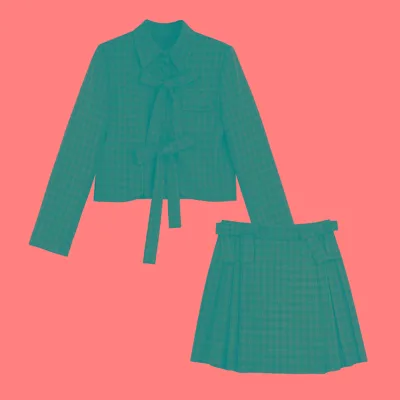
Plaid Suit Jacket Women's Suit Suit Ladies 2 Piece Skirt Set Vintage Office Set
$18.29 - $26.99
MOQ: 300 pcs

Ladies Deep V-Neck Collarless Formal Suit Two Piece Sets Elegant Blazer Set
$25.89 - $32.89
MOQ: 300 pcs
Hangzhou Yuanzhe Clothing Technology Co., Ltd.
- Verified by SGS
- Combined
- China Zhejiang
- Lead time15 days
- Avg. response≤ 4h
Main marketsSouth America,Europe,Australia,North America


Women's Two Piece Long Sleeve Zipper Top and Flared Pants Set Casual Outfit Manufacturer
$15.96 - $29.58
MOQ: 500 sets




Comprehensive Sourcing Guide
Eco Friendly Knitted Two-piece Suit Supplier Concentration and Factory Types
Current supplier data indicates manufacturing activity concentrated in specific Chinese provinces, with Fujian, Shandong, and Guangdong appearing as verified production hubs for apparel. These regions host a mix of Trading Companies and Manufacturer/Factory entities capable of handling complex garment orders. The presence of these diverse company types suggests that buyers can source directly from production facilities or through intermediaries depending on their volume needs. Some suppliers in these clusters specialize in broad apparel ranges including suits, uniforms, and casual wear, while others focus on specific niches like business attire or function garments.
When evaluating the factory types, it is essential to distinguish between pure manufacturers and trading companies based on their stated capabilities. The observed data shows suppliers offering OEM and ODM services, with some maintaining their own brands like Tris. This indicates a capacity for customization and private labeling, which is critical for buyers seeking eco-friendly knitted solutions. However, the specific environmental credentials of these factories are not explicitly detailed in the current results. Buyers must verify if the "eco-friendly" claim applies to the knitting process, the fiber source, or the entire supply chain, as the current facts do not confirm specific green certifications beyond standard ISO 9001 or ISO 13485.
How to Verify Eco Friendly Knitted Two-piece Suit Suppliers
Verification of supplier claims requires a rigorous check of their certification status and third-party audit results. The available data confirms that some suppliers hold BV verification and others have SGS verification, which serves as a baseline for operational legitimacy. Additionally, system certifications like ISO 9001 and ISO 13485 are present in the records, indicating adherence to quality management and medical device standards respectively. While these certifications validate process control, they do not automatically confirm the "eco-friendly" nature of the knitted materials used in two-piece suits. Buyers must explicitly request documentation regarding organic fibers, recycled content, or specific environmental management system certifications like ISO 14001 to substantiate sustainability claims.
Beyond certifications, the verification process should include assessing the supplier's response time and production transparency. The data shows response times varying significantly, with some suppliers responding in under two hours while others take up to 25 hours. A rapid response often correlates with a more active and transparent supply chain, which is beneficial for verifying material origins. Buyers should also scrutinize the product attributes listed, such as customization availability and specific material compositions like polyester. Since the current facts do not explicitly list organic or recycled materials, buyers must ask for lab test reports or material safety data sheets to confirm the eco-friendly status of the knitted fabric before committing to an order.
What to Compare Across Eco Friendly Knitted Two-piece Suit Suppliers
Comparing suppliers requires a detailed analysis of their lead times, minimum order quantities, and pricing structures to ensure alignment with project requirements. The observed data reveals a wide range in lead times, from as short as 15 days to as long as 90 days, which directly impacts inventory planning and market responsiveness. Similarly, minimum order quantities vary drastically, with some suppliers requiring as few as two pieces while others demand 800 units. This disparity means that buyers with smaller budgets or testing needs must target suppliers with lower MOQs, whereas large-scale procurement can leverage the economies of scale offered by high-volume manufacturers.
Pricing and customization capabilities are equally critical dimensions for comparison. The price ranges observed span from approximately $11.64 to $35.00 per unit, reflecting differences in material quality, design complexity, and order volume. Some suppliers offer customizable options for logos, labels, and patterns, which is essential for branding eco-friendly products. However, the specific material composition, such as the use of polyester versus organic blends, varies across listings and must be verified. Buyers should compare the "OEM/ODM" status and the specific production standards listed, such as International, EU, or UK standards, to ensure the final product meets both sustainability goals and regulatory requirements for the target market.
Common Eco Friendly Knitted Two-piece Suit Sourcing Risks
One significant risk in sourcing eco-friendly knitted suits is the potential mismatch between marketing claims and actual material composition. The current data lists materials like polyester for several products, which may not align with consumer expectations for "eco-friendly" unless specified as recycled polyester. Without explicit confirmation of organic cotton, hemp, or other sustainable fibers, buyers risk receiving products that do not meet their sustainability criteria. This discrepancy can lead to brand reputation damage and potential non-compliance with environmental regulations in the destination market. It is crucial to demand specific material breakdowns and third-party testing results before finalizing any agreement.
Another risk involves the variability in production capacity and lead times, which can disrupt supply chain stability. The data shows lead times ranging from 15 to 90 days, indicating inconsistent production schedules across different suppliers. For time-sensitive launches, relying on a supplier with a 90-day lead time could result in missed market windows. Furthermore, the lack of detailed information regarding escrow services or specific environmental guarantees in the current facts adds a layer of financial and operational risk. Buyers must establish clear contractual terms regarding penalties for delays and verify the supplier's ability to scale production without compromising the quality or eco-friendly integrity of the knitted garments.
Eco Friendly Knitted Two-piece Suit Regional Sourcing and Logistics
Regional sourcing strategies should leverage the identified manufacturing clusters in Fujian, Shandong, and Guangdong, which are known for their robust apparel infrastructure. These provinces offer a concentration of suppliers with varying capabilities, from basic uniform production to complex suit manufacturing. The proximity of these hubs to major ports facilitates efficient logistics, though specific shipping times and costs depend on the exact factory location within the province. Buyers should consider the logistical advantages of sourcing from Guangdong, which often has faster response times and shorter lead times compared to other regions, potentially reducing overall delivery timelines.
However, logistics planning must account for the specific product attributes and packaging requirements observed in the supplier data. Some products are packed in bags, while others use cartons or hanging in containers, which affects shipping volume and cost. The origin locations listed, such as Qingdao or Guangzhou, provide specific points of departure for freight calculations. Buyers need to verify if the supplier handles export documentation and customs clearance, as this varies by company type. Additionally, the seasonal nature of the products, such as Spring/Autumn suits, requires careful timing to ensure goods arrive before the relevant selling season, making the selection of a supplier with a reliable track record in regional logistics essential for success.
Eco Friendly Knitted Two-piece Suit Commercial Terms and Order Planning
Commercial terms and order planning must be meticulously structured to accommodate the diverse MOQs and pricing models found in the supplier base. With MOQs ranging from two pieces to 800 units, buyers need to align their order volumes with their financial capacity and sales forecasts. High-volume orders may unlock lower unit prices, but they also increase inventory risk if the eco-friendly market demand fluctuates. Buyers should negotiate tiered pricing structures that reflect volume increases while ensuring that the "eco-friendly" specifications remain consistent across all batches. Clear communication regarding payment terms, such as the use of escrow services, is vital to protect both parties during the transaction.
Order planning should also integrate the specific lead times and response capabilities of the chosen supplier to ensure timely delivery. The data indicates response times can vary from under two hours to 25 hours, which impacts the speed of negotiation and order confirmation. For urgent orders, selecting a supplier with a 15-day lead time and rapid response is advisable. Conversely, for long-term planning, a 90-day lead time might be acceptable if the price point is significantly lower. Buyers must also verify the customization options, such as logo design and label support, early in the planning phase to avoid delays in the production process. Establishing a clear timeline that accounts for material sourcing, production, and shipping is essential for a successful procurement cycle.
FAQs
What is the minimum order quantity for men's two piece suits?
The minimum order quantity for men's two piece suits is 800 pieces. This requirement applies to suppliers located in Fujian, China. Buyers should verify if this quantity is negotiable before placing an order. Some suppliers may offer different terms for custom orders.
How long does it take to receive knitted two piece suits?
Lead times for knitted two piece suits vary by supplier. One supplier in Shandong requires 30 days, while another in Fujian needs 90 days. Guangdong suppliers can deliver within 15 days. Buyers must confirm the specific timeline with their chosen vendor.
Are custom logos available on eco friendly knitted two piece suits?
Custom logos are available on many knitted two piece suits. Suppliers in Qingdao and Guangzhou support logo design and label customization. Buyers should specify their design requirements early. This service is often included in OEM or ODM capacity offerings.
What certifications do suppliers of two piece suits hold?
Some suppliers hold ISO 9001 and ISO 13485 certifications. These standards ensure quality management and medical device safety. Verification is provided by BV or SGS. Buyers should request current certificates to confirm compliance with international safety and quality requirements.
What is the price range for women's two piece suits?
Prices for women's two piece suits range from 11.64 to 35.00 USD per piece. Specific items like striped blazers cost around 11.64 USD, while leather suits may reach 33.65 USD. The final price depends on material, customization, and order volume.
Where are the manufacturers of two piece suits located?
Manufacturers are located in Fujian, Shandong, and Guangdong provinces in China. Products originate from cities like Qingdao and Guangzhou. Buyers can filter results by these specific regions to find suppliers with desired logistics capabilities and local expertise.
How quickly do suppliers respond to inquiries about suits?
Response times vary significantly among suppliers. Some respond in 1.38 hours, while others take 25 hours. Fast response is common in Shandong and Guangdong. Buyers should check the specific response time metric before contacting a supplier to ensure timely communication.