eco-friendly modern bamboo coaster Suppliers and Manufacturers
Compare 31 verified suppliers offering eco-friendly modern bamboo coasters with details on location, lead times, and pricing. Review response times and MOQs to select the right partner for your custom wood craft needs; review the available evidence before requesting comparable quotations from suitable candidates.
Updated
Suppliers List

Huangshan Huizhou Zhuyixuan Artistic Carving Co., Ltd.
- Manufacturer, Trading Company
- Anhui, China
- Lead time30 days
- Avg. response≤ 5h
Main productsBamboo Postcard/Bamboo Bookmark/Bamboo Box/Bamboo Ruler/Bamboo Furniture,Bamboo Crafts,Wood Crafts
Main marketsDomestic Market(80.00%), North America(5.00%), Northern Europe(2.50%), Western Europe(2.50%), Southern Europe(2.50%), Eastern Europe(2.50%), South Asia(2.00%), Oceania(2.00%), Africa(1.00%)
Zhejiang Hynawin E-Commerce Co., Ltd.
- Manufacturer, Trading Company
- Zhejiang, China
- Lead time15 days
- Avg. response≤ 5h
Main productsStorage Shelf,LED Light,Craft Items
Main marketsNorth America(40.00%), Eastern Asia(15.00%), Northern Europe(10.00%), Western Europe(6.00%), Domestic Market(5.00%), Southern Europe(5.00%), Central America(5.00%), Eastern Europe(5.00%), Oceania(3.00%), South Asia(2.00%), South America(1.00%), Mid East(1.00%), Africa(1.00%), Southeast Asia(1.00%)
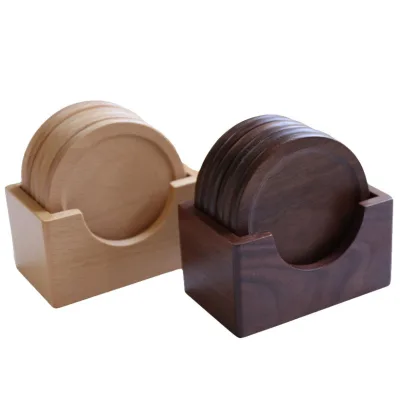
Bamboo Coasters 6 Pack with Holder Eco-Friendly 100% Natural Wood Coaster
$7.88 - $7.98
MOQ: 500 pieces
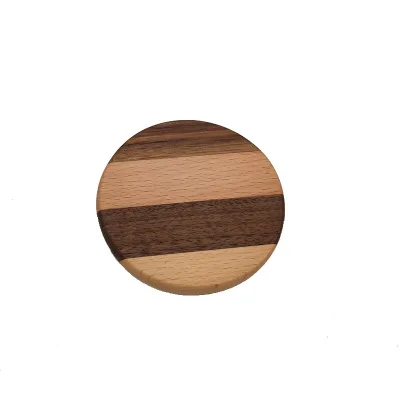
wooden Customized Eco-friendly Round Coasters Special Design Coaster Logo Cup Coaster
$1.18 - $1.38
MOQ: 500 pieces
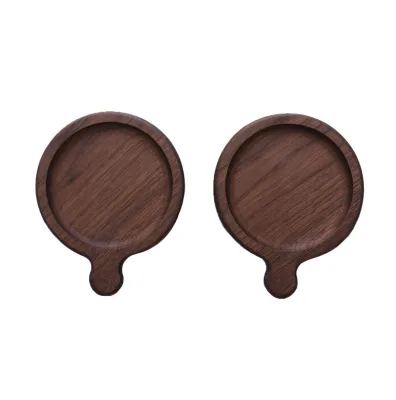
Coffee shops high quality stackable cup bamboo coasters handle drink wood coasters
$2.9641 - $3.2305
MOQ: 500 pieces
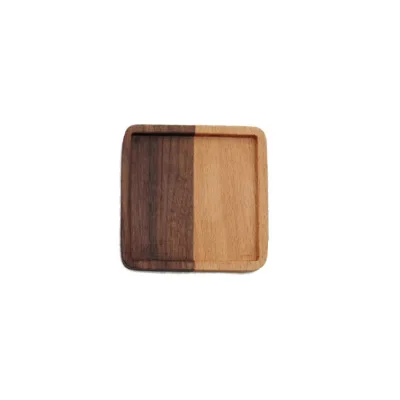
wooden rustic Color Cup Coasters Eco-friendly Custom Beech Walnut Coaster
$1.24 - $1.44
MOQ: 500 pieces
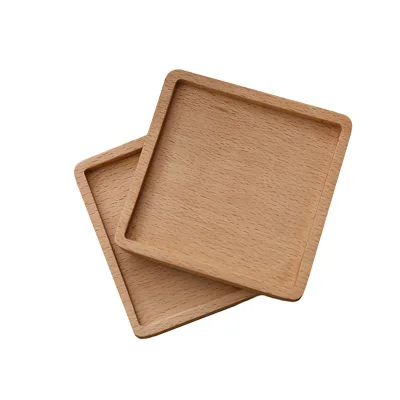
restaurant Kitchen Recyclable Dining Table Washable Wooden Custom Coaster
$0.8009 - $1.006
MOQ: 500 pieces
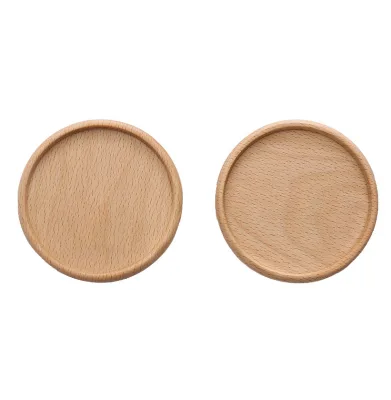
dining table beech wooden coaster wood round sublimation blank coaster
$0.8847 - $1.009
MOQ: 500 pieces

Shuifu Huiyang Agricultural Technology Co., Ltd.
- Verified by SGS
- Trading Company
- China Yunnan
- Lead time23 days
- Avg. response≤ 3h
Main productsBamboo Products, Bamboo Crafts, Bamboo Chopsticks, Bamboo Skewers, Bamboo Weaving, Bamboo Tray, Bamboo Box, Bamboo Placemat, Bamboo Fruit Bowl, Lamp Shades
Main marketsDomestic
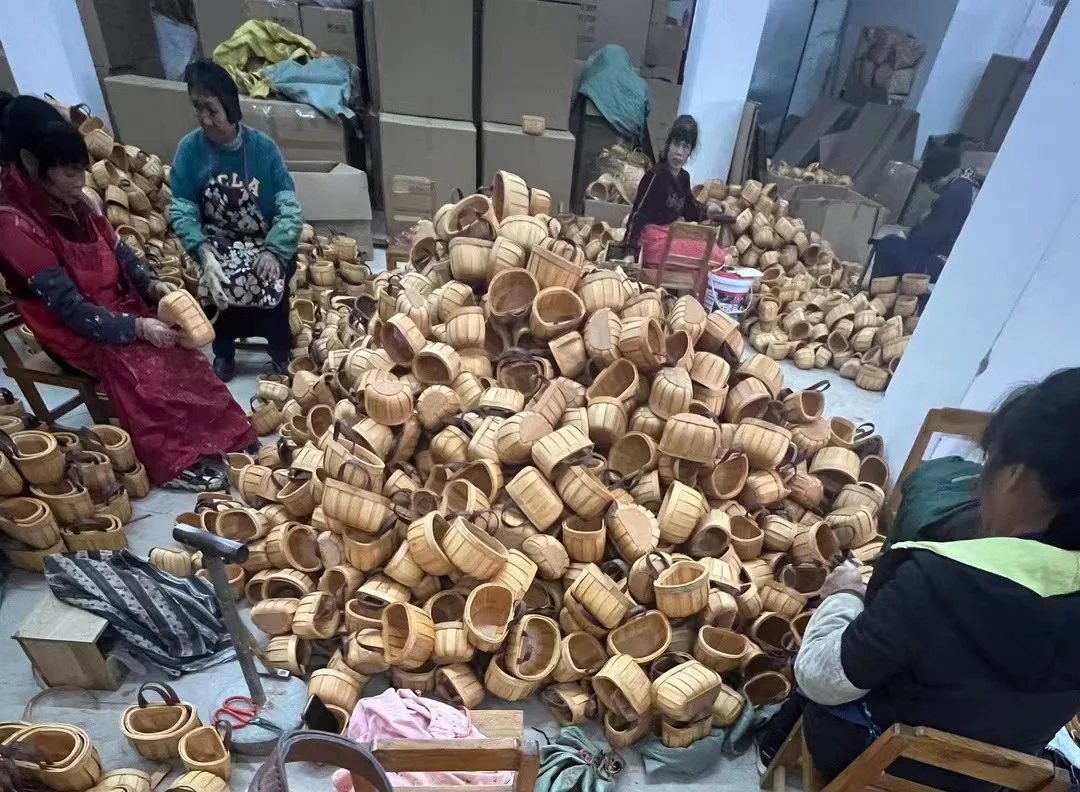
Nanning Holame Home Tech Co., Ltd.
- Manufacturer, Trading Company
- Guangxi, China
- Lead time30 days
- Avg. response≤ 2h
Main productsGift Baskets,Rattan Products,Bamboo Products,Wood Products,Kitchenware
Main marketsNorth America(50.00%), Western Europe(10.00%), Oceania(10.00%), Southern Europe(9.00%), Africa(8.00%), Mid East(6.00%), Northern Europe(5.00%), Eastern Europe(2.00%)

Xiamen Chengfengxin Industry & Trade Co., Ltd.
- Verified by BV
- Trading Company
- China Fujian
- Lead time23 days
- Avg. response≤ 4h
Main productsBamboo Cutting Board, Bamboo Bathtub Rack Caddy, Bamboo Tablet Computer Desk, Bamboo Kitchenwares Holder Organization, Bamboo Home Storage, Home Office Collection, Eco-Friendly Kitchen Products, Bamboo Kitchen Tools, Bamboo Diffuser, Eco-Friendly Green Products
Main marketsSoutheast Asia/ Mideast,Europe,Australia,North America


Sustainable Bamboo Tea Cup Placemat and Coaster Set for Eco-Conscious Living
$1.00 - $2.00
MOQ: 500 Pieces
Nanping Jianyang Eagle Bamboo And Wood Products Co., Ltd.
- Manufacturer
- Fujian, China
- Lead time30 days
- Avg. response≤ 1h
Main productsBamboo and wooden skewer,bamboo and wooden product,bamboo basket,bamboo and wooden chopstick,willow/rattan/grass picnic box
Main marketsWestern Europe(11.11%), Eastern Asia(11.11%), Mid East(11.11%), Oceania(11.11%), Africa(11.11%), Southeast Asia(11.11%), Eastern Europe(11.11%), South America(11.11%), North America(11.11%)
Wuhan Huiyou Wood Products Co., Ltd.
- Verified by TüVRheinland
- Manufacturer, Trading Company
- Lead time15 days
- Avg. response≤ 13h
Main productsBamboo Wooden Ice Cream Sticks, Bamboo Wooden Skewers Sticks, Bamboo Wooden Cutlery Plates, Bamboo Wooden Tableware Food Package, Drinking Straws
Main marketsEastern Europe(25%), Northern Europe(25%), North America(10%)

Sanming Green Bamboo Arts & Craft Co., Ltd.
- Trading Company
- Fujian, China
- Lead time25 days
- Avg. response≤ 7h
Main productskitchen products,bathroom products,household products,office products,outdoor products
Main marketsEastern Europe(20.00%), Southeast Asia(20.00%), North America(20.00%), Domestic Market(5.00%), Western Europe(5.00%), Northern Europe(5.00%), Mid East(5.00%), Oceania(5.00%), Africa(5.00%), South America(5.00%), South Asia(2.00%), Central America(1.00%), Eastern Asia(1.00%), Southern Europe(1.00%)

$0.35 - $0.40
MOQ: 200 pieces


Direct Sales Professional Square Coaster Beverage Coffee Walnut Wood Coaster
$0.3084 - $0.4102
MOQ: 100 pieces

Xiamen Forever Rise Imp and Exp Co., Ltd.
- Verified by BV
- Trading Company
- China Fujian
- Lead time23 days
- Avg. response≤ 17h
Main productsBamboo Plywood, Bamboo Panel, Bamboo Chopping Board, Bamboo Pizza Board, Bamboo Kitchenwares, Bamboo Weaving Mat, Bamboo Table Top, Bamboo Skewer Sticks, Outdoor Bamboo Decking, Outdoor Wall Panel
Main marketsSoutheast Asia/ Mideast,East Asia(Japan/ South Korea),Europe,Australia,North America
Yangjiang Toallwin Trading Co., Ltd.
- Manufacturer, Trading Company
- Lead time旺季: "1 - 1000":60,"> 1000":"To be negotiated", 淡季: "1 - 1000":60,"> 1000":"To be negotiated"
- Avg. response≤ 3h
Main productsKitchen Utensils/Wooden Bowl/Wooden Plate, Cutting Board/Cheese Board

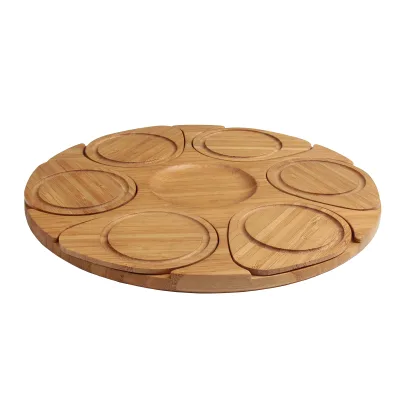
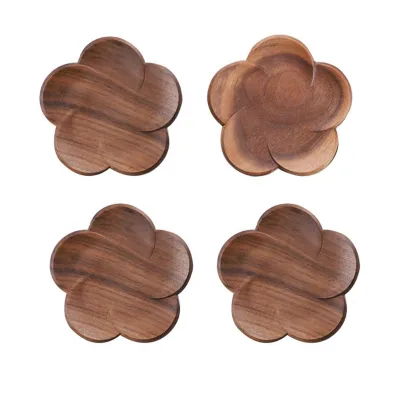
Hot Sale Table Bamboo Coffee Cup coaster Tray Bamboo coaster Set for Drinks
$1.3338 - $1.4356
MOQ: 1 pieces



Changzhou Sitan Imp. and Exp. Co., Ltd.
- Verified by BV
- Trading Company
- China Jiangsu
- Lead time15 days
- Avg. response≤ 10h
Main productsFitness Equipment, Barbell Series, Resistance Bands, Agility & Speed, Yoga Ball, Massage Series, Power Rack, Weight Ball, Charging Notebook, Custom Logo Goods
Main marketsSoutheast Asia/ Mideast,Domestic,Europe,North America

Factory OEM Acacia Cork Bamboo Coaster Walnut Wooden Coaster Beech Coaster for Coffee Cup
$0.30 - $0.80
MOQ: 200 Pieces

Engraved Bamboo Tea Cup Coaster, Hot Sale Eco-Friendly Beech Wood Mat for Home Use
$0.34 - $0.72
MOQ: 200 Pieces

Custom Wooden Coaster with Logo Engraved Bar Accessories Beech Square Wood Coffee Cup Coaster
$0.45 - $0.55
MOQ: 200 Pieces

Wholesale Custom Engraved Rustic Round Square Bamboo Walnut Beech Wooden Coasters for Laser Engrave
$0.45 - $0.55
MOQ: 200 Pieces


Xiamen Ebei Import & Export Co., Ltd.
- Verified by CTI
- Trading Company,Manufacturer/Factory
- China Fujian
- Lead time45 days
- Avg. response≤ 2h
Main productsEco-Friendly Products, Bamboo Tableware, Bamboo Furniture, Bamboo Kitchenware, Bamboo Office Supply, Bamboo Fibre Products, Biodegradable Products, Bamboo Towel, Solar Energy Products, Bamboo Garden Products
Main marketsSouth America,Eastern Europe,Mid East,North America,Southeast Asia,Eastern Asia,Oceania,Western Europe,Africa

Mini Round Corrugated Household Natural Degradable Bamboo Wood Cup Coaster
$0.86 - $0.89
MOQ: 1000 Pieces


Nanping Jianyang Heng Xinwang Bamboo and Wooden Products Co., Ltd.
- Verified by BV
- Combined
- China Fujian
- Lead time23 days
- Avg. response≤ 3h
Main productsBamboo Products, Wooden Products, Straw Products, Rattan Items, Straw and Willow Products
Main marketsSoutheast Asia/ Mideast,East Asia(Japan/ South Korea),Europe,Australia,North America
Fujian Hong Bamboo Trading Co., Ltd.
- Verified by TüVRheinland
- Trading Company
- Lead time15 days
- Avg. response≤ 3h
Main productsFolding Fan, Tableware
Main marketsNorth America(55%), Western Europe(40%), Southeast Asia(3%)
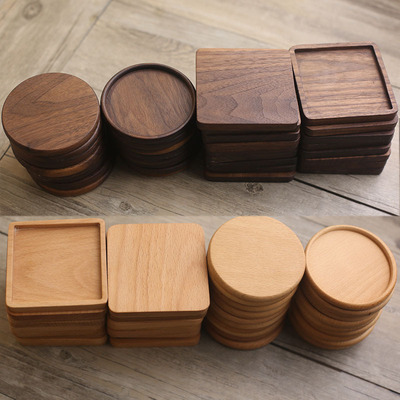
$0.8623 - $1.6003
MOQ: 10 Minimum

KKS Enterprises Co., Ltd. Hangzhou
- Verified by SGS
- Manufacturer/Factory
- China Zhejiang
- Lead time23 days
- Avg. response≤ 12h
Main productsBar Runner, Floor Mats, Bar Mats, Logo Mats, Carpet, Promotional Products, Ice Bucket, Dust Control Mats, Bar Tray, Bottle Openers
Main marketsSouth America,Eastern Europe,Mid East,North America,Southeast Asia,Eastern Asia,Oceania,Western Europe,Africa

Custom OEM Acacia Cork Bamboo Coaster Walnut Wooden Coaster Beech Coaster for Coffee Cup
$0.09 - $0.25
MOQ: 1000 Pieces

Custom OEM Cork Bamboo Paper Coaster Walnut Wooden Coaster Beech Coaster for Coffee Cup
$0.09 - $0.25
MOQ: 1000 Pieces

Shaowu City Nafu Bamboo and Wood Industry Co., Ltd.
- Manufacturer
- China Fujian
- Lead time15 days
- Avg. response≤ 16h
Main productsBamboo and Wood Cutting Board Cheese Board, Bamboo and Wood Storage Box, Bamboo and Wood Plate, Bamboo and Wood Tray, Marble Wood Cheese Board, Bamboo and Wood Table, Bamboo and Wood Bathroom Products, Bamboo and Wood Shelf, Bamboo and Wood Kitchen Utensil, Bamboo and Wood Bowl
Main marketsEast Asia(Japan/ South Korea),Domestic,Europe,Australia,North America


Hot Selling Square Bamboo Coaster Home Bar Decoration Coaster Set with Holder
$1.00 - $1.50
MOQ: 300 Pieces


Customized Walnut Wood Coaster Natural Wood Coasters Square Coaster for Kitchen
$0.30 - $1.00
MOQ: 300 Pieces
Caoxian Kangyi Wood Products Co., Ltd.
- Manufacturer, Trading Company
- Lead time旺季: "1 - 1000":35,"> 1000":"To be negotiated", 淡季: "1 - 1000":35,"> 1000":"To be negotiated"
- Avg. response≤ 2h
Main productsWooden Tableware, Serving Trays, Small Furniture, Wooden Outdoor Goods
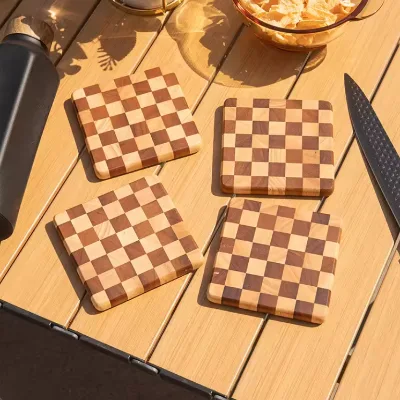
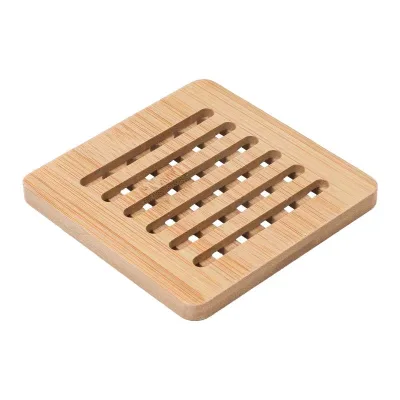
Wholesale Environmental Protection Square Bamboo Cup Coffee coaster Set for Preventing Scalding
$0.8728 - $0.9236
MOQ: 500 pieces
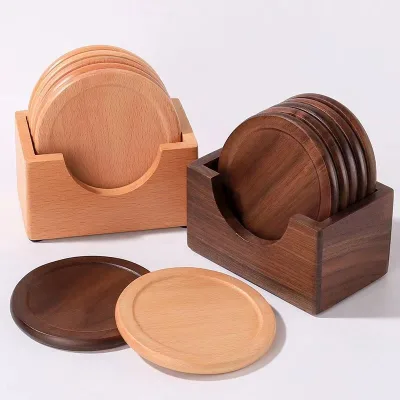
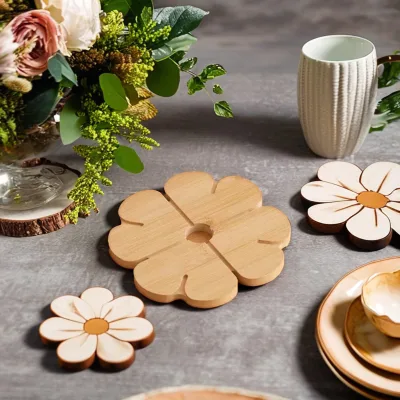
Wholesale Bamboo Wooden Custom Design Flower coaster Irregular Style Used to Protect the Desktop
$1.2829 - $1.8473
MOQ: 500 Minimum
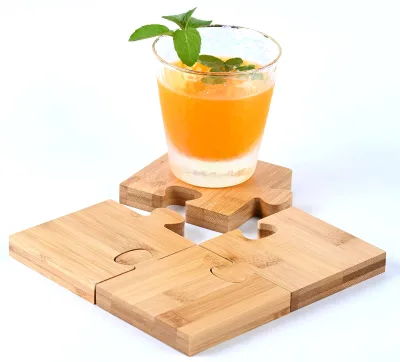
Wholesale Custom logo Bamboo coaster Sets for Coffee Shops, Afternoon Tea Drinks
$3.85 - $5.00
MOQ: 500 pieces
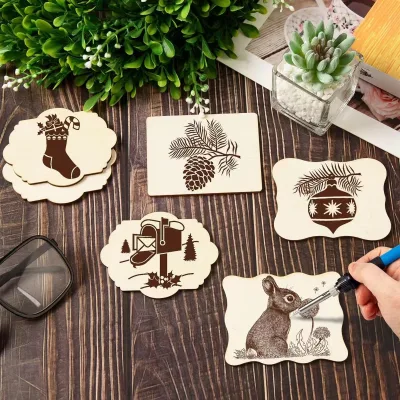
Wholesale Personalized Custom Printed Wooden coaster Home Use coaster Mats
$0.5225 - $0.9386
MOQ: 500 pieces
Xiamen Eco Go Industry Co., Ltd.
- Verified by Intertek
- Trading Company
- Lead time0 days
- Avg. response≤ 4h
Main productsBamboo and Wooden Kitchenware, Bamboo and Wooden Office Items, Bamboo and Wooden Bathroom Items, Bamboo and Wooden Household Items
Main marketsNorth America(50%), Western Europe(38%), Northern Europe(5%)

Ningbo Artisan Import & Export Co., Ltd.
- Verified by TUVRHEINLAND
- Trading Company
- China Zhejiang
- Lead time30 days
- Avg. response≤ 25h
Main productsMailbox, Shaggy Blanket, Bathrobe, Furniture, Bill Counter, Book Stand, Bamboo Shoes Rack, Bar Tools
Main marketsEurope

Shaowu Han Well Import and Export Trade Co., Ltd.
- Trading Company
- China Fujian
- Lead time23 days
- Avg. response≤ 8h
Main productsChopping Boards, Serving Boards, Bamboo Skewer, Bamboo Stick, Tray, Cutting Board, Box, Utensil Tool, Bamboo Chopsticks, Coffee Stirrers
Main marketsEast Asia(Japan/ South Korea),Europe,Australia,North America
Shenzhen Green Ring Bamboo Industry Co., Ltd.
- Manufacturer
- Guangdong, China
- Lead time0 days
- Avg. response≤ 4h
Main productschopsticks,wood cup cover,wood tray,Bamboo stick,Bamboo tableware
Main marketsNorth America(60.00%)

Anhui Huishang International Ltd.
- Manufacturer/Factory
- China Anhui
- Lead time45 days
- Avg. response≤ 4h
Main productsBamboo Blinds, Bamboo Curtains, Venetian Blinds, Roller Blinds, PVC Mini Blinds, Bamboo Shades, Wooden Shutters, Bamboo Carpets, Bamboo Placemats, Flooring
Main marketsMid East,North America,Southeast Asia,Oceania,Western Europe,Africa

Latest Modern Style Bamboo Coaster Mats Hot Selling Bamboo Table Placemats
$0.20 - $0.50
MOQ: 3000 Pieces

China Supplier Custom Size Bamboo Mats Coaster Tea Table Bamboo Placemats
$0.20 - $0.50
MOQ: 3000 Pieces

Custom Size Color Bamboo Coaster Placemats Handmade Waterproof Coaster Mats
$0.20 - $0.50
MOQ: 3000 Pieces
- Trading Company
- Shandong, China
- Lead time25 days
- Avg. response≤ 4h
Main productsBamboo and wood products,wood craft,wood tray,wall shelf,storage organizer
Main marketsNorth America(55.00%), Western Europe(20.00%), South America(8.00%), Southern Europe(5.00%), South Asia(5.00%), Mid East(5.00%), Eastern Europe(2.00%)
Dongguan Kingdkey Gift Tech Co., Ltd.
- Trading Company
- Guangdong, China
- Lead time0 days
- Avg. response≤ 2h
Main productsusb flash drive,lanyard,keychain,pvc label,pvc coaster
Main marketsSouth Asia(10.00%), Central America(10.00%), Southern Europe(10.00%), Southeast Asia(10.00%), Eastern Europe(10.00%), Western Europe(10.00%), Eastern Asia(10.00%), South America(9.00%), North America(9.00%), Northern Europe(5.00%), Oceania(5.00%), Mid East(1.00%), Africa(1.00%)
Yantai LSL Wood Arts &Crafts Co., Ltd.
- Verified by SGS Group
- Trading Company
- Lead time30 days
- Avg. response≤ 2h
Main productsWooden Holder and Rack, Wooden Cutting Board, Wooden Photo Frame, Storage Box and Bin, Wooden Box
Main marketsNorth America(29%), South America(10%), Eastern Europe(10%)


Hot Selling Cheap Custom Personalized Bamboo Tea Coasters Personalized Wood Coasters
$0.6183 - $0.7231
MOQ: 300 pieces

Zhongshan Artigifts Premium Metal & Plastic Co., Ltd.
- Verified by BV
- Combined
- China Guangdong
- Lead time15 days
- Avg. response≤ 3h
Main productsPin, Key Chain, Label, Coin, Lanyard, Purse Hanger, PVC Key Holder, Button Badge, Trolley Coin, Medal
Main marketsSouth America,Africa,Others(foreignTradeCapacity.exportBusinessCapacityMarketOther),Southeast Asia/ Mideast,East Asia(Japan/ South Korea),Europe,Australia,North America

- Trading Company
- China Guangdong
- Lead time15 days
- Avg. response≤ 5h
Main productsHouseware, Bathroom Set, Bathroom Accessory, Kitchenware, Tableware, Wine Accessory, Bath Set, Home Decoration, Soap Dispenser, Bath Ensembles
Main marketsDomestic,North America
- Verified by TüVRheinland
- Trading Company
- Lead time30 days
- Avg. response≤ 8h
Main productsPromotional Office Products, Promotional Gifts, Promotional Bags, Promotional Drinkware, Promotional Apparel And Accessories
Main marketsNorth America(75%), Western Europe(10%), Mid East(5%)

Shenzhen Kunshi Trading Co., Ltd
- Verified by SGS
- Trading Company
- China Guangdong
- Lead time15 days
- Avg. response≤ 4h
Main productsKitchenware, Home Decor, Drinkware & Accessories, Festive & Party Supplies, Outdoor Products
Main marketsEurope,North America

Heating Resistance Bamboo Tree Drink Coaster Set with Holder for Table Decoration
$1.82 - $2.38
MOQ: 200 Pieces

Round Absorbent Christmas Ceramic Coaster with Holder for Table Decoration
$0.49 - $0.63
MOQ: 100 Pieces

- Verified by SGS
- Trading Company,Manufacturer/Factory
- China Shaanxi
- Lead time23 days
- Avg. response≤ 4h
Main productsCork Sheets, Cork Rolls, Cork Granules, Yoga Cork, Cork Stoppers, Cork Placemats, Cork Coasters, Cork Sticks, Cork Mats, Cork Wall Panels

XIAMEN TWO CITY IMP AND EXP CO., LTD.
- Verified by SGS
- Trading Company
- China Fujian
- Lead time30 days
- Avg. response≤ 7h
Main productsBamboo Panel, Bamboo Plywood, Bamboo Cutting Board, Bamboo Chopping Board, Bamboo Products, Bamboo Kitchenware, Bamboo Tableware, Bamboo Furniture, Wood Product, Wood Root Carving Product
Main marketsSoutheast Asia/ Mideast,Europe,North America










Comprehensive Sourcing Guide
Eco-Friendly Modern Bamboo Coaster Supplier Concentration and Factory Types
The current supplier landscape for eco-friendly modern bamboo coasters reveals a distinct geographic concentration in Anhui, China, where manufacturers and trading companies operate side-by-side. These entities specialize in a broad range of bamboo crafts, including postcards, bookmarks, boxes, rulers, and furniture, indicating a robust local supply chain for raw bamboo materials. The presence of both manufacturer and trading company types suggests that buyers can access direct factory pricing or leverage the logistical flexibility of intermediaries. In Anhui, the production focus extends to wood crafts, allowing for hybrid products that combine bamboo with other timber materials like beech or walnut. This dual-material capability is evident in product listings that describe items as "Bamboo Wood" sets, offering design versatility for modern aesthetics. The clustering of these specific craft types in Anhui implies that established infrastructure exists for laser engraving and printing techniques, which are frequently cited in product attributes. Buyers seeking custom designs can rely on this regional expertise, as the local industry has developed the necessary machinery for high-precision customization. The concentration of these specific product categories in one province reduces the complexity of sourcing multiple related items, such as matching placemats or wall signs, from a single geographic hub. This proximity to raw material sources and specialized labor pools supports the production of eco-friendly goods that meet modern design standards.
In contrast, suppliers located in Zhejiang, China, present a different operational profile focused on storage shelves, LED lights, and craft items, with a specific emphasis on wooden coasters made from beech and walnut. While the core keyword emphasizes bamboo, the Zhejiang suppliers demonstrate that the modern coaster market often blends bamboo with other sustainable woods to achieve specific aesthetic or functional goals. These suppliers typically operate with shorter lead times, such as fifteen days, compared to the thirty-day cycles observed in Anhui. This difference in production speed may correlate with the scale of operations or the specific nature of the materials used. The Zhejiang cluster appears to cater to commercial buyers, including caterers and canteens, suggesting a focus on durability and stackability for high-volume use. The presence of brands like MDC in this region indicates a level of brand consolidation and quality control that may appeal to buyers looking for established product lines rather than purely custom OEM work. Understanding these regional distinctions allows buyers to align their sourcing strategy with their specific needs for speed, material composition, and customization depth. The variation in main products between Anhui and Zhejiang highlights the importance of verifying the specific capabilities of each supplier rather than assuming all bamboo coaster producers operate identically.
How to Verify Eco-Friendly Modern Bamboo Coaster Suppliers
Verifying the authenticity and capability of suppliers requires a close examination of their declared company types and product evidence. Buyers should confirm whether a supplier is a manufacturer or a trading company, as this distinction impacts pricing structures and communication efficiency. For manufacturers, direct access to production lines ensures better control over quality and customization, while trading companies may offer a wider variety of related products. The verification process must include checking the consistency between the supplier’s main products and the specific items listed, such as bamboo crafts or wooden coasters. Inconsistent product listings may indicate a lack of specialization or a reliance on third-party sourcing. Additionally, buyers should scrutinize the product attributes provided, such as material composition and technique. For instance, claims of "Eco-Friendly" features should be supported by details on the material source, such as bamboo or specific wood types like beech and walnut. The presence of laser engraving or UV color printing capabilities is a strong indicator of a supplier’s ability to handle custom branding requests. Buyers must ensure that the technical specifications, such as single package sizes and gross weights, align with their logistical requirements. Discrepancies in these details can signal unreliable data or a lack of direct involvement in the manufacturing process.
Response time and lead time are critical metrics for assessing supplier reliability and operational efficiency. A response time of five days, as observed in some results, provides a baseline for communication speed, but buyers should aim for faster responses to ensure timely project management. Lead times vary significantly, with some suppliers offering thirty-day cycles and others providing fifteen-day turnaround times. These differences can impact inventory planning and market launch schedules, making it essential to verify current production capacity. Buyers should also examine the supply ability, such as the capacity to produce ten thousand pieces per month, to ensure the supplier can meet bulk order demands. The availability of OEM services and the acceptance of customized logos are key indicators of a supplier’s flexibility. However, buyers must verify these claims through direct communication and sample requests. The presence of specific model numbers and detailed product attributes, such as dimensions and packaging details, suggests a level of professionalism and organization. Buyers should use these details to cross-reference with the supplier’s official documentation. If evidence is unavailable for specific certifications or standards, buyers should request third-party test reports to verify eco-friendly claims. This due diligence helps mitigate the risk of partnering with suppliers who may not meet quality or sustainability expectations.
What to Compare Across Eco-Friendly Modern Bamboo Coaster Suppliers
When evaluating multiple suppliers, buyers must compare key operational dimensions such as lead time, minimum order quantity, and response speed to determine the best fit for their business needs. Lead times can range from fifteen to thirty days, influencing decisions based on urgency and inventory turnover rates. Suppliers with shorter lead times may be preferable for fast-moving consumer goods or seasonal promotions, while those with longer cycles might offer more competitive pricing for planned, large-scale orders. Minimum order quantities also vary, with some suppliers requiring as few as one hundred pieces, while others set thresholds at five hundred pieces. Lower MOQs are advantageous for testing new markets or launching limited edition designs, whereas higher MOQs may be necessary to achieve economies of scale. Response speed is another critical factor, with a five-day response time serving as a benchmark for initial inquiries. Faster response times often correlate with better customer service and more agile problem-solving capabilities. Buyers should also compare the main products offered, distinguishing between suppliers focused on bamboo crafts and those specializing in broader wood crafts or other items like storage shelves. This comparison helps identify suppliers with the deepest expertise in the specific materials and designs required.
Price and packaging details are equally important considerations in the comparison process. Price ranges can vary significantly, from approximately four dollars to nine dollars per unit, depending on material quality, customization level, and order volume. Buyers should analyze these prices in the context of the specified MOQ and lead time to calculate the total cost of ownership. Packaging details, such as the use of PP bags and cartons, impact shipping costs and product protection. Single package sizes and gross weights are essential for calculating freight charges and warehouse storage requirements. Suppliers offering standardized packaging may provide more predictable logistics costs. Additionally, the availability of custom branding options, such as laser engraving or UV printing, adds value but may increase the unit price. Buyers should compare the technical specifications of these customization services to ensure they meet their brand standards. The origin of the products, whether from Anhui or Zhejiang, may also influence shipping costs and delivery times to specific destinations. By systematically comparing these dimensions, buyers can create a weighted scoring matrix to objectively evaluate suppliers. This structured approach reduces bias and ensures that all critical factors are considered in the final selection process.
Common Eco-Friendly Modern Bamboo Coaster Sourcing Risks
One significant risk in sourcing eco-friendly modern bamboo coasters is the potential mismatch between claimed sustainability and actual material composition. Suppliers may label products as "bamboo" when they are primarily made from other woods like beech or walnut, or use composite materials that do not meet strict eco-friendly standards. This discrepancy can lead to compliance issues with environmental regulations in the buyer’s target market. Buyers must verify the actual material content through detailed product attributes and, if necessary, third-party testing. Another risk is the variability in customization quality, particularly when relying on laser engraving or printing techniques. Inconsistent engraving depth or color fidelity can result in poor brand representation and customer dissatisfaction. Suppliers with less advanced equipment may struggle to maintain high standards across large production runs. Buyers should request samples to assess the quality of customization before committing to bulk orders. Additionally, the reliance on OEM services introduces the risk of intellectual property leakage if the supplier lacks robust confidentiality agreements. Protecting unique designs and branding elements is crucial for maintaining competitive advantage.
Logistical risks are also prevalent, particularly regarding lead time adherence and packaging integrity. Suppliers may fail to meet promised delivery dates due to raw material shortages or production bottlenecks, disrupting the buyer’s supply chain. This risk is heightened when dealing with suppliers who have longer lead times or limited supply ability. Packaging failures can lead to product damage during transit, resulting in financial losses and reputational damage. Buyers should verify the durability of packaging solutions, such as PP bags and cartons, and ensure they are suitable for the intended shipping route. Another risk is the lack of transparency in pricing, where hidden costs for customization, tooling, or shipping may emerge after the initial quote. Buyers should seek detailed quotations that break down all costs to avoid unexpected expenses. Furthermore, the concentration of suppliers in specific regions like Anhui and Zhejiang can create vulnerability to local disruptions, such as natural disasters or policy changes. Diversifying the supplier base across different regions can mitigate this risk. Buyers must also be cautious of suppliers who do not provide clear contact information or responsive communication, as this can hinder issue resolution. Thorough due diligence and continuous monitoring are essential to manage these risks effectively.
Eco-Friendly Modern Bamboo Coaster Regional Sourcing and Logistics
Sourcing from Anhui, China, offers distinct logistical advantages due to its established manufacturing clusters for bamboo and wood crafts. The region’s focus on a wide array of bamboo products, from postcards to furniture, suggests a mature supply chain with readily available raw materials and specialized labor. This concentration can lead to more efficient production processes and potentially lower costs for buyers. However, buyers must consider the distance to major ports, such as Shanghai, which is listed as a port of dispatch for some Anhui suppliers. Shipping from inland Anhui to coastal ports adds a layer of complexity and cost to the logistics chain. Buyers should factor in the inland transportation costs and potential delays when planning their supply chain. The thirty-day lead times observed in Anhui may also impact inventory management, requiring buyers to plan further in advance. Despite these challenges, the depth of expertise in bamboo crafts in Anhui can be a significant advantage for buyers seeking high-quality, customized products. The availability of both manufacturers and trading companies provides flexibility in negotiating terms and securing supply.
In contrast, sourcing from Zhejiang, China, presents different logistical dynamics, with suppliers often listing Ningbo and Shanghai as sea ports. Zhejiang’s proximity to these major ports can facilitate faster and more cost-effective international shipping. The shorter lead times of fifteen days observed in Zhejiang suppliers allow for more responsive supply chain management, which is beneficial for buyers with dynamic market demands. The region’s focus on wooden coasters made from beech and walnut indicates a specialization in timber products, which may offer different aesthetic and functional benefits compared to bamboo. Buyers should evaluate the specific shipping requirements for these materials, as they may differ in weight and volume. The presence of commercial buyers, such as caterers and canteens, in Zhejiang suggests a robust domestic market that supports large-scale production. This can lead to economies of scale and competitive pricing. However, buyers must ensure that the suppliers’ export capabilities match their international needs. Comparing the logistical profiles of Anhui and Zhejiang suppliers helps buyers make informed decisions based on their specific priorities for cost, speed, and product quality. Understanding these regional nuances is key to optimizing the sourcing strategy.
Eco-Friendly Modern Bamboo Coaster Commercial Terms and Order Planning
Commercial terms for eco-friendly modern bamboo coasters vary
FAQs
What is the typical lead time for custom bamboo coasters?
Manufacturers in Anhui, China generally require 30 days to produce custom orders. Suppliers in Zhejiang, China offer a faster turnaround of 15 days. Buyers should confirm specific timelines with the supplier before placing an order to ensure delivery aligns with project schedules.
What is the minimum order quantity for eco-friendly coasters?
Minimum order quantities vary by supplier and product design. Some manufacturers accept orders as low as 100 pieces, while others require a minimum of 500 pieces. Buyers should verify the specific MOQ for their chosen design and material before finalizing the purchase agreement.
What materials are used for these modern bamboo coasters?
Products are crafted from bamboo, wood, beech, and walnut. Some items feature a bamboo lining or are made entirely from natural wood. Buyers should check the specific material attributes for each product to ensure the finish and durability meet their commercial requirements.
What is the price range for bulk bamboo coaster orders?
Prices range from approximately $1.18 to $9.29 per unit depending on the design and material. Square wooden coasters start around $1.18, while modern bamboo wood sets can cost up to $9.29. Buyers should request a quote for their specific quantity to get accurate pricing.
Can I customize the logo on these wooden coasters?
Yes, most suppliers welcome OEM requests and offer custom logo options. Techniques include laser engraving, UV color printing, and DIY customization. Buyers should provide their logo files and confirm the printing method with the supplier to ensure the desired aesthetic is achieved.
Where are these eco-friendly coaster manufacturers located?
Suppliers are primarily located in Anhui and Zhejiang, China. Anhui manufacturers often specialize in bamboo crafts and wood products. Zhejiang suppliers focus on storage, LED lights, and craft items. Buyers can filter results by location to find suppliers closest to their preferred shipping ports.
What is the response time for these suppliers?
Suppliers in Anhui, China typically respond within 5 hours. Buyers should expect prompt communication regarding quotes and production details. Fast response times indicate active supplier engagement, which is crucial for resolving questions about customization, packaging, and shipping logistics efficiently.