Saltwater Squid Jig with Hooks Suppliers and Manufacturers
Explore 27 verified options for Saltwater Squid Jig with Hooks from Shandong and Guangdong factories. Compare response times, lead times, and product specifications like material and hook types before requesting quotes; review the available evidence before requesting comparable quotations from suitable candidates.
Suppliers List
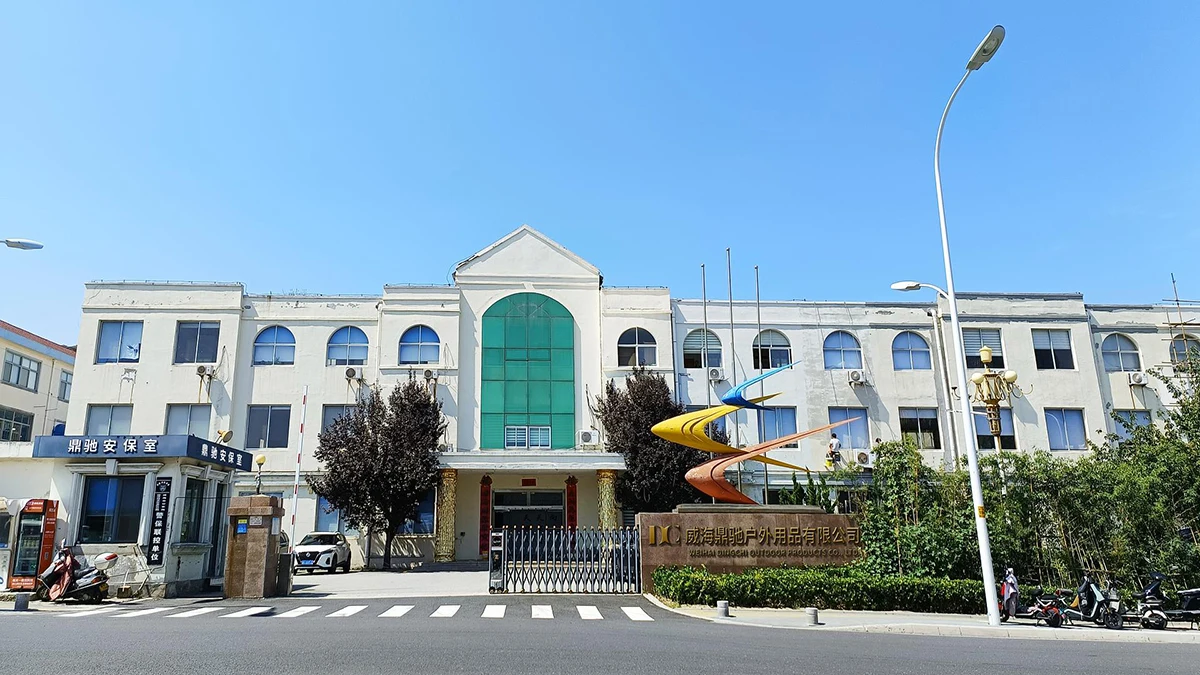
Weihai Dingchi Outdoor Products Co., Ltd.
- Manufacturer, Trading Company
- Shandong, China
- Lead time0 days
- Avg. response≤ 2h
Main productsFishing Lures , Fish Pole, Fishing Reel, Fish Hook, Fishing Tools
Main marketsNorth America(30.0%), Domestic Market(20.0%), Western Europe(10.0%), Southern Europe(10.0%), Northern Europe(10.0%), Eastern Europe(10.0%), Southeast Asia(10.0%)
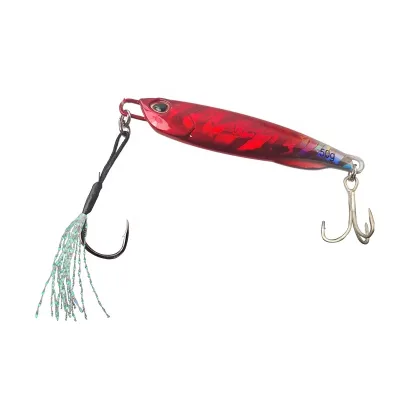
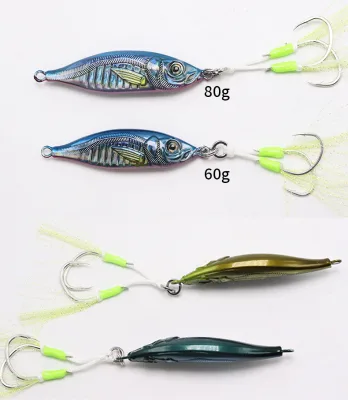
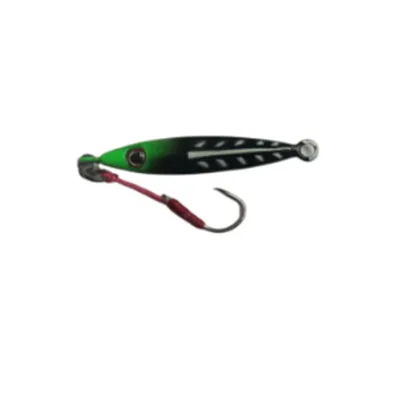
New Various Specifications 10g 15g 20g 30g 40g 50g 60g Jigs for Sea Water Fishing
$1.20 - $1.50
Moq: 100
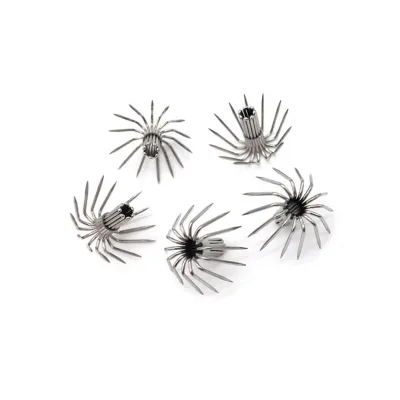
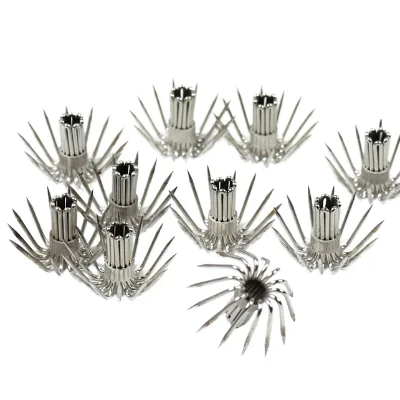
DingChi Stainless Steel Squid Fishing Hooks All Sizes for Saltwater Squid Lure and Jig Hooks
Contact supplier
Moq: 200
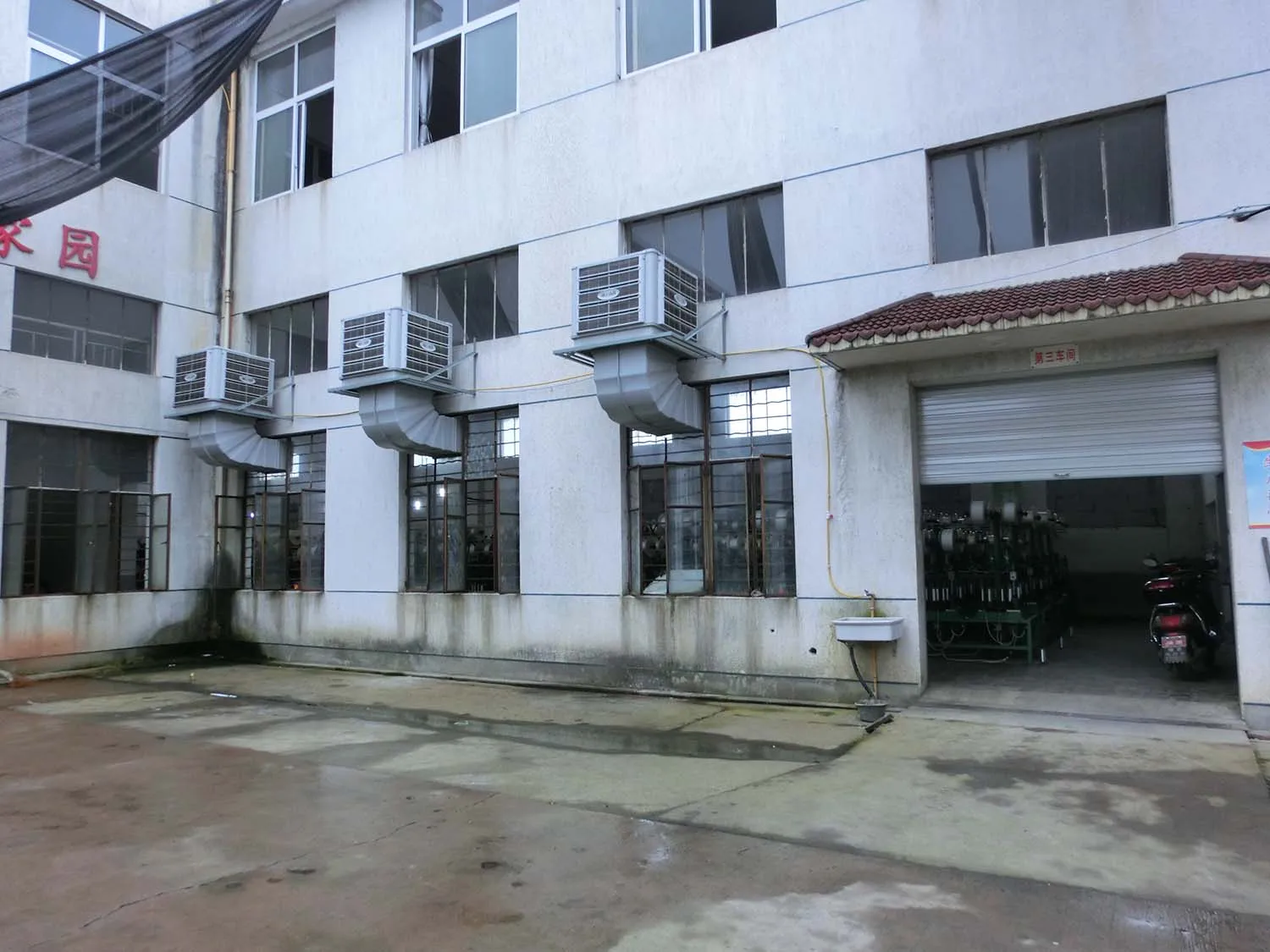
Shenzhen Times Fishing Tackle Co., Ltd.
- Manufacturer
- Guangdong, China
- Lead time15 days
- Avg. response≤ 4h
Main productsPE braided fishing line,Carbon fishing line,Nylon fishing line,biodegradable fishing line,sinking PE fishing line
Main marketsEastern Europe(33.0%), North America(33.0%), South America(11.0%), Southern Europe(5.0%), Africa(5.0%), Oceania(3.0%), Eastern Asia(3.0%), Mid East(3.0%), Western Europe(2.0%), Northern Europe(2.0%)

Weihai Lotus Outdoor Co., Ltd.
- Manufacturer/Factory,Group Corporation
- China Shandong
- Lead time38 days
- Avg. response≤ 23h
Main productsFishing Reel, Fishing Lure, Fishing Tackle, Reel, Rod, Terminal Tackle, Fishing Rigs, Outdoor Products, Fishing Line, Fishing Rod
Main marketsSouth America,Eastern Europe,Mid East,North America,Southeast Asia,Eastern Asia,Oceania,Western Europe,Africa
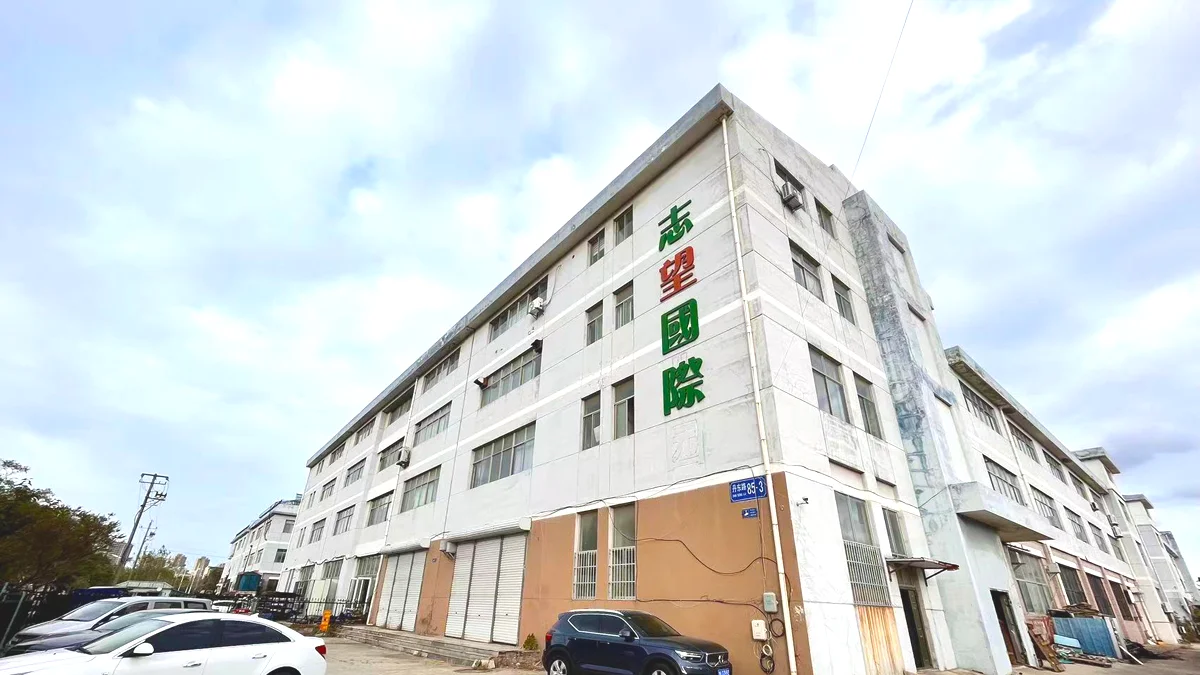
- Manufacturer, Trading Company
- Shandong, China
- Lead time30 days
- Avg. response≤ 5h
Main productsfishing lures,hooks,fishing rods,plastic lures,soft baits
Main marketsWestern Europe(30.0%), North America(30.0%), Eastern Asia(20.0%), Southeast Asia(10.0%), Mid East(10.0%)

Qingdao Sinher Commercial Co., Ltd.
- Verified by BV
- Trading Company,Manufacturer/Factory
- China Shandong
- Lead time45 days
- Avg. response≤ 4h
Main productsFishing Float, Crab Trap, Prawn Creel, Landing Net, Shrimp Trap, Lobster Pot, Crayfish Trap, Fishing Net, Fishing Rope, Fishing Twine
Main marketsSouth America,Eastern Europe,Mid East,North America,Southeast Asia,Eastern Asia,Oceania,Western Europe,Africa

Weihai Inno Outdoor Products Co., Ltd
- Manufacturer
- Shandong, China
- Lead time0 days
- Avg. response≤ 1h
Main productsfishing lure,fishing rod,fishing hook,fishing reel,fishing accessories
Main marketsSoutheast Asia(15.0%), Eastern Europe(15.0%), Africa(15.0%), North America(15.0%), Eastern Asia(10.0%), Mid East(10.0%), Oceania(10.0%), South America(10.0%)

Nanjing Suleho Imp.& Exp.Co., Ltd.
- Trading Company
- China Jiangsu
- Lead time23 days
- Avg. response≤ 12h
Main productsFishing Tackle, Nylon Monofilament, Braided Line, Fishing Lure, Fishing Rods, Fishing Reels, Fishing Boxes, Fishing Hooks, Fishing Swivels, Fishing Floats
Main marketsSouth America,Africa,Southeast Asia/ Mideast,Europe,North America


Wholesale Sea Fishing Tackles Carbon Steel Koiso-Gure Saltwater Fishing Hooks
$0.01 - $0.02
Moq: 50000


Weihai Tianning Sports Products Co., Ltd.
- Verified by SGS
- Combined
- China Shandong
- Lead time45 days
- Avg. response≤ 17h
Main productsFishing Lure
Main marketsEurope,Australia,North America


Hot Sale 240g 13cm Soft Squid Lure with Lead Weight Squid Jig for Saltwater Fishing
$2.58 - $4.98
Moq: 200


Qingdao Angle Outdoor Co., Ltd.
- Verified by SGS Group
- Manufacturer, Trading Company
- Lead time0 days
- Avg. response≤ 2h
Main productsFishing Rod, Fishing lure, Fishing reel, Fishing Line, Fishing Tool
Main marketsNorth America(20%), Western Europe(15%), South America(10%)

Weihai Surefish Fishing Tackle Co., Ltd.
- Trading Company
- China Shandong
- Lead time30 days
- Avg. response≤ 2h
Main productsFishing Tackle, Fishing Rod, Fishing Line, Fishing Swivel, Fishing Lure, Fly Fishing, Fishing Reel, Fishing Hook, Fishing Equipment, Carp Fishing
Main marketsEurope,Australia,North America
Weihai Guosong Outdoor Products Co., Ltd.
- Trading Company
- Shandong, China
- Lead time0 days
- Avg. response≤ 4h
Main productsFISHING LURE,FISHING REEL,FISHING HOOK,FISHING TOOLS,FISHING ROD
Main marketsNorth America(30.0%), South America(20.0%), Northern Europe(10.0%), Eastern Europe(10.0%), Western Europe(8.0%), Southern Europe(4.0%)

Wei Hai Aquahunting Outdoor Products Co.,Ltd.
- Combined
- China Shandong
- Lead time15 days
- Avg. response≤ 3h
Main productsFishing Gear, Fishing Lure, Fishing Rod, Fishing Reel, Fishing Hook, Fishing Line, Fish Finder, Fishing Accessories, Jigging Lure, Minnow Lure
Main marketsSouth America,Africa,Southeast Asia/ Mideast,East Asia(Japan/ South Korea),Domestic,Europe,Australia,North America
Nanjing Jianyu Trading Co., Ltd.
- Trading Company
- Jiangsu, China
- Lead time30 days
- Avg. response≤ 2h
Main productsfishing lure,fishing hook,fishing swivels,fishing line,fishing rod
Main marketsNorth America(30.0%), Eastern Europe(20.0%), South America(20.0%), Western Europe(10.0%), Oceania(10.0%), Northern Europe(5.0%), Mid East(5.0%)
Hangzhou Ecooda E-Commerce Co., Ltd.
- Trading Company
- Hangzhou, China
- Lead time0 days
- Avg. response≤ 4h
Main productsOEM Producks,Fishing Reels,Fishing Lure,Reels/Spooler,Fishing Rods
Main marketsDomestic Market(80.0%), North America(15.0%), South America(5.0%)
Weihai Yajie Outdoors Co., Ltd.
- Verified by Intertek
- Manufacturer, Trading Company
- Lead time10 days
- Avg. response≤ 2h
Main productsFishing Rod, Fishing Line, Fishing Lure, Fishing Hook, Fishing Accessories
Main marketsNorth America(40%), South America(20%), Southeast Asia(20%)
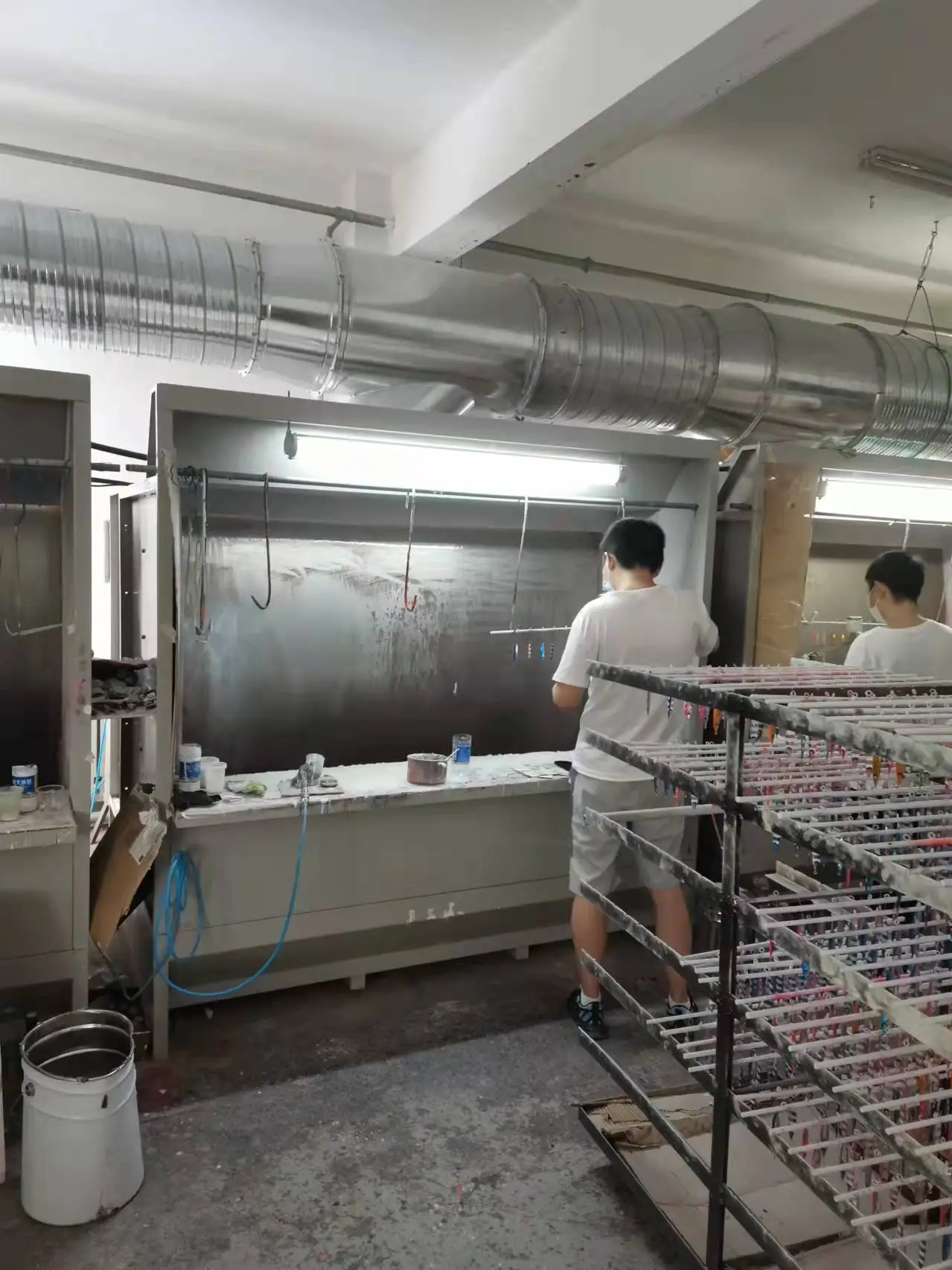
Weihai Aoclu Outdoor Products Co., Ltd.
- Trading Company
- Shandong, China
- Lead time5 days
- Avg. response≤ 1h
Main productsFishing Lure,Fishing Rod,Fishing Reel,Fishing Line,Fishing Tackle
Main marketsEastern Europe(25.0%), North America(20.0%), Southeast Asia(10.0%), Western Europe(10.0%), Southern Europe(8.0%), Northern Europe(5.0%), Central America(5.0%), South America(5.0%), Domestic Market(5.0%), Mid East(3.0%), Eastern Asia(2.0%), South Asia(2.0%)

Nanjing Yuyue Trading Co., Ltd.
- Trading Company
- Jiangsu, China
- Lead time30 days
- Avg. response≤ 2h
Main productsfishing hooks,fishing lures,fishing rods,fishing reels,Fishing accessories
Main marketsNorth America(30.0%), Eastern Europe(20.0%), South America(20.0%), Western Europe(10.0%), Oceania(10.0%), Northern Europe(5.0%), Mid East(5.0%)
Shijiazhuang Chentilly Trading Co., Ltd.
- Trading Company
- Hebei, China
- Lead time15 days
- Avg. response≤ 3h
Main productsTrolling lures,Bucktail jigs,Jigging lures,Fishing reel,Fishing rod
Main marketsNorth America(35.0%), Oceania(23.0%), Mid East(10.0%), South America(10.0%), Eastern Europe(10.0%), Western Europe(7.000000000000001%), Central America(5.0%)
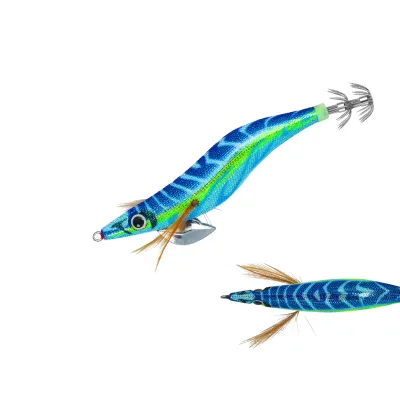
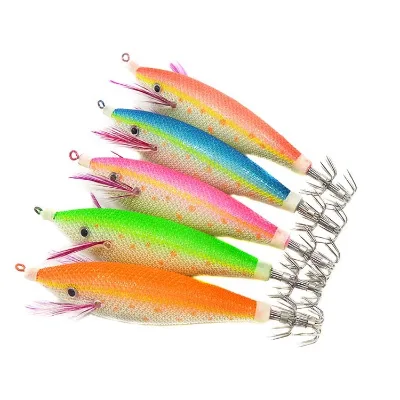
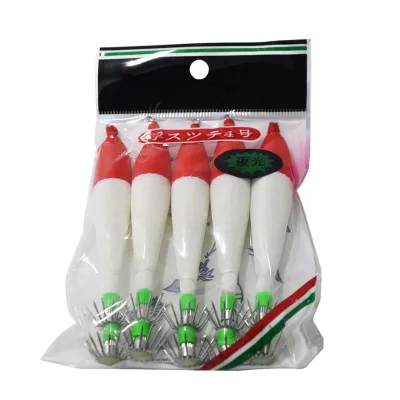
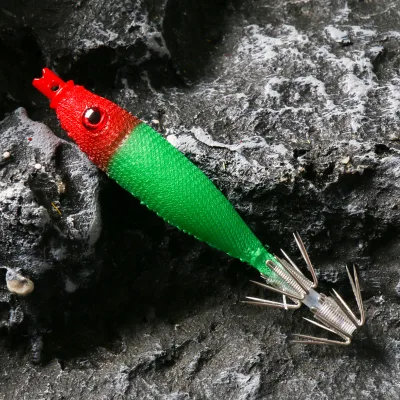
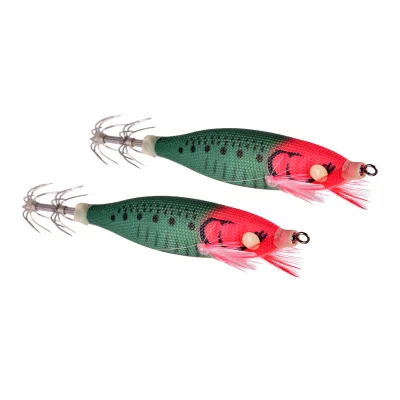
Hard Body Squid Jigs Fishing Baits Red Head Squid Jig Hooks
Contact supplier
Anqing Iwish Imp. & Exp. Co., Ltd.
- Trading Company
- Anhui, China
- Lead time15 days
- Avg. response≤ 13h
Main productsFishing Tackles,Plastic Box,Outdoor Sports,Fishing accessories,fishing lure
Main marketsNorth America(20.0%), South Asia(10.0%), Southern Europe(10.0%), Oceania(10.0%), Northern Europe(10.0%), Eastern Europe(10.0%), South America(10.0%), Western Europe(5.0%), Mid East(5.0%), Southeast Asia(5.0%), Central America(5.0%)
Weihai Xingli Fishing Tackle Co., Ltd.
- Manufacturer, Trading Company
- Shandong, China
- Lead time20 days
- Avg. response≤ 2h
Main productsfishing lures,Fishing tackles,fishing rods,fishing reel,accessories
Main marketsSoutheast Asia(20.0%), Oceania(15.0%), North America(10.0%), Eastern Europe(10.0%), South Asia(5.0%), Southern Europe(5.0%), Northern Europe(5.0%), Central America(5.0%), Western Europe(5.0%), Eastern Asia(5.0%), Mid East(5.0%), South America(5.0%), Africa(5.0%)

- Trading Company
- China Zhejiang
- Lead time30 days
- Avg. response≤ 6h
Main productsFishing Products, Hand Dryer, Soap Dispenser, Paper Dispenser
Main marketsSouth America,Europe,North America
Shenzhen Handiier Technology Co.,Ltd
- Manufacturer, Trading Company
- Guangdong, China
- Lead time10 days
- Avg. response≤ 12h
Main productsshaver,shaving accessories,hair trimmer,Vacuum Cleaner Parts,Air Purifier Parts
Main marketsNorth America(50.0%), Eastern Europe(10.0%), South America(10.0%), Northern Europe(5.0%), Central America(4.0%), Western Europe(3.0%), South Asia(3.0%), Southern Europe(3.0%), Oceania(3.0%), Eastern Asia(2.0%), Mid East(2.0%), Southeast Asia(2.0%), Domestic Market(2.0%), Africa(1.0%)

WEIHAI ECOODA OUTDOOR PRODUCTS CO., LTD.
- Verified by SGS
- Trading Company
- China Shandong
- Lead time15 days
- Avg. response≤ 12h
Main productsFishing Reel, Fishing Rod, Fishing Lure, Fishing Tool, Fishing Line, Fishing Hook, Fishing Clothes
Main marketsAfrica,Southeast Asia/ Mideast,Australia,North America
Weihai AGITEK Fishing Co., Ltd.
- Verified by TüVRheinland
- Manufacturer, Trading Company
- Lead time0 days
- Avg. response≤ 1h
Main productsFinishing Lures, Fishing Rods, Fishing Landing Nets, Fishing Reels, Fishing Toolings
Main marketsNorth America(20%), South America(15%), Eastern Asia(15%)

- Trading Company,Manufacturer/Factory
- China Shandong
- Lead time60 days
- Avg. response≤ 24h
Main productsNet, Fishing Net, Float, Rope, Hook, Batting Cage Net, Lead Rope, Gill Net, Twine, Golf Net
Main marketsSouth America,Eastern Europe,Mid East,North America,Southeast Asia,Eastern Asia,Oceania,Western Europe,Africa

WEIHAI ONETE OUTDOOR PRODUCTS CO., LTD.
- Verified by BV
- Trading Company
- China Shandong
- Lead time45 days
- Avg. response≤ 9h
Main productsFishing Lures, Fishing Tackle, Fishing Rods, Fishing Reels, Fishing Line, Fly Fishing, Ice Rods, Tackle Box, Fishing Rod Handle, CNC Metal Parts
Main marketsNorth America

Ningbo Rodcore International Co., Ltd.
- Trading Company
- China Zhejiang
- Lead time60 days
- Avg. response≤ 5h
Main productsFly Rod, Fly Reel, Fly Line, Fly Box, Bamboo Fly Rod, Fishing Rod, Fishing Lure, Fishing Reel, Fishing Line, Fishing Hook
Main marketsSouth America,North America
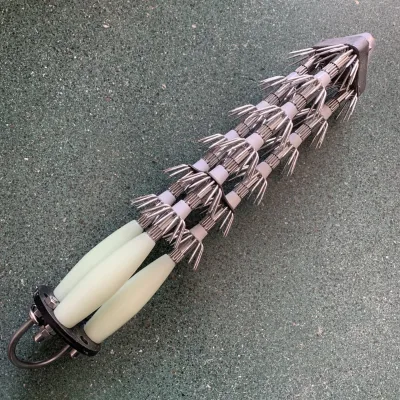
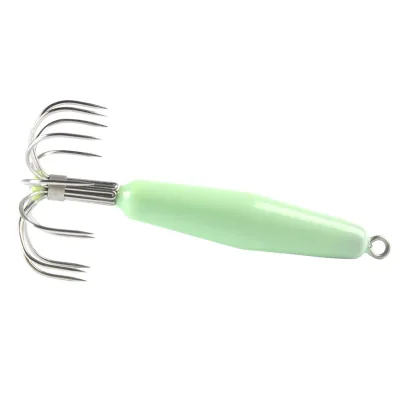


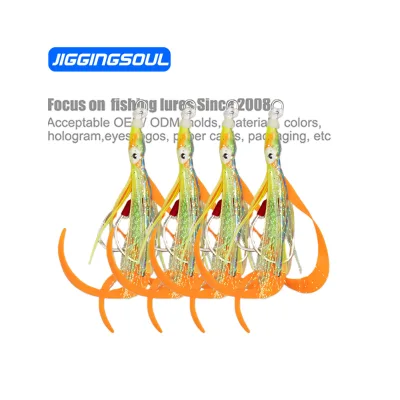
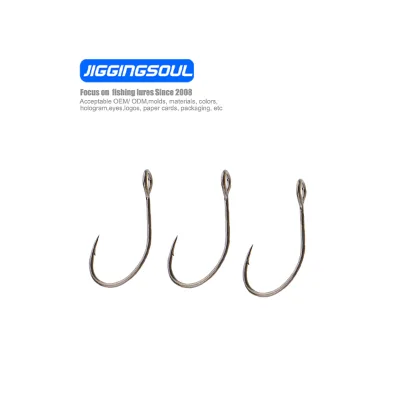
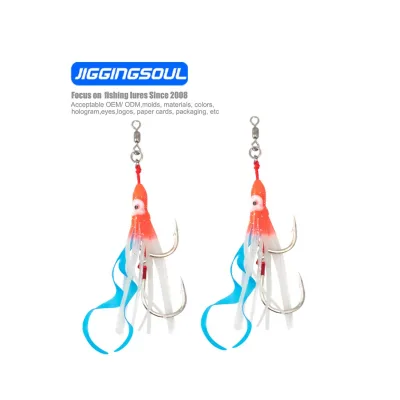


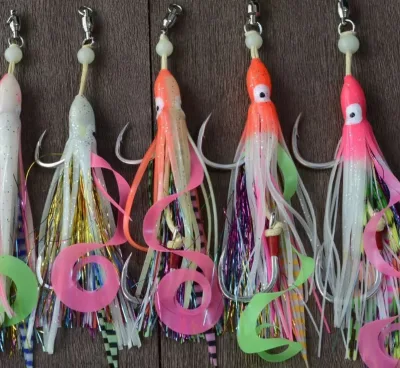
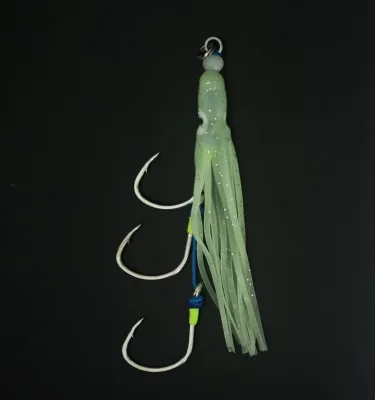
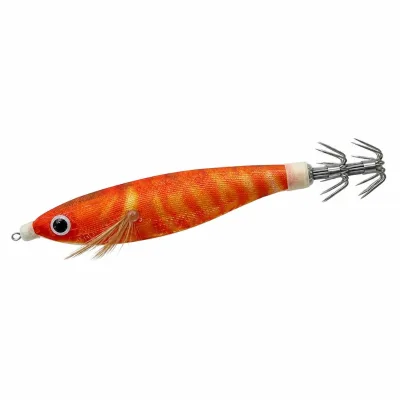




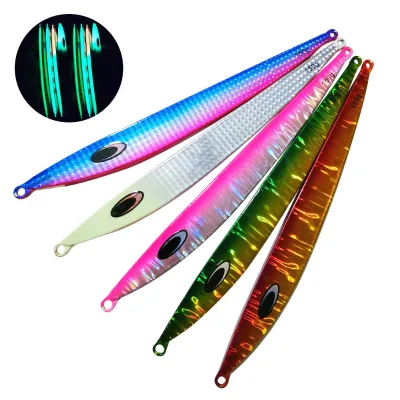
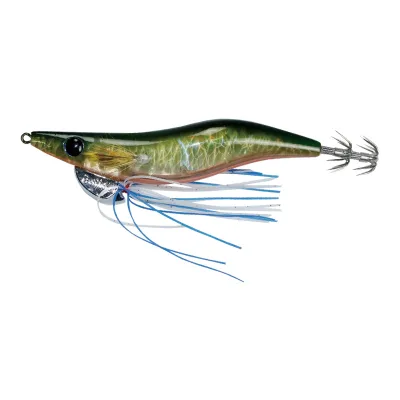
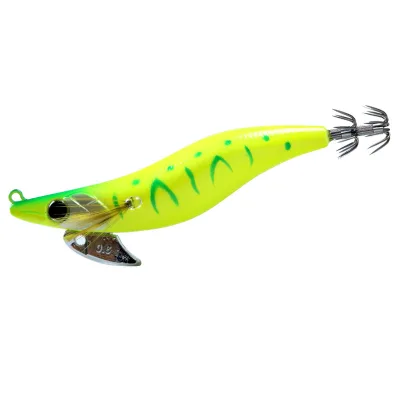
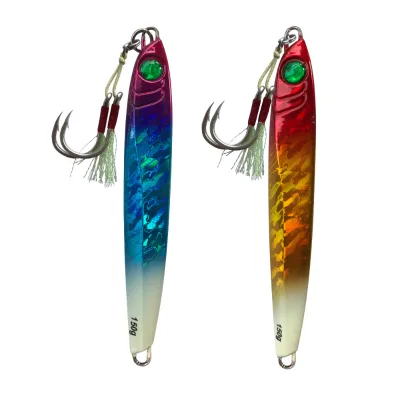
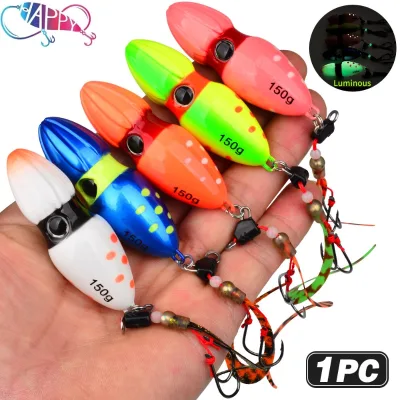
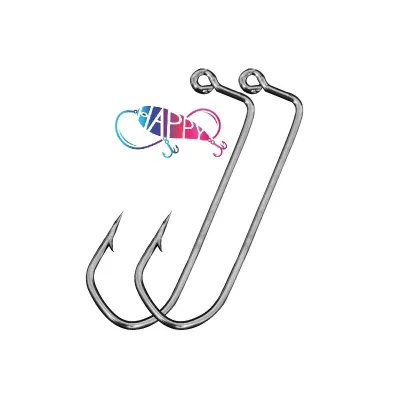
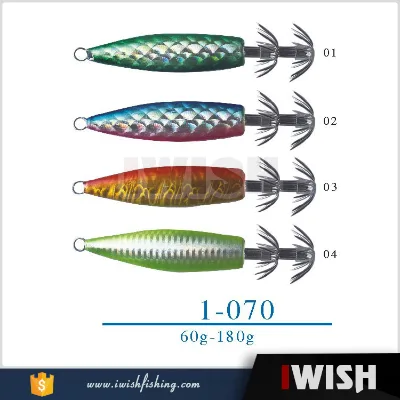
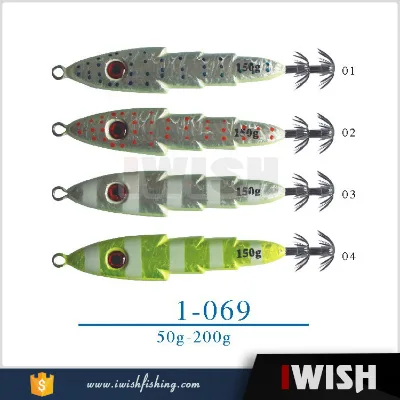






Comprehensive Sourcing Guide
Saltwater Squid Jig with Hooks Supplier Concentration and Factory Types
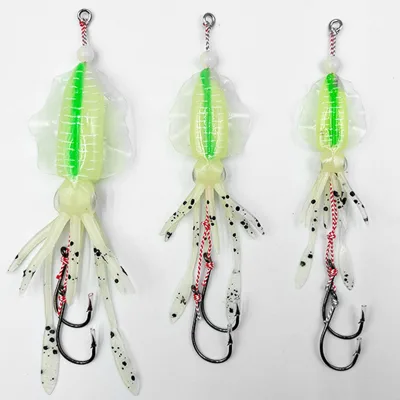
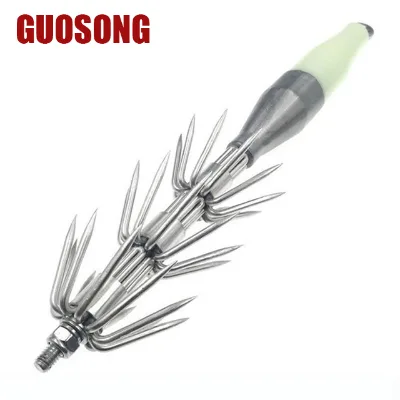
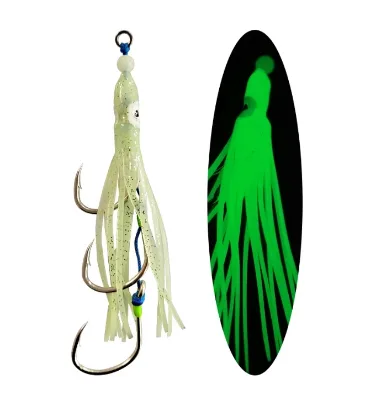
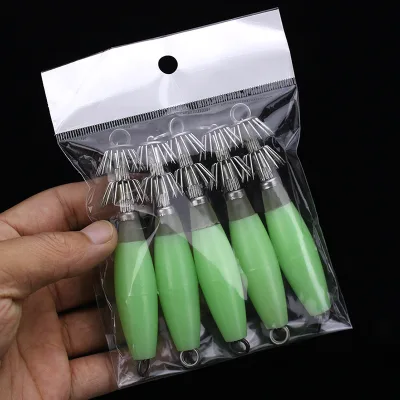
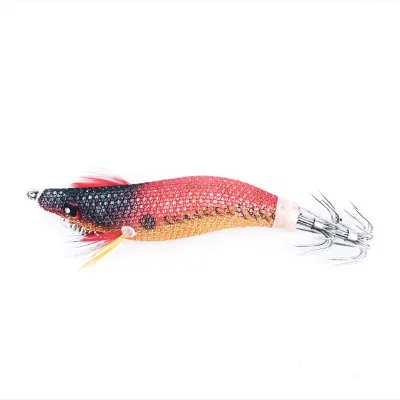
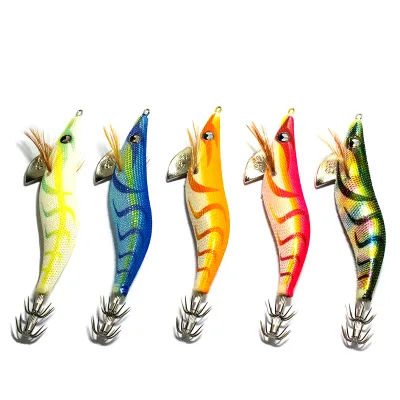
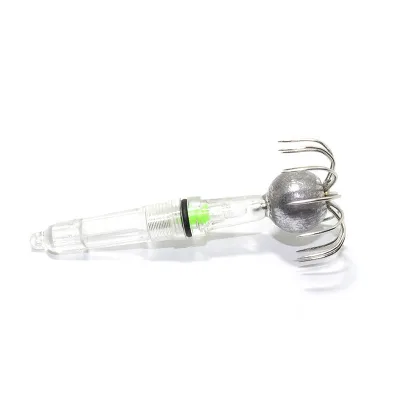
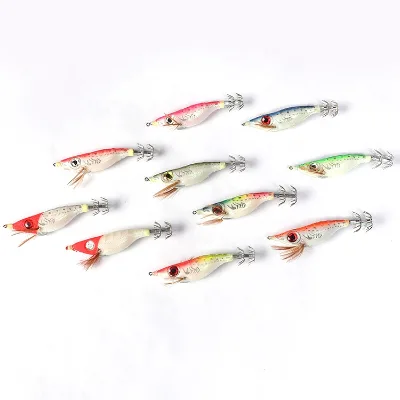
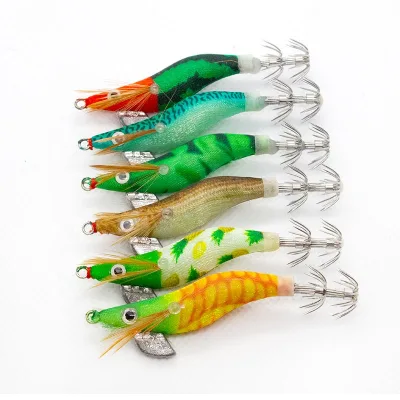
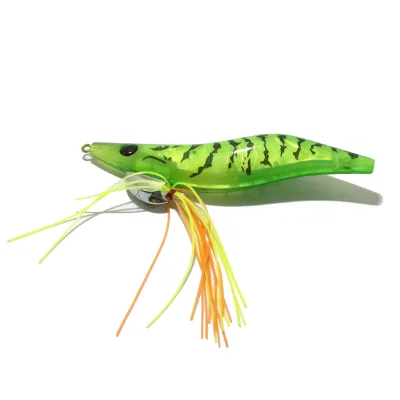
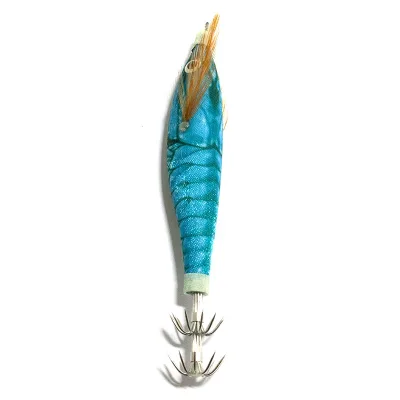
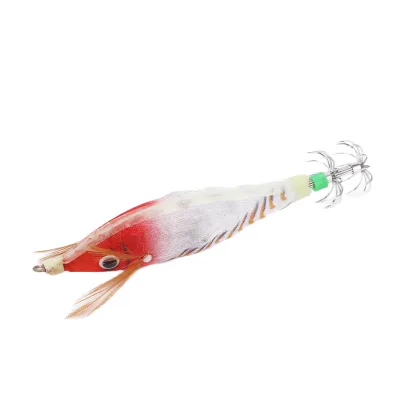
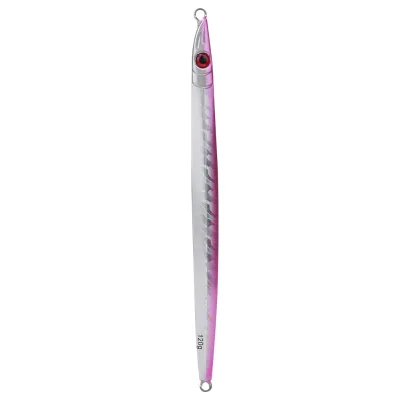
When sourcing Saltwater Squid Jig with Hooks, supplier concentration matters because the product combines metal jig bodies, stainless steel hooks, silicone skirts and 3D eye detailing, so factories with exposure to hard baits and hook hardware tend to cluster together. Results in this category show suppliers based in Shandong, China, listing fishing lures, fish poles, reels, hooks and fishing tools as main products, and operating as manufacturer and trading company hybrids. A separate Guangdong, China entry is a pure manufacturer whose core lines are PE braided, carbon, nylon, biodegradable and sinking PE fishing line, showing that some sellers in the category are adjacent specialists rather than jig makers. That distinction shapes your shortlist directly.
Factory types fall into roughly three groups: manufacturers that mold, weight-pour and assemble jigs in-house; trading companies that consolidate lures, hooks and line from multiple workshops; and adjacent manufacturers whose main catalog sits in a neighboring category such as line or hooks. The Shandong entries illustrate the hybrid model, where a factory floor plus a trading desk handles both metal jigs, squid skirt lures, stainless squid jig hooks and assist hooks under one storefront. Use location and main-product listings as a first filter, but confirm which items are genuinely produced versus brokered, because the same listing page can carry both self-made and consolidated products.
(232 words)
How to Verify Saltwater Squid Jig with Hooks Suppliers
Verification starts with the supplier label on the results page, not the product photography. Check company type, since entries here range from manufacturer to manufacturer-and-trading-company hybrids, and ask directly which parts of a squid jig — the metal body, stainless hook, silicone skirt, glow coating and assembly — happen on their own line. For a Shandong lure-and-tackle supplier, request the factory address and confirm it matches the registered province; for a Guangdong manufacturer whose main products are fishing lines, verify whether squid jigs are actually within their production scope or merely listed for traffic. Response time is a usable signal: one observed supplier responds in about two hours and another in about four hours, which tells you how quickly verification questions will be answered during vetting.
Next, verify the product claims behind the listings. The observed listings name concrete specifications you can audit: jig models in 10g to 60g weights, sizes from 50 mm to 90 mm, single and treble hook options, stainless steel squid hooks in sizes 2# through 4.5#, and a squid skirt lure in 40–200g weights. Ask each supplier to produce exactly these items as samples, then check weight accuracy, hook point sharpness, glow performance and skirt fit. Establish establishment year and any escrow or trade assurance status with the platform rather than accepting screenshot claims. Do not assume displayed attributes apply to every supplier; the observed pages vary widely in what they disclose, so request missing details in writing.
(230 words)
What to Compare Across Saltwater Squid Jig with Hooks Suppliers
Build a comparison sheet using only the dimensions the results actually surface, then fill gaps through direct questions. Useful observed dimensions include lead time, where one Guangdong supplier lists about fifteen days while a squid skirt lure listing states a seven-to-fifteen-working-day delivery window; response time, ranging from roughly two to four hours among observed suppliers; and MOQ, which varies dramatically in this category from ten pieces on a silicone squid skirt jig to one hundred pieces on metal jigs and two hundred pieces on stainless squid hooks. Location is another column: Shandong versus Guangdong suppliers may differ in freight origin, product mix and whether they manufacture or trade.
Compare product depth alongside commercial terms. One supplier covers jigs, reels, poles, hooks and tools; another specializes in fishing line; a third lists only squid jig hooks and assist hooks in multiple needle sizes. That tells you whether one vendor can cover a full saltwater tackle order or whether you should split sourcing. Compare customization capability too: observed listings accept OEM, customized logos and OEM/ODM terms on some items, but not all. Finally, compare disclosure completeness itself — suppliers who publish weight ranges, size grids, package dimensions and material specs in structured attributes are easier to audit than those listing only photos. Weight every column against your order size, because a ten-piece MOQ suits market testing while two-hundred-piece hook MOQs suit established production runs.
(232 words)
Common Saltwater Squid Jig with Hooks Sourcing Risks
The most frequent risk in this category is hybrid supplier confusion. When a storefront operates as both manufacturer and trading company, the buyer may believe hooks, jigs and skirts come from one quality-controlled line when they actually arrive from separate workshops. Verify the production footprint before committing. A second risk is category mismatch: a Guangdong manufacturer whose main products are PE braided and nylon fishing lines may list squid jigs without making them, so samples could come from an unvetted subcontractor. Treat main-product listings as evidence of genuine specialization, not marketing.
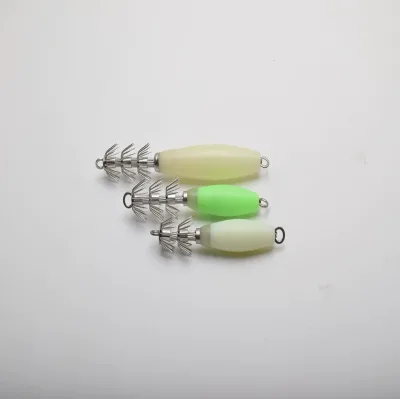
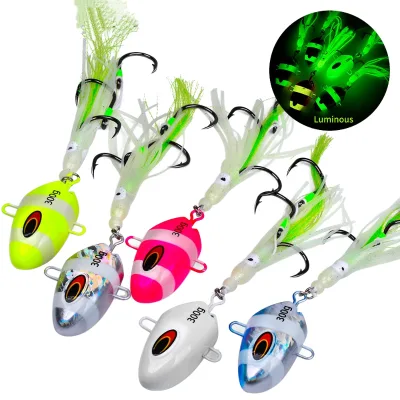
Specification drift is another recurring problem. Squid jig listings here span 10g–60g metal jigs, 40–200g inchiku-style skirt lures, and stainless hooks in fine gradations like 2.5#, 3.0# and 3.5#; a supplier who cannot hold weight tolerance or size consistency across this grid will compromise your assortment. Glow and 3D eye features are quality claims that require physical sample verification, since photos cannot confirm luminous performance or eye adhesion underwater. Hook steel quality varies even within "stainless steel" labels, so test for corrosion after saltwater exposure. Finally, low MOQs — as low as ten pieces on some items — can tempt buyers to skip sampling, but low minimums do not eliminate risk on coating, hook gaps or packaging. Require pre-shipment inspection proportional to order value, and never approve production based on catalog images alone.
(229 words)
Saltwater Squid Jig with Hooks Regional Sourcing and Logistics
The observed results place suppliers in two Chinese provinces: Shandong, home to suppliers listing jigs, hooks, reels and full fishing tackle assortments, and Guangdong, home to a fishing line manufacturer. Both are established coastal sourcing regions, but their product orientations differ — Shandong entries here skew toward hard baits, jigs and hook hardware, while the Guangdong entry centers on line products. Use this as a directional map, not a rule: when your search returns other provinces or countries, evaluate cluster credibility through the supplier's main-product list, company type and years operating rather than assuming any listed location is a specialized hub.
Logistically, plan around what the listings reveal. Ships-from declarations point to China as origin, and single-package dimensions on observed items range from a compact 4×4×3 cm hook package and 8×5×2 cm jig box to a 24×6×8 cm skirted lure package, with gross weights from 0.01 kg to 0.3 kg per unit. These figures let you estimate carton density and freight cost before quoting: hooks are light but voluminous relative to value, while 200g skirted jigs add meaningful weight at scale. Lead times on observed data range from around fifteen days on one supplier's general listing to seven-to-fifteen working days on a specific lure, so confirm which window applies to your mix. Ask each supplier to quote ex-works, FOB and door-to-door terms from their actual province so you can compare landed cost, not just unit price.
(231 words)
Saltwater Squid Jig with Hooks Commercial Terms and Order Planning
Order planning in this category starts from MOQ structure, which is unusually fragmented across product types: observed listings show ten-piece minimums on squid skirt jigs, one-hundred-piece minimums on metal jigs, and two-hundred-piece minimums on stainless squid hooks. If you are assembling a mixed tackle program, sequence orders so low-MOQ items validate supplier reliability before you commit to larger hook volumes. Confirm whether MOQ applies per color, per size or per combined order, since a ten-piece listing may mean ten pieces per variant. Unit pricing on observed jig listings falls in a low-dollar band, but treat displayed prices as starting points only — actual quotes depend on weight class, glow treatment, hook type and packaging.
Lock commercial terms in writing before production. Specify model numbers from the listings, weight and size grids, single versus treble hook configuration, 3D or lifelike eyes, pet-box or custom packaging, and OEM logo placement where customization is accepted. Tie payment milestones to sample approval and pre-shipment inspection, and use platform escrow or trade assurance where available rather than direct transfer for first orders. Build the delivery window — seven-to-fifteen working days on one observed item, roughly fifteen days on another supplier's general listing — into your calendar with buffer for peak season. Finally, request response-time commitments in your purchase terms, since observed suppliers answer within two to four hours now and that responsiveness is a contractible service level, not a permanent guarantee.
(233 words)
FAQs
What is the minimum order quantity for saltwater squid jigs?
Minimum order quantities vary by supplier and product type. Some manufacturers require a minimum of 10 pieces for silicone squid lures, while others set the threshold at 100 units for metal jigs. Stainless steel hooks often have a minimum order of 200 pieces. Buyers should check specific product listings to confirm the exact MOQ before placing an order.
What materials are used in saltwater squid jigs?
Saltwater squid jigs are typically constructed from steel alloy or stainless steel to ensure durability in harsh marine environments. Some designs incorporate silicone skirts to enhance movement and attractivity in the water. These materials provide the necessary weight and corrosion resistance required for effective deep-sea fishing and squid jigging techniques.
What is the typical response time for suppliers?
Supplier response times generally range from two to four hours. Most manufacturers and trading companies in the region aim to reply within this window to facilitate quick communication. Buyers can expect prompt answers regarding product specifications, pricing, and shipping details. Faster response times often indicate a more active and responsive supply chain for urgent sourcing needs.
Where are these fishing products manufactured?
These fishing products are primarily manufactured in China, with suppliers located in key industrial provinces such as Shandong and Guangdong. These regions are known for their robust manufacturing capabilities and extensive supply chains for sports and entertainment goods. The products are shipped directly from China to international buyers, ensuring efficient logistics and delivery.
What is the lead time for production?
Production lead times can vary significantly depending on the supplier and order volume. Some manufacturers report a lead time of zero days for ready stock items, while others may require up to fifteen days for production. Buyers should confirm the specific lead time with the supplier before finalizing orders to ensure timely delivery for their fishing season requirements.
Can suppliers offer custom branding or OEM services?
Many suppliers accept OEM and ODM customization requests for saltwater squid jigs. Buyers can often request custom logos, specific colors, and tailored packaging options. This flexibility allows businesses to brand products according to their market needs. It is advisable to discuss customization details and any associated costs directly with the supplier during the inquiry phase.