Eco-Friendly Metal Plated Bar Button Suppliers and Manufacturers
Compare 19 verified suppliers offering eco friendly metal plated bar buttons with customization options and SGS standards. Buyers can evaluate locations in Zhejiang and Guangdong, lead times, and MOQs before requesting quotes; review the available evidence before requesting comparable quotations from suitable candidates.
Suppliers List

NINGBO NCJN IMPORT AND EXPORT CO., LTD.
- Verified by TUVRHEINLAND
- Trading Company
- China Zhejiang
- Lead time15 days
Main productsGarment Accessories, Zipper, Button, Lace, Tape, Velcro Tape, Hook and Eye Tape, Ring and Slider, Bra Cup
Main marketsSouth America,Africa,Southeast Asia/ Mideast,East Asia(Japan/ South Korea),Europe,Australia,North America

Dongguan New Coo Garment Accessories Co., Ltd
- Manufacturer/Factory
- China Guangdong
- Lead time15 days
Main productsPolyester Button, Plastic Button, Metal Button, Buckle, Metal Label, Leather Label, Hang Tag, Woven Label, Shell Button
Main marketsSouth America,Eastern Europe,Mid East,North America,Southeast Asia,Western Europe

Ningbo Yinzhou Xindew Textile Co., Ltd.
- Trading Company
- China Zhejiang
- Lead time15 days
Main productsKnitting Needles, Knitting Looms, Knitting Crochet Hook Set, Acrylic Yarn, Elastic Tape, Zipper, Thread, Hook and Loop, Baby Blankets, Baby Bibs
Main marketsSouth America,Africa,Southeast Asia/ Mideast,East Asia(Japan/ South Korea),Domestic,Europe,Australia,North America
Guangzhou Shiyi Metal Jewelry Co., Ltd.
- Manufacturer
- Guangdong, China
- Lead time0 days
- Avg. response≤ 2h
Main productssnap button,pocket clip,metal label,sewing button,jeans button
Main marketsSoutheast Asia(30.00%), Mid East(30.00%), North America(30.00%), South Asia(3.00%), Central America(3.00%), South America(2.00%), Eastern Asia(1.00%), Africa(1.00%)

Dongguang D&G Industrial Co., Ltd.
- Verified by SGS
- Combined
- China Guangdong
- Lead time15 days
Main productsJeans Buttons, Jeans Rivets, Snap Fasteners, Pronged Snap Fasterners, Eyelets, Metal Plates, Dress Hooks, Metal Buckles, Snap Button, Sew-on Buttons
Main marketsEurope


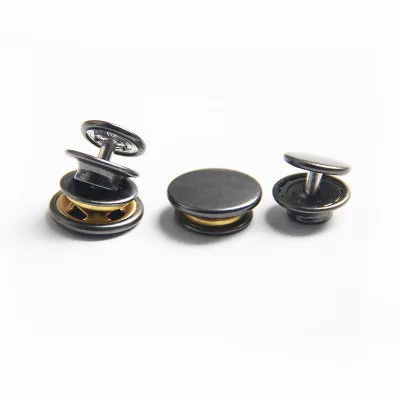
Custom Matt Black Electroplated Shield Logo Metal Buttons Durable Snap Fastener Buttons
$0.03 - $0.13
MOQ: 5000 Pieces


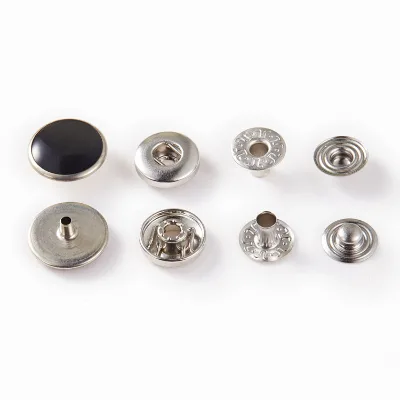
Custom Logo Brass Metal Button Press Stud Button Prong Snap Fastener Button
$0.03 - $0.13
MOQ: 5000 Pieces

Wenzhou Yigou Trading Co., Ltd
- Verified by CTI
- Trading Company
- China Zhejiang
- Lead time30 days
Main productsClothing Accessories, Label Printing Material, Polyester Satin, Seal Tag, Rubber Label, Plastic Seal Tag, Woven Label, Label Ribbon TTR Ribbon, Cotton Tape, Woven Edge Satin Ribbon
Main marketsSoutheast Asia/ Mideast,Europe
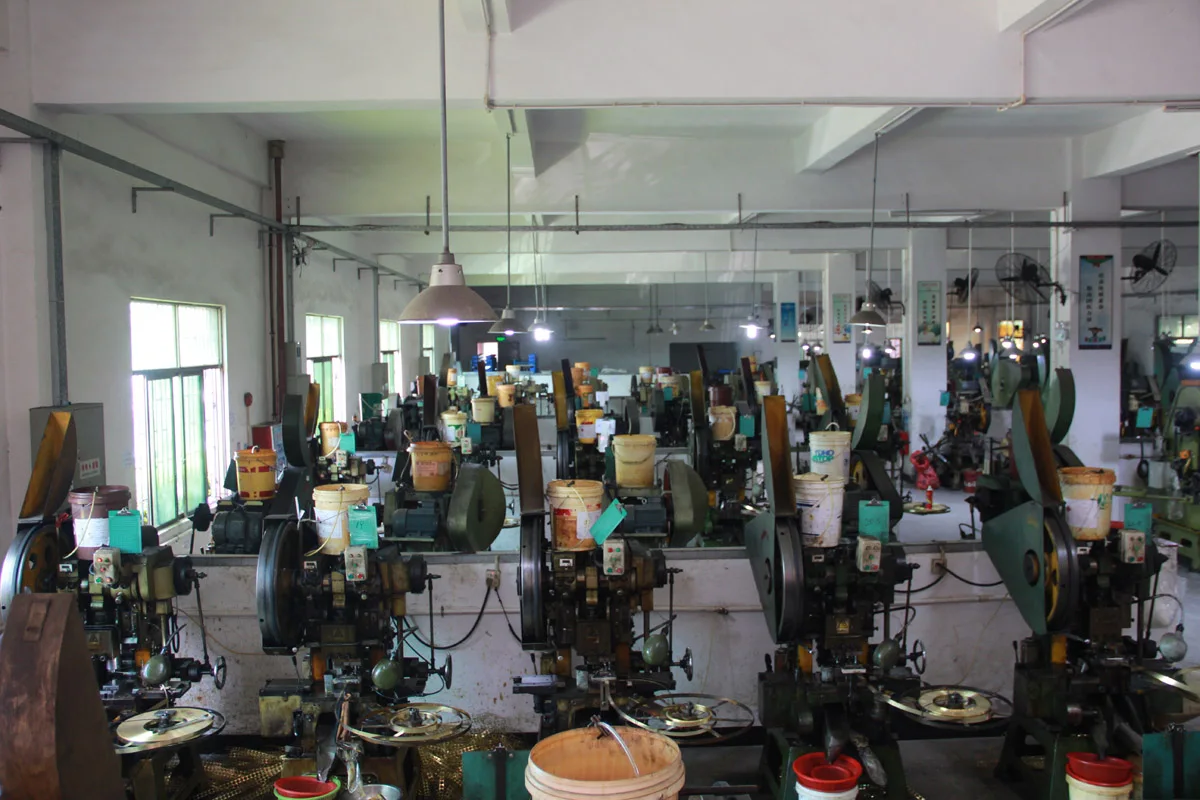
Dongguan Niuniu Industrial Co., Ltd.
- Manufacturer, Trading Company
- Guangdong, China
- Lead time10 days
- Avg. response≤ 1h
Main productsKeychain,Bottle opener,Magnet,Crafts,Badge
Main marketsNorth America(30.00%), South Asia(25.00%), Domestic Market(15.00%), Southeast Asia(12.00%), South America(8.00%), Western Europe(5.00%), Southern Europe(3.00%), Northern Europe(2.00%)
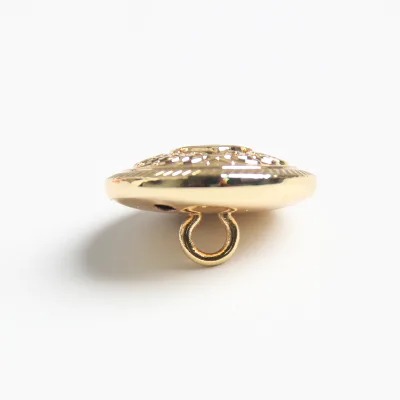
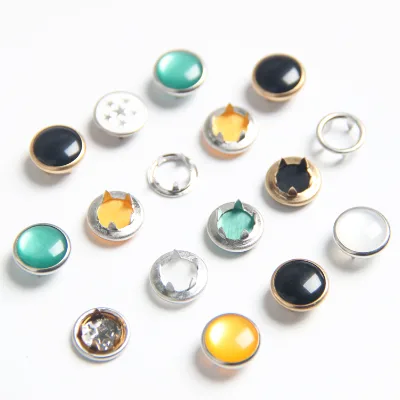
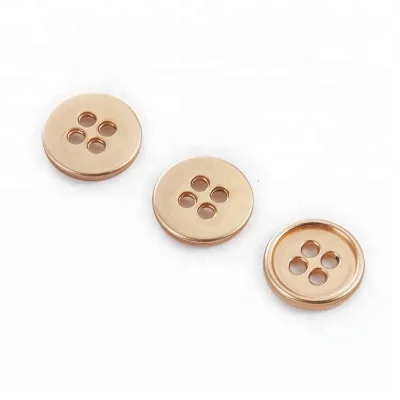
Hot Sale Eco Friendly High Quality Gold Brass Metal Engrave Anchor Sewing Button
$0.03 - $0.04
MOQ: 5000


Hangzhou Yuming Garment Accessories Co., Ltd.
- Verified by BV
- Trading Company
- China Zhejiang
- Lead time30 days
Main productsButton, Patch, Rivet, Eyelet, Zipper, Zipper Puller, Resin Buckle, Underwear Accessories, Snap Hook, Garment Hook
Main marketsSouth America,Southeast Asia/ Mideast,Europe,North America
Yongjia Bolai Clothing Accessories Co., Ltd.
- Verified by Intertek
- Trading Company
- Lead time0 days
- Avg. response≤ 3h
Main productsButtons, Stoppers, Hook & Loop Tapes, Webbing, Zippers Accessories
Main marketsNorth America(30%), Southeast Asia(30%), Western Europe(20%)

Dongguan Hingye Button Products Co., Ltd.
- Verified by CTI
- Combined
- China Guangdong
- Lead time15 days
Main productsMetal Button, ABS Button, Metal Buckle, Metal Snap Button, Metal Jeans Button, Metal Rivet, Rubber Button, Nylon Button, Plastic Button, Metal Popper Snap Button
Main marketsSouth America,Domestic,Europe,North America
Yiwu Jerl Accessories Co., Limited
- Trading Company
- Zhejiang, China
- Lead time7 days
- Avg. response≤ 6h
Main productsRhinestone Trimmings,Zinc alloy button,metal butto,Claw drill chain,Alloy chain
Main marketsWestern Europe(40.00%), South America(30.00%), North America(20.00%), Domestic Market(10.00%)

- Verified by TUVRHEINLAND
- Trading Company,Manufacturer/Factory
- China Zhejiang
- Lead time23 days
Main productsGarment Accessories, Zipper, Button, Lace Trim, Metal Zipper, Nylon Zipper, Plastic Zipper, Metal Button, Snap Button, Cotton Lace
Main marketsNorth America,Africa

Xiamen Neostar Trade Co., Ltd.
- Verified by SGS
- Trading Company
- China Fujian
- Lead time23 days
Main productsMetal Button, Clothing Metal Label, Bag Metal Tag, Zipper Puller, Pin Badge, Leather Patch, Rubbert Patch, Heat Transfer Label, Metal Buckle, Clothing Label
Main marketsSoutheast Asia/ Mideast,Europe,North America

Top Selling Buttons Custom Gold Plated Logo Brand Raised Metal Shirt Snap Buttons
$0.03 - $0.04
MOQ: 1000 Pieces


Snap Button Buttonbuttonbutton Customize Logo Eco-Friendly Metal Snap Button for Garment
$0.03 - $0.04
MOQ: 1000 Pieces


Hangzhou Daya Textile Co., Ltd.
- Trading Company
- Zhejiang, China
- Lead time20 days
- Avg. response≤ 4h
Main productsZipper&slider,Tape&Webbing,Thread&yarn,Garment accessory,Tailoring Material
Main marketsSouth America(60.00%), Domestic Market(10.00%), South Asia(10.00%), Mid East(10.00%), North America(10.00%)

NingBo JC Import And Export Co.,Ltd
- Verified by SGS
- Trading Company
- China Zhejiang
- Lead time45 days
Main marketsSoutheast Asia/ Mideast,Europe

GUANGZHOU SAKES GARMENTS ACCESSORIES CO., LTD.
- Verified by TUVRHEINLAND
- Trading Company
- China Guangdong
- Lead time15 days
Main productsMetal Button, Rivet, Belt, Zipper, Lace, Leather Patch, Metal Buckle, Plastic Button, Metal Eyelet, Keychain
Main marketsSouth America

Guangzhou Govolon Trade Co., Ltd.
- Trading Company,Manufacturer/Factory
- China Guangdong
- Lead time15 days
Main productsGarment Accessories, Lace, Button, Zipper, Fringe and Tassels, Belt Ribbon, Garment Trimming, Patch Badge, Buckle, Hotfix
Main marketsSouth America,Mid East,North America,Southeast Asia,Western Europe,Africa

- Trading Company,Manufacturer/Factory
- China Zhejiang
- Lead time30 days
Main productsFabric, Trimming, Lace, Tape, Zipper, Sewing Thread, Button, Scissors, Garments Accessories, Sewing Machine Parts
Main marketsSouth America,Eastern Europe,Mid East,North America,Southeast Asia,Eastern Asia,Oceania,Western Europe,Africa

Ningbo Yuena Import & Export Co., Ltd.
- Verified by TUVRHEINLAND
- Trading Company
- China Zhejiang
- Lead time23 days
Main productsLace, Thread, Button, Ribbon, Zipper, Tailors Materials, Fabric, Reflective Materials, Sewing Machine Part, Bra Parts
Main marketsSouth America,Africa,Southeast Asia/ Mideast,Europe,North America




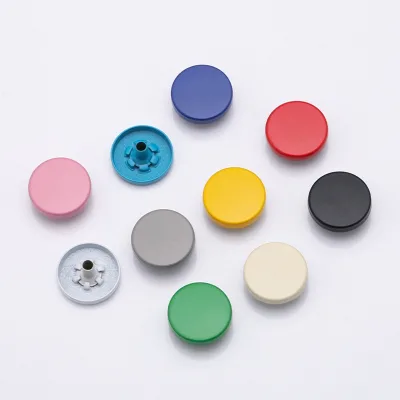


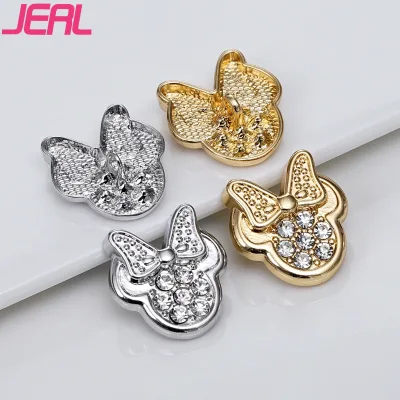
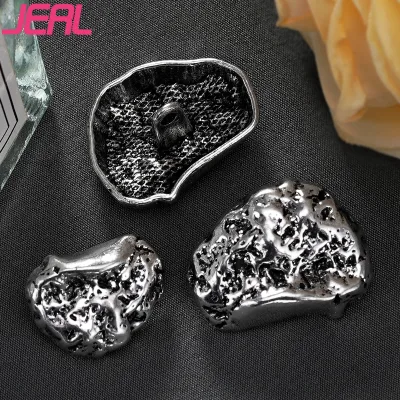
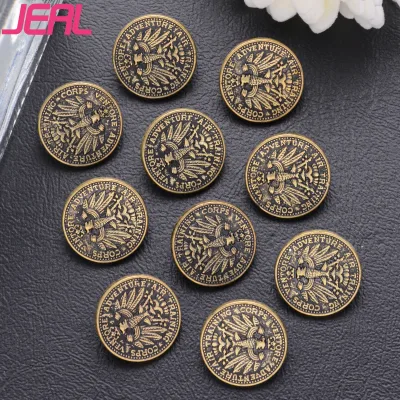
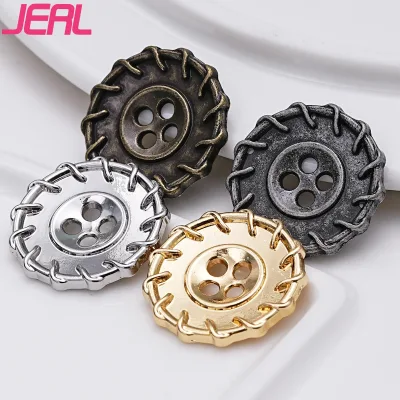


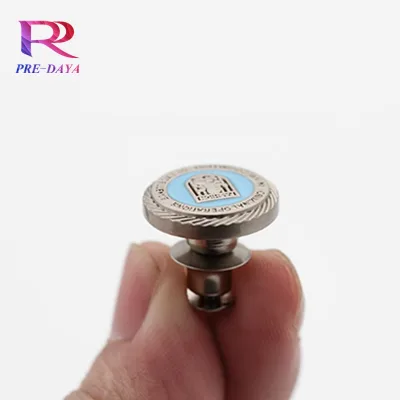
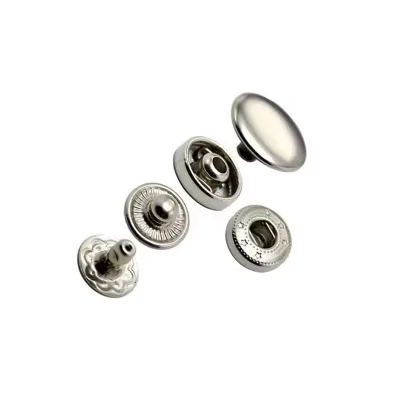


Comprehensive Sourcing Guide
Eco-Friendly Metal Plated Bar Button Supplier Concentration and Factory Types
Current supplier data indicates a concentration of manufacturers and trading companies located in China, specifically within the Zhejiang and Guangdong provinces. These regions host facilities that list main products including garment accessories, metal buttons, and various fasteners. Some entities are identified as trading companies, while others operate as manufacturers or factories with capabilities for OEM and ODM services. The presence of these distinct company types suggests a supply chain where some suppliers focus on sourcing and aggregation while others manage direct production processes. Buyers should note that the specific location of a facility often correlates with the type of operation, though this is not a universal rule across all results.
When evaluating the factory types, it is essential to distinguish between entities that produce goods and those that facilitate trade. The observed data shows suppliers with RD capacity for both OEM and ODM, indicating a potential for custom design and manufacturing. However, not all suppliers in the results are verified manufacturers; some are trading companies that may source from third-party factories. To identify the correct cluster, buyers must verify the physical location and the declared company type against the product evidence provided. This distinction is critical because a trading company might offer a broader range of accessories, whereas a factory might provide more control over the plating and metal composition processes.
How to Verify Eco-Friendly Metal Plated Bar Button Suppliers
Verification of supplier credentials is a primary step in ensuring product quality and reliability. The available data highlights specific verification statuses, such as TUVRHEINLAND, which serves as a third-party validation of the supplier's business operations. Additionally, product attributes often reference standards like SGS, which can indicate compliance with specific quality or safety benchmarks for the metal components. Buyers should look for these explicit verification markers in the supplier profile rather than assuming general compliance. The presence of a certification label provides a concrete starting point for due diligence, but it should be cross-referenced with the specific product details to ensure the certification covers the exact item being ordered.
Beyond external certifications, buyers must examine the product attributes and specifications provided in the listing to confirm the supplier's capability. For instance, the material composition is explicitly listed as metal, with variations such as brass or iron, and the plating process is noted as a key technical attribute. Some listings specify the metal type as brass or iron, while others mention plating techniques like electroplating. It is vital to verify that the "eco-friendly" claim aligns with the actual material and plating standards listed, as the term itself is not a standalone verified fact in the provided data. Buyers should request specific test reports or documentation that confirms the environmental compliance of the plating process, as the general keyword does not guarantee a specific eco-standard without further evidence.
What to Compare Across Eco-Friendly Metal Plated Bar Button Suppliers
Comparing suppliers requires a systematic review of key operational metrics such as lead time, minimum order quantity (MOQ), and pricing structures. The data reveals a range of lead times, with one specific entry indicating a 15-day production window, while other attributes like stock status vary between "Not Stock" and "Non." MOQs also differ significantly across listings, with values ranging from 1,000 pieces to 10,000 pieces depending on the specific product model and customization requirements. Buyers should create a comparison matrix that includes these variables to determine which supplier aligns best with their production schedule and volume needs. It is important to note that not every supplier will display all these attributes, so missing data points should be treated as a requirement for direct inquiry rather than a fixed value.
Pricing and customization options are equally critical dimensions for comparison. The observed price points vary, with some listings showing a minimum price of 0.028000 and others reaching up to 0.100000 per unit, depending on the size, plating, and design complexity. Customization is frequently listed as "Available," but the extent of this service, such as logo printing or specific color matching, must be confirmed. Some products offer color matching, while others are limited to monocolor options like nickel or gold. Buyers should compare the specific product attributes, such as the shape, hole count, and usage type, to ensure the supplier can meet the exact technical specifications required for their garment line. This detailed comparison prevents mismatches between the ordered product and the final application.
Common Eco-Friendly Metal Plated Bar Button Sourcing Risks
One significant risk in sourcing metal buttons is the discrepancy between the claimed material and the actual composition. While listings often specify "Metal" or "Brass," the specific alloy or plating thickness may not be detailed without further verification. The data shows variations in metal types, including brass, iron, and alloy, which can affect durability and cost. If a supplier claims an eco-friendly plating process, the lack of a specific standard or test result in the provided facts creates a risk of non-compliance with environmental regulations. Buyers must verify the exact plating method and material composition to avoid receiving products that do not meet their sustainability or quality standards. Relying solely on the product title without checking the detailed attributes can lead to receiving substandard or non-compliant goods.
Another risk involves the stock status and production capacity. Many product entries indicate a stock status of "Not Stock" or "Non," suggesting that these items are made-to-order rather than available for immediate shipment. This can lead to extended lead times if the supplier does not have the raw materials or production slots available. The data shows a lead time of 15 days for one item, but this may vary for other models or during peak seasons. Additionally, the absence of a specific establishment year in the provided facts makes it difficult to assess the supplier's long-term stability. Buyers should inquire about the supplier's production history and current capacity to mitigate the risk of delays or supply chain disruptions.
Eco-Friendly Metal Plated Bar Button Regional Sourcing and Logistics
The regional sourcing landscape for these components is centered in China, with specific clusters identified in Zhejiang and Guangdong provinces. These regions are known for their concentration of garment accessory manufacturers and trading companies. The data confirms that products originate from these locations, with specific attributes like "prod_origin" listing Zhejiang, China. Buyers should leverage this regional knowledge to understand the logistics infrastructure available, as these provinces typically have well-established ports and shipping networks. However, the exact location of a specific factory should be verified, as the data does not provide street addresses or specific city details beyond the province level. Understanding the regional concentration helps in estimating shipping times and costs, but the specific logistics provider must be confirmed with the supplier.
Logistics planning must account for the packaging and shipping methods indicated in the product attributes. Listings show various packing options, such as "2000PCS/Polybag," "500PCS/Bag," or "Carton," which directly impact the volume and weight of the shipment. Some suppliers offer international express, airfreight, or sea freight options, which allows for flexibility based on urgency and budget. The packing standard, such as "252524," provides a baseline for calculating container loads, but buyers should confirm the exact dimensions with the supplier. Additionally, the lack of specific lead time data for all products means that logistics planning should include a buffer for potential delays. Buyers should discuss shipping terms and packaging requirements early to ensure the goods arrive on time and in the correct condition.
Eco-Friendly Metal Plated Bar Button Commercial Terms and Order Planning
Commercial terms for these metal buttons often include specific minimum order quantities and pricing tiers that vary by product model. The data indicates MOQs ranging from 1,000 to 10,000 pieces, with prices fluctuating based on the size, plating, and customization level. For example, a specific model might have a price of 0.028000 with an MOQ of 10,000, while another model could have a price of 0.050000 with an MOQ of 1,000. Buyers must carefully review these terms to ensure they align with their inventory strategy and budget. It is crucial to confirm whether the price includes packaging, shipping, or taxes, as these details are not always explicitly stated in the product attributes. Clear communication regarding the total landed cost is essential to avoid unexpected expenses.
Order planning should also consider the customization and production timeline. Most listings indicate that customization is available, but the specific lead time for custom orders may differ from standard production times. The data shows a lead time of 15 days for one item, but this may not apply to all custom designs. Buyers should plan their orders well in advance to accommodate the production cycle, especially if the supplier is located in a region with potential logistical challenges. Additionally, the stock status of "Not Stock" implies that all orders are made-to-order, which requires precise planning to avoid delays. Buyers should establish a clear timeline with the supplier, including milestones for design approval, production, and shipping, to ensure a smooth procurement process.
FAQs
What is the typical lead time for metal buttons?
The typical lead time for these items is 15 days. This duration applies to standard production runs for garment accessories. Buyers should confirm specific timelines with suppliers before placing orders to ensure alignment with their manufacturing schedules.
What is the minimum order quantity for metal buttons?
Minimum order quantities vary by supplier and product type. Some suppliers require 1,000 pieces, while others set the threshold at 5,000 or 10,000 units. Buyers must check the specific MOQ listed for each product to plan their procurement effectively.
Are customization options available for metal buttons?
Yes, customization is available for most metal buttons. Suppliers offer options for logos, colors, and sizes. Buyers can request specific designs to match their brand identity. It is important to verify customization details and any associated costs with the supplier.
What certifications do metal button suppliers hold?
Some suppliers hold ISO 9001 certification for quality management. Others may have product-specific standards like SGS. Buyers should verify the exact certifications required for their market and request documentation from suppliers to ensure compliance with industry regulations.
Where are these metal button suppliers located?
Suppliers are primarily located in China, specifically in Zhejiang and Guangdong provinces. These regions are known for their manufacturing capabilities in garment accessories. Buyers can filter results by location to find suppliers closer to their logistics hubs.
What is the price range for metal buttons?
Prices range from approximately $0.028 to $0.50 per piece. The cost depends on the material, size, and customization requirements. Buyers should request quotes for specific quantities to get accurate pricing and compare offers from multiple suppliers.