Eco-Friendly Paper Kids Straw Hat Suppliers and Manufacturers
Compare 23 verified suppliers offering eco friendly paper kids straw hats with ISO9001:2015 and CE certifications. Review response times, lead times, and MOQs to select a factory in Zhejiang, China, then request samples for quality verification; review the available evidence before requesting comparable quotations from suitable candidates.
Suppliers List

Shingrand Hats Manufacturer Co., Ltd.
- Verified by BV
- Combined
- China Zhejiang
- Lead time30 days
- Avg. response≤ 16h
Main productsStraw Hat, Women Hat, Men Hat, Kid Hat, Hat, Cap, Bag, Fashion Hat, Cowboy Hat, Beach Hat
Main marketsSouth America,Africa,Southeast Asia/ Mideast,East Asia(Japan/ South Korea),Europe,Australia,North America
Yiwu Bangwai E-Commerce Co., Ltd.
- Verified by TüVRheinland
- Trading Company
- Lead time10 days
- Avg. response≤ 3h
Main productsBaseball Cap, Straw Hat, Bucket Hat, Beanie, Fedora Hat
Main marketsNorth America(74%), Oceania(8%), Eastern Europe(5%)
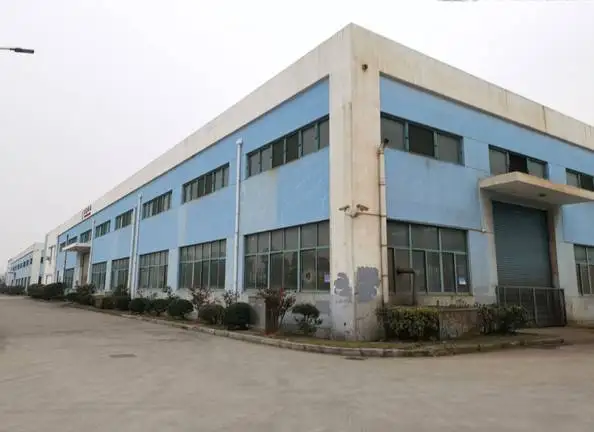
Huizhou Mairuidi Trade Co., Ltd.
- Trading Company
- Guangdong, China
- Lead time0 days
- Avg. response≤ 8h
Main productsdiy jewelry,earring,necklace,sunglasses
Main marketsNorth America(70.0%), Domestic Market(5.0%), Southern Europe(5.0%), Northern Europe(5.0%), Western Europe(5.0%), Eastern Europe(5.0%), South America(5.0%)

Nanjing New Climate Sport Ware Co., Ltd.
- Verified by CTI
- Trading Company
- China Jiangsu
- Lead time15 days
- Avg. response≤ 19h
Main productsCap, Hat, Scarf, Glove, Sock, Bag, Blacket, T-Shirt, Bandana, Beanie
Main marketsSoutheast Asia/ Mideast,East Asia(Japan/ South Korea),Europe,Australia,North America
- Verified by Intertek
- Manufacturer, Trading Company
- Lead time7 days
- Avg. response≤ 3h
Main productsCustom Flags And Banners , Promotion Gifts, Promotion Apparel And Accessories, Advertising Display , Sports Entertainment Gifts
Main marketsNorth America(43%), Western Europe(25%), Oceania(16%)

Qingdao Guangjing Caps Co., Ltd.
- Manufacturer
- China Shandong
- Lead time0 days
- Avg. response≤ 2h
Main productsCaps, Hats, Knitted Beanie, Winter Hat, Sport Cap
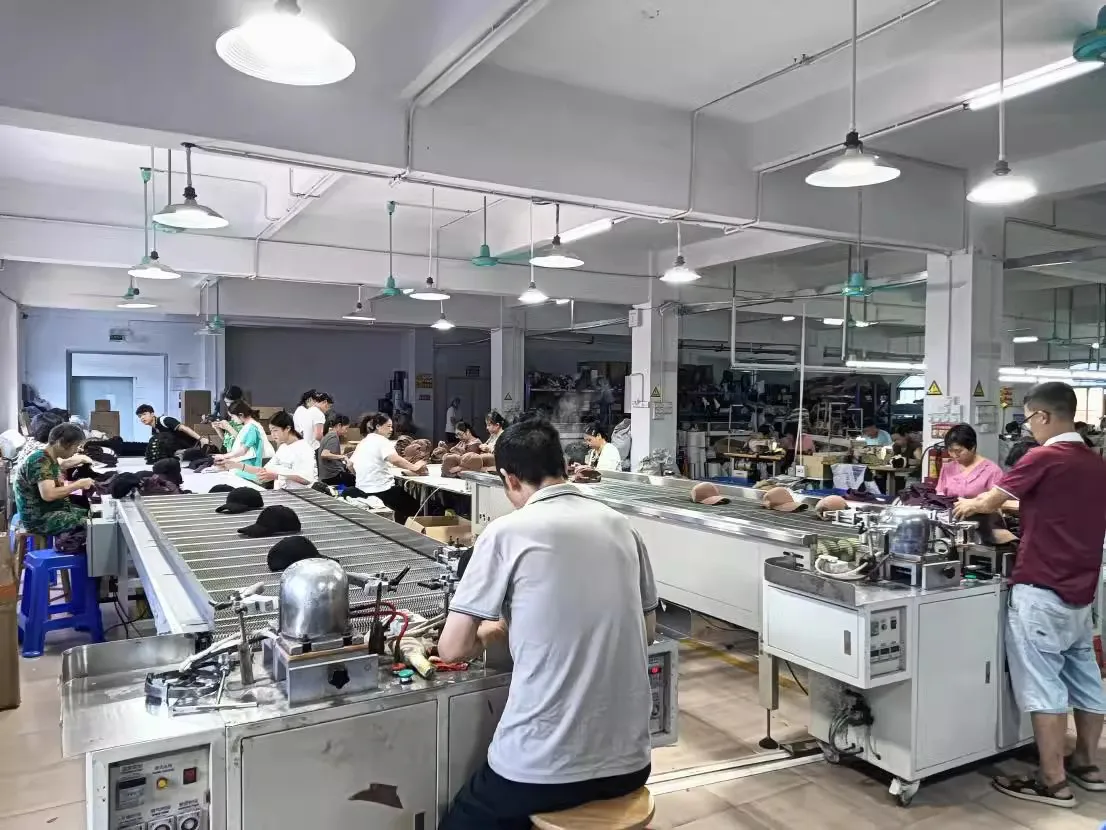
Ningbo Feinade Electrical Appliance Co., Ltd.
- Manufacturer, Trading Company
- Zhejiang, China
- Lead time30 days
- Avg. response≤ 2h
Main productsBaseball caps,Beanies,Straw hats,Backpacks,Shoulder bags
Main marketsEastern Europe(40.0%), North America(30.0%), Domestic Market(10.0%), Southeast Asia(4.0%), Southern Europe(3.0%), Eastern Asia(3.0%), Northern Europe(2.0%), Mid East(2.0%), South America(1.0%), South Asia(1.0%), Oceania(1.0%), Africa(1.0%), Central America(1.0%), Western Europe(1.0%)

Yangzhou Morningbird Headwear Co., Ltd.
- Combined
- China Jiangsu
- Lead time23 days
- Avg. response≤ 13h
Main productsCap, Knit Gloves, Scar, Beanie, Hat, Canvas Bag, Wool Felt Hat, Bandana, Seamless Tube Bandana, Cycling Accessories
Main marketsSoutheast Asia/ Mideast,Domestic,Europe,Australia,North America

Sungnan Import & Export Co., Ltd.
- Verified by TUVRHEINLAND
- Combined
- China Zhejiang
- Lead time30 days
- Avg. response≤ 7h
Main productsScarf, Socks, China Scarf, Leggings, Hats, Bags, Gloves
Main marketsNorth America
Baoding Sean Import And Export Trade Co., Ltd.
- Verified by TüVRheinland
- Manufacturer, Trading Company
- Lead time45 days
- Avg. response≤ 2h
Main productsHats & Cap, T-shirt, Hoodies, Handbags, Gloves
Main marketsNorth America(63%), Eastern Europe(8%), Oceania(8%)
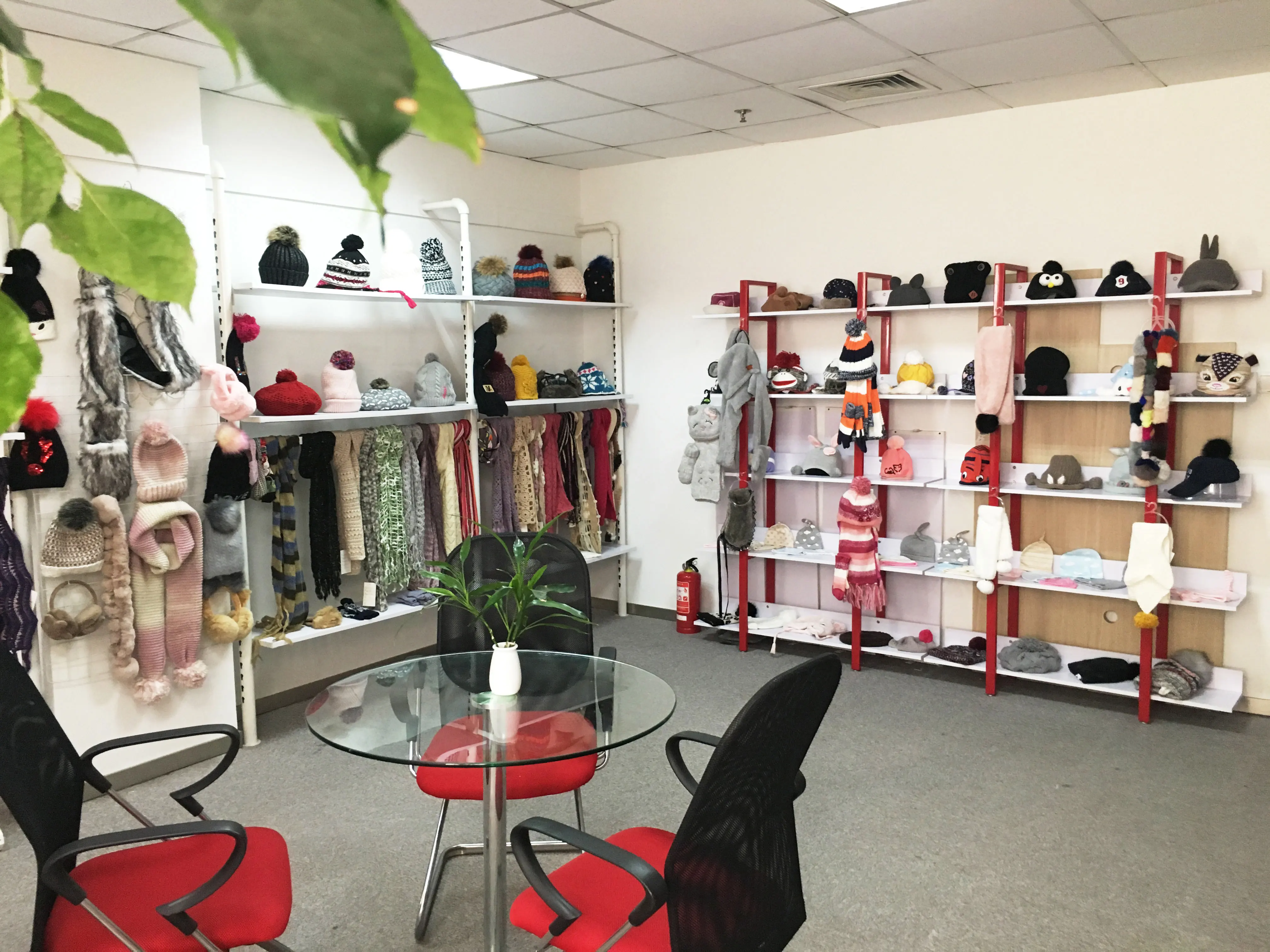
CNACC (Shanghai) Import & Export Co., Ltd.
- Trading Company
- Shanghai, China
- Lead time60 days
- Avg. response≤ 12h
Main productsFashion Accessories/ Scarf, Hat & Glove Sets
Main marketsWestern Europe(70.0%), Eastern Asia(15.0%), Southeast Asia(10.0%), Eastern Europe(5.0%)

Guangdong RongGuang Clothing Co.,Ltd
- Combined
- China Guangdong
- Lead time15 days
- Avg. response≤ 11h
Main productsBaseball Cap, Bucket Hat, Golf Cap, Fisherman Hat, Empty Hat, Wash Cap, Kids Hat, Trucker Hat, Snapback Cap, Camo Hat
Main marketsSouth America,Domestic,Europe

Jinjiang Jiaxing Import and Export Co., Ltd.
- Verified by CTI
- Manufacturer/Factory
- China Fujian
- Lead time120 days
- Avg. response≤ 1h
Main productsShoes, Slipper, Clothes, Promotion Gifts, Silicone Products, Outdoor Sports Products, Bags, Fashion Accessories, Consumer Electronics
Main marketsSouth America,Eastern Europe,Mid East,North America,Southeast Asia,Eastern Asia,Oceania,Western Europe,Africa
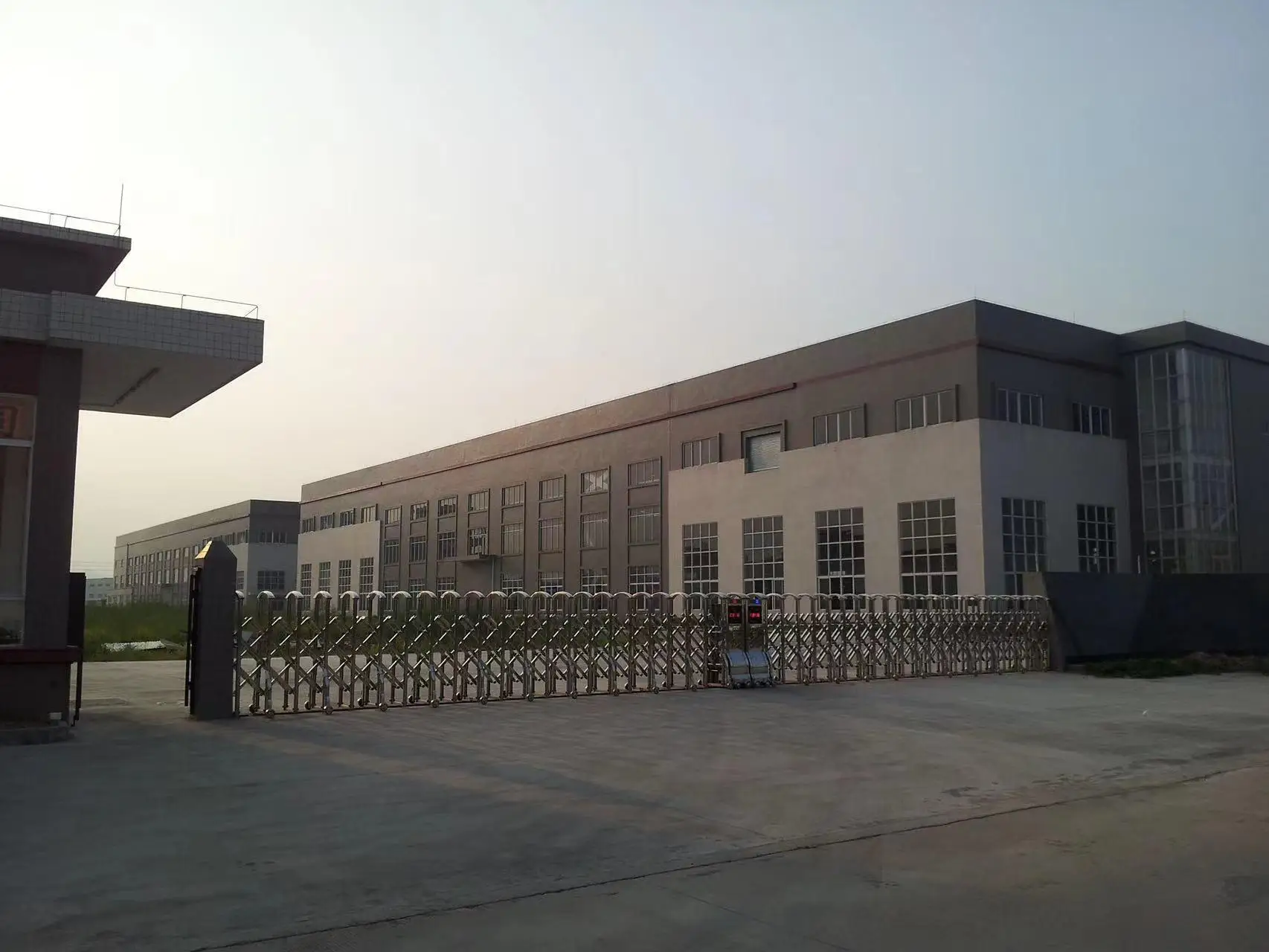
Suzhou Three Friends Home Technology Co., Ltd.
- Trading Company
- Jiangsu, China
- Lead time0 days
- Avg. response≤ 5h
Main productsshoes,customization Shoes and accessories,customization Tote bag,Suede / leather shoes,EVA slipper
Main marketsSouth America(20.0%), North America(20.0%), Southeast Asia(10.0%), South Asia(5.0%), Southern Europe(5.0%), Northern Europe(5.0%), Central America(5.0%), Western Europe(5.0%), Eastern Asia(5.0%), Mid East(5.0%), Oceania(5.0%), Africa(5.0%), Eastern Europe(5.0%)

Hangzhou Xingliao Accessories Co., Ltd.
- Verified by BV
- Trading Company
- China Zhejiang
- Lead time30 days
- Avg. response≤ 9h
Main marketsSouth America,Africa,Europe,Australia

- Trading Company
- Zhejiang, China
- Lead time4 days
- Avg. response≤ 10h
Main productsCloth,Printing service,Gift,fabric,cloth accessories
Main marketsNorth America(70.0%), Southeast Asia(13.0%), Mid East(6.0%), Domestic Market(1.0%), South Asia(1.0%), South America(1.0%), Southern Europe(1.0%), Northern Europe(1.0%), Eastern Europe(1.0%), Central America(1.0%), Western Europe(1.0%), Eastern Asia(1.0%), Oceania(1.0%), Africa(1.0%)

Shijiazhuang Janefan Import and Export Trade Co., Ltd.
- Verified by CTI
- Trading Company
- China Hebei
- Lead time0 days
- Avg. response≤ 5h
Main productsSheepskin Glove, Leather Glove, Sheepskin Hat, Wool Glove, Sheepskin Earmuff, Wool Felt Hat

Shanghai Hexuan Baby Products Co., Ltd.
- Verified by SGS
- Trading Company
- China Shanghai
- Lead time15 days
- Avg. response≤ 6h
Main productsBaby Wear Baby Cloth Diaper Bibs Baby Rompers
Main marketsSouth America,Africa,Southeast Asia/ Mideast,East Asia(Japan/ South Korea),Europe,Australia,North America

YANCHENG HAPPYNESS IMP. AND EXP. CO. LTD
- Verified by SGS
- Trading Company
- China Jiangsu
- Lead time15 days
- Avg. response≤ 4h
Main productsCustom Slides Slippers, Custom Indoor Slippers, Custom Socks, Custom Caps, Custom Clothing, Custom Rainboots, Custom Winter Boots, Custom Shoes, Custom Slippers, Custom Flipflops
Main marketsSouth America,Africa,Southeast Asia/ Mideast,East Asia(Japan/ South Korea),Domestic,Europe,Australia,North America

- Manufacturer, Trading Company
- Henan, China
- Lead time30 days
- Avg. response≤ 7h
Main productsstraw hat,Cotton-padded clothes,Down clothing,accessories,hat
Main marketsDomestic Market(24.0%), North America(15.0%), South America(12.0%), Western Europe(9.0%), Eastern Europe(8.0%), South Asia(8.0%), Southeast Asia(7.5%), Africa(5.0%), Southern Europe(3.0%), Mid East(2.5%), Oceania(2.0%), Northern Europe(2.0%), Eastern Asia(1.0%), Central America(1.0%)

Shanghai Touch Industrial Development Co., Ltd.
- Verified by TUVRHEINLAND
- Combined
- China Shanghai
- Lead time15 days
- Avg. response≤ 5h
Main productsInstant Hot Pack, Hot Cold Pack, Gel Eye Mask, Gel Ice Pack, Gel Bottle Cooler, Instant Ice Pack, Hand Warmer, Heat Pack, Cooling Scarf, Gel Beads
Main marketsSouth America,Others(foreignTradeCapacity.exportBusinessCapacityMarketOther),Southeast Asia/ Mideast,East Asia(Japan/ South Korea),Domestic,Europe,Australia,North America

Dongguan Monkey Clothes Co., Ltd.
- Verified by SGS
- Combined
- China Guangdong
- Lead time15 days
- Avg. response≤ 5h
Main marketsEurope,North America
Shenzhen Huiboxin Electronics Co., Ltd.
- Verified by Intertek
- Trading Company
- Lead time7 days
- Avg. response≤ 3h
Main productsBag and Luggage, Toy, Stationary, Silicone Mould, Water Bottle
Main marketsNorth America(15%), Southeast Asia(15%), South America(12%)

















Comprehensive Sourcing Guide
Eco-Friendly Paper Kids Straw Hat Supplier Concentration and Factory Types
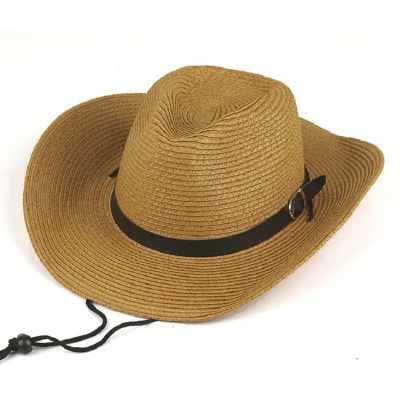
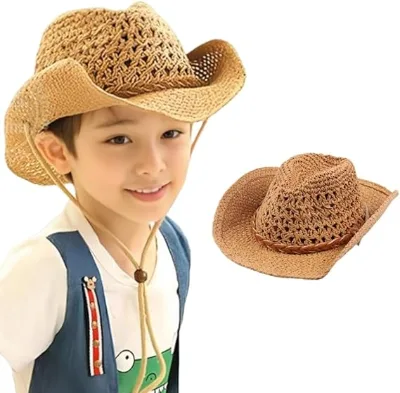
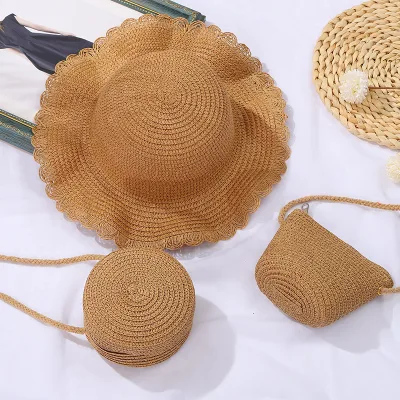
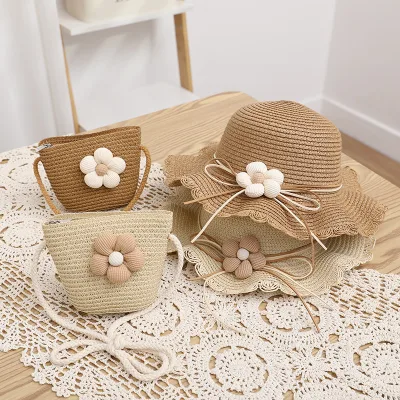
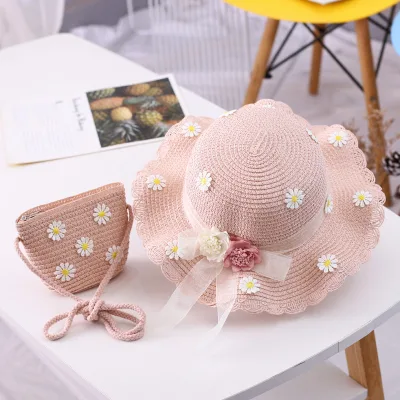
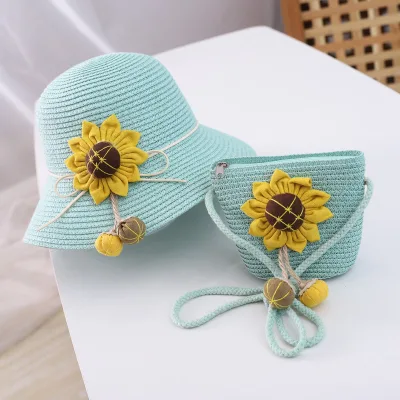
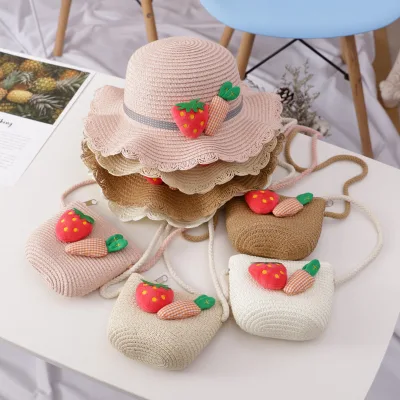
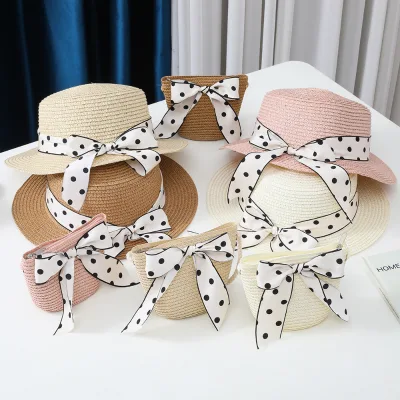
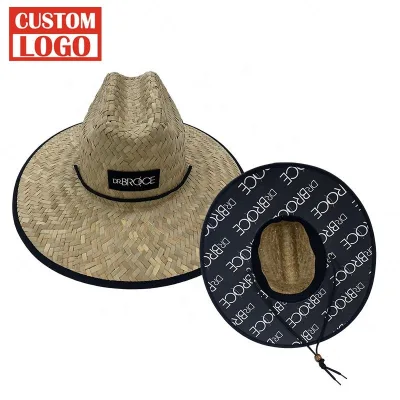
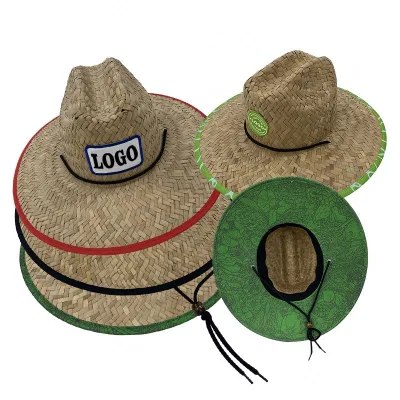
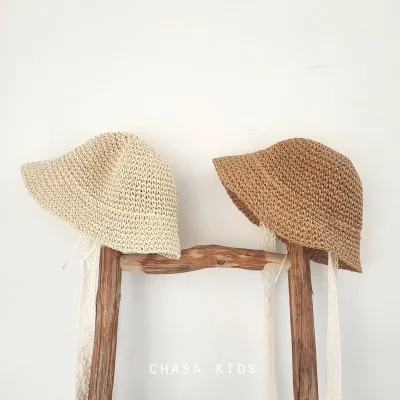
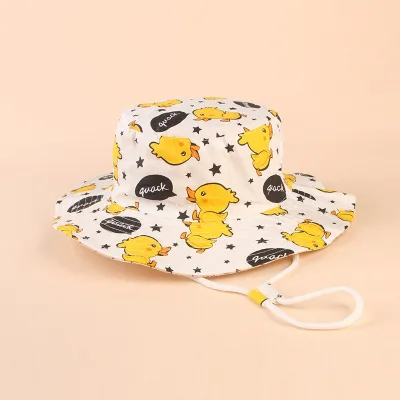
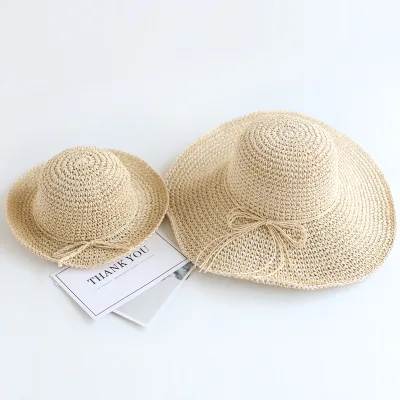
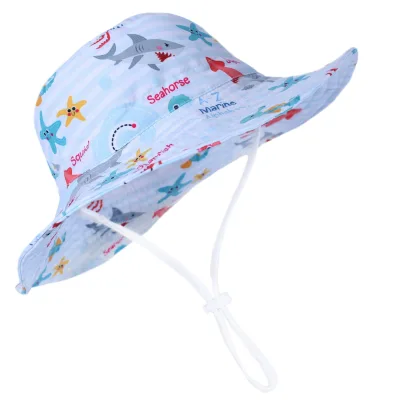
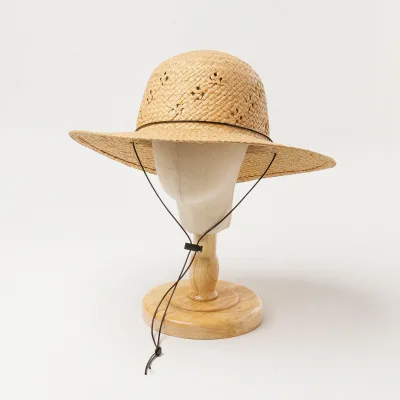
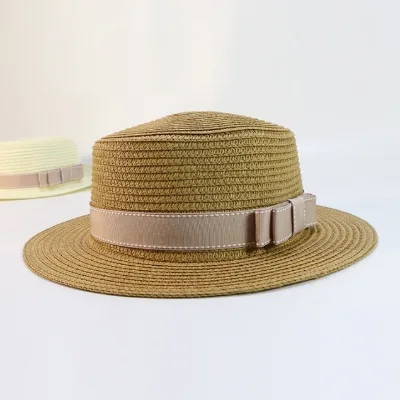
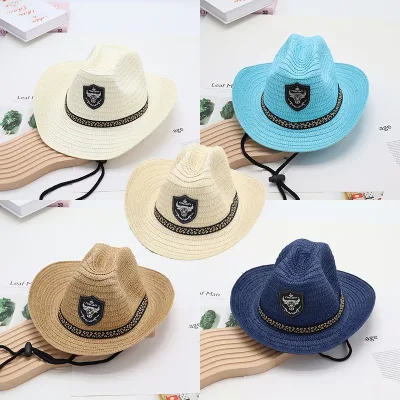
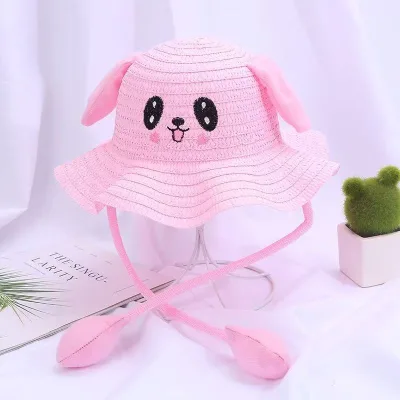
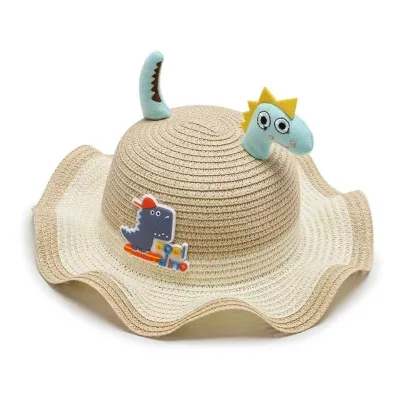
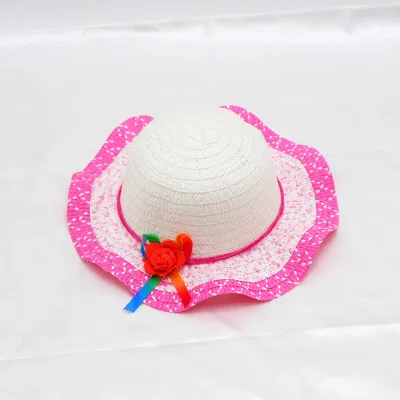
The sourcing landscape for eco-friendly paper kids straw hats reveals a distinct concentration of manufacturing activity within specific industrial regions, with China’s Zhejiang province emerging as a primary hub for this specialized category. Suppliers located in Ningbo and surrounding areas in Zhejiang demonstrate a high density of production capabilities, leveraging established textile and accessory manufacturing infrastructure to support the creation of these specific headwear items. This geographic clustering allows for efficient supply chain logistics, as raw materials such as paper straw and woven fibers are readily available within the region, reducing transportation costs and lead times for finished goods. Buyers evaluating potential partners should prioritize suppliers with a documented physical presence in these known manufacturing clusters, as proximity to raw material sources often correlates with better quality control and more competitive pricing structures. The concentration of factories in Zhejiang suggests a mature ecosystem where specialized knowledge in paper-based hat construction is prevalent, offering buyers access to a wide variety of styles ranging from bucket hats to wide-brimmed sun hats.
Beyond geographic location, the type of business entity plays a crucial role in determining the nature of the partnership and the flexibility of the sourcing arrangement. The current supplier base includes a mix of combined manufacturing entities and dedicated trading companies, each offering distinct advantages for different procurement strategies. Combined companies often possess both production facilities and sales departments, allowing for direct communication regarding technical specifications and custom design requirements, which is particularly valuable for orders requiring specific customization or unique pattern applications. In contrast, trading companies may offer a broader portfolio of products, including baseball caps, beanies, and fedoras, providing buyers with the convenience of consolidating multiple accessory orders from a single source. Understanding whether a supplier is primarily a manufacturer or a trader helps buyers assess the depth of their technical expertise and their ability to handle complex OEM or ODM requests. This distinction is vital for buyers seeking either deep technical collaboration on product development or streamlined logistical support for diverse product lines.
How to Verify Eco-Friendly Paper Kids Straw Hat Suppliers
Verifying the legitimacy and operational capacity of suppliers requires a multi-layered approach that goes beyond simple profile reviews, focusing heavily on third-party certifications and independent verification badges. Buyers should prioritize suppliers who display recognized verification marks such as BV (Bureau Veritas) or TüV Rheinland, as these indicate that an independent agency has audited the company’s business license, factory conditions, and operational capabilities. These verification badges serve as a critical baseline for trust, confirming that the entity is a legally registered business with a physical presence that matches its claims. Additionally, system certifications like ISO9001:2015 provide evidence of standardized quality management processes, which is essential for maintaining consistency in the production of paper straw hats where material integrity and weaving quality are paramount. For products intended for the children’s market, compliance with safety standards is non-negotiable, so buyers must actively seek out suppliers who hold relevant product-specific certifications such as CPC (Children’s Product Certificate) or CE marks, ensuring that the materials used are non-toxic and safe for young consumers.
Beyond static certifications, the responsiveness and transparency of the supplier during the pre-engagement phase offer valuable insights into their operational reliability. Buyers should assess the supplier’s response time, noting that faster replies often correlate with better customer service and more agile communication channels, which are crucial for resolving issues during production or shipping. A response time of under four hours, for instance, suggests a dedicated sales team that is actively monitoring inquiries and ready to provide detailed information about product specifications, sample availability, and production schedules. Furthermore, buyers should request detailed product attributes and specifications, such as material composition, pattern types, and standard sizing, to verify that the supplier has a clear understanding of their inventory and production capabilities. Suppliers who can provide comprehensive data on their products, including specific model numbers, packing details, and origin information, are more likely to be professional entities with robust internal systems. This level of detail helps buyers distinguish between genuine manufacturers with deep product knowledge and superficial intermediaries who may lack the technical expertise to support complex orders.
What to Compare Across Eco-Friendly Paper Kids Straw Hat Suppliers
When evaluating multiple suppliers, buyers must systematically compare key operational metrics such as lead times, minimum order quantities (MOQs), and pricing structures to determine the best fit for their specific business needs. Lead times vary significantly across the supplier base, with some offering rapid turnaround times of ten days for standard items, while others require thirty to sixty days for customized or complex designs. Understanding these variations is crucial for inventory planning, especially for seasonal products like summer hats where timing is critical to market entry. Buyers should also closely examine MOQs, which can range from as low as two pieces for sample orders or small boutique runs to six hundred pieces for larger wholesale distributions. Suppliers with lower MOQs offer greater flexibility for testing new designs or catering to niche markets, whereas those with higher MOQs may provide better unit economics for large-scale retail partnerships. Comparing these thresholds helps buyers align their supplier choices with their sales volume projections and risk tolerance.
Pricing and customization options are equally important factors in the comparison process, as they directly impact profit margins and product differentiation. Unit prices for eco-friendly paper kids straw hats can fluctuate based on material quality, design complexity, and order volume, with ranges typically spanning from approximately two dollars to ten dollars per unit. Buyers should request detailed quotes that break down costs for different sizes, colors, and packaging options to ensure transparency in pricing. Additionally, the availability of customization services, such as OEM (Original Equipment Manufacturing) and ODM (Original Design Manufacturing), allows buyers to create unique products that stand out in the market. Suppliers that offer graphic processing, sample processing, and on-demand customization provide greater value for brands looking to establish a distinct identity. By comparing these variables side-by-side, buyers can identify suppliers that offer the best balance of cost, speed, and flexibility, ensuring that their sourcing strategy supports both immediate sales goals and long-term brand development.
Common Eco-Friendly Paper Kids Straw Hat Sourcing Risks
One of the primary risks in sourcing eco-friendly paper kids straw hats is the potential inconsistency in material quality and durability, which can lead to customer dissatisfaction and returns. Paper straw, while environmentally friendly, can be susceptible to moisture damage, fraying, or loss of shape if not properly treated or stored. Buyers must ensure that suppliers use high-quality paper materials and employ robust weaving techniques to maintain the structural integrity of the hats. Without proper quality control measures, products may arrive damaged or fail to meet the expected aesthetic standards, particularly for items with intricate patterns or decorative elements. To mitigate this risk, buyers should request physical samples to assess the material’s texture, strength, and finish before committing to large orders. Additionally, specifying clear quality standards in the purchase agreement, including acceptable defect rates and packaging requirements, can help hold suppliers accountable for maintaining consistent product quality throughout the production process.
Another significant risk involves the accuracy of compliance and safety documentation, especially for products targeting the children’s market. Regulations regarding children’s accessories are strict, and suppliers may sometimes provide outdated or incomplete certification documents, leaving buyers exposed to legal and reputational risks. It is crucial for buyers to verify that all certifications, such as CPC or CE, are valid and issued by accredited bodies. Buyers should also be cautious of suppliers who make vague claims about eco-friendliness without providing concrete evidence, such as FSC (Forest Stewardship Council) certification for paper materials. Ensuring that the supply chain is transparent and that all materials are sourced responsibly is essential for maintaining brand integrity. By conducting thorough due diligence and requiring comprehensive documentation, buyers can minimize the risk of non-compliance and ensure that their products meet all necessary safety and environmental standards.
Eco-Friendly Paper Kids Straw Hat Regional Sourcing and Logistics
Sourcing from regional hubs like Zhejiang, China, offers logistical advantages due to the area’s well-developed infrastructure and proximity to major shipping ports. Suppliers in Ningbo and surrounding areas benefit from efficient transportation networks that facilitate the movement of raw materials and finished goods, reducing transit times and costs. Buyers should consider the shipping options available, such as sea or air freight, and weigh the trade-offs between cost and speed. Sea freight is generally more economical for large volumes but requires longer lead times, while air freight offers faster delivery for urgent orders or smaller shipments. Understanding the logistics capabilities of the supplier, including their experience with international shipping and customs clearance, is essential for ensuring smooth delivery. Buyers should also inquire about the supplier’s packing methods, as proper packaging is crucial for protecting hats from damage during transit, especially for items with delicate structures or decorative features.
The geographic location of the supplier also impacts the overall cost structure and delivery reliability. Suppliers located in established manufacturing clusters often have established relationships with logistics providers, which can lead to better shipping rates and more reliable service. Buyers should verify the supplier’s address and confirm that it matches their claimed location, as this can affect the accuracy of shipping estimates and potential customs duties. Additionally, buyers should consider the time zone differences and communication channels when coordinating with suppliers in China, as effective communication is key to resolving any logistical issues that may arise during production or shipping. By carefully evaluating the logistical aspects of sourcing from specific regions, buyers can optimize their supply chain for efficiency and cost-effectiveness, ensuring that their products reach the market in a timely and cost-efficient manner.
Eco-Friendly Paper Kids Straw Hat Commercial Terms and Order Planning
Effective order planning requires a clear understanding of the commercial terms offered by suppliers, including payment terms, sample policies, and production schedules. Buyers should negotiate favorable payment terms that align with their cash flow needs, such as partial payments upfront and the balance upon shipment or inspection. Sample policies are also critical, as buyers need to evaluate product quality before committing to large orders. Some suppliers offer free samples, while others charge a fee that may be credited against the final order. Understanding these terms helps buyers manage their budget and reduce financial risk. Additionally, buyers should establish a clear production schedule with the supplier, including milestones for sample approval, material sourcing, production completion, and shipping. This timeline ensures that both parties are aligned on expectations and helps prevent delays that could impact market launch dates.
Communication and documentation are vital components of successful order planning, as they ensure that all aspects of the order are clearly understood and agreed upon by both parties. Buyers should maintain detailed records of all communications, including specifications, design files, and approval emails, to serve as a reference in case of disputes or quality issues. It is also important to clarify the responsibilities for shipping and insurance, as well as the process for handling returns or defects. By establishing clear commercial terms and maintaining open communication, buyers can build a strong partnership with their suppliers, leading to more reliable deliveries and higher quality products. This proactive approach to order planning helps mitigate risks and ensures that the sourcing process runs smoothly from initial inquiry to final delivery, supporting the buyer’s business goals and customer satisfaction.
FAQs
What is the price range for eco friendly paper kids straw hats?
Prices for these hats typically range from 2.00 to 10.00 USD per unit. The specific cost depends on the design complexity, material quality, and order quantity. Some models start as low as 2.00 USD while others reach up to 10.00 USD based on customization needs.
What are the minimum order quantities for these hats?
Minimum order quantities vary significantly by product model. Some items require only 2 pieces, while others demand 600 pieces as a baseline. Buyers should check specific product listings to confirm the exact MOQ before placing an order for their specific style requirements.
How long does production take for custom orders?
Standard production lead times generally range from 10 to 60 days depending on the supplier. Some suppliers offer a sample lead time of 7 to 10 days before full production begins. Bulk orders may require up to 60 days for completion and shipping preparation.
Where are these suppliers located and what certifications do they hold?
Most suppliers are located in Zhejiang, China, specifically in Ningbo. Many hold ISO9001:2015 certification, while others possess CE and CPC certifications. Verification is often provided by BV or TüVRheinland to ensure supplier reliability and product safety standards are met.
What customization options are available for these straw hats?
Customization is widely available for patterns, styles, and branding. Buyers can request plain dyed or striped designs with specific patterns like letters. Suppliers offer ODM and OEM services, allowing for tailored sizes, materials, and packaging to meet specific brand requirements and market needs.
What materials are used to make these eco friendly hats?
These hats are primarily made from natural straw, paper straw, or wheat straw materials. The materials are chosen for their eco-friendly properties and durability. Some products feature adjustable designs and soft linings to ensure comfort while maintaining the natural aesthetic of the straw material.
How quickly do suppliers typically respond to inquiries?
Response times vary among suppliers, with some responding within 3 hours and others taking up to 15 hours. Faster response times often indicate higher availability and readiness to handle urgent sourcing requests. Buyers should check individual supplier profiles for their specific average response metrics.