Eco-Friendly PCR Plastic Jar Suppliers and Manufacturers
Compare 15 verified suppliers offering eco friendly pcr plastic jars with ISO9001:2015 certification and ODM/OEM capabilities. Review lead times ranging from 30 to 60 days and MOQs starting at 10,000 pieces to source packaging from Zhejiang, China.
Suppliers List

Shangyu Shengruisi Packaging Co., Ltd.
- Verified by CTI
- Combined
- China Zhejiang
- Lead time60 days
- Avg. response≤ 6h
Main productsRoll on Bottle, Roller Bottle, Airless Bottle, Perfume Bottle, Essential Oil Bottle, Cosmetic Packaging, Plastic Bottle, Make up Series, Pet Bottle, Cosmetic Jar
Main marketsSouth America,Southeast Asia/ Mideast,East Asia(Japan/ South Korea),Europe,Australia,North America


Big capacity skin jar container 400ml eco friendly 100% PCR cosmetic jar
$0.51 - $0.70
MOQ: 10000 Pieces

PCR eco friendly 80g 100g 120g 150g 200g 300g 400g Plastic Empty Lip Jar
$0.15 - $0.60
MOQ: 10000 Pieces

30% 50% 100% PCR plastic cosmetic packaging empty pp jar eco friendly material container
$0.30
MOQ: 10000 Pieces


- Verified by CTI
- Trading Company
- China Zhejiang
- Lead time30 days
- Avg. response≤ 2h
Main productsAirless Bottle, Glass Bottle, Comb, Cosmetic Packaging, Food Packaging, Sprayer, Lotion Pump Machine, Gift, Roll on Ball
Main marketsAfrica,Southeast Asia/ Mideast


Versatile PCR Powder Jar for Convenient Makeup Organization and Travel
$0.72 - $0.80
MOQ: 12000 Pieces


YUYAO YIHE COMMODITY CO., LTD.
- Verified by TUVRHEINLAND
- Manufacturer/Factory
- China Zhejiang
- Lead time23 days
- Avg. response≤ 3h
Main products20ml Pocket Perfume Bottle with Caps, Trigger Sprayer, Lotion Pump, Mist Sprayer, Pet Bottle, Disc Top Cap, Flip Top Cap, Foam Sprayer, Foam Sprayer Bottle, Perfume Sprayer
Main marketsSouth America,Eastern Europe,Mid East,North America,Southeast Asia,Eastern Asia,Oceania,Western Europe
Impac International Trading Co., Ltd. (zhangjiagang)
- Verified by Intertek
- Trading Company
- Lead time30 days
- Avg. response≤ 5h
Main productsAcrylic Bottles And Jars, Plastic Bottles And Jars, Glass Bottles And Jars, Cosmetic Packaging, Spray Bottles
Main marketsNorth America(45%), Western Europe(25%), South America(8%)

Anhui Ruitu Communication Equipment Co., Ltd.
- Verified by SGS
- Combined
- China Anhui
- Lead time15 days
- Avg. response≤ 6h
Main productsPlastic Bucket, Plastic Pail, Plastic Bottle, Plastic Jar, F Style Jug, IBC Tote Fittings, Plastic Jerry Can, IBC Valve, Collapsible Water Bag, Irrigation System
Main marketsOthers(foreignTradeCapacity.exportBusinessCapacityMarketOther),Europe,North America

Yuyao Xianghao Mold Technology Company Limited
- Verified by BV
- Trading Company
- China Zhejiang
- Lead time30 days
- Avg. response≤ 10h
Main productsInjection Mold, Plastic Mold, Injection Molding, Rapid Prototyping, 3D Pritting, Manhole Cover Mold, Silicone Rubber Mould, Wire Rack, Car Air Compressor, LED Light
Main marketsNorth America

Ningbo Fantasy Packaging Co., Ltd.
- Verified by SGS
- Trading Company,Manufacturer/Factory
- China Zhejiang
- Lead time23 days
- Avg. response≤ 4h
Main productsLotiton Pump, Trigger Sprayer, Mini Sprayer, Foam Pump, Mist Sprayer, Card Sprayer, Plastic Cap, Plastic Jar, Plastic Bottle, Airless Bottle
Main marketsSouth America,Eastern Europe,Mid East,North America,Southeast Asia,Eastern Asia,Oceania,Western Europe,Africa

Shaoxing Shangyu Yakin Packaging Co., Ltd.
- Trading Company,Manufacturer/Factory
- China Zhejiang
- Lead time45 days
- Avg. response≤ 5h
Main productsAcrylic Jar, Acrylic Bottle, Plastic Jar, Plastic Bottle, Cosmetic Packaging, Skin Care Packaging, Airless Bottle, Airless Jar, PP Bottle, PP Jar
Main marketsSouth America,Eastern Europe,Mid East,North America,Southeast Asia,Eastern Asia,Oceania,Western Europe,Africa

Eco-Friendly PCR PP Face Cream Jar with Built-in Spatula From Factory Direct
$0.36 - $1.25
MOQ: 10000 Pieces

Plastic Container Hottest Customized Empty Environment-Friendly PCR Straw PP Cosmetic Cream Jar
$0.25 - $0.85
MOQ: 5000 Pieces

Customized PCR PP Cream Jar with Cap Spoon Cosmetic Packaging Supplier
$0.36 - $1.25
MOQ: 10000 Pieces

$0.80 - $1.20
MOQ: 5000 Pieces

Ningbo YMS Imp & Exp Co., Ltd.
- Trading Company
- China Zhejiang
- Lead time45 days
- Avg. response≤ 10h
Main productsLipstick Case, Cosmetic Compact, Lip Gloss Case, Mascara Tube, Eyeliner Bottle, Cosmetic Pen, Acrylic Jar, Cosmetic Pot, Loose Powder Container, Airless Lotion Bottle
Main marketsSouth America,Southeast Asia/ Mideast,Europe
Kinpack(Ningbo) Packaging Technology Co., Ltd.
- Manufacturer/Factory
- China Zhejiang
- Lead time23 days
- Avg. response≤ 7h
Main productsAirless Bottle, Glass Bottle, Trigger Sprayer
Main marketsSouth America,Eastern Europe,Mid East,North America,Southeast Asia,Eastern Asia,Oceania,Western Europe,Africa


Eco Friendly Refillable 50g 100g Recyclable Plastic Jar with Spoon for Cosmetic Skincare
$0.48 - $0.50
MOQ: 10000 Pieces

NINGBO KINPACK COMMODITY CO., LTD.
- Verified by TUVRHEINLAND
- Trading Company
- China Zhejiang
- Lead time30 days
- Avg. response≤ 4h
Main productsFoam Pump, Ailress Bottle, Trigger Sprayer, Lotion Pump, Airless Jars, Treatment Pump, Lotion Bottle, Mini Trigger Sprayer, Cosmetics Package, Outdoor Products
Main marketsSouth America,Africa,Southeast Asia/ Mideast,East Asia(Japan/ South Korea),Domestic,Europe


Eco Friendly Refillable 50g 100g Recyclable Plastic Jar with Spoon for Cosmetic Skincare
$0.48 - $0.50
MOQ: 10000 Pieces

Xiamen Sinogrinder Houseware Co., Ltd.
- Verified by TUVRHEINLAND
- Trading Company
- China Fujian
- Lead time23 days
- Avg. response≤ 3h
Main productsPepper Grinder, Coffee Grinder, Salt Grinder, Spice Grinder, Salt and Pepper Grinder Set, Spice Bottle, Electric Pepper and Salt Grinder Set, Spice Jar, Salt and Pepper Grinder, Seasoning Bottle
Main marketsSouth America,Others(foreignTradeCapacity.exportBusinessCapacityMarketOther),Southeast Asia/ Mideast

Jinhua Allies Import and Export Co., Ltd.
- Verified by SGS
- Manufacturer/Factory
- China Zhejiang
- Lead time23 days
- Avg. response≤ 6h
Main productsCanister, Container, Bottle, Cosmetic, Make up, Plastic Packaging, Eyeshadow, Palette, Box, Compact Case
Main marketsSouth America,Mid East

Guangzhou Amy Plastic Tube Co., Ltd.
- Verified by BV
- Combined
- China Guangdong
- Lead time30 days
- Avg. response≤ 15h
Main productsCosmetic Packaging Tube, Plastic Tube, Cosmetic Packaging, Cosmetic Tube, Aluminium Laminated Tube, Packaging Solution, Plastic Packaging, Flexible Soft Tube, Cosmetic Container
Main marketsSouth America,Africa,Southeast Asia/ Mideast,East Asia(Japan/ South Korea),Europe,Australia,North America

Ningbo Yufan Packaging Co., Ltd.
- Verified by CTI
- Manufacturer/Factory
- China Zhejiang
- Lead time23 days
- Avg. response≤ 6h
Main productsAluminum Bottle, Aluminum Jar, Aluminum Tin, Trigger Sprayer, Cream Pump, Sprayer Pump
Main marketsSouth America,Eastern Europe,Mid East,North America,Southeast Asia,Eastern Asia,Oceania,Western Europe,Africa

Eco-Friendly Different Capacity Plastic Jar with Leakproof Screw Top Lid for Storage
$0.03 - $0.04
MOQ: 10000 Pieces


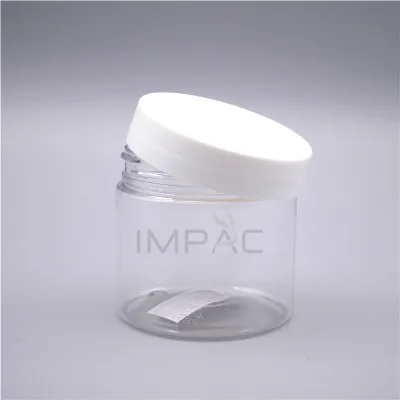
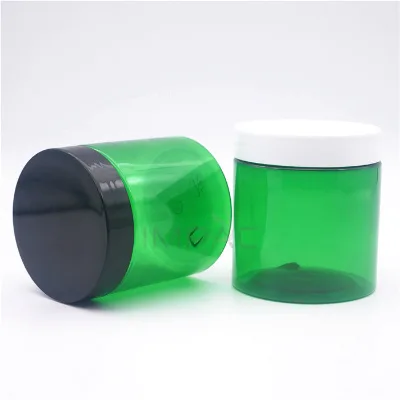
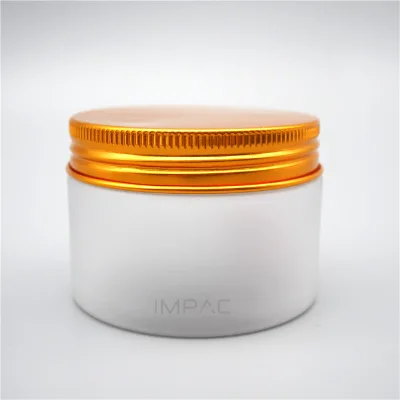
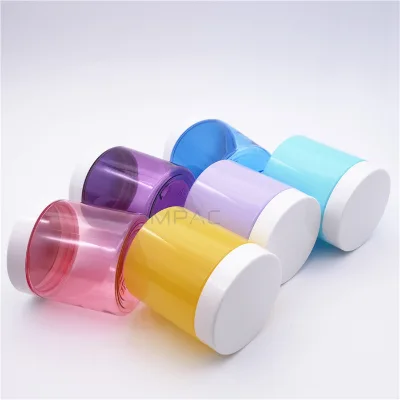


Comprehensive Sourcing Guide
Eco-Friendly PCR Plastic Jar Supplier Concentration and Factory Types
The current supplier landscape for eco-friendly PCR plastic jars shows a distinct concentration in China, specifically within the Zhejiang province. This region hosts a mix of combined manufacturing entities and trading companies, offering buyers a range of operational models. Combined suppliers often integrate research and development capabilities with direct production, allowing for ODM and OEM services that facilitate custom design and material sourcing. These entities typically manage the entire lifecycle from raw material procurement to final packaging, ensuring tighter control over the PCR content percentages and quality consistency.
In contrast, trading companies in this sector act as intermediaries, often sourcing from various factories to aggregate a broader catalog of products. While they may offer faster response times, such as the observed 1.74-hour average, their ability to customize specific PCR formulations might be limited compared to direct manufacturers. Buyers should verify whether a supplier is a factory or a trader by examining their main product lists, which often include diverse items like airless bottles, glass bottles, and sprayers alongside jars. Understanding this distinction is critical, as factory-direct relationships often provide more transparency regarding the origin of the PCR plastic and the specific manufacturing standards applied to the jars.
How to Verify Eco-Friendly PCR Plastic Jar Suppliers
Verification of suppliers in the PCR plastic jar sector requires a rigorous check of certifications and third-party audit results. Many suppliers in the current results hold ISO9001:2015 system certifications, which indicate a baseline for quality management, but buyers must also look for specific product-level certifications like CE or food-grade certificates that validate the safety of the plastic for cosmetic and chemical applications. The presence of CTI verification on supplier profiles adds a layer of credibility, suggesting that the company has undergone external scrutiny regarding its business legitimacy and operational capabilities.
Beyond documentation, buyers should assess the supplier's response time and their ability to provide samples as a proxy for reliability. A response time of six hours or less often correlates with a more active sales team capable of addressing technical queries about PCR content, such as the 25%, 50%, or 100% recycled material options available. It is essential to confirm that the supplier can provide physical samples, as some listings indicate free samples are in stock, which allows for immediate testing of the jar's structural integrity and eco-friendly claims. Without these verifiable data points, buyers risk engaging with entities that cannot substantiate their environmental or quality assertions.
What to Compare Across Eco-Friendly PCR Plastic Jar Suppliers
When evaluating multiple suppliers, the primary comparison points should include lead times, minimum order quantities, and pricing structures, as these vary significantly across the market. Lead times for customized orders can range from 30 to 60 days, with some suppliers offering expedited production windows of 25 to 35 days for specific models. Buyers must carefully compare these timelines against their own production schedules, noting that standard lead times often differ from those for customized designs involving specific colors or printing requirements. The minimum order quantity is another critical factor, with many suppliers setting a baseline of 10,000 pieces, which may be prohibitive for smaller brands or initial market tests.
Pricing and customization options also require detailed comparison, as costs can fluctuate based on the volume of PCR content and the complexity of the design. Price ranges observed in the current data span from approximately $0.15 to $0.80 per unit, depending on the jar size, which can vary from 50ml to 400ml. Suppliers offering customization for decoration, such as painting, metalizing, or embossing, may charge differently than those providing standard finishes. Additionally, the availability of different volume options, such as 80g, 100g, or 400g jars, allows buyers to select the most cost-effective solution for their specific product line, making a side-by-side comparison of these attributes essential for budget planning.
Common Eco-Friendly PCR Plastic Jar Sourcing Risks
One significant risk in sourcing eco-friendly PCR plastic jars is the inconsistency in material quality and the verification of recycled content claims. While suppliers may advertise jars as "Eco-Friendly" or "PCR," the actual percentage of post-consumer recycled material can vary, and without specific testing reports, buyers cannot guarantee the environmental integrity of the product. Some listings mention PCR percentages like 25%, 50%, or 100%, but buyers must verify if these claims are backed by third-party testing or if they are merely marketing assertions. This uncertainty can lead to compliance issues if the final product does not meet the environmental standards required by the buyer's target market.
Another risk involves the reliability of delivery schedules and the potential for hidden costs related to packaging and shipping. Lead times can extend up to 60 days, and delays in production or logistics can disrupt supply chains, particularly for time-sensitive cosmetic launches. Furthermore, the packaging methods, such as five-layer corrugated brown cartons or separate safe packaging, must be evaluated to ensure they protect the jars during transit without adding excessive waste. Buyers should also be wary of suppliers who do not clearly state their trade terms, as unclear FOB, CIF, or EXW conditions can lead to unexpected freight costs or customs complications upon arrival.
Eco-Friendly PCR Plastic Jar Regional Sourcing and Logistics
Sourcing from the identified region of Zhejiang, China, offers logistical advantages due to the concentration of manufacturing facilities and established export infrastructure. The proximity of factories to major ports in the region facilitates efficient shipping, reducing transit times for international orders. However, buyers must account for the specific logistics requirements of heavy plastic packaging, which can impact freight costs and container utilization. The standard packing methods, such as five-layer corrugated cartons, are designed to withstand long-distance shipping, but buyers should confirm that the packaging is robust enough to prevent damage during the journey.
For buyers outside of China, understanding the regional logistics landscape is crucial for accurate cost estimation and delivery planning. The origin of the products being Zhejiang, China, means that shipping routes will typically involve ocean freight, which is cost-effective for large volumes but slower than air freight. Buyers should verify the specific shipping terms offered by suppliers, such as FOB or CIF, to determine who is responsible for freight and insurance costs. Additionally, the lead time for customized orders, which can range from 30 to 60 days, must be factored into the total delivery timeline, ensuring that the goods arrive well before the intended launch date to avoid stockouts.
Eco-Friendly PCR Plastic Jar Commercial Terms and Order Planning
Commercial terms for eco-friendly PCR plastic jars often include specific requirements for payment, customization, and order volume that buyers must plan for carefully. Many suppliers require a minimum order quantity of 10,000 pieces, which necessitates a substantial upfront investment and careful demand forecasting. Buyers should also note that customization options, such as specific colors or printing designs, may have separate MOQs or longer lead times, impacting the overall order planning process. Understanding these constraints is vital for aligning the procurement strategy with the company's financial and operational capabilities.
Order planning must also consider the sample availability and the timeline for finalizing designs before mass production begins. Some suppliers offer free samples in stock, which can accelerate the decision-making process, while others may require a lead time for sample creation. Buyers should prioritize suppliers who provide clear delivery times, such as 25 days for standard orders, to ensure timely production. Additionally, the trade terms, including options like FOB, CIF, and EXW, should be negotiated to optimize cost and risk management. By thoroughly reviewing these commercial terms and aligning them with the specific needs of the product line, buyers can mitigate risks and ensure a smooth procurement experience.
FAQs
What is the price range for eco friendly PCR plastic jars?
Prices for these jars typically range from 0.15 to 0.80 USD per unit depending on volume and customization. Specific models like the 50ml refillable jar start at 0.40 USD while larger 400ml options may cost up to 0.70 USD. Final pricing often requires negotiation based on order quantity and specific design requirements.
What is the minimum order quantity for these PCR jars?
The standard minimum order quantity is 10,000 pieces for most eco-friendly PCR plastic jar models. Some suppliers may negotiate this requirement for specific custom orders or if you are purchasing multiple variations. Always confirm the exact MOQ with the supplier before finalizing your purchase agreement.
How long does it take to manufacture customized PCR jars?
Lead times for customized PCR jars generally range from 30 to 60 days depending on the complexity of the order. Some standard models can be produced within 30 to 35 days, while larger capacity or highly customized designs may require up to 45 days. Expedited options might be available upon negotiation.
Are samples available for eco friendly PCR plastic jars?
Free samples are often available in stock for many of these eco-friendly PCR plastic jar models. Suppliers typically provide these samples to help you verify quality and design before placing a bulk order. You should request specific samples to ensure they meet your exact volume and material requirements.
What certifications do these PCR plastic jars hold?
Many of these jars carry ISO9001:2015 certification and some products also hold CE or food grade certificates. The manufacturing facilities are verified by CTI, ensuring adherence to quality standards. Always request specific certification documents for the exact jar model you intend to purchase to confirm compliance.
Where are these eco friendly PCR plastic jars manufactured?
These jars are manufactured in Zhejiang, China, which is a major hub for plastic packaging production. The suppliers listed are located in this region and offer both OEM and ODM services. This location allows for efficient logistics and competitive pricing for international buyers seeking sustainable packaging solutions.
What materials are used for these refillable cosmetic jars?
These jars are made from PP or PCR plastic, with options containing 25%, 50%, or 100% post-consumer recycled content. The material is designed to be eco-friendly and suitable for various cosmetic applications like creams, lotions, and scrubs. You can choose between different volumes ranging from 50ml to 400ml.