Eco Friendly Pearl Flatback Button Suppliers and Manufacturers
Compare 23 verified suppliers offering eco friendly pearl flatback buttons with Oeko-Tex 100 and GRS certifications. Review response times, lead times, and customization options to source shell, resin, or pearl buttons from Guangdong or Zhejiang factories; review the available evidence before requesting comparable quotations from suitable candidates.
Suppliers List
Dongguan Xinhemao Button Co., Ltd.
- Verified by Intertek
- Manufacturer, Trading Company
- Lead time12 days
- Avg. response≤ 2h
Main productsRecycled Jeans Button, Recycled Jeans Rivets, Recycled Snap Button, Recycled Eyelet and Washers, Recycled Hook and Eyes
Main marketsDomestic Market(36%), South America(35%), Western Europe(11%)
Jiashan Modern International Trade Co., Ltd.
- Trading Company
- Zhejiang, China
- Lead time0 days
- Avg. response≤ 3h
Main productsResin button,Plastic ABS,metal button,Zinc alloy diamond buckle,Horn button
Main marketsNorth America(50.00%), Southeast Asia(30.00%), Domestic Market(10.00%), Mid East(10.00%)
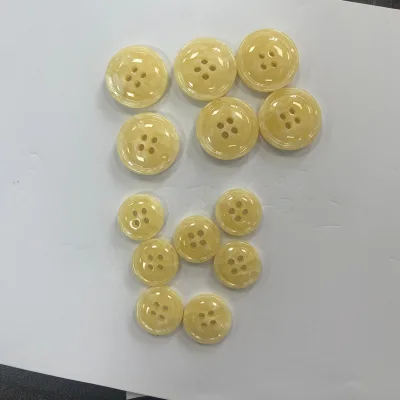
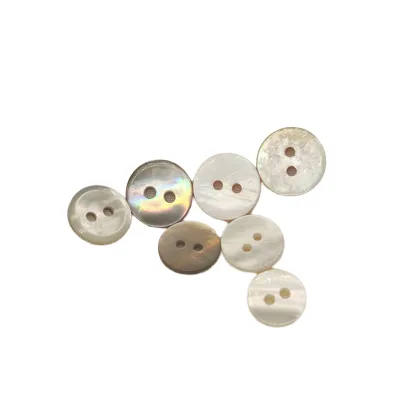
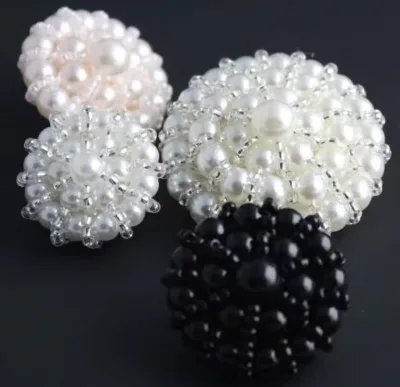
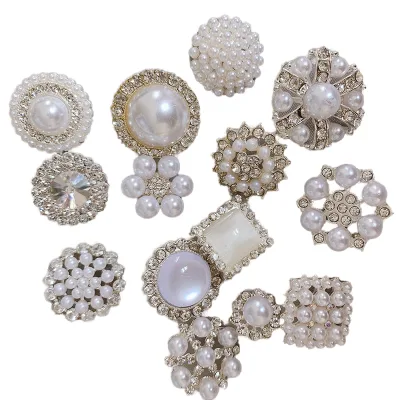
Sustainable Handmade Large Sewing Buttons Pearl Crystal Beads Hand Beaded Woven Button for Sewing
$0.52 - $0.65
MOQ: 500 pieces
Hangzhou Yijinhui Network Technology Co., Ltd.
- Trading Company
- Zhejiang, China
- Lead time0 days
- Avg. response≤ 1h
Main productsButtons, Zippers, Metal Jewelry, Rhinestones, Fabrics
Main marketsNorth America(50.00%)
$0.02 - $0.15
MOQ: 500 pieces
$0.14 - $0.19
MOQ: 200 pieces
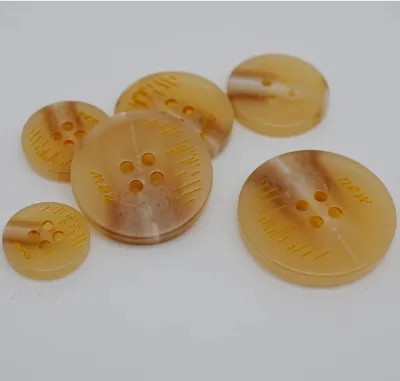
$0.02 - $0.15
MOQ: 500 pieces
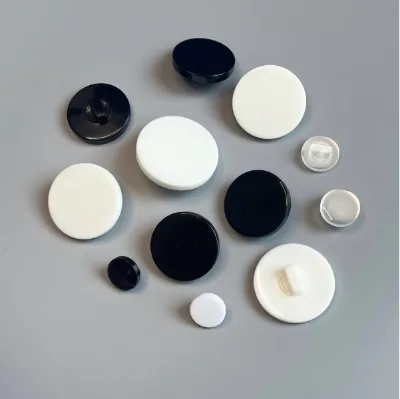
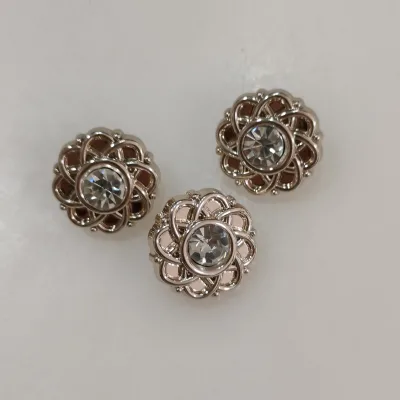
Hangzhou Daya Textile Co., Ltd.
- Trading Company
- Zhejiang, China
- Lead time20 days
- Avg. response≤ 4h
Main productsZipper&slider,Tape&Webbing,Thread&yarn,Garment accessory,Tailoring Material
Main marketsSouth America(60.00%), Domestic Market(10.00%), South Asia(10.00%), Mid East(10.00%), North America(10.00%)
- Trading Company
- Zhejiang, China
- Lead time30 days
- Avg. response≤ 9h
Main productsgarment trimming,bra&underwear accessories,lace trim collection,bag parts and hardware,fabric and lining
Main marketsSoutheast Asia(40.00%), North America(15.00%), South America(15.00%), Western Europe(10.00%), Eastern Europe(10.00%), Domestic Market(5.00%), Mid East(5.00%)
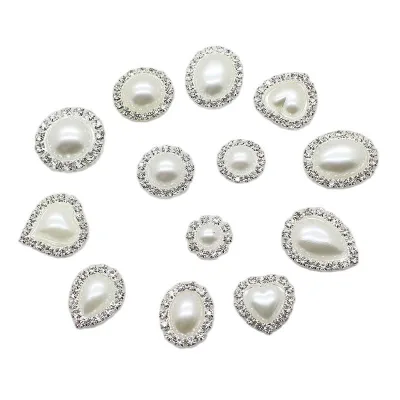
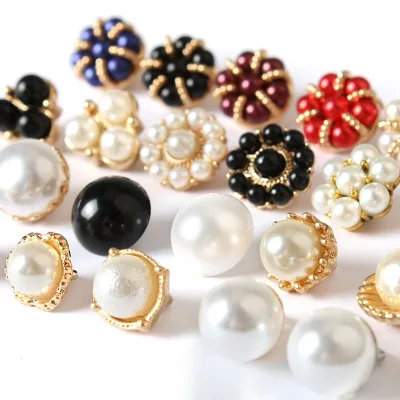
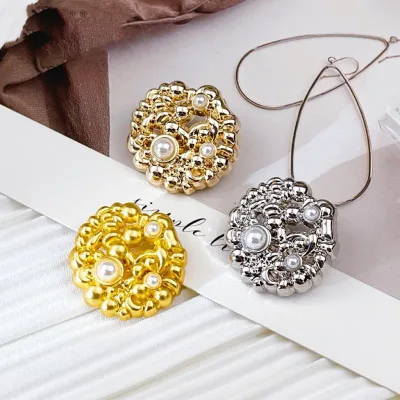
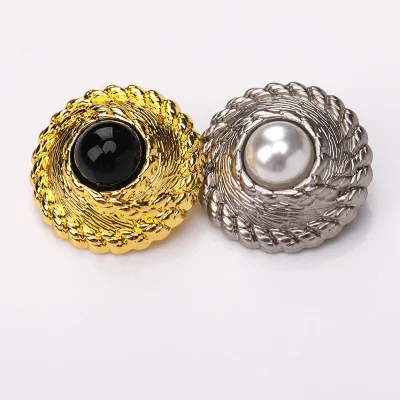
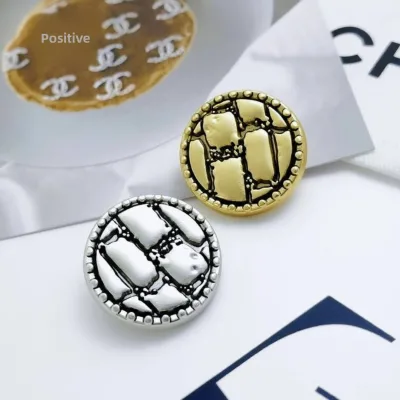
Flatback Plating Pearl DIY Craft Apparel Sewing Metal Vintage Buttons for Clothing
$0.03 - $0.05
MOQ: 100 pieces
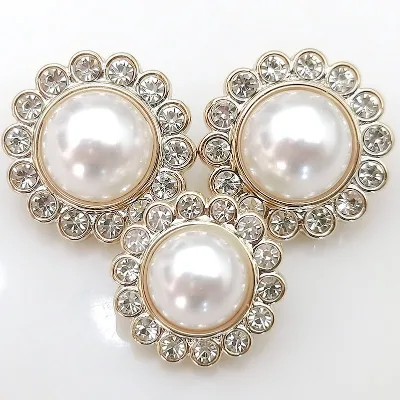
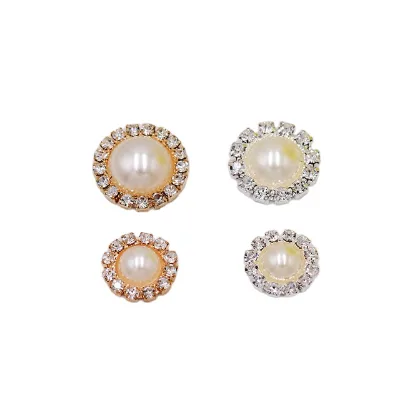
Plastic Button Coat Dress Coat Garment Accessories Pearl Buttons With Diamond Buttons
$0.05 - $0.08
MOQ: 100 pieces
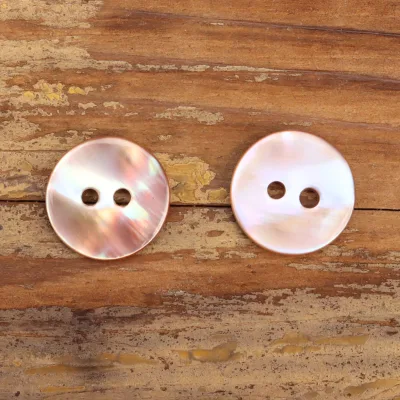
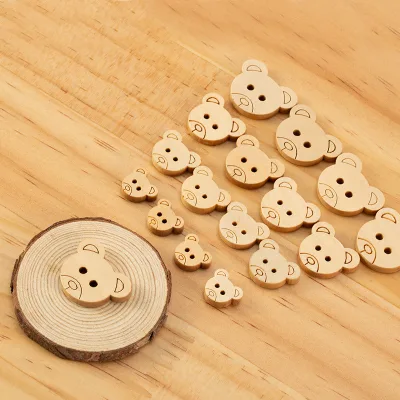
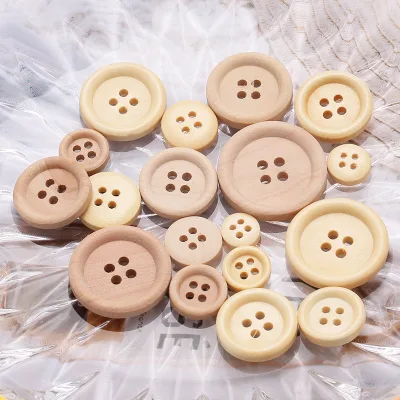
DIY 2Holes Wood Sewing Buttons Buttons for Children Scrapbooking Wooden Buttons Natural
$0.01 - $0.03
MOQ: 100 pieces
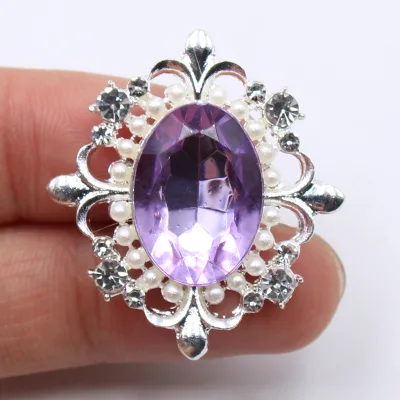
Wholesale Diy Dress 30*34MM NEW Acrylic Button Pearl Rhinestone Silver Alloy Buttons for Clothing
$0.10 - $0.15
MOQ: 100 pieces
Yongjia Bolai Clothing Accessories Co., Ltd.
- Verified by Intertek
- Trading Company
- Lead time0 days
- Avg. response≤ 3h
Main productsButtons, Stoppers, Hook & Loop Tapes, Webbing, Zippers Accessories
Main marketsNorth America(30%), Southeast Asia(30%), Western Europe(20%)
REUNERS ENTERPRISES (HONG KONG) LIMITED
- Verified by SGS Group
- Manufacturer, Trading Company
- Lead time5 days
- Avg. response≤ 2h
Main productsWoven Label, Woven Patches, Embroidery Patches, Hang Tags, Plastic Seal Tags
Main marketsDomestic Market(50%), North America(23%), Eastern Europe(10%)
Suzhou Xingsheng Weiye Garment Accessories Co., Ltd.
- Verified by Intertek
- Manufacturer, Trading Company
- Lead time20 days
- Avg. response≤ 3h
Main productsPatch, Webbing, Button, Rope, Tag
Main marketsSoutheast Asia(30%), Oceania(20%), North America(5%)

Hangzhou Yuming Garment Accessories Co., Ltd.
- Verified by BV
- Trading Company
- China Zhejiang
- Lead time30 days
- Avg. response≤ 4h
Main productsButton, Patch, Rivet, Eyelet, Zipper, Zipper Puller, Resin Buckle, Underwear Accessories, Snap Hook, Garment Hook
Main marketsSouth America,Southeast Asia/ Mideast,Europe,North America

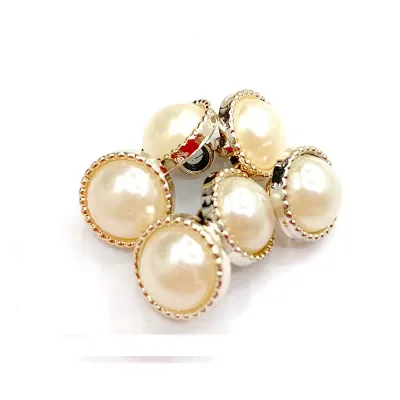
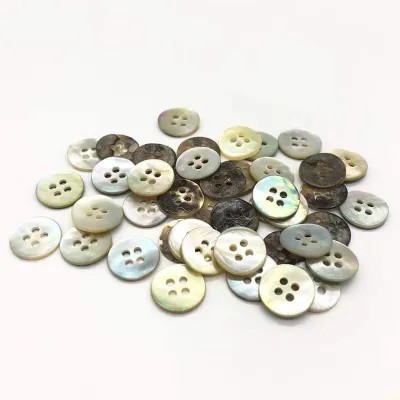
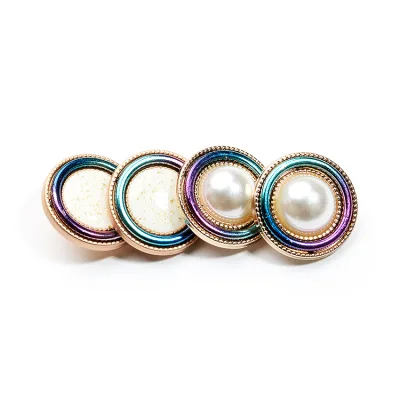
Eco Friendly Pearl Effect Biodegradable 4 Holes Recycled Button for Clothes
$0.02 - $0.11
MOQ: 1000 Pieces


Dongguan New Coo Garment Accessories Co., Ltd
- Manufacturer/Factory
- China Guangdong
- Lead time15 days
- Avg. response≤ 6h
Main productsPolyester Button, Plastic Button, Metal Button, Buckle, Metal Label, Leather Label, Hang Tag, Woven Label, Shell Button
Main marketsSouth America,Eastern Europe,Mid East,North America,Southeast Asia,Western Europe

Guangzhou Govolon Trade Co., Ltd.
- Trading Company,Manufacturer/Factory
- China Guangdong
- Lead time15 days
- Avg. response≤ 24h
Main productsGarment Accessories, Lace, Button, Zipper, Fringe and Tassels, Belt Ribbon, Garment Trimming, Patch Badge, Buckle, Hotfix
Main marketsSouth America,Mid East,North America,Southeast Asia,Western Europe,Africa

NINGBO NCJN IMPORT AND EXPORT CO., LTD.
- Verified by TUVRHEINLAND
- Trading Company
- China Zhejiang
- Lead time15 days
- Avg. response≤ 12h
Main productsGarment Accessories, Zipper, Button, Lace, Tape, Velcro Tape, Hook and Eye Tape, Ring and Slider, Bra Cup
Main marketsSouth America,Africa,Southeast Asia/ Mideast,East Asia(Japan/ South Korea),Europe,Australia,North America

- Verified by TUVRHEINLAND
- Trading Company,Manufacturer/Factory
- China Zhejiang
- Lead time23 days
- Avg. response≤ 6h
Main productsGarment Accessories, Zipper, Button, Lace Trim, Metal Zipper, Nylon Zipper, Plastic Zipper, Metal Button, Snap Button, Cotton Lace
Main marketsNorth America,Africa

Wholesale Natural Round Flatback Shirt Garment Real Custom Horn Buttons for Sewing
$0.00 - $0.00
MOQ: 1000 Pieces


Ningbo New & Century Fashion Co., Ltd.
- Manufacturer/Factory
- China Zhejiang
- Lead time23 days
- Avg. response≤ 9h
Main productsLace, Tape, Ribbon, Nylon Lace Trimming, Chemical Lace Trimming, Cotton Lace Trimming, Strech Lace Trimming, Non-Strech Lace Trimming, Others Nylon Lace Trimming, Crochet Lace Trimming
Main marketsSouth America,Eastern Asia,Western Europe
Shishi Jinqiuri Metal Products Co., Ltd.
- Verified by SGS Group
- Manufacturer, Trading Company
- Lead time10 days
- Avg. response≤ 2h
Main productsButton, Bag Buckle, Pin Buckle, Tactical Buckle, Pet Buckle
Shanghai Zimex Industry And Trade Co., Ltd.
- Trading Company
- Shanghai, China
- Lead time25 days
- Avg. response≤ 4h
Main productsWebbing,Button,Lace,Piping,ribbon
Main marketsDomestic Market(50.00%), Southeast Asia(30.00%), Western Europe(12.00%), Eastern Asia(5.00%), North America(3.00%)
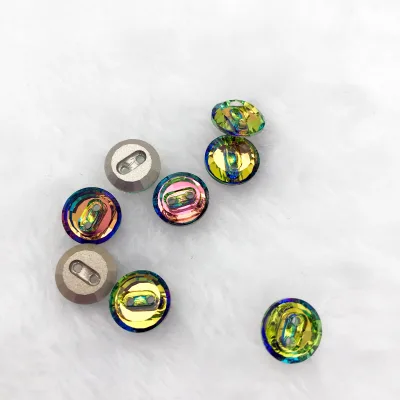
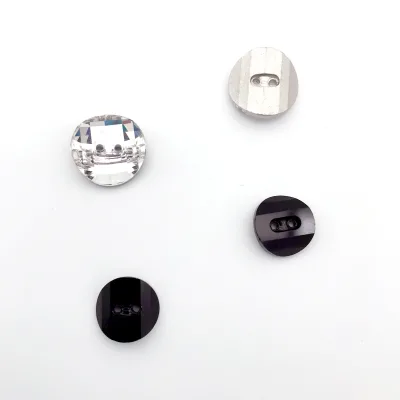
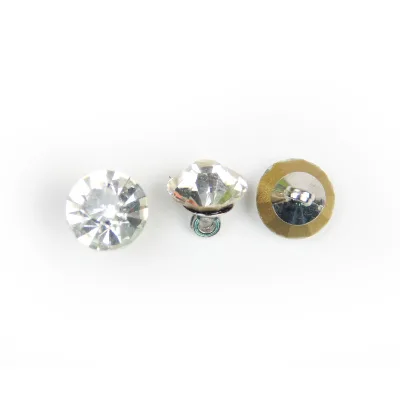
18L CRYSTAL SEW on BUTTON BLOUSE BUTTON
$0.12 - $0.15

Dongguang D&G Industrial Co., Ltd.
- Verified by SGS
- Combined
- China Guangdong
- Lead time15 days
- Avg. response≤ 1h
Main productsJeans Buttons, Jeans Rivets, Snap Fasteners, Pronged Snap Fasterners, Eyelets, Metal Plates, Dress Hooks, Metal Buckles, Snap Button, Sew-on Buttons
Main marketsEurope

Ningbo Yinzhou Xindew Textile Co., Ltd.
- Trading Company
- China Zhejiang
- Lead time15 days
- Avg. response≤ 11h
Main productsKnitting Needles, Knitting Looms, Knitting Crochet Hook Set, Acrylic Yarn, Elastic Tape, Zipper, Thread, Hook and Loop, Baby Blankets, Baby Bibs
Main marketsSouth America,Africa,Southeast Asia/ Mideast,East Asia(Japan/ South Korea),Domestic,Europe,Australia,North America

GUANGZHOU SAKES GARMENTS ACCESSORIES CO., LTD.
- Verified by TUVRHEINLAND
- Trading Company
- China Guangdong
- Lead time15 days
- Avg. response≤ 11h
Main productsMetal Button, Rivet, Belt, Zipper, Lace, Leather Patch, Metal Buckle, Plastic Button, Metal Eyelet, Keychain
Main marketsSouth America
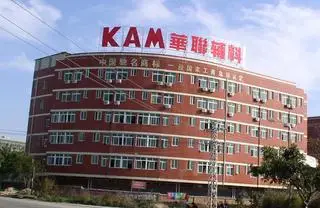
KAM WAH INDUSTRIAL COMPANY LIMITED
- Trading Company
- Hong Kong S.A.R.
- Lead time30 days
- Avg. response≤ 3h
Main productsPLASTIC SNAP,SNAP FASTENER,SNAP TAPE,BAG BUCKLE,SHOES BUCKLE
Main marketsDomestic Market(38.00%), Western Europe(20.00%), North America(18.00%), Northern Europe(5.00%), South America(5.00%), Southeast Asia(5.00%), South Asia(2.00%), Southern Europe(2.00%), Eastern Europe(2.00%), Africa(2.00%), Mid East(1.00%)
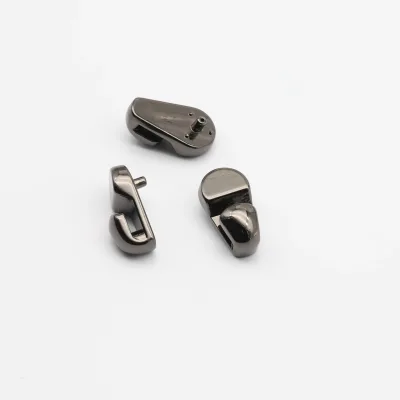
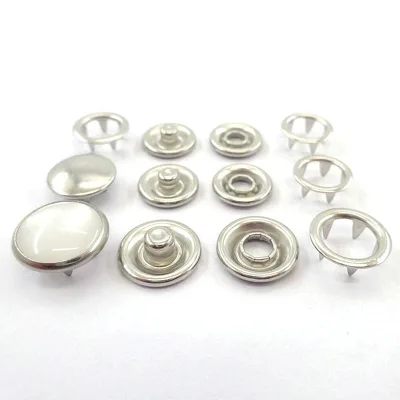
White Pearl Special Design Nickel-Free Metal Button Eco-Friendly Fashion Accessory
$0.10 - $0.16
MOQ: 10000 Minimum
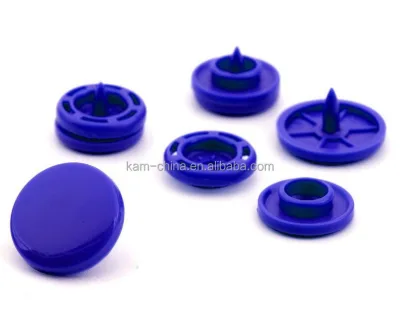
Ningbo New Swell Import&Export Co., Ltd.
- Verified by Intertek
- Trading Company
- Lead time7 days
- Avg. response≤ 3h
Main productsLace Trim, Ribbon, Sewing Accessories, Sewing Thread, Zipper
Main marketsMid East(50%), South America(20%), Southeast Asia(20%)
Guangzhou Shiyi Metal Jewelry Co., Ltd.
- Manufacturer
- Guangdong, China
- Lead time0 days
- Avg. response≤ 2h
Main productssnap button,pocket clip,metal label,sewing button,jeans button
Main marketsSoutheast Asia(30.00%), Mid East(30.00%), North America(30.00%), South Asia(3.00%), Central America(3.00%), South America(2.00%), Eastern Asia(1.00%), Africa(1.00%)
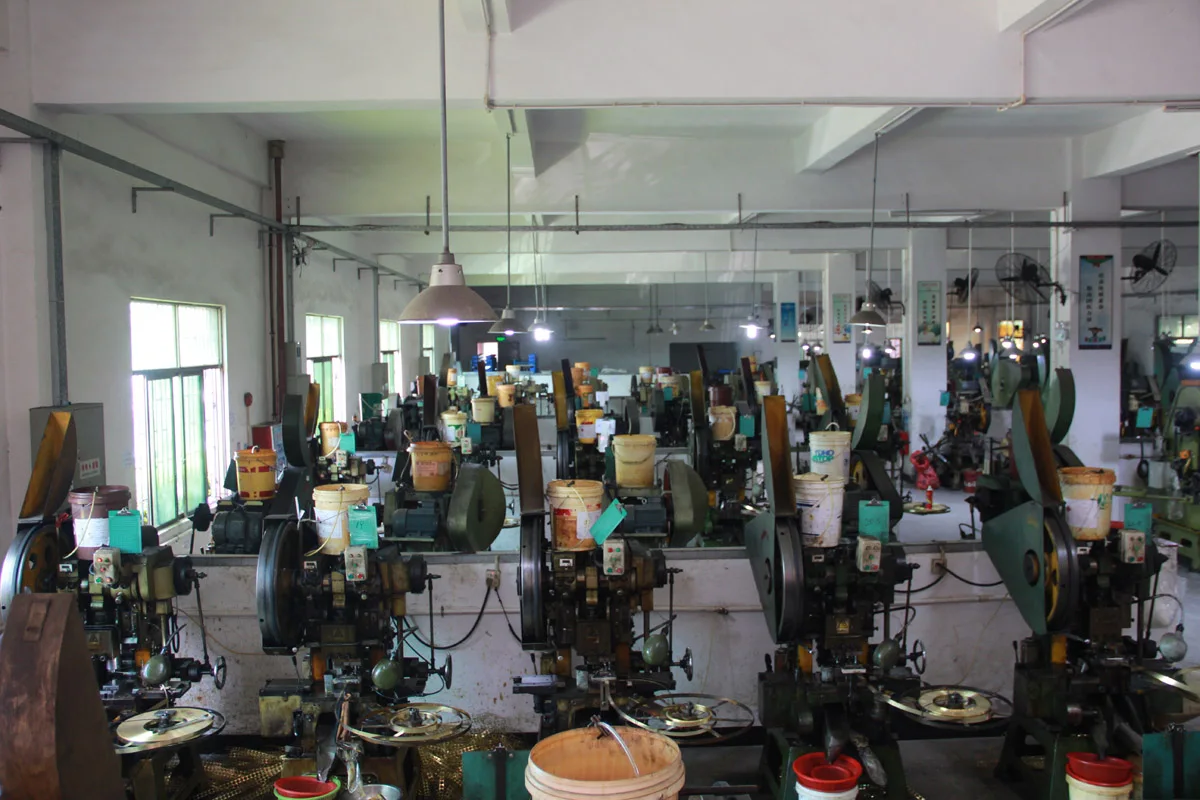
Dongguan Niuniu Industrial Co., Ltd.
- Manufacturer, Trading Company
- Guangdong, China
- Lead time10 days
- Avg. response≤ 1h
Main productsKeychain,Bottle opener,Magnet,Crafts,Badge
Main marketsNorth America(30.00%), South Asia(25.00%), Domestic Market(15.00%), Southeast Asia(12.00%), South America(8.00%), Western Europe(5.00%), Southern Europe(3.00%), Northern Europe(2.00%)





Comprehensive Sourcing Guide
Eco Friendly Pearl Flatback Button Supplier Concentration and Factory Types
The current supplier landscape for eco-friendly pearl flatback buttons reveals a distinct concentration of manufacturing activity within specific Chinese provinces, with Zhejiang and Guangdong emerging as the primary hubs based on available product origin data. Suppliers located in these regions frequently list their place of origin as either Zhejiang, China, or Guangdong, China, indicating a regional clustering of production capabilities for shell, resin, and pearl-based fasteners. This geographic concentration suggests that buyers seeking these specific materials should prioritize searching within these administrative regions to find the highest density of relevant vendors. The data indicates that manufacturers and trading companies operate side-by-side in these clusters, offering different value propositions depending on whether the buyer requires direct factory customization or a broader catalog of sourced items.
Company types in this sector vary between direct manufacturers and trading companies, each serving different procurement needs for eco-friendly pearl flatback buttons. Manufacturers often highlight capabilities such as light customization, customized on-demand processing, and graphic processing, which are essential for brands requiring specific shell or resin button designs. Trading companies, conversely, may aggregate products like resin buttons, plastic ABS, and metal buckles alongside shell options, providing a wider variety of garment accessories in a single transaction. Buyers must distinguish between these entity types to ensure they are engaging with the correct supply chain partner, as the manufacturer may offer deeper technical support for material sourcing while the trading company might provide faster aggregation of diverse components.
How to Verify Eco Friendly Pearl Flatback Button Suppliers
Verification of suppliers in the eco-friendly pearl flatback button sector relies heavily on third-party audit results and specific system certifications that validate both the material claims and the manufacturing standards. Available data points indicate that some suppliers hold Intertek verification status, which serves as a concrete indicator of a supplier's operational legitimacy and adherence to safety protocols. Furthermore, system certifications such as Oeko-Tex 100 and GRS (Global Recycled Standard) are critical markers for buyers seeking genuine eco-friendly credentials, ensuring that the shell or resin materials used meet international environmental and chemical safety requirements. These certifications are not merely marketing claims but are documented attributes that should be present in the supplier's profile before any order is placed.
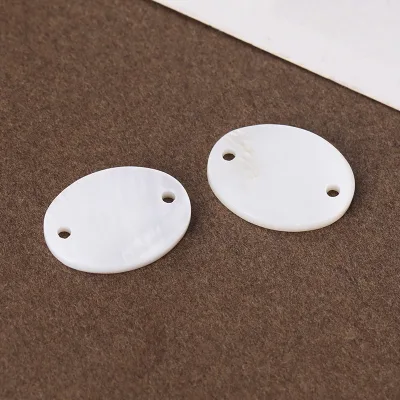
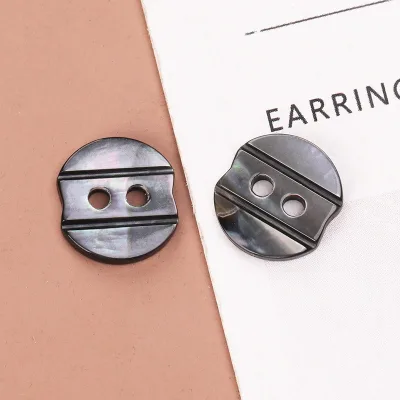
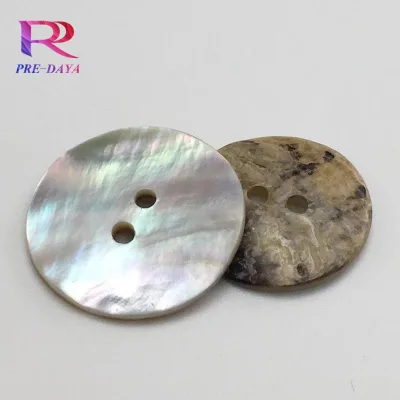
Beyond certifications, buyers should scrutinize the specific product attributes and technical specifications provided in the supplier listings to confirm material authenticity. Evidence shows that product details often specify the material as Shell, Pearl, or Resin Material, alongside attributes like Nickel-Free features and specific button types such as 2-Holes or 4-Holes. A supplier claiming to provide eco-friendly pearl buttons should explicitly list these material compositions and technical details like polished or dyed technics in their product attributes. Buyers must cross-reference these specific product evidence fields with the supplier's general profile to ensure consistency, as discrepancies between the claimed eco-friendly nature and the listed material composition could indicate a lack of genuine sustainability in the supply chain.
What to Compare Across Eco Friendly Pearl Flatback Button Suppliers
When evaluating multiple sources for eco-friendly pearl flatback buttons, the response time and lead time are critical operational metrics that directly impact project timelines and inventory planning. The data indicates that response times can vary, with some suppliers demonstrating a two-day response window while others may take three days, a difference that can be significant for urgent production schedules. Similarly, lead times for standard orders and sample processing require careful comparison; while some listings support a seven-day sample order lead time, general production lead times may extend to twelve days or more depending on the customization level. Buyers should prioritize suppliers who clearly state their sample support and production lead times to avoid delays in the design and approval phases of their garment collection.
Minimum Order Quantities (MOQ) and pricing structures also vary significantly across the supplier base, requiring a detailed comparison to align with budget and volume constraints. Product evidence shows MOQs ranging from 100 pieces for certain shell buttons to 1000 pieces for other shell or resin variants, reflecting different production batch efficiencies. Price ranges for these items also fluctuate, with some products listed at minimum prices around 0.03 per unit while others start at 0.06 or higher, depending on the material complexity and finishing techniques like polishing or embossing. Buyers must calculate the total cost of ownership by factoring in these MOQ thresholds and unit prices, ensuring that the selected supplier can accommodate their specific order volume without incurring prohibitive costs or requiring excessive inventory buildup.
Common Eco Friendly Pearl Flatback Button Sourcing Risks
One of the primary risks in sourcing eco-friendly pearl flatback buttons involves the potential mismatch between claimed sustainability and actual material composition or processing methods. While suppliers may advertise products as eco-friendly or made from natural shells, the product attributes sometimes list materials like Resin Material or Pearl, which may have different environmental footprints depending on the source and manufacturing process. Buyers must verify that the "Eco-Friendly" label is backed by recognized certifications like GRS or Oeko-Tex 100 rather than relying solely on product keywords or marketing descriptions. Without these verified credentials, there is a risk that the buttons may not meet the specific environmental standards required by the buyer's brand or end-market regulations.
Another significant risk relates to the consistency of product specifications and the reliability of sample processing capabilities. The data shows that while some suppliers support seven-day sample orders, others may have undefined lead times or varying package sizes that could complicate logistics. Discrepancies in attributes such as button shape, hole count, or color customization can lead to production errors if the initial sample does not perfectly match the final bulk order requirements. Additionally, the variation in single package sizes and gross weights across different suppliers can impact shipping costs and storage planning. Buyers should rigorously test samples against all technical specifications, including dimensions and decoration details like embossed logos, to mitigate the risk of receiving non-compliant bulk shipments.
Eco Friendly Pearl Flatback Button Regional Sourcing and Logistics
Regional sourcing for eco-friendly pearl flatback buttons is heavily influenced by the geographic origins of the suppliers, with Zhejiang and Guangdong, China, serving as the dominant production hubs. Product evidence consistently lists these provinces as the place of origin for shell, resin, and pearl buttons, suggesting that logistics and shipping routes should be optimized around these specific regions. Buyers sourcing from these areas can expect established supply chains and potentially lower freight costs due to the high volume of garment accessory exports from these locations. However, the specific location of the supplier within these provinces can affect transit times and customs clearance procedures, making it essential to confirm the exact address and shipping capabilities of the vendor.
Logistics planning must also account for the varying package dimensions and weights associated with different button types and suppliers. The data indicates that single package sizes can range from compact dimensions like 1.3x1.3x3.7 cm for small shell buttons to larger batch packages of 30x20x15 cm for resin items. These variations directly impact the volumetric weight calculations used by freight forwarders and can significantly alter shipping costs. Buyers should request detailed packing lists and gross weight data for each batch to accurately estimate freight expenses. Additionally, the availability of sample processing and the speed of sample delivery from these regions should be factored into the overall timeline, as the distance between the factory and the buyer's location will determine the speed of the initial design approval process.
Eco Friendly Pearl Flatback Button Commercial Terms and Order Planning
Commercial terms for eco-friendly pearl flatback buttons often include specific provisions for customization, with many suppliers accepting OEM and ODM services to meet unique brand requirements. Product attributes frequently highlight the ability to accept customized logos, colors, and sizes, allowing buyers to tailor the buttons to their specific garment designs. However, the extent of these customization services varies, with some suppliers offering light customization while others support fully customized on-demand production. Buyers must clearly define their customization needs in the initial inquiry to ensure the supplier has the necessary capacity for graphic processing and sample development, as this can affect both the lead time and the final unit cost.
Order planning should also consider the specific selling units and payment structures associated with each supplier to ensure smooth transaction execution. The data shows that selling units can range from single items to multiples of 100 items, which influences how orders are packaged and invoiced. Buyers need to align their order quantities with these selling units to avoid partial shipments or additional handling fees. Furthermore, the presence of escrow services and verified supplier status, such as Intertek verification, provides a layer of financial security for the transaction. Buyers should confirm the availability of these payment protections and ensure that the agreed-upon lead times and MOQs are clearly documented in the purchase agreement to prevent disputes during the fulfillment process.
FAQs
What certifications do eco friendly pearl flatback buttons have?
Suppliers offer Oeko-Tex 100 and GRS certifications for these buttons. These standards verify material safety and recycled content. Verify specific product listings to confirm current certification status before placing bulk orders for your garment production needs.
What is the typical lead time for custom orders?
Standard lead times are reported as 12 days for production. Some suppliers support sample processing within 7 days. Actual delivery depends on order volume and customization requirements. Confirm specific timelines with the supplier before finalizing your purchase agreement.
What is the minimum order quantity for these buttons?
Minimum order quantities vary by product type. Some listings require 100 pieces while others start at 1000 pieces. Check individual product pages for exact MOQs. Suppliers may adjust limits based on material availability and customization complexity for your specific project.
Are these buttons available in different sizes and colors?
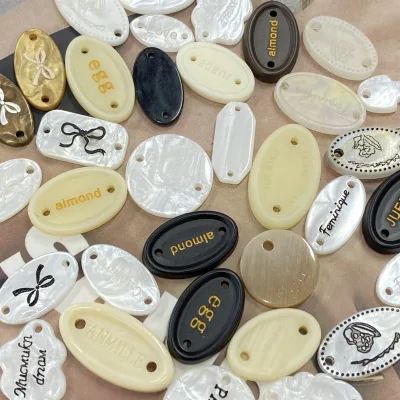
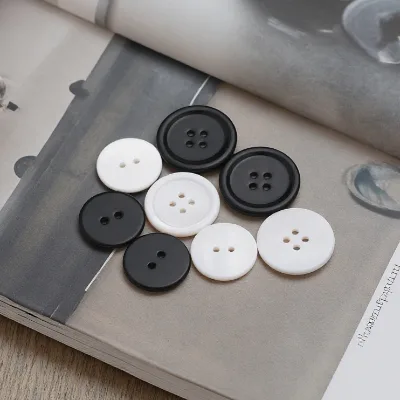
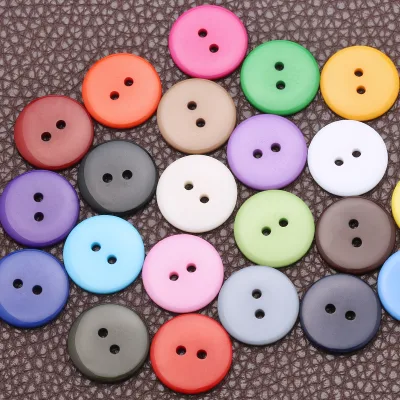
Available sizes range from 10mm to 25mm depending on the material. Colors include white, black, beige, and custom options. Shell and resin materials offer various finishes. Verify specific color and size availability on the product page before selecting your final design.
Do suppliers offer sample processing for these buttons?
Many suppliers support sample processing and graphic customization. Some provide samples within 7 days for evaluation. Custom logos and patterns are often available. Request samples to verify quality and fit before committing to a larger production run for your brand.
Where are these eco friendly buttons manufactured?
Products originate from Guangdong and Zhejiang provinces in China. These regions specialize in garment accessories and button manufacturing. Verify the specific place of origin on each product listing to ensure it meets your sourcing location requirements and logistics planning.
What materials are used for these flatback buttons?
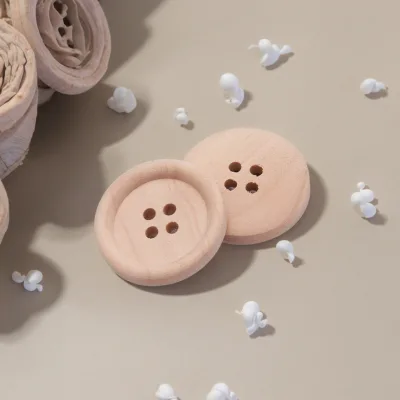
Materials include natural shell, pearl, resin, and recycled denim components. Some options feature nickel-free properties for sensitive skin. Check product attributes for specific material composition. Ensure the selected material aligns with your sustainability goals and garment application standards.