eco-friendly quick-dry nylon mesh fabric Suppliers and Manufacturers
Source eco-friendly quick-dry nylon mesh fabric from 26 verified suppliers in China. Compare lead times, MOQs, and ISO 9001 certifications to find the right partner. Contact suppliers directly to request samples and pricing; review the available evidence before requesting comparable quotations from suitable candidates.
Updated
Suppliers List

Hebei Meshtech Technology Co.,LTD
- Verified by BV
- Trading Company,Manufacturer/Factory,Group Corporation
- China Hebei
- Lead time23 days
- Avg. response≤ 14h
Main productsWire Mesh, Wire Cloth, Printing Mesh, Filter Cloth, Bolting Cloth, Wire Fence, Rockshild Net, Drone Net, Polyester Mesh, Nylon Mesh
Main marketsSouth America,Eastern Europe,Mid East,Southeast Asia,Eastern Asia,Oceania,Western Europe,Africa
Guangdong Jingfeng Chemical Fiber Technology Co.,Ltd.
- Trading Company
- Guangdong, China
- Lead time20 days
Main productsmesh fabric,3d mesh fabric,single-layer mesh fabric,polyester mesh fabric,nylon mesh fabric
Main marketsDomestic Market(70.00%), Eastern Asia(11.00%), North America(10.00%), Western Europe(5.00%), Mid East(3.00%), South America(1.00%)
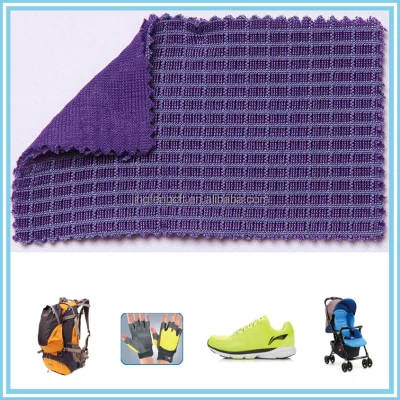
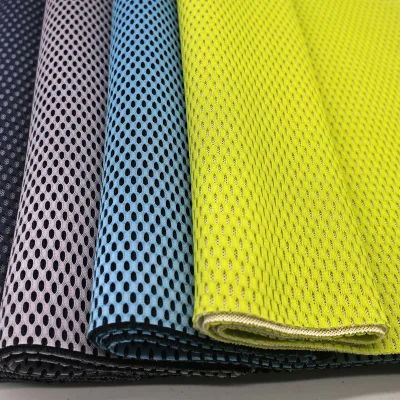
Manufacturer Warp Knitted Hard Stiff Net Mesh Fabric for Office Chair Shoes Bag Running Bag
$3.82 - $3.98
MOQ: 300 Minimum
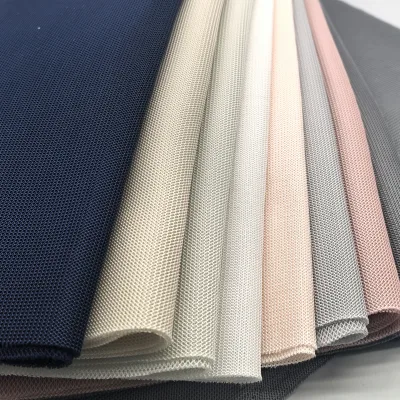
Hot Sale 100% Polyester Interlock Fabric Breathable Quick Dry Double Knitted Fabric for t Shirt
$3.46 - $3.60
MOQ: 300 Minimum
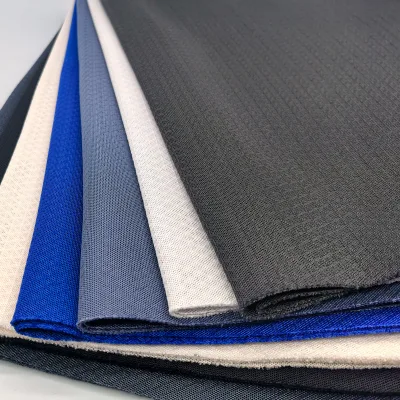
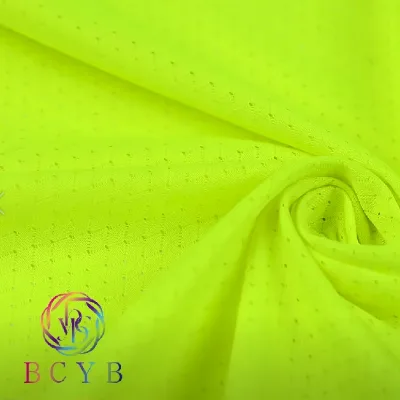
100% Polyester Mesh Fabric Safety Vest Fabric Fluorescent Fabric for Clothing
$4.18 - $4.35
MOQ: 200 Minimum
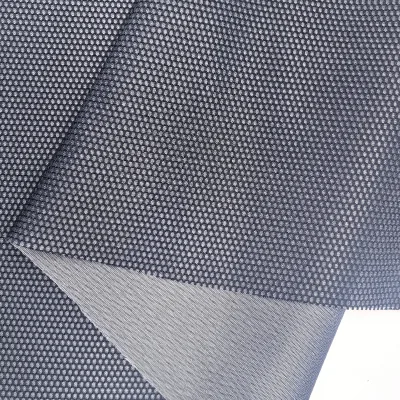
$4.08 - $4.25
MOQ: 300 Minimum
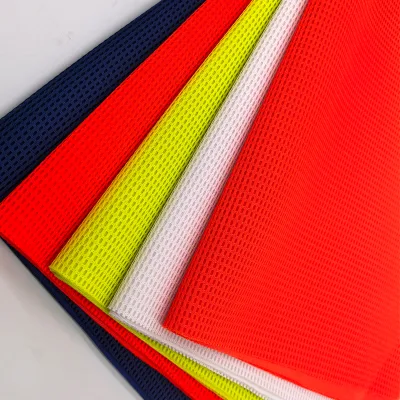
Heavy Duty Strip 100% Polyester Monofilament Outdoor Mesh Fabric for Office Chair
$3.79 - $3.95
MOQ: 300 Minimum

Suzhou Zhengkai Textile Co., Ltd.
- Verified by BV
- Trading Company,Manufacturer/Factory
- China Jiangsu
- Lead time15 days
- Avg. response≤ 18h
Main productsPolyester Fabric, Oxford Fabrics, Coated Fabric, Nylon Fabric, Lining Fabric, Satin Fabric, Microfiber Peach Skin, Chiffon Fabric, Anti-Static Fabric, Pongee Fabric
Main marketsEastern Europe,North America,Southeast Asia,Eastern Asia,Oceania,Western Europe,Africa


Quick Dry Waterproof Woven Nylon Spandex Four 4 Way Stretch Fabric for Pants
$0.98 - $1.66
MOQ: 1000 Meters


Shijiazhuang Gezi Screen Manufacturing Co., Ltd.
- Verified by SGS
- Combined
- China Hebei
- Lead time15 days
- Avg. response≤ 3h
Main productsPlastic Net, Insect Net, Shade Net, PP Net, Extruded Net, Safety Net, Weed Mat, Window Screen, Wire Mesh, Filter Bags
Main marketsAfrica,Southeast Asia/ Mideast,Europe

Hebei Enyang Import And Export Trading Co., Ltd.
- Verified by SGS
- Trading Company
- China Hebei
- Lead time15 days
- Avg. response≤ 5h
Main productsBaseball Caps, Custom Baseball Caps, Plain Baseball Caps, Embroidered Baseball Caps, Running Cap, Washed Cap, Trucker Hat, Flat Bill Hat
Main marketsSouth America,Southeast Asia/ Mideast,Europe
Dongguan Jiadatai Textile Co., Ltd.
- Verified by SGS Group
- Manufacturer, Trading Company
- Lead time15 days
- Avg. response≤ 3h
Main productsPrinted Fabric, Swimwear Fabric, Sportswear Fabric, Underwear Fabric, Recycled Fabric
Main marketsDomestic Market(60%), North America(17%), Southeast Asia(10%)
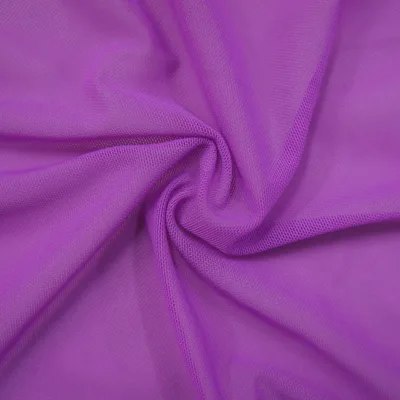
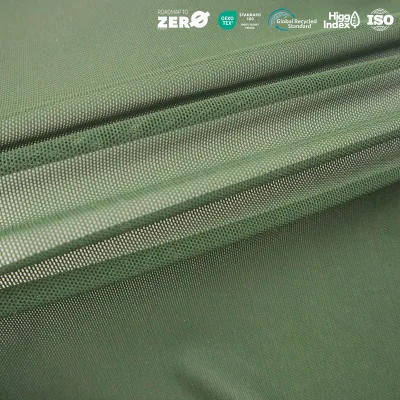
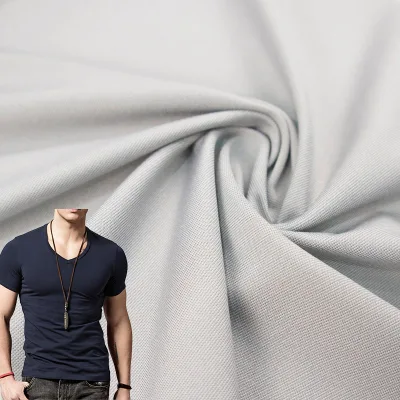
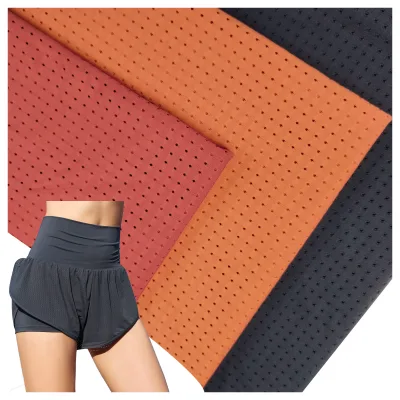
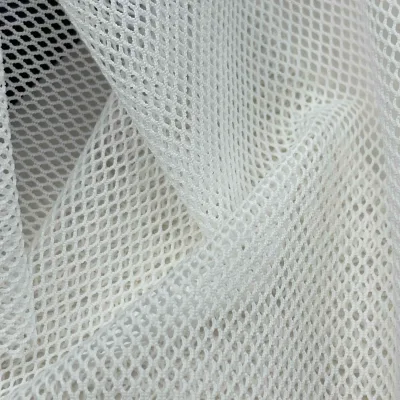
40D Nylon Spandex Elastic Quick Dry Netting Stretch Net Power Mesh Fabric for Sports Shorts Pants
$1.30 - $1.50
MOQ: 1000 yards
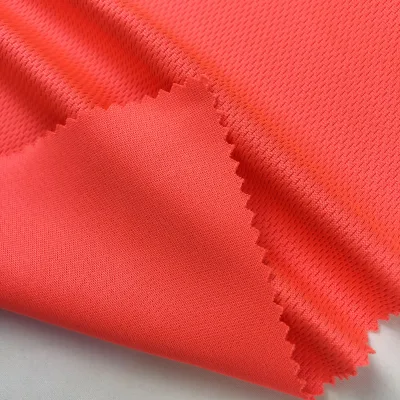
Activewear Swimwear 100% Polyester Stretchable Quick Dry Power Mesh Fabric
$1.3299 - $2.5761
MOQ: 700 yards

Fuzhou Fangtuosi Textile Materials Ltd.
- Manufacturer
- China Fujian
- Lead time30 days
- Avg. response≤ 3h
Main productsSport Fabric, Yoga Fabric, Recycled Fabric
Main marketsSoutheast Asia/ Mideast,Europe,North America


Soft Nylon Spandex Sport Breathable Knit Stretch Fabric for Sportswear T-Shirt
$2.38 - $3.08
MOQ: 500 Meters

Hot Sale Anti Bacterial Spandex Nylon Hexagonal Mesh Sport Wear Fabrics Textiles
$2.56 - $2.93
MOQ: 2500 Meters

Kunshan Yulong Textile Co., Ltd.
- Verified by TUVRHEINLAND
- Manufacturer/Factory
- China Jiangsu
- Lead time45 days
- Avg. response≤ 12h
Main productsFabric, Outdoor Fabric, Stretch Fabric, Nylon Fabric, Polyester Fabric, Functional Fabric, Antistatic Fabric, Recycled Fabric, Bonded Fabric, Garment Fabric
Main marketsSouth America,Eastern Europe,Mid East,North America,Southeast Asia,Eastern Asia,Oceania,Western Europe,Africa
Xiamen Bcyb Supply Chain Management Co., Ltd.
- Trading Company
- Fujian, China
- Lead time0 days
- Avg. response≤ 1h
Main productsPIGMENT PRINTED FABRIC,Crepe Fabric,Mesh Fabric,Lace Fabric,Sportswear Fabric
Main marketsNorthern Europe(20.00%), Mid East(20.00%), Eastern Europe(20.00%), South America(20.00%), North America(20.00%)
Wuxi Kuanyang Textile Technology Co., Ltd.
- Verified by SGS Group
- Manufacturer, Trading Company
- Lead time10 days
- Avg. response≤ 2h
Main productsSwimwear Fabric, Print Fabric, Spandex Fabric, Recycled Fabric, Softshell Fabric
Main marketsDomestic Market(60%), North America(12%), Southeast Asia(10%)

- Manufacturer/Factory
- China Jiangsu
- Lead time30 days
- Avg. response≤ 15h
Main productsPolyester Fabric, Nylon Fabric, Down Proof Fabric, Printing Fabric, Coating Fabric, Fme Covers, Customized Bags, Laminated Fabric
Main marketsSouth America,Eastern Europe,North America,Western Europe
Dongguan Jiadatai Textile Co., Ltd.
- Manufacturer, Trading Company
- Lead time旺季: "1 - 2000":15,"2001 - 5000":20,"> 5000":"To be negotiated", 淡季: "1 - 2000":15,"2001 - 5000":20,"> 5000":"To be negotiated"
- Avg. response≤ 2h
Main productsPrinted Fabric, Swimwear Fabric, Sportswear Fabric, Underwear Fabric, Recycled Fabric
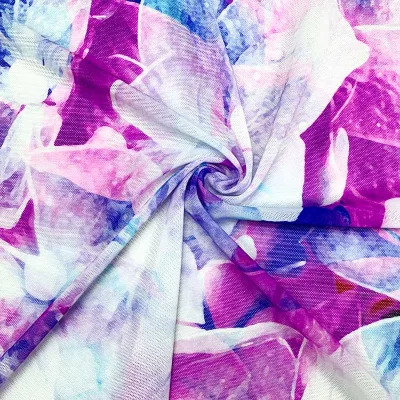
Nylon Mesh Fabric Stretchy 100g Soft Dry Fit Mesh Printing Fabric for Underwear
$3.77 - $3.92
MOQ: 500 yards
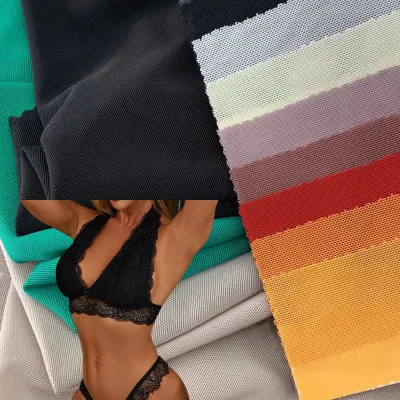
$3.0743 - $4.304
MOQ: 1 yards
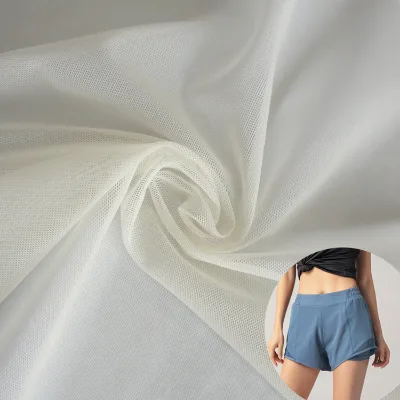
Wholesale Cheap 75 Nylon 25 Spandex Stretch Mesh Net Soft Tulle Fabric
$1.5379 - $1.9478
MOQ: 2000 Minimum
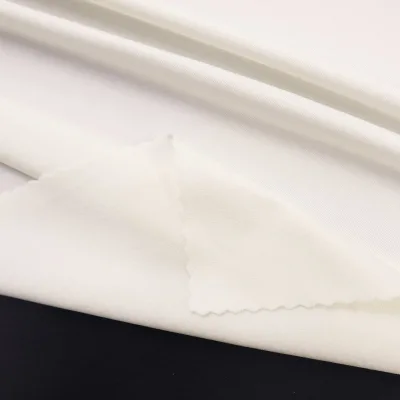
Eco Friendly Microfiber High Elastic Collagen Nylon Spandex Weft Knit Functional Fabric for Bras
$6.20 - $6.40
MOQ: 400 yards
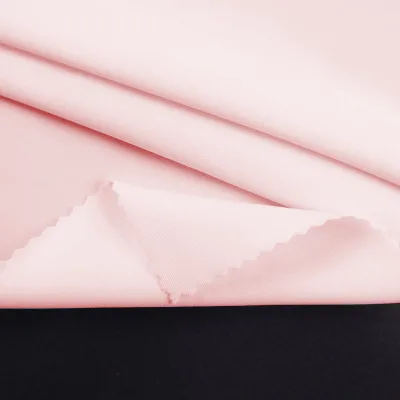
Custom Eco Friendly Sportswear Fabric - 260 g Micro Stretchy Polyester Elastane Semi Dull
$3.10 - $3.30
MOQ: 500 yards
Hebei Enyang Import and Export Trading Co., Ltd.
- Trading Company
- Hebei, China
- Lead time0 days
- Avg. response≤ 3h
Main productsPolyester Screen Printing Mesh/Screen Printing Squeegee/Silk Screen Inkjet Film; Filter Bag And Filter Sheet/Nylon Filter Mesh,Filter Bag And Filter Sheet/Nylon Filter Mesh
Main marketsSouth America(25.00%), North America(25.00%), Central America(10.00%), Southern Europe(5.00%), Northern Europe(5.00%), Western Europe(5.00%), Eastern Europe(5.00%), Southeast Asia(5.00%), Africa(4.00%), Oceania(3.00%), South Asia(3.00%), Eastern Asia(2.00%), Mid East(2.00%), Domestic Market(1.00%)
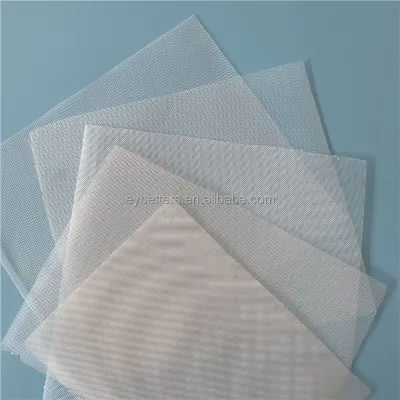
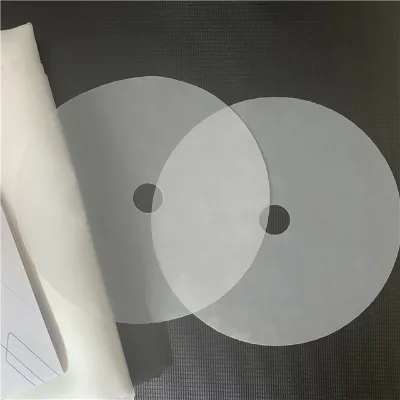
90 micron nylon ultra fine filter fabric polyester mesh fabric for swimming pool
$1.50 - $1.80
MOQ: 100 meters
- Manufacturer, Trading Company
- Taiwan, China
- Lead time30 days
- Avg. response≤ 3h
Main productsFashion swimwear fabric,Chlorine resistant fabric,Sportswear fabrics,Legging fabric,Recycled fabrics
Main marketsNorth America(60.00%), South Asia(20.00%), South America(20.00%)

NINGBO NCJN IMPORT AND EXPORT CO., LTD.
- Verified by TUVRHEINLAND
- Trading Company
- China Zhejiang
- Lead time15 days
- Avg. response≤ 13h
Main productsGarment Accessories, Zipper, Button, Lace, Tape, Velcro Tape, Hook and Eye Tape, Ring and Slider, Bra Cup
Main marketsSouth America,Africa,Southeast Asia/ Mideast,East Asia(Japan/ South Korea),Europe,Australia,North America
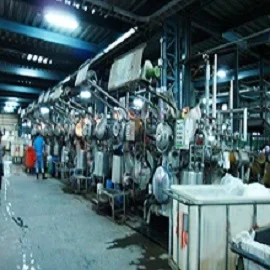
- Manufacturer, Trading Company
- Taiwan, China
- Lead time35 days
- Avg. response≤ 3h
Main productsFunctional fabric,Wicking fabric,Filament fabric,Nylon fabric,Spandex fabric
Main marketsWestern Europe(15.00%), Eastern Asia(15.00%), Oceania(10.00%), Northern Europe(10.00%), North America(10.00%), Domestic Market(5.00%), South Asia(5.00%), Southern Europe(5.00%), Southeast Asia(5.00%), Central America(5.00%), South America(5.00%), Eastern Europe(5.00%), Mid East(5.00%)
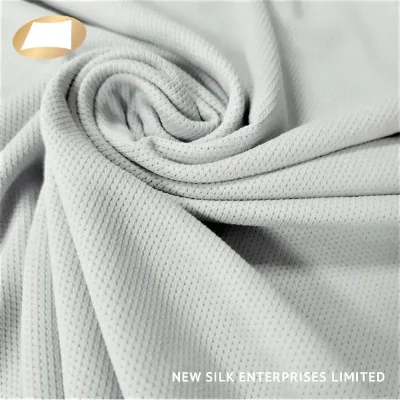
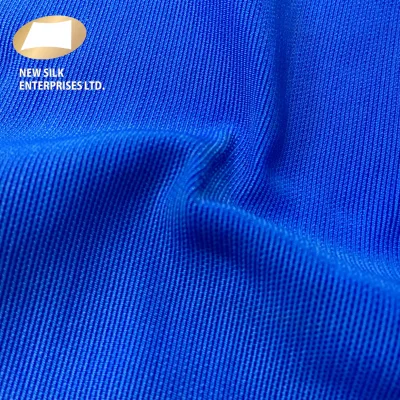
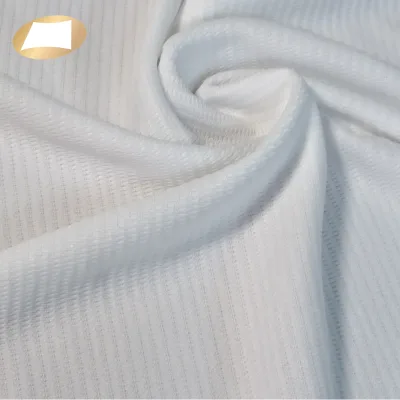
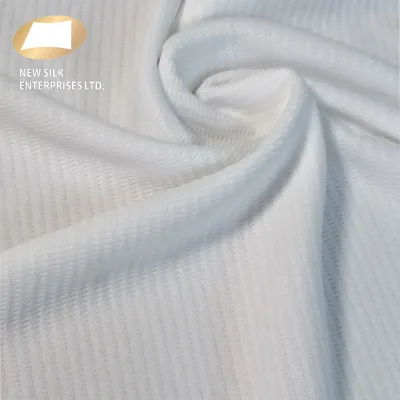
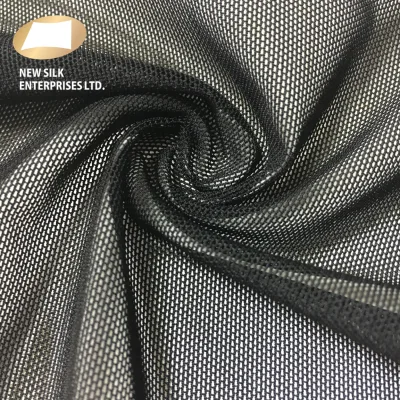
93% Nylon Fabric 7% Spandex Underwear Polyamide 40D Elastane Tricot Lining Micro Soft Mesh Fabric
$2.60 - $3.40
MOQ: 1500 Minimum
Jiuling (fujian) Textile Import And Export Co., Ltd
- Verified by TüVRheinland
- Trading Company
- Lead time30 days
- Avg. response≤ 5h
Main productsMesh
Main marketsNorth America(19%), Oceania(11%), Mid East(11%)

Phoenix Flame Holdings Limited
- Verified by BV
- Manufacturer/Factory,Group Corporation
- China Guangdong
- Lead time15 days
- Avg. response≤ 9h
Main productsWebbing Cords Buttons Zipper Drawcord & Shoelace, Label Lace Lanyard Wristband, Embroidery Patches Beaded Applique Belt, Underwear Accessories TPU Rubber Tape
Main marketsSouth America,Eastern Europe,North America,Southeast Asia,Oceania,Western Europe,Africa

Wholesale Anti-Microbial Quick Dry Sportswear Athletic Nylon Polyester Mesh Fabric
$2.35 - $2.65
MOQ: 1000 Meters

Quick Drying Mesh Fabric Nylon Stretchable Silky Smooth Sweat Absorbing Lightweight Swimwear Fabric
$2.35 - $2.65
MOQ: 1000 Meters

Zhejiang Hongxiang Textile Technology Co., Ltd.
- Manufacturer
- Zhejiang, China
- Lead time20 days
- Avg. response≤ 1h
Main productsSpandex fabric,Knitted fabric,Printed fabric,Stretch fabric,Lycra Ffabirc
Main marketsDomestic Market(30.00%), Eastern Asia(30.00%), South America(15.00%), North America(15.00%), Eastern Europe(5.00%), Western Europe(3.00%), Oceania(2.00%)
CHANGSHU SUN-LAND TEXTILE CO.,LTD
- Verified by SGS Group
- Manufacturer, Trading Company
- Lead time30 days
- Avg. response≤ 8h
Main productsFunction Knit Fabric, Sportwear Fabric, Jacquard Fabric, Print Fabric, Home Textile Fabric
Main marketsDomestic Market(65%), Eastern Europe(15%), North America(5%)

- Verified by CTI
- Trading Company
- China Fujian
- Lead time30 days
- Avg. response≤ 25h
Main products100% Polyester Yarn, Polyester Spun Yarn, DTY, FDY, POY, T/C Yarn, T/R Yarn, Viscose Yarn, Polyester Staple Fiber, Blended Yarn
Main marketsSoutheast Asia/ Mideast,East Asia(Japan/ South Korea),Europe


Woven 15D Nylon Breathable Fabric Waterproof Functional Fabric with Cire
$1.20 - $2.00
MOQ: 1000 Meters


High Stretch Nylon Spandex Knit Mesh Fabric for Underwear/Swimwear/Sportswear
$2.10 - $2.60
MOQ: 1200 Yards

High Stretch Nylon Spandex Knit Melange Mesh Fabric for Underwear/Swimwear/Sportswear
$2.60 - $2.90
MOQ: 1000 Yards

XIAMEN UPWARD TEXTILE CO., LTD.
- Verified by BV
- Trading Company,Manufacturer/Factory
- China Fujian
- Lead time0 days
- Avg. response≤ 6h
Main productsRecycle Fabric, Strech Fabric, Nylon Fabric, Polyester Fabric, Spandex Fabric, Coated Fabric, Printed Fabric, Waterproof Fabric, Trendy Fabric, Light Weight Fabric
Main marketsSouth America,Eastern Europe,Mid East,North America,Southeast Asia,Eastern Asia,Oceania,Western Europe,Africa

$3.00 - $3.80
MOQ: 1000 Meters


Nylon/Polyester Fabric Twill Waterproof Durable Comfortable Textile Fabric for Pants Outdoor Garment
$3.35 - $3.75
MOQ: 1000 Meters

62% Nylon, 30% Poly, 8% Spandex, Four Ways Stretch Plain Waterproof Fabric for Sportswear
$4.05 - $4.45
MOQ: 1000 Meters

60% Nylon, 33% Polyester, 7% Spandex, Two Ways Stretch Plain Waterproof Fabric
$3.30 - $3.65
MOQ: 1000 Meters

Suzhou Dianyue Textile Co., Ltd.
- Verified by SGS
- Combined
- China Jiangsu
- Lead time15 days
- Avg. response≤ 25h
Main productsYarn, Polyester Yarn, Recycled Yarn, Nylon Yarn, Chemical Yarn, Coated Fabric, Nylon Fabric
Main marketsDomestic

Breathable Mesh Fabric T-Shirts, Dry Fit Mesh Fabric for Clothing, Polyester Mesh Fabric Sports
$0.72 - $1.00
MOQ: 100 Meters


Shantou Zhifa Knitting Industry Co., Ltd.
- Combined
- China Guangdong
- Lead time15 days
- Avg. response≤ 12h
Main productsCotton Fabric, Polyester Fabric, Modal Fabric, Spandex Fabric, Nylon Spandex Fabric
Main marketsSoutheast Asia/ Mideast,Domestic,Europe,North America


Wholesale Breathable Warp Knitted 82% Nylon 18% Spandex Mesh Fabric for Underwear and Sportswear
$6.54 - $6.86
MOQ: 500 kg

Professional Supply High Quality 86% Nylon 14% Spandex Fabric Warp Knitted Mesh Fabric for Underwear
$7.29 - $7.43
MOQ: 1000 kg
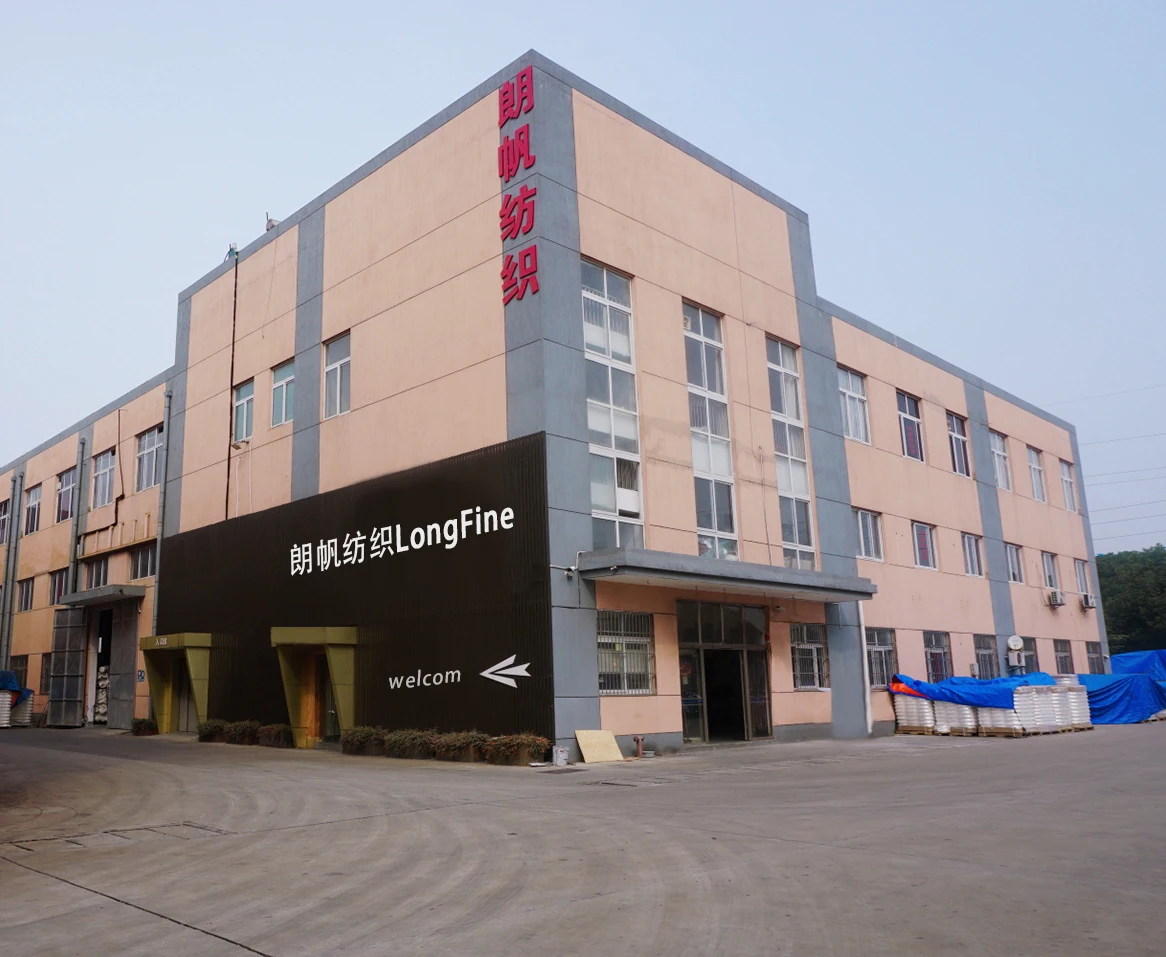
Suzhou Longfine Textiles Technology Ltd.
- Manufacturer, Trading Company
- Jiangsu, China
- Lead time20 days
- Avg. response≤ 9h
Main productsFaux fur fabric,Home Textile,Blankets,Rugs,PLush Fabric
Main marketsAfrica(100.00%), Domestic Market(100.00%), Eastern Asia(100.00%), Northern Europe(100.00%), Central America(100.00%), South America(40.00%), North America(20.00%), South Asia(10.00%), Southeast Asia(5.00%), Southern Europe(5.00%), Eastern Europe(5.00%), Oceania(5.00%), Mid East(5.00%), Western Europe(5.00%)

- Verified by BV
- Trading Company,Manufacturer/Factory
- China Jiangsu
- Lead time23 days
- Avg. response≤ 25h
Main productsNylon Fabric, Polyester Fabric, Cotton Fabric, Stretch Fabric, Jacket Fabric, Dress Fabric, Down Proof Fabric, Cold Protection Fabric, Bag&Tent Fabric, Raincoat Fabric
Main marketsSouth America,Eastern Europe,Mid East,North America,Southeast Asia,Eastern Asia,Oceania,Western Europe,Africa


79 Nylon 21spandex High Stretchy Slippery Smooth 4 Way Spandex Gym Sports Mesh Fabric
$1.30 - $2.60
MOQ: 1000 Pieces






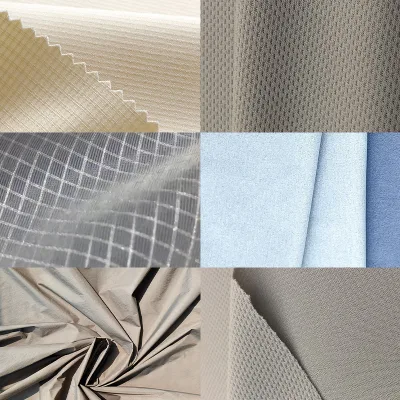
Comprehensive Sourcing Guide
Eco-Friendly Quick-Dry Nylon Mesh Fabric Supplier Concentration and Factory Types
The sourcing landscape for nylon mesh fabric reveals a distinct concentration of manufacturing capabilities within specific industrial regions, with Hebei, China, emerging as a notable hub for these specialized textile products. Suppliers located in this area often operate as a mix of trading companies, manufacturer factories, and group corporations, offering buyers a diverse range of operational models to consider. This structural diversity means that a single search result may present entities with vastly different internal capabilities, from those that own their production lines to those that act as intermediaries for broader factory networks. Understanding this composition is critical because the factory type directly influences the level of control a buyer has over the production process, quality assurance protocols, and the flexibility to accommodate custom specifications. Buyers must recognize that while trading companies may offer streamlined communication and consolidated logistics, manufacturer factories typically provide deeper insights into raw material sourcing and production capacity. The presence of group corporations suggests a higher level of organizational maturity, potentially offering more robust supply chain resilience and standardized quality management systems. This variety in supplier types allows for strategic sourcing decisions based on whether the priority is cost efficiency, technical customization, or supply chain stability.
In addition to the Hebei cluster, other regions such as Guangdong, China, also host suppliers specializing in mesh fabrics, including polyester and nylon blends, indicating a broader geographic distribution of textile manufacturing expertise. These suppliers often focus on different applications, ranging from industrial filtration to apparel and sportswear, which necessitates careful alignment between the supplier’s main products and the buyer’s specific technical requirements. The main products listed by these entities frequently include wire mesh, filter cloth, and various synthetic fabrics, highlighting the versatility of the manufacturing base. However, this versatility can also introduce complexity, as a supplier offering a wide array of mesh types may not possess the same depth of expertise in eco-friendly or quick-dry nylon variants as a specialized manufacturer. Buyers should therefore scrutinize the specific product evidence provided, such as material composition and structural attributes, to ensure the supplier’s core competencies align with the desired fabric characteristics. The distinction between suppliers who produce standard nylon mesh and those who offer specialized eco-friendly or quick-dry treatments is crucial for maintaining product integrity and meeting sustainability goals. By mapping the supplier type against the regional location, buyers can better assess the likelihood of finding a partner capable of delivering high-quality, specialized nylon mesh fabric that meets their exact performance and environmental standards.
How to Verify Eco-Friendly Quick-Dry Nylon Mesh Fabric Suppliers
Verification of suppliers requires a rigorous examination of their operational credentials and third-party validations to ensure reliability and compliance with industry standards. One key indicator of supplier legitimacy is the presence of system certifications, such as ISO 9001, which demonstrates a commitment to quality management systems and consistent production processes. Buyers should prioritize suppliers who display such certifications, as they provide a baseline assurance of operational discipline and continuous improvement. Additionally, verification badges from recognized agencies, such as BV (Bureau Veritas), offer an external layer of trust by confirming that the supplier has undergone independent audits of their business practices and capabilities. These verification marks are particularly important in the textile industry, where claims about material quality and environmental friendliness can be difficult to assess without objective evidence. Buyers should look for these badges prominently displayed in supplier profiles and consider them as a primary filter for narrowing down potential partners. The presence of these credentials suggests that the supplier is transparent about their operations and willing to undergo scrutiny, which is a positive sign for long-term business relationships.
Beyond certifications and verification badges, buyers must also assess the supplier’s responsiveness and product-specific evidence to gauge their operational efficiency and technical accuracy. Response time metrics, such as an average of 13.18 hours, provide insight into how quickly a supplier can engage with inquiries, which is crucial for resolving technical questions or negotiating terms. A faster response time often correlates with a more agile and customer-centric organization, capable of addressing issues promptly. Furthermore, detailed product attributes, including hole shape, customization availability, and raw material origins, serve as concrete evidence of the supplier’s technical knowledge and transparency. For instance, suppliers specifying that their nylon mesh is made from yarn sourced from China, Japan, or Switzerland provide valuable information about material quality and traceability. Buyers should also examine product keywords and descriptions for mentions of eco-friendly or quick-dry properties, ensuring that these claims are supported by specific technical details rather than vague marketing language. By combining verification badges, response times, and detailed product evidence, buyers can build a comprehensive profile of each supplier’s reliability and capability, reducing the risk of partnering with entities that lack the necessary expertise or integrity.
What to Compare Across Eco-Friendly Quick-Dry Nylon Mesh Fabric Suppliers
When evaluating multiple suppliers, buyers should systematically compare key operational metrics such as lead time, minimum order quantity (MOQ), and production capacity to determine the best fit for their supply chain needs. Lead time is a critical factor, with some suppliers indicating a standard production period of around 20 to 23 days, which directly impacts inventory planning and delivery schedules. Buyers must align these lead times with their own production cycles to avoid stockouts or excess inventory. Similarly, MOQs vary significantly across suppliers, ranging from small quantities of 30 units to larger commitments of 1000 or more, depending on the product type and customization requirements. Understanding these MOQ thresholds is essential for budgeting and ensuring that the order size is economically viable for the buyer. Suppliers offering lower MOQs may be more suitable for testing new markets or fulfilling small-batch orders, while those with higher MOQs might offer better economies of scale for large-scale production runs. By comparing these metrics, buyers can identify suppliers that offer the right balance of flexibility and cost-efficiency for their specific business model.
In addition to lead times and MOQs, buyers should also compare the range of main products, customization options, and stock availability to assess the supplier’s versatility and readiness to meet diverse needs. Suppliers with a broad product portfolio, including various types of mesh fabrics and filter cloths, may offer greater convenience for buyers with multiple sourcing requirements. Customization availability is another crucial differentiator, as some suppliers explicitly state that they can tailor hole shapes, widths, and materials to specific customer specifications. This flexibility is particularly important for eco-friendly or quick-dry nylon mesh, where unique performance characteristics may be required. Stock availability, such as maintaining 5000 square meters of normal specifications in stock, can significantly reduce lead times for standard orders, providing a competitive advantage in fast-moving markets. Buyers should also consider the supplier’s ability to handle repeat orders, with some reporting high repeat order rates, which indicates customer satisfaction and consistent quality. By thoroughly comparing these operational and product-related factors, buyers can make informed decisions that optimize their supply chain efficiency and product quality.
Common Eco-Friendly Quick-Dry Nylon Mesh Fabric Sourcing Risks
One of the primary risks in sourcing eco-friendly quick-dry nylon mesh fabric is the potential discrepancy between marketing claims and actual product performance, particularly regarding material composition and environmental certifications. Buyers must be cautious of suppliers who make broad assertions about eco-friendliness without providing specific evidence, such as detailed raw material origins or third-party environmental tests. For instance, while some suppliers mention using yarn from reputable sources like China, Japan, or Switzerland, they may not disclose whether the yarn itself meets specific eco-standards or if the dyeing and finishing processes are environmentally responsible. This lack of transparency can lead to products that fail to meet the buyer’s sustainability goals or regulatory requirements in target markets. Additionally, the term "quick-dry" is often used loosely in the textile industry, and buyers should verify that the fabric’s technical specifications, such as moisture-wicking properties and drying time, are backed by concrete test data or standardized performance metrics. Without this verification, buyers risk receiving products that do not perform as expected, leading to customer dissatisfaction and potential returns.
Another significant risk is the variability in quality control and consistency across different production batches, which can be exacerbated by working with trading companies or less established manufacturers. Suppliers with lower verification levels or those lacking robust quality management systems may struggle to maintain consistent product quality, leading to issues such as uneven hole shapes, inconsistent mesh counts, or variations in fabric width. This inconsistency can disrupt the buyer’s production processes and compromise the final product’s integrity. Furthermore, the risk of supply chain disruptions is heightened when relying on suppliers with limited production capacity or those who do not maintain adequate stock of raw materials. Buyers should be aware that some suppliers may have limited ability to handle large or urgent orders, leading to delays or compromised quality. To mitigate these risks, buyers should prioritize suppliers with strong verification badges, clear quality assurance protocols, and a proven track record of consistent performance. Conducting thorough due diligence and requesting samples before committing to large orders can help identify potential quality issues early in the sourcing process.
Eco-Friendly Quick-Dry Nylon Mesh Fabric Regional Sourcing and Logistics
Sourcing nylon mesh fabric from specific regions like Hebei and Guangdong in China offers distinct logistical advantages and challenges that buyers must carefully evaluate. Hebei, as a major manufacturing hub, provides access to a dense network of suppliers specializing in wire mesh and synthetic fabrics, which can facilitate efficient procurement and competitive pricing. However, buyers should consider the logistical implications of shipping from this region, including transit times and customs procedures, which can impact overall delivery schedules. Similarly, Guangdong, known for its advanced textile industry and proximity to major ports like Shenzhen, offers streamlined export processes and faster shipping options for international buyers. The port of dispatch in Shenzhen can significantly reduce lead times for ocean freight, making it an attractive option for buyers with tight delivery deadlines. Buyers should assess the supplier’s location in the context of their own logistics network, considering factors such as distance to ports, availability of reliable freight forwarders, and the efficiency of local customs clearance. By aligning the supplier’s location with their logistical capabilities, buyers can optimize shipping costs and ensure timely delivery of their orders.
In addition to regional logistics, buyers should also consider the supplier’s packaging and handling practices to ensure that the nylon mesh fabric arrives in optimal condition. Proper packaging is crucial for protecting the fabric from damage during transit, especially for delicate or specialized materials like eco-friendly quick-dry nylon mesh. Suppliers who use robust packaging methods, such as folding with plastic bags or paper tubes, can help prevent creasing, tearing, or contamination of the fabric. Buyers should also inquire about the supplier’s ability to customize packaging to meet specific requirements, such as moisture-resistant or eco-friendly packaging materials. Furthermore, the supplier’s experience with international shipping and their familiarity with export documentation can streamline the logistics process and reduce the risk of delays or customs issues. By evaluating the supplier’s logistical capabilities and packaging practices, buyers can ensure that their orders are handled efficiently and arrive in perfect condition, supporting their brand reputation and customer satisfaction.
Eco-Friendly Quick-Dry Nylon Mesh Fabric Commercial Terms and Order Planning
Commercial terms and order planning are critical components of successful sourcing, requiring buyers to carefully negotiate pricing, payment terms, and delivery schedules to align with their business objectives. Pricing for nylon mesh fabric can vary based on factors such as material quality, customization requirements, and order volume, with some suppliers offering competitive rates for standard products while charging premiums for specialized eco-friendly or quick-dry variants. Buyers should request detailed quotes that break down costs for materials, labor, and logistics to ensure transparency and identify potential areas for cost savings. Payment terms, such as the use of escrow services or letters of credit, can provide additional security for both parties, ensuring that payments are released only upon satisfactory delivery of the goods. Buyers should also consider the supplier’s flexibility in handling order modifications or cancellations, as this can impact their ability to respond to market changes or
FAQs
What is the price range for nylon mesh fabric?
Prices for nylon mesh fabric typically range from $0.60 to $7.00 per unit depending on specifications. Specific items like micro nylon mesh are priced between $0.80 and $2.00. Standard environmental protection nylon mesh is listed at $1.50. Buyers should verify exact costs based on width and mesh count requirements.
What are the minimum order quantities for nylon mesh?
Minimum order quantities vary by product type. Micro nylon mesh fabric requires a minimum of 30 units. Filtering usage fine nylon mesh has an MOQ of 50 units. Standard environmental protection nylon mesh requires 1000 units. Rectangular pattern polyester nylon mesh knit fabric has a higher MOQ of 10000 yards.
How long does delivery take for nylon mesh orders?
Standard lead times for nylon mesh orders are approximately 20 to 23 days. However, inventory items with normal specifications can be delivered within 1 to 2 days. Suppliers maintain 5000 square meters of normal specification stock. Buyers should confirm specific delivery windows based on whether the order is from stock or made-to-order.
Where are nylon mesh fabric suppliers located?
Nylon mesh fabric suppliers are primarily located in China. Specific manufacturing hubs include Hebei and Guangdong provinces. Hebei suppliers focus on filter meshes and industrial fabrics. Guangdong suppliers offer warp-knitted and polyester-nylon blend fabrics. Buyers can source from trading companies or manufacturers in these regions.
What certifications do nylon mesh suppliers hold?
Suppliers often hold ISO 9001 system certification for quality management. Products may comply with CE, ROHS, and ISO9001 standards. Material safety data tests are also conducted. Some suppliers undergo BV verification. Buyers should request specific certification documents to ensure compliance with their industry requirements.
What materials are used in nylon mesh fabric?
Nylon mesh fabric is primarily made from 100% nylon or blends with polyester. Raw materials include yarn from China, Japan, and Switzerland. Some fabrics use 20% polyester and 80% nylon. Others are 100% polyester or spandex blends. The material choice affects durability, breathability, and application suitability.