Eco-Friendly Rice Husk Cutting Board Suppliers and Manufacturers
Explore 25 verified options for Eco-Friendly Rice Husk Cutting Board from Zhejiang, China. Compare response times, lead times, MOQs, and certifications like FDA and LFGB. Contact suppliers directly to request quotes and samples; review the available evidence before requesting comparable quotations from suitable candidates.
Suppliers List
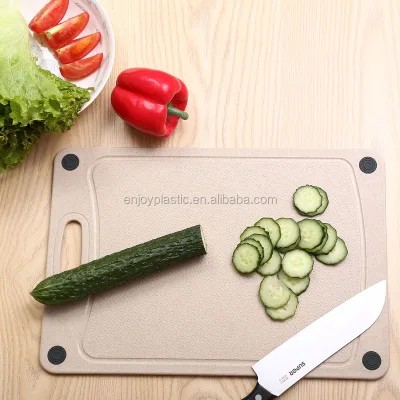
Taizhou Huangyan Enjoy Plastic Co., Ltd.
- Trading Company
- Zhejiang, China
- Lead time15 days
- Avg. response≤ 4h
Main productsPlastic Products
Main marketsNorth America(60.0%), Oceania(20.0%), Western Europe(12.0%), Northern Europe(2.0%), Mid East(2.0%), Eastern Europe(2.0%), Eastern Asia(1.0%), Southeast Asia(1.0%)

Taizhou Shangyi Plastic Co., Ltd.
- Verified by TUVRHEINLAND
- Trading Company
- China Zhejiang
- Lead time23 days
- Avg. response≤ 20h
Main productsFood Container, Storage Container, Lunch Box, Bento Box, Plastic Laundry Basket, Plastic Storage Container, Plastic Cutting Board
Main marketsSouth America,Southeast Asia/ Mideast
Jlink Technology (dongguan) Co., Ltd.
- Trading Company
- Guangdong, China
- Lead time20 days
- Avg. response≤ 4h
Main productsRice Husk Fiber tableware,eco-friendly tableware,Electronic Parts Supply,Eco-friendly Biodegradable Supply
Main marketsEastern Asia(30.0%), Western Europe(30.0%), North America(30.0%), Eastern Europe(10.0%)

Hebei Peliou New Materials Technology Co., Ltd
- Verified by TUVRHEINLAND
- Combined
- China Hebei
- Lead time15 days
- Avg. response≤ 4h
Main productsUHMWPE Sheet, HDPE Sheet, PP Sheet, PE1000 Sheet, Ground Protection Mats and Outrigger Pads, UHMWPE Guide Rail, Nylon Sheet, Plastic CNC Parts, PE Cutting Boards, PE Plastic Rod
Main marketsSoutheast Asia/ Mideast

Fujian Hoyee Household Items Co., Ltd.
- Verified by BV
- Manufacturer/Factory
- China Fujian
- Lead time0 days
- Avg. response≤ 9h
Main productsBamboo Products, Cutting Board, Bathtub Caddy, Bath Mat, Bath Towel Rack, Shoes Rack, Office Organizer, Desk Organizer, Cheese Board, Serving Tray

XIAMEN TWO CITY IMP AND EXP CO., LTD.
- Verified by SGS
- Trading Company
- China Fujian
- Lead time30 days
- Avg. response≤ 4h
Main productsBamboo Panel, Bamboo Plywood, Bamboo Cutting Board, Bamboo Chopping Board, Bamboo Products, Bamboo Kitchenware, Bamboo Tableware, Bamboo Furniture, Wood Product, Wood Root Carving Product
Main marketsSoutheast Asia/ Mideast,Europe,North America

Nanping Jianyang Heng Xinwang Bamboo and Wooden Products Co., Ltd.
- Verified by BV
- Combined
- China Fujian
- Lead time23 days
- Avg. response≤ 2h
Main productsBamboo Products, Wooden Products, Straw Products, Rattan Items, Straw and Willow Products
Main marketsSoutheast Asia/ Mideast,East Asia(Japan/ South Korea),Europe,Australia,North America

Tonglin Wood Industry (Dalian) Co., Ltd
- Verified by BV
- Trading Company
- China Liaoning
- Lead time30 days
- Avg. response≤ 4h
Main productsWooden Stair Product, Wooden Skirting Line, Wooden Baseball Bat, Wooden Pet Product, Wooden Knob, Wooden Handle, Wood Wine Box, Wooden Balusters, Wooden Cutting Board, Wooden Door Jamb
Main marketsNorth America

Jinjiang Jiaxing Import and Export Co., Ltd.
- Verified by CTI
- Manufacturer/Factory
- China Fujian
- Lead time120 days
- Avg. response≤ 1h
Main productsShoes, Slipper, Clothes, Promotion Gifts, Silicone Products, Outdoor Sports Products, Bags, Fashion Accessories, Consumer Electronics
Main marketsSouth America,Eastern Europe,Mid East,North America,Southeast Asia,Eastern Asia,Oceania,Western Europe,Africa

Jinhua Hengyang Cross-Border Trade Limited Liability Company
- Verified by SGS
- Trading Company
- China Zhejiang
- Lead time15 days
- Avg. response≤ 7h
Main productsCoffee Maker Air Fryer Storage Box Knife Set, Silicone Baking Mold Robot Vacuum Cleaning Table, Shower Head Non-Slip Shower Curtain Vacuum Stora, Collapsible Laundry Basket Bohemian Wall Tapestr, Fringe Pillow Cover Bedding Set Memory Foam Pill, Bamboo Tissue Biodegradable Trash Bags LED Fair, Smart Plug Fairy Lights Pet Food Bowl, Household Daily Necessities Kitchen Cleaning, Bathroom Storage and Care Fabric Home Decor, Bedding Daily Chemical Paper Products
Main marketsEurope

Wooden Cutting Board Woodiness Cutting Board Fruit Cutting Board Cutting Board
$1.99 - $2.49
MOQ: 130 Pieces

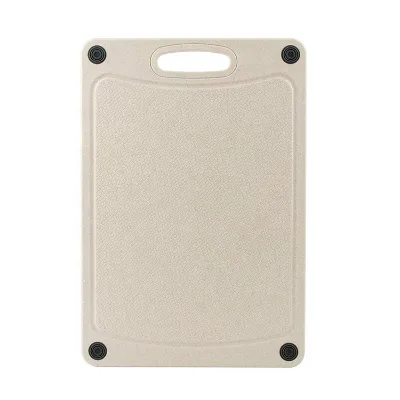
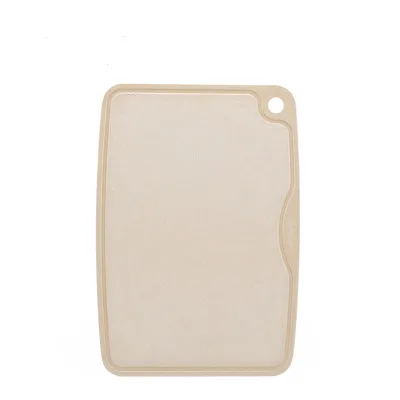
Wheat Straw Wooden Cutting Board Cutting Board Chopping Board Tool Cutting Board
$0.56 - $0.70
MOQ: 450 Pieces

Xiamen Ebei Import & Export Co., Ltd.
- Verified by CTI
- Trading Company,Manufacturer/Factory
- China Fujian
- Lead time45 days
- Avg. response≤ 2h
Main productsEco-Friendly Products, Bamboo Tableware, Bamboo Furniture, Bamboo Kitchenware, Bamboo Office Supply, Bamboo Fibre Products, Biodegradable Products, Bamboo Towel, Solar Energy Products, Bamboo Garden Products
Main marketsSouth America,Eastern Europe,Mid East,North America,Southeast Asia,Eastern Asia,Oceania,Western Europe,Africa


Bamboo Cutting Board with Nesting Rice Fiber Chopping Board for Cooking Prep
Contact supplier
MOQ: 500 Pieces

Xiamen Chengfengxin Industry & Trade Co., Ltd.
- Verified by BV
- Trading Company
- China Fujian
- Lead time23 days
- Avg. response≤ 13h
Main productsBamboo Cutting Board, Bamboo Bathtub Rack Caddy, Bamboo Tablet Computer Desk, Bamboo Kitchenwares Holder Organization, Bamboo Home Storage, Home Office Collection, Eco-Friendly Kitchen Products, Bamboo Kitchen Tools, Bamboo Diffuser, Eco-Friendly Green Products
Main marketsSoutheast Asia/ Mideast,Europe,Australia,North America
Caoxian Fengdan Wood Industry Co., Ltd.
- Verified by SGS Group
- Manufacturer, Trading Company
- Lead time45 days
- Avg. response≤ 1h
Main productsWooden Cutting & Serving Board, Wooden Trays, Wooden Box, Wooden Bowl, Wooden Rack
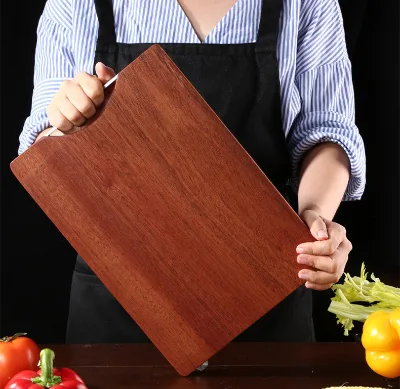
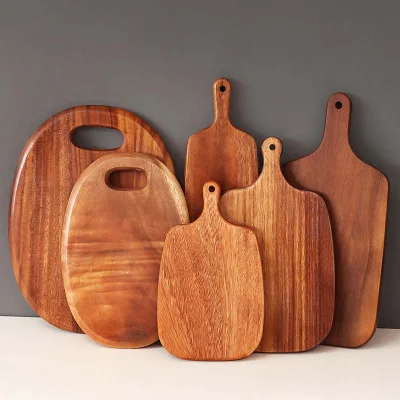
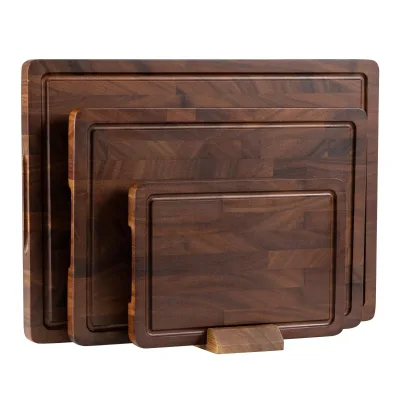
The Factory Is Selling Well Wholesale Custom Black Walnut Wood Cutting Boards with Handle
$5.74 - $6.68
MOQ: 100 pieces

Shijiazhuang Meidi Machinery Co., Ltd.
- Verified by CTI
- Combined
- China Hebei
- Lead time23 days
- Avg. response≤ 7h
Main productsforage harvester
Main marketsDomestic
Youxi Xinghua Bamboo And Wood Product Co., Ltd.
- Manufacturer
- Fujian, China
- Lead time30 days
- Avg. response≤ 6h
Main productsWood & Bamboo Tableware
Main marketsWestern Europe(45.0%), Domestic Market(30.0%), North America(25.0%)
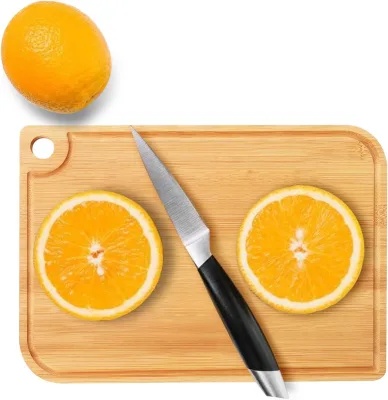
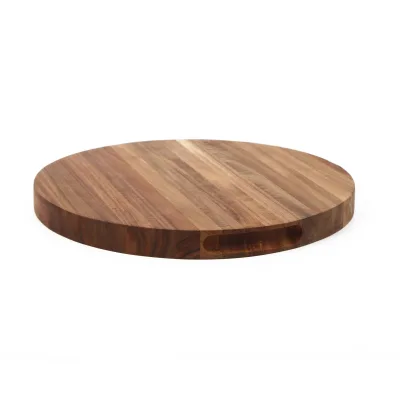
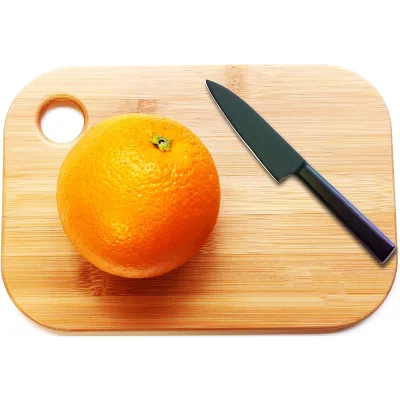
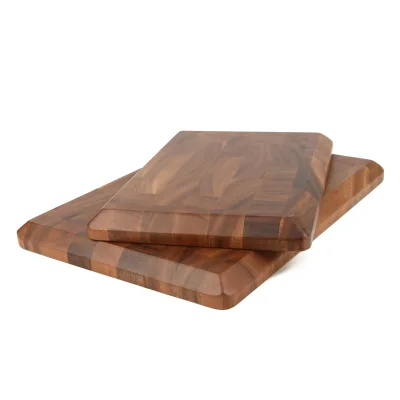
Round Wood Cutting Board ,Wooden Serving Tray Chopping Boards,wood Butcher Board
$5.80
MOQ: 1000 pieces

Shuifu Huiyang Agricultural Technology Co., Ltd.
- Verified by SGS
- Trading Company
- China Yunnan
- Lead time23 days
- Avg. response≤ 2h
Main productsBamboo Products, Bamboo Crafts, Bamboo Chopsticks, Bamboo Skewers, Bamboo Weaving, Bamboo Tray, Bamboo Box, Bamboo Placemat, Bamboo Fruit Bowl, Lamp Shades
Main marketsDomestic

Shaowu Han Well Import and Export Trade Co., Ltd.
- Trading Company
- China Fujian
- Lead time23 days
- Avg. response≤ 8h
Main productsChopping Boards, Serving Boards, Bamboo Skewer, Bamboo Stick, Tray, Cutting Board, Box, Utensil Tool, Bamboo Chopsticks, Coffee Stirrers
Main marketsEast Asia(Japan/ South Korea),Europe,Australia,North America


Original Factory Natural Colour Eco-Friendly Efficient Storage Cutting Board for Cutting Meat
$2.40 - $2.90
MOQ: 500 Pieces


Fuzhou Bridge Trading Co., Ltd.
- Verified by TüVRheinland
- Manufacturer, Trading Company
- Lead time45 days
- Avg. response≤ 2h
Main productsCutting Board, Cheese Board, Bamboo Drawer Organizer, Bath Tray, Bamboo Storage Box
Main marketsNorth America(60%), Western Europe(40%)
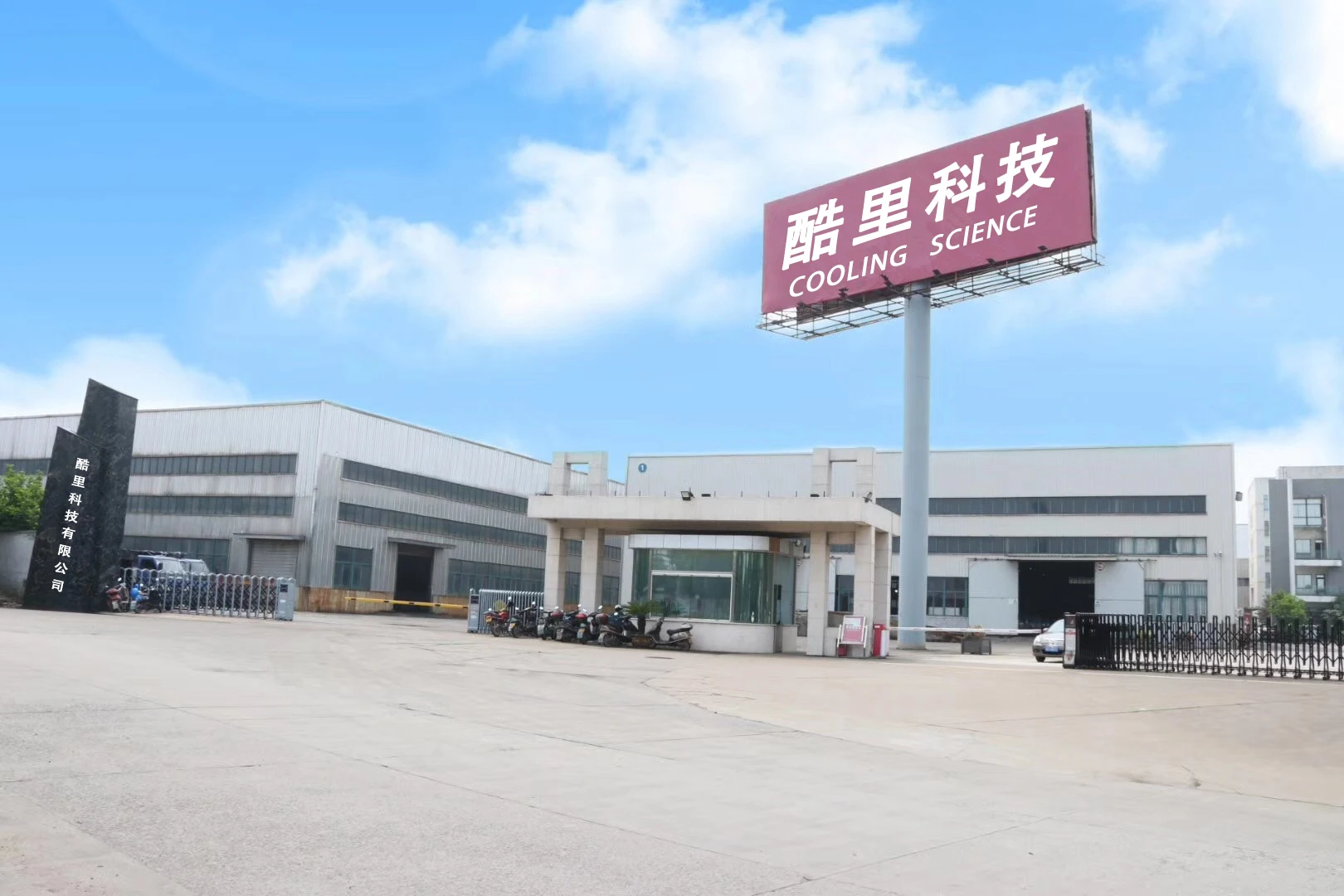
Hefei Cooling Science And Technology Co., Ltd.
- Manufacturer, Trading Company
- Anhui, China
- Lead time50 days
- Avg. response≤ 9h
Main productsTableware,Organizer,Home decoration,Kitchenware,Servingware
Main marketsEastern Europe(25.0%), Western Europe(15.0%), Southern Europe(15.0%), North America(12.0%), Northern Europe(11.0%), Central America(9.0%), Southeast Asia(8.0%), South America(5.0%)
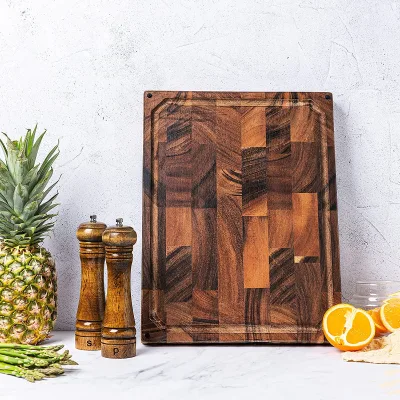
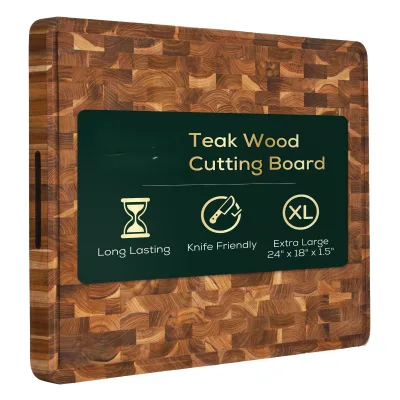
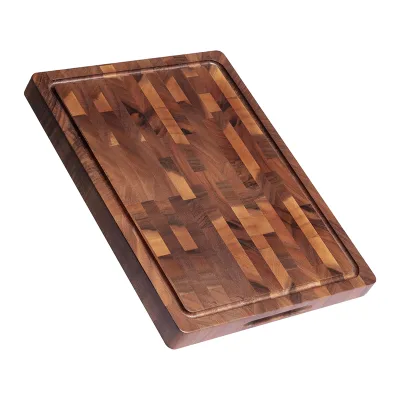
Extra Large Cutting Board Wood Chopping Block Walnut Cutting Board Large End Grain Cutting Board
$14.81 - $15.11
MOQ: 100 sets
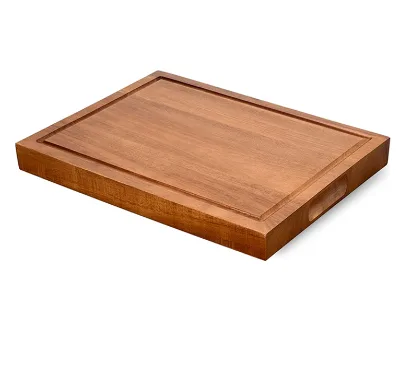
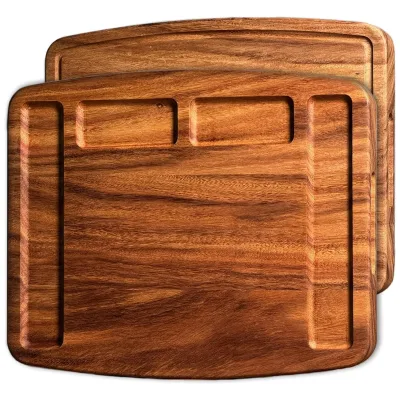
Premium Acacia Wooden Cutting Board Wood Cutting Board Acacia Wood Cutting Board Thickening
$2.07 - $15.48
MOQ: 50 Minimum
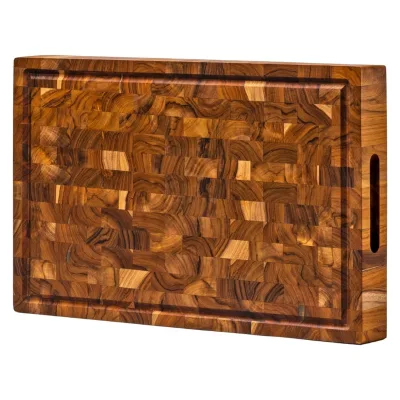

Shaowu City Nafu Bamboo and Wood Industry Co., Ltd.
- Manufacturer
- China Fujian
- Lead time15 days
- Avg. response≤ 18h
Main productsBamboo and Wood Cutting Board Cheese Board, Bamboo and Wood Storage Box, Bamboo and Wood Plate, Bamboo and Wood Tray, Marble Wood Cheese Board, Bamboo and Wood Table, Bamboo and Wood Bathroom Products, Bamboo and Wood Shelf, Bamboo and Wood Kitchen Utensil, Bamboo and Wood Bowl
Main marketsEast Asia(Japan/ South Korea),Domestic,Europe,Australia,North America

NINGBO XUANHENG OUTDOOR & HOME APPLIANCES CO., LTD.
- Trading Company,Manufacturer/Factory
- China Zhejiang
- Lead time45 days
- Avg. response≤ 4h
Main productsWooden Beach Chair, Beach Umbrella, Sling Chair, Wooden Beer Table, Bamboo Home Products, Bamboo Shelf, Canvas Bag, Outdoor Beach Furniture, Art Accessories, Wooden Box
Main marketsSouth America,Eastern Europe,Mid East,North America,Southeast Asia,Eastern Asia,Oceania,Western Europe,Africa

Xiamen Forever Rise Imp and Exp Co., Ltd.
- Verified by BV
- Trading Company
- China Fujian
- Lead time23 days
- Avg. response≤ 17h
Main productsBamboo Plywood, Bamboo Panel, Bamboo Chopping Board, Bamboo Pizza Board, Bamboo Kitchenwares, Bamboo Weaving Mat, Bamboo Table Top, Bamboo Skewer Sticks, Outdoor Bamboo Decking, Outdoor Wall Panel
Main marketsSoutheast Asia/ Mideast,East Asia(Japan/ South Korea),Europe,Australia,North America
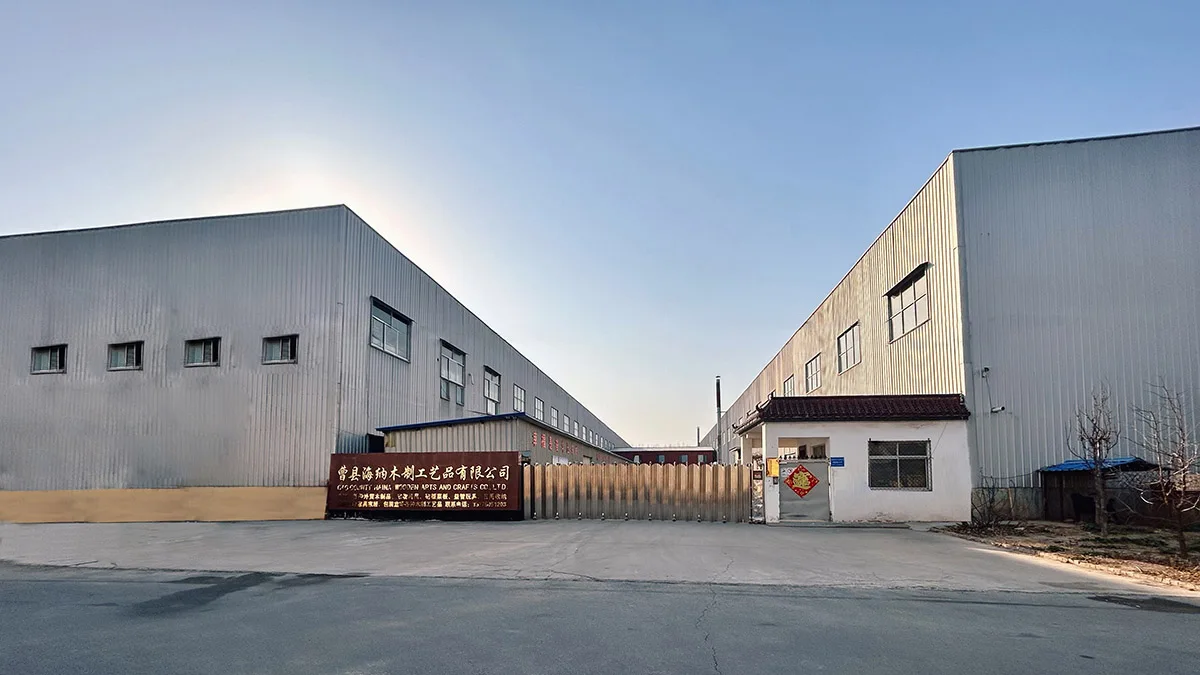
Caoxian Haina Wooden Arts And Crafts Co., Ltd.
- Manufacturer, Trading Company
- Shandong Province, China
- Lead time30 days
- Avg. response≤ 1h
Main productsCutting Boards,Trays,Storage box,Puzzle Accessories,Cornhole Sets
Main marketsNorth America(30.0%), Central America(10.0%), Western Europe(10.0%), Eastern Asia(10.0%), Domestic Market(10.0%), Eastern Europe(10.0%), South America(10.0%), Southeast Asia(5.0%), Southern Europe(5.0%)

- Manufacturer, Trading Company
- Anhui, China
- Lead time30 days
- Avg. response≤ 3h
Main productsWooden Decorations/Wooden Garden Supplies/Wooden Dough Bowl/Wooden Kitchen Supplies,Wooden Home Furniture
Main marketsNorth America(30.0%), Western Europe(20.0%), South America(15.0%), Oceania(10.0%), Northern Europe(10.0%), Mid East(10.0%), Eastern Asia(5.0%)
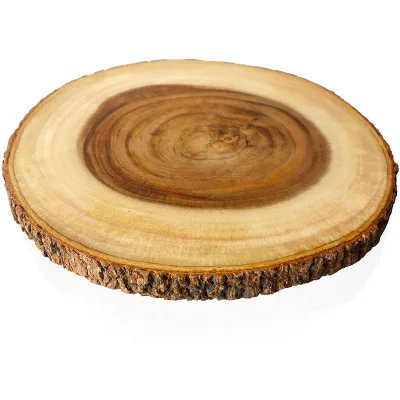
Hand Crafted End Grain Cutting Board with Bark Made From Sustainable Wood
$6.58 - $7.20
MOQ: 60 pieces
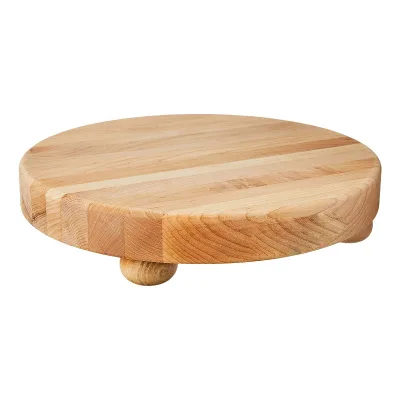
Cao County Lianchuang Wood Craft Packaging Co., Ltd.
- Verified by SGS Group
- Manufacturer, Trading Company
- Lead time30 days
- Avg. response≤ 2h
Main productsWooden Pallets, Wooden Cutting Boards, Wooden Jars, Kitchen Storage Rack, Wooden Crafts
Main marketsDomestic Market(100%)






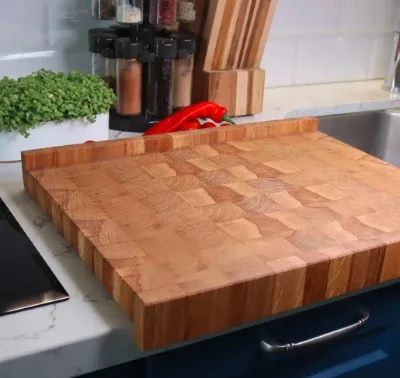
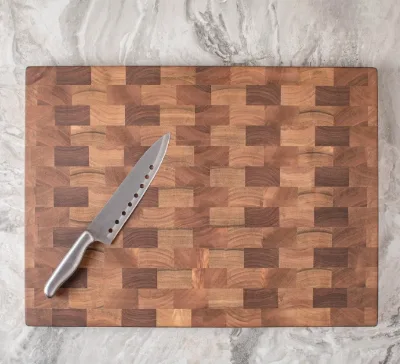
![End Grain Butcher Block Cutting Board [1.5" Thick]. Made of Acacia Wood and Conditioned](https://file.focusaim.com/api/image/preview/96dfc193ca859f9999dfdc11b1916108.png?bi=true&local=true)
Comprehensive Sourcing Guide
Eco-Friendly Rice Husk Cutting Board Supplier Concentration and Factory Types
Current data indicates a concentration of suppliers in Zhejiang, China, specifically within the plastic products sector. This region hosts both trading companies and manufacturers offering rice husk fiber cutting boards, with product origins consistently listed as Zhejiang. Buyers should verify if a supplier is a direct factory or a trading company by examining their main product list and company type designation. Some entities list diverse plastic items like storage containers alongside cutting boards, which may suggest a trading model rather than specialized manufacturing.
When assessing factory types, look for explicit mentions of production capabilities versus sales-only operations. A trading company might aggregate products from various factories, while a manufacturer would typically list specific machinery or material processing details. The presence of "Plastic Products" as a main product category alongside rice husk boards suggests a broader manufacturing scope. Buyers must confirm whether the supplier controls the entire production line or merely sources finished goods. This distinction impacts quality control and customization flexibility for eco-friendly materials.
How to Verify Eco-Friendly Rice Husk Cutting Board Suppliers
Verification begins with checking for recognized third-party certifications such as TÜV Rheinland, which appears in the current supplier data. This certification serves as a concrete indicator of compliance with specific safety and quality standards. Buyers should request valid certificates for FDA and LFGB, which are explicitly mentioned in product attributes for certain rice husk boards. These documents confirm the material safety for food contact and ensure the product meets international regulatory requirements. Do not rely on self-declared claims without supporting documentation from accredited bodies.
Response time and verification status are also critical indicators of supplier reliability. Data shows response times varying from 4 hours to nearly 20 hours, which can signal operational efficiency. A supplier with a verified badge and a rapid response time is generally more trustworthy for urgent orders. Buyers should also check the establishment year if available, though this specific data point is not currently visible in all records. Always cross-reference the supplier's claimed credentials with independent verification services before proceeding with any transaction.
What to Compare Across Eco-Friendly Rice Husk Cutting Board Suppliers
Comparing suppliers requires a detailed analysis of Minimum Order Quantities (MOQ) and pricing structures. Current listings show significant variation, with MOQs ranging from 40 pieces to 1,000 pieces depending on the specific product model. Prices also fluctuate, with some items listed at $1.60 and others at $4.39. Buyers must align these figures with their budget and volume requirements, noting that lower MOQs often come with higher unit costs. It is essential to calculate the total landed cost, including shipping, rather than focusing solely on the unit price.
Lead times and response speeds are equally vital for supply chain planning. Observed lead times span from 15 days to 23 days, while response times vary significantly between suppliers. A supplier with a 15-day lead time may be preferable for urgent restocking, whereas a 23-day lead time might suit long-term planning. Additionally, compare packaging details, such as single piece packages versus bulk cartons, as this affects storage and shipping efficiency. Ensure that the supplier's capacity matches your projected demand to avoid delays.
Common Eco-Friendly Rice Husk Cutting Board Sourcing Risks
One primary risk involves material authenticity and consistency. While many products claim to be made from rice husk fiber, the actual material composition can vary between suppliers. Some listings specify "Other" as the material type, which requires further clarification to ensure the eco-friendly claim is valid. Buyers should request material test reports to confirm the percentage of rice husk fiber versus plastic binders. Inconsistent material quality can lead to product failure, such as warping or excessive absorption, which undermines the product's utility.
Another significant risk is the discrepancy between advertised features and actual product performance. Attributes like "antibacterial" or "non-absorbent" are common claims, but without specific test data, these remain unverified. Some products list "Muti-purpose" functions, yet the physical dimensions and shape may not suit all kitchen tasks. Buyers must verify that the product shape, size, and thickness match their specific operational needs. Relying solely on marketing keywords without physical samples or detailed specifications can result in receiving goods that do not meet expectations.
Eco-Friendly Rice Husk Cutting Board Regional Sourcing and Logistics
Sourcing from Zhejiang, China, offers logistical advantages due to established manufacturing clusters and port access. The region's concentration of plastic product manufacturers facilitates efficient production and shipping coordination. However, buyers must account for the specific shipping dimensions and weights provided in product attributes, such as single package sizes and carton weights. These details are crucial for calculating freight costs and determining the optimal shipping method, whether by sea or air. Inaccurate logistics planning can lead to unexpected expenses and delivery delays.
Logistics planning also involves understanding the packaging requirements for international transport. Some suppliers offer shrink wrap packaging, while others use carton boxes with specific dimensions like 45x32x22 cm. Buyers should verify if the packaging is robust enough to prevent damage during transit, especially for heavy items like chopping blocks. Additionally, consider the impact of seasonal shipping rates and customs regulations in the destination country. Ensuring that the supplier's packaging meets international standards will help streamline the import process and reduce the risk of cargo damage.
Eco-Friendly Rice Husk Cutting Board Commercial Terms and Order Planning
Commercial terms regarding customization and branding are key factors in order planning. Many suppliers offer customized logos and colors, which is essential for private label development. However, the availability of these services often depends on meeting specific MOQ thresholds, such as 1,000 pieces for some models. Buyers should confirm the lead time for custom orders, as these may exceed standard production times. Clear communication regarding design files and approval processes is necessary to avoid production errors and ensure brand consistency.
Payment terms and escrow services provide financial security for both parties. While specific escrow details are not always visible, using a secure payment platform is recommended to protect funds until delivery. Buyers should also clarify the payment schedule, such as deposits and balance payments, to manage cash flow effectively. Understanding the return policy and warranty terms is equally important, especially for bulk orders. A clear agreement on these commercial terms helps mitigate financial risks and ensures a smooth transaction from order placement to final delivery.
FAQs
What is the minimum order quantity for rice husk cutting boards?
The minimum order quantity varies by product, ranging from 40 pieces to 1000 pieces. Some listings require 40 pieces for specific models, while others mandate 1000 pieces for standard eco-friendly options. Buyers should check individual product pages to confirm the exact MOQ before placing an order.
Where are these eco-friendly cutting boards manufactured?
All observed products originate from Zhejiang, China. This region is a known hub for plastic and kitchenware manufacturing. The consistent place of origin across multiple listings confirms that suppliers in this area produce these rice husk fiber boards for international export.
What is the typical lead time for these cutting boards?
Lead times generally range from 15 to 23 days depending on the supplier and order volume. Some listings specify a 15-day production window, while others indicate up to 23 days. Buyers should verify the specific delivery timeline with the supplier before finalizing purchase agreements.
Are these cutting boards certified for food safety?
Yes, certain models hold FDA and LFGB certifications for food safety compliance. These certifications ensure the materials meet international standards for kitchenware. Buyers should request proof of these specific certificates to verify that the products are safe for direct food contact.
What is the price range for rice husk cutting boards?
Prices typically range from 1.60 to 4.39 USD per unit based on the specific model and quantity. Lower prices often apply to larger orders, while specialized features may increase the cost. The final price depends on the selected size, customization options, and total order volume.
Do suppliers offer customized logos on these boards?
Customized logos are available on many of the listed rice husk cutting boards. Suppliers indicate that branding can be tailored to meet specific buyer requirements. This option allows businesses to add their own identity to the product for retail or promotional purposes.
How quickly do suppliers typically respond to inquiries?
Response times vary, with some suppliers replying within 4 hours and others taking up to 20 hours. Faster response times are common for active trading companies. Buyers should expect a reply within a day but should check individual supplier profiles for their specific average response speed.