IP68 4G Fitness Smartwatch Suppliers and Manufacturers
Compare 15 verified suppliers offering IP68 4G Fitness Smartwatch with OEM capabilities and ISO 9001 certification. Review response times, lead times, and pricing to source directly from Guangdong factories; review the available evidence before requesting comparable quotations from suitable candidates.
Suppliers List

Shenzhen Yangsheng Technology Co., Ltd.
- Verified by TUVRHEINLAND
- Manufacturer/Factory
- China Guangdong
- Lead time15 days
- Avg. response≤ 12h
Main productsSmart Watch, Smart Ring, Smartwatches, Watch, Ring, LED, LED Lighting, LED High Bay Light, LED Light, Solar LED Light
Main marketsSouth America,Eastern Europe,Mid East,North America,Southeast Asia,Eastern Asia,Oceania,Western Europe,Africa


IP68 Waterproof Electronic Compass Health Monitoring Smart Watch Smartwatch
$1.00 - $28.00
MOQ: 1 Pieces


Shenzhen Domino Times Technology Co., Ltd.
- Manufacturer
- Guangdong, China
- Lead time5 days
- Avg. response≤ 5h
Main productsSmart Watches,Smart Bracelets
Main marketsSouthern Europe(18.00%), Western Europe(17.00%), North America(15.00%), South Asia(5.00%), Eastern Europe(5.00%), Northern Europe(5.00%), Central America(5.00%), South America(5.00%), Eastern Asia(5.00%), Mid East(5.00%), Oceania(5.00%), Africa(5.00%), Southeast Asia(5.00%)
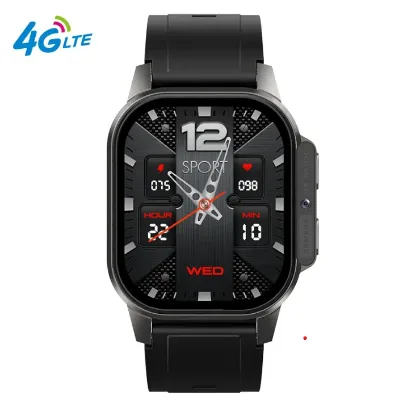
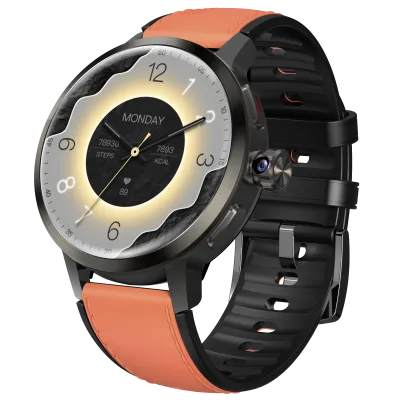
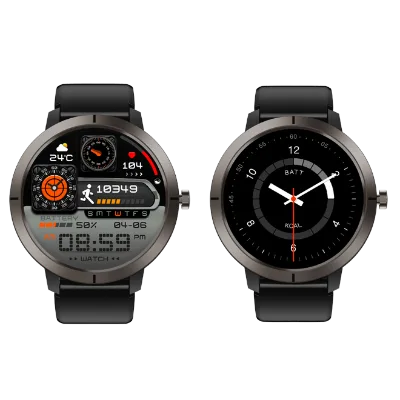
OEM Custom Touch Screen Smart Watch Sim Fitness Tracker Health Care 4g Smartwatch DM62
$40.05 - $43.13
MOQ: 1 pieces
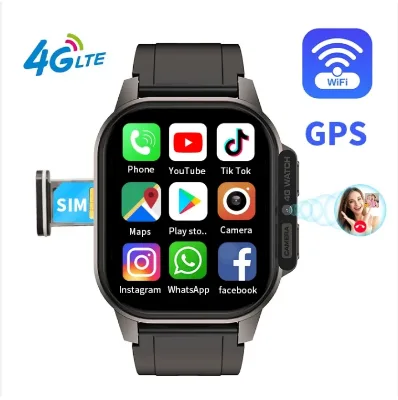
DM62 LTE 4G Network Wearable Devices Smart Watch IP67 Waterproof Muti-functional Smartwatch
$39.89 - $43.98
MOQ: 1 pieces

Shandong Kaer Electric Co., Ltd.
- Verified by SGS
- Combined
- China Shandong
- Lead time45 days
- Avg. response≤ 2h
Main productsFixed Wireless Phone, 5g CPE, Android Video Phone, 4G CPE, Payphone
Main marketsSouth America,Southeast Asia/ Mideast,Europe,North America

Huizhou Simba Technology Co., Ltd.
- Verified by CTI
- Manufacturer/Factory
- China Guangdong
- Lead time15 days
- Avg. response≤ 8h
Main productsSmart Sweeping Robot, Ai Glasses, 4G Smart Watch, Smart Watch, Bluetooth Earphone, Charger, Cable, Bluetooth Speaker, Microphone
Main marketsSouth America,Eastern Europe,Mid East,North America,Southeast Asia,Eastern Asia,Oceania,Western Europe,Africa


Montre Connecte Ultra 4G Smartwatch Fitness SIM Card Supported Smart Watch
$24.30 - $24.50
MOQ: 100 Pieces


Yuanzhou Wisdom (Shenzhen) Technology Co., Ltd.
- Manufacturer/Factory
- China Guangdong
- Lead time0 days
- Avg. response≤ 2h
Main productsHeadphones, Ai Glasses, Action Camera, Watch

4G Fitness Tracker Smart Watch with Blood Pressure Monitoring Function
$22.33 - $110.00
MOQ: 100 Pieces


Jungle Electronic Technology Co., Limited
- Manufacturer, Trading Company
- Guangdong, China
- Lead time0 days
- Avg. response≤ 9h
Main productsCCTV camera,Car dash camera,Hidden camera,Miner,Detector
Main marketsSouthern Europe(16.00%), Northern Europe(15.00%), Western Europe(10.00%), North America(10.00%), Mid East(10.00%), Eastern Europe(10.00%), South America(5.00%), Oceania(5.00%), Africa(5.00%), Southeast Asia(5.00%), South Asia(3.00%), Domestic Market(2.00%), Central America(2.00%), Eastern Asia(2.00%)

- Verified by TUVRHEINLAND
- Trading Company
- China Zhejiang
- Lead time15 days
- Avg. response≤ 10h
Main productsSport Wear, Yoga Pants, Sports Bra, Sports Cap, Waist Bag, Sports Sock, Sports Towel, Quick Dry Clothes, Yiwu Buying Agent, Sourcing Agent
Main marketsSouth America,Europe,North America

Dongguan Vionix Smart Tech Co., Ltd
- Verified by SGS
- Trading Company
- China Guangdong
- Lead time15 days
- Avg. response≤ 1h
Main productsPlasma Ball, Air Purifier, Smart Glasses, Smart Watch, Smart Speaker, Smart Tracker, Smart Camera, Night Light, Smart Ring, Smart Earphone
Main marketsDomestic

Sleep Monitor Heart Rate Monitor Smart Watches IP67 Fitness Tracker Smart Bracelet
$2.88 - $3.50
MOQ: 1 Pieces


Shenzhen Tina Nis Electronics Co., Ltd.
- Verified by SGS
- Trading Company
- China Guangdong
- Lead time15 days
- Avg. response≤ 8h
Main productsEarphone, Headphone, Adapter, Phone Case, Speaker, Stylus, Earbuds
Main marketsEurope


$13.58 - $14.58
MOQ: 50 Pieces

GuangZhou Ronc Electronic Technology co.,LTD
- Verified by TUVRHEINLAND
- Manufacturer/Factory,Group Corporation
- China Guangdong
- Lead time15 days
- Avg. response≤ 5h
Main productsBlank CD DVD, Power Bank, USB Flash Drive, Portable Power Station, Memory Card, Smart Ring, Earphone, Hard Drive, CD DVD Duplicator, Mini PC
Main marketsSouth America,Eastern Europe,Mid East,North America,Southeast Asia,Eastern Asia,Oceania,Western Europe,Africa

IP68 Waterproof TFT Screen Smart Watches with Phone Call Heart Rate Fitness Monitor
$7.00 - $11.00
MOQ: 2 Pieces

Sport GPS Multiple Functional Wearable Smartwatch with Activity Tracker Waterproof IP68
$15.80 - $18.80
MOQ: 20 Pieces

Dongguan kailexin trading co., LTD
- Trading Company
- China Guangdong
- Lead time15 days
- Avg. response≤ 6h
Main productsPower Bank, Bluetooth Speaker, Bluetooth Earphone, Phone Screen Protector, Phone Case, Car Dash Cam, Smart Watch, Smart Glasses, 4G Camera, Phone Holder
Main marketsSoutheast Asia/ Mideast

Quanzhou E-Best International Trade Co., Ltd.
- Verified by BV
- Trading Company
- China Fujian
- Lead time30 days
- Avg. response≤ 6h
Main productsBluetooth Speaker, Phone Case, Power Bank, Beauty Device, Portable Projector, IP Poe Camera, Mouse, Air Fryer, Razors, Wireless Headphones
Main marketsNorth America

$23.50 - $26.40
MOQ: 1000 Pieces

Smart Watch Outdoor Smart Watch New Sports Watch Heart Rate Monitoring Sports
$21.00 - $24.20
MOQ: 1000 Pieces

Shenzhen Viqee Technology Co., Ltd.
- Combined
- China Guangdong
- Lead time15 days
- Avg. response≤ 11h
Main productsMobile Phone, Phone Accessories / Parts, Machines, R&D OEM /ODM, Electronics, Cellular Phone, Phone, 4G Mobile Phone, Smartphone, Smart Phone
Main marketsSouth America,Africa,Southeast Asia/ Mideast,East Asia(Japan/ South Korea),Europe,Australia,North America

Camera Video WiFi Heart Rate SIM Card Fitness Tracker Android Smart Watch
$52.00 - $55.00
MOQ: 1 Pieces

Multifunction Unisex Amoled Display Bt Call Heart Rate Fitness Sport Smartwatch
$23.00 - $25.00
MOQ: 1 Pieces


Guangzhou Wonderfone International Co., Ltd.
- Verified by CTI
- Trading Company
- China Guangdong
- Lead time15 days
- Avg. response≤ 17h
Main productsMobile Phone LCD, Mobile Phone Accessories, Wireless Power Bank, Power Bank, Mobile Phone Case, Mobile Phone Silicone Case, Unlock Boxes, Tempered Glass, Mobile Phone Charger, Mobile Phone Holder
Main marketsSouth America,Europe,North America


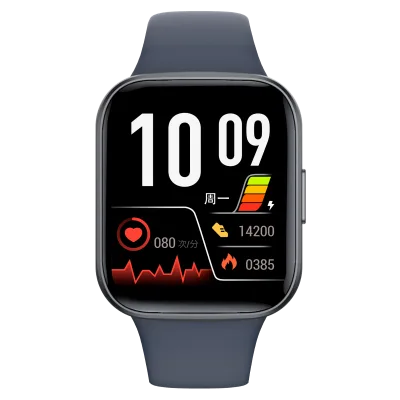
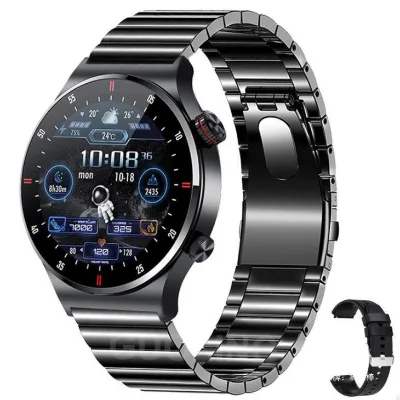
Activity Smart Watch with Heart Rate Blood Pressure Monitor Fitness Tracker M4
$3.10 - $4.40
MOQ: 50 Pieces


- Verified by SGS
- Trading Company
- China Guangdong
- Lead time15 days
- Avg. response≤ 9h
Main productsConsumer Electronics, Car Accessories, Mini Thermal Printers, Garden Lights, Lawn Mower Accessories, Portable Speakers, Digital Camera, Mini Projectors
Main marketsOthers(foreignTradeCapacity.exportBusinessCapacityMarketOther),Europe




Comprehensive Sourcing Guide
IP68 4G Fitness Smartwatch Supplier Concentration and Factory Types
Current supplier data indicates a concentration of manufacturing capabilities within China, specifically in the Guangdong region. This area hosts a significant number of factories specializing in consumer electronics, including smart watches, smart rings, and LED lighting solutions. The primary company type observed is the Manufacturer or Factory, which suggests direct control over the production line rather than a trading company model. These entities often list main products that include various wearable devices such as smartwatches, fitness trackers, and related electronic accessories. The presence of OEM and ODM capabilities confirms that these facilities are equipped to handle custom design requests and private mold development for clients seeking unique product specifications.
When evaluating the factory types, buyers should look for specific indicators of manufacturing depth beyond simple assembly. The observed data shows that some suppliers offer private mold services, which is a strong signal of a dedicated production facility capable of customizing casing, internal components, and software integration. While the data confirms the existence of manufacturers in Guangdong, it does not provide a complete map of all industrial clusters. Buyers should verify if a supplier's facility is located within a known electronics hub by requesting a physical address and cross-referencing it with local industrial zones. This verification step ensures that the supplier is not merely a reseller operating out of a different region, which could impact lead times and communication efficiency during the production process.
How to Verify IP68 4G Fitness Smartwatch Suppliers
Verification of supplier credentials is critical when sourcing complex electronics like 4G fitness smartwatches. The available data highlights specific verification statuses, such as TUVRHEINLAND, which serves as an external validation of the supplier's operational integrity. Additionally, system certifications like ISO 9001 are present in the records, indicating adherence to international quality management standards. Buyers must confirm that these certifications are current and applicable to the specific product lines being sourced, as a general factory certification might not cover specialized R&D or specific manufacturing processes required for 4G connectivity and health monitoring features.
Beyond static certifications, dynamic verification metrics such as response time and verification badges provide insight into supplier reliability. The observed response times vary, with some suppliers showing a response time of 5 days while others take nearly 12 days. A faster response time often correlates with better communication channels and more active account management, which is essential for resolving technical queries regarding 4G network compatibility or IP68 waterproofing standards. Buyers should also check for the Declaration of Conformity or EAA Exemption Statements, which are listed in some supplier profiles. These documents are vital for ensuring that the electronic devices meet regulatory requirements for the target market, particularly concerning radio frequency emissions and safety standards for wearable devices.
What to Compare Across IP68 4G Fitness Smartwatch Suppliers
Comparing suppliers requires a detailed analysis of operational metrics such as lead time, minimum order quantity, and pricing structures. The data reveals a wide range in lead times, with some suppliers offering a 5-day turnaround while others require 15 days. This variance significantly impacts inventory planning and time-to-market strategies. Similarly, the Minimum Order Quantity (MOQ) fluctuates dramatically, ranging from as low as 1 unit to as high as 1000 units. Buyers must align these MOQs with their sales volume forecasts to avoid overstocking or incurring excessive per-unit costs. Pricing also varies, with observed ranges starting from $1.00 up to over $43.00 depending on the specific model features, such as the inclusion of 4G networks, GPS, or advanced health sensors.
Product attributes and customization options form another critical comparison dimension. The observed product evidence shows that many suppliers offer customization, including options for display types like AMOLED or IPS, and material choices such as silicone or zinc alloy. Some models support specific operating systems like Android 8.1, while others focus on basic fitness tracking. Buyers should compare the specific technical specifications, such as battery capacity, screen resolution, and camera quality, to ensure they match their product requirements. Additionally, the availability of SDKs and support for 5G or 3G networks should be verified, as these features differentiate high-end models from entry-level devices. Ensuring that the supplier can meet these specific technical demands is essential for maintaining product quality and market competitiveness.
Common IP68 4G Fitness Smartwatch Sourcing Risks
One significant risk in sourcing 4G fitness smartwatches involves the discrepancy between advertised features and actual product performance. While product listings may claim IP68 waterproofing, some observed data indicates an IP67 rating for certain models, which represents a lower level of dust and water resistance. Buyers must rigorously verify the exact waterproof standard through third-party testing reports rather than relying solely on marketing descriptions. Similarly, the claim of 4G network support requires confirmation of the specific network bands supported by the device to ensure compatibility with local carriers in the destination market. Failure to validate these technical specifications can lead to product returns and reputational damage.
Another risk pertains to the consistency of supply and the reliability of the manufacturing process. The observed data shows varying response times and lead times, which can indicate potential bottlenecks in production or communication. If a supplier has a long lead time or slow response, it may struggle to meet urgent order deadlines or address quality issues promptly. Furthermore, the presence of different certifications, such as ISO 9001 versus EAA Exemption Statements, suggests that not all suppliers adhere to the same rigorous quality control protocols. Buyers should assess the supplier's track record for consistency and their ability to maintain quality standards across large production runs to mitigate the risk of receiving substandard or non-compliant goods.
IP68 4G Fitness Smartwatch Regional Sourcing and Logistics
The regional concentration of suppliers in Guangdong, China, offers logistical advantages but also presents specific challenges for international buyers. This region is a major hub for electronics manufacturing, providing access to a robust supply chain for components like batteries, screens, and chips. However, the distance from the manufacturing site to the buyer's destination can impact shipping costs and delivery times. Buyers should calculate the total landed cost, including freight, insurance, and customs duties, to ensure the final price remains competitive. The observed data confirms that the place of origin is consistently listed as China, which simplifies the identification of the supply chain origin but requires careful planning for import regulations.
Logistics planning must also account for the specific packaging and handling requirements of electronic devices. The product evidence indicates that items are often packed in gift boxes, which may require additional protection during transit to prevent damage. Buyers should verify the single package size and gross weight to optimize container loading and reduce shipping expenses. Additionally, the variability in lead times observed in the data suggests that production schedules can fluctuate, potentially affecting the timing of shipments. Establishing a clear communication channel with the supplier to track production progress and coordinate logistics is essential to ensure that goods arrive on time and in good condition, minimizing the risk of delays that could disrupt the supply chain.
IP68 4G Fitness Smartwatch Commercial Terms and Order Planning
Commercial terms and order planning are pivotal for managing the financial and operational aspects of sourcing 4G fitness smartwatches. The observed data shows a wide price range, from $1.00 to over $43.00, which necessitates a clear understanding of the pricing structure and volume discounts. Buyers should negotiate based on the specific model requirements and order quantities to secure favorable terms. The Minimum Order Quantity (MOQ) varies significantly, with some suppliers accepting orders as low as one unit, while others require 1000 units. Understanding these thresholds is crucial for aligning order sizes with budget constraints and inventory management strategies.
Order planning must also consider the customization capabilities and production lead times. The data indicates that many suppliers offer OEM and ODM services, allowing for tailored product designs. However, customization often extends the lead time, which can range from 5 to 15 days or more depending on the complexity of the request. Buyers should factor in these timelines when planning their product launches and marketing campaigns. Additionally, the response time of the supplier, which varies from 5 to 12 days, should be considered when setting expectations for communication and issue resolution. Establishing a detailed order plan that includes production schedules, quality checks, and shipping timelines will help ensure a smooth procurement process and successful market entry.
FAQs
What is the price range for IP68 4G fitness smartwatches?
Prices for these devices range from 1.00 to 43.13 dollars per unit depending on the specific model and customization options. Some basic models start at one dollar, while advanced units with 4G capabilities and larger screens can reach over forty dollars. Buyers should verify exact pricing based on their required quantity and feature set.
What are the typical lead times for these smartwatches?
Lead times for manufacturing these devices vary between five and fifteen days based on the supplier and order volume. Some manufacturers offer a quick turnaround of five days, while others may require up to fifteen days to complete production. Buyers should confirm the specific delivery schedule with the supplier before placing an order.
Do suppliers offer customization for these smartwatches?
Yes, customization is available for many models including OEM and ODM services. Suppliers can adjust features like display types, materials, and branding to meet specific buyer requirements. Buyers should check the product attributes to confirm if custom packaging or specific functional additions are supported for their chosen model.
What certifications do these smartwatch manufacturers hold?
Manufacturers in this category often hold ISO 9001 certification and may provide EAA Exemption Statements or Declarations of Conformity. Some suppliers also undergo verification by third-party agencies like TÜV Rheinland to ensure quality standards. Buyers should request specific certification documents to verify compliance with their regional safety regulations.
What is the minimum order quantity for these watches?
Minimum order quantities vary significantly, ranging from one unit for sample orders to one thousand units for bulk purchases. Some listings allow a single unit purchase, while others require a minimum of one hundred or one thousand pieces. Buyers must check the specific product listing to determine the applicable MOQ for their needs.
Where are these smartwatch manufacturers located?
Most manufacturers producing these devices are located in Guangdong, China. This region is a major hub for consumer electronics and wearable technology production. Buyers should verify the specific factory location to assess shipping logistics and potential tariffs associated with importing goods from this area.
How quickly do suppliers typically respond to inquiries?
Response times for these suppliers generally range from five to twelve hours based on the specific vendor. Some manufacturers respond within five hours, while others may take up to twelve hours to reply to initial inquiries. Buyers should expect a response within this window and follow up if no reply is received.