Electric Ice Pop Filling Machine Suppliers and Manufacturers
Compare 20 verified Electric Ice Pop Filling Machine suppliers in China Jiangsu and Shanghai. Review lead times, response times, certifications, and pricing to source the right equipment for your production line today; review the available evidence before requesting comparable quotations from suitable candidates.
Suppliers List

Zhangjiagang Genyond Machinery Co., Ltd.
- Verified by CTI
- Combined
- China Jiangsu
- Lead time30 days
- Avg. response≤ 10h
Main productsEssential Oil Distiller, Solvent Extraction Machine, Milk Processing Machine, Fruit Vegetable Processing Machine, Nuts Processing Machine, Filling Machine, Packing Machine, Fish Meat Processing Machine, Snack Food Making Machine
Main marketsSouth America,Africa,Others(foreignTradeCapacity.exportBusinessCapacityMarketOther),Southeast Asia/ Mideast,East Asia(Japan/ South Korea),Domestic,Europe,Australia,North America

Shanghai Genyond Technology Co., Ltd.
- Verified by CTI
- Combined
- China Shanghai
- Lead time30 days
- Avg. response≤ 10h
Main productsEssential Oil Machine, Drying Machine, Fruit Juice Machine, Fruit Jam Machine, Milk Machine, Fruit Chips Machine, Filling Packing Machine, Evaporator, Yogurt Machine, Ice Cream Machine
Main marketsSouth America,Africa,Others(foreignTradeCapacity.exportBusinessCapacityMarketOther),Southeast Asia/ Mideast,East Asia(Japan/ South Korea),Domestic,Europe,Australia,North America


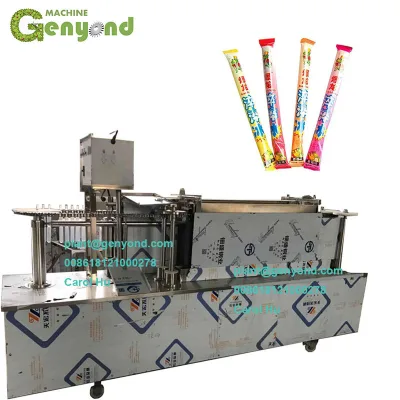
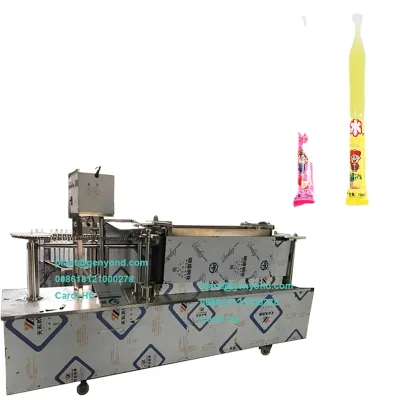
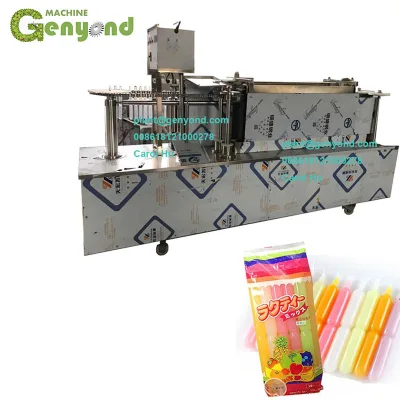
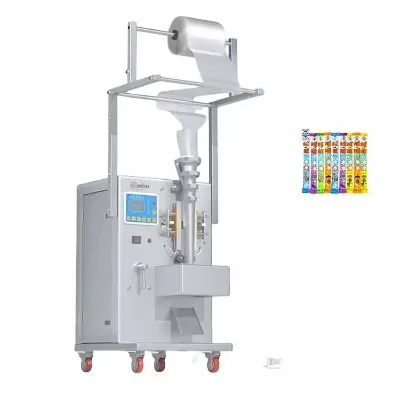
Factory Genyond Ice Lolly Ice Pop Tube Full Auto Filling and Sealing Machine
$3900.00 - $6500.00
Moq: 1


Zhejiang Huili Machinery Co., Ltd.
- Verified by SGS Group
- Manufacturer, Trading Company
- Lead time45 days
- Avg. response≤ 6h
Main productsPacking Machine
Main marketsAfrica(45%), South America(20%), North America(15%)

Shanghai Keyfood Machinery Co., Ltd.
- Verified by BV
- Trading Company,Manufacturer/Factory
- China Shanghai
- Lead time45 days
- Avg. response≤ 4h
Main productsFood Machine, Instant Coffee Line, Juice Production Line, Cheese Making Machine, Packing Machines, Pancake Making Machine, Waffle Production Line, Candy Making Machine, Biscuit Production Line
Main marketsSouth America,Eastern Europe,Mid East,North America,Southeast Asia,Eastern Asia,Oceania,Western Europe,Africa
Xiamen Liton Technology Co., Ltd.
- Manufacturer/Factory
- China Fujian
- Lead time15 days
- Avg. response≤ 1h
Main productsLiquid Packaging Machine, Paste Packaging Machine, Powder Granule Packaging Machine, Cartoning Machine, Filling Machine
Main marketsSouth America,Eastern Europe,Mid East,North America,Southeast Asia,Eastern Asia,Oceania,Western Europe,Africa

Automatic Ice Pop Machine Packaging Popsicle Forming Filling Sealing Production Line Machine
$870.00 - $900.00
Moq: 1

Customized Multi-Functional Automatic Ice Pop Liquid Filling and Packaging Machine
$870.00 - $900.00
Moq: 1

Automatic Plastic Popsicle and Ice Lolly Filling and Sealing Packaging Machine
$675.00 - $700.00
Moq: 1


Antler Automation Equipment (Suzhou) Co., Ltd.
- Verified by SGS
- Combined
- China Jiangsu
- Lead time30 days
- Avg. response≤ 4h
Main productsFruit and Vegetable Processing Machine, Dairy Food Processing Machine, Herb Extraction and Concentration Machine, Sterilization Machine, Filling and Packing Machine
Main marketsAfrica,Domestic,Europe


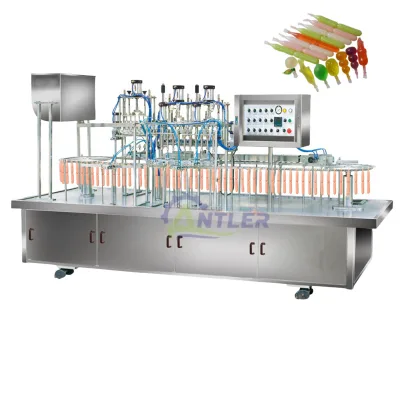
Factory Price Ice Lolly Machine Automatic Packing Ice Pop Filling Sealing Machine
$9800.00 - $12800.00
Moq: 1


Popsicle Yogurt Soft Bottle Filling and Sealing Machine for Ice Lolly or Ice Pop
$9800.00 - $12800.00
Moq: 1
Zhengzhou Hongle Machinery Equipment Co., Ltd.
- Verified by SGS Group
- Manufacturer, Trading Company
- Lead time15 days
- Avg. response≤ 6h
Main productsFruit and Vegetables Production Line, Chicken Feet Production Line, Packing Machine Production Line, Nut Processing Line, Frying Production Line
Main marketsCentral America(20%), Africa(15%), Southern Europe(10%)

WENZHOU NEWSMART MACHINERY CO., LTD
- Verified by BV
- Manufacturer/Factory
- China Zhejiang
- Lead time30 days
- Avg. response≤ 7h
Main productsPaper Cup Making Machine, Paper Cup Forming Machine, Cup Making Machine, Paper Cup Machine, Paper Bowl Machine, Cup Packing Machine, Packaging Machine
Main marketsSouth America,Eastern Europe,North America,Southeast Asia,Eastern Asia,Western Europe

Electric Filling and Sealing Newsmart Wooden Case Ice Pop Packing Machine
$15000.00 - $18000.00
Moq: 1

Zhangjiagang Genyond Machinery Co., Ltd.
- Manufacturer, Trading Company
- Jiangsu, China
- Lead time30 days
- Avg. response≤ 4h
Main productsFood Machine,Plant Extraction Equipment,milk machine,fruit machine,filling & packing machine
Main marketsDomestic Market(100.0%)
Jiangyin Brenu Industry Technology Co., Ltd.
- Verified by Intertek
- Manufacturer, Trading Company
- Lead time20 days
- Avg. response≤ 2h
Main productsFilling Machine, Packing Machine, Capping Machine, Labeling Machine, Ice maker
Main marketsSouth America(24%), Mid East(20%), Southeast Asia(15%)
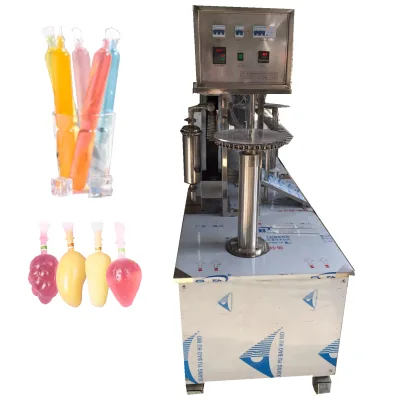
Ice Cream Filling Packing Machine Produce Candy Frozen Ice Pop Ice Lolly Factory Machine
$2699.00 - $5299.00
Moq: 1
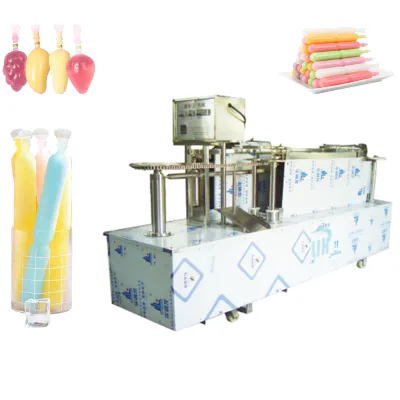
Large Capacity Ice Cream Ice Pop Filling Packaging Sealing Machine Automated Production
$2699.00 - $5299.00
Moq: 1

Shanghai Jou Yu Industrial Co., Ltd.
- Manufacturer/Factory
- China Shanghai
- Lead time45 days
- Avg. response≤ 10h
Main productsJuice Production Line, Food Machinery, Ice Cream Machine, Egg Tray Machine, Soap Machine, Fruit Chips Machine, Candy Machine, Cake Machine, Chocolate Machine, Biscuit Machine
Main marketsSouth America,Eastern Europe,Mid East,North America,Southeast Asia,Eastern Asia,Oceania,Western Europe,Africa
Gainjoys Technology (Shenyang) Co., Ltd.
- Verified by BV
- Combined
- China Liaoning
- Lead time30 days
- Avg. response≤ 2h
Main productsCapsule Filling Machine, Tablet Press, Pill Press, Filling Machine, Blister Machine, Boxing Machine, Labeling Machine, Bag Feeding Machine, Capsule Counting Machine
Main marketsSoutheast Asia/ Mideast,Europe,Australia,North America

Superpack (Guangzhou) Intelligent Machine Co., Ltd.
- Verified by TUVRHEINLAND
- Trading Company,Manufacturer/Factory
- China Guangdong
- Lead time23 days
- Avg. response≤ 8h
Main productsAutomatic Packing Machine, Pallet Wrapping Machine, Cutting and Sealing Shrink Machine, Carton Sealing Machine, Vacuum Sealer Machine, Labelling Machine, Flow Packing Machine, Carton Unpacking Machine, Carton Strapping Machine, Collaborative Palletizer Machine
Main marketsSouth America,Eastern Europe,Mid East,North America,Southeast Asia,Eastern Asia,Oceania,Western Europe,Africa

Zhengzhou Hento Machinery Co., Ltd.
- Verified by SGS
- Trading Company,Manufacturer/Factory,Group Corporation
- China Henan
- Lead time15 days
- Avg. response≤ 6h
Main productsMeat Processing Machinery, Egg Processing Machinery, Dairy Processing Machinery, Fruit & Vegetable Processing Machinery, Grain Product Making Machines, Snack Machines, Nuts Processing Machinery, Packing Machines, Drying Machines, Commodity Making Machines
Main marketsSouth America,Eastern Europe,Mid East,North America,Southeast Asia,Eastern Asia,Oceania,Western Europe,Africa
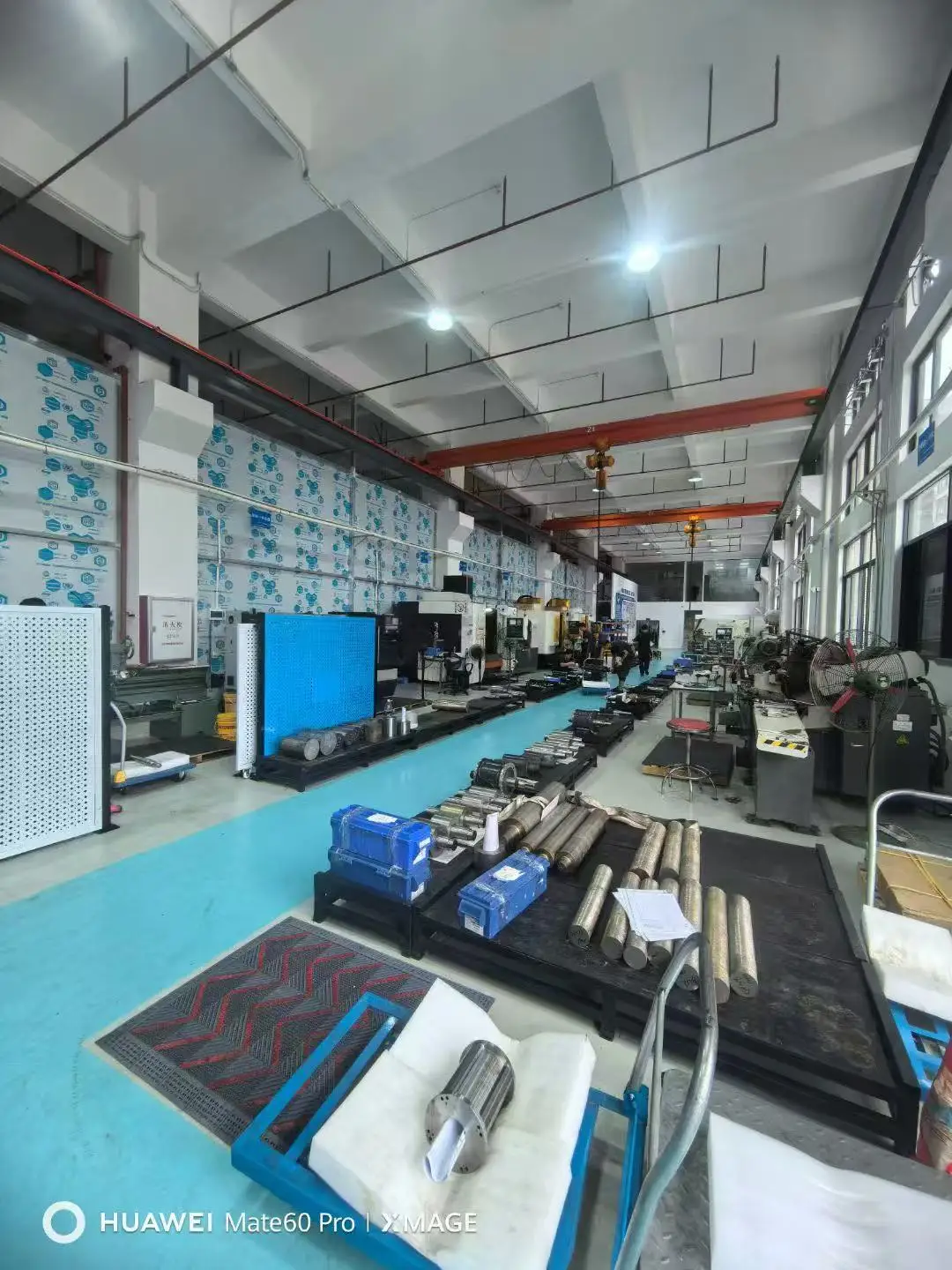
Haina Electronic Technology (Dongguan) Co., Ltd.
- Manufacturer
- Guangdong, China
- Lead time45 days
- Avg. response≤ 2h
Main productsrotary die,rotary die machine,cutting machine,Magnetic cylinder flexible knife skin,Magnetic cylinder roller
Main marketsAfrica(20.0%), Western Europe(10.0%), Eastern Asia(10.0%), Mid East(10.0%), Domestic Market(5.0%), South Asia(5.0%), Southern Europe(5.0%), Northern Europe(5.0%), Central America(5.0%), Southeast Asia(5.0%), Eastern Europe(5.0%), South America(5.0%), Oceania(5.0%), North America(5.0%)
Antler Automation Equipment (suzhou) Co., Ltd.
- Verified by SGS Group
- Manufacturer, Trading Company
- Lead time60 days
- Avg. response≤ 2h
Main productsFruit Juice Production Line, Milk Yogurt Production Line, Sterilizer Machine, Juicing Machine, Filling Machine
Main marketsDomestic Market(35%), Africa(20%), Mid East(20%)

Zhengzhou Brave Machinery Co., Ltd.
- Verified by TUVRHEINLAND
- Trading Company
- China Henan
- Lead time15 days
- Avg. response≤ 15h
Main productsWater Welll Drilling Machine, Water Well Drilling Rigs, Crayon Making Machine, Ice Making Machine, Ice Block Machine, Block Ice Machine, Popsicle Machine, Steel Pipe Straightening Machine, Ice Cube Machine, Polishing Machine
Main marketsSouth America,Eastern Europe,Mid East,North America,Southeast Asia,Eastern Asia,Oceania,Western Europe,Africa

High Quality Pop Ice Making Machine / Machine Popsicle with Fast Cooling System
$840.00 - $5800.00
Moq: 1


Luohe Juyou Commercial & Trading Co., Ltd.
- Verified by BV
- Trading Company,Manufacturer/Factory
- China Henan
- Lead time15 days
- Avg. response≤ 6h
Main productsDumpling Machine, Tortilla Pita Bread Machine, Meat Cutting Machine, Dough Divider Machine, Dough Mixer Machine, Meat Dicing Machine, Potato Chips Machine, Frying Machine, Packing Machine, Juice Machine
Main marketsSouth America,Eastern Europe,North America,Southeast Asia,Eastern Asia,Western Europe,Africa

Shanghai Weibang Machinery Co., Ltd
- Verified by SGS
- Trading Company
- China Shanghai
- Lead time30 days
- Avg. response≤ 2h
Main productsPacking Machine, Filling Machine, Labeling Machine, Cartoning Machine, Sealing Machine, Capping Machine, Counting Machine, Powder Packing Machine, Shrink Machine
Main marketsAfrica,Southeast Asia/ Mideast,Europe,Australia,North America

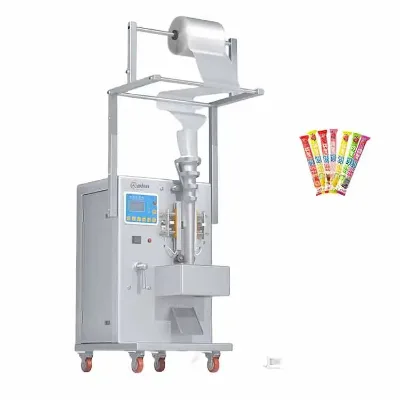
Automatic Freeze Pops Filling Sealing Machine Ice Lolly Bag Packaging Machine
$2700.00 - $3300.00
Moq: 1


JIANGSU SHOUDA PACKING MACHINERY & MATERIAL CO., LTD.
- Verified by BV
- Combined
- China Shanghai
- Lead time30 days
- Avg. response≤ 2h
Main productsFilling Machine, Production Line, Packing Machine, Liquid Filling Machine, Oil Filling Machine, Water Bottling Line, Bottle, Boxes, Jar
Main marketsAfrica,Southeast Asia/ Mideast,Domestic


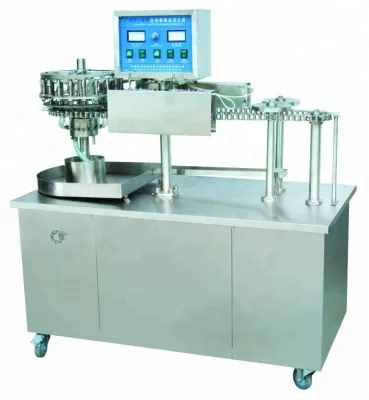
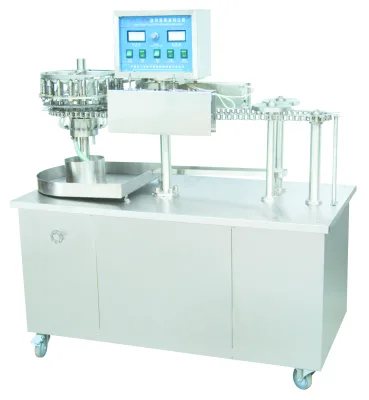


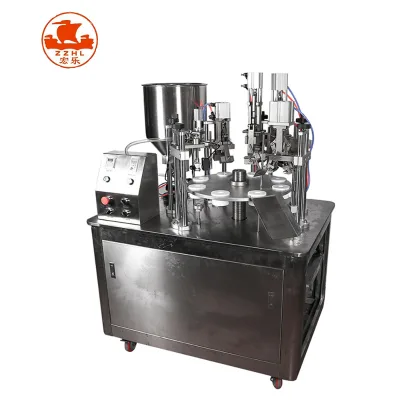
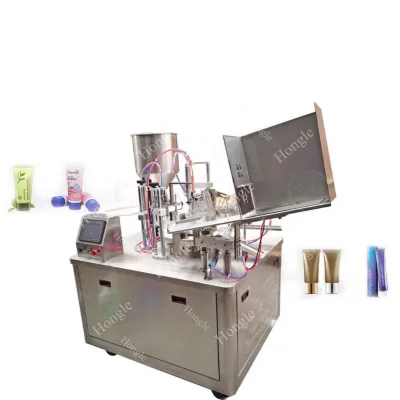
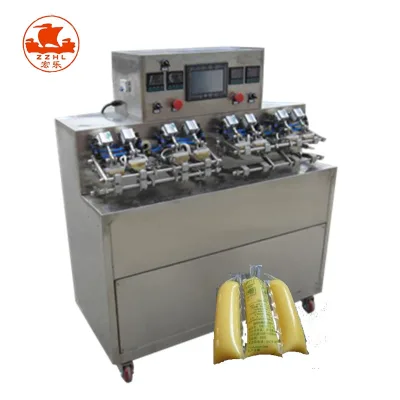




Comprehensive Sourcing Guide
Electric Ice Pop Filling Machine Supplier Concentration and Factory Types
Current data indicates a concentration of suppliers in China, specifically within the Jiangsu and Shanghai regions. These locations host manufacturers offering a diverse range of machinery, including essential oil distillers, solvent extraction units, and various food processing lines alongside the specific electric ice pop filling machines required. The supplier base is characterized as a combined type, suggesting entities that may function as both manufacturers and trading companies. This hybrid structure can influence the depth of technical support and the flexibility of customization options available to international buyers.
When evaluating these facilities, buyers should note that the primary product portfolios often extend beyond single-item focus. Many suppliers list extensive catalogs containing milk processing machines, fruit and vegetable processing equipment, and packing solutions. This breadth implies that while a specific Electric Ice Pop Filling Machine might be available, the core competency of the factory could lie in broader food processing automation. Buyers must verify if the specific machine is a primary output or a secondary offering to ensure adequate manufacturing expertise and after-sales support for the specific application of ice lolly production.
How to Verify Electric Ice Pop Filling Machine Suppliers
Verification processes for these suppliers often involve checking third-party validation statuses, such as CTI verification, which serves as a baseline indicator of business legitimacy. While some suppliers display system certifications like ISOCE or CE on their product listings, the overall company-level system certification status may appear as NIL in general profiles. This discrepancy requires buyers to distinguish between product-specific compliance and broader corporate accreditation. It is crucial to request direct proof of these certifications rather than relying solely on the product attribute tags displayed in search results.
Response time metrics provide another layer of verification regarding supplier reliability and operational readiness. Data shows response times ranging from approximately 9.43 to 9.82, which can serve as a proxy for communication efficiency. However, these numbers should be treated as historical averages rather than guarantees of future performance. Buyers should initiate contact to test real-world responsiveness before committing to an order. Additionally, confirming the origin of the machinery, whether listed as Shanghai, Genyond, or generally China, helps validate the supply chain transparency and ensures the equipment matches the expected regional manufacturing standards.
What to Compare Across Electric Ice Pop Filling Machine Suppliers
Comparative analysis should prioritize lead times, which are currently observed at thirty days for certain suppliers. This duration is a critical factor for production planning and inventory management, especially for businesses requiring rapid market entry. Alongside lead times, buyers must scrutinize the Minimum Order Quantity (MOQ), which varies significantly across the market. Some listings indicate an MOQ of one unit, offering flexibility for small-scale operations, while others may have higher thresholds. Understanding these constraints is essential for aligning procurement strategies with available capital and storage capacity.
Price ranges and capacity specifications form another vital comparison dimension. The market displays price points ranging from roughly two thousand to twenty-five thousand dollars, depending on the machine's complexity and automation level. Capacity metrics also vary, with some units rated for 2000 to 10,000 pieces per hour, while others offer customized capacities. Buyers should compare these figures against their specific production volume requirements. Furthermore, the material composition, often listed as SS304 or SUS304, and the power source, consistently electric, must be verified to ensure the equipment meets hygiene standards and operational power requirements for the intended ice pop production line.
Common Electric Ice Pop Filling Machine Sourcing Risks
One significant risk involves the variability in product attributes and specifications across different listings. While many machines claim to be automatic with electric power sources, some listings describe semi-automatic functions or different forming species like blister forming. This inconsistency can lead to confusion regarding the actual functionality of the equipment. Buyers must carefully cross-reference product keywords and attributes to ensure the machine matches the specific filling and sealing needs for soft tube ice lollies or other formats. Relying on general keywords without verifying specific technical parameters can result in acquiring machinery that does not fit the production line.
Another risk pertains to the lack of standardized certification data at the company level. Although individual products may list certifications such as ISOCE or CE, the overall system certification for the supplier might be recorded as NIL. This gap creates uncertainty regarding the manufacturer's adherence to international quality management standards. Additionally, the origin of the machine, sometimes listed as Genyond or Shanghai, requires verification to ensure it aligns with the buyer's expectations for manufacturing quality. Without clear evidence of consistent standards, buyers face the risk of receiving equipment that may not meet safety or durability requirements for commercial food processing environments.
Electric Ice Pop Filling Machine Regional Sourcing and Logistics
Sourcing from the identified regions of Jiangsu and Shanghai offers logistical advantages due to established industrial clusters and port access. These areas are known for their robust manufacturing ecosystems, which can facilitate the production of complex machinery like electric ice pop filling machines. However, buyers must confirm the specific shipping origin for each order, as some product attributes list origins like Genyond or Shanghai, while others simply state China. This variation necessitates clear communication regarding the final point of dispatch to accurately calculate freight costs and transit times.
Logistics planning must also account for the specific packaging requirements of these heavy industrial machines. Product attributes frequently mention standard export packages or wooden cases and wooden boxes, which are essential for protecting the machinery during international transit. The dimensions of the packaging, such as 300043004800mm for certain models, directly impact shipping container utilization and freight charges. Buyers should verify these dimensions early in the negotiation process to avoid unexpected logistics costs. Ensuring that the packaging meets export standards is critical to preventing damage during the long journey from the Chinese manufacturing hubs to the final destination.
Electric Ice Pop Filling Machine Commercial Terms and Order Planning
Commercial terms regarding customization and production standards are pivotal for order planning. Many suppliers indicate that customization is available and that production standards can be adjusted to customer requests. This flexibility allows buyers to tailor the machine's capacity, material, or configuration to their specific operational needs. However, the extent of these customizations must be explicitly defined in the contract to avoid scope creep or misunderstandings. Buyers should clarify whether the customization affects the lead time or the unit price, as these factors can significantly alter the overall project budget and timeline.
Order planning must also consider the financial terms and the specific pricing structure of the suppliers. Prices range widely, from four thousand to twenty-five thousand dollars, with some models having fixed prices while others operate on a range. Buyers should request detailed quotations that break down the cost of the machine, customization fees, and any additional charges for accessories like motors or pumps. Additionally, understanding the payment terms and the availability of escrow services is essential for securing the transaction. Clear agreement on these commercial terms ensures a smooth procurement process and protects the buyer's investment in the electric ice pop filling machinery.
FAQs
What is the price range for electric ice pop filling machines?
Prices for these machines typically range from $2,000 to $25,000 depending on the configuration and capacity. Basic filling and sealing units start around $2,000, while complete production lines with higher output capabilities can reach up to $25,000. Buyers should verify specific pricing based on their required throughput and customization needs.
What is the minimum order quantity for these machines?
The minimum order quantity is generally one unit, allowing buyers to purchase a single machine for testing or small-scale production. This low MOQ facilitates easier entry for new businesses or those looking to expand their existing ice cream production lines without committing to large bulk orders immediately.
What is the typical lead time for delivery?
The standard lead time for manufacturing and delivery is approximately 30 days. This timeframe allows for production, quality checks, and preparation for export. Buyers should confirm exact delivery schedules with suppliers, as lead times may vary based on customization requirements and current production loads.
Are these machines made from stainless steel?
Yes, most electric ice pop filling machines are constructed from SS304 or SUS304 stainless steel. This material ensures durability, corrosion resistance, and compliance with food safety standards. The stainless steel construction is essential for maintaining hygiene and preventing contamination during the filling and sealing of ice lolly products.
What certifications do these machines typically have?
Many machines carry CE or ISOCE certifications, indicating compliance with European safety and quality standards. These certifications are crucial for importing machinery into regulated markets. Buyers should always request valid certification documents from suppliers to ensure the equipment meets local regulatory requirements for industrial food processing machinery.
What is the production capacity of these machines?
Production capacities vary widely, ranging from 2,000 to 15,000 pieces per hour depending on the model. Smaller semi-automatic units may produce around 2,000 pieces hourly, while fully automatic complete lines can achieve up to 15,000 pieces per hour. Capacity selection should align with your projected sales volume.