Electric Monorail Train Suppliers and Manufacturers
Compare 13 Electric Monorail Train suppliers by location, response time, lead time, and certifications. Review product specs like capacity and materials to find the right fit. Contact verified factories directly to request quotes and design support; review the available evidence before requesting comparable quotations from suitable candidates.
Suppliers List
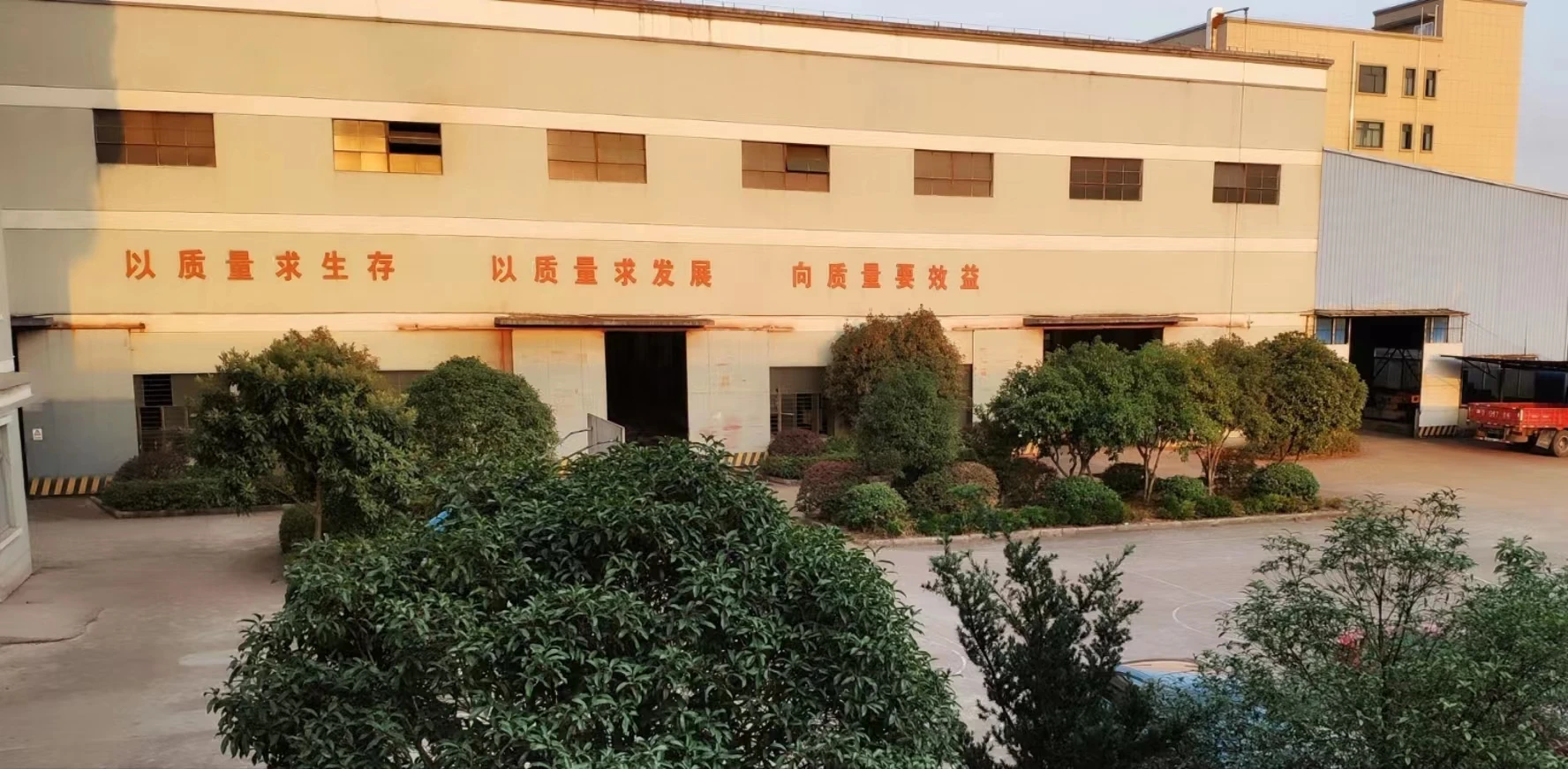
Zhuji Huhu Rides Engineering Co., Ltd.
- Manufacturer, Trading Company
- Zhejiang, China
- Lead time30 days
- Avg. response≤ 1h
Main productsMountain People Mover,People Mover,Disko Coaster,Galleon,Ferris Wheel
Main marketsDomestic Market(20.00%), North America(10.00%), Mid East(10.00%), Southeast Asia(10.00%), Eastern Europe(10.00%), Northern Europe(10.00%), Eastern Asia(5.00%), South Asia(5.00%), Southern Europe(5.00%), South America(5.00%), Central America(5.00%), Western Europe(5.00%)
Henan Saloni Machinery Equipment Co., Ltd.
- Verified by SGS Group
- Trading Company
- Lead time0 days
- Avg. response≤ 1h
Main productsAgricultural Machinery, Breeding Machinery, Engineering Machinery, Food Machinery
Main marketsNorth America(35%), South America(15%), Southeast Asia(15%)

Lianyungang Hanmei Amusement Equipment Co., Ltd.
- Verified by BV
- Combined
- China Jiangsu
- Lead time15 days
- Avg. response≤ 5h
Main productssightseeing vehicles
Main marketsDomestic


Electric Sightseeing Train Bestselling Monorail for Holiday Resort Factory Supply
$8000.00 - $13000.00
MOQ: 1 Pieces

Railway Sightseeing Train/Amusement Facilities/Electric Train/Electric Train
$31000.00 - $100000.00
MOQ: 1 Sets


Zhengzhou Bigjoys Amusement Equipment Co., Ltd.
- Trading Company,Manufacturer/Factory
- China Henan
- Lead time23 days
- Avg. response≤ 8h
Main productsTrampoline Park/Indoor Playground, Inflatable Bouncy Castle, Inflatable Water Park, Inflatable Slide, Park Rides/Carousel, Thrill Park Rides, Family Rides, Roller Coaster, Bungee Trampoline, Ferris Wheel
Main marketsSouth America,Eastern Europe,Mid East,North America,Southeast Asia,Eastern Asia,Oceania,Western Europe,Africa

- Verified by BV
- Trading Company,Manufacturer/Factory,Group Corporation,Other
- China Jiangsu
- Lead time45 days
- Avg. response≤ 2h
Main productsBogie, Railway Passenger Car, Freight Wagon, Rail Car Body, Railcar Interior, Draft Gear System, Railcar Electrical Parts, Rail Car Spare Parts, Rolling Stock, Rail Car Renovation and Maintenance
Main marketsSouth America,Eastern Europe,Mid East,North America,Southeast Asia,Eastern Asia,Western Europe,Africa

Railway Multiple Function High Quality Monorail for Passenger Rail Train
$280000.00 - $300000.00
MOQ: 5 Pieces

Multiple Function and High Quality Monorail for Passenger Rail Train
$280000.00 - $300000.00
MOQ: 5 Pieces

Multiple Function and High Quality Monorail for Passenger Rail Car
$280000.00 - $300000.00
MOQ: 5 Pieces

Eastrailway High Quality Electric Multiple Units Railway Train-Emu
$400000.00 - $450000.00
MOQ: 5 Pieces

East Railway High Quality Electric Multiple Units Railway Train Emu
$400000.00 - $450000.00
MOQ: 5 Pieces

Changzhou Aodudu Leisure Co Ltd
- Verified by TUVRHEINLAND
- Combined
- China Jiangsu
- Lead time15 days
- Avg. response≤ 4h
Main productsElectric Trackless Train, Tourist Train, Diesel Trackless Train, Tourist Trackless Train, Electric Classic Car, Dual Battery Electric Bikes, Cargo E Bikes, Leisure Electric Tricyles
Main marketsAfrica,Southeast Asia/ Mideast,Australia,North America

Trackless Train Children Electric Train Rides Children Electric Train for Kids
$10000.00 - $50000.00
MOQ: 1 set

42 Seats City Outdoor Tourist Train Sightseeing Electric Train for Sale
$10000.00 - $39999.00
MOQ: 1 set

42 Seats Trackless Tourist Train for Sale Amusement Park Equipment Electric Tourist Train
$10000.00 - $39999.00
MOQ: 1 set


Guizhou Zhonghui Heavy Industry Co., Ltd.
- Verified by SGS
- Combined
- China Guizhou
- Lead time23 days
- Avg. response≤ 5h
Main marketsDomestic
Henan Lino Amusement Equipment Co., Ltd.
- Trading Company
- Henan, China
- Lead time20 days
- Avg. response≤ 2h
Main productsCarousel,Ferris Wheel,Pirate Ship,Tourist Train,Bumper Car
Main marketsNorth America(31.00%), Western Europe(20.00%), Mid East(12.00%), Southeast Asia(12.00%), South Asia(8.00%), Eastern Europe(6.00%), Africa(3.00%), Central America(3.00%), South America(3.00%), Oceania(2.00%)
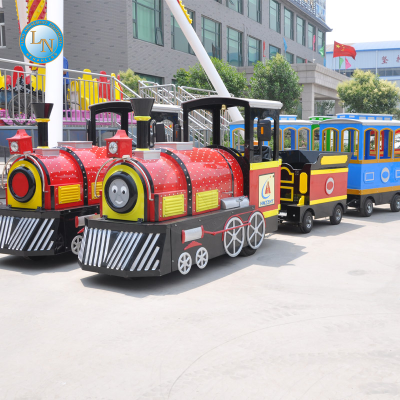
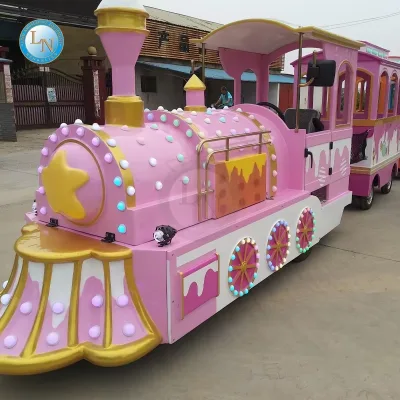
2026 New Design High Quality Trackless Train Good Price Electric Trackless Train for Sale
$6999.00 - $7199.00
MOQ: 1
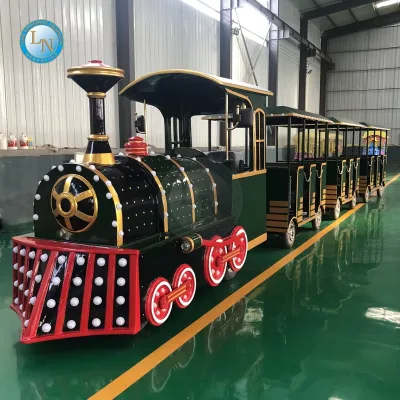
$9999.00 - $10800.00
MOQ: 1 sets
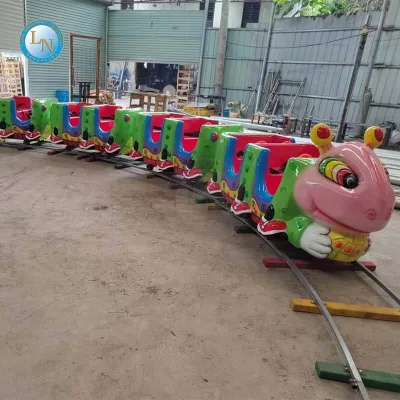

Zhengzhou Jiete Amusement Equipment Co., Ltd.
- Manufacturer, Trading Company
- Henan, China
- Lead time25 days
- Avg. response≤ 6h
Main productsBig pendulum rides,Pirate ship rides,Flying Tower rides,Bumper car,Flying chair
Main marketsOceania(10.00%), Southeast Asia(10.00%), Eastern Europe(10.00%), South America(10.00%), North America(10.00%), Mid East(10.00%), Central America(8.00%), Africa(6.00%), South Asia(5.00%), Domestic Market(5.00%), Western Europe(5.00%), Eastern Asia(4.00%), Southern Europe(4.00%), Northern Europe(3.00%)
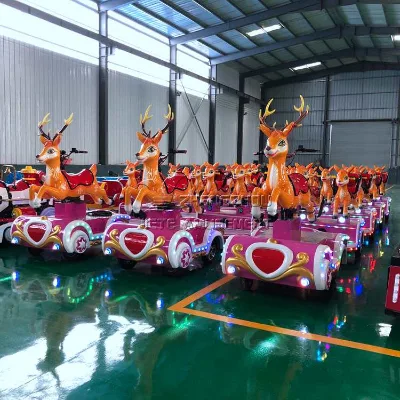
Factory Directly Wholesale Track Train Electric Mini TrainTrackless Train for Sale
$2037.01 - $7638.78
MOQ: 1 Minimum
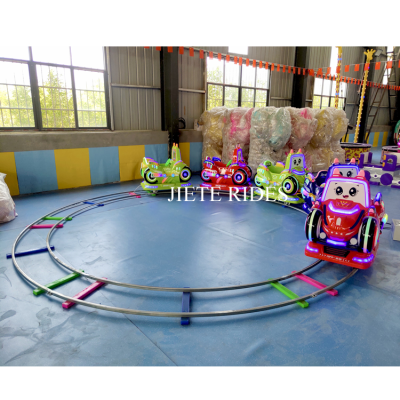
Railway Train 6-10 Passengers Outdoor Electric Train With Low Price Track Train Factory
$205.39 - $1745.83
MOQ: 1 Minimum
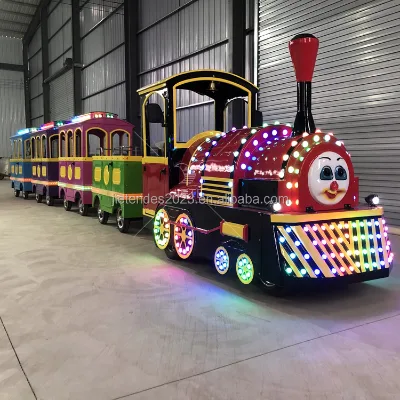
Electric Mini Steam Track Train Good Quality Vintage Electric Sightseeing Train 24 Seats for Sale
$7000.00 - $9000.00
MOQ: 1 Minimum
Henan Wobeiqi International Trading Co., Ltd.
- Verified by SGS Group
- Manufacturer, Trading Company
- Lead time15 days
- Avg. response≤ 1h
Main products4 Seats Unicorn, Princess Car, New Mech aircraft
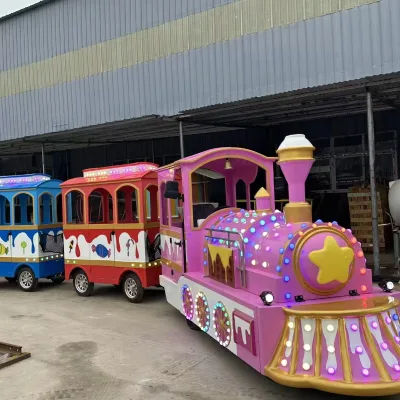
Customized Electric Trackless Train Ride Trackless Tran Locomotive Amusement Train 16 Seat
$8800.00 - $9890.00
MOQ: 1
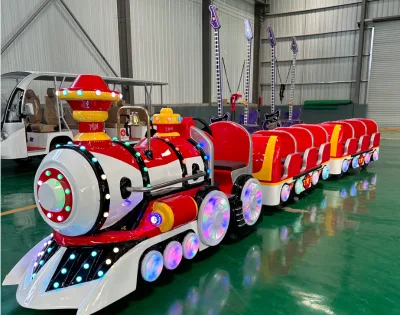
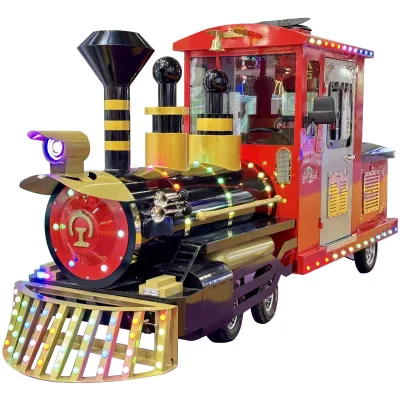
2024 New Design Vintage Steam Trackless Train for Sale
$21000.00 - $22000.00

Tianjin Brother Tourist Train Co., Ltd.
- Manufacturer, Trading Company
- Tianjin, China
- Lead time50 days
- Avg. response≤ 6h
Main productsTrains,Tourist Trains,Trackless Trains,Track Trains,Vehicle
Main marketsMid East(40.00%), Eastern Asia(40.00%), North America(20.00%)
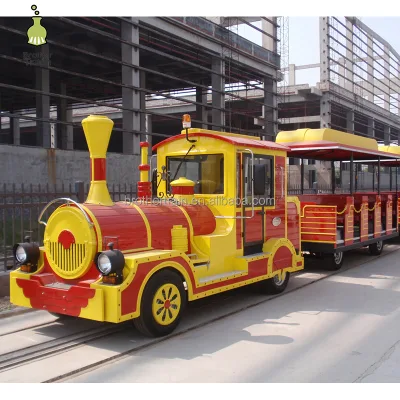
Imitating Antiquity Two Carriages Passenger Electric Sightseeing Train for Sale
$1017.81 - $50890.30
MOQ: 1 Minimum
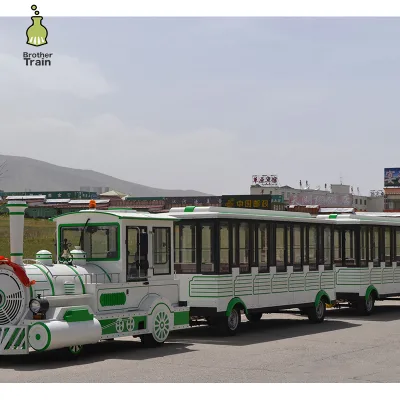
CE & ISO Electrical Monorail Park Passenger Train
Contact supplier

Guangzhou Winner Electric Vehicle Co., Ltd
- Verified by TUVRHEINLAND
- Manufacturer
- China Guangdong
- Lead time15 days
- Avg. response≤ 2h
Main productsGolf Cart, Sightseeing Bus & Car, Fire Truck, Food Trailer, Dump Truck, Tractor Truck, Garbage Truck, Autopartes

14 Seats High - Efficiency 48V Electric Trackless Train for All - Terrain Use
$6900.00 - $8100.00
MOQ: 1 Pieces

14 - Seat Electric Sightseeing Train with Vintage Design & Efficiency
$6900.00 - $8100.00
MOQ: 1 Pieces


48V Electric Tour Train with Stable Speed Control 14 Seats for Resort Transport
$6900.00 - $8100.00
MOQ: 1 Pieces

Electric Trackless Train with Excellent Maneuverability 14 Seats for Scenic Tours
$6900.00 - $8100.00
MOQ: 1 Pieces

14 Seats Electric Mini Train with Responsive Braking for Safe Amusement Rides
$5900.00 - $7000.00
MOQ: 1 Pieces

Jiangsu Tedrail Industrial Co., Ltd.
- Manufacturer/Factory
- China Jiangsu
- Lead time23 days
- Avg. response≤ 25h
Main productsCarbody, Passenger Coach, Interior, Coupler, Sheet Metal, Kitchen Tools, Train Parts, Wagon, Freight Car, Cold Bending Part
Main marketsSouth America,Eastern Europe,Mid East,North America,Southeast Asia,Eastern Asia,Oceania,Africa


Comprehensive Sourcing Guide
Electric Monorail Train Supplier Concentration and Factory Types
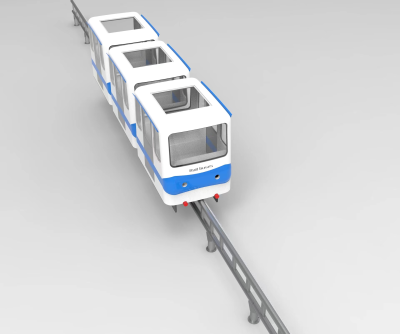
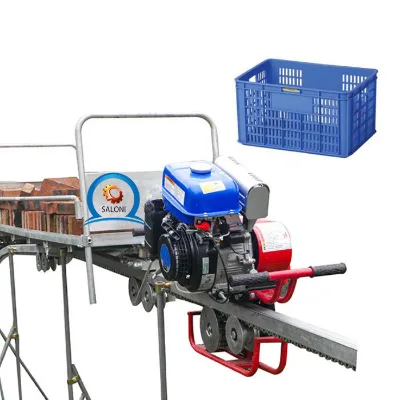
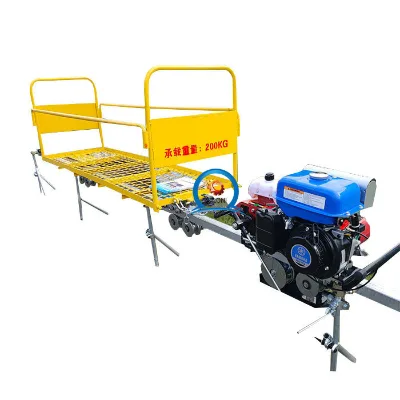
The current search results indicate a concentration of manufacturers and trading companies located in Zhejiang, China, alongside other facilities in Jiangsu and Henan provinces. These regions host a mix of entity types, including pure manufacturers, trading companies, and combined entities offering both production and sales services. Some suppliers list specific amusement equipment like mountain people movers and ferris wheels as their main products, while others focus on agricultural machinery or sightseeing vehicles. This diversity suggests that buyers may encounter specialized factories dedicated to electric trains alongside general machinery producers who include monorail systems in their broader catalogs.
When evaluating the factory type, it is critical to distinguish between a direct manufacturer and a trading company, as this impacts pricing and technical support. The data shows that some entities are verified by third-party agencies like SGS Group or BV, which adds a layer of credibility to their operational status. However, not all suppliers display establishment years or detailed production capacities in the initial results. Buyers should verify whether a supplier claims to be a manufacturer by requesting proof of their production lines, especially since some listings combine amusement rides with agricultural transport equipment, indicating a potential lack of specialized focus in certain cases.
How to Verify Electric Monorail Train Suppliers
Verification begins with checking for recognized third-party certifications and audit reports, as some suppliers in the results display CE certification and compliance with the 2006/42/EC directive. These standards are essential for amusement and industrial machinery to ensure safety and regulatory compliance in international markets. Additionally, the presence of a machinery test report or video outgoing-inspection service provided by the supplier serves as a tangible proof of quality control. Buyers must confirm that these documents are current and specific to the model they intend to purchase, rather than generic certificates that may not apply to the specific electric monorail configuration.
Beyond certifications, buyers should assess the supplier's response time and verification status to gauge reliability. The observed response times vary, with some suppliers showing a response time of one day, while others take over four days. A faster response often correlates with better communication channels and more active sales teams. Furthermore, checking if a supplier is verified by a reputable agency like SGS or BV provides an external validation of their business legitimacy. Buyers should not rely solely on the platform's verification badge but should request direct contact with the engineering team to discuss technical specifications and confirm the supplier's ability to deliver the required customizations.
What to Compare Across Electric Monorail Train Suppliers
When comparing suppliers, key dimensions include lead time, minimum order quantity (MOQ), and response speed, all of which vary significantly across the market. Some listings indicate a lead time of thirty days, while others show zero days, suggesting immediate availability or a discrepancy in how the data is reported. The MOQ is another critical factor, with some suppliers offering a minimum order of just one unit, which is ideal for small-scale projects or testing. Buyers must carefully review these figures to ensure they align with their project timeline and budget constraints, as a low MOQ might come with higher per-unit costs or limited customization options.
Product specifications and pricing structures also require detailed comparison to avoid hidden costs or performance gaps. The data reveals price ranges from approximately 830 to 9714 units of currency, depending on the model and capacity. Specifications such as maximum capacity, which can range from 500 to 800 kg, and power sources, including electric, gasoline, or diesel engines, differ between suppliers. Buyers should compare attributes like material composition, such as steel or fiberglass, and warranty terms, which may vary from one year to longer periods. It is essential to verify that the quoted price includes all necessary components and that the supplier can meet the specific load and speed requirements of the intended application.
Common Electric Monorail Train Sourcing Risks
One significant risk involves the inconsistency in product specifications and the potential for mismatched expectations regarding capacity and performance. Some listings describe electric trains with a maximum capacity of 500 to 800 kg, while others specify different load limits or drive mechanisms. This variation can lead to purchasing a unit that is underpowered for the intended terrain or over-engineered for a simple sightseeing route. Buyers must rigorously cross-reference the technical data provided in the product attributes with their actual operational needs, ensuring that the gradeability, speed, and power source match the specific environment where the train will operate.
Another risk is the ambiguity surrounding after-sales support and warranty coverage. While some suppliers explicitly state a one-year warranty and offer on-site survey services, others provide limited or no details regarding post-purchase support. The absence of clear information on maintenance, spare parts availability, or technical assistance can result in prolonged downtime if the equipment fails. Additionally, the lack of standardized testing reports for every model means that buyers cannot assume all units meet the same safety standards. It is crucial to request detailed service agreements and confirm the availability of local support or remote troubleshooting capabilities before finalizing any order.
Electric Monorail Train Regional Sourcing and Logistics
Sourcing from regions like Zhejiang, Jiangsu, and Henan in China offers access to a diverse range of manufacturers, but logistics planning must account for the specific location of the factory. The distance between the supplier and the port of shipment can impact shipping costs and transit times, which are not always explicitly detailed in the initial product listings. Buyers should verify the exact shipping terms, such as FOB or CIF, to understand who bears the responsibility for freight and insurance. Additionally, the size and weight of the monorail components, which can be substantial, require specialized packaging and handling to prevent damage during transit.
Customs clearance and import regulations vary by destination country, making it essential to understand the documentation required for machinery imports. Some suppliers provide machinery test reports and warranty certificates, which are necessary for customs clearance in many jurisdictions. However, buyers must ensure that the supplier's documentation aligns with the specific requirements of their local authorities. The lead time for production, which can range from immediate to thirty days, must be factored into the overall logistics schedule to avoid delays in project deployment. Coordinating with the supplier on packaging and labeling can also streamline the customs process and reduce the risk of goods being held at the border.
Electric Monorail Train Commercial Terms and Order Planning
Commercial terms such as payment methods, escrow services, and delivery schedules are critical components of the order planning process. While some suppliers may offer flexible payment terms, others might require full payment upfront or a significant deposit before production begins. Buyers should verify if the supplier supports escrow services to protect their funds until the goods are delivered and inspected. The lead time, which can vary from zero to thirty days, must be clearly defined in the contract to ensure that the delivery date aligns with the project timeline. Any delays in production or shipping should be addressed with clear penalties or remedies outlined in the agreement.
Order planning also involves determining the total cost of ownership, including not just the unit price but also installation, training, and maintenance costs. Some suppliers offer customized logos and colors, which may incur additional fees that need to be accounted for in the budget. The minimum order quantity, often as low as one unit, allows for flexibility but may affect the per-unit cost. Buyers should negotiate for comprehensive service packages that include on-site surveys, design support, and training to ensure the equipment is installed and operated correctly. Clear communication regarding these commercial terms and service inclusions is essential to avoid unexpected costs and ensure a smooth procurement experience.
FAQs
What is the typical MOQ for an Electric Monorail Train?
Most listings for an Electric Monorail Train set the minimum order quantity at 1 unit, so a single train can be sourced for evaluation or a small park. Because each unit is a large amusement ride, freight and installation planning matter even at MOQ 1. Confirm whether spare parts, track sections, and controllers are included in the quoted unit price.
How long does production and delivery usually take?
Lead times around 30 days are commonly quoted for monorail train amusement rides, while some sightseeing vehicle suppliers list about 15 days. The exact schedule depends on customization, track length, and order volume. Ask the supplier to confirm the production window in writing and clarify whether the quoted lead time covers inspection, packing, and booking of sea freight.
Where are these electric monorail trains manufactured?
Suppliers of monorail train amusement rides are concentrated in China, with manufacturers in Zhejiang and other provinces such as Jiangsu and Henan. Zhejiang-based suppliers list electric monorail trains for 12 to 30 players, while other regions focus on transport or sightseeing variants. Confirm the place of origin on each product specification sheet before requesting quotations.
What capacity and passenger load should I expect?
Amusement monorail trains in this category are typically rated for 12 to 30 players, with individual cars allowing around 6 passengers and a maximum capacity near 500 to 800 kg. Choose the configuration based on your daily visitor volume and platform space. Always verify the rated passenger load, vehicle weight, and track gradient limits against your site conditions.
How much does an Electric Monorail Train cost?
Listed prices vary widely by type: an amusement park monorail train is listed at about 9,714 USD per unit, while agricultural monorail transporters range from roughly 830 to 1,630 USD. Amusement variants cost more because they include passenger cars, safety systems, and track. Request itemized quotations covering the train, track, freight, and installation to compare offers fairly.
Can these trains be customized for branding and site layout?
Yes, customization is broadly offered: suppliers accept customized colors and logos, provide on-site survey and design support, and offer ODM, OEM, and graphic processing services. Before ordering, share your site dimensions, expected passenger flow, and branding requirements so the supplier can confirm track layout, car count, and decoration options. Ask for design drawings before paying a deposit.