Electric Recliner Lift Chair Suppliers and Manufacturers
Source 18 verified suppliers for Electric Recliner Lift Chair units from China Zhejiang and Anhui. Compare grounded metrics including ISO 9001 certification, TUVRHEINLAND verification, lead times of 30-45 days, and MOQs ranging from 1 to 50 units. Contact suppliers directly to request quotes.
Updated
Suppliers List

Ningbo Comfort Industry Co., Ltd.
- Verified by TUVRHEINLAND
- Manufacturer/Factory
- China Zhejiang
- Lead time45 days
- Avg. response≤ 6h
Main productsElectric Adjustable Beds, Adjustable Beds, Lift Recline Chairs, Memory Foam Mattress, Massage Adjustable Beds, Massage Lift Chairs, Memory Foam Pillows, Wallhugger Adjustable Bed, Electric Bed, Massage Chair
Main marketsSouth America,North America,Southeast Asia,Eastern Asia,Oceania,Western Europe


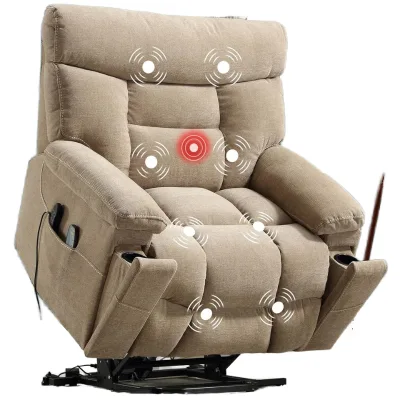
Popular One Seat Electric Power Remote Control Lifting Massage Recliner Chair
$238.00 - $278.00
MOQ: 20 Pieces


- Verified by SGS
- Combined
- China Anhui
- Lead time30 days
- Avg. response≤ 1h
Main productsLift Chair Massage Chair Recliners
Main marketsOthers(foreignTradeCapacity.exportBusinessCapacityMarketOther),Europe,Australia,North America


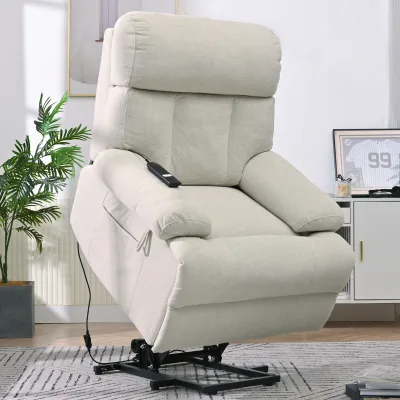
Electric Lift Rise Recliner Powered Single Recliner Relax Living Room Sofa Chair
$110.00 - $160.00
MOQ: 63 Pieces

Guangdong Xingjia Furniture Co., Ltd.
- Verified by SGS Group
- Manufacturer, Trading Company
- Lead time45 days
- Avg. response≤ 1h
Main productsSofa Bed, Dining Chair, Sofa, Recliner Sofa, Bar Stool
Main marketsNorth America(40%), Central America(20%), South America(10%)

Shanghai Brother Medical Manufacturer Co., Ltd.
- Verified by CTI
- Manufacturer/Factory
- China Shanghai
- Lead time23 days
- Avg. response≤ 19h
Main productsWheelchair, Hearing Aid, Mobility Scooter, Commode Chair, Shower Chair, Crutch, Walking Stick
Main marketsSouth America,Eastern Europe,Mid East,North America,Southeast Asia,Eastern Asia,Oceania,Western Europe,Africa


Power Lift Recliner Chair for Elderly Wide Electric Massage Recliners
$169.00 - $199.00
MOQ: 30 Pieces


Zhejiang Meimin Furniture Technology Co., Ltd.
- Verified by SGS Group
- Manufacturer, Trading Company
- Lead time28 days
Main productsLift Recliner, Recliner Chair, Recliner Sofa Set, Home Theater Sofa, Office Chair
Main marketsWestern Europe(40%), North America(15%), South America(15%)
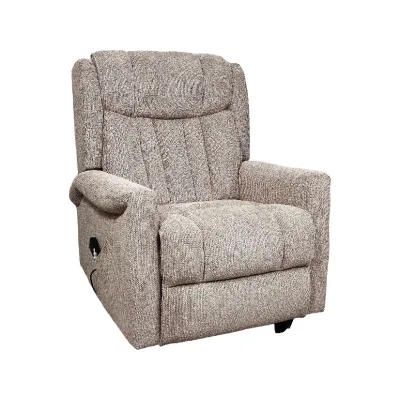
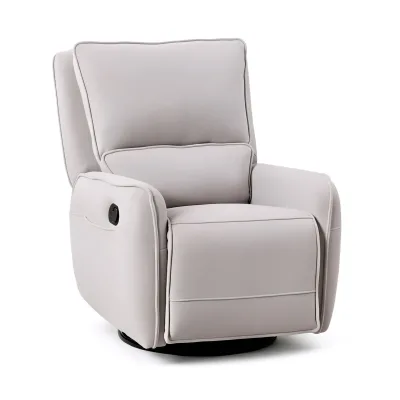
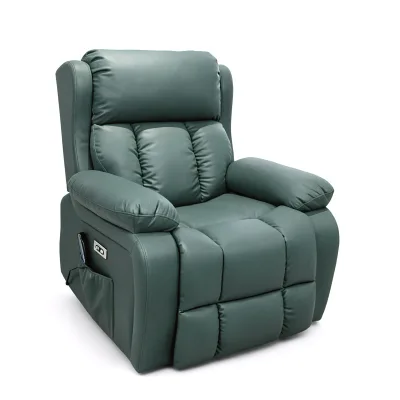
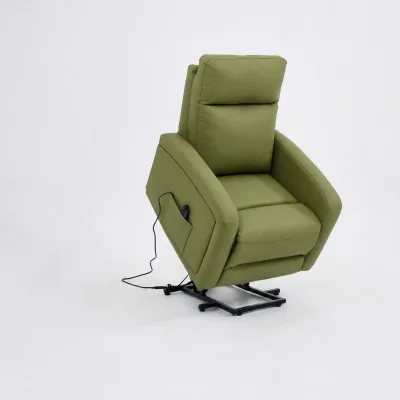
MEIMIN Electric Multi-Position Reclining Chair Riser Recliner Chairs Electric Manual Lift
$98.368 - $156.7733
MOQ: 30 cartons
Anji Hongqiang Furniture Co., Ltd.
- Verified by SGS Group
- Manufacturer, Trading Company
- Lead time45 days
- Avg. response≤ 8h
Main productsRecliner Chair and Lift Chair, Living Room Chair, Sofa Bed, Stools & Ottomans, Accent Chair
Main marketsNorth America(20%), Eastern Europe(20%), Western Europe(20%)
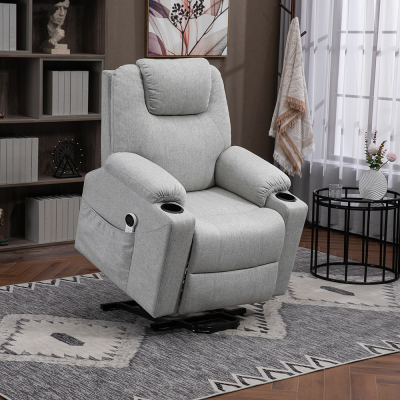
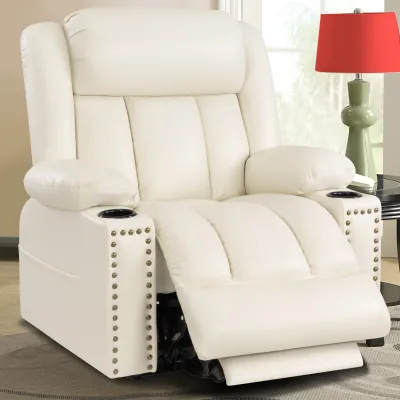
$112.00 - $168.00
MOQ: 10 Minimum
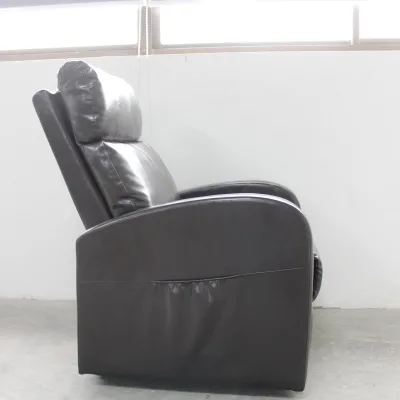
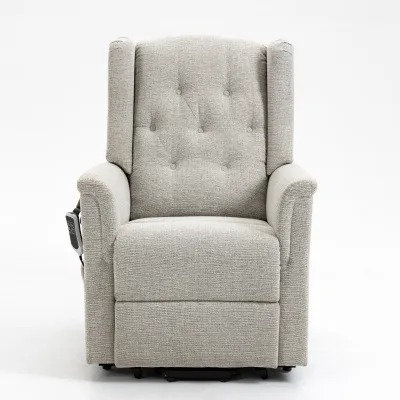
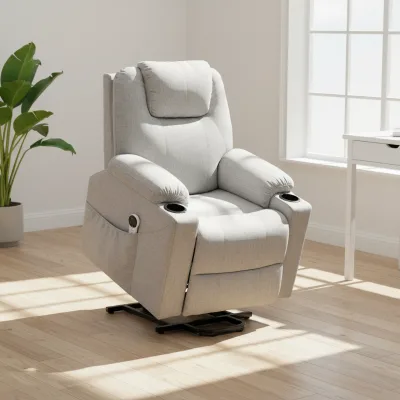
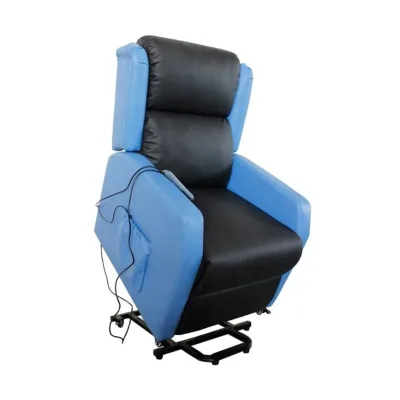
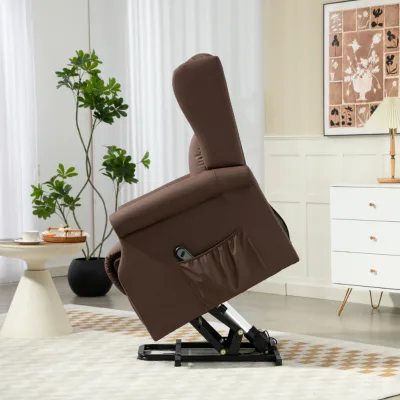
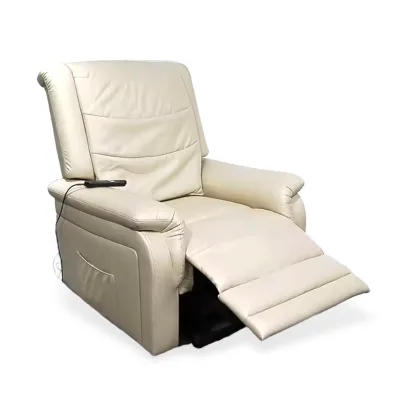
$101.0398 - $105.1643
MOQ: 50 pieces
Anji Wofeng Furniture Co., Ltd.
- Manufacturer, Trading Company
- Lead time旺季: "1 - 500":45,"> 500":"To be negotiated", 淡季: "1 - 500":45,"> 500":"To be negotiated"
- Avg. response≤ 3h
Main productsGaming Chairs; Office Chairs; Recliner Sofa; Lift Chair; Sofa Set
ANJI XIANGRUN FURNITURE CO., LTD.
- Manufacturer, Trading Company
- Zhejiang, China
- Lead time20 days
- Avg. response≤ 3h
Main productsRecliner Chair, Recliner Sofa Set, Recliner Massage Chair, Lifting Chair
Main marketsNorth America(29.00%), Domestic Market(26.00%), Southeast Asia(25.00%), Western Europe(5.00%), Southern Europe(5.00%), Northern Europe(5.00%), Eastern Europe(5.00%)
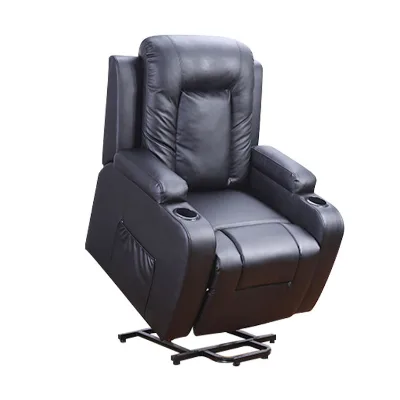
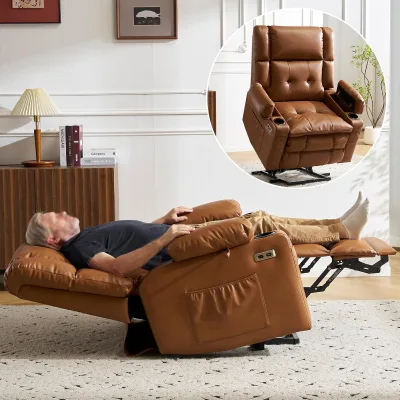
Electric Power Leather Lift Chair Recliner Massage Reclinable for Living Room for Elderly
$140.00 - $148.00
MOQ: 1
Ningbo Yangyang Import And Export Co., Ltd.
- Trading Company
- Zhejiang, China
- Lead time0 days
- Avg. response≤ 18h
Main productsHeight adjustable desk,Office desk,Gamer table,Kids desk,Storage shelf
Main marketsNorth America(30.00%), South America(20.00%), Western Europe(15.00%), Oceania(10.00%), Southeast Asia(10.00%), Northern Europe(5.00%), Eastern Europe(5.00%), Mid East(5.00%)
- Verified by TüVRheinland
- Manufacturer, Trading Company
- Lead time0 days
- Avg. response≤ 4h
Main productsRecliner Chair, Lift Chair
Main marketsNorth America(70%), Oceania(10%), Eastern Europe(5%)
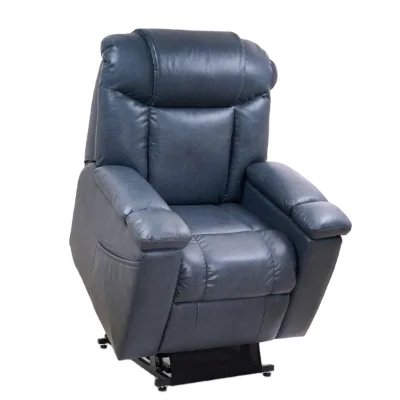
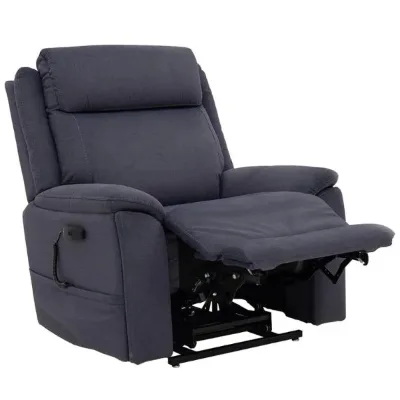
$211.8067 - $241.6249
MOQ: 20 pieces
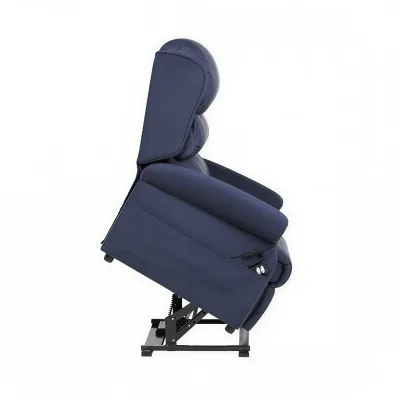
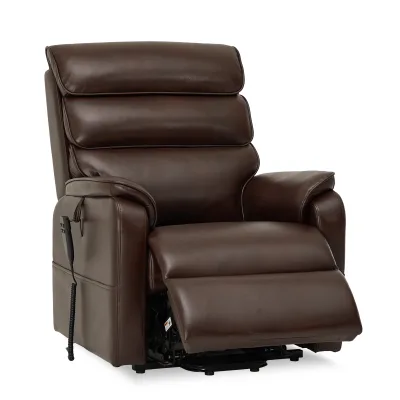
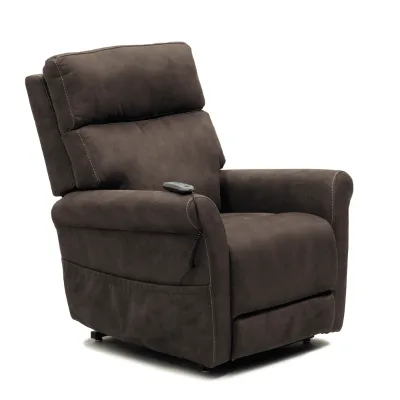
Top Rated Products Electric Lift Chair Recliner Infinite Position with Heat Massage
$132.0908 - $152.5696
MOQ: 5 pieces
Anji Kangdi Furniture Co., Ltd.
- Manufacturer, Trading Company
- Zhejiang, China
- Lead time30 days
- Avg. response≤ 2h
Main productsRecliner Chair
Main marketsWestern Europe(50.00%), North America(40.00%), Southeast Asia(10.00%)
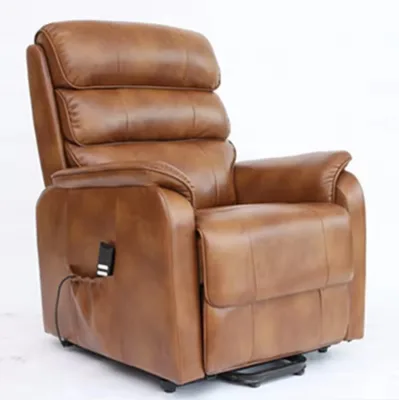
Modern Style Luxury Leather Relax Electric Adjustable Recliner Rise Lift Chair
$144.542 - $175.5152
MOQ: 20 Minimum
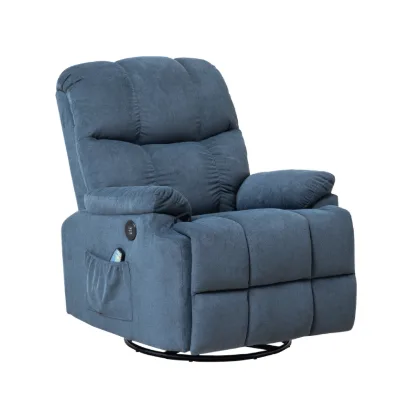
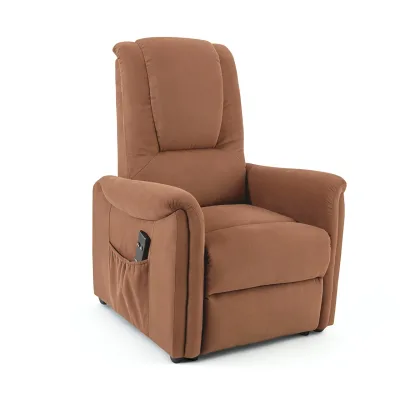
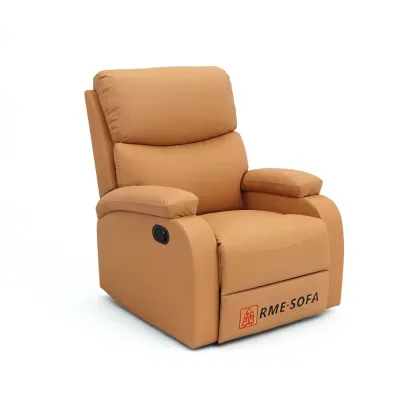
- Manufacturer, Trading Company
- Zhejiang, China
- Lead time35 days
- Avg. response≤ 1h
Main productsRecline Chair, Office Sofa
Main marketsSouthern Europe(30.00%), Eastern Asia(30.00%), Mid East(30.00%), North America(10.00%)

Anji Jikeyuan Furniture Co., Ltd.
- Verified by TUVRHEINLAND
- Combined
- China Zhejiang
- Lead time30 days
- Avg. response≤ 3h
Main productsRecliner Chair, Power Lift Chair, Corner Sofa, Recliner Sofa, Home Theater Sofa, Leisure Chair, Beauty Salon Chair, Living Room Chair, Living Room Sofa
Main marketsAustralia

JIAXING RECARE FURNITURE CO., LTD.
- Manufacturer
- China Zhejiang
- Lead time30 days
- Avg. response≤ 13h
Main productsLift Chair, Recliner, Massage Chair, Personal Care
Main marketsEurope,North America


Electric Rise and Recline Chair for Old Man, Lift Tilt Mobility Chair Riser Recliner (QT-LC-69)
$130.00 - $280.00
MOQ: 30 Pieces

Helping Rising up Lift Chair with Massage Recliner Geriatric Chair Legless
$200.00 - $250.00
MOQ: 30 Pieces
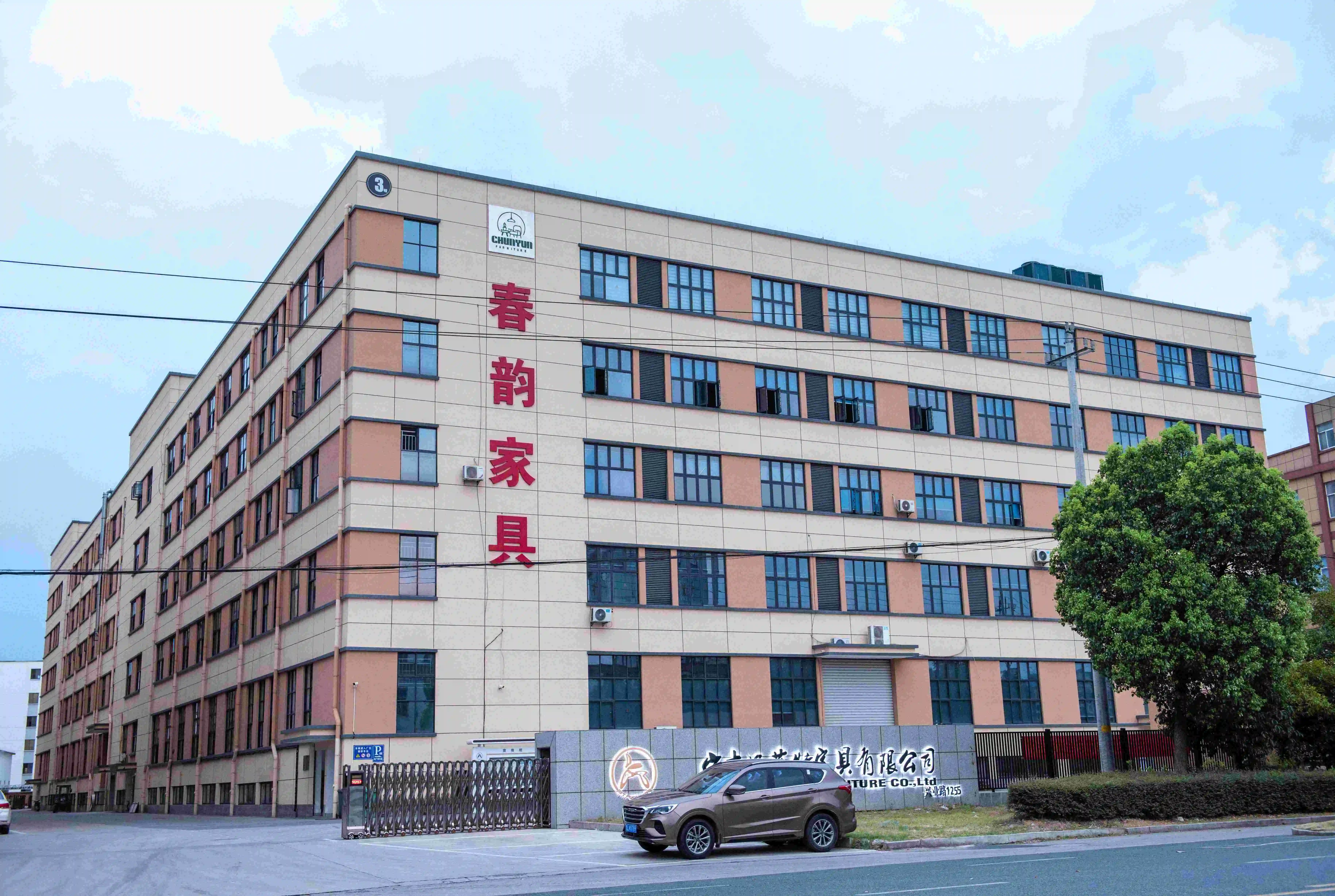
Anji Chunyun Furniture Co., Ltd.
- Manufacturer, Trading Company
- Zhejiang, China
- Lead time15 days
- Avg. response≤ 3h
Main productsSofa, Recliner Sofa, Cinema Recliner Sofa, Lift Chair, Sectional Recliner Sofa
Main marketsNorth America(40.00%), Western Europe(30.00%), Mid East(15.00%), Domestic Market(5.00%), South America(3.00%), Africa(3.00%), Oceania(2.00%), Southeast Asia(2.00%)
Anji Huaheng Home Supplies Co., Ltd.
- Verified by SGS Group
- Manufacturer, Trading Company
- Lead time25 days
- Avg. response≤ 4h
Main productsGaming Chair, Office Chair, Sofas
Main marketsWestern Europe(25%), Eastern Europe(20%), Northern Europe(20%)
Shenzhen Dr.lee Medical Devices Co., Ltd.
- Trading Company
- Guangdong, China
- Lead time30 days
- Avg. response≤ 3h
Main productsMassage Chair,Massage Pillow,Nursing Bed
Main marketsNorth America(20.00%), Eastern Europe(15.00%), Domestic Market(15.00%), Western Europe(10.00%), Northern Europe(10.00%), South America(5.00%), Eastern Asia(5.00%), Southeast Asia(5.00%), Oceania(5.00%), Africa(2.00%), South Asia(2.00%), Southern Europe(2.00%), Mid East(2.00%), Central America(2.00%)
Shenzhen Mebon Furniture Co., Ltd.
- Verified by SGS Group
- Manufacturer, Trading Company
- Lead time30 days
- Avg. response≤ 4h
Main productsRecliner Sofa, Classic Wood Sofa, Home Theater Sofa, Bed, Mattress
Main marketsMid East(20%), Western Europe(20%), Domestic Market(15%)
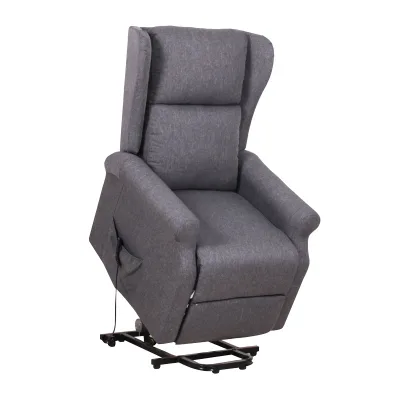
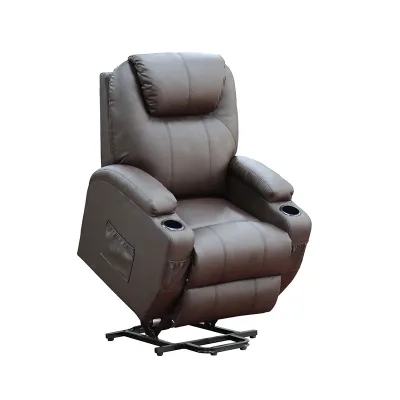
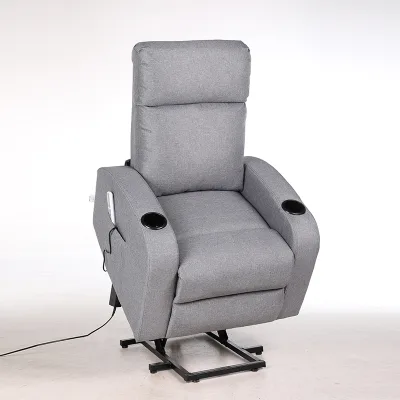
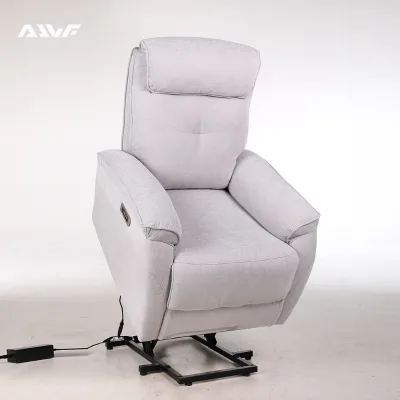
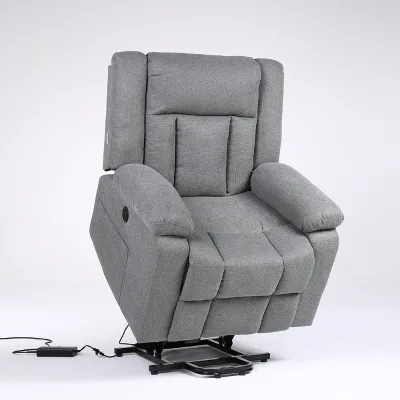
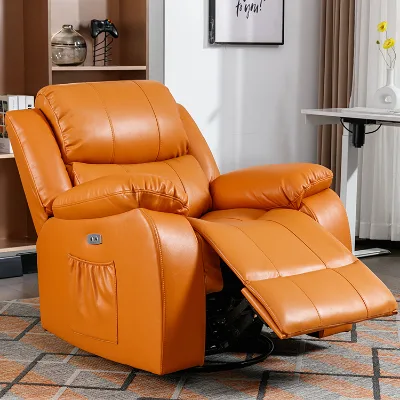
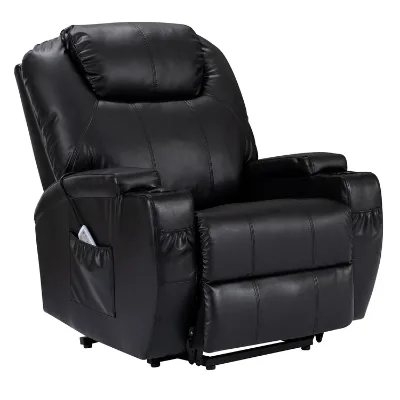
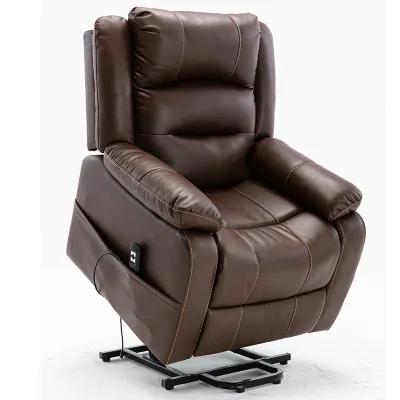
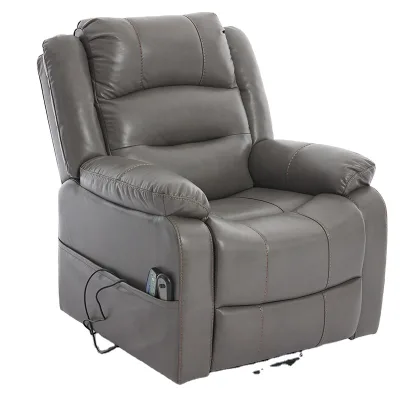


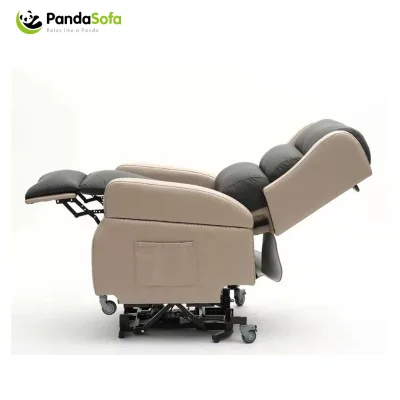
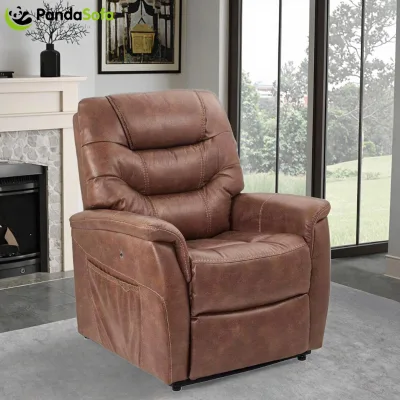
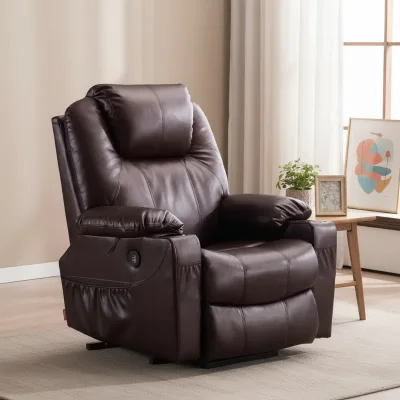
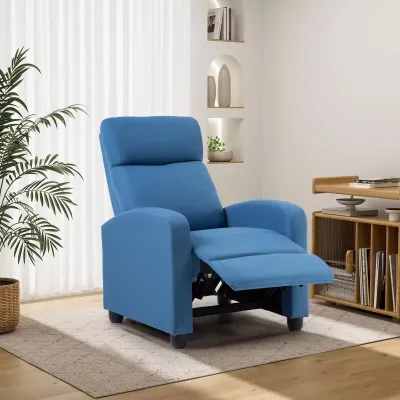
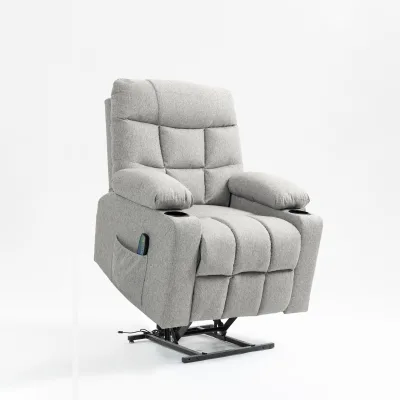
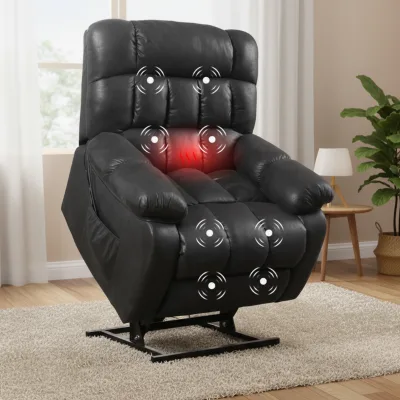
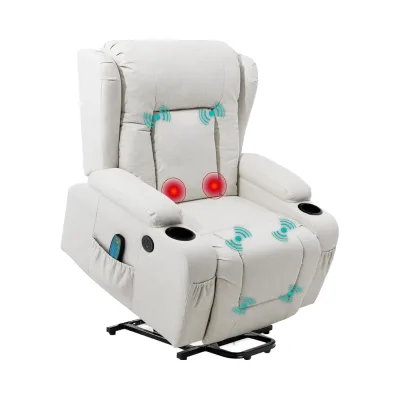
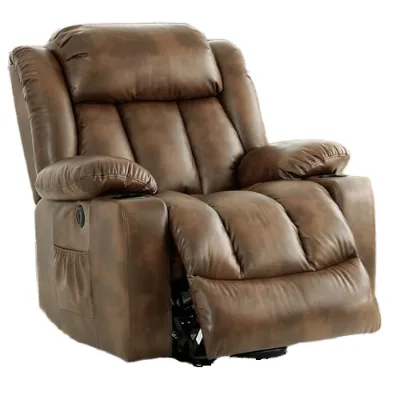
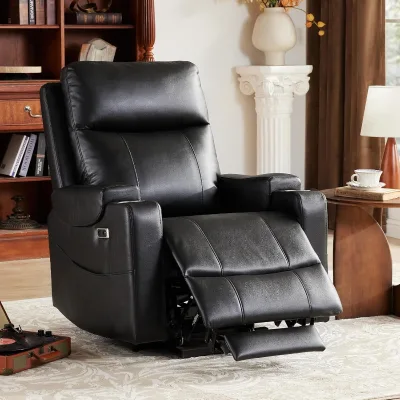
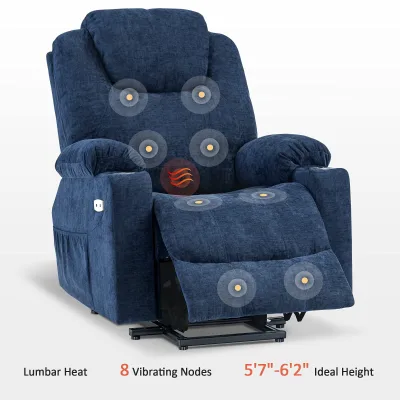
Comprehensive Sourcing Guide
Electric Recliner Lift Chair Supplier Concentration and Factory Types
The current supplier landscape for electric recliner lift chairs reveals a distinct concentration of manufacturing capabilities within specific Chinese provinces, with Zhejiang emerging as a primary hub for production. Factories located in Zhejiang, China Mainland, often leverage established industrial clusters to support the complex assembly of motorized furniture, ensuring that supply chains for critical components like motors and control systems remain efficient and cost-effective. These manufacturers typically operate as dedicated factories or combined entities, allowing them to offer a broad spectrum of products ranging from basic lift chairs to advanced massage recliners with integrated heating and wireless controls. The presence of verified manufacturers in this region suggests a mature ecosystem where economies of scale can be achieved, particularly for buyers seeking high-volume orders of standard models such as the KFT-LC003 or Comfort-10 series.
Beyond geographic concentration, the types of suppliers available vary significantly in their operational focus and service offerings. Some suppliers are identified as manufacturers with strong OEM and ODM capabilities, enabling them to produce custom-branded goods under labels like konfurt or develop unique designs based on buyer specifications. Others may present as combined entities that blend trading services with manufacturing oversight, potentially offering greater flexibility in product sourcing but requiring careful verification of their actual production capacity. The diversity in company types means buyers must distinguish between pure factories that prioritize production efficiency and combined firms that may offer broader logistical support. Understanding this distinction is crucial for determining whether a supplier can meet specific customization needs, such as altering frame materials from metal to wood or adjusting upholstery from leather to fabric, while maintaining consistent quality standards across large production runs.
How to Verify Electric Recliner Lift Chair Suppliers
Verifying the legitimacy and capability of Electric Recliner Lift Chair suppliers requires a multi-layered approach that goes beyond simple profile reviews. Buyers should prioritize suppliers who have undergone third-party verification processes, such as those conducted by TÜV Rheinland or SGS, which provide an additional layer of confidence regarding the supplier’s business operations and physical existence. These verification badges indicate that an independent agency has inspected the facility, but they do not automatically guarantee product quality or compliance with international safety standards. Therefore, it is essential to cross-reference these verification statuses with specific product certifications, such as CCC, CE, TUV, or ROHS, which are often listed in product attributes for electrical components. Ensuring that the lift mechanism and electrical systems meet the regulatory requirements of the target market is a critical step in mitigating legal and safety risks associated with importing motorized furniture.
In addition to certifications, buyers must assess the responsiveness and transparency of the supplier’s communication channels. Response times, such as the 5.82 hours observed for some Zhejiang-based manufacturers, can serve as an indicator of operational efficiency and customer service dedication, although faster response times do not always correlate with higher product quality. It is advisable to request detailed documentation, including factory audit reports, product test results for motor durability, and proof of ISO 9001 system certification, which indicates a standardized quality management process. Buyers should also inquire about the supplier’s ability to provide samples before committing to bulk orders, as this allows for a physical inspection of build quality, material durability, and motor performance. By combining verification badges with direct communication and sample evaluation, buyers can build a more accurate picture of a supplier’s reliability and capability to deliver consistent, high-quality electric recliner lift chairs.
What to Compare Across Electric Recliner Lift Chair Suppliers
When evaluating multiple suppliers for electric recliner lift chairs, buyers must systematically compare key operational metrics to identify the most suitable partner for their specific business needs. One of the most critical factors is the minimum order quantity (MOQ), which can vary significantly across different suppliers and product models. For instance, some suppliers may require an MOQ of 40 units for standard models, while others might offer lower thresholds of 20 or even 1 piece for customized or trial orders. Understanding these MOQ requirements is essential for aligning supplier capabilities with the buyer’s inventory strategy and cash flow constraints. Additionally, lead times, which can range from 30 to 45 days depending on the complexity of the order and current production schedules, must be factored into supply chain planning to ensure timely delivery and avoid stockouts or excess inventory holding costs.
Price and customization options are also pivotal dimensions for comparison, as they directly impact profitability and market competitiveness. While some suppliers offer fixed pricing structures, others may provide flexible pricing based on order volume or specific customization requests, such as changing the motor brand from Okin to alternative suppliers or altering the upholstery material. Buyers should also compare the range of main products offered, as suppliers with a broader portfolio, including massage chairs, memory foam mattresses, and wallhugger beds, may offer better bundling opportunities or cross-selling potential. Furthermore, the availability of OEM and ODM services should be assessed, as this can determine the supplier’s ability to support brand differentiation and unique product development. By meticulously comparing these operational and commercial attributes, buyers can make informed decisions that balance cost, quality, and flexibility in their sourcing strategy.
Common Electric Recliner Lift Chair Sourcing Risks
Sourcing electric recliner lift chairs from international suppliers introduces several inherent risks that buyers must proactively manage to ensure a smooth procurement process. One significant risk is the variability in product quality, particularly concerning the electrical components and motor reliability. Since these chairs rely on complex mechanical and electronic systems, any defect in the motor, control handset, or wiring can lead to product failures and customer complaints. Buyers should be aware that while some suppliers list certifications like CCC or CE, these may not always reflect the rigorous testing standards required in Western markets. Therefore, it is crucial to verify that the electrical components meet specific safety and performance benchmarks, and to request detailed technical specifications and test reports for the lift mechanism and massage functions to mitigate the risk of post-sale failures.
Another common risk is the potential for miscommunication regarding customization and packaging requirements, which can lead to logistical inefficiencies and increased costs. Suppliers may have standard packing methods, such as carton boxes, but buyers often require specific packaging solutions to protect the product during transit and enhance shelf appeal in retail environments. Misunderstandings about size, color, or material specifications can result in non-conforming goods that are difficult to sell or return. Additionally, the risk of delayed shipments due to production bottlenecks or supply chain disruptions is prevalent in the furniture industry. Buyers should establish clear communication channels and request regular production updates to monitor progress and address any issues promptly. By identifying and addressing these risks early in the sourcing process, buyers can protect their interests and ensure a more reliable supply chain for electric recliner lift chairs.
Electric Recliner Lift Chair Regional Sourcing and Logistics
Regional sourcing decisions play a pivotal role in determining the overall cost structure and logistical efficiency of importing electric recliner lift chairs. Suppliers located in Zhejiang, China, benefit from proximity to major ports and established logistics networks, which can facilitate faster and more cost-effective shipping compared to suppliers in more remote regions. This geographic advantage allows for streamlined export processes and potentially lower freight costs, especially for large container loads. However, buyers must also consider the specific logistics requirements of heavy and bulky items like lift chairs, which often require specialized handling and packaging to prevent damage during transit. Understanding the supplier’s experience with international shipping and their ability to coordinate with freight forwarders is essential for ensuring that goods arrive in optimal condition and on schedule.
In addition to freight costs, buyers should evaluate the supplier’s ability to handle customs clearance and documentation requirements in the destination country. Suppliers with experience in exporting to specific markets may have established relationships with customs brokers and can provide accurate documentation, such as commercial invoices, packing lists, and certificates of origin, to facilitate smooth clearance. Buyers should also consider the impact of regional trade policies and tariffs on the final landed cost of the products. For instance, changes in import duties or regulatory requirements in the target market can significantly affect profitability. By carefully assessing the logistical capabilities and regional advantages of suppliers, buyers can optimize their supply chain and reduce the total cost of ownership for electric recliner lift chairs.
Electric Recliner Lift Chair Commercial Terms and Order Planning
Effective order planning for electric recliner lift chairs requires a thorough understanding of commercial terms and payment structures to protect the buyer’s financial interests. Common payment methods, such as T/T (Telegraphic Transfer) or L/C (Letter of Credit), offer different levels of security and flexibility for both parties. Buyers should negotiate payment terms that align with their cash flow needs and risk tolerance, such as requiring a deposit upfront and the balance upon shipment or against copy of shipping documents. Additionally, buyers should clarify the supplier’s warranty policies, which may vary in duration and coverage, to ensure that any defects or malfunctions are addressed promptly. Understanding the terms for returns, replacements, and after-sales support is crucial for maintaining customer satisfaction and minimizing the financial impact of product issues.
Furthermore, buyers must plan for potential variations in pricing and order volumes to maintain a stable supply chain. Suppliers may offer price breaks for larger orders, but buyers should also consider the costs associated with holding inventory and the risks of demand fluctuations. Establishing a long-term partnership with a reliable supplier can provide greater stability in pricing and production scheduling, allowing for better forecasting and resource allocation. Buyers should also consider the supplier’s capacity to scale production up or down based on market demand, as this flexibility can be invaluable in responding to seasonal trends or unexpected changes in customer preferences. By carefully planning commercial terms and order volumes, buyers can build a resilient and efficient sourcing strategy for electric recliner lift chairs.
FAQs
What is the typical lead time for electric recliner lift chairs?
Manufacturers in China Zhejiang generally require 45 days for production and delivery. Some suppliers offer faster turnaround times of 30 to 35 days for specific models. Buyers should confirm exact schedules with the supplier before placing orders to ensure timely arrival.
What are the minimum order quantities for these chairs?
MOQs vary significantly by supplier and product type. Some manufacturers require a minimum of 20 pieces, while others may ask for 40 or 50 units. A few suppliers accept orders as low as one piece for customization. Always verify the specific MOQ for your chosen model.
Are these chairs certified for safety and quality?
Many suppliers hold ISO 9001 system certifications and product-specific standards like CE, TUV, and ROHS. Some products also carry CCC certification. Independent verification services such as TÜV Rheinland and SGS are used to validate supplier credentials and product quality for international buyers.
What materials are used in the frame and upholstery?
Frames are typically constructed from durable metal to support the lifting mechanism. Upholstery options include leather, fabric, PU, or microfiber. Padding usually consists of sponge for comfort. Buyers can often customize the color and material to match their specific interior design requirements.
What is the price range for electric lift recliners?
Prices generally range from $225 to $380 per unit depending on features and customization. Basic models start around $225, while those with advanced massage or heating functions may cost up to $380. The final price depends on the order quantity and specific material choices.
Can I customize the design and branding of these chairs?
OEM and ODM services are widely available from manufacturers in China. Buyers can customize colors, materials, and branding. Some suppliers offer own brand options. Customization is typically available for both the frame and upholstery, allowing for unique product differentiation in the target market.