Leather Storage Bed Suppliers and Manufacturers - 29 Factories
Find 29 verified Leather Storage Bed suppliers offering metal, wood, and electric adjustable options. Compare lead times, certifications like BS 7177 and CE, and MOQs starting at 30 sets. Contact suppliers directly to request samples and confirm pricing; review the available evidence before requesting comparable quotations from suitable candidates.
Updated
Suppliers List
Langfang Liu Tai Furniture Co., Ltd.
- Verified by TüVRheinland
- Manufacturer, Trading Company
- Lead time30 days
- Avg. response≤ 6h
Main productsMetal Bed, Fabric Bed, Mattress, Nightstands, Sofa Bed
Main marketsWestern Europe(71%), South America(5%), Eastern Europe(5%)

Ningbo Comfort Industry Co., Ltd.
- Verified by TUVRHEINLAND
- Manufacturer/Factory
- China Zhejiang
- Lead time45 days
- Avg. response≤ 6h
Main productsElectric Adjustable Beds, Adjustable Beds, Lift Recline Chairs, Memory Foam Mattress, Massage Adjustable Beds, Massage Lift Chairs, Memory Foam Pillows, Wallhugger Adjustable Bed, Electric Bed, Massage Chair
Main marketsSouth America,North America,Southeast Asia,Eastern Asia,Oceania,Western Europe

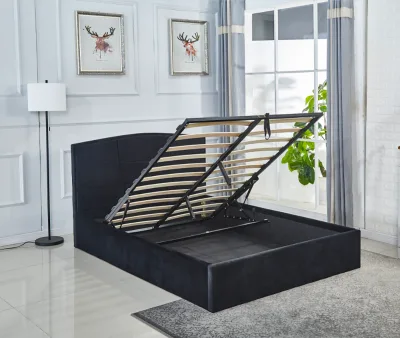
Konfurt New Style Storage Bed Leather Modern Under Bed Storage Electric Storage Bed
$260.00 - $380.00
MOQ: 30 Pieces

Konfurt Storage Bed Leather Modern Adjustable Under Bed Storage Lift Bed
$298.00 - $328.00
MOQ: 30 Pieces


Hebei Ximu Furniture Sales Co., Ltd.
- Verified by TUVRHEINLAND
- Trading Company,Manufacturer/Factory
- China Guangdong
- Lead time45 days
- Avg. response≤ 3h
Main productsFurniture, Home Furniture, Living Room Furniture., Ding Room Furniture, Bed Room Furniture, Coffee Table, TV Stand, Dining Table, Chairs, Bath Room Furniture
Main marketsSouth America,Eastern Europe,North America,Southeast Asia,Western Europe


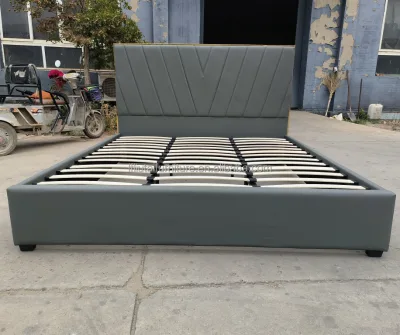
European Style Leather Comfortable Bed with High Backrest for Bedroom
$190.00 - $280.00
MOQ: 50 Pieces


Changsha Dengdu E-commerce Co., Ltd.
- Trading Company
- Hunan, China
- Lead time0 days
- Avg. response≤ 2h
Main productslighting
Main marketsNorth America(51.00%), Northern Europe(49.00%)
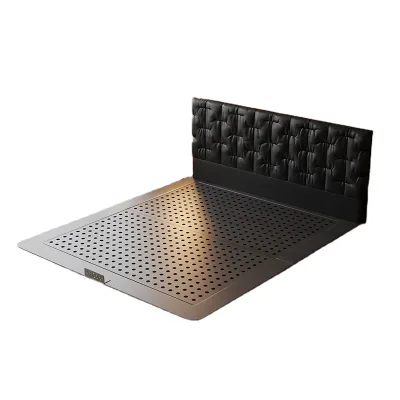
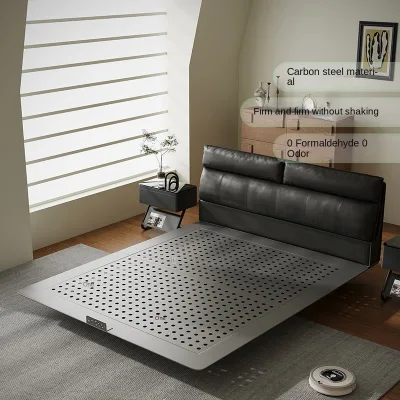
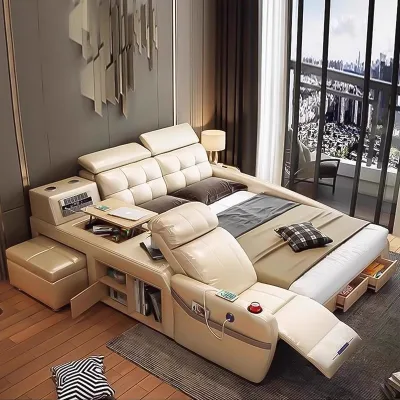
Modern Luxury Leather Bed Modern King Size Bed Bed with Storage Function
$605.00 - $1189.00
MOQ: 2 Minimum
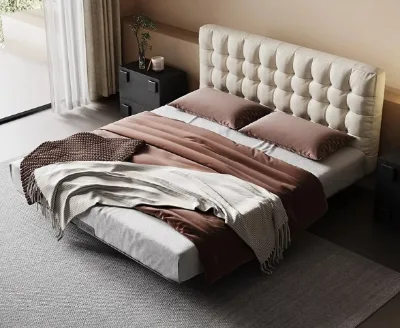
Minimalist Double Bed Carbon Steel Frame and Leather Suspension Soft Bed
$455.00 - $661.00
MOQ: 2 Minimum
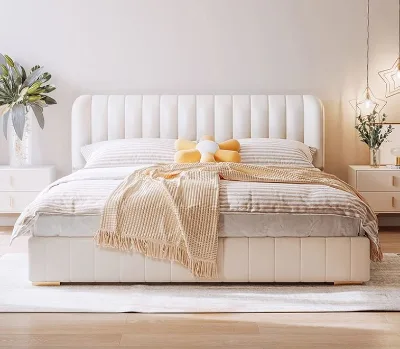
Nordic Customizable Storage Bed Frame Size Leather Upholstered Multifunction Small Apartment Bed
$245.00 - $588.00
MOQ: 2 Minimum
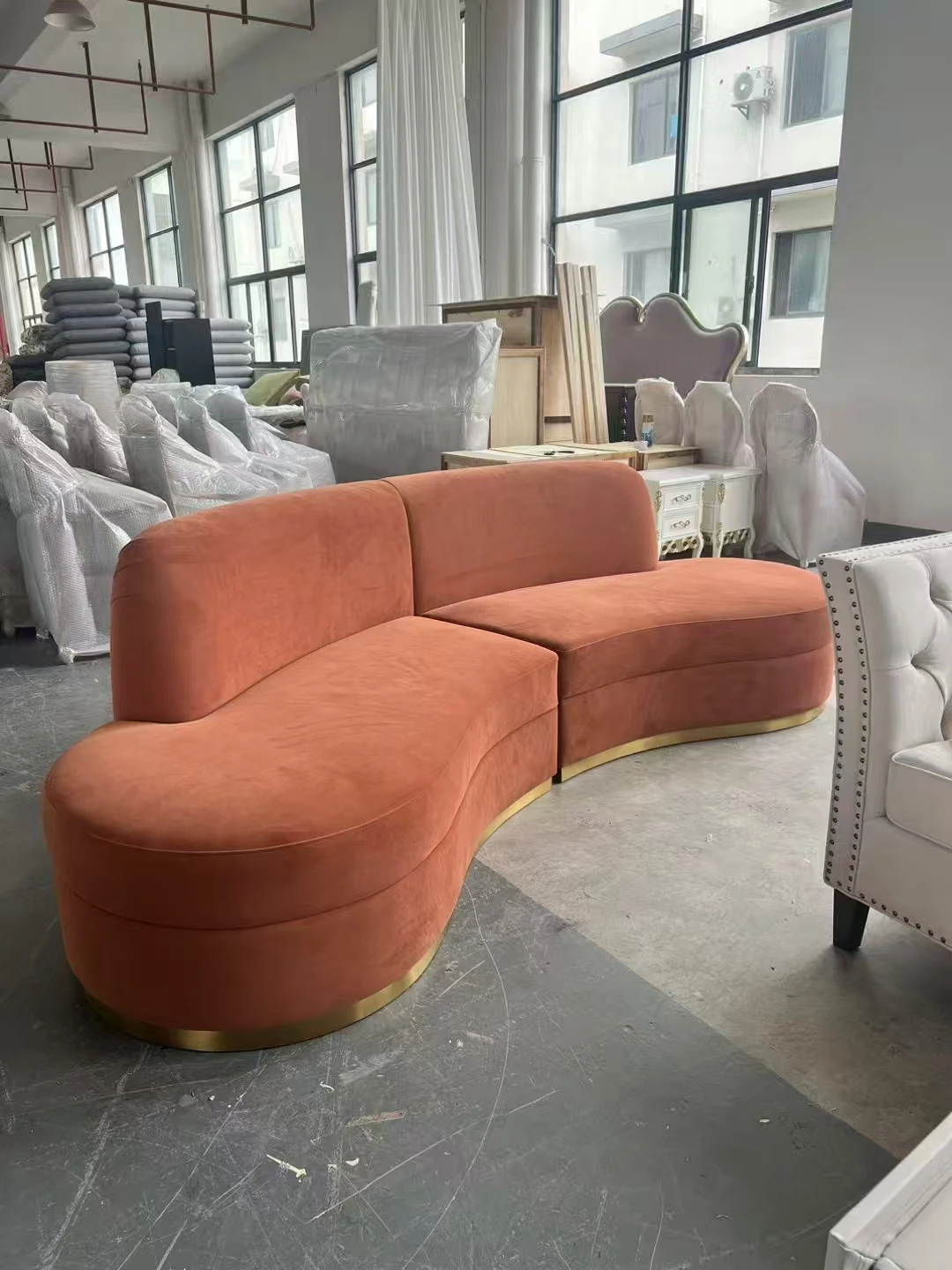
Ganzhou Baichuan Furniture Co., Ltd.
- Manufacturer, Trading Company
- Jiangxi, China
- Lead time7 days
- Avg. response≤ 6h
Main productsBed,sofa,nightstand,dining table,dressing table
Main marketsEastern Europe(15.00%), Africa(15.00%), South Asia(15.00%), Oceania(10.00%), Western Europe(10.00%), Southeast Asia(10.00%), Mid East(7.00%), Southern Europe(5.00%), South America(5.00%), North America(5.00%), Eastern Asia(3.00%)
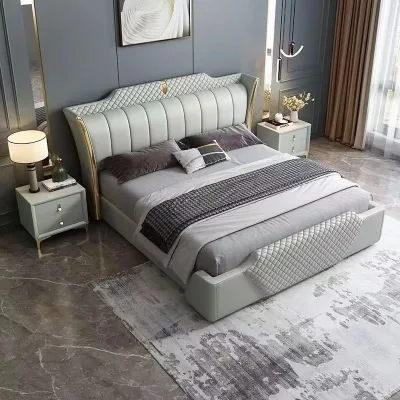
$134.1254 - $144.4433
MOQ: 2 pieces
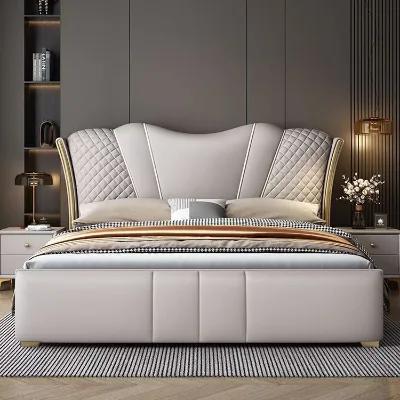
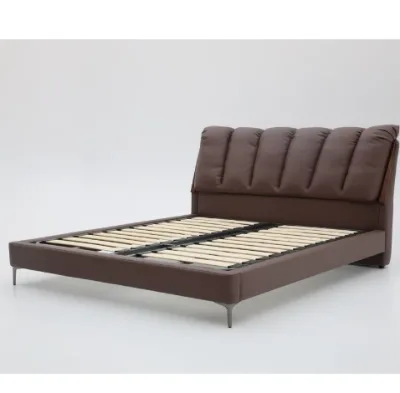
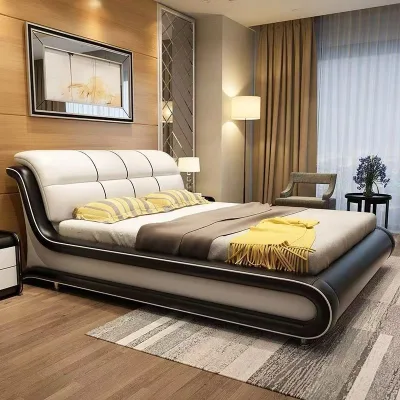
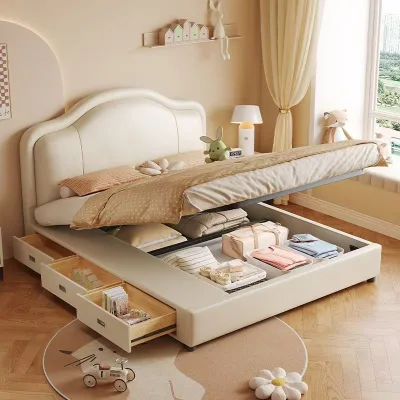
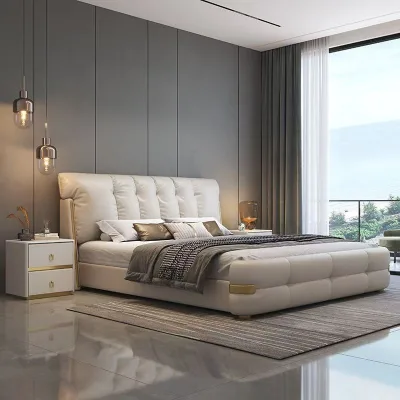
Foshan Shunde Luyue Furniture Factory
- Manufacturer
- Guangdong, China
- Lead time30 days
- Avg. response≤ 3h
Main productsSofa,Bed,leather sectional sofa,Sofa Bed,TV Stand
Main marketsWestern Europe(11.11%), Eastern Asia(11.11%), Mid East(11.11%), Oceania(11.11%), Africa(11.11%), Southeast Asia(11.11%), Eastern Europe(11.11%), South America(11.11%), North America(11.11%)
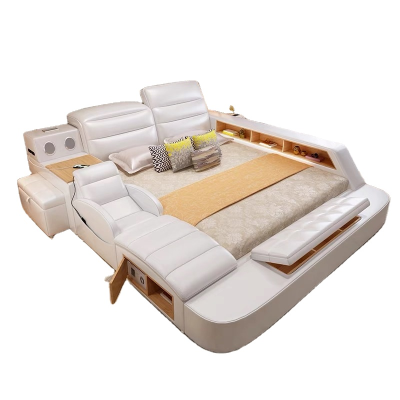
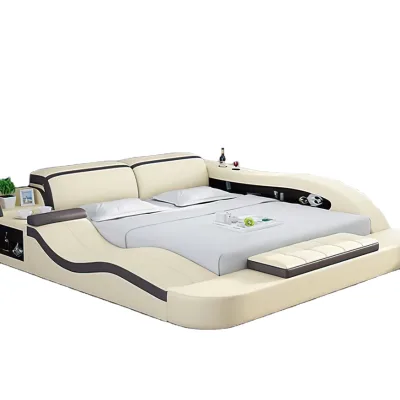
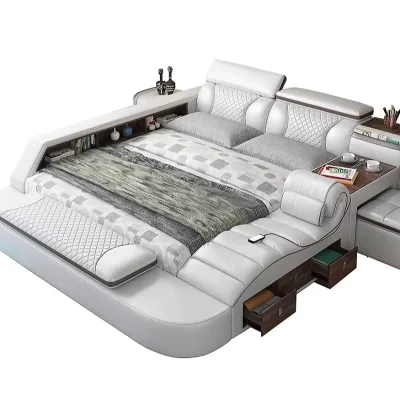
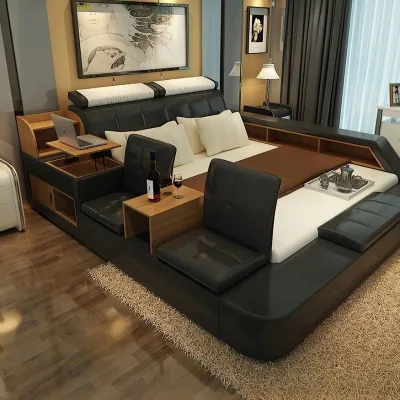
Factory Wholesale Hot Sale Multifunction Storage Bed Design of Leather Bed King Queen Bed
$840.00 - $850.00
MOQ: 1 Minimum
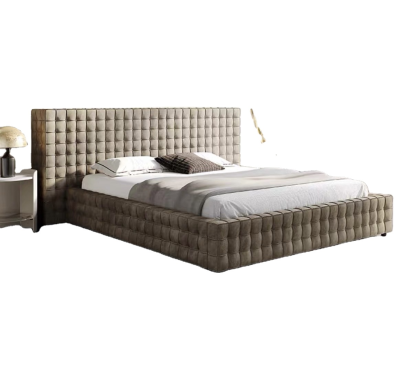
Nubuck leather Modern bedroom furniture soft bed size is 150*180cm/180*200cm
$2000.00 - $2300.00
MOQ: 1 Minimum
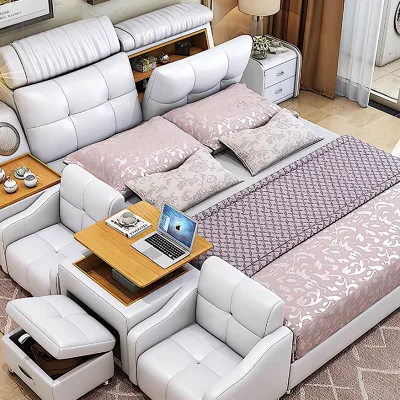
$860.00 - $870.00
MOQ: 1 Minimum
Ganzhou Junherui Home Furnishing Technology Co., Ltd.
- Manufacturer, Trading Company
- Jiangxi, China
- Lead time0 days
- Avg. response≤ 2h
Main productsoffice furniture,home indoor furniture,outdoor furniture,bedroom furniture,living room furniture
Main marketsSouth America(30.00%), Western Europe(20.00%), Northern Europe(10.00%), Central America(10.00%), North America(10.00%), Mid East(10.00%), Eastern Europe(10.00%)

Foshan Ganasi Furniture Co., Limited
- Combined
- China Guangdong
- Lead time30 days
- Avg. response≤ 25h
Main productsLeather Sofa
Main marketsEurope,Australia,North America
Foshan Chicasa Furniture Co., Ltd.
- Verified by SGS Group
- Manufacturer, Trading Company
- Lead time30 days
- Avg. response≤ 2h
Main productsLiving Room Furniture, Bedroom Furniture, Dining Room Furniture, Home Office, Customized Background
Main marketsOceania(30%), North America(25%), Mid East(25%)
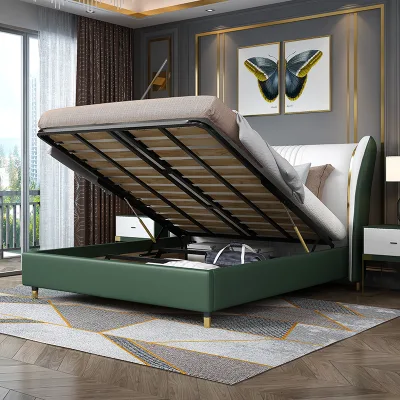
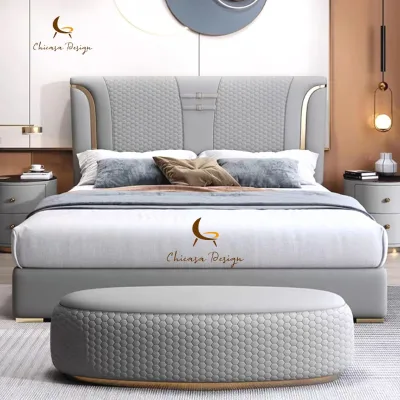
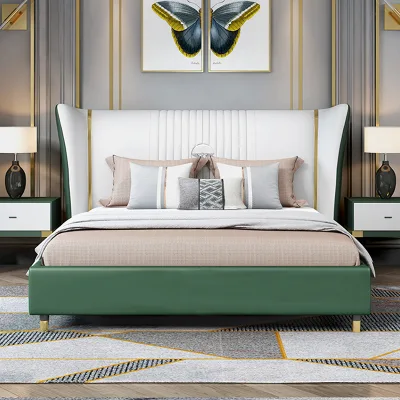
Manufacturers Selling King Size Luxury Leather Back Design Beds Modern Leather Headboard Storage Bed
$390.7552 - $601.0808
MOQ: 2 Minimum
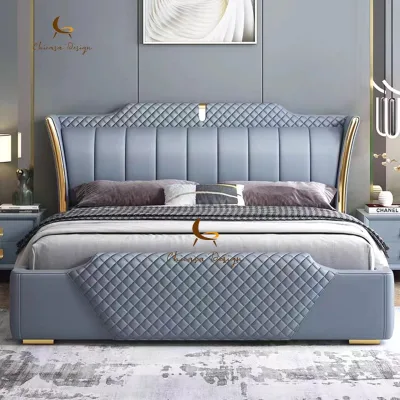
Best Selling Furniture Storage Soft Bed Adjustable Leather Soft Bed With Headboard
$486.6383 - $749.5469
MOQ: 2 Minimum
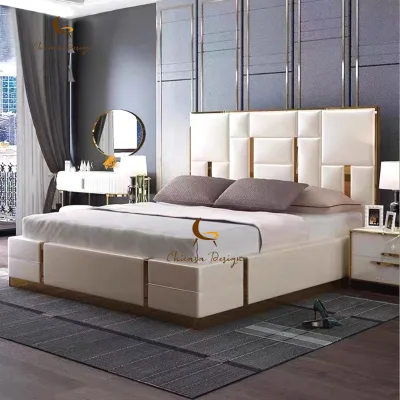
Modern New Design Luxury Leather Bedroom Bed Lift up Storage Adjustable Queen Single Bed
$639.2288 - $765.0125
MOQ: 1 Minimum

- Combined
- China Guangdong
- Lead time30 days
- Avg. response≤ 4h
Main productsBedroom Furniture, Living Room Furniture, Dining Furniture, Hotel Furniture, Sofa Furniture, King&Queen Bed, Wardrobe, Chest Drawers, Coffee Table, TV Stand
Main marketsSouth America

Foshan Shunde Qefet Furniture Co., Ltd.
- Verified by SGS
- Combined
- China Guangdong
- Lead time23 days
- Avg. response≤ 4h
Main productsSofa, Recliner Sofa, Bed, Dining Set, Leisure Chair, Mattress, Coffee Table, TV Stand, End Table, Bedside Table
Main marketsSoutheast Asia/ Mideast


$340.00 - $380.00
MOQ: 3 Sets

Foshan Sun Gold Furniture Co., Ltd.
- Manufacturer/Factory,Group Corporation
- China Guangdong
- Lead time15 days
- Avg. response≤ 10h
Main productsFurniture Factory, Office Desk Chair, Office Worktation Cubicle, Partition Wall Pergola, School Furniture, Home Furniture, Bedroom Furniture, Living Room Furniture, Dining Room Furniture, Office Chair Sofa
Main marketsSouth America,Mid East,North America,Southeast Asia,Eastern Asia,Oceania,Western Europe,Africa

Bedroom Furniture Platform Bed Customized Leather Bed with Storage Box
$200.00 - $1480.00
MOQ: 1 Pieces

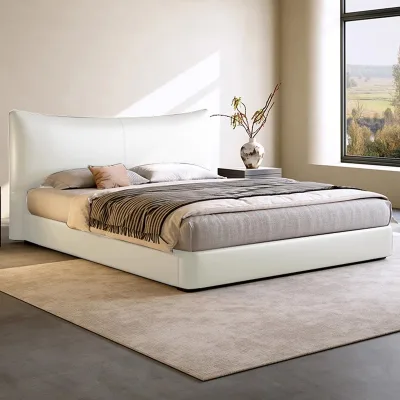
Light Luxury Art Bed Modern Simple Leather Bed Unique Backrest Comfortable Beds
$380.00 - $980.00
MOQ: 1 Pieces
Ganzhou Elande Trading Co., Ltd.
- Trading Company
- Jiangxi, China
- Lead time30 days
- Avg. response≤ 2h
Main productsBedroom furnitureLiving room furniture,Dining room furnituree,living room furniture,Hotel furniture,custom furniture
Main marketsNorth America(30.00%), Southeast Asia(20.00%), Africa(15.00%), South America(5.00%), Eastern Asia(4.00%), Mid East(4.00%), South Asia(4.00%), Northern Europe(3.00%), Central America(3.00%), Southern Europe(3.00%), Domestic Market(2.00%), Oceania(2.00%), Western Europe(2.00%)
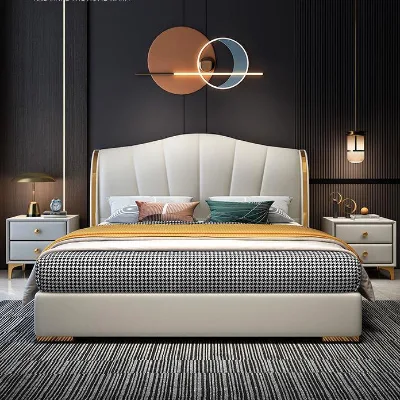
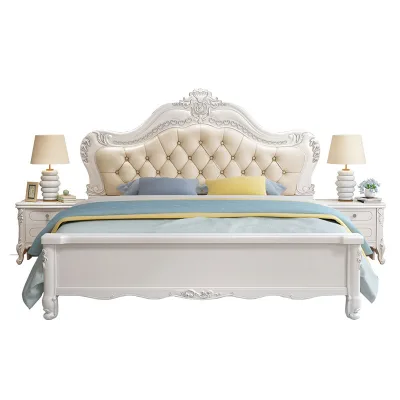
Light Luxury Leather Soft Bed with Storage Queen Bed King Bed Bedroom Furniture Set
$245.00 - $290.00
MOQ: 80 sets

Qingdao Keruyun Industrial Technology Co., Ltd.
- Verified by TUVRHEINLAND
- Combined
- China Shandong
- Lead time15 days
- Avg. response≤ 5h
Main productsStorage Bed Frame, Lifting Bed Mechanism, Metal Bed, Upholstered Bed, Folding Bed, Murphy Bed, Welding Parts, Sheet Metal Fabrication
Main marketsSouth America,Africa,Others(foreignTradeCapacity.exportBusinessCapacityMarketOther),Europe,Australia,North America


Multifunctional Bedroom Bed PU Leather Fabric Platform Bed Storage Bed with Container Box
$63.99 - $75.37
MOQ: 1 Pieces

Stylish Bedroom Bed PU Leather Headboard Lift up Bed Storage Bed with Container Box
$63.99 - $75.37
MOQ: 1 Pieces

Side Liftting Platform Storage Bed with Gas Spring Kit Slat System Bed Frame
$14.32 - $39.99
MOQ: 1 Pieces

Shouguang Yamazon Home Materials Co., Ltd.
- Verified by BV
- Manufacturer/Factory
- China Shandong
- Lead time23 days
- Avg. response≤ 6h
Main productsWooden Furniture, Wood Beam, Glulam Beam, Wardrobe, Wooden Plywood Beams, Aluminum Alloy, Wooden Column, Log Cabins, Equestrian Jump Poles, Aluminum Car Pedals
Main marketsSouth America,Eastern Europe,Mid East,North America,Southeast Asia,Eastern Asia,Oceania,Western Europe,Africa

Foshan Rushiya Home Decoration Co., Ltd.
- Verified by BV
- Trading Company
- China Guangdong
- Lead time30 days
- Avg. response≤ 10h
Main productsKitchen Furniture, Wardrobe
Main marketsDomestic

Foshan COOC Furniture Co., Ltd.
- Verified by BV
- Combined
- China Guangdong
- Lead time15 days
- Avg. response≤ 9h
Main productsLiving Room Sofa, Living Room Furniture Set, Upholstered Bed, Dining Furniture, Bedroom Furniture Set, Leisure Chair, Home Furniture, Lobby Furniture, Apartment Furniture, Modern Furniture
Main marketsSouth America,Southeast Asia/ Mideast,East Asia(Japan/ South Korea),Domestic,Europe,Australia,North America

Lift Storage Bed King Queen Size Full Size Fabric Leather Upholstered Platform Beds
$150.00 - $250.00
MOQ: 2 Pieces

Jiangxi Shungong Jiejiang Furniture Co., Ltd.
- Manufacturer, Trading Company
- Jiangxi, China
- Lead time30 days
- Avg. response≤ 2h
Main productsDressing Table, Panel Wardrobe, Panel Bed, Coffee Table, Chair
Main marketsOceania(40.00%), North America(30.00%), Southern Europe(15.00%), Mid East(15.00%)

- Verified by CTI
- Trading Company
- China Anhui
- Lead time23 days
- Avg. response≤ 2h
Main productsFurniture, Home Furniture
Main marketsSoutheast Asia/ Mideast
Ganzhou Olive King Furniture Co., Ltd.
- Manufacturer, Trading Company
- jiangxi, China
- Lead time30 days
- Avg. response≤ 2h
Main productsBed, Sofa, Coffee Table And TV Stand, Dining Table And Chair, Custom Furniture
Main marketsDomestic Market(100.00%)
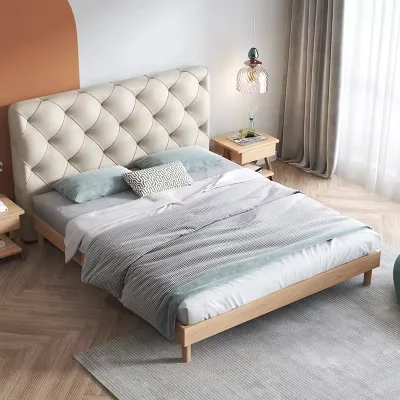
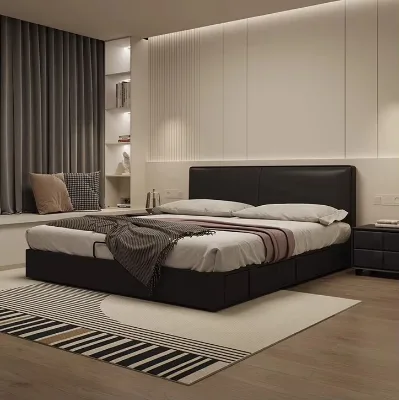
High Quality Large Storage Leather Bed Italian Modern Style Upholstered Bed
$329.00 - $415.00
MOQ: 2 sets
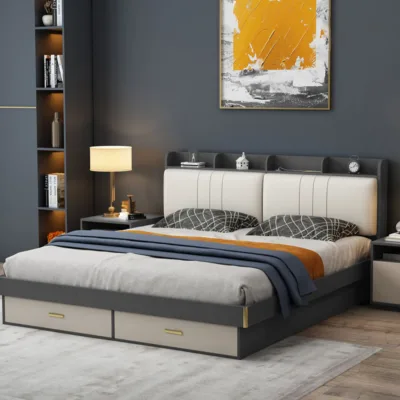
$205.00 - $265.00
MOQ: 2 sets

FOSHAN RUI XUN SHENG FURNITURE CO., LTD
- Verified by TUVRHEINLAND
- Combined
- China Guangdong
- Lead time30 days
- Avg. response≤ 11h
Main productsBedroom Furniture, Bed, Home Furniture, Project Furniture, OEM Furniture, Hotel Apartment Furniture, Living Room Furniture, Sofa Set, Dining Room Furniture, TV Cabinet TV Wall Units TV Stand
Main marketsAfrica,Southeast Asia/ Mideast,North America


$137.00 - $145.00
MOQ: 10 Pieces

Zhangzhou Yijiaxing Furniture Co., Ltd.
- Verified by BV
- Combined
- China Fujian
- Lead time45 days
- Avg. response≤ 2h
Main marketsAfrica,Europe,North America
Foshan Yaai Furniture Co., Ltd.
- Manufacturer, Trading Company
- Guangdong, China
- Lead time10 days
- Avg. response≤ 4h
Main productsTables,Chairs,Sofas,outdoor furniture,lliving room furniture
Main marketsNorth America(40.00%), Northern Europe(10.00%), Central America(10.00%), Southeast Asia(10.00%), Western Europe(10.00%), South Asia(5.00%), Mid East(5.00%), Africa(5.00%), South America(5.00%)

Foshan Qisheng Sponge Co., Ltd.
- Manufacturer
- China Guangdong
- Lead time30 days
- Avg. response≤ 9h
Main productsFoam Mattress
Main marketsSoutheast Asia/ Mideast,Europe,Australia,North America

LUOYANG EASTERN SUNRISE CO., LTD.
- Trading Company,Manufacturer/Factory
- China Henan
- Lead time23 days
- Avg. response≤ 4h
Main productsSteel Bed, Steel Locker, Filing Cabinet, Leather Bed, Office Cabinet, Storage Rack, Cupboards, Wardrobe
Main marketsSouth America,Eastern Europe,Mid East,North America,Southeast Asia,Eastern Asia,Oceania,Western Europe,Africa
Guangzhou Sufei Building Materials Co., Limited
- Manufacturer, Trading Company
- Guangdong, China
- Lead time20 days
- Avg. response≤ 16h
Main productsbuilding material,hotel linen,hotel amentities,soft bed,roofing tiles
Main marketsAfrica(50.00%), Western Europe(20.00%), Mid East(10.00%), Northern Europe(10.00%), North America(5.00%), South America(5.00%)
Jiangxi Rainbow Furniture Co., Ltd.
- Verified by Intertek
- Manufacturer, Trading Company
- Lead time30 days
- Avg. response≤ 1h
Main productsSoft Sofa, Upholstered bed, Recliners, Dining Table, Dining Chair
Main marketsDomestic Market(50%), Southeast Asia(10%), Eastern Europe(10%)

Foshan Ulink Furniture Limited
- Verified by TUVRHEINLAND
- Combined
- China Guangdong
- Lead time30 days
- Avg. response≤ 3h
Main productsOffice Furniture, Bedroom Furniture, Coffee Table and TV Stand, Living Room Furniture, Dining Furniture, Office Chair, Office Desk, Computer Desk
Main marketsAfrica,Others(foreignTradeCapacity.exportBusinessCapacityMarketOther),Domestic
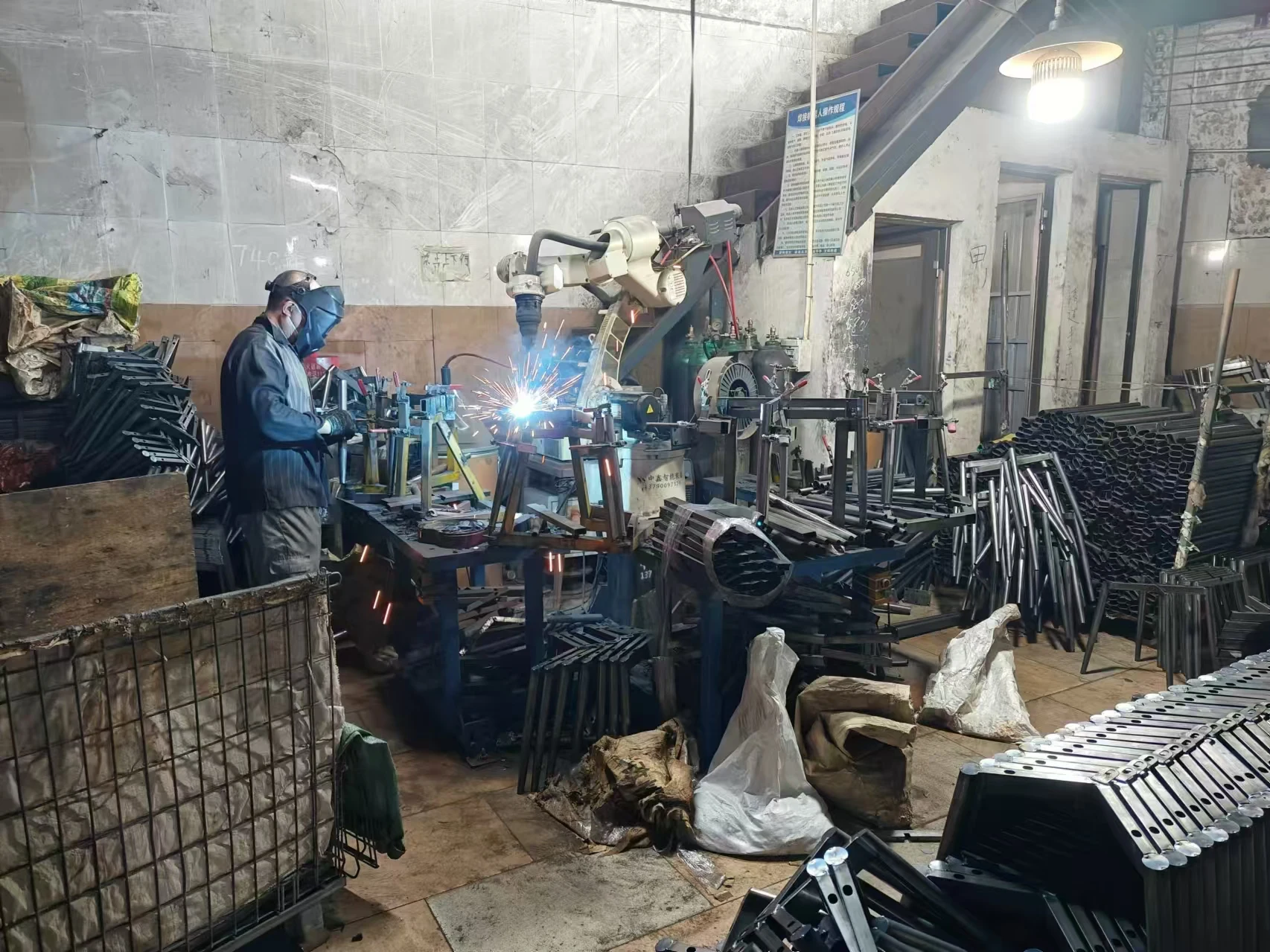
Ganzhou Green Nest Furniture Co., Ltd.
- Trading Company
- Jiangxi, China
- Lead time15 days
- Avg. response≤ 1h
Main productsBedroom Set,Dining room Set,Living room set
Main marketsMid East(30.00%), South America(20.00%), Eastern Asia(10.00%), Africa(10.00%), North America(10.00%), Southern Europe(5.00%), Western Europe(5.00%), Oceania(5.00%), Eastern Europe(5.00%)


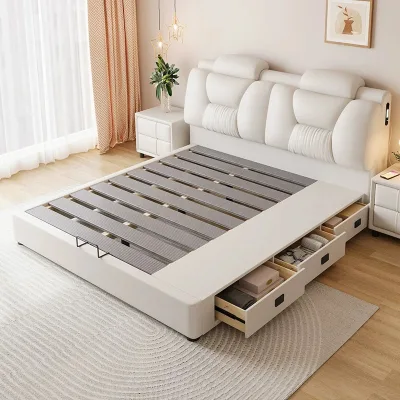
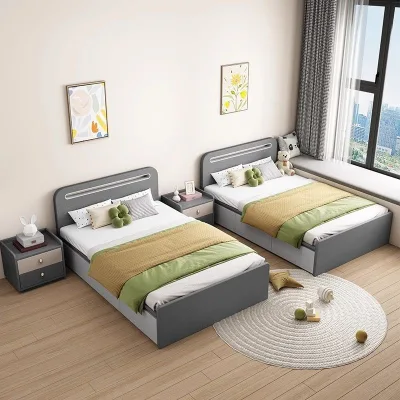


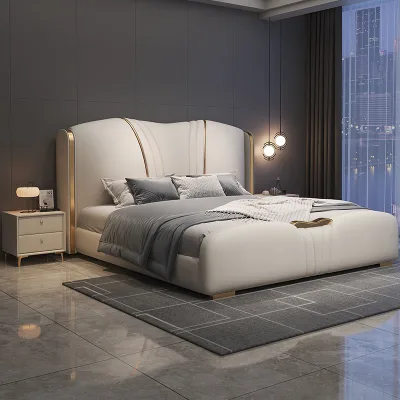
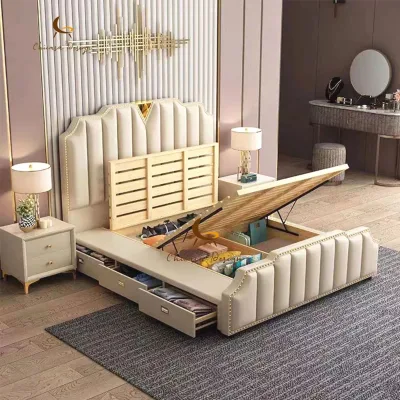


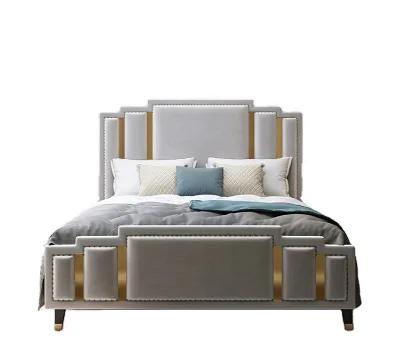
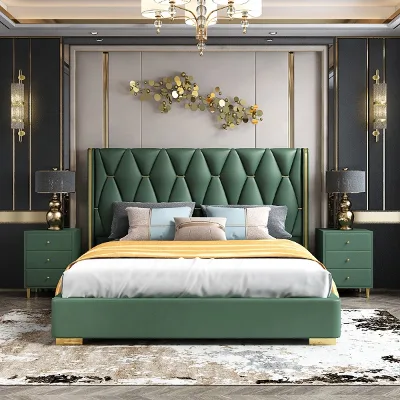
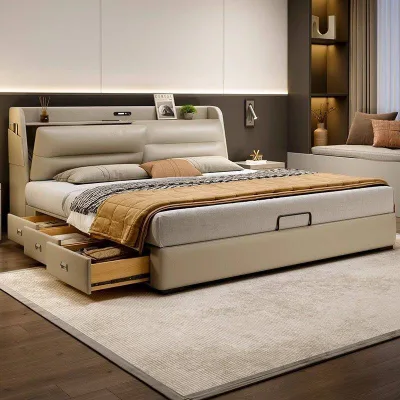
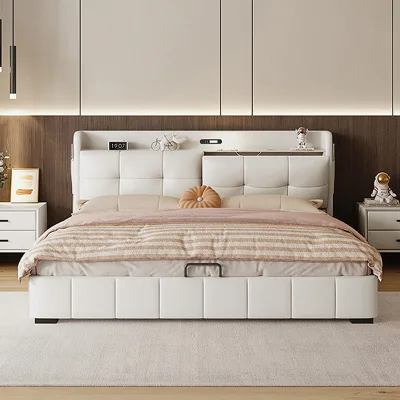
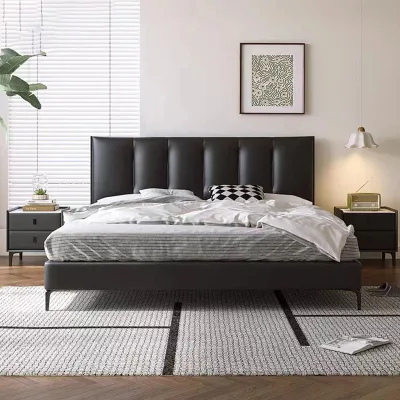


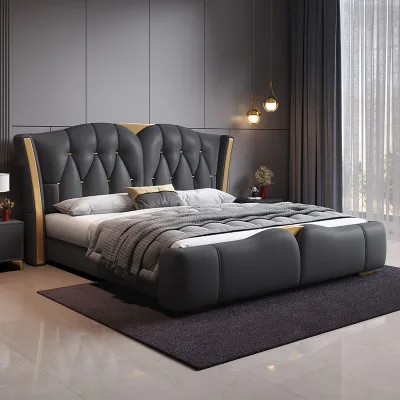
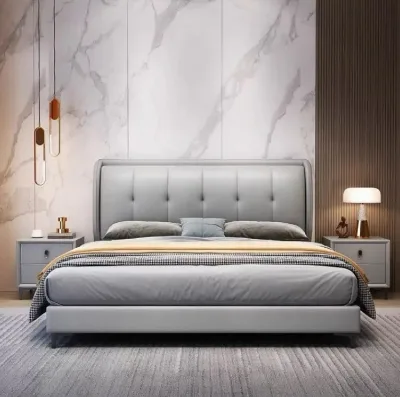
Comprehensive Sourcing Guide
Leather Storage Bed Supplier Concentration and Factory Types
The current supplier landscape for leather storage beds reveals a mix of manufacturing entities and trading companies operating within the furniture sector. Data indicates that suppliers are categorized as either manufacturers or trading companies, with some holding dual roles to offer broader product ranges. These entities often specialize in bedroom furniture, including metal beds, fabric beds, and various mattress types alongside the core Leather Storage Bed offerings. The presence of both factory and trading company types suggests a market where direct production capabilities coexist with distribution networks that may source from multiple workshops.
Geographic concentration is a critical factor for buyers assessing these suppliers. While specific factory clusters are not universally confirmed in every result, evidence points to operations located in regions such as Hebei and Zhejiang in China. Buyers should verify the specific location of each supplier to understand the local manufacturing ecosystem. Some suppliers list their origin as Hebei, while others specify Zhejiang, indicating distinct regional hubs for furniture production. Identifying these clusters helps in evaluating logistics efficiency and the depth of local supply chains for materials like synthetic leather and wood slats.
How to Verify Leather Storage Bed Suppliers
Verification of supplier credibility relies heavily on third-party audit reports and system certifications. Several suppliers in the current results have undergone verification by TüVRheinland, a recognized international inspection body. This verification status provides a baseline of confidence regarding the supplier's operational legitimacy and compliance with certain safety standards. Buyers should prioritize suppliers displaying this specific verification mark, as it confirms an external review of their business practices and facility conditions. The presence of such audits is a strong indicator of a supplier's commitment to maintaining quality and transparency in their operations.
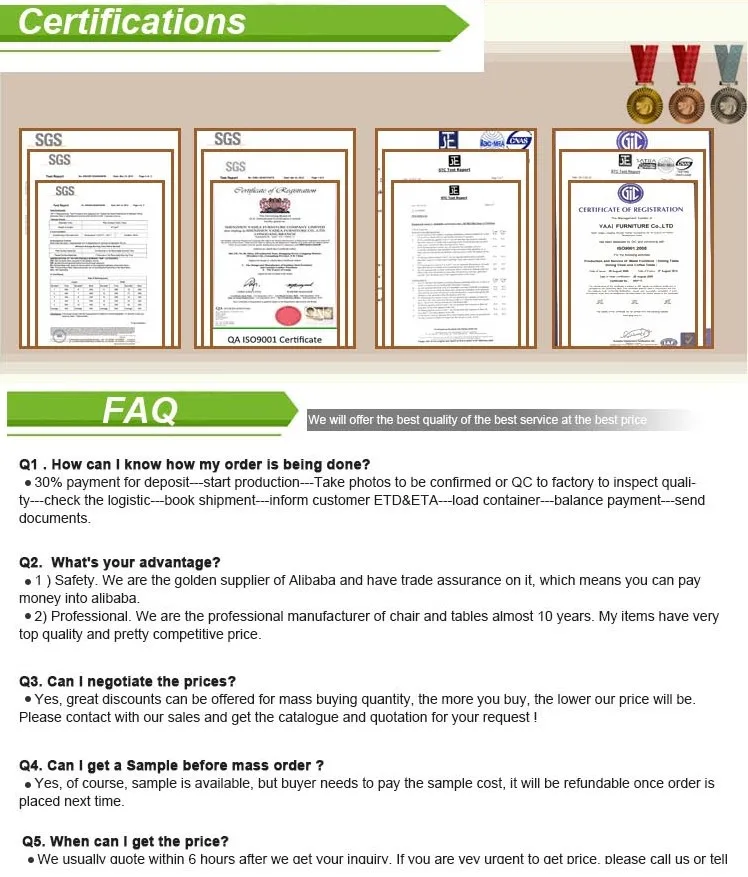
Beyond physical verification, system certifications offer insight into the quality management and safety standards of the production process. The observed supplier pool includes entities holding certifications such as BS 7177, BS 5852, FSC, CE, and RoHS. These standards cover fire safety, environmental compliance, and material restrictions, which are particularly relevant for upholstered furniture. Buyers must cross-reference these certifications with the specific product requirements, ensuring that the leather storage beds meet the fire resistance and chemical safety regulations of their target markets. The availability of these documents should be a prerequisite for finalizing any partnership.
What to Compare Across Leather Storage Bed Suppliers
When evaluating potential partners, buyers must compare key operational metrics such as lead times, minimum order quantities, and response speeds. The data shows lead times ranging from 30 days to 45 days, with some suppliers offering faster turnaround capabilities. Minimum order quantities (MOQ) are frequently set at 30 sets, though this can vary based on the specific model and customization requirements. Response times also differ, with some suppliers demonstrating a rapid response capability of around six hours, while others may take slightly longer. These metrics directly impact inventory planning and the ability to meet market demand without excessive delays.
Product specifications and customization capabilities form another critical comparison point. Suppliers offer varying features, including storage functionality, adjustable bases, and different upholstery materials like synthetic leather or genuine leather. Some products are designed with specific dimensions such as single, double, queen, or king sizes, while others focus on electric or lift mechanisms. Buyers should compare the material composition, such as birch wood or metal frames, and the availability of customization options like OEM or ODM services. Understanding these product differences ensures the selected supplier can deliver the exact specifications required for the buyer's specific market segment.
Common Leather Storage Bed Sourcing Risks
One significant risk in sourcing leather storage beds involves the discrepancy between product descriptions and actual material quality. While some listings specify synthetic leather, others may imply higher-grade materials without clear distinction. Buyers must verify the exact upholstery material and wood type, such as birch or plywood, to ensure the product matches the intended market positioning. Inconsistent material quality can lead to customer dissatisfaction and returns, particularly if the leather peels or the frame lacks durability. Rigorous sample testing is essential to confirm that the physical product aligns with the advertised specifications before placing large orders.
Another risk relates to the complexity of assembly and the condition of the product upon delivery. Some products are designed as knock-down (KD) units for easier shipping, while others are listed as undisassembly or non-foldable. This distinction affects packaging dimensions and shipping costs, which can vary significantly between suppliers. For instance, a single package size of 140x70x20 cm differs from a 120x100x10 cm configuration, impacting freight calculations. Buyers must carefully review the packing details and assembly requirements to avoid unexpected logistics costs and ensure the product arrives in a condition that meets the retailer's quality standards.
Leather Storage Bed Regional Sourcing and Logistics
Regional sourcing decisions are heavily influenced by the location of the manufacturing facilities and the associated logistics infrastructure. Evidence indicates that suppliers are primarily located in Chinese provinces such as Hebei and Zhejiang, which are known for their furniture manufacturing capabilities. These regions offer access to raw materials and established supply chains, but buyers must account for the distance to their own distribution centers. The specific location of the factory determines the shipping route, transit time, and potential customs complexities. Understanding the geographic origin helps in estimating the total landed cost and planning the supply chain accordingly.
Logistics planning must also consider the packaging and weight specifications provided by the supplier. Products vary in single gross weight, ranging from 25 kg to 30 kg per unit, and come in different package dimensions. These factors directly influence the number of units that can be loaded into a container, affecting the overall shipping efficiency. Buyers should calculate the volume and weight to optimize container utilization and reduce freight expenses. Additionally, the availability of specific packing methods, such as carton packing or palletizing, should be confirmed to ensure the products are protected during transit and meet the handling requirements of the destination market.
Leather Storage Bed Commercial Terms and Order Planning
Commercial terms and payment structures are vital components of the order planning process for leather storage beds. Suppliers often require payment terms such as a 30% deposit and 70% balance before shipment, which is a standard practice in the industry. Buyers need to assess their cash flow capabilities to accommodate these terms and ensure they can meet the financial obligations without disrupting operations. The availability of escrow services or other secure payment methods can mitigate financial risks, providing a safety net for both parties during the transaction process. Clear agreement on these terms prevents disputes and ensures a smooth transaction flow.
Order planning must also account for the warranty and after-sales support provided by the supplier. Some products come with a warranty period of up to five years, which is a significant value proposition for buyers targeting long-term customer satisfaction. However, the scope of this warranty and the process for claiming it must be clearly defined in the contract. Buyers should also consider the response time of the supplier for any post-sale issues, as a quick response is crucial for maintaining brand reputation. Integrating these commercial terms into the overall business strategy ensures a sustainable and profitable sourcing relationship.
FAQs
What is the minimum order quantity for leather storage beds?
The minimum order quantity is typically 30 sets for most available models. This standard applies to both synthetic leather and upholstered options. Buyers should confirm specific MOQs with suppliers before placing orders to ensure alignment with production schedules and shipping logistics.
How long does production take for these beds?
Production lead times generally range from 30 to 45 days depending on the supplier and order volume. Manufacturers in Zhejiang and Hebei offer varying schedules. Buyers should verify current lead times directly with suppliers to account for seasonal demand and customization requirements.
Are these beds certified for safety and quality?
Many suppliers hold certifications such as ISO 9001, CE, RoHS, and BS 7177. These ensure compliance with international safety and environmental standards. Buyers should request valid certificates to verify that the leather storage beds meet specific regulatory requirements for their target markets.
What materials are used in the bed frames?
Frames are constructed from metal, wood, or plywood with birch or rattan options. Upholstery typically features synthetic leather or soft fabric. Some models include electric lift mechanisms with Okin motors. Buyers should specify material preferences to ensure durability and aesthetic alignment with their needs.
What is the price range for these beds?
Prices vary significantly based on features, ranging from approximately $65 to $380 per unit. Basic storage beds start lower, while electric adjustable models cost more. Buyers should request detailed quotes to understand how customization, quantity, and shipping affect the final landed cost.
Can suppliers provide customization services?
Yes, many manufacturers offer OEM and ODM services with customization available. Buyers can request specific colors, sizes, and design styles. Some suppliers also provide graphic processing and on-demand customization. Buyers should discuss specific requirements to ensure the supplier can meet their unique branding needs.
How quickly do suppliers respond to inquiries?
Response times are typically fast, averaging around 5.8 to 6 hours. This ensures prompt communication regarding quotes and specifications. Buyers should expect timely replies but should still verify response speeds with specific suppliers to maintain efficient project timelines and decision-making processes.