Electrostatic Frosted Glass Film with Lattice Pattern Suppliers and Manufacturers
Source Electrostatic Frosted Glass Film with Lattice Pattern from 21 verified suppliers in China. Compare lead times, certifications, and pricing to find the right partner. Contact suppliers directly to request samples and confirm specifications; review the available evidence before requesting comparable quotations from suitable candidates.
Updated
Suppliers List

Shanghai Hanker Industrial Co., Ltd.
- Verified by TUVRHEINLAND
- Combined
- China Shanghai
- Lead time15 days
- Avg. response≤ 3h
Main productsSelf Adhesive Vinyl, One Way Vision, Color Cutting Vinyl, Cold Lamination Film, Ultra Clear Pet Film, Aluminum Foil Sticker, Magnetic Sheets, Window Film, Floor Stickers, Wall Paper
Main marketsSoutheast Asia/ Mideast


Frosted Glass Film for Decorative Window Protection and Stylish Aesthetics
$0.25 - $1.00
MOQ: 1000 Square Meters


Frosted Glass Window Film for Elegant Privacy and Decorative Touch
$0.25 - $1.00
MOQ: 1000 Square Meters

Foshan Weiming Plastics Co., Ltd.
- Verified by SGS Group
- Manufacturer, Trading Company
- Lead time25 days
Main productsPVC Film, Oxford Fabric with Backing, PVC Leather, PVC Flooring
Main marketsDomestic Market(44%), South Asia(14%), Africa(13%)

Wuxi Wanfeng Protection Film Co., Ltd.
- Combined
- China Jiangsu
- Lead time15 days
- Avg. response≤ 2h
Main productsPE Protective Film, Pi Tape, Cold Seal Adhesive Tape, Thermal Release Tape
Main marketsDomestic

Guangdong Anke Technology Co., Ltd
- Verified by SGS
- Combined
- China Guangdong
- Lead time15 days
- Avg. response≤ 3h
Main marketsDomestic

Premium Frosted Glass Window Film with Translucent Gradient Design
$1.60 - $1.80
MOQ: 100 Square Meters

Decorative Glass Film with Vertical Stripes - Shatterproof Design
$0.90 - $1.20
MOQ: 500 Square Meters


High Quality Pattern Window Film Frosted Glass Film Office Decorative Frosted Film
$1.20 - $1.40
MOQ: 100 Meters

$1.90 - $2.50
MOQ: 500 Meters

Manufacturer Protection Frosted Film Decoration Film Window Film Privacy Window Glass Film
$1.20 - $1.40
MOQ: 100 Meters

Oriency Sign Technology Industry Co., Ltd.
- Verified by BV
- Combined
- China Shanghai
- Lead time30 days
- Avg. response≤ 4h
Main productsFlex Banner, Self Adhesive Vinyl, LED Display, PVC Foam Board, Canvas, Flag Material, Eco-Solvent Medias, Printing Materials, Panel Products, Sign Media
Main marketsSoutheast Asia/ Mideast,East Asia(Japan/ South Korea),Europe,Australia,North America
Fancy Zhejiang Innovative Materials Co., Ltd.
- Trading Company
- Zhejiang, China
- Lead time25 days
- Avg. response≤ 2h
Main productsSelf Adhesive Wallpaper,Static Window Film,Stained Glass Window Film,Solar Window Film,3D Tile Stickers
Main marketsNorth America(25.00%), Eastern Asia(20.00%), Western Europe(15.00%), Eastern Europe(10.00%), Oceania(10.00%), Southern Europe(10.00%), Northern Europe(5.00%), Mid East(2.00%), Domestic Market(1.00%), South America(1.00%), Southeast Asia(1.00%)

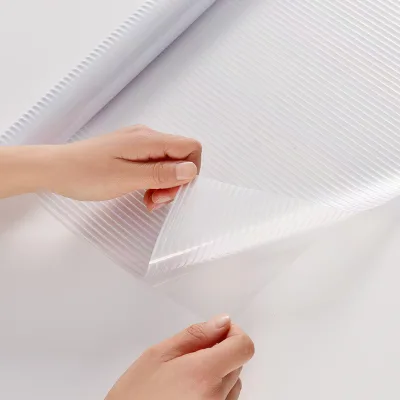
Plant Pattern Frosted Window Film
MOQ: 10 Minimum
Guangzhou Hongyuan Adhesive Material Technology Co., Ltd.
- Trading Company
- Guangdong, China
- Lead time15 days
- Avg. response≤ 5h
Main productsPrintable vinyl,Cold lamination film,Color cutting vinyl,Automobile packaging vinyl,Window film
Main marketsSouth Asia(50.00%), Eastern Asia(20.00%), North America(10.00%), Mid East(10.00%), South America(5.00%), Central America(5.00%)
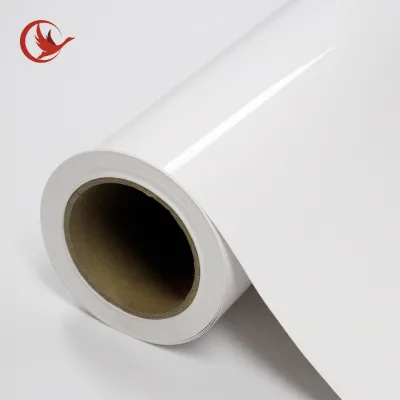
$0.9348 - $0.9542
MOQ: 64 square

$2.0777 - $3.1173
MOQ: 10 rolls
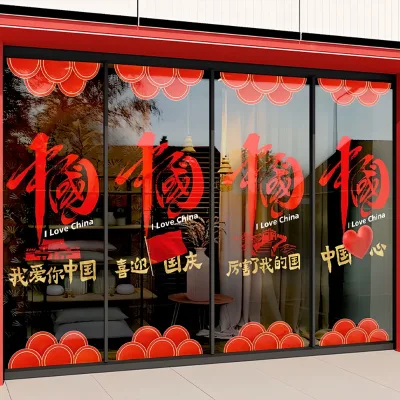
Customized Glass Film UV Transparent Frosted Film
$2.00 - $3.00
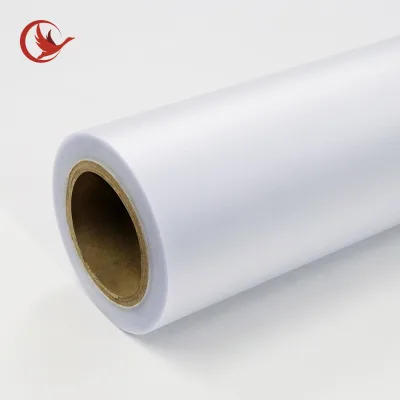
Embossed Glass Film for Insulation Matte Glass Film for Privacy Opaque Glass Film for protection
$2.0523 - $3.0784
MOQ: 4 rolls
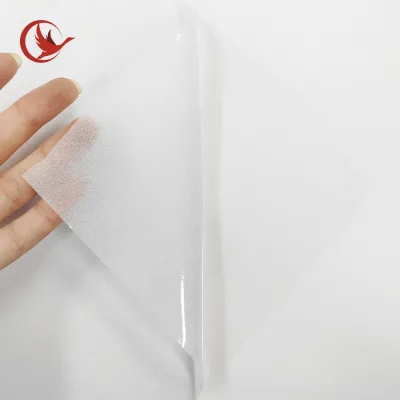
Plastic Film for Packaging Frosted Glass Film Roll Packaging Film for Glass
$2.0523 - $3.0784
MOQ: 4 rolls
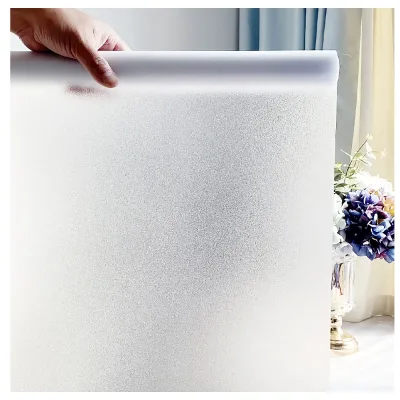
Hunan Hamyee Home Decor Co., Ltd.
- Manufacturer, Trading Company
- Lead time旺季: "1 - 200":7,"201 - 2000":10,"2001 - 20000":15,"> 20000":"To be negotiated", 淡季: "1 - 200":7,"201 - 2000":10,"2001 - 20000":15,"> 20000":"To be negotiated"
- Avg. response≤ 2h
Main productsWall Tile Sticker, Self Adhesive Wallpaper, Floor Sticker, Decorative Film, Window Film
Guangzhou Anolly Advanced Materials Co., Ltd.
- Verified by TüVRheinland
- Manufacturer, Trading Company
- Lead time7 days
- Avg. response≤ 2h
Main productsCutting Vinyl, Car Wrap Film, Self Adhesive Vinyl, Window Film
Main marketsNorth America(10%), Mid East(10%), Southeast Asia(9%)
Wuhan Bestand Decoration Co., Ltd.
- Verified by SGS Group
- Manufacturer, Trading Company
- Lead time0 days
- Avg. response≤ 4h
Main productsPVC Self Adhesive Wallpaper, PVC Decorative Film, 3D PE Foam Wall Stickers, Flooring Sticker, Window Film
Main marketsNorth America(20%), South America(20%), Southeast Asia(15%)
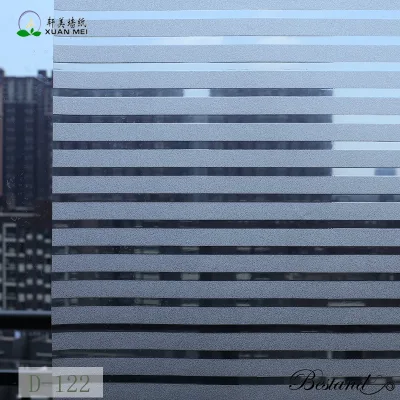
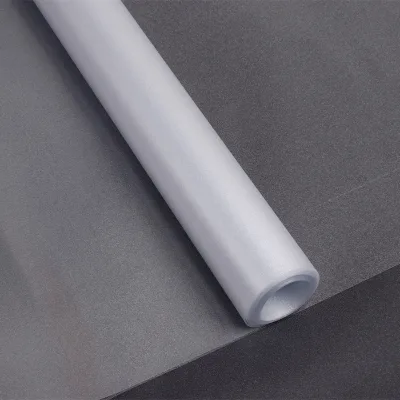
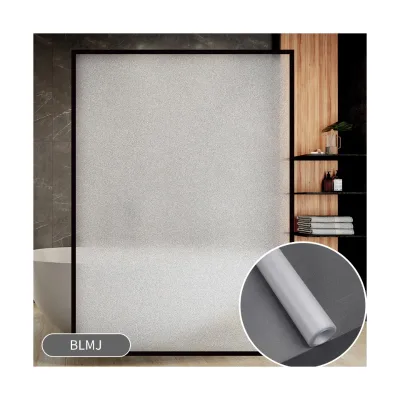
$0.6651 - $0.9213
MOQ: 1 Minimum
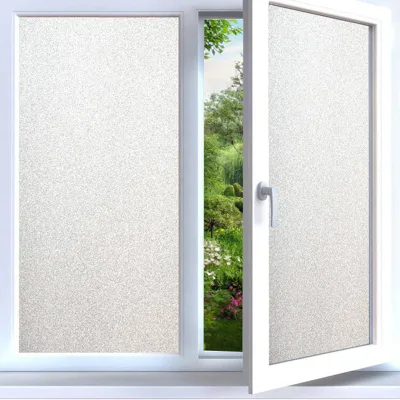
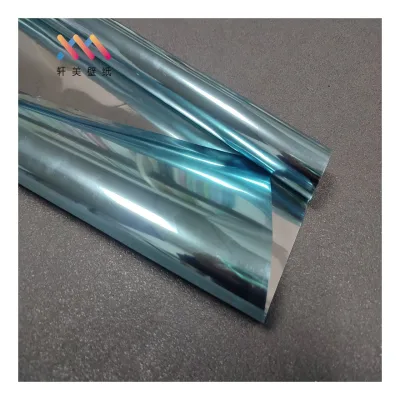
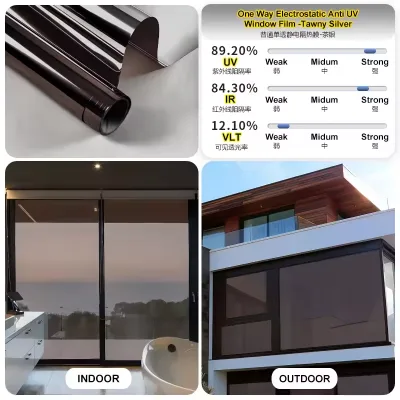
Guangzhou Lepond Glass Co., Ltd.
- Trading Company
- Guangdong, China
- Lead time25 days
- Avg. response≤ 22h
Main productstempered glass,laminated glass,curve glass,ceramic glass,fire proof glass
Main marketsSoutheast Asia(40.00%), South America(15.00%), Domestic Market(10.00%), Africa(10.00%), Eastern Asia(3.00%), North America(3.00%), Southern Europe(3.00%), Northern Europe(3.00%), Eastern Europe(3.00%), Western Europe(2.00%), South Asia(2.00%), Mid East(2.00%), Oceania(2.00%), Central America(2.00%)
Guangzhou Annhao Auto Accessories Co., Ltd.
- Verified by TüVRheinland
- Trading Company
- Lead time5 days
- Avg. response≤ 2h
Main productsCar Wrap Vinyl, Car Paint Protection Film, TPU Color PPF, Solar Window Film, Car Headlight Film;
Main marketsNorth America(15%), South America(15%), Domestic Market(10%)

Dongguan Livinyl Adhesive Products Co
- Verified by SGS
- Manufacturer/Factory
- China Guangdong
- Lead time15 days
- Avg. response≤ 25h
Main productsAdvertising Vinyl, Decorative Vinyl, Sandblast Stencil, Heat Transfer Vinyl, Car Wrap, Reflective Sheeting, Dtf
Main marketsSouth America,Eastern Europe,Mid East,North America,Southeast Asia,Eastern Asia,Oceania,Western Europe,Africa
Guangzhou Artisan New Material Technology Co., Ltd.
- Verified by SGS Group
- Trading Company
- Guangdong, China
- Lead time15 days
- Avg. response≤ 2h
Main productsCar Tinting Film, Static Film, Safety Film, Building Window Tint Film, Paint Protection Film
Main marketsNorth America(30%), Southeast Asia(25%), South America(20%)
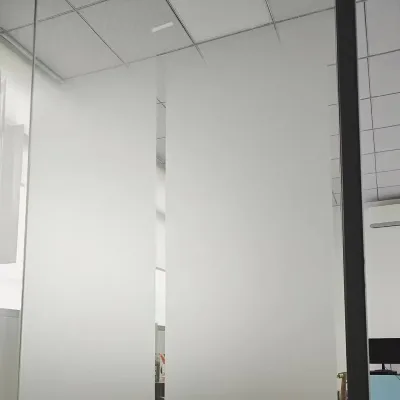
Top quality Fog Sand Pattern Single Dual Gradient Glass Window Film frosted gradient glass film
$3.5892 - $4.6273
MOQ: 1 meters
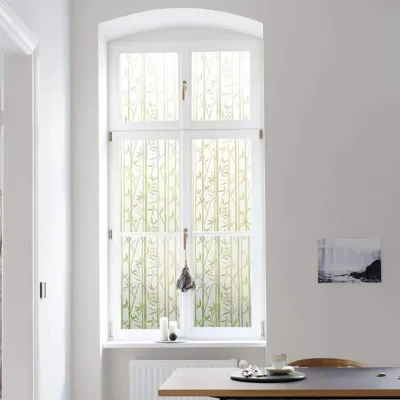
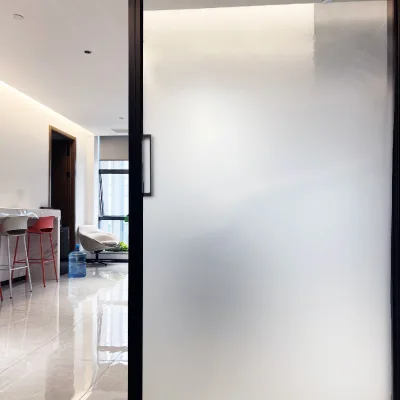
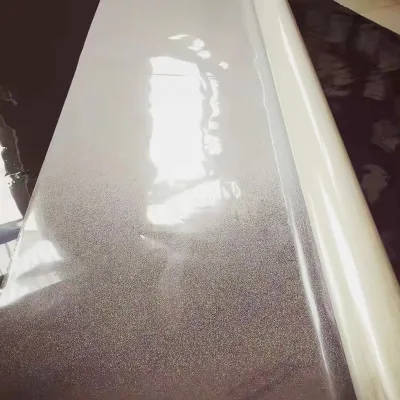
1.83*50m Snowflake Pattern Gradient Glass Window Decorative Privacy Film for Office and Home
$3.49 - $4.50
MOQ: 1 meters
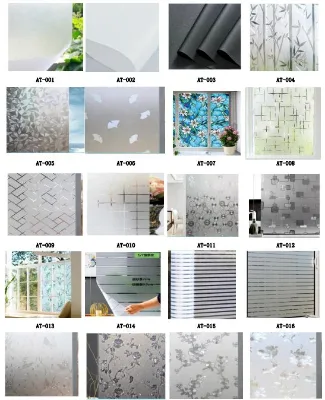
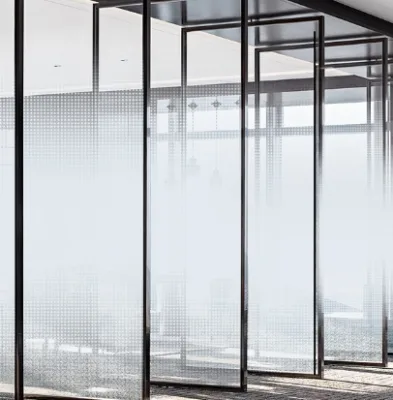
Frosted Gradient One Way Gradient Window Glass Film Smoke Film Fog in Glass
$3.5892 - $4.6273
MOQ: 1 meters

Guangzhou Anolly Advanced Materials Co., Ltd.
- Combined
- China Guangdong
- Lead time15 days
- Avg. response≤ 6h
Main productsSelf Adhesive Vinyl
Main marketsSouth America,Africa,Southeast Asia/ Mideast,East Asia(Japan/ South Korea),Domestic,Europe,Australia,North America

Frosted Film/ Glass Decoration Film/ Window Glass Protection Film/Privacy Glass Film/Window Film
$46.00 - $48.00
MOQ: 1 Rolls

China Manufacturer Frosted Film Decoration Film Window Film Privacy Window Glass Film
$42.00 - $44.00
MOQ: 1 Rolls

Frosted Window Privacy Film for Decoration Glass Graphic Design Decorative Film
$42.00 - $46.00
MOQ: 1 Rolls

Zhejiang Juara Trading Co.,ltd
- Trading Company
- Zhejiang, China
- Lead time30 days
- Avg. response≤ 5h
Main productscar window film,car wrap,building film,decorative film,car sticker
Main marketsSoutheast Asia(25.00%), North America(25.00%), Mid East(20.00%), Western Europe(15.00%), Eastern Europe(10.00%), South America(5.00%)
- Manufacturer, Trading Company
- Lead time旺季: "1 - 100000":31,"100001 - 500000":45,"> 500000":"To be negotiated", 淡季: "1 - 100000":31,"100001 - 500000":45,"> 500000":"To be negotiated"
- Avg. response≤ 2h
Main productsSelf Adhesive Vinyl, Color Cutting Vinyl, Window Film, Car Wrapping Film
Jiangsu Aoli New Materials Co., Ltd.
- Verified by Intertek
- Manufacturer, Trading Company
- Lead time7 days
- Avg. response≤ 7h
Main productsCold Lamination Film, Printing Canvas Roll, Self Adhesive Vinyl, Color Cutting Vinyl, Coated PP Film
Main marketsNorth America(20%), South America(15%), Southeast Asia(15%)
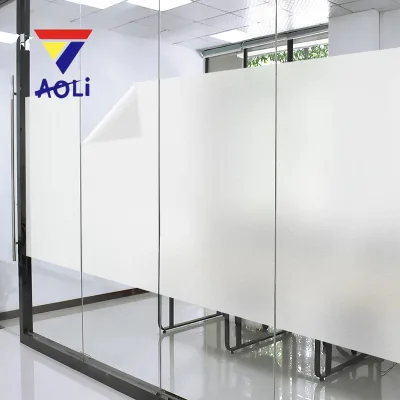
Frosted Glass Graphic Film Frosted Window Privacy Roll Film Cold Lamination Film
$0.42 - $0.48
MOQ: 20
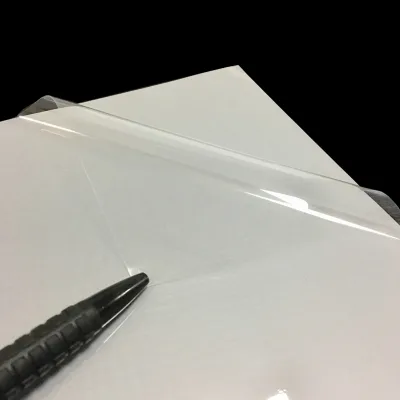
Privacy Screen Film Glass Self-Adhesive Electrically Controlled Electrochromic Window Tinting Film
$0.2696 - $0.3625
MOQ: 30 square
Guangzhou Artisan New Material Technology Co., Ltd.
- Manufacturer, Trading Company
- Guangdong, China
- Lead time0 days
- Avg. response≤ 2h
Main productswindow tint film,ppf film,car wrap,building window film,decorative film
Main marketsNorth America(20.00%), Central America(10.00%), Southeast Asia(10.00%), Mid East(10.00%), South America(10.00%), Domestic Market(5.00%), South Asia(5.00%), Southern Europe(5.00%), Northern Europe(5.00%), Africa(5.00%), Western Europe(5.00%), Eastern Asia(5.00%), Eastern Europe(5.00%)
Huizhou Longtai New Material Manufacturing Co., Ltd.
- Manufacturer
- Guangdong, China
- Lead time7 days
- Avg. response≤ 5h
Main productsHigh temperature single double-sided adhesive,Release membrane,Polyimide Film,Protective Tape/Film,Waterproof tape
Main marketsNorth America(30.00%), Eastern Europe(10.00%), South America(10.00%), Central America(5.00%), Southeast Asia(5.00%)
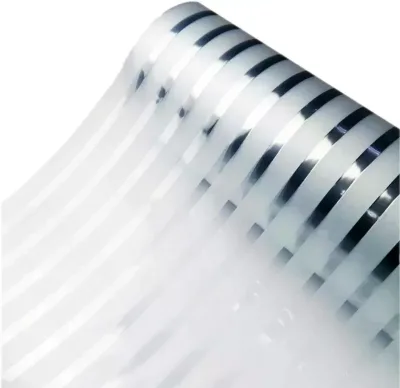
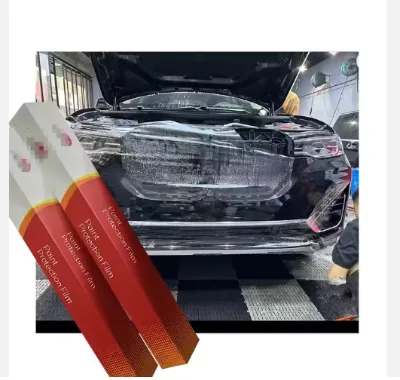
Best Price Privacy Protection Car Window Tint Film Glass Film Nano Ceramic Roll Film
$208.7793 - $242.1847
MOQ: 1 square
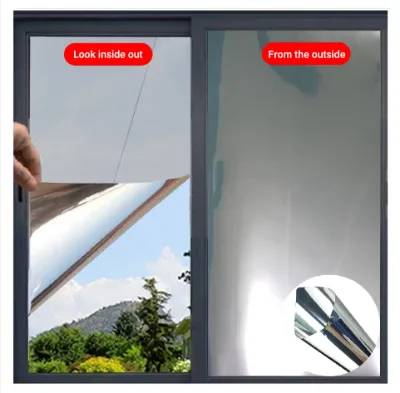
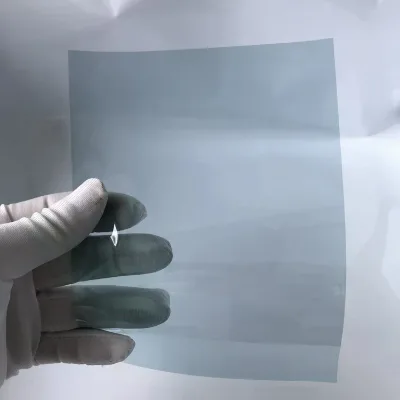
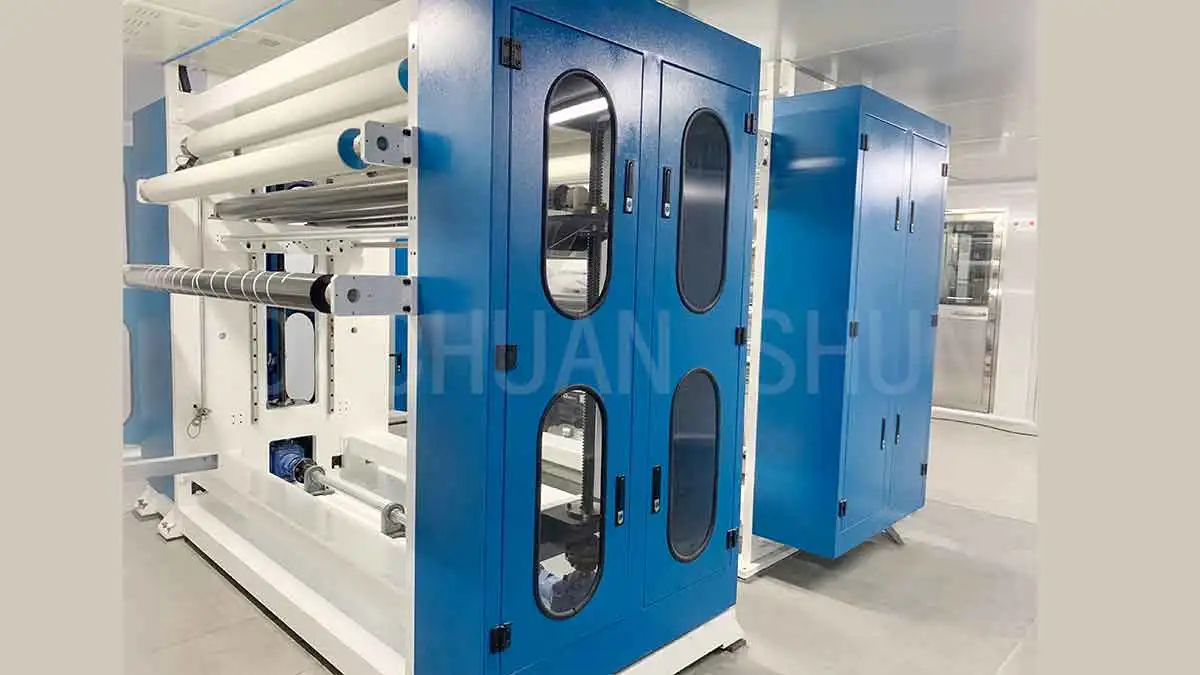
Foshan Ao Chuan Shun New Materials Industry Co., Ltd.
- Manufacturer, Trading Company
- Guangdong, China
- Lead time7 days
- Avg. response≤ 6h
Main productsPET Protective Film, BOPP Film, DTF Film, PE Film, PI Tape
Main marketsSoutheast Asia(20.00%), North America(15.00%), South Asia(10.00%), Eastern Asia(8.00%), Eastern Europe(8.00%), Southern Europe(6.00%), South America(5.00%), Western Europe(5.00%), Central America(5.00%), Northern Europe(5.00%), Africa(5.00%), Mid East(5.00%), Oceania(3.00%)
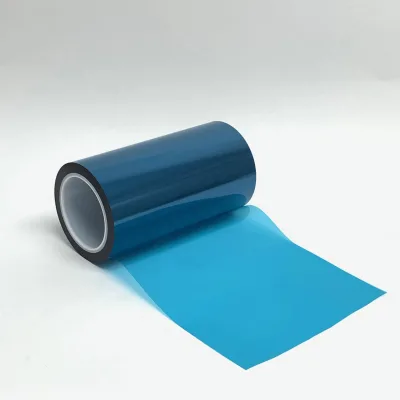
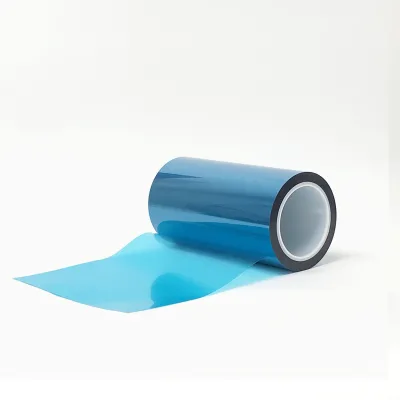
No Residual Plastic Film Polyester Film Metal Glass Surface protection Pet Protective Film
$0.35 - $0.42
MOQ: 1000 Minimum




Comprehensive Sourcing Guide
Electrostatic Frosted Glass Film with Lattice Pattern Supplier Concentration and Factory Types
The sourcing landscape for Electrostatic Frosted Glass Film with Lattice Pattern reveals a distinct concentration of manufacturing and trading entities within specific Chinese industrial hubs. Current supplier result facts indicate that active suppliers are located in China Shanghai and China Jiangsu, with additional production origins noted in Guangdong, China. These geographic clusters suggest that buyers seeking lattice-patterned decorative films will find the highest density of options in these regions, where supply chain infrastructure for PVC and vinyl products is well-established. The presence of suppliers in Shanghai and Jiangsu highlights the importance of coastal logistics hubs for international export, while Guangdong-based manufacturers often emphasize their ability to handle complex customization requests. Understanding this geographic distribution allows buyers to prioritize suppliers who are physically closer to major shipping ports, potentially reducing inland transportation costs and lead times for bulk orders of frosted window films.
Supplier types in this category vary significantly, ranging from pure manufacturers to combined entities that operate as both factories and trading companies. The observed data shows that some suppliers are classified as Combined, while others identify as Manufacturer or Trading Company. This distinction is critical for buyers evaluating the source of their Electrostatic Frosted Glass Film with Lattice Pattern. Combined suppliers may offer broader product ranges, including self-adhesive vinyl, one-way vision, and cold lamination films, which can be advantageous for buyers seeking a single source for multiple window treatment needs. In contrast, dedicated manufacturers might provide more specialized expertise in PVC film production and electrostatic bonding technologies. Buyers should carefully review the company type to determine whether they are dealing with a direct producer or an intermediary, as this impacts pricing structures, communication efficiency, and the ability to request specific lattice pattern customizations.
How to Verify Electrostatic Frosted Glass Film with Lattice Pattern Suppliers
Verifying the credibility of suppliers offering Electrostatic Frosted Glass Film with Lattice Pattern requires a close examination of third-party verification badges and system certifications. The current supplier results highlight that some entities have undergone verification by TUVRHEINLAND, while others are verified by SGS Group. These independent verification bodies provide a layer of trust regarding the supplier’s business legitimacy and operational capabilities. Buyers should prioritize suppliers displaying these verification marks, as they indicate that the company has passed rigorous audits of its legal status and business practices. Additionally, the presence of system certifications such as ISO9001:2015, ISO14001:2015, ISO10012, GRS, and REACH signals a commitment to quality management, environmental responsibility, and chemical safety. For products involving PVC and adhesives, REACH compliance is particularly important, as it ensures the materials meet European chemical regulations, which is a key consideration for many international buyers.
Beyond verification badges, buyers must assess the supplier’s responsiveness and technical support capabilities to ensure a smooth sourcing process. The observed response time for some suppliers is recorded at 2.11, which serves as a metric for how quickly a supplier engages with potential inquiries. A faster response time often correlates with better customer service and more efficient order processing. Furthermore, suppliers should be evaluated on their after-sales service offerings, such as online technical support, which can be crucial for resolving installation issues related to electrostatic films. Buyers should also verify the supplier’s capacity for customization, as lattice patterns often require specific design adjustments. Suppliers that explicitly state customization is available and offer services like graphic processing or customized on-demand production are better positioned to meet unique project requirements. Confirming these details through direct communication helps mitigate the risk of working with suppliers who lack the technical infrastructure to support complex decorative film orders.
What to Compare Across Electrostatic Frosted Glass Film with Lattice Pattern Suppliers
When comparing suppliers for Electrostatic Frosted Glass Film with Lattice Pattern, lead time and minimum order quantity (MOQ) are primary operational metrics that influence procurement planning. The data indicates that lead times can vary, with some suppliers offering a lead time of 15 days, while others may require up to 25 days. This difference is significant for buyers with tight project deadlines, as it affects inventory management and installation schedules. Similarly, MOQs are a critical factor, with some suppliers requiring a minimum order of 1000 units. Buyers must determine if their project volume aligns with these thresholds, as ordering below the MOQ may result in higher per-unit costs or order rejection. Comparing these metrics across multiple suppliers allows buyers to identify those that offer the most favorable balance between speed and volume requirements, ensuring that the supply chain remains efficient and cost-effective.
Product specifications and pricing structures also require careful comparison to ensure value and quality alignment. The observed product attributes reveal variations in film thickness, ranging from 80 microns to 0.15 mm, and different material compositions such as PVC or PVC with PET protective layers. Buyers should compare these technical details to ensure the film meets their durability and aesthetic needs, particularly regarding outdoor durability which is listed as 1-2 years or 1-3 years for some products. Pricing ranges also differ, with some products listed between $0.25 and $1.00 per unit, while others range from $0.60 to $0.80. It is essential to compare these prices in the context of the specified MOQ and lead time to calculate the total landed cost. Additionally, buyers should evaluate the standard dimensions offered, such as 1.22*50m or customized widths, to ensure compatibility with their installation requirements. A thorough comparison of these factors helps buyers select a supplier that offers the best combination of quality, price, and service terms.
Common Electrostatic Frosted Glass Film with Lattice Pattern Sourcing Risks
One significant risk in sourcing Electrostatic Frosted Glass Film with Lattice Pattern is the potential discrepancy between product samples and bulk deliveries. Suppliers may provide high-quality samples that showcase the clarity of the lattice pattern and the effectiveness of the electrostatic bonding, but bulk production might suffer from inconsistencies in film thickness or adhesive quality. The observed product attributes mention features like "no shrinkage" and "waterproof," but these claims must be validated through rigorous quality control processes. Buyers should be cautious of suppliers who do not provide detailed specifications for their release paper weight, such as 120 GSM or 140 GSM, as these factors influence the ease of application and removal. Without clear standards, buyers risk receiving films that are difficult to install or that leave residue on glass surfaces, leading to project delays and additional costs for replacement materials.
Another risk involves the durability and longevity of the electrostatic film in real-world conditions. The product evidence indicates outdoor durability of 1-2 years or 1-3 years, but these estimates can vary based on environmental factors such as UV exposure and temperature fluctuations. Buyers must verify if the film is suitable for their specific application, whether it is for interior office partitions or exterior windows. Some suppliers list the glue type as removable, which is beneficial for temporary installations, but this feature may degrade over time, causing the film to adhere permanently or peel off prematurely. Additionally, the use of UV printing ink for certain decorative films introduces potential risks regarding color fading or chemical compatibility with glass treatments. Buyers should request detailed test reports or certifications, such as EN-71 or ROHS, to ensure the materials are safe and durable. Failing to address these durability concerns can result in premature film failure and customer dissatisfaction.
Electrostatic Frosted Glass Film with Lattice Pattern Regional Sourcing and Logistics
Sourcing Electrostatic Frosted Glass Film with Lattice Pattern from China involves navigating regional logistics advantages and port accessibility. The current supplier facts highlight locations in China Shanghai, China Jiangsu, and Guangdong, China, each offering distinct logistical benefits. Shanghai and Jiangsu are located in the Yangtze River Delta, a region with world-class port infrastructure, including the Port of Shanghai, which facilitates efficient export to North America and Europe. Suppliers in these areas often benefit from established supply chains for raw materials like PVC and PET, which can reduce production costs and lead times. Buyers sourcing from these regions can expect streamlined customs clearance and reliable shipping schedules, which are crucial for maintaining consistent inventory levels. Understanding the geographic location of suppliers allows buyers to estimate transit times more accurately and choose the most cost-effective shipping routes for their specific destination markets.
Guangdong-based suppliers, particularly those in Foshan, offer advantages in terms of manufacturing specialization and proximity to southern ports like Guangzhou and Shenzhen. These ports are major hubs for international trade, providing frequent shipping services to global destinations. Suppliers in this region often emphasize their ability to handle customized orders, with features like customized length and width, which can be advantageous for unique project requirements. However, buyers should consider the potential for higher inland transportation costs if the raw materials are sourced from other parts of China. Additionally, the competitive nature of the Guangdong manufacturing sector can lead to more aggressive pricing, but buyers must ensure that cost savings do not compromise quality. Evaluating the logistical implications of each regional cluster helps buyers make informed decisions about which suppliers to engage, balancing factors such as shipping costs, lead times, and manufacturing capabilities to optimize their overall sourcing strategy.
Electrostatic Frosted Glass Film with Lattice Pattern Commercial Terms and Order Planning
Commercial terms and order planning for Electrostatic Frosted Glass Film with Lattice Pattern require careful attention to payment structures, sample policies, and packaging details. The observed product evidence indicates that some suppliers offer free samples, which is a valuable opportunity for buyers to evaluate product quality before committing to a bulk order. Buyers should leverage this by requesting samples of the lattice pattern film to test the electrostatic adhesion and visual clarity. Additionally, packaging details such as carton boxes or film with paper core plus PET film are important for protecting the product during transit. Buyers must ensure that the packaging is robust enough to prevent damage to the delicate film surface, which could compromise its aesthetic appeal and functionality. Understanding these commercial terms helps buyers plan their orders more effectively, minimizing the risk of product damage and ensuring that the received goods meet their quality standards.
Lead time and capacity planning are also critical components of commercial terms, especially for suppliers with varying production capabilities. The data shows lead times of 15 to 25 days, and some suppliers have a supply ability of 1,100,000 kilograms per month. Buyers must align their order volumes with the supplier’s capacity to avoid delays, particularly during peak seasons. It is advisable to discuss production schedules and potential bottlenecks with the supplier early in the negotiation process. Furthermore, buyers should clarify the terms for customization, such as graphic processing or customized on-demand production, and any associated costs or minimum requirements. By establishing clear commercial terms and planning orders around the supplier’s capacity and lead times, buyers can ensure a smooth procurement process and maintain consistent supply of high-quality Electrostatic Frosted Glass Film with Lattice Pattern for their projects.
FAQs
What is Electrostatic Frosted Glass Film with Lattice Pattern used for?
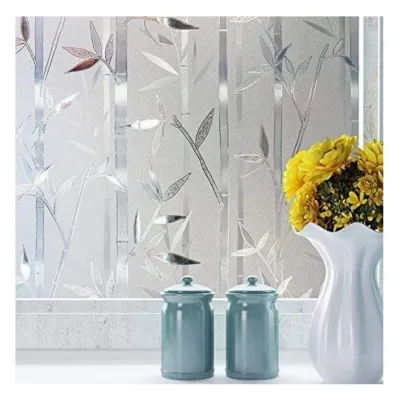
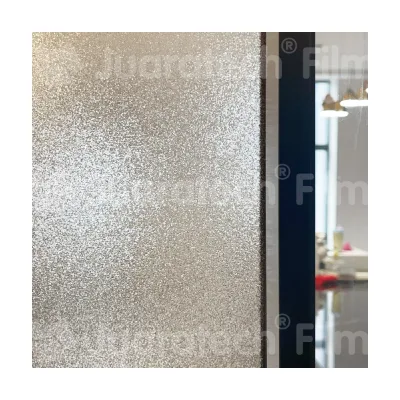
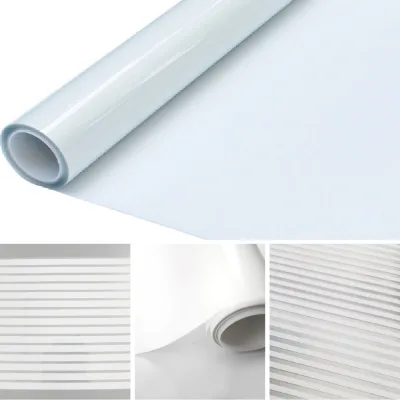
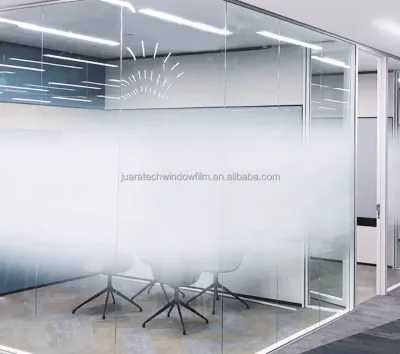
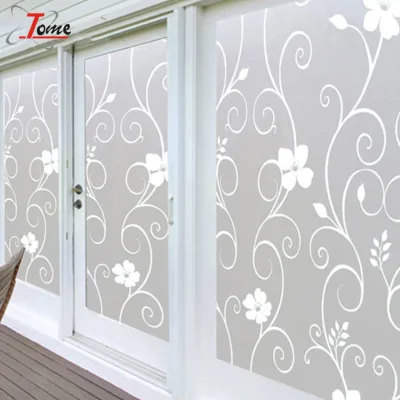
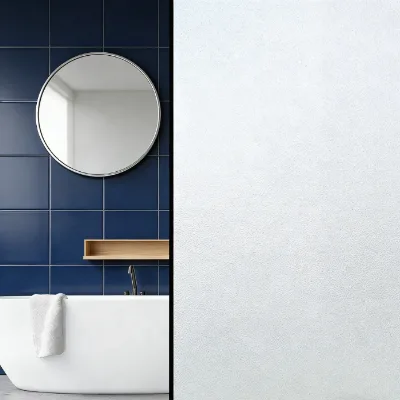
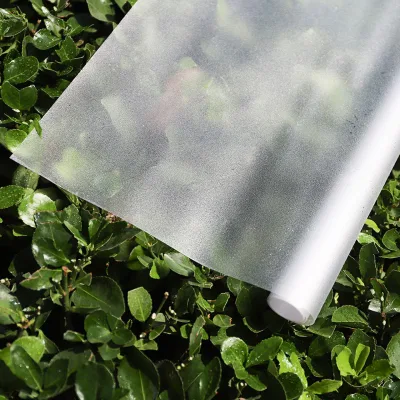
It is a self-adhesive or electrostatically bonded PVC film applied to smooth windows, glass doors and partitions to add privacy and a decorative lattice look. The frosted surface diffuses light while remaining translucent, so rooms keep natural brightness. It suits offices, apartments and retail spaces, and most products are removable without leaving adhesive residue.
How is electrostatic frosted film different from ordinary self-adhesive window film?
Electrostatic film clings to glass through static charge rather than a pressure-sensitive adhesive, which makes installation and removal cleaner. Self-adhesive versions use a removable clear glue and often come with release paper, such as 120 or 140 GSM backing. Both types offer frosted, translucent finishes, but electrostatic bonding is easier to reposition during application.
What thickness options are available for this type of glass film?
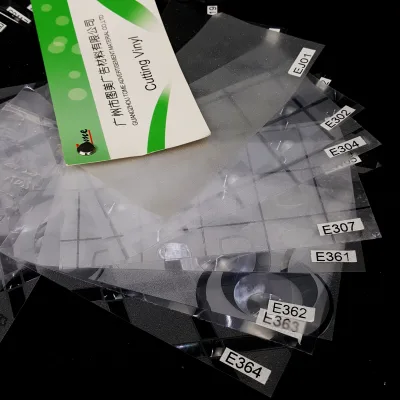
Listed products span roughly 0.07 mm to 0.5 mm, with common frosted options at 80 or 100 micron. Thicker film generally feels sturdier and may last longer outdoors, while thinner film is cheaper and easier to handle. Confirm the exact micron rating, release paper weight and glue type with each supplier before ordering samples.
Can the lattice pattern be customized?
Yes, several suppliers state that patterns can be customized, and customization is marked available on multiple frosted film listings. Typical customization covers pattern design, width and roll length, with widths ranging from about 30 to 140 cm on some products. Ask for artwork proofing, sample processing terms and any extra tooling charges before committing to a bulk order.
What is the typical minimum order quantity and price range?
One listed lattice frosted window film has a minimum order of 1000 rolls or units, priced between 0.70 and 0.80 per square meter unit, while other frosted films start around 0.25 to 1.00. MOQs and pricing vary by thickness, width and glue type, so request quotations against your exact specification and compare landed costs.
How durable is frosted glass film outdoors?
Listed products state outdoor durability of roughly one to two years, and some variants claim one to three years, depending on thickness and ink. For outdoor use, confirm UV resistance, printing ink type and warranty terms directly with the supplier. Indoor installations usually last longer because the film is not exposed to direct weathering and UV load.
What certifications or standards should buyers check?
Some suppliers hold ISO 9001 and ISO 14001 system certificates or third-party verification, and certain films reference EN-71, REACH and ROHS standards. Ask each supplier for current, verifiable certificates matching your market's requirements. For films used in homes or children's environments, REACH and EN-71 compliance are especially important, so request test reports before shipment.
What lead times should buyers expect when ordering?
Listed suppliers report lead times of about 15 to 25 days, though actual schedules depend on order size, customization and production season. Free samples are offered by some manufacturers, which helps you test quality before committing. Confirm the quoted lead time in writing, including whether it covers customization, packaging and shipping arrangement from ports such as Guangzhou or Shenzhen.