Gypsum Ceiling Boards Suppliers and Manufacturers
Source 21 verified Gypsum Ceiling Boards suppliers from China. Compare key dimensions including ISO certifications, lead times, MOQs, and response rates. Review product specifications and request samples to evaluate quality before placing orders; review the available evidence before requesting comparable quotations from suitable candidates.
Updated
Suppliers List

Trusus Technology (Beijing) Co., Limited
- Verified by TUVRHEINLAND
- Trading Company
- China Shandong
- Lead time30 days
- Avg. response≤ 6h
Main productsGypsum Board, PVC Gypsum Ceiling Tiles, Ceiling T Grid, Fiber Cement Board, Mineral Fiber Board, Steel Channel
Main marketsAfrica


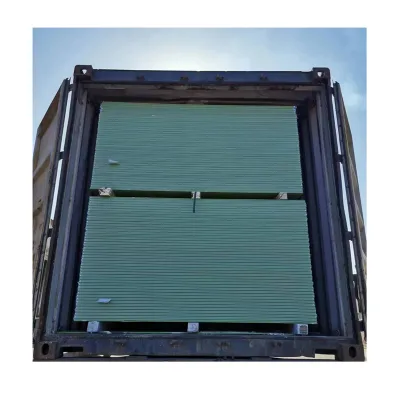
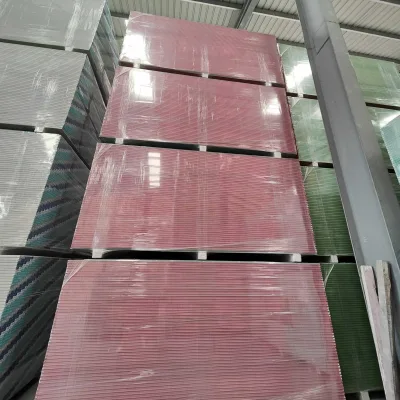
General Moisture-Resistance Production Modern Design Gypsum Ceiling Board
$3.42 - $6.40
MOQ: 50 Pieces


SHANDONG TOP BUILDING MATERIALS CO., LTD.
- Trading Company,Manufacturer/Factory,Group Corporation
- China Shandong
- Lead time15 days
- Avg. response≤ 6h
Main productsGypsum Board, Gypsum Ceiling Tile, Plasterboard, Galvanized Ceiling Frame, Ceiling Tile, PVC Panel, Joint Compound, T Grid, Building Materials, Steel Frame
Main marketsSouth America,Eastern Europe,Mid East,North America,Southeast Asia,Eastern Asia,Oceania,Africa

Shijiazhuang Luoshilin Building Materials Co., Ltd
- Verified by BV
- Manufacturer
- China Hebei
- Lead time15 days
- Avg. response≤ 24h
Main productsMineral Fiber Board, Ceiling T-Grids, PVC Gypsum Ceiling Board, Mineral Fiber Ceiling Board, Ceiling Tiles, Prefabricated Houses Panels, Exterior Polyurethane Sandwich Wall Panel, Acoustic Amstrong Ceiling Tile, Ceiling Profiles, Aluminum Ceiling Tiles
Linyi Zhouxing Building Materials Co., Ltd.
- Manufacturer, Trading Company
- Lead time旺季: , 淡季:
- Avg. response≤ 24h
Main productsGypsum Products (Gypsum Ceiling Tiles,Perforated Gypsum Ceiling Tiles,Gypsum Line & Cornice,Calcium Silicate Board),Gypsum Ceiling Machine (Laminating Machine
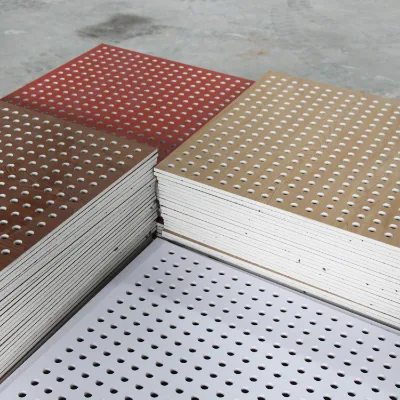
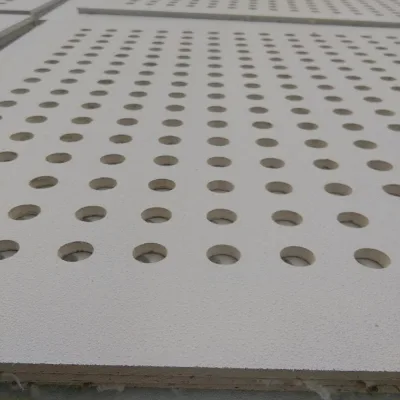
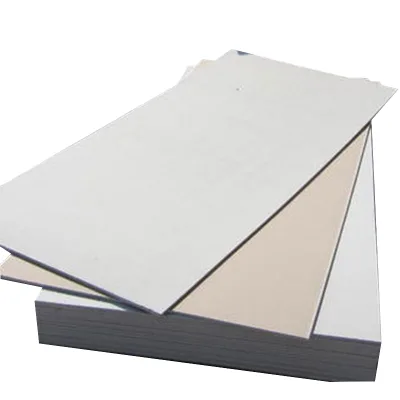
Perforated Suspended Gypsum Board , Plasterboard , Drywall Ceiling for Sale
$0.80 - $1.50
MOQ: 4000 Minimum
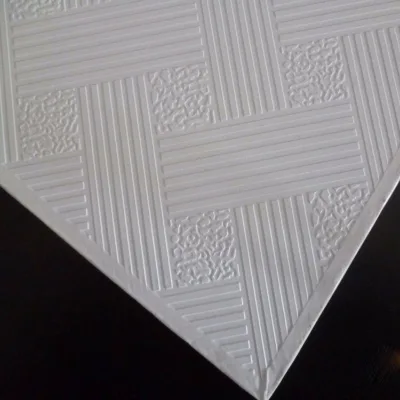
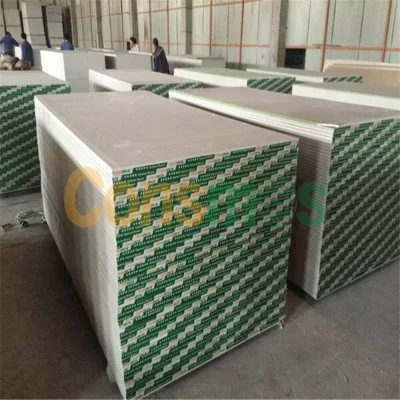
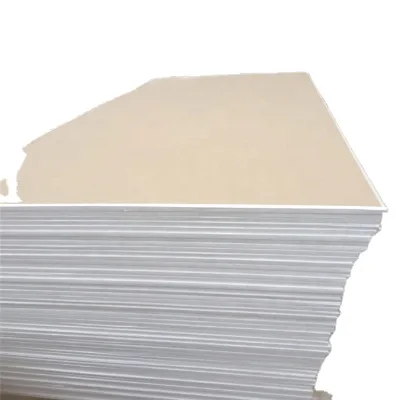
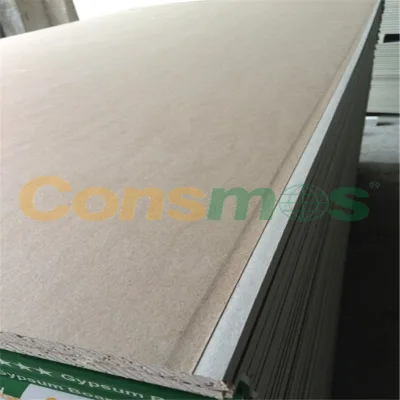
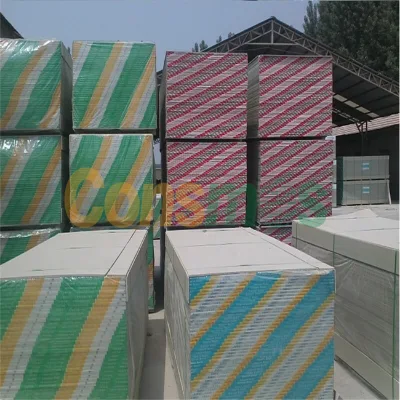
Linyi Consmos Wood Industry Co., Ltd.
- Verified by SGS Group
- Manufacturer, Trading Company
- Lead time15 days
- Avg. response≤ 5h
Main productsFull Birch Plywood, Commercial Plywood, OSB, Film Faced Plywood, Marine Plywood
Main marketsSouth America(20%), Domestic Market(20%), Southeast Asia(17%)

LINYI NOVA DECORATION MATERIALS CO., LTD.
- Manufacturer/Factory
- China Shandong
- Lead time23 days
- Avg. response≤ 3h
Main productsSpc Flooring, Flexible Stone, WPC Panel, PVC Marble Sheet, Bamboo Charcoal Wood Venner, PU Stone, PS Wall Panel, Artifucal Turf, Bamboo Wall Panel, Lvt Flooring
Main marketsSouth America,Eastern Europe,Mid East,North America,Southeast Asia,Eastern Asia,Oceania,Western Europe,Africa

Gypsum Board Ceiling Gypsum Decorative Gypsum Board Ceiling Design
$2.00 - $4.30
MOQ: 1000 Square Meters

9.5mm High Gypsum Board Ceiling Gypsum Ceiling Decorative Gypsum Board Ceiling Design
$0.80 - $1.50
MOQ: 1000 Square Meters


9.5mm 12mm 12.5mm High Quality Gypsum Board Ceiling Gypsum Ceiling Decorative Gypsum Board Ceiling
$0.80 - $1.50
MOQ: 1000 Square Meters


9mm 9.5mm Paper Coated Gypsum Ceiling Board with Good Price High Quality
$0.80 - $1.50
MOQ: 1000 Square Meters
Guangzhou Ben Home Building Material Co., Ltd.
- Verified by TüVRheinland
- Trading Company
- Lead time10 days
- Avg. response≤ 3h
Main productsMineral Fiber Ceiling, Fiberglass Ceiling, Aluminum Ceiling, PVC Gypsum Ceiling, SPC Floor
Main marketsAfrica(22%), South America(20%), Mid East(8%)
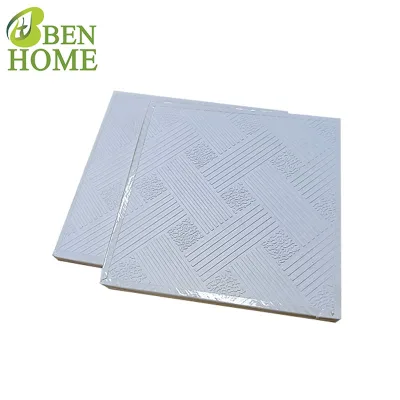
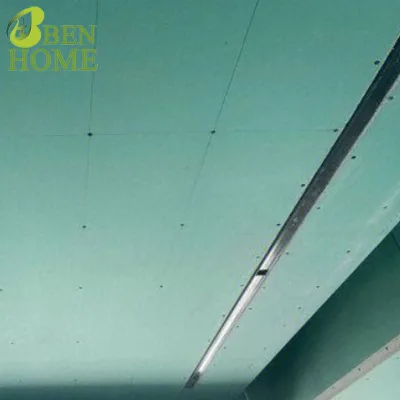
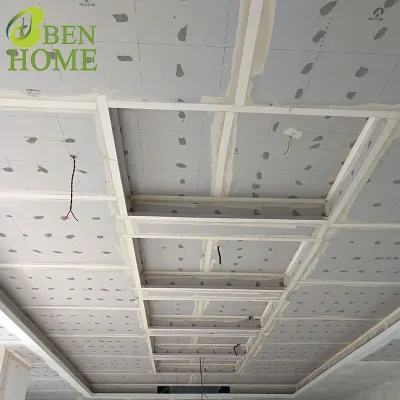
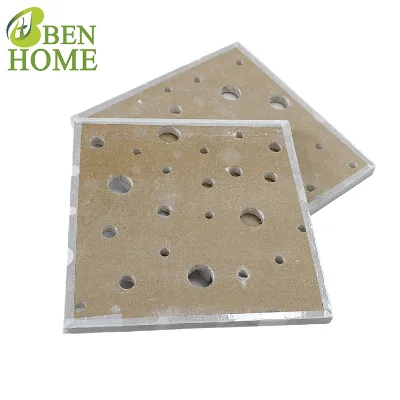
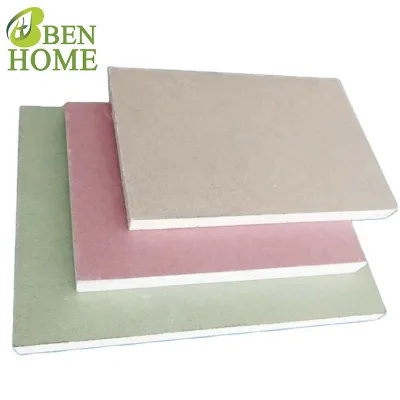
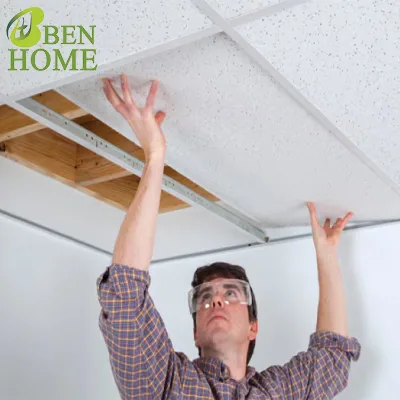
Fireproof Retardant Painted Ceiling Gypsum Design and Gypsum Board Ceiling Decorations
$0.80 - $0.99
MOQ: 48 square

DREAM BRAND NEW MATERIALS (PINGYI) CO., LTD.
- Manufacturer, Trading Company
- Shandong, China
- Lead time15 days
- Avg. response≤ 8h
Main productsGYPSUM BOARD,PVC GYPSUM CEILING TILE,T-GRID
Main marketsCentral America(20.00%), Africa(18.00%), Eastern Asia(17.00%), Southeast Asia(15.00%), Mid East(15.00%), South Asia(9.00%), Western Europe(6.00%)
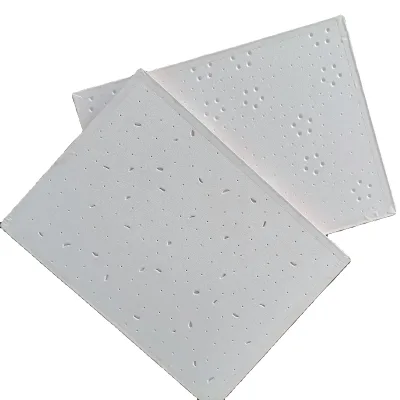
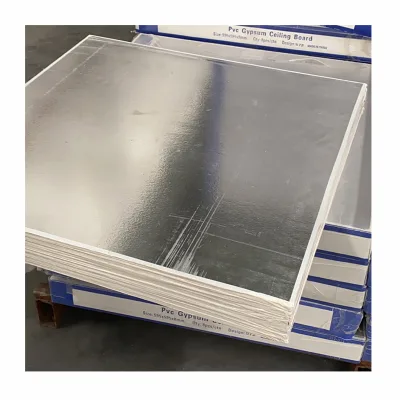
PVC Gypsum Gypsum Board Ceiling Tile/ Durable Moistureproof Gypsum Board/ Boral Gypsum Board
$0.749 - $0.8119
MOQ: 4 square
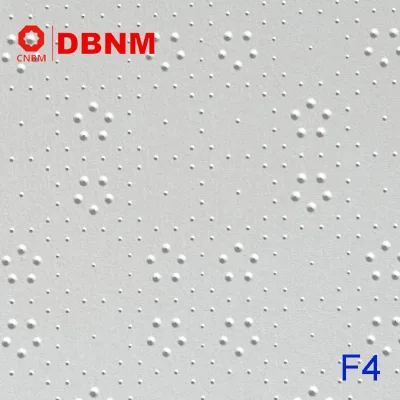
Embossed PVC Gypsum Board Ceiling Tiles Plasterboard Instead of Mineral Wool Board Best Quality
$0.722 - $0.7835
MOQ: 4200 square
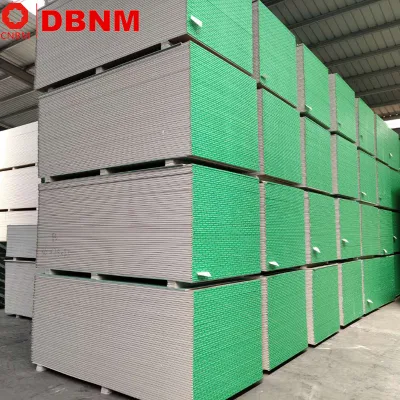

Guangzhou Guanhailou Building Materials Co., Ltd.
- Verified by TUVRHEINLAND
- Manufacturer/Factory
- China Guangdong
- Lead time15 days
- Avg. response≤ 24h
Main productsGypsum Boards, Galvanized Metal Profiles, Gypsum(Grg) Lighting Fixtures, Gypsum Grid Ceiling Tiles, Gfrp Moulds, Tee Grids, Gypsum Cornice Moulding, Gypsum 3D Wall Panels, Gfrg, MDF Boards
Main marketsSouth America,Eastern Europe,Mid East,North America,Southeast Asia,Eastern Asia,Oceania,Western Europe,Africa


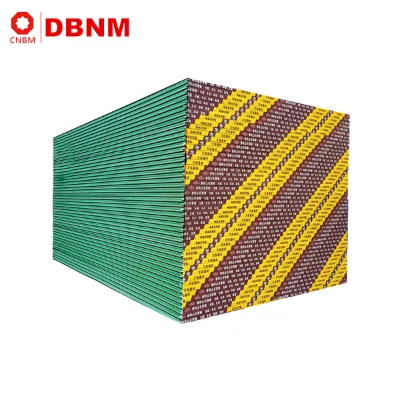
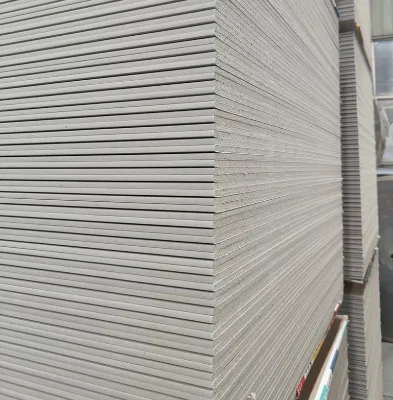
Gypsum Ceiling Board/Drywall Gypsum Board/ Paper Gypsum Board/ Plasterboard
$1.00 - $1.50
MOQ: 100 Square Meters


PRANCE METALWORK BUILDING MATERIAL CO.,LTD
- Manufacturer, Trading Company
- Guangdong, China
- Lead time15 days
- Avg. response≤ 10h
Main productsMetal facade,Metal ceiling,Ceiling material
Main marketsAfrica(30.00%), Mid East(25.40%), Eastern Europe(14.30%), South America(10.40%), Eastern Asia(10.20%), Domestic Market(9.70%)
Trusus Technology (beijing) Co., Limited
- Verified by SGS Group
- Manufacturer, Trading Company
- Lead time15 days
- Avg. response≤ 2h
Main productsGypsum Board, pvc gypsum ceiling tiles, Fiber Cement Board, Ceiling T Grid, Steel Channel
Main marketsSoutheast Asia(32%), Oceania(14%), Africa(12%)
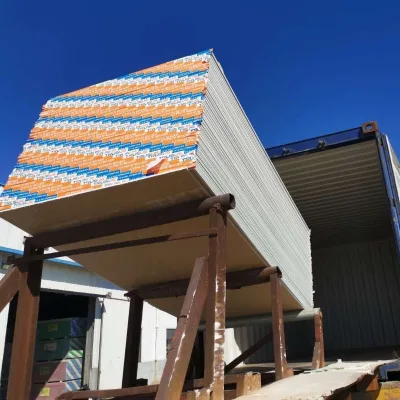
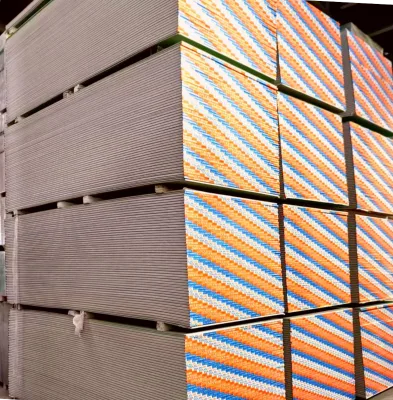
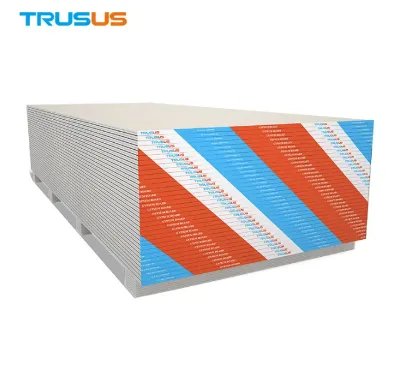
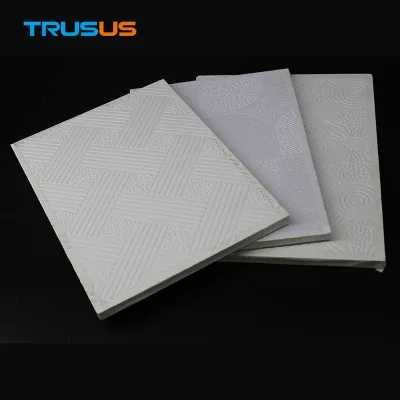
CE and ISO Approved Better Gypsum Ceiling Board and Drywall Plasterboard Price
$0.779 - $1.4935
MOQ: 100 square
Lanzhou Jintailong Building Materials Co., Ltd.
- Manufacturer, Trading Company
- Gansu, China
- Lead time0 days
- Avg. response≤ 4h
Main productsSound Absorbing Panels,Gypsum Board,Ceiling System
Main marketsNorth America(30.00%), Mid East(20.00%), Western Europe(20.00%), South America(20.00%), Africa(10.00%)
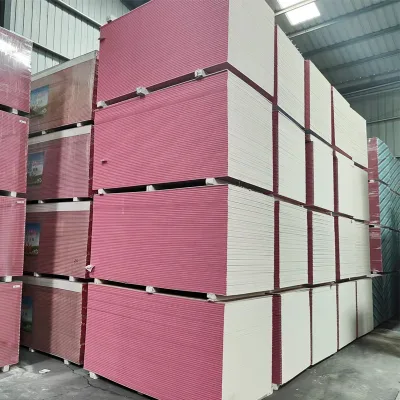
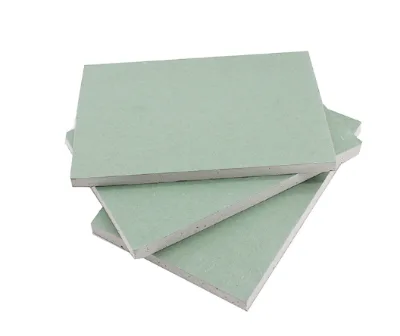
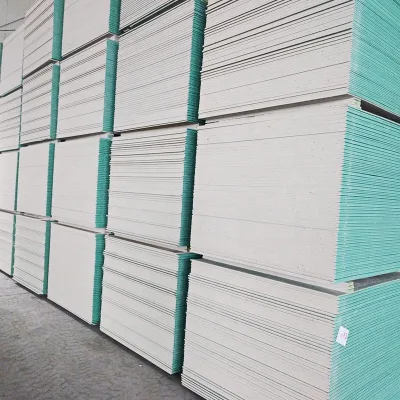
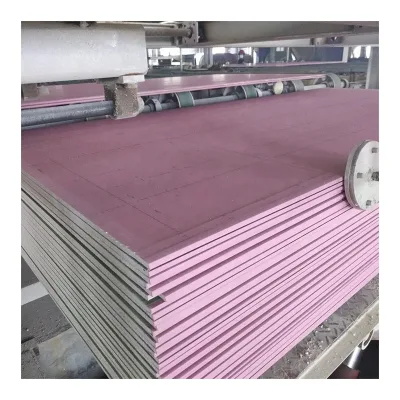
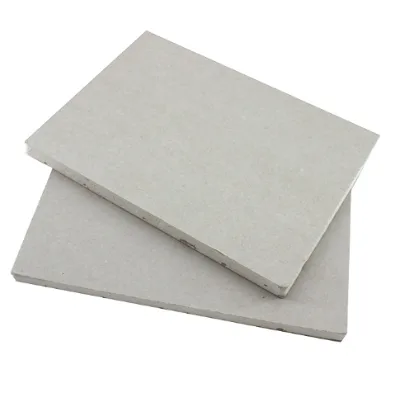
$0.9138 - $1.0171
MOQ: 100 square
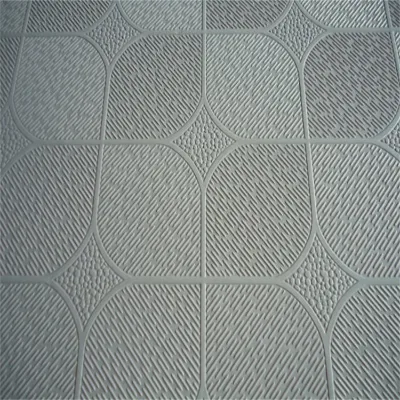
- Manufacturer, Trading Company
- Shandong, China
- Lead time15 days
- Avg. response≤ 7h
Main productsPlywood,MDF,FILM FACED PLYWOOD
Main marketsSoutheast Asia(20.00%), Africa(15.00%), South America(15.00%), Mid East(10.00%), Eastern Europe(10.00%), North America(10.00%), South Asia(5.00%), Eastern Asia(5.00%)
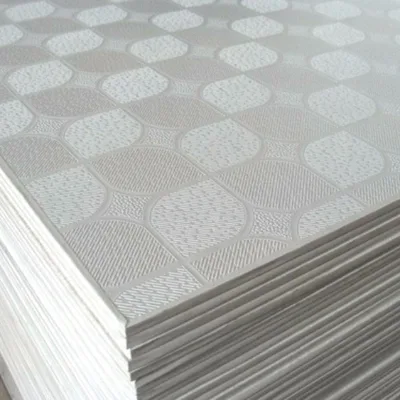
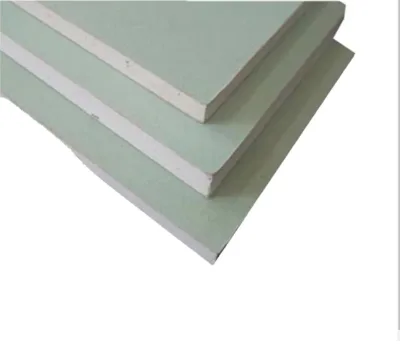
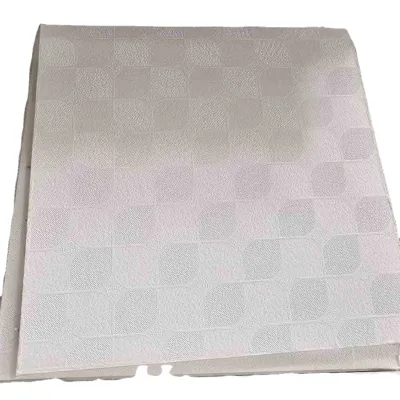
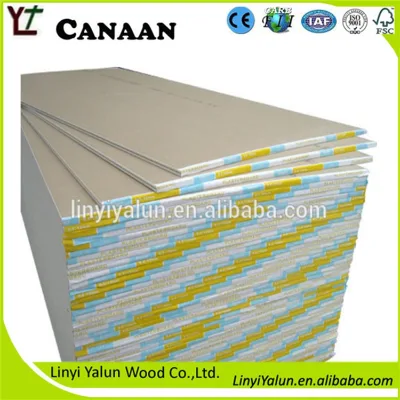
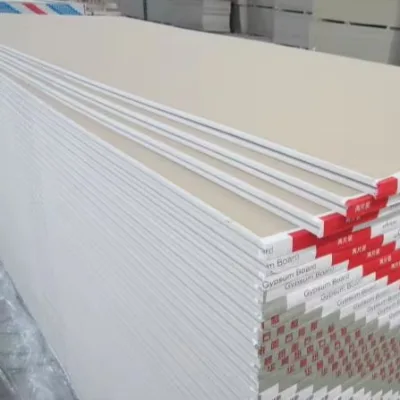
China Factory Cheap Price Gypsum Board Plasterboard for Interior Decoration
$0.50 - $2.50
MOQ: 1 pieces
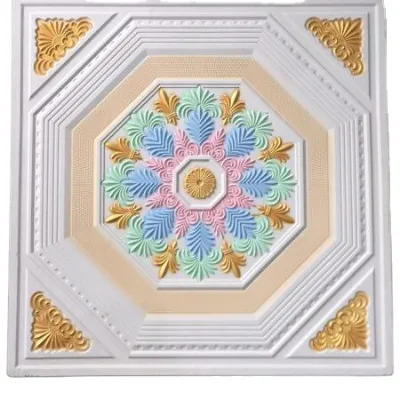
Guangdong JZL wood industry Co., LTD.
- Verified by TüVRheinland
- Trading Company
- Lead time15 days
- Avg. response≤ 2h
Main productsFilm Faced Plywood, OSB Board, Gypsum Board, Commercial Plywood, MDF Board
Main marketsAfrica(20%), Domestic Market(20%), South America(15%)
Shouguang Bailing Wood Co., Ltd.
- Verified by Intertek
- Manufacturer, Trading Company
- Lead time20 days
- Avg. response≤ 1h
Main productsPlywood, Medium Density Fiberboard, Particle Board, Block Board, Door
Main marketsSoutheast Asia(30%), Africa(30%), Mid East(30%)
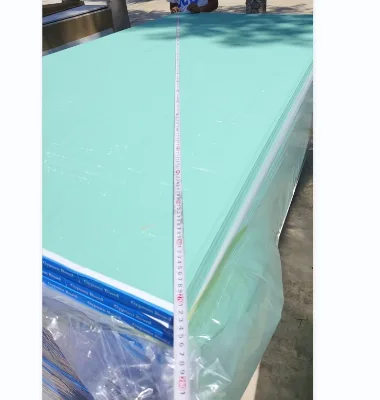
Factory Direct Supply Plasterboard Gypsum Board 9mm Thickness Suspended Ceiling Installation
$1.9444 - $4.6049
MOQ: 1 Minimum
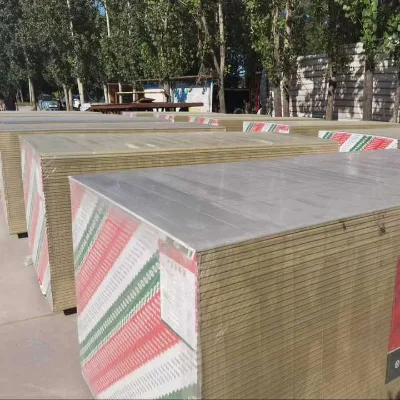
China Good Quality Gypsum Board 12mm Modern Design Cheap Prices Gypsum Board
$2.30 - $3.90
MOQ: 2 pieces
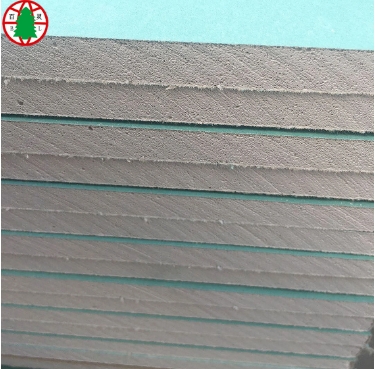
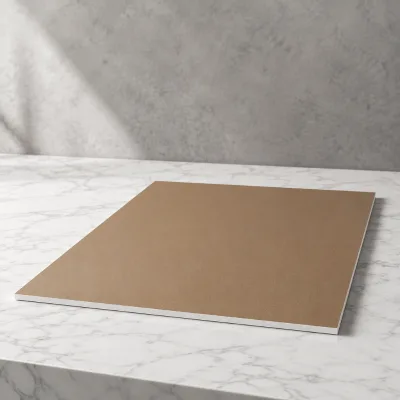
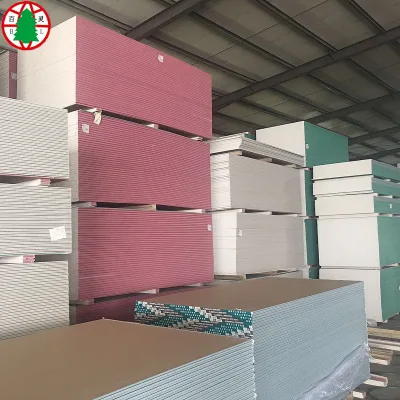
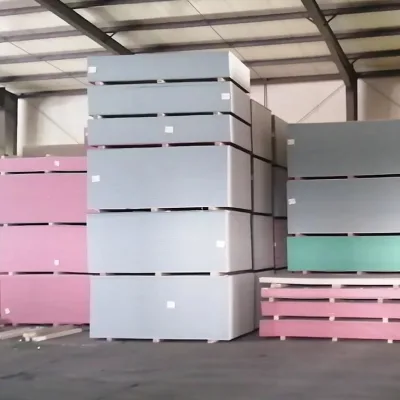
Linyi Tiptop Building Material Co., Ltd.
- Manufacturer, Trading Company
- Shandong, China
- Lead time14 days
- Avg. response≤ 5h
Main productsPVC Ceiling Panel, PVC Wall Panel, Ceiling T Grid, Ceiling Grid Compontents, GRG Ceiling Tiles
Main marketsDomestic Market(30.00%), Africa(20.00%), Mid East(15.00%), South Asia(10.00%), South America(10.00%), Oceania(5.00%), Southeast Asia(4.00%), Southern Europe(2.00%), Northern Europe(2.00%), Eastern Europe(2.00%)
Shandong Chuandeng International Trade Co., Ltd.
- Trading Company
- Shandong, China
- Lead time0 days
- Avg. response≤ 4h
Main productsBlockboard, Melamine Board, Okume Plywood, Birch Plywood
Main marketsNorth America(20.00%), Africa(15.00%), Eastern Asia(10.00%), Mid East(10.00%), South Asia(5.00%), South America(5.00%), Oceania(5.00%), Western Europe(5.00%), Southern Europe(5.00%), Central America(5.00%), Northern Europe(5.00%), Eastern Europe(5.00%), Southeast Asia(5.00%)
Henan Aobeite Machine Room Equipment Co., Ltd.
- Trading Company
- Henan, China
- Lead time20 days
- Avg. response≤ 2h
Main productsconductive floor,raised flooring,OA network floor,Aluminum alloy anti-static floor,PVCfloor
Main marketsAfrica(40.00%), North America(20.00%), Mid East(10.00%), South America(10.00%), Central America(5.00%), Southeast Asia(5.00%), Eastern Europe(5.00%), South Asia(2.00%), Eastern Asia(2.00%), Northern Europe(1.00%)
Guangzhou New Tour Building Material Co., Ltd.
- Trading Company
- Guangdong, China
- Lead time20 days
- Avg. response≤ 6h
Main productsGypsum Board,Galvanized Steel Channel,Mineral Fiber Board,T Grid,Aluminum Ceiling Tile
Main marketsAfrica(50.00%), Mid East(20.00%), South America(10.00%), Domestic Market(8.00%), Oceania(3.00%), Southeast Asia(3.00%), North America(2.00%), Eastern Europe(2.00%), Eastern Asia(1.00%), Western Europe(1.00%)
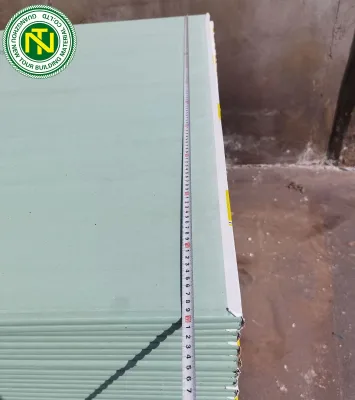
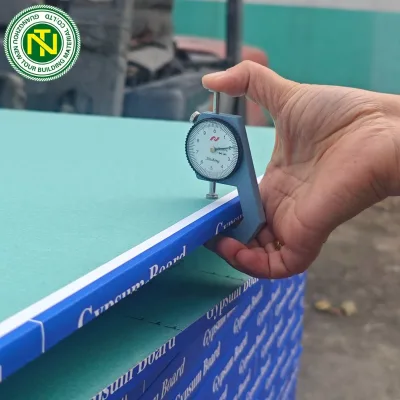
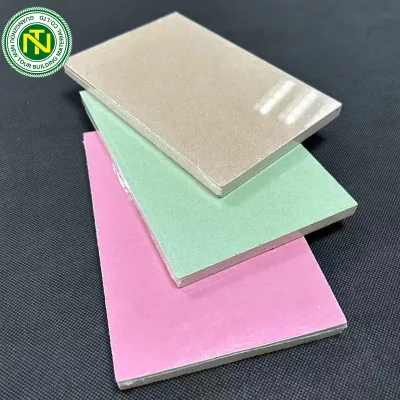
12 mm Thick Standard Gypsum Board Plasterboard for Wall and Ceiling System Low Price to Sierra Leone
$1.0067 - $1.2838
MOQ: 2 square
Foshan Nanhai District Yisanjia Decoration Material Store
- Manufacturer, Trading Company
- Guangdong, China
- Lead time0 days
- Avg. response≤ 3h
Main productsInterior/Outdoor WPC Wall Panel,Bamboo Charcoal wood veneer,PVC/UV Marble Sheet,Gypsum board,WPC Decking
Main marketsSoutheast Asia(30.00%), Mid East(30.00%), Domestic Market(20.00%), North America(20.00%)
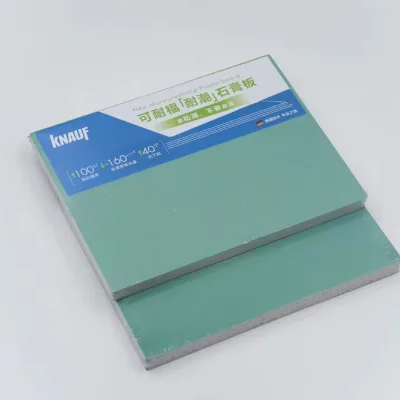
$3.9113 - $6.8489
MOQ: 200 Minimum
Gansu Yunlianshidai Commercial Co., Ltd.
- Trading Company
- Gansu, China
- Lead time0 days
- Avg. response≤ 3h
Main productsWPC Decking Flooring, Engineered Flooring, Interior Wall Panel, Garage Floor, Gypsum Board
Main marketsNorth America(35.00%), Western Europe(25.00%), Oceania(20.00%), Southeast Asia(20.00%)


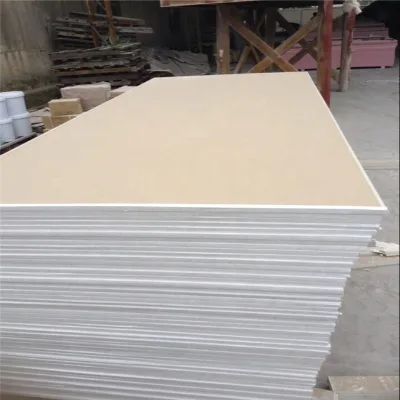

Comprehensive Sourcing Guide
Gypsum Ceiling Boards Supplier Concentration and Factory Types
The sourcing landscape for Gypsum Ceiling Boards reveals a distinct concentration of manufacturing and trading entities within specific Chinese provinces, most notably Shandong and Hebei. These regions serve as primary hubs for production, offering buyers access to a dense network of suppliers capable of meeting large-scale construction demands. When evaluating potential partners, it is crucial to distinguish between different company types, as this distinction significantly impacts pricing, customization capabilities, and supply chain reliability. The available data indicates that the majority of suppliers in this sector operate as trading companies, which often act as intermediaries connecting buyers with various manufacturing sources. These trading entities typically offer a broader range of product variations and may facilitate easier communication for international buyers who require consolidated shipping or diverse product assortments. However, relying solely on trading companies may limit direct access to factory-level pricing or specific technical modifications that a manufacturer could provide.
In contrast, a smaller subset of suppliers identifies as manufacturers or factory groups, providing a different value proposition for buyers seeking direct production control. These entities often possess their own research and development capacities, allowing for original equipment manufacturing (OEM) and original design manufacturing (ODM) services. For instance, some manufacturers highlight their ability to produce under their own brands or customize products according to specific client requirements, such as unique thicknesses or surface treatments. This direct manufacturing capability can be particularly advantageous for projects requiring strict adherence to specific technical standards or custom aesthetic finishes. Additionally, manufacturer-suppliers may offer more transparent insights into their production processes and quality control measures, which can be critical for ensuring the consistency of gypsum board quality. Buyers must carefully assess whether the benefits of direct factory engagement outweigh the potential complexities of managing a direct relationship, considering factors such as minimum order quantities and communication efficiency.
How to Verify Gypsum Ceiling Boards Suppliers
Verifying the legitimacy and capability of gypsum ceiling board suppliers requires a multi-layered approach that goes beyond simple profile reviews. One of the most critical steps is to examine third-party verification badges, which serve as independent confirmations of a supplier’s business status and operational scale. For example, some suppliers display verification from recognized entities like TÜV Rheinland or Bureau Veritas (BV), indicating that their business licenses and factory audits have been conducted by external experts. These verifications provide a layer of trust that is essential when sourcing from international markets, as they help mitigate the risk of engaging with fraudulent or non-existent entities. Buyers should prioritize suppliers who have undergone such rigorous checks, as these badges often correlate with a higher level of operational transparency and compliance with international business standards. Additionally, checking for system certifications such as ISO 9001:2015 or ISO 14001 can further validate a supplier’s commitment to quality management and environmental responsibility, which are increasingly important in the construction materials sector.
Beyond verification badges, buyers should scrutinize the specific product certifications and test results provided by the supplier. Gypsum Ceiling Boards are subject to various performance standards, including fireproofing, moisture resistance, and acoustic properties. Suppliers often list certifications such as CE, ISO, SGS, FSC, CARB, and BS on their product pages, which indicate compliance with regional and international regulatory requirements. It is vital to ensure that these certifications are relevant to the buyer’s target market, as standards vary significantly between regions like Europe, North America, and Africa. For instance, a supplier might offer products certified for the European market with CE marks, while another might provide certifications suitable for African import requirements. Buyers should request copies of these certificates and verify their validity with the issuing bodies. Furthermore, examining the supplier’s response time and verification history can provide insights into their operational efficiency and reliability. A supplier with a quick response time and a long-standing verification record is likely more dependable than one with delayed communications or recent verification status.
What to Compare Across Gypsum Ceiling Boards Suppliers
When evaluating multiple suppliers for Gypsum Ceiling Boards, buyers must compare a range of operational and commercial metrics to identify the most suitable partner. One of the most significant differentiators is the lead time, which directly impacts project scheduling and inventory management. Available data shows that lead times can vary considerably, with some suppliers offering a turnaround of 15 days, while others may require up to 30 days. This variance can be influenced by factors such as production capacity, order volume, and the complexity of the product specifications. Buyers should align their project timelines with the supplier’s stated lead times to avoid delays. Additionally, the minimum order quantity (MOQ) is a critical factor, especially for smaller projects or new market entrants. Some suppliers may have an MOQ as low as 50 units, making them accessible for trial orders, while others might require bulk purchases of 25,000 units, which is more suitable for large-scale distribution or major construction projects. Understanding these thresholds helps buyers determine which suppliers can accommodate their specific volume requirements.
Another key area for comparison is the response time and the breadth of main products offered by each supplier. A supplier with a rapid response time, such as under six hours, demonstrates a high level of customer service readiness, which is crucial for resolving queries and negotiating terms efficiently. Furthermore, the diversity of a supplier’s product portfolio can indicate their versatility and capacity to handle complex orders. Some suppliers specialize in a narrow range of gypsum boards, while others offer a comprehensive suite of building materials, including PVC gypsum ceiling tiles, ceiling T-grids, mineral fiber boards, and joint compounds. This breadth of offerings can be advantageous for buyers seeking a one-stop-shop solution for their construction needs. Additionally, comparing the price ranges and customization options is essential. Prices can vary based on material quality, thickness, and surface treatments, with some suppliers offering free samples to allow buyers to assess product quality before committing to a large order. Buyers should also consider the supplier’s ability to provide customization, such as specific patterns, colors, or dimensions, to meet unique project requirements.
Common Gypsum Ceiling Boards Sourcing Risks
Sourcing Gypsum Ceiling Boards from international suppliers introduces several risks that buyers must proactively manage to ensure project success. One of the primary concerns is the variability in product quality and consistency, which can arise from differences in raw materials and manufacturing processes. Gypsum boards are susceptible to issues such as cracking, warping, or insufficient fire resistance if not produced under strict quality control measures. Buyers should be cautious of suppliers who do not provide detailed technical specifications or who offer prices that seem unusually low, as these may indicate compromised material quality. Additionally, the risk of non-compliance with local building codes and standards is significant, particularly when importing from regions with different regulatory frameworks. Suppliers may claim certifications that are not recognized in the buyer’s destination country, leading to customs delays or rejection of goods. It is essential to verify that all product certifications are valid and applicable to the target market, and to request independent testing reports if necessary.
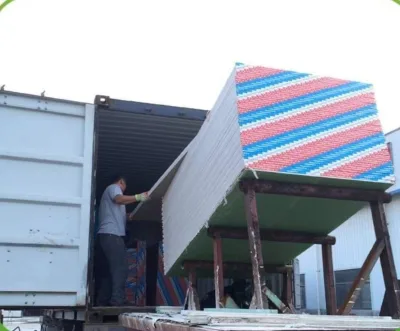
Another common risk is the potential for logistical delays and damage during transit. Gypsum boards are heavy and fragile, requiring careful packaging and handling to prevent breakage. Suppliers may use different packing methods, such as palletized packaging with paper tape or carton packing, which can affect the integrity of the goods during shipping. Buyers should ensure that the supplier uses robust packaging standards and has experience in exporting to their specific region. Furthermore, the risk of communication breakdowns can lead to misunderstandings regarding order specifications, delivery dates, and payment terms. This is particularly relevant when dealing with trading companies that may act as intermediaries between the buyer and the actual manufacturer. Clear and documented communication is crucial to avoid discrepancies. Buyers should also be aware of the financial risks associated with non-escrow transactions, where payment is made directly to the supplier without third-party protection. Utilizing secure payment methods and verifying the supplier’s financial stability can help mitigate these risks.
Gypsum Ceiling Boards Regional Sourcing and Logistics
The regional origin of Gypsum Ceiling Boards plays a significant role in determining logistics costs, delivery times, and overall supply chain efficiency. Suppliers located in China, particularly in provinces like Shandong and Hebei, offer distinct advantages in terms of production capacity and export infrastructure. Shandong, for instance, is a major hub for gypsum board manufacturing, with many suppliers benefiting from established industrial clusters and access to raw materials. This concentration of suppliers can lead to competitive pricing and a wide selection of products. However, buyers must consider the logistical implications of sourcing from these regions, including port availability and shipping routes to their destination. Hebei, another key manufacturing province, also hosts numerous suppliers, including manufacturers with advanced production capabilities. The proximity of these regions to major ports can facilitate faster and more cost-effective shipping, reducing the overall lead time for international orders.
Logistics planning must also account for the specific requirements of gypsum board transportation, such as weight, volume, and fragility. Suppliers often provide details on their packing methods, such as palletized packaging or carton packing, which can impact the number of units that can be loaded into a container. Buyers should work closely with their suppliers to optimize container loading and ensure that the goods are protected during transit. Additionally, understanding the customs clearance requirements of the destination country is crucial to avoid delays. Some suppliers offer assistance with customs documentation, including certificates of origin and various export permits, which can streamline the import process. Buyers should verify that the supplier is experienced in exporting to their region and can provide the necessary documentation. Furthermore, considering the environmental impact of transportation and opting for suppliers with sustainable practices can be beneficial for long-term supply chain resilience.
Gypsum Ceiling Boards Commercial Terms and Order Planning
Effective order planning for Gypsum Ceiling Boards requires a thorough understanding of commercial terms, including pricing structures, payment conditions, and after-sales support. Pricing for gypsum boards can vary based on factors such as thickness, certification, and surface treatment, with some suppliers offering competitive rates for bulk orders. Buyers should request detailed quotations that break down costs, including product price, packaging, and shipping fees, to ensure transparency. Additionally, negotiating favorable payment terms, such as partial payments or escrow services, can help mitigate financial risks. Some suppliers may offer free samples, allowing buyers to assess product quality before committing to a large order. This is particularly useful for verifying specifications such as fire resistance, moisture proofing, and acoustic performance. Buyers should also consider the supplier’s return policy and warranty terms, which can provide protection against defective products.
Order planning should also involve careful coordination with the supplier to ensure timely delivery and compliance with project schedules. Buyers should establish clear communication channels and regular update protocols to monitor production progress and shipping status. Additionally, considering the supplier’s capacity to handle rush orders or changes in specifications can be crucial for flexible project management. Some suppliers offer OEM services, allowing buyers to customize products to meet specific project requirements, such as unique dimensions or branding. This level of customization can add value but may also impact lead times and costs. Buyers should evaluate the supplier’s ability to manage these complexities and provide realistic timelines. Furthermore, building a long-term relationship with a reliable supplier can lead to better pricing, priority production, and improved service quality. By carefully assessing commercial terms and planning orders strategically, buyers can secure a stable supply of high-quality Gypsum Ceiling Boards for their construction projects.
FAQs
What is the price range for Gypsum Ceiling Boards?
Prices typically range from $0.29 to $6.40 per unit depending on specifications. PVC laminated options start at $0.29 with a high minimum order quantity. Standard drywall boards are priced between $3.15 and $6.40. Buyers should verify exact costs based on thickness and certification requirements for their specific project needs.
What certifications are available for these products?
Products commonly hold CE, ISO, SGS, FSC, CARB, and BS certifications. ISO 9001 and ISO 14001 standards are frequently cited for quality management. Some suppliers also provide Form E or Form F certificates of origin. Buyers must confirm specific certification validity with the supplier before placing orders to ensure compliance.
What are the typical lead times for orders?
Lead times vary between 15 and 30 days depending on the supplier. Some manufacturers offer faster turnaround times for standard items. Trading companies may have different processing schedules compared to factories. Buyers should confirm the exact delivery timeline with the supplier to align with their project construction schedules effectively.
Where are these gypsum boards manufactured?
Manufacturing locations are primarily in China, specifically in Shandong and Hebei provinces. Shandong suppliers often produce gypsum boards and ceiling tiles. Hebei manufacturers focus on mineral fiber and PVC laminated options. Buyers should verify the specific place of origin to ensure it matches their logistical and sourcing requirements.
What are the minimum order quantities for purchase?
MOQs range from 50 units for standard boards to 25,000 units for specialized PVC laminated tiles. Standard drywall options often require a minimum of 1,000 units. Buyers seeking smaller quantities should look for suppliers with lower MOQs. Always confirm the exact minimum order quantity with the supplier before finalizing the purchase agreement.
What functions do these ceiling boards offer?
Boards offer fireproof, soundproof, moisture-proof, and waterproof functions. Some options provide heat insulation and smoke-proof capabilities. Applications include offices, hotels, households, and public spaces. Buyers should select boards based on the specific functional requirements of their intended installation environment to ensure optimal performance and safety.