Antique Brass Modern Door Lock Suppliers and Manufacturers
Compare 26 suppliers offering antique brass modern door locks with ISO 9001 certification and response times under 10 hours. Review lead times, MOQs, and product specifications like brass material and mortise shapes before requesting quotes; review the available evidence before requesting comparable quotations from suitable candidates.
Updated
Suppliers List

NINGBO TONGYI METALWORK CO.,LTD.
- Manufacturer/Factory
- China Zhejiang
- Lead time60 days
- Avg. response≤ 10h
Main productsDoor Lock, Cabinet Pull, Adjustable Leg, Latch, Sink Drain, Hook, Door Stop, Knob, Door Catch, Furniture Handle
Main marketsSouth America,Eastern Europe,Mid East,North America,Southeast Asia,Eastern Asia,Oceania,Western Europe

- Trading Company,Manufacturer/Factory
- China Zhejiang
- Lead time45 days
- Avg. response≤ 6h
Main productsDoor Locks, Handle Locks, Knob Locks, Cabinet Handles, Cylinders, Door Hinges, Tower Bolt, Door Stop, Tubular Locks, Iron Locks
Main marketsSouth America,Mid East,North America,Southeast Asia,Eastern Asia,Oceania,Western Europe,Africa
Zhongshan Fuxianglai Hardware Technology Co., Ltd.
- Manufacturer, Trading Company
- Guangdong, China
- Lead time30 days
- Avg. response≤ 5h
Main productsSmart Locks,Locks,lock mortise,brass door lock,entrance door locks
Main marketsNorth America(30.00%), Northern Europe(20.00%), Western Europe(20.00%), Eastern Europe(20.00%), Southern Europe(10.00%)

- Combined
- China Guangdong
- Lead time45 days
- Avg. response≤ 3h
Main productsDoor Handle, Door Lock, Door Hinge, Door Bolt, Cabinet Handle, Cabinet Hinge, Door Closer, Barn Door Hardware, Door Stopper, Glass Hardware
Main marketsSouth America,Southeast Asia/ Mideast,East Asia(Japan/ South Korea),Domestic,Europe,North America

Foshan Biyoufu Household Articles Co., Ltd.
- Manufacturer
- Guangdong, China
- Lead time45 days
- Avg. response≤ 2h
Main productshandle,furniture handle,door handle,cabinet handle,kitchen furniture handles
Main marketsNorth America(30.00%), Domestic Market(10.00%), Eastern Europe(9.00%), Oceania(9.00%), Southeast Asia(6.00%), Southern Europe(6.00%), Northern Europe(6.00%), Central America(6.00%), Western Europe(5.00%), South Asia(3.00%), South America(3.00%), Africa(3.00%), Eastern Asia(2.00%), Mid East(2.00%)
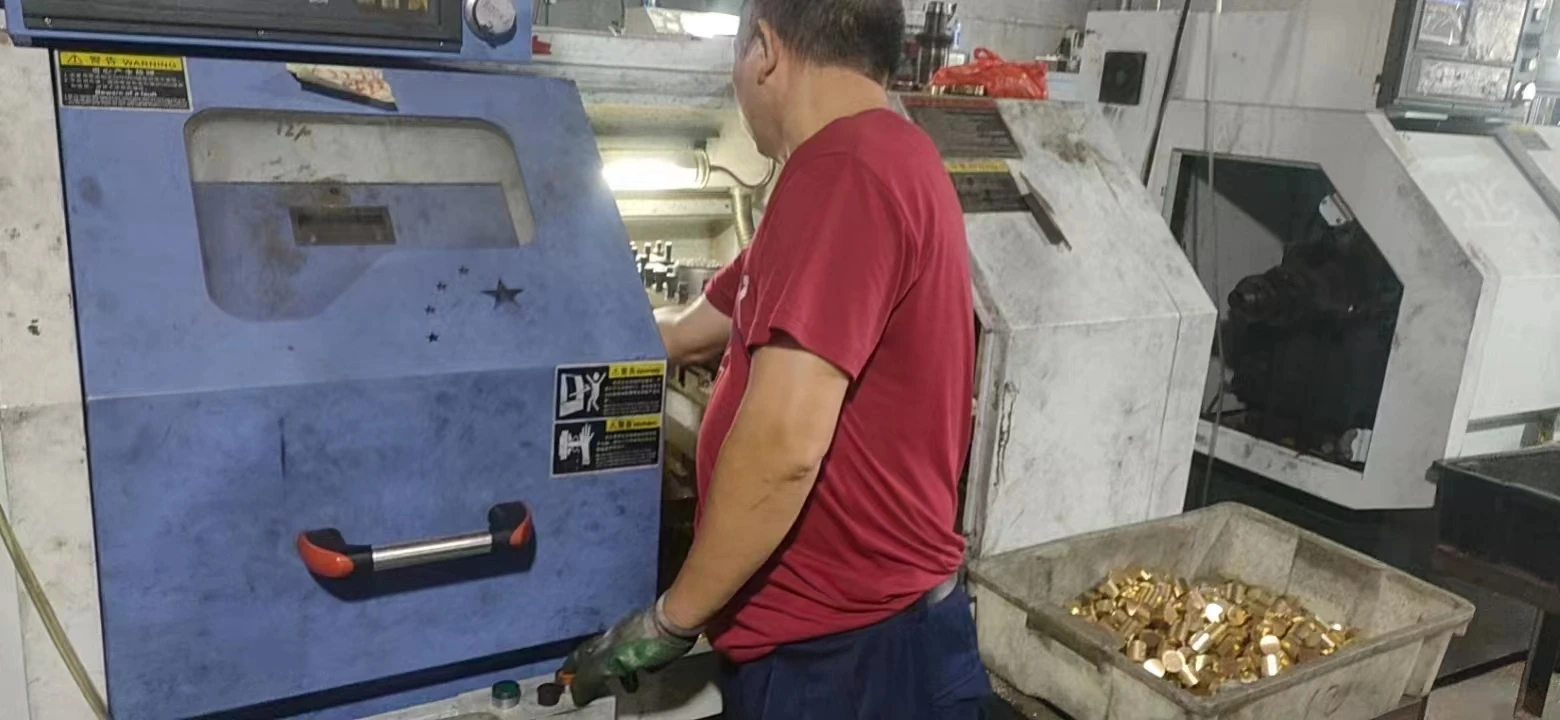
Guangzhou Bm Hardware Co., Ltd.
- Manufacturer, Trading Company
- Guangdong, China
- Lead time25 days
- Avg. response≤ 2h
Main productsDoor lock,Furniture Hardware,Door hardware,Glass door hardware,Door hinge
Main marketsDomestic Market(20.00%), Mid East(20.00%), South Asia(10.00%), North America(10.00%), South America(5.00%), Africa(5.00%), Southern Europe(5.00%), Northern Europe(5.00%), Western Europe(5.00%), Eastern Asia(5.00%), Eastern Europe(5.00%), Oceania(5.00%)

- Verified by TUVRHEINLAND
- Combined
- China Guangdong
- Lead time30 days
- Avg. response≤ 5h
Main productsCabinet Handle, Door Handle, Door Lock, Furniture Knob, Cabinet Hinge, Drawer Slide, Door Hinge, Mortise Lock, Cylinder Lock, Door Stopper
Main marketsSouth America,Southeast Asia/ Mideast,Europe


Security Guard Lock for Door and Home Security Antique Finish Door Chain
$1.85 - $3.00
MOQ: 1000 Pieces


D&D Hardware Industrial Co., Ltd.
- Combined
- China Guangdong
- Lead time30 days
- Avg. response≤ 5h
Main productsDoor Hardware, Door Handle, Door Hinge, Mortise Lock, Lock Cylinder, Door Stopper, Door Bolt, Glass Hinge, Glass Hardware, Door Inronmongery
Main marketsSouth America,Southeast Asia/ Mideast,Europe,North America
Suzhou Reter Hardware Technology Co., Ltd.
- Trading Company
- Jiangsu, China
- Lead time45 days
- Avg. response≤ 4h
Main productsLOCK,DOOR LOCK,MORTISE LOCK,LOCK CYLINDER,DOOR HANDLE
Main marketsSouth America(30.00%), Eastern Europe(15.00%), North America(10.00%), South Asia(5.00%), Southern Europe(5.00%), Northern Europe(5.00%), Central America(5.00%), Western Europe(5.00%), Eastern Asia(5.00%), Mid East(5.00%), Africa(5.00%), Southeast Asia(5.00%)
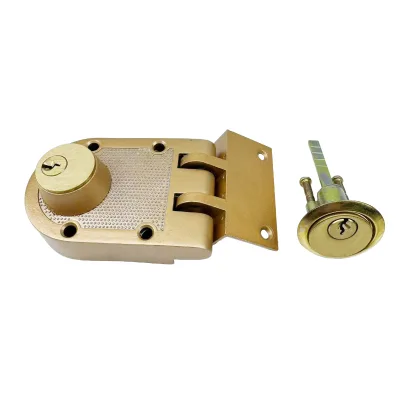
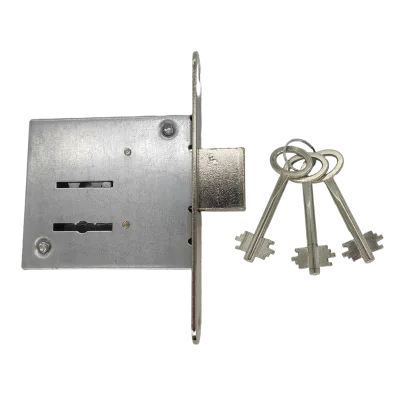
High Quality Interior Bedroom Wooden Door Iron Single Tongue Door Lock With 2 Antique Keys
$2.7137 - $2.8678
MOQ: 5 pieces
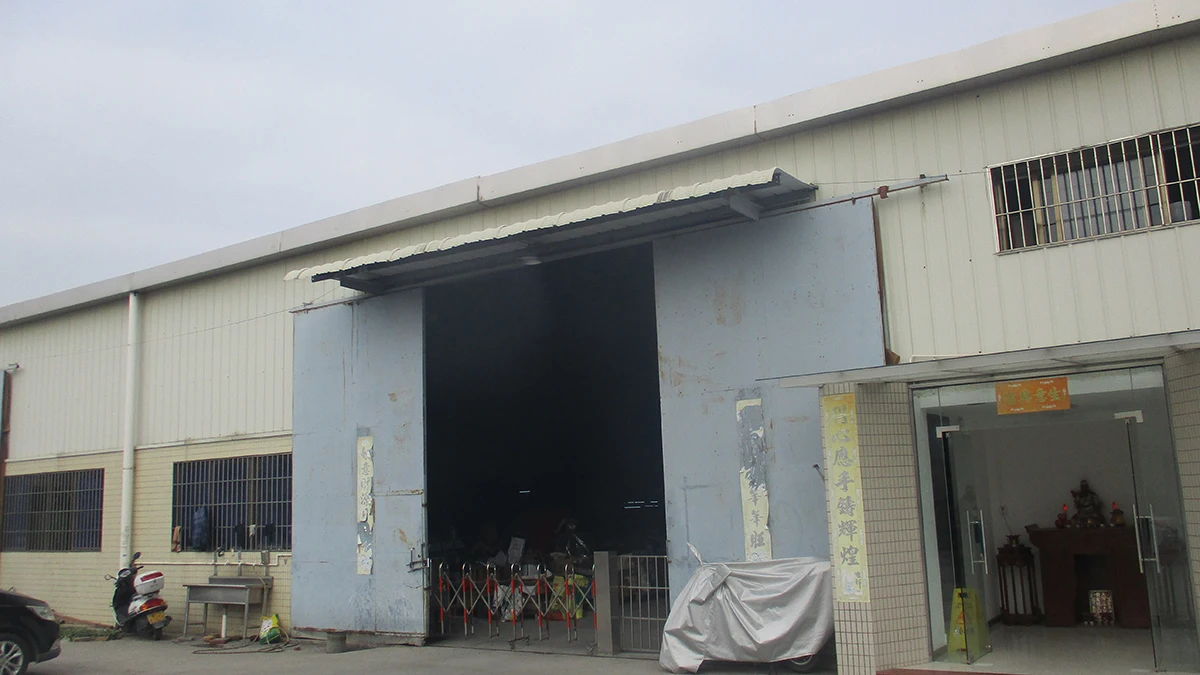
Jiangmen EC Hardware Co., Ltd.
- Manufacturer, Trading Company
- Guangdong, China
- Lead time45 days
- Avg. response≤ 3h
Main productsDoor Hardware,Glass Hardware,Furniture Hardware,Bathroom Hardware,Window Hardware
Main marketsNorth America(30.00%), Western Europe(20.00%), South America(15.00%), Mid East(10.00%), Africa(10.00%), Eastern Europe(10.00%), Southeast Asia(5.00%)
Yantai Zhengshi Hardware Co., Ltd.
- Manufacturer, Trading Company
- Shandong, China
- Lead time25 days
- Avg. response≤ 1h
Main productsInterior door lock sets, Hinges,, Furniture hardware parts, Lock hardware accessories
Main marketsEastern Asia(40.00%), Eastern Europe(20.00%), North America(10.00%), Western Europe(10.00%), South America(5.00%), Oceania(5.00%), Africa(5.00%), Mid East(5.00%)

- Combined
- China Guangdong
- Lead time45 days
- Avg. response≤ 2h
Main productsDoor Lock, Smart Lock, Lock, Door Handle, Security Door Lock, Digital Door Lock, Intelligent Door Lock, Hinge, Door Hardware, Hardware
Main marketsSouth America,Southeast Asia/ Mideast,East Asia(Japan/ South Korea),Domestic,Europe,North America

UNION-POWER (JM) METALS MFG. CO., LTD.
- Verified by TUVRHEINLAND
- Combined
- China Guangdong
- Lead time30 days
- Avg. response≤ 11h
Main productsRim Lock, Mortice Lock, Knob Lock, Lever Lock, Hinge, Door Hardware
Main marketsEurope

Antique Brass Night Latch Lock with Knob for Wooden and Metal Door Locks
$3.00 - $5.00
MOQ: 1000 Pieces


TOPUNION HARDWARE AND PLASTIC CO., LIMITED
- Verified by BV
- Manufacturer
- China Guangdong
- Lead time15 days
- Avg. response≤ 7h
Main productsDoor Hardware, Door Lock, Door Handle, Sliding Door Hardware, Door Accessories, Euro Profile Cylinder, Pull Handle, Sliding Door Roller, Lever Handle, Panic Exit Device Bar
Zhongshan Junli Metal Products Co., Ltd.
- Verified by SGS Group
- Manufacturer, Trading Company
- Lead time10 days
- Avg. response≤ 9h
Main productsSmart lock, Smart Home Lock, 3D Face&Camera Lock, Fingerprint Lock , Brass Door Lock
Main marketsSouth America(30%), Southeast Asia(30%), North America(20%)
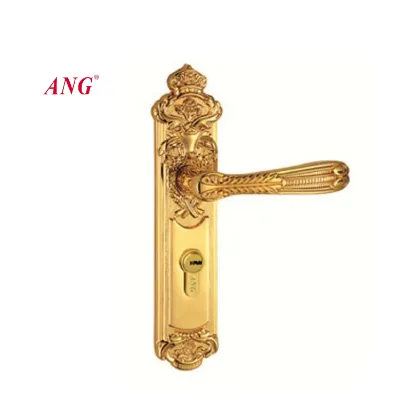
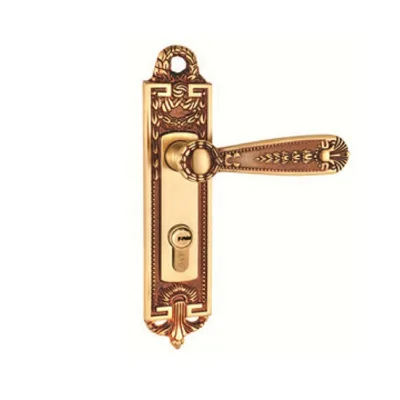
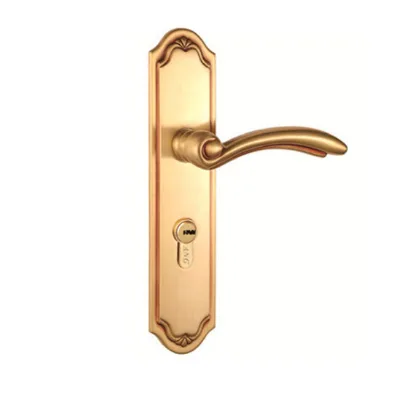
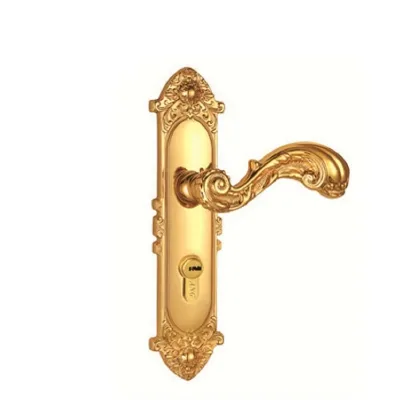
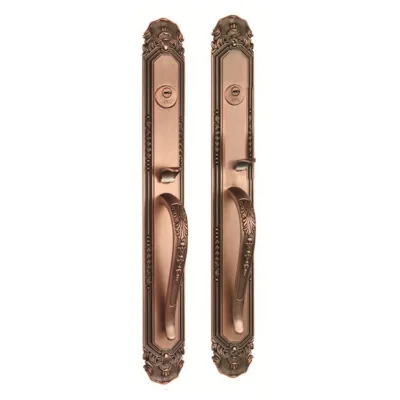
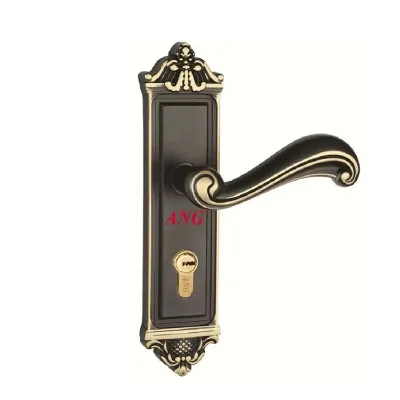
ANG High Quality Home Hotel Yellow Bronze Pure Copper European Design Main Door Handles Lock
$133.4806 - $164.2832
MOQ: 1 Minimum

Lanxi Kingway International Trade Co., Ltd.
- Verified by TUVRHEINLAND
- Trading Company,Manufacturer/Factory
- China Zhejiang
- Lead time23 days
- Avg. response≤ 4h
Main productsRoofing Sheets, Doors, Iron Nails, Hinges, Paint Brush, Hand Tools, Locks, Measuring Tools, Hammers, Coffin Fitting
Main marketsSouth America,Eastern Europe,Mid East,North America,Southeast Asia,Eastern Asia,Africa


Wholesale Mortice Mortice Brass Antique Finish Double Lock Door Handle Set
$2.00 - $3.00
MOQ: 500 Pieces


Yangzhou Jingwei Lock Industry Co., Ltd.
- Verified by TüVRheinland
- Manufacturer, Trading Company
- Lead time35 days
- Avg. response≤ 14h
Main productsDoor Locks, Rim Lock, Pull Handles, Cylinder, Smart Lock
Main marketsNorth America(20%), Africa(20%), Mid East(15%)
Yiwu LCKLUX HARDWARE CO., LTD.
- Trading Company
- Zhejiang, China
- Lead time60 days
- Avg. response≤ 6h
Main productsDOOR LOCK,HANDELS,HINGE,LOCK CYLINDER,RIM LOCK
Main marketsMid East(15.00%), Central America(5.00%), Domestic Market(5.00%), Eastern Asia(5.00%), North America(5.00%), South Asia(5.00%), Africa(5.00%), Southeast Asia(5.00%), Northern Europe(5.00%), South America(5.00%), Western Europe(1.00%), Oceania(1.00%), Southern Europe(1.00%), Eastern Europe(1.00%)
Jieyang Honghe Precision Hardware Products Co., Ltd.
- Manufacturer
- Guangdong, China
- Lead time15 days
- Avg. response≤ 4h
Main productsdoor hinge,furniture hinge,door stopper,drawer slide,Door Lock
Main marketsDomestic Market(50.00%), Mid East(20.00%), South America(10.00%), Southeast Asia(10.00%), Africa(10.00%)

Shanghai Yung King Hardware Co., Ltd.
- Trading Company,Manufacturer/Factory
- China Shanghai
- Lead time60 days
- Avg. response≤ 14h
Main productsDraw Latch, Lift off Hinge, Cylinder Lock, Military Case Handle, Forging, Machining, Access Panel and Roof Hatch, Paddle Latch, Tie Down Ring
Main marketsSouth America,Eastern Europe,Mid East,North America,Southeast Asia,Eastern Asia,Oceania,Western Europe,Africa

- Verified by BV
- Combined
- China Zhejiang
- Lead time30 days
- Avg. response≤ 25h
Main productsLock, Hardware
Main marketsEurope,North America
- Verified by Intertek
- Trading Company
- Lead time5 days
- Avg. response≤ 2h
Main productsKey Blanks, Locks, Locksmith's Tools, Key Cutting Machine, Diagnostic Tools
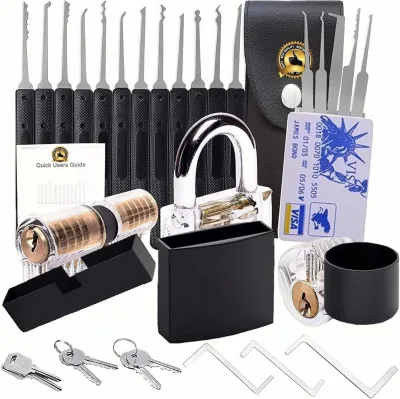
Precision Crafted Stainless Weatherproof Lock with Matching Keys and Rustproof Brass Cover
$9.00 - $9.30
MOQ: 1 pieces
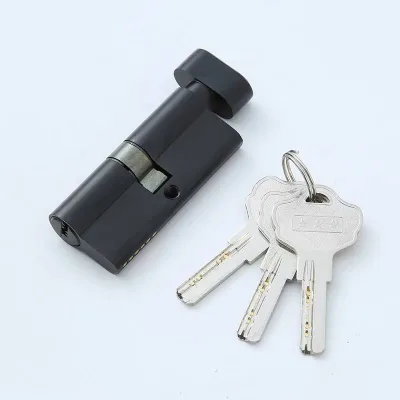
Secure Brass Cylinder Lock with Master Key Function for Property Managers
$5.70 - $6.00
MOQ: 100 pieces
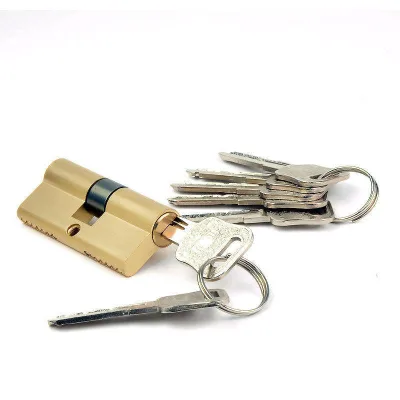
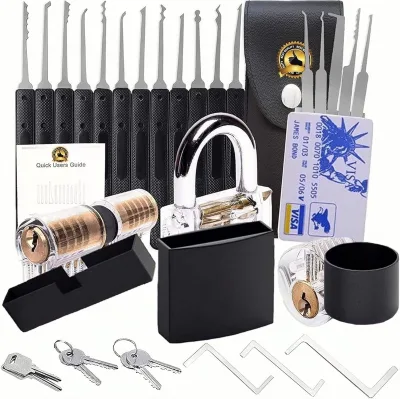
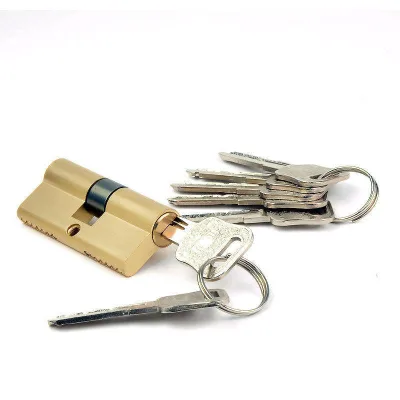
High-Security Copper Door Lock Core with Dual-Sided Satin Keys for Modern Apartments
$2.50
MOQ: 100 Minimum
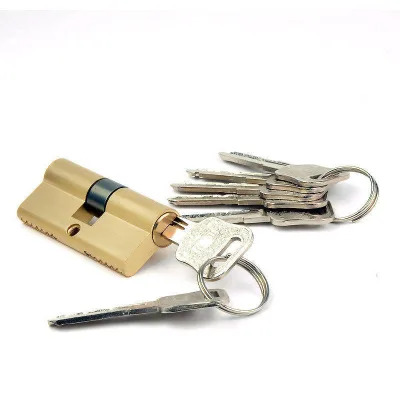
Precision-Crafted Double-Sided Key Lock with Satin-Coated Finish for Residential Entryways
$2.5671
MOQ: 100 Minimum

Wenzhou Hanglu Hardware Co., Ltd.
- Verified by SGS
- Trading Company
- China Zhejiang
- Lead time45 days
- Avg. response≤ 7h
Main productsDoor Handle
Main marketsSoutheast Asia/ Mideast,Europe

Aluminium Hardware Vintage Brass Plating Interior/Exterior Door Handle Lock
$3.50 - $4.50
MOQ: 300 Pieces

Jiangmen S.R.I Hardware Co., Ltd.
- Manufacturer
- Guangdong, China
- Lead time30 days
- Avg. response≤ 4h
Main productsDoors and Windows Accessories - Door Handle,Door Stopper,Door Bolt,Door Hinge and Door Viewer
Main marketsEastern Europe(14.30%), North America(12.20%), Oceania(10.20%), South Asia(8.20%), Southern Europe(8.20%), Central America(8.20%), Western Europe(6.10%), Northern Europe(6.10%), Domestic Market(6.10%), Mid East(6.10%), Africa(4.10%), Southeast Asia(4.10%), Eastern Asia(4.10%), South America(2.00%)
Guangdong Top Strong Living Innovation & Integration Co., Ltd.
- Manufacturer
- Guangdong, China
- Lead time30 days
- Avg. response≤ 3h
Main productsSafety Door Lock,Sliding Door Wheel,Smart Clothes Drying Rack,Smart Lock,Other Hardware
Main marketsDomestic Market(80.00%), North America(10.00%), Western Europe(5.00%), Southeast Asia(3.00%), South Asia(2.00%)
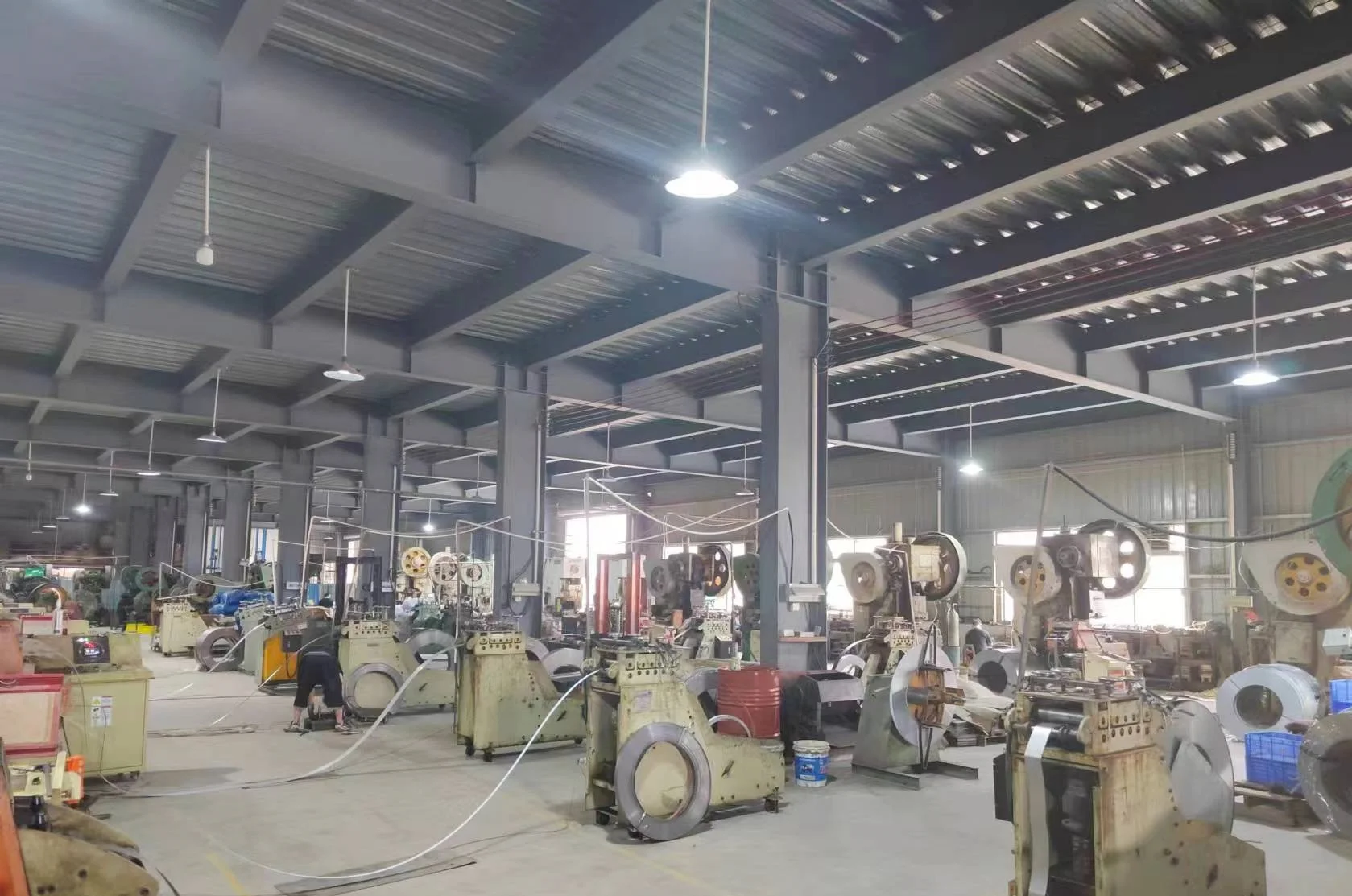
Zhongshan Cylock Hardware Co., Ltd.
- Manufacturer
- Guangdong, China
- Lead time45 days
- Avg. response≤ 1h
Main productsCommercial lock,Residential locks,Smart lock,Door lock accessories,door lock hardware
Main marketsNorth America(45.00%), Domestic Market(20.00%), Western Europe(15.00%), South America(10.00%), Northern Europe(5.00%), Southern Europe(5.00%)


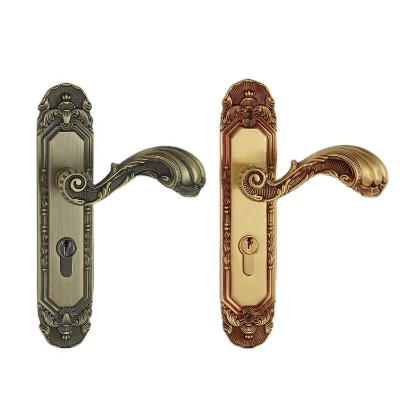
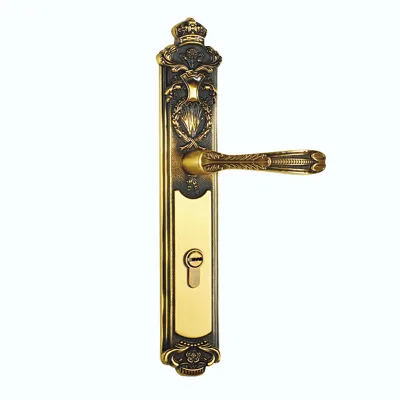






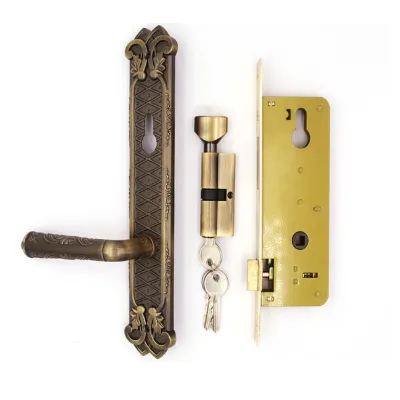
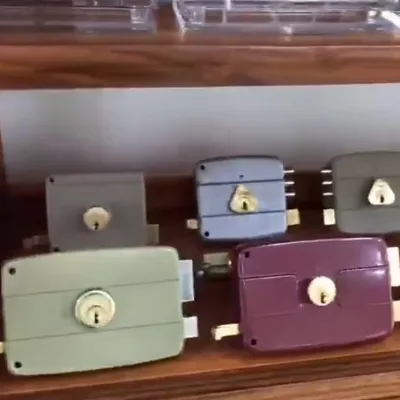
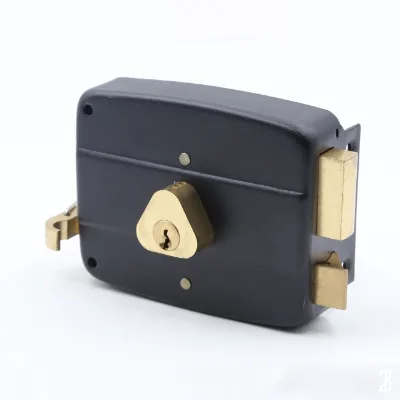
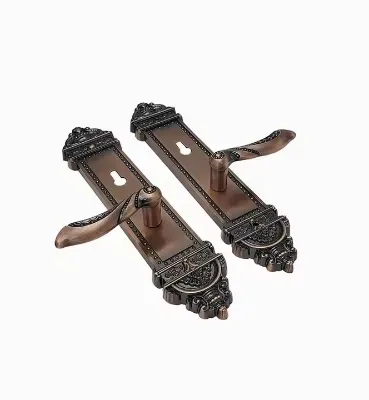


Comprehensive Sourcing Guide
Antique Brass Modern Door Lock Supplier Concentration and Factory Types
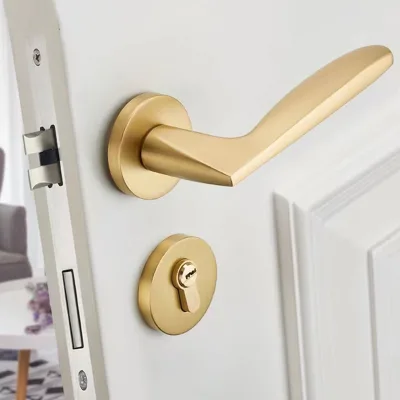
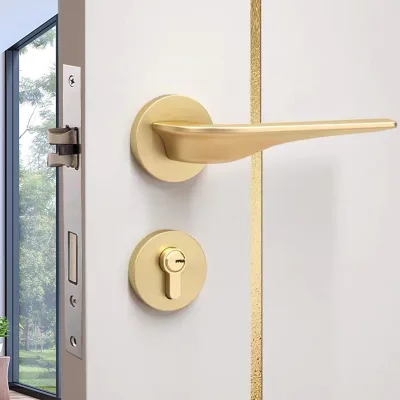
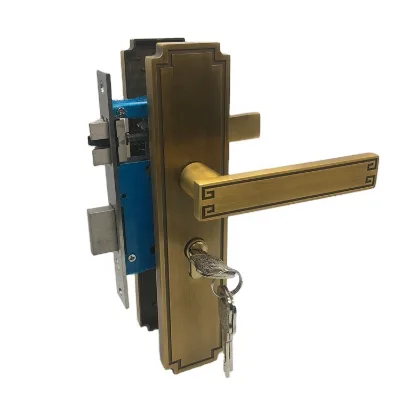
The current supplier landscape for antique brass modern door locks reveals a distinct concentration of manufacturing capabilities within specific geographic regions, with China Zhejiang emerging as a primary hub for production. This regional focus suggests a mature industrial ecosystem where specialized factories have developed the necessary infrastructure to handle the complex metallurgical and finishing processes required for high-quality brass hardware. Buyers evaluating these suppliers will find that the majority of entities operating in this space are classified as Manufacturer/Factory, indicating a direct line to production facilities rather than intermediary trading structures. This distinction is critical for sourcing, as factory-direct relationships often provide greater transparency regarding material sourcing, quality control protocols, and the ability to implement custom design modifications. The presence of these manufacturers in Zhejiang implies a cluster effect, where supply chain efficiencies for raw brass, casting molds, and surface treatment chemicals are readily available, potentially reducing overhead costs and improving lead time reliability for bulk orders.
In addition to pure manufacturing entities, the market also includes hybrid operations that function as both Trading Companies and Manufacturer/Factory entities. These dual-role suppliers offer a different value proposition, combining the production capabilities of a factory with the commercial flexibility and customer service orientation of a trading firm. This structure can be particularly advantageous for buyers who require a single point of contact for diverse product lines, such as integrating door locks with complementary hardware like cabinet pulls, hooks, or door stops. The data indicates that these suppliers often support both OEM (Original Equipment Manufacturer) and Own Brand services, allowing buyers to either white-label products under their own brand identity or customize existing designs to meet specific aesthetic or functional requirements. The availability of customization options, such as varying finishes and door thickness adaptations, underscores the versatility of these suppliers in meeting the nuanced demands of the Antique Brass Modern Door Lock market, ensuring that buyers can find partners capable of delivering tailored solutions rather than just off-the-shelf items.
How to Verify Antique Brass Modern Door Lock Suppliers
Verifying the legitimacy and capability of Antique Brass Modern Door Lock suppliers requires a rigorous examination of their stated certifications and operational metrics. A primary indicator of manufacturing maturity is the possession of recognized system certifications, such as ISO 9001, which signifies adherence to international quality management standards. Some suppliers may hold additional certifications like ISO 20000 or QC 080000, suggesting a broader commitment to process management and hazardous substance control, which is particularly relevant for brass hardware involving surface treatments and plating. Buyers should request copies of these certificates and verify their validity through the issuing bodies to ensure they are current and applicable to the specific product lines being sourced. Beyond certifications, the response time of a supplier serves as a practical metric for assessing their operational efficiency and customer service readiness. A response time of approximately 9.96 hours or faster, such as 5.23 hours, indicates a responsive team capable of addressing technical queries and negotiation points promptly, which is essential for maintaining project momentum in international trade.
Furthermore, buyers must scrutinize the specific product attributes and technical specifications provided by suppliers to ensure alignment with their project requirements. Detailed product evidence, including material composition, door thickness fit ranges, and lock cylinder lengths, provides concrete data for verification. For instance, confirming that a supplier offers mortise door locks with a door thickness fit of 35-50mm or customized options ensures compatibility with various door types. Buyers should also verify the origin of the products, as some listings explicitly state origins like China or Wenzhou, which can impact shipping logistics and tariff considerations. Additionally, the availability of customization options, such as specific finishes like Ob/Orb or Sf/DAB/Rg, should be confirmed through direct communication with the supplier. By cross-referencing these technical details with the supplier’s claimed capabilities and certifications, buyers can build a comprehensive profile of each potential partner, reducing the risk of selecting a supplier who lacks the necessary technical expertise or quality assurance processes to deliver reliable antique brass modern door locks.
What to Compare Across Antique Brass Modern Door Lock Suppliers
When evaluating multiple suppliers for antique brass modern door locks, comparing lead times and minimum order quantities (MOQs) is essential for aligning supplier capabilities with project timelines and budget constraints. Lead times can vary significantly, with some suppliers offering a 60-day turnaround while others provide a faster 45-day lead time, which can be a decisive factor for projects with tight deadlines. Similarly, MOQs range widely, from as low as 20 units for high-end luxury villa locks to 500 units for standard door handles, allowing buyers to select suppliers that match their volume requirements. A supplier with a lower MOQ may be more suitable for boutique hotels or small-scale renovations, whereas a supplier with a higher MOQ might offer better economies of scale for large residential developments. By comparing these operational metrics, buyers can identify suppliers that not only meet their quality standards but also fit within their logistical and financial frameworks, ensuring a smoother procurement process from initial inquiry to final delivery.
In addition to lead times and MOQs, buyers should compare the range of main products and customization capabilities offered by each supplier. Some suppliers specialize in a broad array of hardware, including door locks, cabinet pulls, adjustable legs, and sink drains, which can simplify sourcing for buyers looking to consolidate their supply chain. Others may focus more narrowly on locks and handles, offering deeper expertise in those specific areas. The ability to provide OEM services and own brand solutions is another critical differentiator, allowing buyers to establish unique market identities. Furthermore, comparing the specific product models and their associated attributes, such as weight, dimensions, and anti-theft standards, helps buyers assess the value proposition of each supplier. For example, a supplier offering a luxury villa door lock with an anti-theft standard of A and a weight of 2016g may command a higher price point but offer superior security and durability. By systematically comparing these factors, buyers can make informed decisions that balance cost, quality, and service levels.
Common Antique Brass Modern Door Lock Sourcing Risks
One of the primary risks in sourcing antique brass modern door locks is the potential discrepancy between sample quality and bulk production output. Suppliers may provide high-quality samples that meet all aesthetic and functional specifications, but the mass production run might suffer from inconsistencies in finish, material purity, or mechanical performance. This risk is particularly acute in brass hardware, where surface treatments like painting or plating can vary significantly between batches. Buyers must implement strict quality control measures, including third-party inspections during production and pre-shipment audits, to mitigate this risk. Additionally, the reliance on customization options can introduce complexity, as each custom specification requires precise manufacturing adjustments that may increase the likelihood of errors. Buyers should clearly define all customization requirements in the purchase contract and ensure that the supplier has the technical capacity to execute these changes without compromising quality.
Another significant risk is the misalignment of commercial terms and delivery expectations. Suppliers may quote attractive prices but have hidden costs associated with packaging, shipping, or customs clearance. For instance, while some products are packed in cartons or pallets, others may require gift boxes or specialized packaging for luxury items, which can impact shipping costs and product protection. Buyers must also be wary of suppliers who do not clearly disclose their lead times or response times, as this can lead to delays in project completion. Furthermore, the lack of transparency regarding the origin of materials, such as whether the brass is sourced domestically or imported, can affect both cost and quality. Buyers should request detailed breakdowns of costs and ensure that all terms are explicitly stated in the contract. By proactively identifying and addressing these risks, buyers can protect their interests and ensure a successful sourcing experience for antique brass modern door locks.
Antique Brass Modern Door Lock Regional Sourcing and Logistics
Sourcing antique brass modern door locks from regional hubs like China Zhejiang offers logistical advantages due to the concentration of manufacturing infrastructure and supply chain networks. This region is well-equipped to handle the complex production processes required for brass hardware, from casting and machining to surface finishing and packaging. The proximity of suppliers to major ports and logistics centers can facilitate faster shipping times and more reliable delivery schedules, which is crucial for maintaining project timelines. Buyers should leverage this regional concentration by engaging with multiple suppliers in the area to compare offerings and negotiate better terms. Additionally, the established nature of the manufacturing cluster means that suppliers are likely to have experience with international shipping requirements, including proper documentation and compliance with export regulations. This expertise can simplify the logistics process for buyers, reducing the administrative burden and minimizing the risk of shipping delays or customs issues.
However, buyers must also consider the environmental and regulatory aspects of sourcing from this region. The production of brass hardware involves various chemical processes, including plating and painting, which are subject to strict environmental regulations. Suppliers with certifications like ISO 9001 or QC 080000 are more likely to adhere to these regulations, ensuring that their production processes are environmentally responsible and compliant with international standards. Buyers should verify that their suppliers have the necessary permits and certifications to operate legally and sustainably. Furthermore, the origin of the products, such as Wenzhou, may impact shipping routes and costs. Buyers should work with their suppliers to optimize logistics strategies, such as consolidating shipments or selecting the most cost-effective shipping methods. By understanding the regional logistics landscape, buyers can make informed decisions that balance cost, speed, and compliance, ensuring a smooth and efficient sourcing process for antique brass modern door locks.
Antique Brass Modern Door Lock Commercial Terms and Order Planning
Effective order planning for antique brass modern door locks requires a thorough understanding of commercial terms, including pricing structures, payment methods, and warranty policies. Prices for these products can vary significantly based on factors such as material quality, customization options, and order volume. For example, standard door locks may start at around $12.71 per unit, while luxury villa locks can range from $120.00 to $180.00 per unit. Buyers should request detailed quotes that break down costs for materials, labor, and overhead, allowing them to compare offers accurately. Additionally, buyers should negotiate payment terms that align with their cash flow needs, such as partial upfront payments and balance upon shipment. It is also important to clarify any additional costs, such as tooling fees for custom designs or sample charges, to avoid unexpected expenses. By establishing clear commercial terms upfront, buyers can prevent misunderstandings and ensure a transparent and fair transaction.
Furthermore, buyers must plan for post-order support, including warranty coverage and after-sales service. Suppliers should provide clear information on warranty periods, return policies, and procedures for handling defective products. For instance, a supplier offering a 12-month warranty on their door locks provides an additional layer of security for buyers. Buyers should also consider the supplier’s responsiveness to customer inquiries and issues, as a quick response time can facilitate faster resolution of any problems that arise. Additionally, buyers should evaluate the supplier’s capacity for future orders, ensuring that they can scale production to meet growing demand. By carefully planning commercial terms and order logistics, buyers can build a sustainable and reliable supply chain for antique brass modern door locks, minimizing risks and maximizing value. This proactive approach ensures that buyers are well-prepared to handle any challenges that may arise during the sourcing process.
FAQs
What is the price range for antique brass door locks?
Prices for antique brass door locks typically range from $12.71 to $180.00 per unit. The cost varies significantly based on the specific model, material thickness, and included components like cylinders. Buyers should expect higher prices for luxury villa-style mortise locks compared to standard furniture handles.
What is the minimum order quantity for these locks?
The minimum order quantity depends on the specific product type. Standard door locks often require a minimum of 500 units, while luxury villa door handles may have a lower threshold of just 20 units. Buyers should verify the exact MOQ for their chosen model before placing an order.
How long does production take for these items?
Production lead times generally range from 45 to 60 days. Suppliers with faster response times may offer quicker turnaround, but standard manufacturing cycles for brass hardware usually require this duration. Buyers should confirm the exact lead time with the supplier before finalizing purchase agreements.
Are these locks customizable for specific door thicknesses?
Yes, customization is available for many antique brass door locks. Some models fit standard door thicknesses of 35-50mm, while others offer fully customized door thickness options. Buyers should specify their requirements to ensure the lock body and cylinder length match their installation needs.
What certifications do these manufacturers hold?
Manufacturers typically hold ISO 9001 certification, with some also possessing ISO 20000 and QC 080000 standards. These certifications indicate adherence to quality management systems. Buyers should request valid certificates to verify compliance with international quality and safety standards for hardware products.
Where are these suppliers located?
Suppliers are primarily located in China, specifically in the Zhejiang province and Wenzhou area. This region is known for its hardware manufacturing capabilities. Buyers can expect efficient logistics from these locations, though shipping times will vary based on the final destination country.