Self-Adhesive Embossed Frosted Window Film Suppliers and Manufacturers
Source self-adhesive embossed frosted window film from 24 verified suppliers in China. Compare ISO9001:2015 certified factories with response times under 6 hours, lead times of 15-30 days, and MOQs starting at 100 units. Review pricing and material specs to identify the right partner for your project.
Updated
Suppliers List

Guangdong Anke Technology Co., Ltd
- Verified by SGS
- Combined
- China Guangdong
- Lead time15 days
- Avg. response≤ 3h
Main marketsDomestic

Self-Adhesive Glass Film Privacy Window Film Frosted Glass Film Office Decorative Frosted Film
$0.90 - $1.20
MOQ: 100 Meters

High Privacy Window Film Frosted Glass Film Office Decorative Frosted Film
$1.20 - $1.40
MOQ: 100 Meters

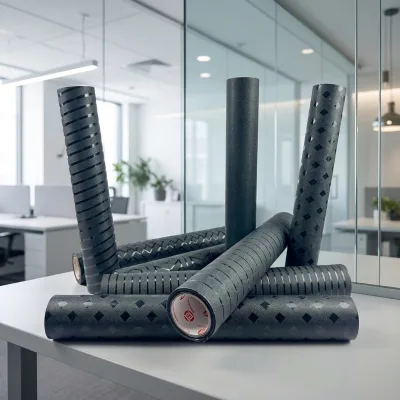
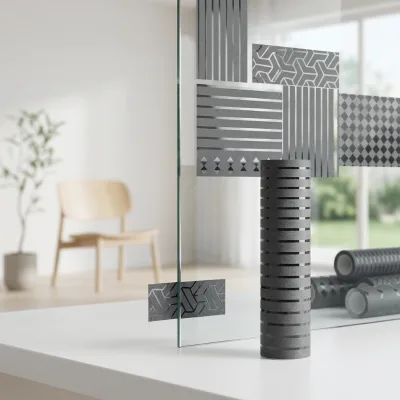
2-Mil Black Striped Frosted Window Film Self-Adhesive Decorative Glass Film for Building
$0.90 - $1.20
MOQ: 100 Square Meters

Variety of Indoor Glass Films 4-Color Frosted Decorative Self-Adhesive Glass Films
$1.20 - $1.40
MOQ: 100 Meters

Decorative Frosted Explosion-Proof Glass Window Film Self Adhesive Glass Decor Film
$1.20 - $1.40
MOQ: 100 Meters


BROADSIGN NEW MATERIALS (SUZHOU) CO., LTD.
- Verified by TUVRHEINLAND
- Trading Company,Manufacturer/Factory
- China Jiangsu
- Lead time30 days
- Avg. response≤ 6h
Main productsColor Vinyl, Sign Making Vinyl, Chrome Mirror Vinyl, Digital Print Self Adhesive Vinyl, Cold Laminated Film, One Way Vision, Transfer Film, PVC Vinyl, PVC Film, Sticker Vinyl
Main marketsSouth America,Eastern Europe,Mid East,North America,Southeast Asia,Western Europe,Africa

Self Adhesive Vinyl White Frosted Film Frosted Privacy Window Film
$0.65 - $0.90
MOQ: 4880 Square Meters

Zhejiang Juara Trading Co.,ltd
- Trading Company
- Zhejiang, China
- Lead time30 days
- Avg. response≤ 5h
Main productscar window film,car wrap,building film,decorative film,car sticker
Main marketsSoutheast Asia(25.00%), North America(25.00%), Mid East(20.00%), Western Europe(15.00%), Eastern Europe(10.00%), South America(5.00%)
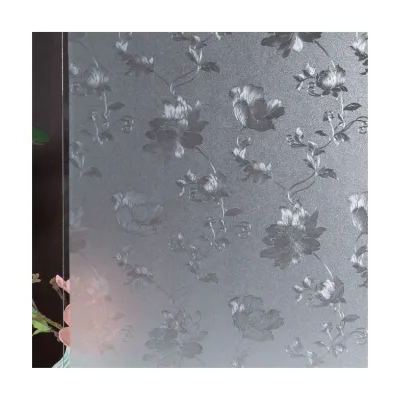
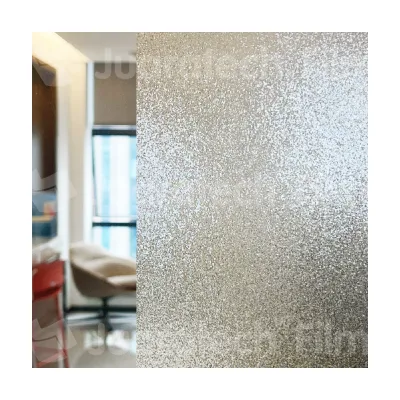
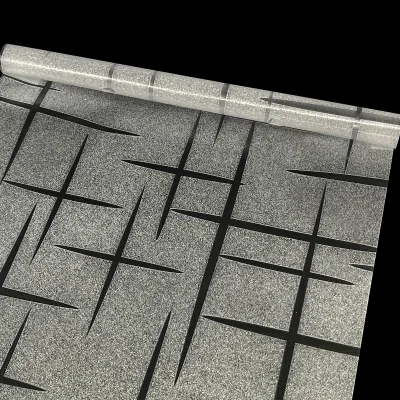
PVC Self Adhesive Decorative Glass Window Sticker Paper Frosted Modern Embossed Apartment
$2.0405 - $3.5365
MOQ: 10 rolls

Guangzhou Fortune Digital Technology Co., Ltd.
- Manufacturer/Factory
- China Guangdong
- Lead time15 days
- Avg. response≤ 5h
Main productsAdvertising Materials, Roll up Stand, Flex Banner, Vinyl, PP Film, Light Box, X Banner, Cold Lamination Film, Pop up, Promotion Table
Main marketsMid East,North America,Southeast Asia,Oceania,Africa


Window Film Self Adhesive Vinyl Printable Frosted Glass Film Privacy Film for Home Decoration
$1.30 - $1.50
MOQ: 100 Square Meters

1.22X50m Matt Frosted Self Adhesive Glass Film Vinyl for Decoration Window Film
$1.45 - $1.65
MOQ: 1000 Square Meters

Glitter Window Film Grey Window Sticker Glass Film, Self-Adhesive Vinyl
$0.40 - $0.58
MOQ: 50 Square Meters


Oriency Sign Technology Industry Co., Ltd.
- Verified by BV
- Combined
- China Shanghai
- Lead time30 days
- Avg. response≤ 4h
Main productsFlex Banner, Self Adhesive Vinyl, LED Display, PVC Foam Board, Canvas, Flag Material, Eco-Solvent Medias, Printing Materials, Panel Products, Sign Media
Main marketsSoutheast Asia/ Mideast,East Asia(Japan/ South Korea),Europe,Australia,North America

Shandong Zhenhui New Materials Co., Ltd.
- Verified by BV
- Combined
- China Shandong
- Lead time15 days
- Avg. response≤ 1h
Main productsWindow Film, Architectural Film, Furniture Film, Car Paint Protection Film, Car Floor Mat, Glass Film, Ppf, Window Tint, Commercial Window Film, Residential Window Film
Main marketsDomestic

Dongguan Livinyl Adhesive Products Co
- Verified by SGS
- Manufacturer/Factory
- China Guangdong
- Lead time15 days
- Avg. response≤ 25h
Main productsAdvertising Vinyl, Decorative Vinyl, Sandblast Stencil, Heat Transfer Vinyl, Car Wrap, Reflective Sheeting, Dtf
Main marketsSouth America,Eastern Europe,Mid East,North America,Southeast Asia,Eastern Asia,Oceania,Western Europe,Africa

Self Adhesive Frosted Privacy Window Glass Film Frosted Glass Sticker Building Window Film
$2.60 - $3.70
MOQ: 1 Rolls

Guangzhou Anolly Advanced Materials Co., Ltd.
- Verified by TüVRheinland
- Manufacturer, Trading Company
- Lead time7 days
- Avg. response≤ 2h
Main productsCutting Vinyl, Car Wrap Film, Self Adhesive Vinyl, Window Film
Main marketsNorth America(10%), Mid East(10%), Southeast Asia(9%)
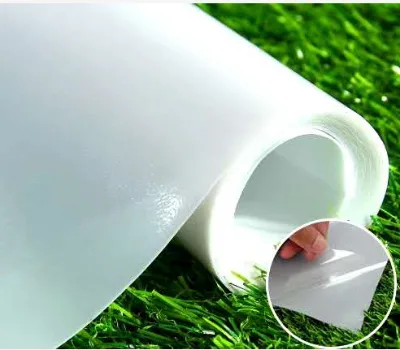
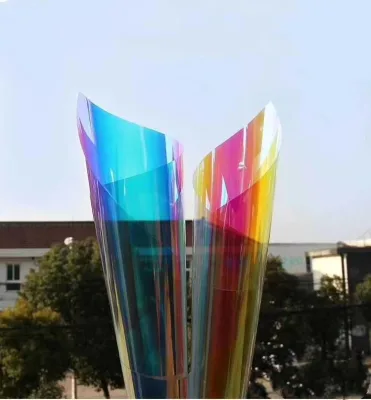
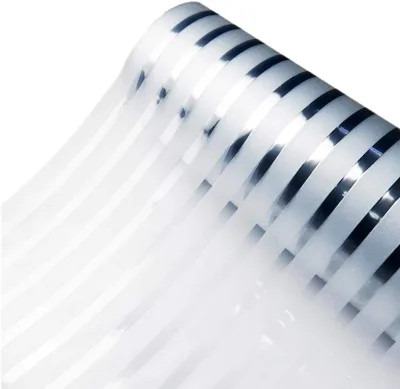
Hotel Frosted Film Waterproof Snow Frosted Frosted Window Film Window Glass Sticker Adhesive Glass
$44.9009 - $46.9415
MOQ: 2 rolls
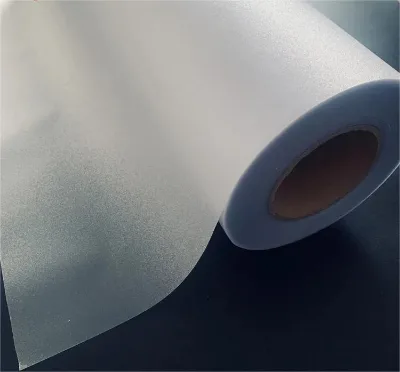
Hot Selling 1.22x50M Self Adhesive Frosted Window Glass Film Frosted Glass Sticker
$39.00 - $41.00
MOQ: 1
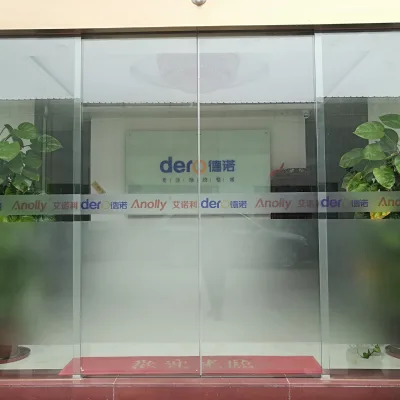
Guangzhou Hongyuan Adhesive Material Technology Co., Ltd.
- Trading Company
- Guangdong, China
- Lead time15 days
- Avg. response≤ 5h
Main productsPrintable vinyl,Cold lamination film,Color cutting vinyl,Automobile packaging vinyl,Window film
Main marketsSouth Asia(50.00%), Eastern Asia(20.00%), North America(10.00%), Mid East(10.00%), South America(5.00%), Central America(5.00%)
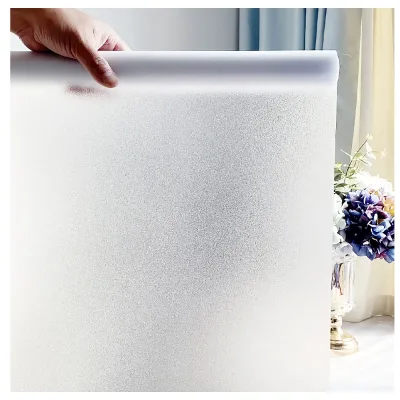
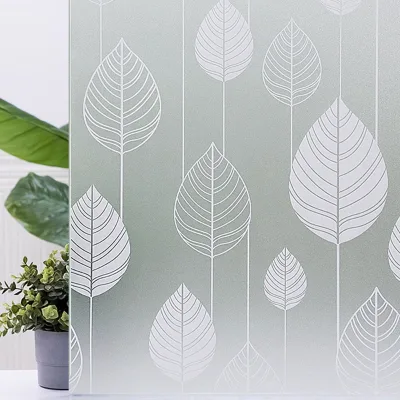
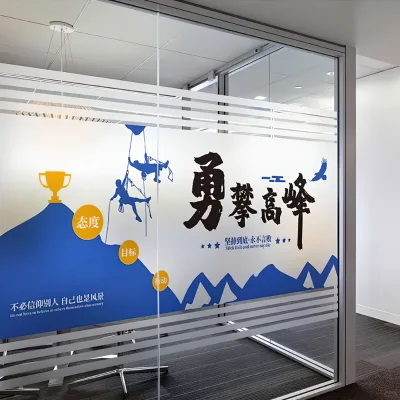
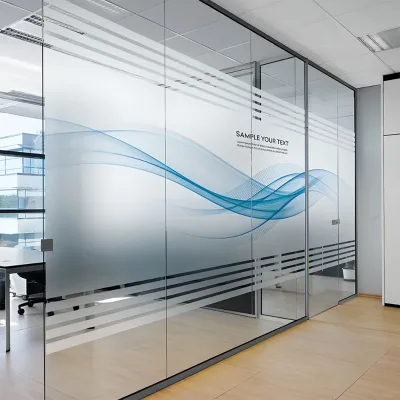
$0.9335 - $0.953
MOQ: 64 square

Hunan Hamyee Home Decor Co., Ltd.
- Verified by SGS
- Combined
- China Hunan
- Lead time15 days
- Avg. response≤ 1h
Main productsWallpaper, 3D PE Foam Wallpaper, Self Adhesive Wallpaper, Non-Woven Wallpaper, Decorative Film, Window Film, Floor Sticker, PVC Wallpaper, Kitchen Film, Self Adhesive Flooring
Main marketsSouth America,Africa,Southeast Asia/ Mideast,East Asia(Japan/ South Korea),Europe,Australia,North America


Window Film Privacy and Light Protection Vinyl Sticker Film Frosted Glass Film
$2.30 - $2.50
MOQ: 300 Rolls


Window Film Frosted Glass Film Bathroom Door Glass Decoration Window Film Privacy Covering
$2.30 - $2.50
MOQ: 300 Rolls
Shenzhen Coast Glass Co., Ltd.
- Verified by SGS Group
- Manufacturer, Trading Company
- Lead time0 days
- Avg. response≤ 2h
Main productsPDLC FILM, SMART GLASS, LIQUID GLASS COATING, THERMAL INSULATION WINDOW FILM, AUTOMOTIVE WINDOW FILM
Main marketsNorth America(80%), Western Europe(10%), Eastern Europe(4%)
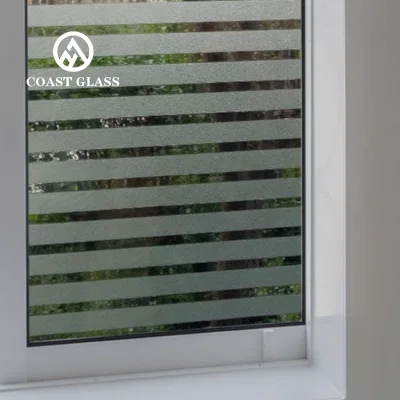
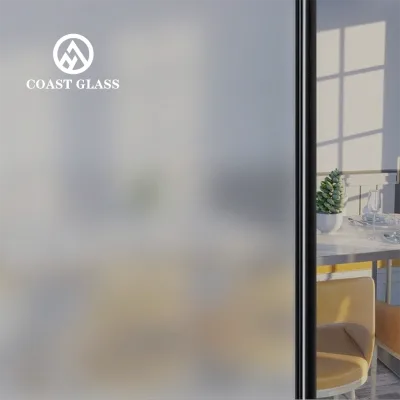
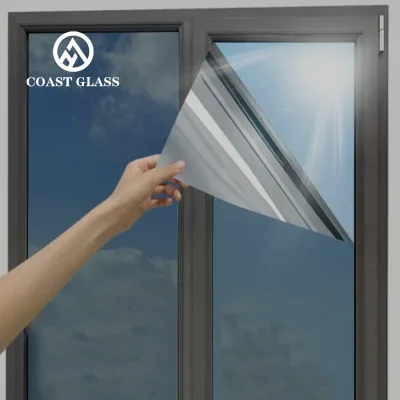
Self-Adhesive PVC Transparent Frosted Glass Window Film for Bathroom Living Room Decor
$3.0743 - $20.4937
MOQ: 2 Minimum
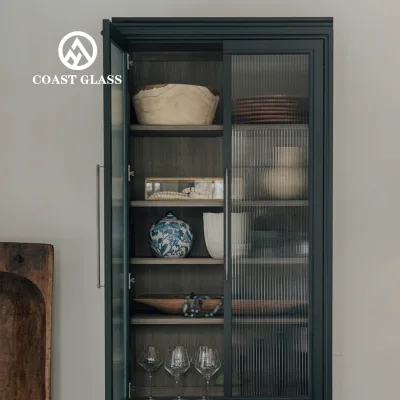
PVC Transparent Fluted Glass Film Decorative Window Decal Reeded Glass Film for Bathroom Living Room
$3.1132 - $20.7495
MOQ: 2 Minimum
Guangzhou Jiecheng Technology Co., Ltd.
- Trading Company
- Guangdong, China
- Lead time15 days
- Avg. response≤ 2h
Main productsSelf Adhesive Vinyl, Cold Lamination Film, One Way Vision Vinyl
Main marketsDomestic Market(40.00%), South Asia(24.00%), Southeast Asia(13.00%), Africa(5.00%), Mid East(5.00%), South America(4.00%), Oceania(4.00%), North America(3.00%), Eastern Asia(2.00%)
Guangdong Zhenghe Advertising Material Products Co., Ltd.
- Verified by Intertek
- Manufacturer, Trading Company
- Lead time15 days
- Avg. response≤ 3h
Main productsCar Wrapping Vinyl, Color Vinyl, Printable Vinyl, Window Film, Decorative Films

Shanghai Hanker Industrial Co., Ltd.
- Verified by TUVRHEINLAND
- Combined
- China Shanghai
- Lead time15 days
- Avg. response≤ 3h
Main productsSelf Adhesive Vinyl, One Way Vision, Color Cutting Vinyl, Cold Lamination Film, Ultra Clear Pet Film, Aluminum Foil Sticker, Magnetic Sheets, Window Film, Floor Stickers, Wall Paper
Main marketsSoutheast Asia/ Mideast

Premium PVC Self Adhesive Vinyl Glass Sticker Frosted Window Film for Window Protection
$0.78 - $1.30
MOQ: 1000 Square Meters

Premium PVC Self Adhesive Glass Sticker Frosted Window Film for Window Decoration and Protection
$0.78 - $1.30
MOQ: 1000 Square Meters


Premium Frosted Window Film for Enhanced Privacy and Easy Installation
$0.25 - $1.00
MOQ: 1000 Square Meters


Shanghai JUTU New Materials Technology Limited
- Verified by BV
- Trading Company,Manufacturer/Factory
- China Shanghai
- Lead time23 days
- Avg. response≤ 5h
Main productsFlex Banner, Self Adhesive Vinyl, PVC Foam Board, Polyester Canvas, Acrylic Sheet, Decorative Vinyl, Wall Paper, Window Film, Colored Vinyl, Reflective Sheeting
Main marketsSouth America,Eastern Europe,Mid East,North America,Southeast Asia,Eastern Asia,Oceania,Western Europe,Africa


Frosted Transparent PVC Window Film with Self-Adhesive Decorative Glass Design
$0.50 - $0.80
MOQ: 3000 Square Meters

Decorative Frosted Window Film for Added Privacy and Elegant Style
$0.50 - $0.80
MOQ: 3000 Square Meters
Guangzhou Artisan New Material Technology Co., Ltd.
- Verified by SGS Group
- Trading Company
- Guangdong, China
- Lead time15 days
- Avg. response≤ 2h
Main productsCar Tinting Film, Static Film, Safety Film, Building Window Tint Film, Paint Protection Film
Main marketsNorth America(30%), Southeast Asia(25%), South America(20%)
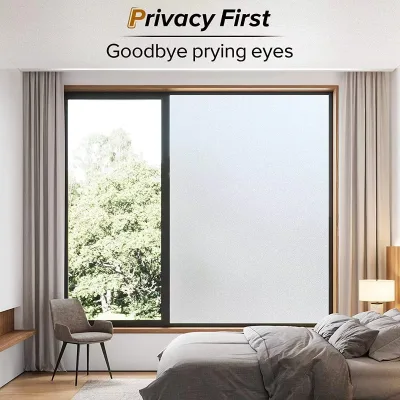
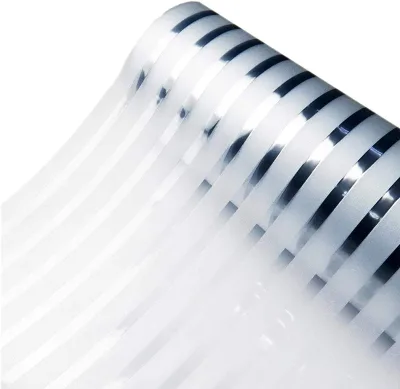
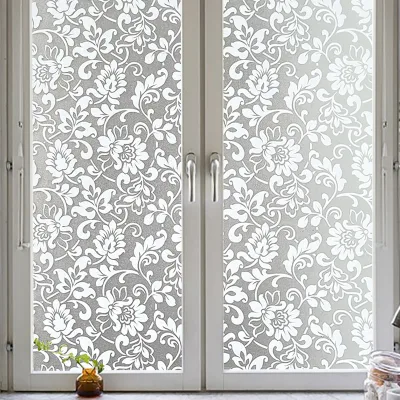
$3.6113 - $4.657
MOQ: 1 meters
Wuhan Bestand Decoration Co., Ltd.
- Verified by SGS Group
- Manufacturer, Trading Company
- Lead time0 days
- Avg. response≤ 4h
Main productsPVC Self Adhesive Wallpaper, PVC Decorative Film, 3D PE Foam Wall Stickers, Flooring Sticker, Window Film
Main marketsNorth America(20%), South America(20%), Southeast Asia(15%)

Sounda New Materials Co., Ltd.
- Trading Company,Manufacturer/Factory
- China Shanghai
- Lead time15 days
- Avg. response≤ 16h
Main productsPVC Tarpaulin, PVC Flex Banner, Self adhesive Vinyl, PVC Form Board, PVC Hollow Sheet
Main marketsSouth America,Eastern Europe,Mid East,North America,Southeast Asia,Eastern Asia,Oceania,Western Europe,Africa


Window Film PVC Glass Film Frosted Window Glass Protective Decoration Film
$0.90 - $1.50
MOQ: 1000 Square Meters
- Manufacturer, Trading Company
- Lead time旺季: "1 - 10000":31,"10001 - 100000":45,"> 100000":"To be negotiated", 淡季: "1 - 10000":31,"10001 - 100000":45,"> 100000":"To be negotiated"
- Avg. response≤ 2h
Main productsSelf Adhesive Vinyl, Color Cutting Vinyl, Window Film, Car Wrapping Film
Guangdong New Vision Film Co., Ltd.
- Manufacturer, Trading Company
- Lead time旺季: "1 - 6":5,"> 6":"To be negotiated", 淡季: "1 - 6":5,"> 6":"To be negotiated"
- Avg. response≤ 4h
Main productsAutomotive Window Film, Commercial Window Film, Paint Protection Film, Headlight Film, Safety and Security Film
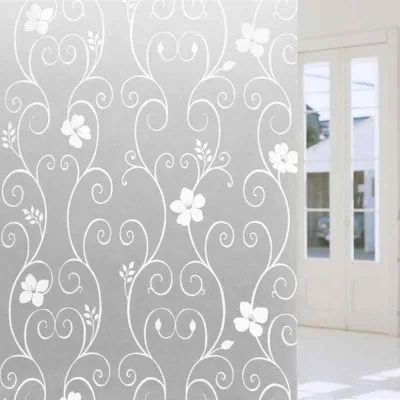
Guangdong Factory Frosted Window Film, Privacy White Opal Frost Etched Glass Self Adhesive Vinyl
$59.8415 - $61.9045
MOQ: 6 rolls
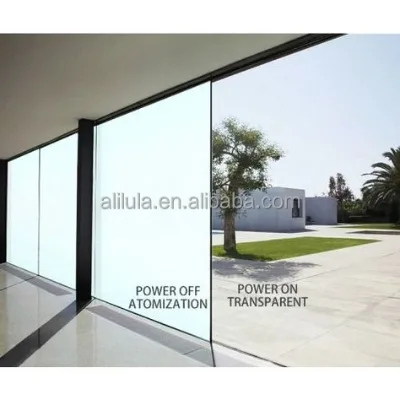
$1.00 - $1.30
MOQ: 100 Minimum
Guangzhou Artisan New Material Technology Co., Ltd.
- Manufacturer, Trading Company
- Guangdong, China
- Lead time0 days
- Avg. response≤ 2h
Main productswindow tint film,ppf film,car wrap,building window film,decorative film
Main marketsNorth America(20.00%), Central America(10.00%), Southeast Asia(10.00%), Mid East(10.00%), South America(10.00%), Domestic Market(5.00%), South Asia(5.00%), Southern Europe(5.00%), Northern Europe(5.00%), Africa(5.00%), Western Europe(5.00%), Eastern Asia(5.00%), Eastern Europe(5.00%)
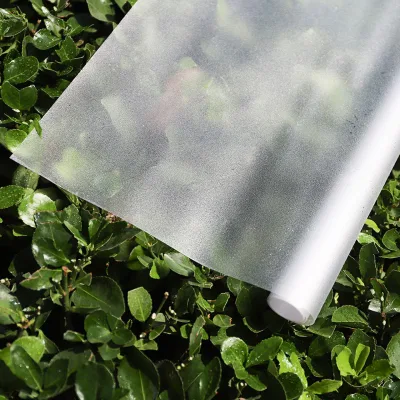
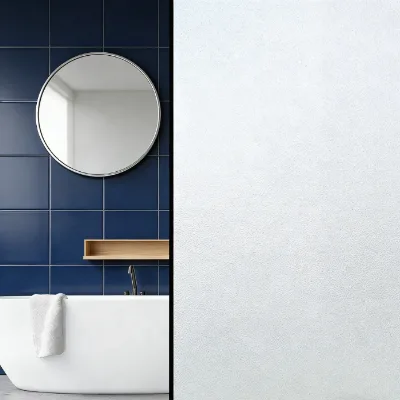
$46.0469 - $50.1399
MOQ: 1 rolls
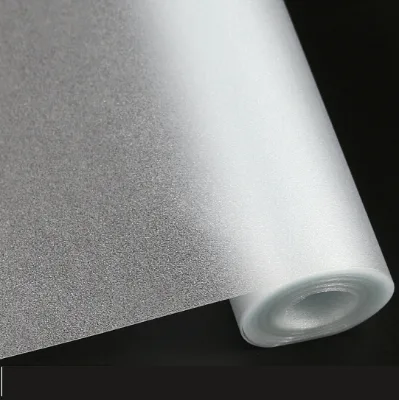
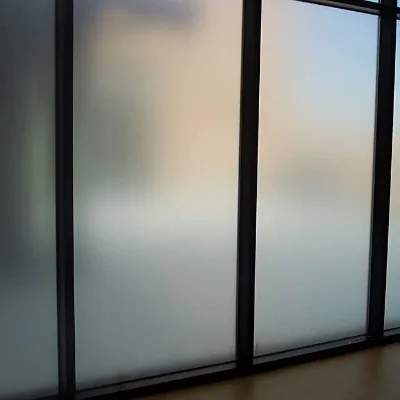
Office Glass Frosted PVC Frosted Privacy Window Film Interior Manufacturers Window Film for Home
$1.50 - $1.90
MOQ: 2 rolls
Jiangsu Aoli New Materials Co., Ltd.
- Verified by Intertek
- Manufacturer, Trading Company
- Lead time7 days
- Avg. response≤ 7h
Main productsCold Lamination Film, Printing Canvas Roll, Self Adhesive Vinyl, Color Cutting Vinyl, Coated PP Film
Main marketsNorth America(20%), South America(15%), Southeast Asia(15%)
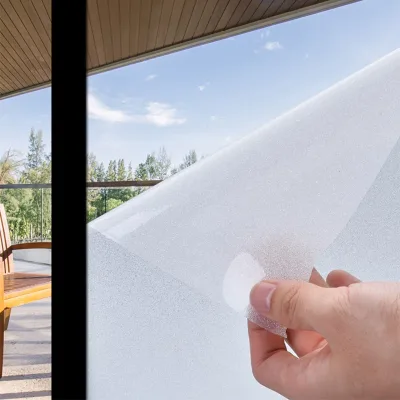
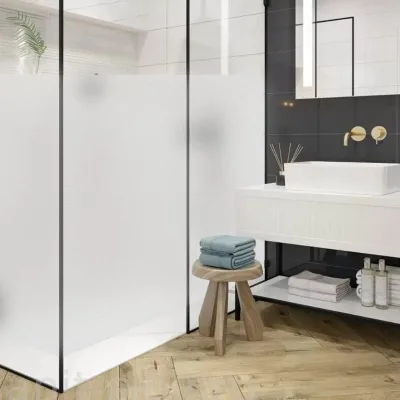
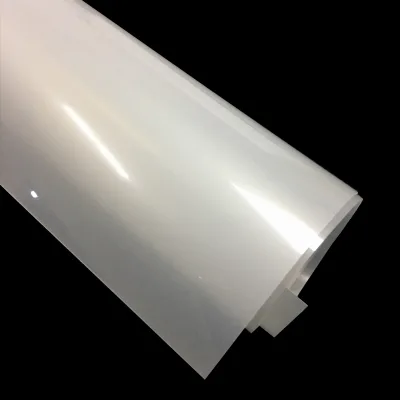
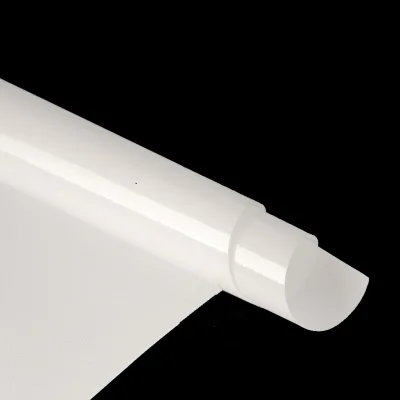
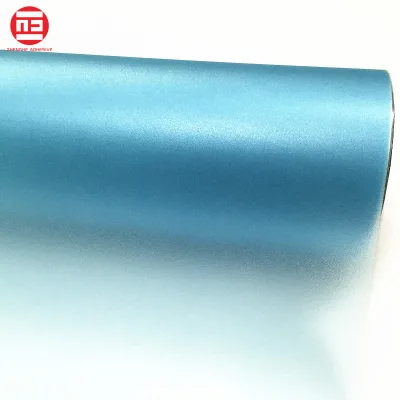
Self Adhesive Window Glass Gradient Film Professional Decorative Films for Buildings and Office
$0.26 - $0.35
MOQ: 30 square

Jining Mingchuang International Co., Ltd.
- Manufacturer/Factory,Group Corporation
- China Shandong
- Lead time15 days
- Avg. response≤ 15h
Main productsPVC Film, Transparent Film, LLDPE Stretch Film, PVC Tarpaulin and Canvas, PE Shrink Film, PVC Sheet, HDPE Liner, PVC Tapes, Packaging Film, PVC Products
Main marketsSouth America,Eastern Europe,Mid East,North America,Southeast Asia,Eastern Asia,Oceania,Western Europe


PVC Static Colored Window Film for Glass Door Translucent Deep Embossing PVC Film
$1.20 - $1.60
MOQ: 500 kg

Frosted PVC Window Film Anti UV Decorative Film for Office Static Window Sticker
$1.20 - $1.60
MOQ: 500 kg

Frosted Decoration PVC Window Film Not Self-Adhesive for Home Office Bathroom
$1.20 - $1.60
MOQ: 500 kg
Guangdong Lonmay New Material Co., Ltd.
- Manufacturer, Trading Company
- Guangdong, China
- Lead time10 days
- Avg. response≤ 14h
Main productsPVC decorative film,Self Adhesive PVC Film,wood grain PVC sheet,window film,edge banding
Main marketsDomestic Market(75.00%), Mid East(5.00%), Southeast Asia(5.00%), Africa(4.00%), Western Europe(3.00%), Eastern Europe(3.00%), North America(3.00%), South America(2.00%)


Comprehensive Sourcing Guide
Self-Adhesive Embossed Frosted Window Film Supplier Concentration and Factory Types
The current supplier landscape for self-adhesive embossed frosted window film reveals a diverse mix of manufacturing capabilities concentrated primarily in China. Specific results indicate that suppliers are located in Guangdong, Jiangsu, and Zhejiang provinces, suggesting these regions serve as key hubs for this product category. Within these clusters, the company types vary significantly, ranging from combined entities that handle both trading and manufacturing to pure trading companies and dedicated manufacturers or factories. For instance, one verified supplier in Jiangsu identifies as both a Trading Company and a Manufacturer/Factory, while another in Zhejiang operates strictly as a Trading Company. This variation is critical for buyers to understand, as it directly impacts pricing structures, communication efficiency, and the ability to customize products. The presence of combined companies often offers a middle ground, providing the flexibility of a trader with the production control of a factory. Buyers should carefully review the company type listed for each supplier to determine if they require direct factory access for large-scale OEM projects or if a trading company’s broader inventory and logistics support better suit their immediate needs.
Capacity and specialization also differ across these supplier types, influencing the range of products available. Some suppliers highlight specific RD capacities, such as ODM, OEM, and their own brand development, indicating a strong focus on innovation and custom design. Others may focus on a broader range of main products, including color vinyl, sign making vinyl, chrome mirror vinyl, and digital print self-adhesive vinyl, alongside decorative films. This suggests that some factories are versatile, capable of producing various types of vinyl and window films, which can be advantageous for buyers seeking a single source for multiple packaging or decorative needs. The material composition of the films, such as PVC or PET, is another differentiator, with some suppliers offering soft, translucent options with specific surface treatments like frosted or stained finishes. Understanding these manufacturing distinctions helps buyers align their sourcing strategy with suppliers who have the specific technical expertise and production lines required for their particular self-adhesive embossed frosted window film specifications, ensuring that the chosen partner can meet both quality and volume requirements effectively.
How to Verify Self-Adhesive Embossed Window Film Suppliers
Verifying the credibility and operational capacity of suppliers is a crucial step in the sourcing process for self-adhesive embossed frosted window film. Buyers should prioritize suppliers who have undergone third-party verification processes, as this provides an additional layer of trust regarding their business legitimacy and operational standards. For example, specific results show that some suppliers are verified by SGS, while others hold verification from TÜV Rheinland. These verifications often involve on-site checks of the factory facilities, quality control systems, and business licenses, offering buyers confidence that the supplier is a legitimate entity capable of fulfilling orders. Additionally, checking for system certifications such as ISO9001:2015 can indicate a supplier’s commitment to standardized quality management practices. While not all suppliers may display these credentials prominently, their presence is a strong positive indicator. Buyers should actively look for these verification badges and certification documents in the supplier’s profile to assess their reliability and adherence to international quality standards before initiating any commercial discussions.
Beyond verification badges, buyers should assess the supplier’s responsiveness and communication efficiency as indicators of their operational maturity. The response time metric provides insight into how quickly a supplier can address inquiries, which is vital for resolving technical questions about film thickness, adhesive properties, or customization options. In the current results, response times vary, with some suppliers responding within approximately 2.90 hours and others taking around 5 to 5.28 hours. Faster response times often correlate with better customer service and more agile project management, which can be beneficial for time-sensitive orders. Furthermore, buyers should examine the detailed product attributes provided, such as material type (PVC or PET), hardness, transparency, and specific features like self-adhesive properties or glare reduction capabilities. These details demonstrate the supplier’s technical knowledge and ability to provide precise information. By combining verification status, certification presence, and responsiveness metrics, buyers can build a comprehensive profile of each supplier’s reliability, ensuring they partner with entities that are not only legitimate but also capable of providing the support needed throughout the sourcing journey.
What to Compare Across Self-Adhesive Embossed Window Film Suppliers
When evaluating multiple suppliers for self-adhesive embossed frosted window film, comparing key operational metrics is essential to identify the best fit for specific project requirements. One of the most critical factors is the minimum order quantity (MOQ), which can vary significantly between suppliers. For instance, some suppliers may have an MOQ of 100 units, making them suitable for smaller trial orders or niche market testing, while others might require a much higher MOQ, such as 4880 units, which is more appropriate for large-scale distribution or established retail chains. Buyers must align their order volume with the supplier’s MOQ to avoid unnecessary costs or inventory issues. Additionally, the price range per unit is a direct reflection of the MOQ and product specifications. Prices for similar products can range from as low as $0.65 to over $1.40, depending on the material quality, thickness, and customization options. Comparing these price points alongside the MOQ helps buyers calculate the total landed cost and determine which supplier offers the best value for their specific volume needs.
Lead time and production capacity are also vital comparison points that impact supply chain reliability. The lead time indicates how long it takes from order confirmation to shipment, with some suppliers offering a lead time of 15 days and others requiring up to 30 days. For buyers with tight deadlines or seasonal demand, a shorter lead time may be preferable, even if it comes with a slightly higher price. Conversely, suppliers with longer lead times might offer more competitive pricing or greater flexibility for complex customizations. Buyers should also compare the specific product attributes, such as film thickness (e.g., 0.05mm vs. 0.12mm), width (e.g., 1520mm vs. 1.22m), and application suitability (e.g., shower rooms, office partitions, or home windows). Some suppliers offer standard specifications, while others provide customized options for packing and standards. By systematically comparing these dimensions—MOQ, price, lead time, and technical specifications—buyers can create a weighted scoring matrix to objectively rank suppliers and select the one that best balances cost, speed, and quality for their self-adhesive embossed frosted window film procurement.
Common Self-Adhesive Embossed Window Film Sourcing Risks
Sourcing self-adhesive embossed frosted window film involves several potential risks that buyers must proactively manage to ensure a smooth procurement process. One significant risk is the variability in product quality and consistency, particularly when dealing with different materials like PVC or PET. While some suppliers specify clear attributes such as hardness, transparency, and surface treatment, the actual performance of the film, including its adhesive strength and durability, can vary. For example, some films are designed for indoor use with a shelf life of 12 months, while others may offer outdoor durability of up to 36 months. Buyers who do not clearly specify their application environment may receive films that degrade prematurely or fail to adhere properly. Additionally, the customization options, such as specific patterns or thicknesses, introduce the risk of miscommunication. If the technical specifications are not meticulously documented and agreed upon in writing, there is a chance of receiving products that do not meet the intended design or functional requirements, leading to delays and additional costs for rework or replacement.
Another common risk is the reliability of supply chain logistics and the supplier’s ability to meet delivery deadlines. Lead times can be affected by various factors, including raw material availability, production scheduling, and external logistical constraints. Suppliers with longer lead times, such as 30 days, may face greater challenges in meeting urgent deadlines, especially if there are unforeseen disruptions. Furthermore, the type of supplier, whether a trading company or a manufacturer, can impact the transparency of the production process. Trading companies may have less direct control over production schedules, potentially leading to delays or communication gaps. Buyers should also be cautious about the packaging and shipping conditions, as window films are sensitive to damage during transit. Inadequate packaging can result in scratches, creases, or adhesive failure upon arrival. To mitigate these risks, buyers should request detailed production timelines, verify packaging standards, and consider using escrow services or other payment protections to ensure that funds are only released upon satisfactory receipt of the goods. Clear communication and thorough due diligence are essential to navigating these potential pitfalls effectively.
Self-Adhesive Embossed Window Film Regional Sourcing and Logistics
The geographic location of suppliers plays a pivotal role in determining logistics costs, lead times, and overall supply chain efficiency for self-adhesive embossed frosted window film. Current results indicate that suppliers are concentrated in specific regions of China, including Guangdong, Jiangsu, and Zhejiang provinces. These regions are well-established manufacturing hubs with robust infrastructure for exporting goods, which can facilitate smoother logistics operations. Guangdong, in particular, is known for its extensive export capabilities and proximity to major ports, potentially offering faster shipping times to international destinations. Jiangsu and Zhejiang also boast strong industrial bases and efficient logistics networks, making them viable options for sourcing. Buyers should consider the specific location of the supplier when evaluating shipping options, as proximity to major transportation hubs can reduce transit times and associated costs. Additionally, regional differences in labor and material costs may influence the final price of the product, so understanding the geographic context can help buyers negotiate more effectively and anticipate potential logistical variables.
Logistics planning must also account for the specific packaging and handling requirements of window films to prevent damage during transit. Suppliers may offer standard packaging or customized options, which can impact the efficiency of loading and shipping. For instance, some products are packed in carton boxes or on pallets, which are standard for international freight, while others may require specialized packaging to protect the film’s surface from scratches or moisture. Buyers should verify the packaging details with the supplier to ensure that the goods will arrive in pristine condition. Furthermore, the size and weight of the shipments, such as single package sizes or gross weights, will influence freight costs and customs clearance procedures. Understanding these logistical details allows buyers to accurately calculate the total landed cost, including shipping, insurance, and duties. By aligning their logistics strategy with the supplier’s location and packaging capabilities, buyers can optimize their supply chain, reduce the risk of damage, and ensure timely delivery of their self-adhesive embossed frosted window film orders.
Self-Adhesive Embossed Window Film Commercial Terms and Order Planning
Effective order planning for self-adhesive embossed frosted window film requires a thorough understanding of commercial terms, including pricing structures, payment conditions, and after-sales support. The price range for these products can vary based on factors such as material quality, thickness, and customization level. For example, prices may range from $0.65 to $1.40 per unit, depending on the specific product attributes and order volume. Buyers should request detailed quotations that break down costs, including any fees for customization, packaging, or shipping. Additionally, understanding the supplier’s payment terms is crucial for cash flow management. While specific payment methods are not detailed in the current results, buyers should negotiate terms that align with their financial policies, such as using secure payment platforms or escrow services to protect their interests. Clear communication regarding payment milestones and conditions helps prevent disputes and ensures a smooth transaction process from order placement to final delivery.
After-sales service and warranty provisions are also important commercial considerations that can impact the long-term success of the sourcing relationship. Some suppliers offer online technical support, which can be valuable for resolving any issues that arise after the
FAQs
What is the price range for self-adhesive frosted window film?
Prices typically range from $0.65 to $1.40 per unit depending on material and thickness. PVC options often start around $0.90, while specialized PET films may cost up to $1.20. Buyers should verify specific quotes based on order volume and customization requirements to ensure accurate budgeting.
What materials are used for these decorative films?
Manufacturers primarily use PVC and PET materials for self-adhesive frosted window films. PVC variants are common for general privacy applications, while PET films offer specific durability features. The choice depends on desired transparency, hardness, and whether the application requires explosion-proof or heat insulation properties.
What is the minimum order quantity for these films?
Minimum order quantities vary significantly by supplier, ranging from 100 units to 4880 units. Some suppliers accept low MOQs for standard items, while others require larger bulk orders. Buyers should check specific product listings to confirm the exact MOQ applicable to their desired film specifications and packaging.
How long does production and delivery take?
Lead times generally range from 15 to 30 days depending on the supplier and order complexity. Suppliers in Guangdong often report faster turnaround times compared to those in Jiangsu. Buyers should confirm exact delivery schedules with the supplier before placing orders to align with project timelines.
Are these films suitable for bathroom and shower rooms?
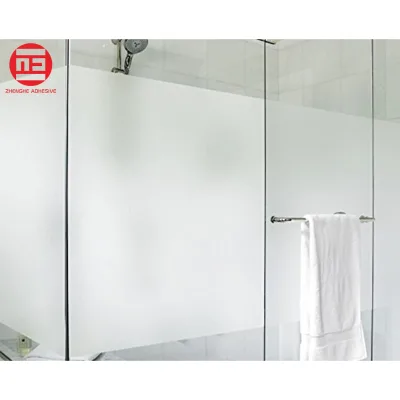
Yes, many self-adhesive frosted films are specifically designed for bathroom doors, shower rooms, and glass partitions. They provide privacy while allowing light transmission. Ensure the selected film has appropriate adhesive properties and durability ratings for humid environments to maintain performance and appearance over time.
What certifications do these suppliers hold?
Suppliers often hold ISO9001:2015 system certifications and undergo verification by agencies like SGS or TÜV Rheinland. These credentials indicate adherence to quality management standards. Buyers should request valid certificates to verify supplier reliability and ensure the products meet international safety and quality requirements for construction applications.