EMS Abdominal Muscle Trainer Suppliers and Manufacturers
Find 32 verified suppliers offering EMS Abdominal Muscle Trainer products with varying lead times, certifications, and customization options. Compare response times, MOQs, and product specifications to select the right partner for your needs; review the available evidence before requesting comparable quotations from suitable candidates.
Suppliers List
Shenzhen Color Ume Electronic Co., Ltd.
- Verified by SGS Group
- Trading Company
- Lead time10 days
- Avg. response≤ 3h
Main productsHair Dryer, Facial Beauty Device, IPL Hair Removal, Nano Mist Sprayer, Health Care Products
Main marketsNorth America(15%), South America(15%), Eastern Europe(10%)
$3.58 - $4.34
MOQ: 10 Minimum
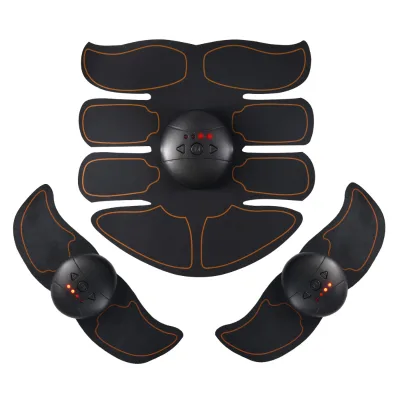
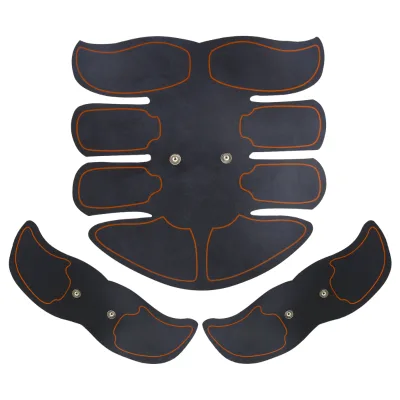
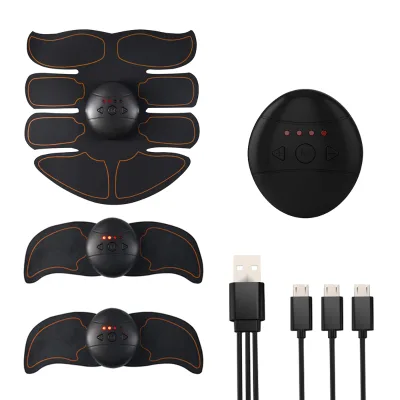
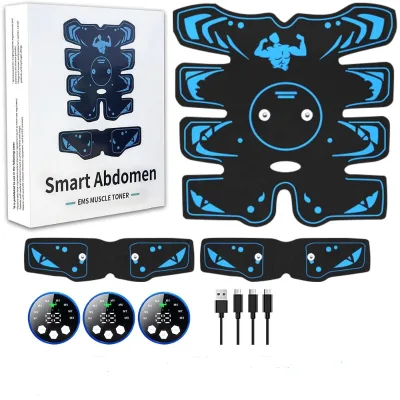
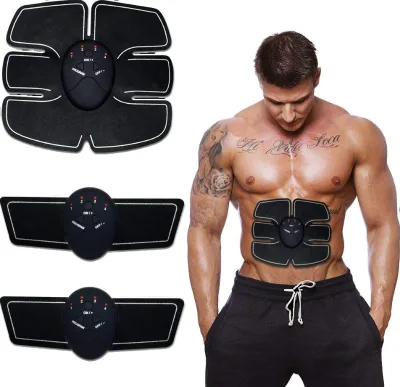
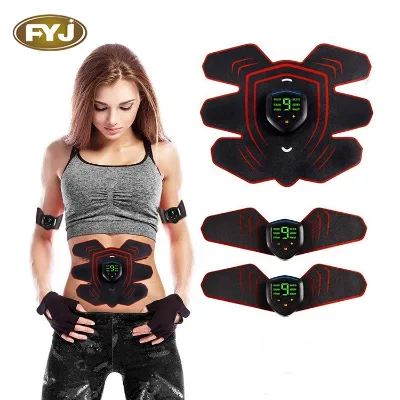
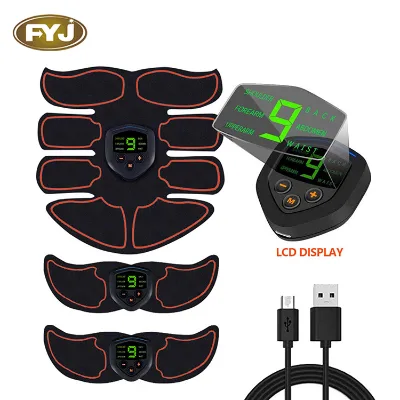
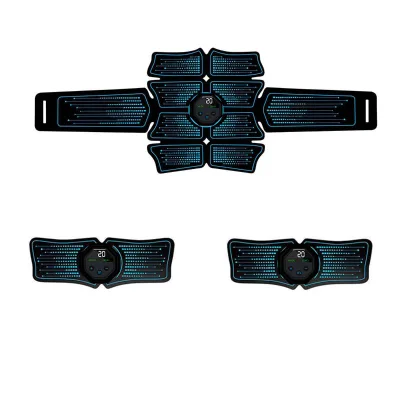
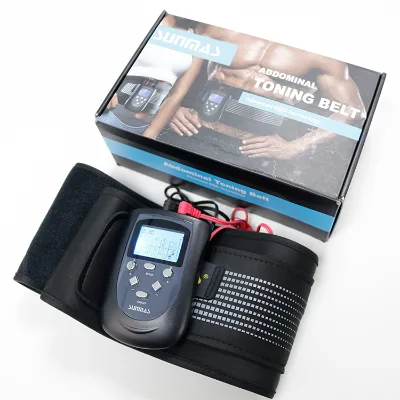
EMS Stimulator ABS Trainer Toner Abdominal Exerciser Toning Belt Body Muscle Trainer for Weight Loss
$2.04 - $3.03
MOQ: 100 pieces

Guangdong Bote Health Technology Co., Ltd.
- Verified by BV
- Combined
- China Guangdong
- Lead time30 days
- Avg. response≤ 13h
Main productsEMS Suit, EMS Device, EMS Machine, EMS Training Suit, Beauty Equipment, EMS Slimming, EMS Fitness Machine, Bodytech EMS, Impulse Fitness
Main marketsSouth America,Africa,Southeast Asia/ Mideast,Europe,Australia,North America


Electronic Muscle Stimulator EMS Training Slimming Muscle Massager Stimulation
$2500.00 - $3000.00
MOQ: 1 Sets


Henan Geesion Medical Devices Co., Ltd.
- Verified by BV
- Trading Company
- China Henan
- Lead time15 days
- Avg. response≤ 6h
Main productsPain Relief Patch, Cooling Gel Patch, Detox Foot Patch, Slimming Patch, Capsicum Plaster, Stop Smoking, Nasal Strips, Dental Mouthguard, Cough Relieve Patch, Wormwood Knee Patch
Main marketsSouth America,Africa,Southeast Asia/ Mideast,East Asia(Japan/ South Korea),Europe,Australia,North America
Dongguan Beiside Electronics Co., Ltd.
- Verified by TüVRheinland
- Manufacturer, Trading Company
- Lead time10 days
- Avg. response≤ 2h
Main productsEye Massager, Neck Massager, Leg Massager, Head Massager, Massage Gun
Main marketsEastern Asia(45%), Western Europe(25%), North America(20%)
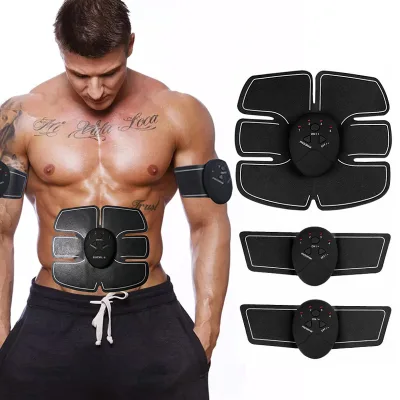
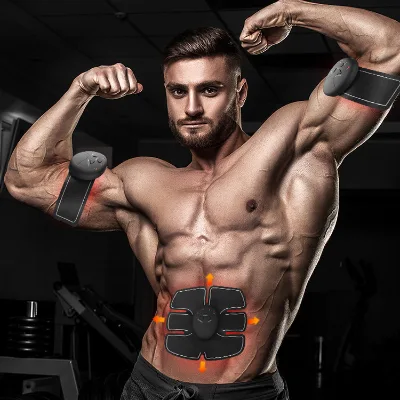
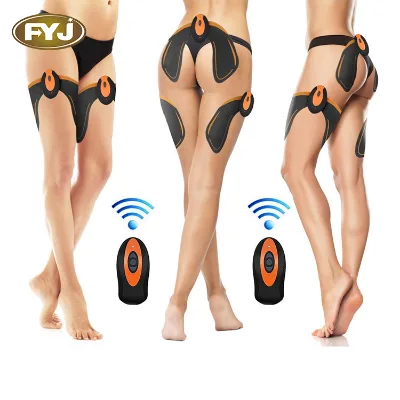
Wireless Abs Trainer Electronic Muscle Toner Weight Loss Muscle Stimulator Abs Fitness
$3.42 - $3.58
MOQ: 100 boxes
Shenzhen Chalk Art Tech Co., Ltd.
- Verified by TüVRheinland
- Trading Company
- Lead time15 days
- Avg. response≤ 4h
Main productsMassage Gun, Neck And Shoulder Massager, Knee Massager, Foot Massager, Electric Body Massager
Main marketsNorth America(30%), Western Europe(20%), Southern Europe(15%)
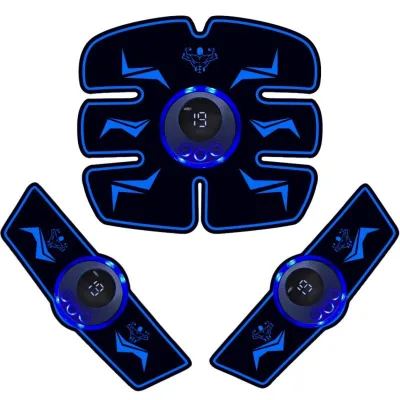
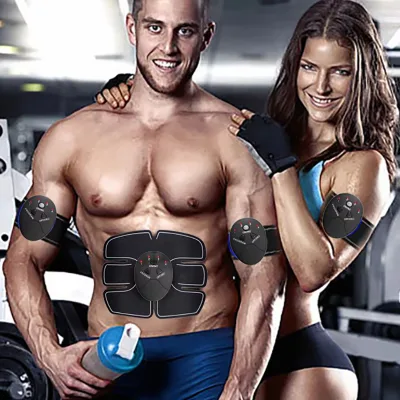
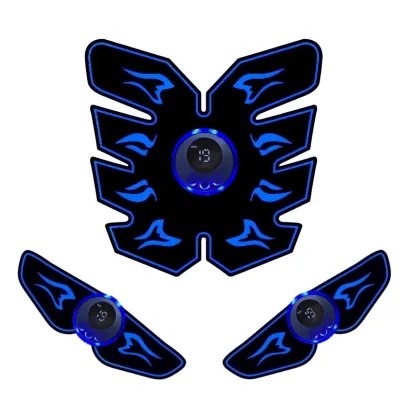
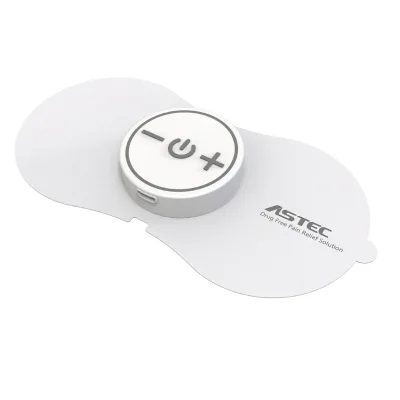
Mini Ems Muscle Stimulator Smart Fitness Fat Burner Machine Electric Muscle Stimulator Trainer
$3.97 - $5.63
MOQ: 1 pieces
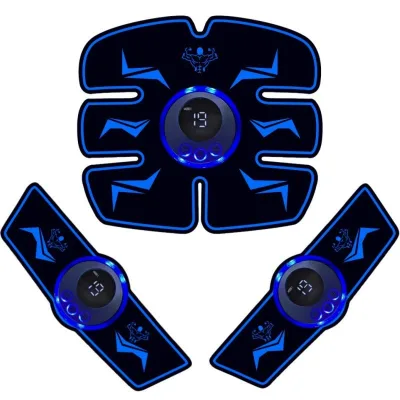
$5.00 - $5.65
MOQ: 50 pieces
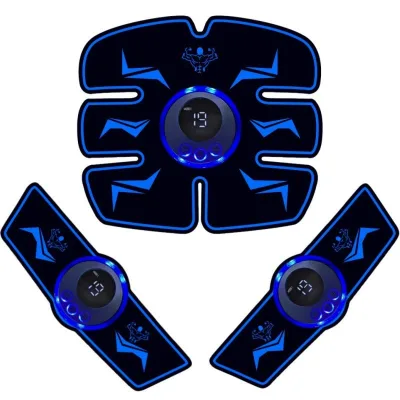
$5.00 - $5.65
MOQ: 50 pieces

XIAMEN DORRELLA HEALTH TECHNOLOGY CO.,LTD
- Verified by SGS
- Trading Company,Manufacturer/Factory,Group Corporation
- China Fujian
- Lead time23 days
- Avg. response≤ 7h
Main productsOrthotic Brace, Ankle Brace, Arm Brace, Back Brace, Cervical Collar, Finger Splint, Hip Abduction Braces, Hand and Wrist Brace, Post-Op Shoes, Orthopedic Waiking Boot
Main marketsSouth America,Eastern Europe,Mid East,North America,Southeast Asia,Eastern Asia,Oceania,Western Europe,Africa

$14.90 - $20.60
MOQ: 10 Sets


$10.50 - $12.90
MOQ: 10 Sets
Shenzhen Home Meiking Electronic Tech&dev Co., Ltd.
- Manufacturer, Trading Company, Distributor/Wholesaler
- guangdong, China
- Lead time6 days
- Avg. response≤ 1h
Main productsHandheld Beauty device,Handheld Garment steamer& Household,Health care massager,IPL hair removal,Rehabilitation Pedal bike
Main marketsNorth America(38.00%), Eastern Europe(20.00%), Western Europe(15.00%), Central America(10.00%), Northern Europe(10.00%), South America(5.00%)
Shenzhen Youmei Electronics Co., Ltd.
- Manufacturer, Trading Company
- Lead time旺季: "1 - 10000":15,"> 10000":"To be negotiated", 淡季: "1 - 10000":15,"> 10000":"To be negotiated"
- Avg. response≤ 10h
Main productsMassage Gun,High speed hair dryer,Health care,Fitness Accessories,Home Use Beauty Equipment
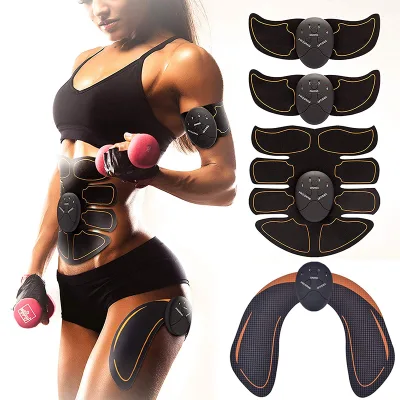
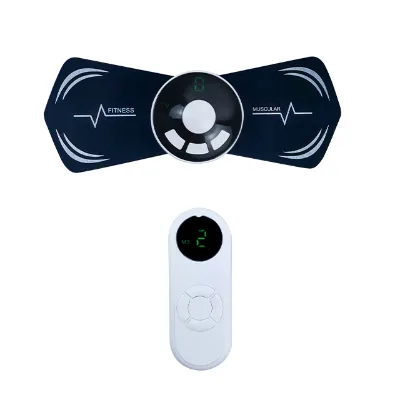
Rechargeable ABS Stimulator muscle trainer Electric Wireless Tens Ems Machine Muscle Stimulator
$4.37 - $5.41
MOQ: 1 pieces
Shenzhen Jane Eyre Kang Technology Co., Ltd.
- Verified by TüVRheinland
- Trading Company
- Lead time5 days
- Avg. response≤ 2h
Main productsTens Neck Massager, Physiotherapy Instrument, Massager, Beauty Instrument, Posture Support
Main marketsNorth America(28%), Southeast Asia(18%), Western Europe(18%)
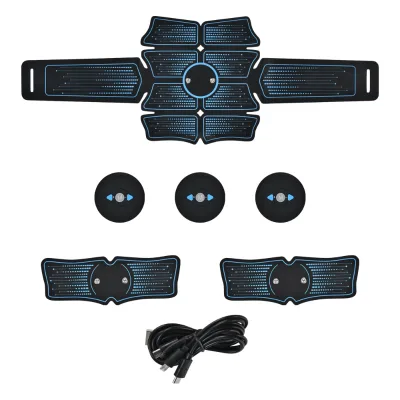
$13.00 - $14.50
MOQ: 36 Minimum
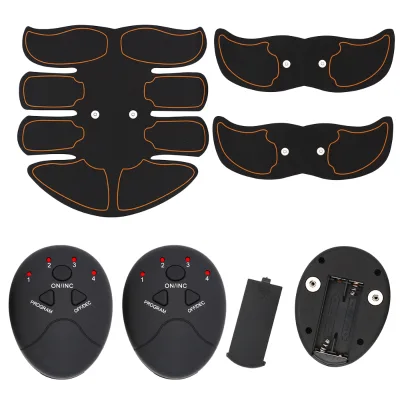
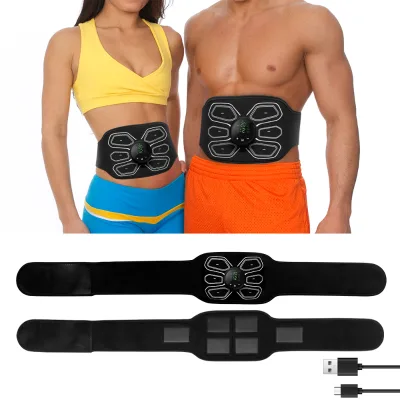
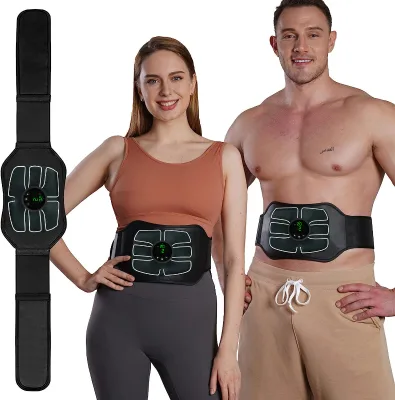
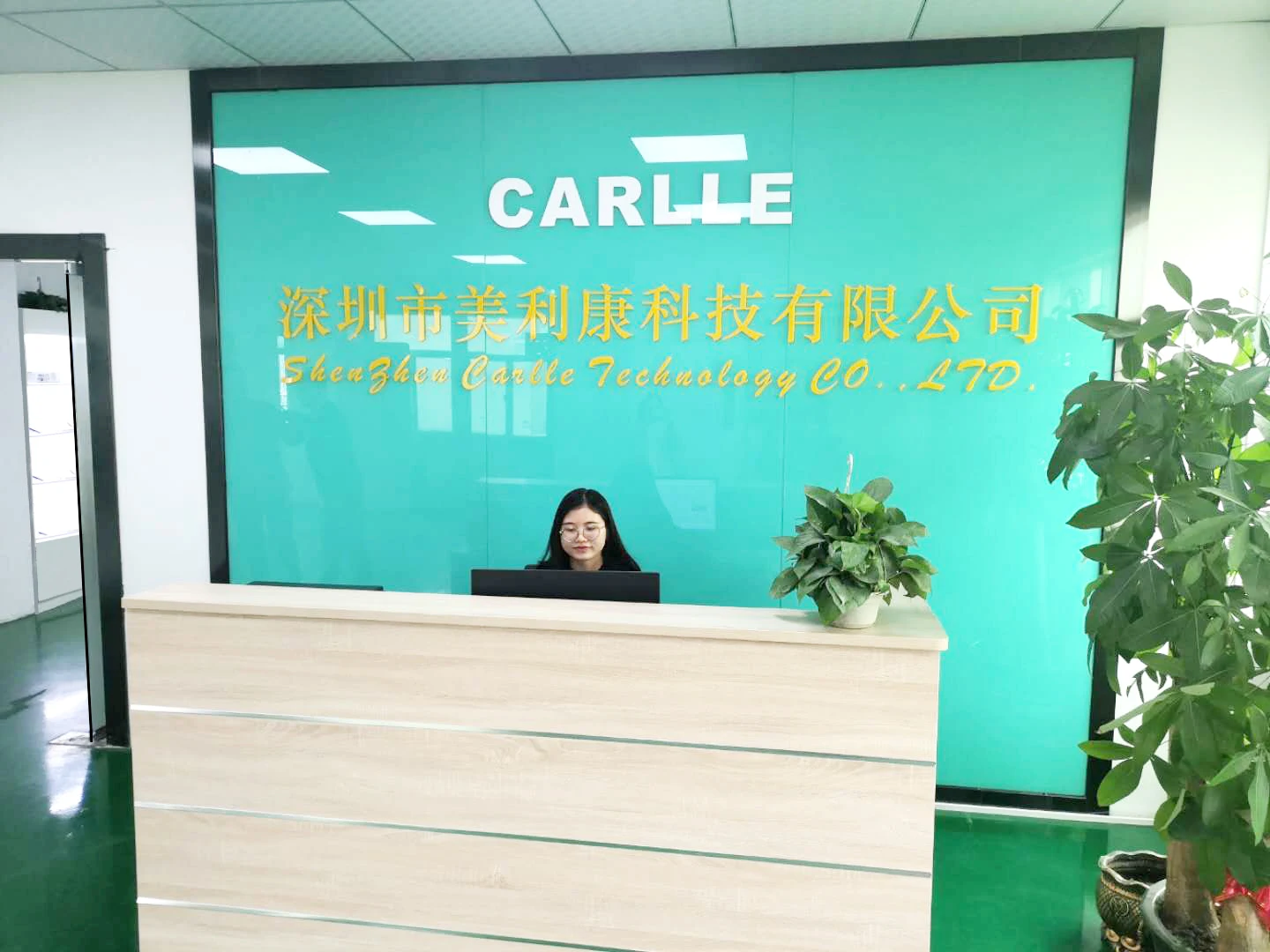
Shenzhen Carlle Technology Co., Ltd.
- Manufacturer, Trading Company
- Guangdong, China
- Lead time10 days
- Avg. response≤ 5h
Main productsBeauty Products,Health Massager
Main marketsDomestic Market(30.00%), Western Europe(16.00%), North America(15.00%), Eastern Asia(10.00%), Eastern Europe(5.00%), Southern Europe(5.00%), Southeast Asia(5.00%), South America(3.00%), South Asia(2.00%), Northern Europe(2.00%), Mid East(2.00%), Oceania(2.00%), Central America(2.00%), Africa(1.00%)
Shenzhen Foyoga Technology Co., Ltd.
- Manufacturer, Trading Company, Distributor/Wholesaler
- Guangdong, China
- Lead time15 days
- Avg. response≤ 3h
Main productsMassager,Tens unit,Therapy product,Muscle stimulator,Health care product
Main marketsDomestic Market(16.00%), North America(10.00%), Eastern Europe(10.00%), Northern Europe(10.00%), South America(8.00%), Eastern Asia(7.00%), South Asia(6.00%), Africa(6.00%), Southeast Asia(5.00%), Southern Europe(5.00%), Mid East(5.00%), Central America(5.00%), Western Europe(5.00%), Oceania(2.00%)
Guangzhou Zhongke Medical Cosmetic Instrument Co., Ltd.
- Verified by BV
- Combined
- China Guangdong
- Lead time15 days
- Avg. response≤ 2h
Main productsEMS Chair, EMS Body Sculpting Machine, Laser Machine, Hifu Machine, Hair Removal Machine, Skin Analysis Machine, Fat Freezing Machine, Tattoo Machine, Pelvic Floor Chair, Medical Beauty Equipment
Main marketsSouth America,Africa,Southeast Asia/ Mideast,East Asia(Japan/ South Korea),Europe,North America


EMS Body Slimming Cellulite Reduction Weight Loss Muscle Building Trainer
$1850.00 - $3050.00
MOQ: 1 packs

$199.00 - $299.00
MOQ: 1 Pieces

$199.00 - $299.00
MOQ: 1 Pieces
Shenzhen Dahao E-Commerce Co., Ltd.
- Trading Company
- Guangdong, China
- Lead time0 days
- Avg. response≤ 5h
Main productsMassager Product,Home Use Beauty Equipment
Main marketsNorth America(50.00%), Western Europe(30.00%), Oceania(10.00%), Mid East(5.00%), Eastern Asia(5.00%)

Beijing Sano Laser S&T Development Co.,Ltd
- Verified by BV
- Combined
- China Beijing
- Lead time30 days
- Avg. response≤ 4h
Main productsIPL Shr Elight, Fractional Laser CO2, Laser Tattoo Removal, Beauty Equipment, Fractional RF, Pico Laser, Diode Laser
Main marketsSouth America,Southeast Asia/ Mideast,Europe,Australia,North America


EMS Muscle Stimulator Electrostimulation Slimming EMS Electric Muscle Stimulator
$2500.00
MOQ: 1 Pieces


Beijing Perfectlaser Technology Co., Ltd
- Verified by BV
- Combined
- China Beijing
- Lead time15 days
- Avg. response≤ 4h
Main products808nm Diode Laser Hair Removal Machine, IPL Laser Hair Removal Machine, Picosecond Laser Tattoo Removal Machine, Alexandrite Laser Hair Removal Machine, Hifu Beauty Machine, Cryolipolysis Slimming Machine, Lipolaser Slimming Machine
Main marketsEurope,North America

CE EMS Muscle Stimulator ABS Abdominal Trainer Increase Building Beauty Equipment
$2401.00 - $2743.00
MOQ: 1 Pieces

2 Power Supply Electroestimulador EMS Pelvical Floor Trainer Electronic Muscle Stimulate
$2401.00 - $2743.00
MOQ: 1 Pieces
Shandong Chengchang Health Technology Co., Ltd.
- Trading Company
- Shandong, China
- Lead time15 days
- Avg. response≤ 3h
Main productsBeauty equipment,Massager,A protector,medical equipment,Health care equipment
Main marketsSoutheast Asia(20.00%), Domestic Market(15.00%), Mid East(10.00%), South America(5.00%), South Asia(5.00%), Southern Europe(5.00%), Northern Europe(5.00%), Central America(5.00%), Western Europe(5.00%), Eastern Asia(5.00%), Eastern Europe(5.00%), Oceania(5.00%), Africa(5.00%), North America(5.00%)
Guangzhou Siweite Electronic Technology Co., Ltd.
- Manufacturer, Trading Company
- Guangdong, China
- Lead time0 days
- Avg. response≤ 1h
Main productsEMS fitness machine,shock wave machine,Vacuum Roller Machine,Body Analyzer,Antifreeze menbrane
Main marketsSouth America(30.00%), North America(30.00%), Western Europe(20.00%), Eastern Europe(20.00%)
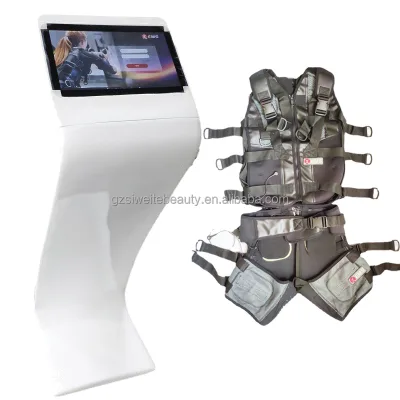
Ems Fitness Machines Ems Trainer Ems Muscle Stimulator Abs Toner Body Muscle Suppliers
$4488.00 - $4688.00
MOQ: 2 sets
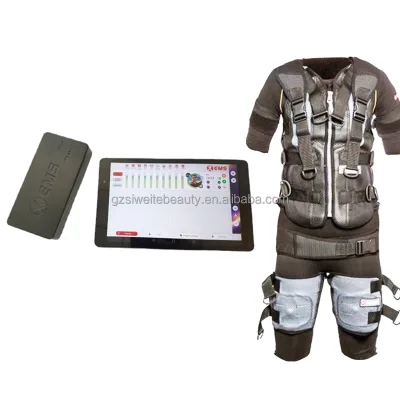
$1123.44 - $1205.15
MOQ: 1 pieces
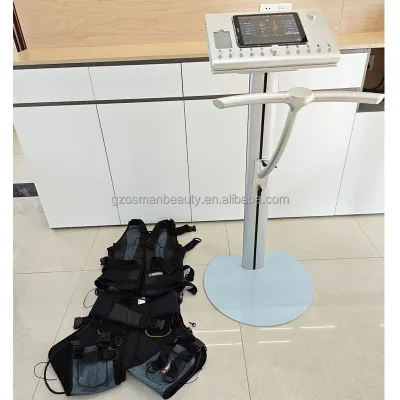
Hot Ems Loose Weightv Muscle Stimulator Reviews Ems Training Equipment for Personal Use
$1888.00 - $2088.00
MOQ: 1 pieces
Guangzhou Huang Kai Electronic Technology Company Limited
- Manufacturer, Trading Company
- Guangdong, China
- Lead time3 days
- Avg. response≤ 2h
Main productsJet Peel,Vacuum RF Roller,Oxygen Facial Machine,Press Therapy Lymphatic Drainage,Hair Remove Machine
Main marketsNorth America(20.00%), Eastern Asia(10.00%), Southern Europe(10.00%), Oceania(10.00%), Domestic Market(10.00%), Northern Europe(10.00%), Eastern Europe(10.00%), Western Europe(10.00%), Mid East(2.00%), Southeast Asia(2.00%), Central America(2.00%), South America(2.00%), Africa(1.00%), South Asia(1.00%)
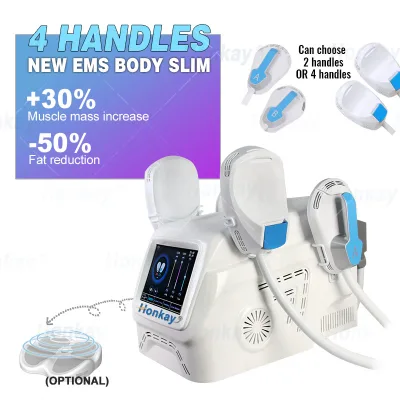
$2199.00 - $2799.00
MOQ: 1 Minimum
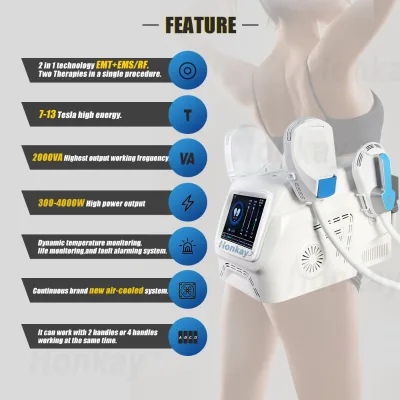
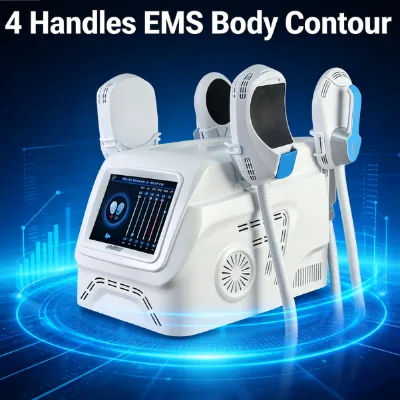
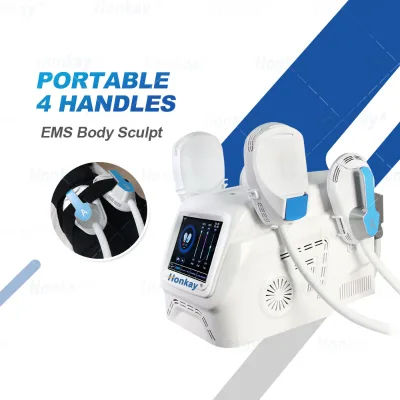
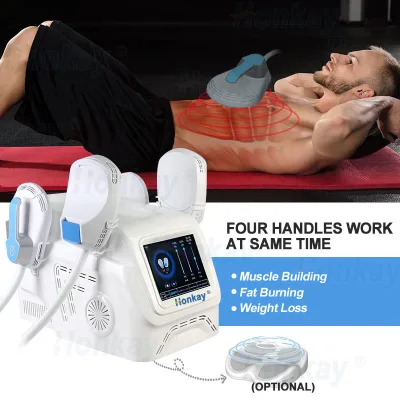
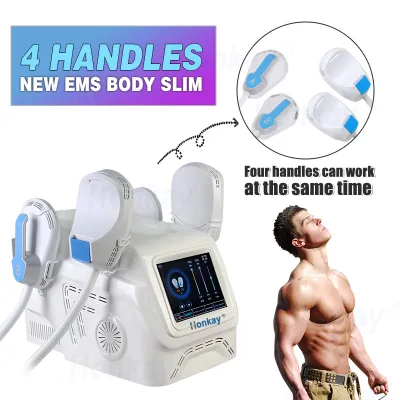
Ems Body Slimming 4 Handles Abdominal Muscle Stimulator Ems Body Shaping Abdomen Firming Machine
$350.00 - $2799.00
MOQ: 1 Minimum
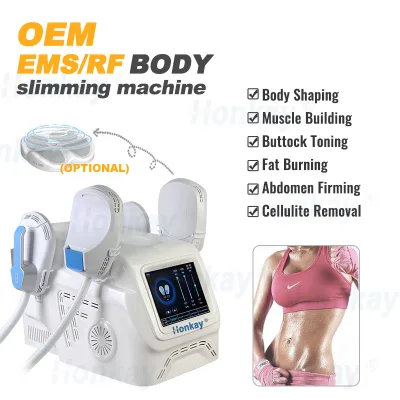
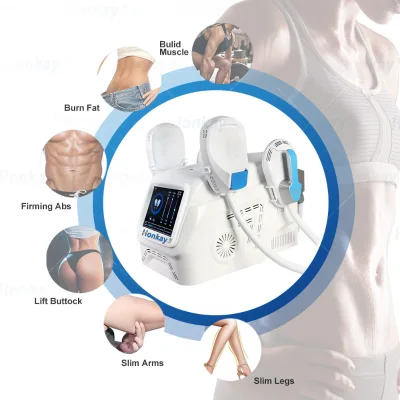
Muscle Stimulator Ems Electronic Muscle Stimulator Build Muscle And Burn Fat
$356.97 - $2854.70
MOQ: 1 Minimum
Shenzhen As-Tec Technology Co., Ltd.
- Manufacturer, Trading Company
- Guangdong, China
- Lead time30 days
- Avg. response≤ 4h
Main productsTENS,TENS Unit,muscle stimualtor Massage Gun,Tens Massager,massage gun
Main marketsNorth America(50.00%), Eastern Europe(10.00%), Western Europe(10.00%), Domestic Market(5.00%), Africa(5.00%), Southern Europe(5.00%), Mid East(3.00%), Oceania(2.00%), South Asia(2.00%), Southeast Asia(2.00%), Central America(2.00%), South America(2.00%), Eastern Asia(2.00%)

Solana Beauty Technology Co., Limited
- Trading Company,Manufacturer/Factory
- China Guangdong
- Lead time15 days
- Avg. response≤ 4h
Main productsBeauty Equipment, Hifu Anti-Aging Machine, Radio Frequency Lipocavitation Machine, Cryolipolysis Fat Freezing Machine, 808nm Diode Laser Hair Removal Machine, Elight Opt IPL Hair Removal Machine, Pressotherapy Machine, Hydro Facial Skincare Machine, Mesotherapy Machine, G5 Massager Machine
Main marketsSouth America,Eastern Europe,Mid East,North America,Southeast Asia,Eastern Asia,Oceania,Africa

$2500.00 - $2900.00
MOQ: 1 Pieces

Portable EMS Muscle Stimulator Weight Loss Body Sculpting Buttocks Lifting Electromagnetic Equipment
$1800.00 - $2000.00
MOQ: 1 Pieces
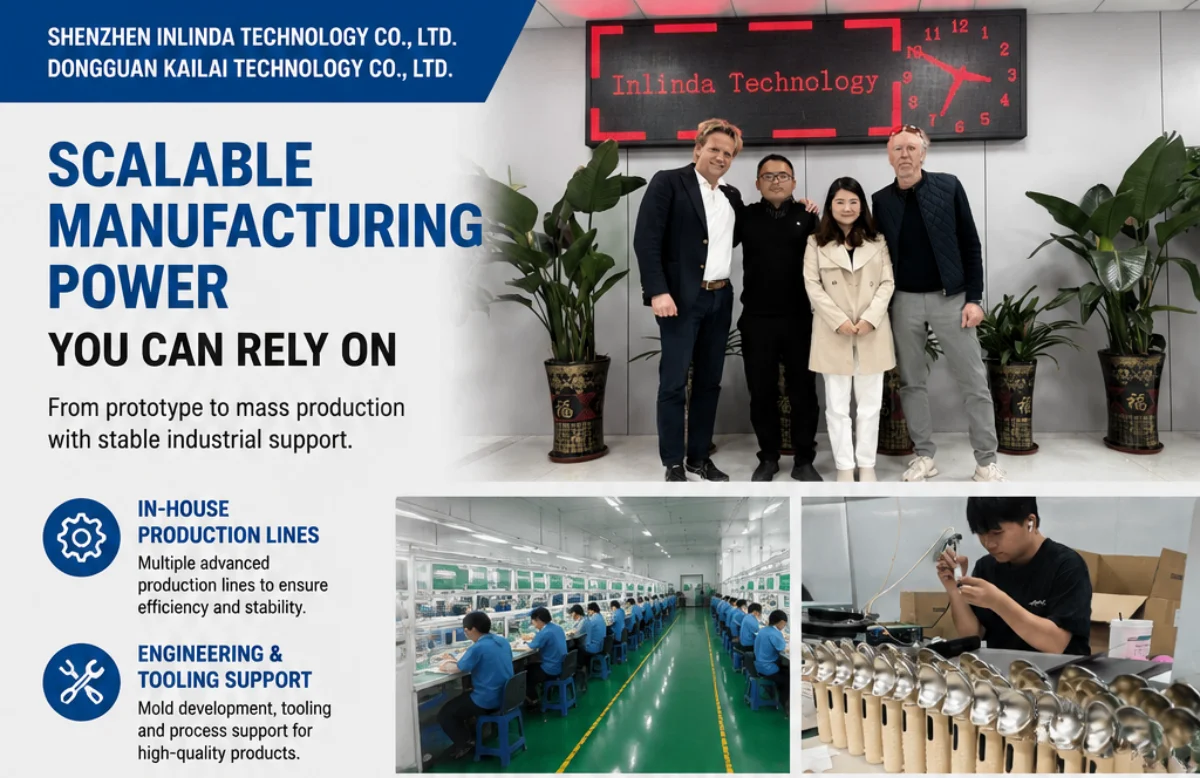
Shenzhen Inlinda Technology Co., Ltd.
- Manufacturer
- Guangdong, China
- Lead time3 days
- Avg. response≤ 8h
Main productsBaby Products,Beauty & Persoanl Care and Heath Product,Kitchen Gadgets,Pet Product,New and Unique Hotselling Products
Main marketsNorth America(35.00%), Western Europe(25.00%), Southeast Asia(20.00%), South Asia(5.00%), South America(5.00%), Mid East(5.00%), Eastern Europe(5.00%)
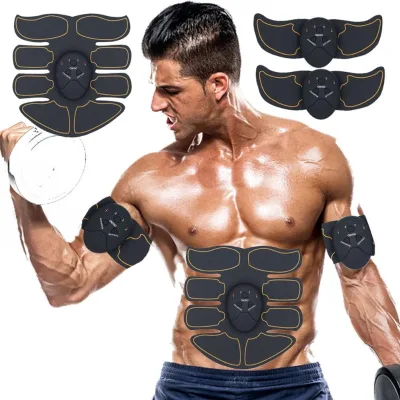
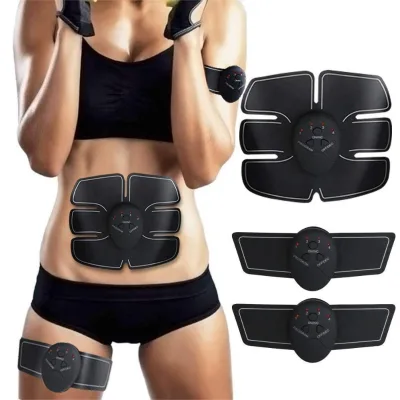
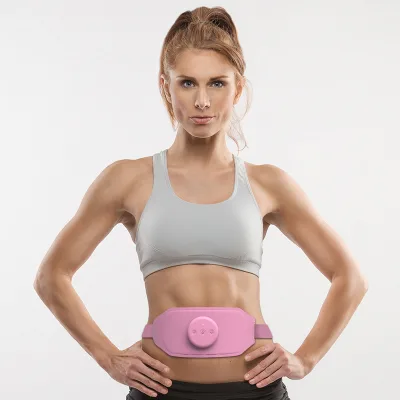
Electric Muscle Stimulator EMS Wireless Abdominal ABS Stimulator Fitness Body Slimming Massager
$3.06 - $4.08
MOQ: 10 pieces
Hong Qiangxing (Shenzhen) Electronics Limited
- Verified by SGS Group
- Manufacturer, Trading Company
- Lead time25 days
- Avg. response≤ 2h
Main productsTENS & EMS Products, Fitness Belt, Beauty Products, Vibration Massager, Infrared Massager
Main marketsNorth America(63%), South America(14%), Oceania(5%)
Guangzhou Huang Kai Electronic Technology Company Limited
- Trading Company
- Lead time旺季: "1 - 1":15,"2 - 5":16,"> 5":"To be negotiated", 淡季: "1 - 1":15,"2 - 5":16,"> 5":"To be negotiated"
- Avg. response≤ 2h
Main products9 In 1 Hot And Cold Plasma Machine, Pressotherapy Cavitation RF Lipo Laser Cryotherapy Machine, EMS Tecar Shockwave Therapy Machine, EMS Muscle Building Slimming Machine, 3 Wave 755/808/1064 Nm Diode Laser Hair Removal Machine
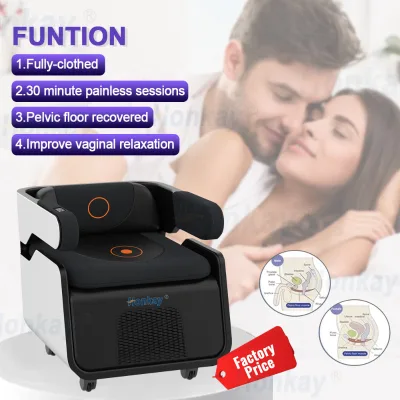
$2399.00 - $2999.00
MOQ: 1 units
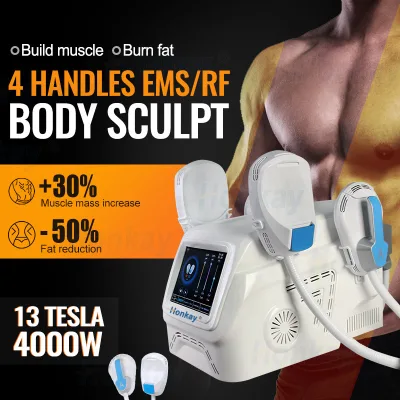
$699.00 - $2399.00
MOQ: 1 Minimum
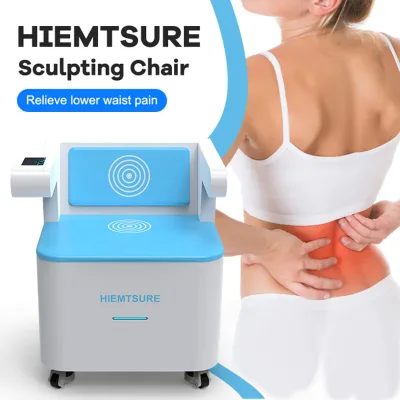
$1541.53 - $1952.88
MOQ: 1 units

Hebei Tuosite Import & Export Trade Co., Ltd.
- Verified by CTI
- Trading Company
- China Hebei
- Lead time15 days
- Avg. response≤ 4h
Main productsBeauty Equipment, Medical Equipment, Skin Care Equipment, Diode Laser Equipment, Hair Removal Equipment, Muscle Building Equipment, Cryolipolysis Equipment, Cavitation Vacuum Equipment, Roller Infrared Massage Cellulite Equipment
Main marketsEurope


$1400.00 - $1800.00
MOQ: 1 Pieces
Guangzhou Kya Electronic Co., Ltd.
- Verified by BV
- Combined
- China Guangdong
- Lead time15 days
- Avg. response≤ 2h
Main marketsSouth America,Africa,Southeast Asia/ Mideast,Domestic,Europe,Australia,North America

Portable Pelvic Floor Muscle Trainer with EMS Pulse Technology for Home Fitness and Wellness Device
$580.00 - $680.00
MOQ: 1 Pieces

Professional EMS Pelvic Floor Muscle Trainer for Kegel Exercise Portable Muscle Stimulation Device
$580.00 - $680.00
MOQ: 1 Pieces

GUANGZHOU KONMISON TECHNOLOGY CO., LIMITED
- Verified by BV
- Trading Company
- China Guangdong
- Lead time30 days
- Avg. response≤ 11h
Main productsBeauty Machine, Beauty Equipment, Slimming Machine, Cavitation Weight Loss Beauty Machine, Skin Care Machine, RF Skin Lifting Rejuvenation Machine, IPL Hair Removal Machine, Laser Hair Removal Machine, LED Facial Mask Beauty Device
Main marketsEurope,Australia

Guangzhou Everplus Beauty Appliance Ltd.
- Verified by BV
- Combined
- China Guangdong
- Lead time30 days
- Avg. response≤ 8h
Main productsBeauty Equipment, Beauty Instrument, Slimming Machine, Body Slimming, Facial Care, Beauty Machine, Skin Care, RF Machine, Salon Equipment, Peeling Machine
Main marketsEurope


EMS Electro Stimulator Machine Electrostimulation Weight Loss Portable Machine
$92.00 - $119.00
MOQ: 1 Pieces


Electrostimulation Equipment Muscle/EMS Body Shaper Slimming Machine B-8317
Contact supplier
MOQ: 1 Pieces
Guangzhou T&B Beauty Equipment Co., Ltd.
- Verified by BV
- Trading Company
- China Guangdong
- Lead time15 days
- Avg. response≤ 3h
Main productsTecar RF Physio Machine, Magneto Emtt Physio Machine, Shockwave Pain Relief Machine, Pressotherapy Slim Massage Machine, Hifu Face Lifting Machine, Fat Remove Machine, Endospheres Slim Machine, Trusculpt Flex ID Machine, RF Slim Machine
Main marketsSouth America,Southeast Asia/ Mideast,East Asia(Japan/ South Korea),Europe,Australia,North America


Electromagnetic Muscle Stimulation Machine EMS Muscle Stimulator Device EMS Neo
$2500.00 - $2950.00
MOQ: 1 Pieces

Newest Pelvic Floor Muscle Trainer Weight Loss Body Muscle Stimulator EMS Pelvic Floor Machine
$1200.00 - $1800.00
MOQ: 1 Pieces

EMS Slim Muscle Stimulator Body EMS Slimming Machine Fitness Sculpt Electromagnetic
$1500.00 - $1890.00
MOQ: 1 Pieces

Guangzhou Beir Electronic Technology Co., Ltd.
- Verified by BV
- Trading Company
- China Guangdong
- Lead time15 days
- Avg. response≤ 9h
Main productsLipolaser, Coolsculpting, Diode Lipolaser, Cryo Lipolaser System, Lipo Laser, Cryolipolysis, E-Light and IPL Beauty Equipment, RF Fractional Skin Tighten, Pressotherapy Lymphatic Drainage, Dermaroller and Micro Needles
Main marketsSoutheast Asia/ Mideast,East Asia(Japan/ South Korea),Europe,Australia,North America


EMS Slimming Muscle Trainer Electromagnetic with 7 Tesla Hiemtsure EMS Slimming Machine EMS-27
$2299.00 - $3599.00
MOQ: 1 set

Beijing ADSS Development Co., Ltd.
- Verified by TUVRHEINLAND
- Combined
- China Beijing
- Lead time15 days
- Avg. response≤ 4h
Main productsHifu, Laser Vaginal Tightening, Digital Syringe Injector, 808nm Diode Laser Hair Remvoal, Fractional RF & Thermal RF, Vacuum Shape, 20MHz RF Thermal, Cryolipolysis Slimming Machine, Cavitation Slimming Machine, Fractional CO2 Laser
Main marketsSouth America,East Asia(Japan/ South Korea),Europe,Australia,North America


$3000.00 - $5000.00
MOQ: 1 Pieces


Guangzhou allfond electronics co.,ltd
- Verified by SGS
- Trading Company
- China Guangdong
- Lead time15 days
- Avg. response≤ 7h
Main productsSlimming Machine, Beauty Equipment, Derma Roller, Tattoo Equipment, ND YAG Laser Machine, Cavitation RF Vacuum, Hifu, 808nm Diode Laser, EMS Sculpting Machine, Cryolipolysis Machine
Main marketsSoutheast Asia/ Mideast,Europe,North America


Portable EMS Muscle Stimulator Body Slimming Electro Stimulation Instrument
$75.00 - $88.00
MOQ: 1 Pieces

Beijing DALI Beauty Technology CO., Ltd.
- Manufacturer/Factory
- China Beijing
- Lead time15 days
- Avg. response≤ 4h
Main productsLaser Beauty Machine, Cosmetic Equipment, Skin Management Machine, Body Fitness Equipment
Main marketsSouth America,Eastern Europe,Mid East,North America,Southeast Asia,Eastern Asia,Oceania,Western Europe,Africa


$1500.00 - $2500.00
MOQ: 1 Pieces


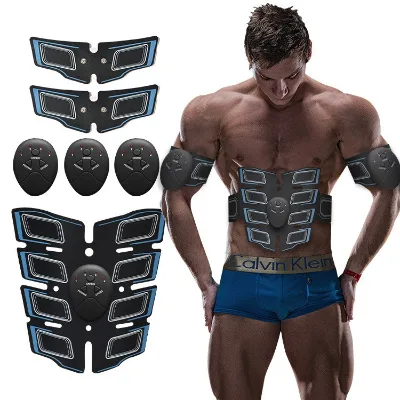
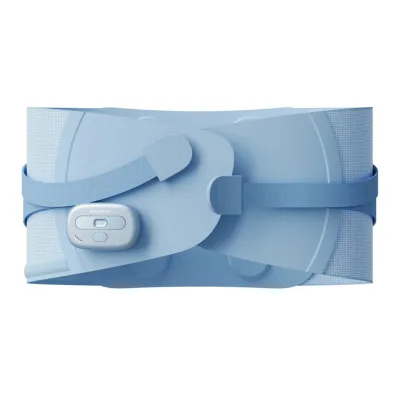
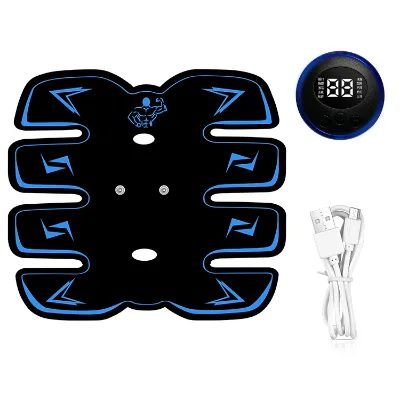
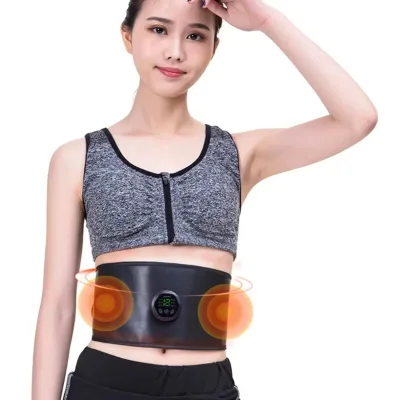


Comprehensive Sourcing Guide
EMS Abdominal Muscle Trainer Supplier Concentration and Factory Types
The current supplier landscape for EMS Abdominal Muscle Trainer products reveals a mix of trading companies and combined entities operating primarily within China. Specific data points indicate that many suppliers are located in Guangdong, China, which serves as a significant manufacturing hub for these electronic health devices. Some suppliers are identified as trading companies, while others operate as combined entities capable of offering both trading and manufacturing services. This distinction is critical because trading companies often aggregate products from various factories, whereas combined entities may have direct control over production lines or exclusive partnerships with manufacturers. The presence of these different company types suggests that buyers must carefully distinguish between a direct factory source and an intermediary to ensure accurate pricing and quality control.
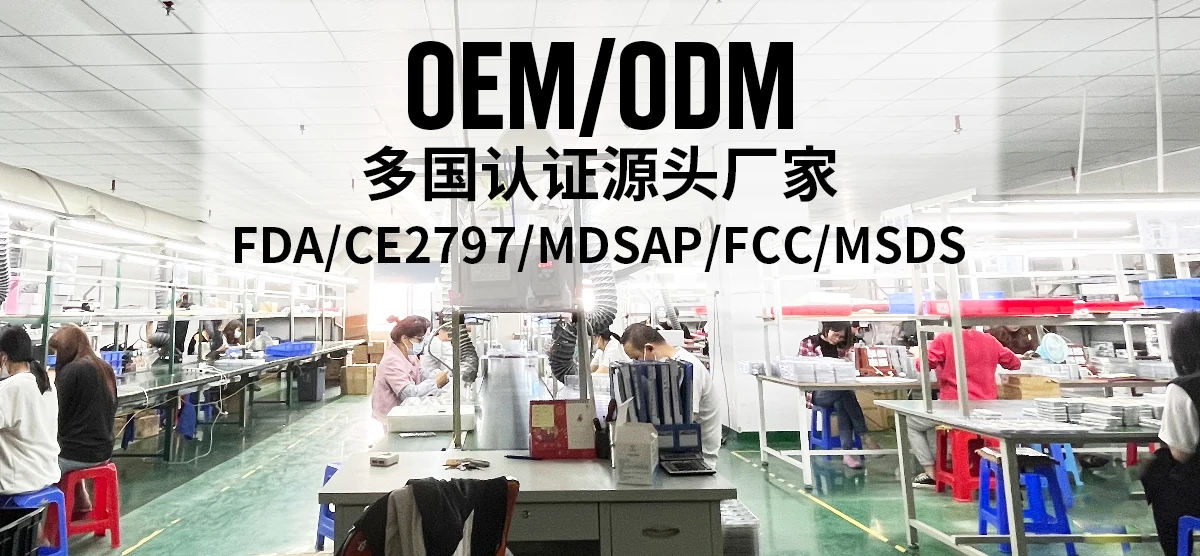
When evaluating the concentration of suppliers, it is important to note that the available data highlights specific product capabilities such as light customization, sample processing, and graphic processing. Some suppliers offer ODM and OEM services, indicating a capacity for tailored production rather than just selling standard off-the-shelf items. The main products listed include various forms of muscle stimulators, beauty devices, and health care products, suggesting a broad specialization in the wellness and fitness electronics sector. Buyers should verify if a supplier's primary focus aligns with their specific needs, as some may specialize in high-end EMS suits while others focus on smaller, portable abdominal trainers. Understanding this concentration helps in narrowing down the search to suppliers who have the specific infrastructure to support the desired product type.
How to Verify EMS Abdominal Muscle Trainer Suppliers
Verification of EMS Abdominal Muscle Trainer suppliers requires a rigorous check of their credentials and operational history. The available data shows that some suppliers hold certifications such as RoHS, PSE, LVD, EMC, UKCA, FCC, CE, and Declaration of Conformity, which are essential for market access in various regions. Additionally, verification by third-party groups like SGS Group or BV provides an external layer of trust regarding the supplier's legitimacy and business practices. Buyers should prioritize suppliers who display these specific certifications and verification badges, as they indicate a commitment to meeting international safety and quality standards. It is crucial to confirm that the certifications listed are current and applicable to the specific product models being considered, as standards can vary by region and product type.
Beyond certifications, response time and lead time are key indicators of a supplier's reliability and operational efficiency. Data indicates that some suppliers have a response time of 3 hours, while others may take up to 12 hours or more, which can significantly impact the speed of the sourcing process. Similarly, lead times can range from 10 days to 30 days, depending on the complexity of the order and the supplier's current production capacity. Buyers should inquire about these metrics directly to ensure they align with their project timelines. Establishing a clear communication channel and understanding the supplier's typical response patterns can help mitigate delays and ensure that any issues are addressed promptly. This proactive approach to verification helps build a foundation for a successful and efficient sourcing relationship.
What to Compare Across EMS Abdominal Muscle Trainer Suppliers
Comparing suppliers involves analyzing a range of attributes including lead times, minimum order quantities (MOQ), and pricing structures. The data reveals that MOQs can vary significantly, with some suppliers requiring orders as low as 10 units, while others may have higher thresholds. Pricing also fluctuates, with some products listed at minimum prices around $2.00 and maximum prices reaching over $4.00, while more complex EMS suits can range from $1,380 to $2,800. Buyers must carefully evaluate these figures in the context of their budget and volume requirements to determine the most cost-effective option. It is essential to consider the total cost of ownership, including shipping and potential customization fees, rather than focusing solely on the unit price.
In addition to cost and volume, the scope of customization and after-sales service should be a primary comparison point. Some suppliers offer extensive customization options, including ODM and OEM services, while others may only provide standard products. The availability of after-sales support, such as return and replacement policies or online support, is another critical factor. Buyers should assess whether the supplier can accommodate specific design requirements or branding needs, as this can differentiate a standard product from a unique offering. Furthermore, the supplier's ability to handle different product types, from portable muscle trainers to full-body EMS suits, should be evaluated to ensure they can meet diverse market demands. This comprehensive comparison ensures that the selected supplier can deliver value beyond just the initial transaction.
Common EMS Abdominal Muscle Trainer Sourcing Risks
One of the primary risks in sourcing EMS Abdominal Muscle Trainer products is the potential mismatch between supplier claims and actual product capabilities. While some suppliers list certifications like CE and RoHS, buyers must verify that these apply to the specific models they intend to purchase, as certifications can sometimes be generic or outdated. There is also a risk associated with the variability in lead times, where a supplier might promise a 10-day turnaround but fail to deliver due to production bottlenecks or supply chain disruptions. Buyers should establish clear contractual terms regarding delivery schedules and penalties for delays to mitigate this risk. Additionally, the complexity of electronic devices like EMS trainers means that quality control is paramount, and any lapses can lead to product failures or safety issues.
Another significant risk involves the reliability of after-sales service and warranty provisions. While some suppliers offer return and replacement services or one-year warranties, the terms and conditions can vary widely. Buyers need to ensure that the warranty covers all relevant aspects of the product, including defects in materials and workmanship, and that the process for claiming warranty support is straightforward. There is also the risk of intellectual property infringement if a supplier uses unauthorized designs or logos, which can lead to legal complications. To mitigate these risks, buyers should conduct thorough due diligence, request samples for testing, and maintain open communication with the supplier throughout the sourcing process. This proactive risk management strategy helps protect the buyer's investment and ensures a smoother transaction.
EMS Abdominal Muscle Trainer Regional Sourcing and Logistics
Regional sourcing for EMS Abdominal Muscle Trainer products is heavily influenced by the location of manufacturing clusters, with Guangdong, China, emerging as a key hub. The concentration of suppliers in this region offers advantages such as access to a robust supply chain, specialized manufacturing expertise, and efficient logistics networks. However, buyers must be aware that not all suppliers are located in this specific area, and some may operate from different regions or countries. It is essential to verify the exact location of each supplier to understand the logistical implications, including shipping times and costs. The proximity of suppliers to major ports and transportation hubs can significantly impact the efficiency of the supply chain and the overall cost of goods.
Logistics planning also involves considering the specific requirements of shipping electronic devices, which may include special packaging, handling, and compliance with international shipping regulations. Some suppliers offer customized packaging solutions, which can help protect the products during transit and reduce the risk of damage. Buyers should work closely with their chosen supplier to determine the most cost-effective and reliable shipping method, whether by air, sea, or land. Additionally, understanding the customs clearance procedures and any applicable tariffs is crucial for avoiding delays and unexpected costs. By carefully planning the logistics and selecting suppliers with strong regional expertise, buyers can ensure a smooth and efficient delivery process for their EMS Abdominal Muscle Trainer products.
EMS Abdominal Muscle Trainer Commercial Terms and Order Planning
Commercial terms for EMS Abdominal Muscle Trainer orders often include specific conditions regarding payment, delivery, and customization. Buyers should negotiate clear terms that outline the payment schedule, such as deposits and final payments, to ensure financial security for both parties. Delivery terms, including Incoterms like FOB or CIF, should be agreed upon to define the responsibilities for shipping and insurance. Customization requirements, such as branding or specific product features, must be detailed in the contract to avoid misunderstandings. It is also important to establish a timeline for order placement and production to ensure that the products are ready when needed. Clear communication of these terms helps prevent disputes and ensures a smooth transaction.
Order planning for EMS Abdominal Muscle Trainer products requires careful consideration of production capacity and lead times. Buyers should assess the supplier's ability to meet their volume requirements within the desired timeframe, especially if they are planning for a specific launch date or seasonal demand. It is advisable to place orders well in advance to account for any potential delays or production issues. Additionally, buyers should consider the scalability of the supplier's operations to accommodate future growth or changes in demand. By developing a comprehensive order plan that includes buffer time for production and logistics, buyers can minimize risks and ensure a steady supply of high-quality EMS Abdominal Muscle Trainer products. This strategic approach to order planning is essential for maintaining a competitive edge in the market.
FAQs
What is the typical minimum order quantity for an EMS Abdominal Muscle Trainer?
Listed EMS Abdominal Muscle Trainer products in these results carry MOQs from 10 to 100 units, depending on the model and customization level. Entry-level belts with standard packaging sit at the lower end, while branded or custom-packaged versions may require higher volumes. Always confirm the exact MOQ for your chosen model before requesting a quotation, as requirements vary per product listing.
What price range can buyers expect for an EMS Abdominal Muscle Trainer?
The EMS Abdominal Muscle Trainer products shown here range from roughly 2.04 to 4.34 dollars per unit, with a professional-grade EMS slimming body suit listed between 1,380 and 2,800 dollars. Price typically moves with order quantity, material choices, and packaging customization. Request tiered quotes based on your target volume to see where your landed cost settles.
How long is the usual lead time for an EMS Abdominal Muscle Trainer order?
Lead times in the current supplier results range from 10 to 30 days, with the faster figure attached to a trading company supplying compact EMS trainer belts and the longer one to a combined manufacturer producing full EMS suits. Order size, customization depth, and certification paperwork can extend these timelines. Confirm the lead time in writing before confirming any purchase order.
Which certifications should I verify when sourcing an EMS abdominal trainer?
Relevant certifications in these results include CE, RoHS, PSE, FCC, UKCA, LVD, EMC, CB, ISO, and SGS verification at the supplier level. Individual EMS belt listings also cite CE and RoHS compliance. Match certifications to your destination market requirements, and ask suppliers for current, independently verifiable certificates rather than relying solely on listing claims, since credentials can lapse.
Can suppliers provide OEM or ODM customization for an EMS Abdominal Muscle Trainer?
Yes, customization options appear throughout these results. One trading company lists light customization, sample processing, graphic processing, and customized-on-demand services, while a combined manufacturer explicitly offers OEM and ODM service for EMS suits, including size, logo, and packaging changes. Product listings also mention custom package availability. Define your branding and packaging requirements early so suppliers can quote accurately.
Where are the EMS Abdominal Muscle Trainer suppliers mainly located?
The suppliers in these results are based in Guangdong, China, with specific product origins listed in Guangzhou and broader Guangdong province. Guangdong is a major hub for health care and beauty electronics, which supports access to component suppliers and export logistics. Verify each factory's exact address through an audit or verification report before committing to large orders.
What response times do these EMS trainer suppliers offer?
Recorded response times in the current results are 3 hours for one trading company and roughly 12 hours for the combined EMS suit manufacturer. Faster response generally indicates a more responsive sales team, which matters during sampling and quality issue resolution. Test responsiveness yourself with a detailed inquiry before placing an order, since actual reply speed can vary by season and workload.
What materials and after-sales terms come with listed EMS abdominal trainers?
Listed EMS abdominal trainer products are made of ABS and PU material, with full-body EMS suits constructed from neoprene. After-sale terms in the listings include return and replacement service, online support, and a one-year warranty on one belt model. Packaging sizes and gross weights differ between models. Request written confirmation of warranty coverage and spare-parts availability for your specific order quantity.