Emergency Warning Ambulance Horn Suppliers and Manufacturers
Compare 18 verified Emergency Warning Ambulance Horn suppliers in China based on certifications like ISO 9001, lead times, and response rates. Review product specs such as voltage and sound pressure before contacting factories for quotes; review the available evidence before requesting comparable quotations from suitable candidates.
Suppliers List

Foshan Xingyuan Auto Accessories Co., Ltd.
- Verified by BV
- Manufacturer/Factory,Group Corporation
- China Guangdong
- Lead time60 days
- Avg. response≤ 7h
Main productsBeacon Light, LED Safety Whips, LED Truck Light, Forklift Warning Lights, Warning Light Bar, LED Strobe Light, LED Work Light, LED Trailer Light, Mine Light Bar, Side Marker Light
Main marketsSouth America,Eastern Europe,Mid East,North America,Southeast Asia,Eastern Asia,Oceania,Western Europe,Africa

Ambulance Emergency Vehicles Warning Siren Car PA300 Alarm 3 Tone Siren Horn
$14.50 - $17.50
MOQ: 2 Pieces

Thick Siren 12V Ambulance 100W 200W Warning Fire Truck Horn Speaker Alarm Siren
$25.50 - $34.90
MOQ: 1 Pieces


12V Audio Amplifier Stainless Steel Warning Speaker 100W Ambulance Offroad Alarm Siren Horn
$12.80 - $19.50
MOQ: 1 Pieces

2in1 Ambulance Reversing Horn Strobe Light Emergency Speaker Rear Backup Alarm Horn
$15.90 - $21.80
MOQ: 2 Pieces

Strong Warning Horn 200W Fire Ambulance Tone Offroad Alarm Siren Speaker
$19.90 - $24.50
MOQ: 1 Pieces

Changzhou Wushi Electrical Equipment Factory
- Combined
- China Jiangsu
- Lead time15 days
- Avg. response≤ 16h
Main productsHorn, Air Horn
Main marketsSouth America,Africa,Southeast Asia/ Mideast,East Asia(Japan/ South Korea),Domestic,Europe,Australia,North America

Wenzhou 5-Star Warning Lights Co., Ltd.
- Verified by TUVRHEINLAND
- Manufacturer/Factory
- China Zhejiang
- Lead time15 days
- Avg. response≤ 6h
Main productsWarning Light, LED Warning Light, LED Vehicle Warning Light, Lightbar, LED Lightbar, Light Bar, LED Light Bar, Police Light, LED Police Light, LED Police Car Light
Main marketsEastern Europe,Mid East,North America,Southeast Asia,Eastern Asia,Oceania,Western Europe

- Verified by TUVRHEINLAND
- Combined
- China Zhejiang
- Lead time15 days
- Avg. response≤ 7h
Main productsBody Camera, Body Worn Camera, in-Car Police Camera, Lightbar, Anti-Riot Suit, Docking Station, Vest, Telescopic Light, LED Warning Light Bar, Security Equipment
Main marketsAfrica,Southeast Asia/ Mideast,Europe,North America

Senken Emergency Warning Emergency Patrol Motorcycle LED Light Siren Speaker Horn
$89.00 - $120.00
MOQ: 1 Pieces


Senken Security & Law Enforcement Ambulance Emergency Security Siren Horn Speaker Alarm
$110.00 - $140.00
MOQ: 1 Pieces


Wenzhou Haibang Industrial Co., Ltd.
- Verified by TUVRHEINLAND
- Combined
- China Zhejiang
- Lead time30 days
- Avg. response≤ 5h
Main productsLightbars, Lightheads, Beacon Lights, Speakers Sirens, Anti-Riot Helmets, Anti-Riot Shields, Warning Lights, Police&Security Equipment Products, LED Work Lamp, LED Flood Lights
Main marketsSoutheast Asia/ Mideast,Domestic,North America


Haibang Ambulance Emergency Signal High Power Speaker Horn Amplifier Siren 112
$24.00 - $35.00
MOQ: 1 Pieces


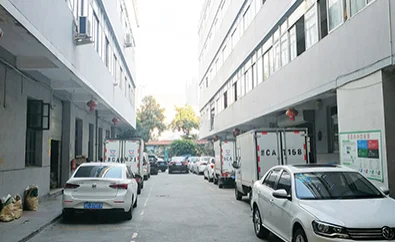
Wenzhou Yuanhao Security Equipment Co., Ltd.
- Trading Company
- Zhejiang, China
- Lead time30 days
- Avg. response≤ 2h
Main productsLED warning light,LED lightbar,Siren,Speaker,Beacon
Main marketsNorthern Europe(20.00%), Mid East(15.00%), Western Europe(10.00%), South America(10.00%), South Asia(5.00%), Southern Europe(5.00%), North America(5.00%), Central America(5.00%), Southeast Asia(5.00%), Eastern Asia(5.00%), Eastern Europe(5.00%), Oceania(5.00%), Africa(5.00%)

- Trading Company,Manufacturer/Factory
- China Zhejiang
- Lead time15 days
- Avg. response≤ 5h
Main productsCables & Connectors, XLR Connectors, Audio Bulk Cables, Coaxial Bulk Cables, DMX Cables, Hybrid Cable, LED Warning Lights
Main marketsSouth America,Eastern Europe,Mid East,North America,Western Europe,Africa
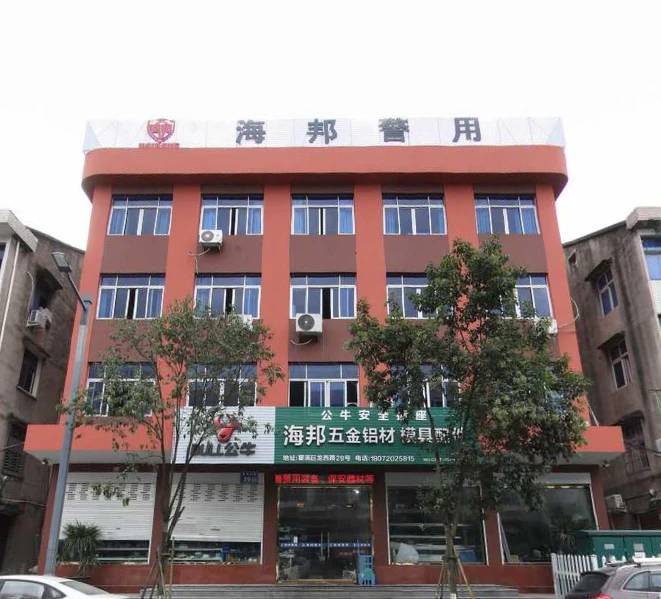
Wenzhou Haishi Intelligent Technology Co., Ltd.
- Manufacturer, Trading Company
- Zhejiang, China
- Lead time10 days
- Avg. response≤ 4h
Main productsWarning Light Bar,Lightbar,Sirens,Speaker,Motorcycle lights
Main marketsSoutheast Asia(20.00%), Africa(12.00%), Domestic Market(10.00%), Mid East(10.00%), Central America(6.00%), South Asia(6.00%), Southern Europe(5.00%), Northern Europe(5.00%), North America(5.00%), South America(5.00%), Eastern Asia(5.00%), Eastern Europe(5.00%), Oceania(3.00%), Western Europe(3.00%)
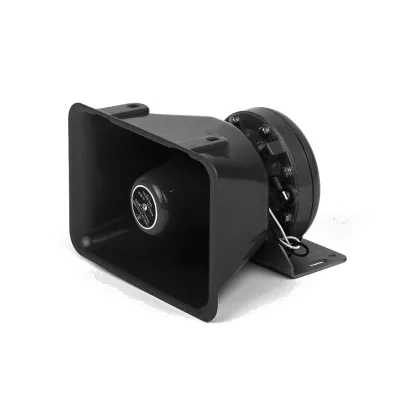
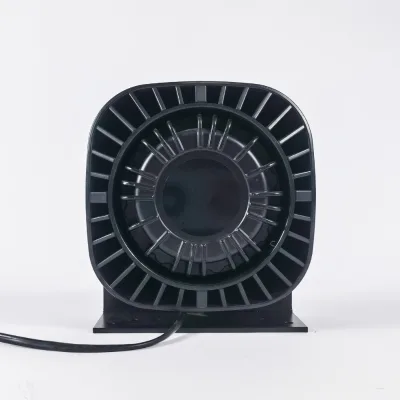
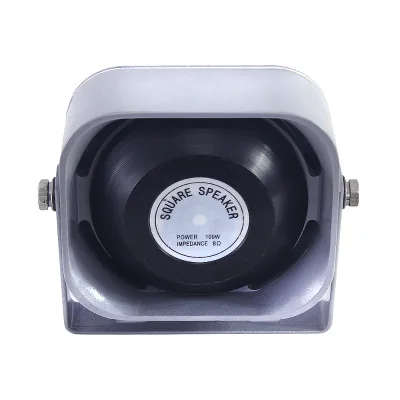
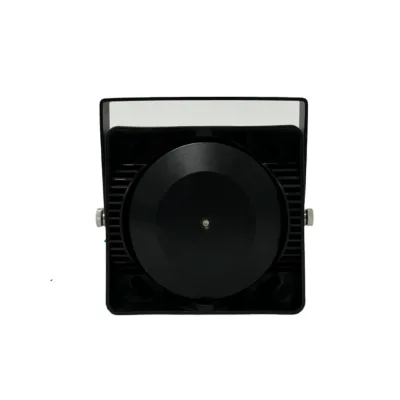
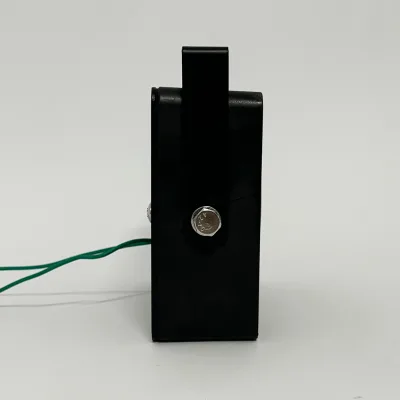
Wholesale Warning Flat Loudspeaker 100w 150w Emergency Siren Speaker for Ambulance
Contact supplier
MOQ: 1
Guangzhou Aijiehe Electronic Technology Co., Ltd.
- Trading Company
- Guangdong, China
- Lead time0 days
- Avg. response≤ 3h
Main productsLED work light,LED headlight,Motorcycle lamp,Led light Bar,LED T10 W5W
Main marketsWestern Europe(25.00%), Mid East(15.00%), Southern Europe(10.00%), Northern Europe(10.00%), North America(10.00%), South Asia(5.00%), Oceania(5.00%), Southeast Asia(5.00%), Central America(5.00%), Eastern Europe(5.00%), Eastern Asia(5.00%), South America(5.00%)

Shenzhen Taian Electronics Co., Ltd.
- Trading Company,Manufacturer/Factory,Other
- China Guangdong
- Lead time0 days
- Avg. response≤ 21h
Main productsBattery, Beam Sensors, Infrared Detector, Alarm Host, Outdoor Detector, Microwave Detector, Outdoor Horn, Vibration Sensors, Smoke Detector, Magnetic Contacts
Main marketsSouth America,Eastern Europe,Mid East,North America,Southeast Asia,Eastern Asia,Oceania,Western Europe,Africa

Yueqing Shuntong Imp. & Exp. Co., Ltd.
- Verified by SGS
- Trading Company
- China Zhejiang
- Lead time15 days
- Avg. response≤ 9h
Main productsWarning Light, Siren, Switch, Socket, Voltage Stabilizer/Regulator, Audible Visual Alarm, Cooling Fans, Computer Parts, Strobe Light, Breaker
Main marketsSouth America,Southeast Asia/ Mideast
Zhejiang Golddeer Security Equipment Co., Ltd.
- Manufacturer, Trading Company
- Zhejiang, China
- Lead time10 days
- Avg. response≤ 5h
Main productsLight Bar,Mini Light Bar,Siren,Speaker,Warning Light
Main marketsSoutheast Asia(44.07%), North America(31.66%), Africa(9.96%), Southern Europe(5.89%), Eastern Asia(4.58%), South Asia(2.10%), South America(1.57%), Oceania(0.09%), Northern Europe(0.08%)

Zuden Technology (HK) Co., Limited
- Verified by CTI
- Combined
- China Guangdong
- Lead time15 days
- Avg. response≤ 7h
Main productsAlarm System, Access Control, Electromagnetic Lock, Home Security System, Alarm Strobe Siren, Magnetic Contact, WiFi Home Security Wireless Burglar GSM Alarm, Home Security Wireless Burglar GSM Alarm System, Metal Standalone RFID Door Access Control, Smart Home
Main marketsSouth America,Southeast Asia/ Mideast,Europe,Australia

Shenzhen Sumring Technology Co., Limited
- Combined
- China Guangdong
- Lead time23 days
- Avg. response≤ 8h
Main productsSmoke Detector, Gas Detector, Bluetooth Module, PIR Motion Detector, Heat Detector, Strobe Siren, Magnetic Switch, Panic Button, Fire Alarm, Manual Call Point
Main marketsSouth America,Africa,Southeast Asia/ Mideast,Europe,Australia,North America
Hubei Jindong Electronic Technology Co., Ltd.
- Manufacturer
- Hubei, China
- Lead time0 days
- Avg. response≤ 5h
Main productscar horn,Motorcycle horn,warning horn
Main marketsSoutheast Asia(20.00%), Eastern Asia(20.00%), North America(10.00%), Eastern Europe(10.00%), Mid East(10.00%), Central America(10.00%), Northern Europe(10.00%), Africa(5.00%), Western Europe(5.00%)

Changzhou Wujin Yueda Electroacoustic Equipment Co., Ltd.
- Verified by BV
- Combined
- China Jiangsu
- Lead time30 days
- Avg. response≤ 1h
Main productsBack-up Alarm, Reversing Alarm, Travel Buzzer, Talking Alarm, Multimedia Speaker, Raw Speaker, TV Speaker, Mylar Speaker, Micro Speaker
Main marketsDomestic,Europe

Powerful Stable Warning Beacon Sound Light Speaking Warning Alarm for Storage Facility
$9.99 - $19.99
MOQ: 20 Pieces


Durable Fast Response Dustproof Sound Light Speaking Strobe Warning Alarm for Emergency Exit
$9.99 - $19.99
MOQ: 20 Pieces


Loud Efficient Low Maintenance Industrial Sound and Light Speaking Warning Alarm for Emergency Exit
$9.99 - $19.99
MOQ: 20 Pieces


Zhejiang Shuntong Electric Co., Ltd.
- Verified by BV
- Trading Company,Manufacturer/Factory
- China Zhejiang
- Lead time23 days
- Avg. response≤ 5h
Main productsTransformers, Frequency Inverter, Inverter, Voltage Stabilizer, Fan
Main marketsSouth America,Eastern Europe,Mid East,North America,Southeast Asia,Eastern Asia,Oceania,Western Europe,Africa

Kunming Gen Qian Commercial Co., Ltd.
- Trading Company
- China Yunnan
- Lead time15 days
- Avg. response≤ 5h
Main productsFire Extinguisher, FM200, Low Pressure CO2 Fire Fighting System, High Pressure Water Mist Fire Fighting System, Fire Fighting System for Tobacco Green Warehouse, Fire Fighting System for Tobacco Pmd Line, Fire Fighting System for Civil Building Project, Fire Fighting System for Warehouse Logistics, Fire Fighting System Fore Industry Field Project, High Pressure CO2 Fire Fighting System
Main marketsSouth America,Southeast Asia/ Mideast,Europe


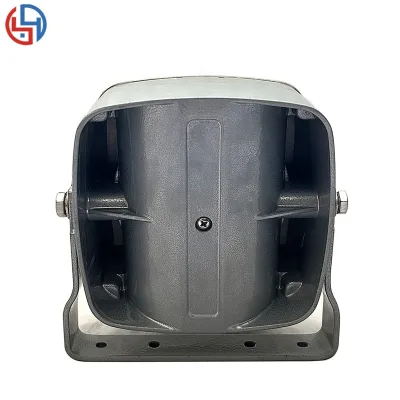
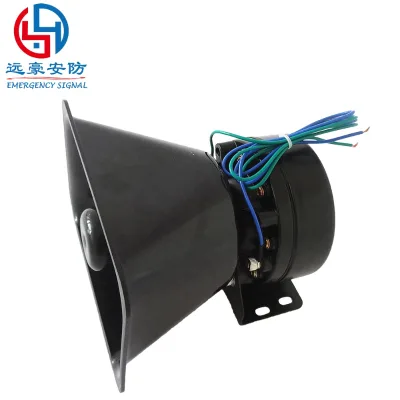


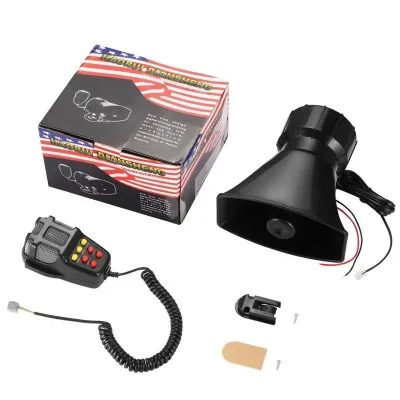
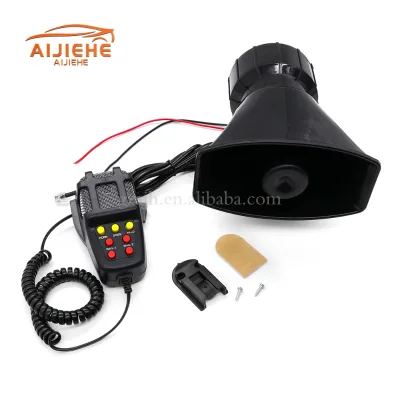


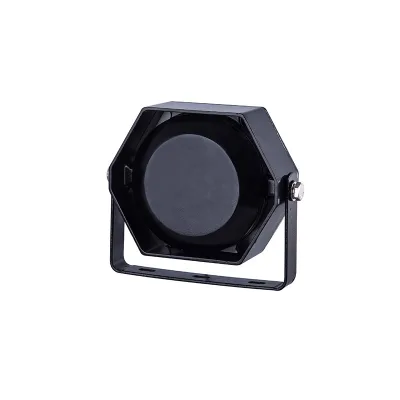
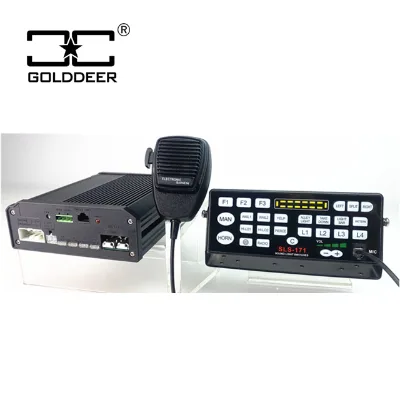


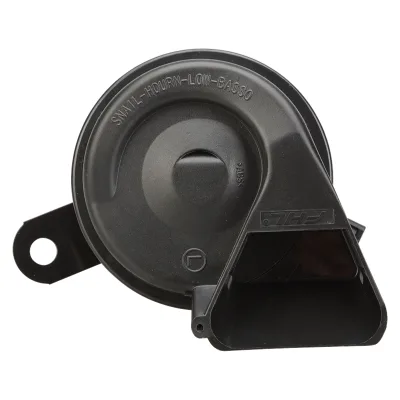
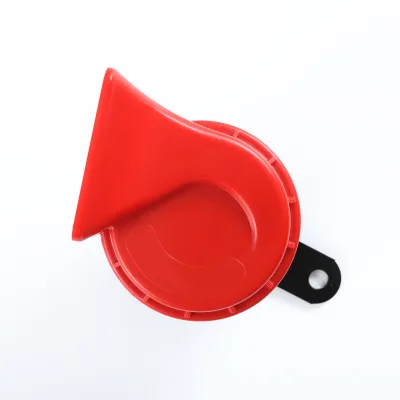


Comprehensive Sourcing Guide
Emergency Warning Ambulance Horn Supplier Concentration and Factory Types
The current supplier landscape for emergency warning ambulance horns shows a distinct concentration of manufacturing capabilities within China, specifically in the Guangdong province. This region hosts a significant number of manufacturers and factory groups that specialize in producing beacon lights, LED safety whips, and various warning light bars alongside the core siren products. These entities often operate as group corporations, indicating a capacity for larger scale production and potentially more robust supply chain management compared to smaller trading entities. The presence of these manufacturers in Guangdong suggests a mature industrial cluster where components for vehicle electrical systems are readily available, facilitating efficient production cycles for items like the PA300 siren horns and related audio warning systems.
In addition to the primary Guangdong cluster, there is evidence of supplier activity in Jiangsu province, where companies focus on horn and air horn production. These suppliers often present as combined entities, blending manufacturing with trading functions, which can offer different advantages regarding product variety and flexibility. The distinction between pure manufacturers and combined entities is critical for buyers, as manufacturers typically offer deeper customization capabilities for OEM and ODM projects, while combined suppliers might provide a broader range of off-the-shelf solutions. Buyers should verify the specific company type listed for each potential partner to ensure alignment with their volume requirements and customization needs, as the factory type directly influences the ability to handle complex orders for specialized emergency vehicle equipment.
How to Verify Emergency Warning Ambulance Horn Suppliers
Verification of suppliers in this category requires a rigorous check of their business credentials and operational history. Many suppliers in the current results display verification badges from recognized third-party agencies, such as BV, which serves as a baseline indicator of business legitimacy. However, buyers must go beyond this initial check by confirming the specific system certifications held by the factory, such as ISO 9001, ISO 14001, TS 16949, or BSCI. These certifications are not merely administrative; they indicate that the supplier adheres to international standards for quality management, environmental responsibility, and social compliance, which are essential for producing safety-critical equipment like ambulance sirens. The presence of these specific certificates should be cross-referenced with the supplier's profile to ensure they are current and applicable to the specific product lines being sourced.
Beyond certifications, buyers must validate the supplier's response time and lead time capabilities to ensure they can meet project deadlines. The data indicates response times can vary significantly, with some suppliers responding within approximately 6.5 hours while others may take over 15 hours. This variance is a critical metric for assessing communication efficiency, especially when urgent modifications or troubleshooting are required for emergency vehicle components. Furthermore, the lead time for production is a key verification point; while some suppliers may offer rapid turnaround times of around 15 days, others might require up to 60 days. Buyers should explicitly request current lead time estimates for their specific order volume and model, as these figures can fluctuate based on raw material availability and production scheduling, ensuring that the supplier can realistically deliver the required emergency warning horns within the necessary timeframe.
What to Compare Across Emergency Warning Ambulance Horn Suppliers
When evaluating multiple suppliers, the primary comparison points should include the technical specifications and customization options available for the emergency warning horns. The product evidence shows a range of power outputs, from 100W to 200W, and varying sound pressure levels, such as 95-125dB or 115-130dB, depending on the model. Buyers must compare these technical attributes against their specific vehicle requirements to ensure the siren meets legal and operational standards. Additionally, the availability of customization is a crucial differentiator; some suppliers explicitly state that customization is available for voltage, sound frequency, and housing materials, while others may offer limited options. Comparing the specific model numbers, such as XYAL-0990 or XYAL-2086, allows buyers to assess the depth of the supplier's product portfolio and their ability to tailor solutions for different emergency vehicle types.
Another vital dimension for comparison is the commercial terms, including minimum order quantities (MOQ) and pricing structures. The current data reveals that MOQs can range from as low as 1 unit to 2 units, which is highly favorable for buyers testing new products or requiring small batch replacements. Pricing also varies significantly across different models, with some units listed between $12.50 and $18.00, while others range from $14.50 to $17.50 or higher. Buyers should compare these price points not just as absolute numbers but in relation to the included features, such as waterproof ratings (IP65), working temperature ranges, and warranty services, which are often listed as two years. By analyzing the cost per unit alongside the technical specifications and warranty terms, buyers can determine the true value proposition of each supplier and identify which partners offer the most competitive rates for the specific performance levels required.
Common Emergency Warning Ambulance Horn Sourcing Risks
One of the primary risks in sourcing emergency warning horns involves the potential mismatch between advertised specifications and actual product performance. While suppliers list detailed attributes such as frequency ranges, distortion factors, and impedance values, there is a risk that these figures may not hold true under all operating conditions or for all batches. For instance, the working temperature range is often cited as -30°C to +50°C or similar, but buyers must verify if the specific unit they receive can withstand extreme environmental conditions without failure. Relying solely on the provided product attributes without independent testing or requesting sample units for validation can lead to the procurement of equipment that fails in critical emergency situations. Buyers should insist on receiving pre-shipment samples to verify that the sound pressure levels and voltage compatibility match the claims made in the product listing.
Another significant risk relates to the consistency of supply and the reliability of the supplier's production capacity. The variation in lead times, ranging from 15 to 60 days, indicates that production schedules can be unpredictable. If a buyer places a large order without confirming the supplier's current capacity and inventory status, they may face delays that disrupt their own logistics or emergency vehicle deployment schedules. Furthermore, the reliance on specific certifications like ISO 9001 or TS 16949 does not guarantee that every batch of horns will meet these standards if the supplier's internal quality control processes are not rigorously maintained. Buyers must assess the supplier's track record for on-time delivery and quality consistency, rather than assuming that their certification status alone ensures a flawless supply chain.
Emergency Warning Ambulance Horn Regional Sourcing and Logistics
Sourcing from the identified regions in China, particularly Guangdong and Jiangsu, offers logistical advantages due to the established infrastructure for exporting vehicle parts and accessories. These provinces are home to major ports and manufacturing hubs that facilitate efficient shipping of heavy or bulky items like siren horns and warning light bars. However, buyers must account for the specific logistics requirements of these products, which may include specialized packaging to prevent damage during transit. The product evidence indicates that items are typically packed in carton boxes, but the dimensions and weight of the units, such as those measuring 15014040mm or larger, can impact shipping costs and freight class. Buyers should verify the packaging standards and dimensions with the supplier to ensure that the freight forwarder can handle the shipment efficiently and that the products arrive in pristine condition.
In addition to domestic logistics, international shipping considerations are paramount when sourcing from these regions. The main markets for these products include South America and Western Europe, suggesting that suppliers have experience with the regulatory and logistical requirements of these destinations. Buyers should confirm that the supplier is familiar with the import regulations and certification requirements of their target market, such as CE certification for European markets or specific voltage standards for South American vehicles. The response time of the supplier can also impact logistics planning, as quick communication is essential for resolving customs issues or updating shipping schedules. Buyers should ensure that the supplier has a dedicated logistics team or partner that can provide accurate tracking and documentation, minimizing the risk of delays at customs or during transit to the final destination.
Emergency Warning Ambulance Horn Commercial Terms and Order Planning
Order planning for emergency warning horns requires careful attention to the commercial terms regarding payment, warranty, and after-sales support. The product evidence highlights a standard warranty service of two years, which is a critical factor in the total cost of ownership and risk management for buyers. However, buyers must verify the specific terms of this warranty, including what is covered, the process for claiming repairs or replacements, and whether the warranty is valid internationally. Additionally, the availability of customization services, such as OEM branding or specific voltage configurations, should be clearly defined in the commercial agreement to avoid misunderstandings. Buyers should ensure that the supplier provides detailed documentation for all customizations, including technical drawings and material specifications, to facilitate smooth integration into their vehicle fleets.
Finally, buyers must plan for the scalability of their orders based on the supplier's capacity and lead time capabilities. The data shows that some suppliers can handle small orders with an MOQ of 1, while others may have higher thresholds or longer lead times for larger volumes. Buyers should develop a phased ordering strategy that aligns with their inventory needs and production schedules, ensuring that they can secure supply without overstocking or facing shortages. It is also essential to establish a clear communication channel for ongoing order management, as the response time of the supplier can significantly impact the speed of order processing and issue resolution. By carefully planning the order volume, timing, and commercial terms, buyers can mitigate risks and ensure a reliable supply of high-quality emergency warning horns for their operations.
FAQs
What power ratings are common for an Emergency Warning Ambulance Horn?
Most ambulance sirens in these listings offer 100W, 150W, and 200W power options, with 100W and 200W being the most frequently specified. Higher wattage generally produces louder output for larger vehicles. Buyers should confirm voltage compatibility, since models commonly support DC 12V or DC 24V, and verify sound pressure levels reach the decibel range their fleet regulations require before ordering.
What is the typical minimum order quantity for ambulance warning sirens?
Minimum order quantities are low for these products, with listings showing MOQs of just 1 to 2 units. This makes sample testing and small pilot orders practical before committing to volume. For bulk purchases, request quantity-based pricing, and confirm whether customization options such as branding or packaging changes affect the stated MOQ or unit price.
How long does production take for emergency vehicle siren orders?
Lead times vary by supplier and order size. Published figures for manufacturers in this category range from about 15 days to 60 days, with the shorter timeline typically applying to standard horn products and the longer one to more complex warning light and siren lines. Always confirm the lead time for your specific model, quantity, and customization requirements before placing an order.
Do these ambulance horn suppliers offer OEM and ODM customization?
Yes, the suppliers in these results list OEM, ODM, and own-brand capabilities, and individual siren products are marked as customization available. Typical options include branding, model configuration, and packaging. When requesting customization, provide your specifications early, ask for a pre-production sample, and confirm how customization affects MOQ, unit pricing, and the production schedule.
Which certifications should I check before sourcing ambulance sirens from China?
Look for product-level CE certification on the siren itself, which appears on several listed models. At the factory level, relevant system certifications include ISO 9001, ISO 14001, TS 16949, and BSCI. Certificates should be current and issued to the exact legal entity you contract with, so request copies directly and verify authenticity with the issuing body before finalizing any agreement.
How quickly do these siren suppliers typically respond to inquiries?
Response times published for suppliers in this category range from roughly 6.5 hours to just over 15 hours. Faster responders make development and sampling cycles noticeably smoother, especially when configuring 12V or 24V options or tone settings. Send a detailed first inquiry covering model, quantity, and destination market, then compare actual reply speed and quality across several suppliers.
Where are the main manufacturing hubs for emergency vehicle horns in China?
The suppliers in these results are based in Guangdong and Jiangsu provinces, both established regions for vehicle electrical and warning equipment manufacturing. Guangdong suppliers in this listing focus on sirens, warning light bars, and vehicle safety lights, while the Jiangsu supplier specializes in horns and air horns. Sourcing from multiple provinces lets you compare pricing, specialization, and lead times.
What technical specifications should I compare between siren models?
Compare sound pressure level, which ranges from about 90dB up to 130dB across listed models, along with frequency range, impedance of 4 to 16 ohms, distortion factor, and working temperature tolerance. Also check waterproofing, such as IP65 ratings on combined horn and strobe units, warranty length, voltage options, and housing material, since these determine durability in demanding emergency vehicle duty cycles.