Enclosed Comfort Gasoline Fuel Tank Suppliers and Manufacturers
Source Enclosed Comfort Gasoline Fuel Tank from 25 verified suppliers in China. Compare key dimensions including lead times, MOQs, certifications, and pricing to identify the right partner for your project. Review detailed product specifications and request quotes directly; review the available evidence before requesting comparable quotations from suitable candidates.
Updated
Suppliers List

Zhangjiagang Fuel Equipment System Co., Ltd.
- Combined
- China Jiangsu
- Lead time30 days
- Avg. response≤ 25h
Main productsTank, Fuel Tank, Bund Fuel Tank, Container Tank, Container, Cubes, Special Container, Generator Container, Accommodation Container, Trailer
Main marketsAustralia


Consistent Quality Fire Prevention Gasoline Diesel Fuel Tank for Gasoline Storage
$2000.00
MOQ: 5 Pieces


Luqiang Energy Equipment Co., Ltd.
- Combined
- China Shandong
- Lead time23 days
- Avg. response≤ 6h
Main productsFuel Tank
Main marketsAfrica,Southeast Asia/ Mideast,Australia
Anyang Sanhuangding Metal Materials Co., Ltd.
- Trading Company
- Henan, China
- Lead time25 days
- Avg. response≤ 1h
Main productsLPG Storage Tank, Lox LN2 LAr Tank, Co2 Tank, LPG Skid Station, LNG Tank
Main marketsDomestic Market(70.00%), South Asia(10.00%), North America(10.00%), Eastern Asia(10.00%)
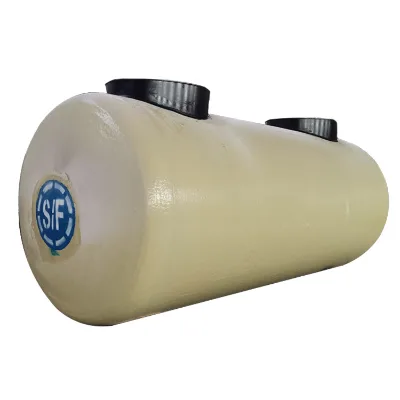
Transportable Fuel tank Fuel Day tank Double Walled Fuel tank
$5850.00 - $8640.00
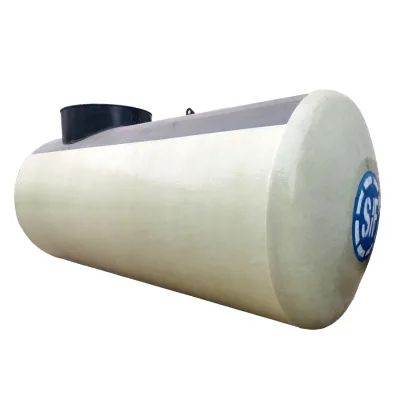
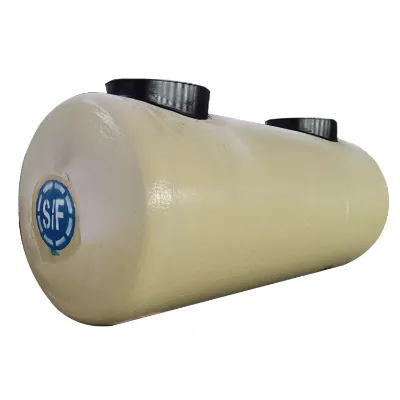
10000 Liter Fuel tank Reserve Fuel tank Petrol Station Fuel tank Prices
$5850.00 - $8640.00
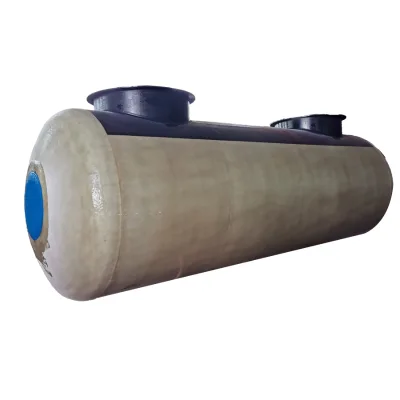
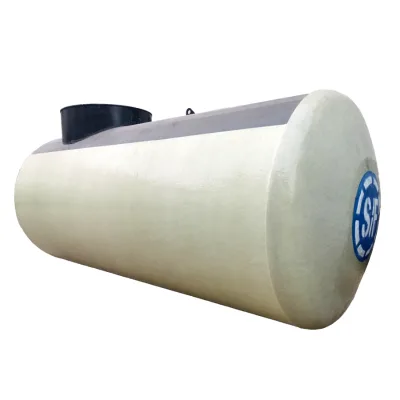
200000 Gallon Mild Steel Underground Fuel tank for Gasoline Station
$5850.00 - $8640.00
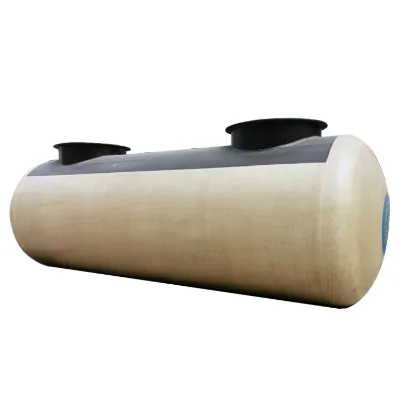
45000 Litres Fuel tank Fuel Storage tank diesel Fuel tank With Pump for Sale
$5850.00 - $8640.00

Taian Yongnuo Machinery Co., Ltd.
- Verified by SGS
- Combined
- China Shandong
- Lead time23 days
- Avg. response≤ 2h
Main productsOil Storage Tank, Water Storage Tank, Transportation Equipment, Skid-Mounted Fuel Station, Chemical Storage Tank, Ellipsoidal Head, Aluminum Alloy Explosion Resistant Materials, ISO Container Tank, Carbon Steel Tank, Stainless Steel Tank
Main marketsAfrica,Southeast Asia/ Mideast,Australia,North America


20FT Containerised Fuel Tanks Fuel Storage Tanks Container Double Walled
$7700.00 - $7770.00
MOQ: 1 set


Mobile Petrol Station Fuel Tank Diesel Storage Container Gasoline Storage Tank
$7600.00 - $7658.00
MOQ: 1 set

Gasoline Oil Fuel Tank Gas Oil Tank Gas Station Underground Storage Tank
$2680.00 - $2880.00
MOQ: 1 set
Zhangjiagang Fuel Equipment System Co., Ltd.
- Manufacturer
- Jiangsu, China
- Lead time0 days
Main productsself bunded tank,fire rated tank,frac tank,generator container,farm tank
Main marketsOceania(30.00%), Western Europe(25.00%), Mid East(20.00%), Africa(20.00%), Domestic Market(5.00%)

Luqiang Energy Equipment Co., Ltd.
- Manufacturer, Trading Company
- Shandong, China
- Lead time30 days
- Avg. response≤ 8h
Main productsMetal Container (Skid-mounted Oiling Device,D Grade Pressure Vessel,Tank for Tank Car (Not Including Packaging of Dangerous Chemical Container),Double Wall Oil Tank,Storage Tanks (Not Including Drinking Water Tank))
Main marketsDomestic Market(91.00%), Oceania(3.00%), Africa(3.00%), Southeast Asia(2.00%), Mid East(1.00%)

Gaoyang Ruikai Trading Co., Ltd.
- Verified by CTI
- Trading Company
- China Hebei
- Lead time30 days
- Avg. response≤ 2h
Main productsgasoline engine
Main marketsDomestic
Shanghai Tampa Bay New Material Development Co., Ltd.
- Trading Company
- Shanghai, China
- Lead time15 days
- Avg. response≤ 5h
Main productsFuel Storage Tank,Jerry Can,Diesel Storage Tank,Gasoline Storage Tank,Adblue Storage Tank
Main marketsWestern Europe(23.00%), North America(22.00%), Oceania(19.00%), South Asia(9.00%), Southern Europe(9.00%), Northern Europe(9.00%), South America(3.00%), Eastern Europe(1.00%), Mid East(1.00%), Africa(1.00%), Central America(1.00%), Southeast Asia(1.00%), Eastern Asia(1.00%)
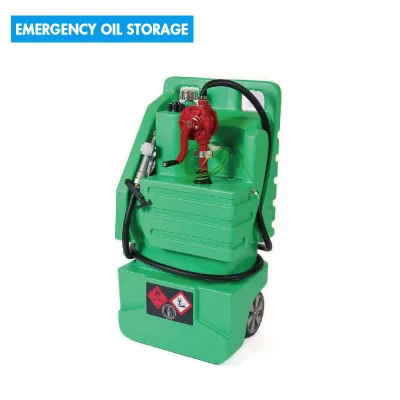
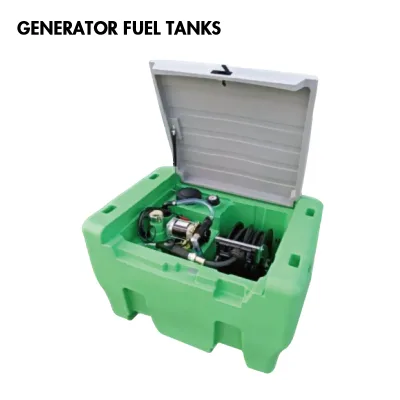
150L Gasoline Tansfer Tank Portable Gasoline Storage Tanks
$390.00 - $408.00
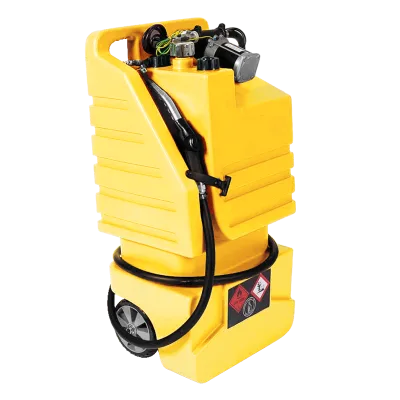
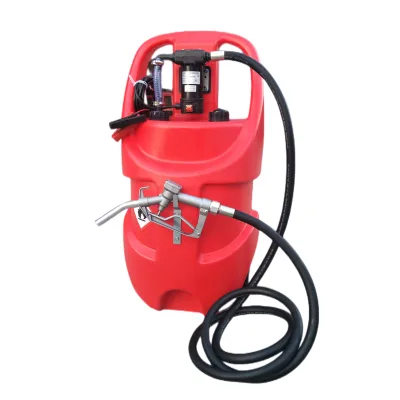
330L Portable Gasoline Tank with Pump Plastic Gasoline Tank
$826.00 - $830.00
Henan Jianshen Metal Metenrial Co., Ltd.
- Verified by SGS Group
- Trading Company
- Lead time25 days
- Avg. response≤ 1h
Main productsStorage Tank, LPG Storage Tank, Low-temperature storage tank, LPG skid-mounted unit , Boiler
Main marketsAfrica(40%), Southeast Asia(15%), Mid East(10%)
Qingdao Airbrother Technology Co., Ltd.
- Verified by Intertek
- Manufacturer, Trading Company
- Lead time5 days
- Avg. response≤ 3h
Main productsInflatable Tent, Air Dome, Flexible Tank
Main marketsDomestic Market(50%), North America(15%), Western Europe(15%)
Bo Run Energy Equipment (Zhangjiagang) Co., Ltd.
- Manufacturer
- Jiangsu, China
- Lead time0 days
- Avg. response≤ 24h
Main productsfuel tank,frac tank,Bund Fuel Tank,Cube tank,Container tank
Main marketsNorth America(30.00%), Oceania(25.00%), Mid East(20.00%), Western Europe(15.00%), Domestic Market(10.00%)

Taian WoBang Machinery Co., Ltd.
- Verified by CTI
- Trading Company
- China Shandong
- Lead time30 days
- Avg. response≤ 1h
Main productsMobile Fuel Station, Storage Tank, ISO Container Tank
Main marketsOthers(foreignTradeCapacity.exportBusinessCapacityMarketOther)
- Trading Company
- Taiwan, China
- Lead time60 days
- Avg. response≤ 4h
Main productsCarbon Fiber,After market auto parts,High Performance Parts,OEM,ODM
Main marketsNorth America(30.00%), Western Europe(15.00%), Southern Europe(15.00%), Northern Europe(10.00%), Eastern Europe(10.00%), Oceania(10.00%), South Asia(3.00%), Central America(3.00%), Eastern Asia(2.00%), South America(2.00%)
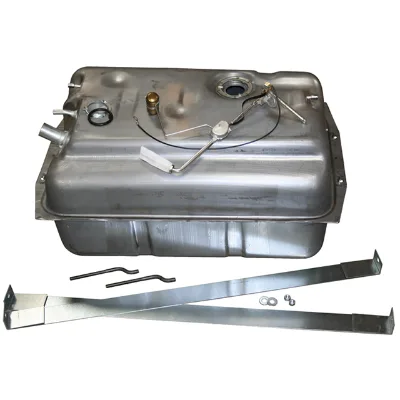
Heavy Duty Custom Fuel Tank for Trucks Extended Capacity Diesel Gasoline Fuel Cell
$157.2436 - $209.6571
MOQ: 30 sets
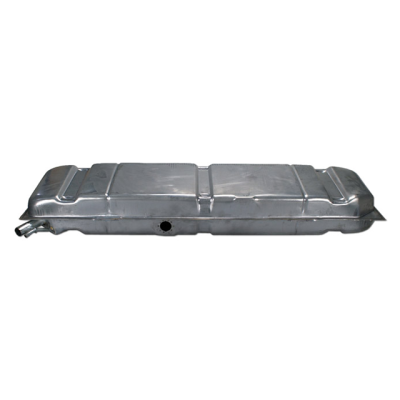
$200.00
Jinan Enying Automotive Parts Manufacturing Co., Ltd.
- Verified by Intertek
- Trading Company
- Lead time20 days
- Avg. response≤ 3h
Main productsTruck fuel tank, RC model parts, Linear actuators, Tilt rotators, Truck lights

Shaanxi Xixian New Area Zhongcheng Machinery Manufacturing Co., Ltd.
- Verified by BV
- Manufacturer/Factory
- China Shaanxi
- Lead time15 days
- Avg. response≤ 4h
Main productsShale Shaker, Centrifuge, Agitator, Sand Pump, Desilter, Mud Cleaner, Petroleum Equipment, Desander, Drilling Waste Management, Solid Control System
Main marketsSouth America,Eastern Europe,Mid East,North America,Southeast Asia,Eastern Asia,Oceania,Western Europe,Africa
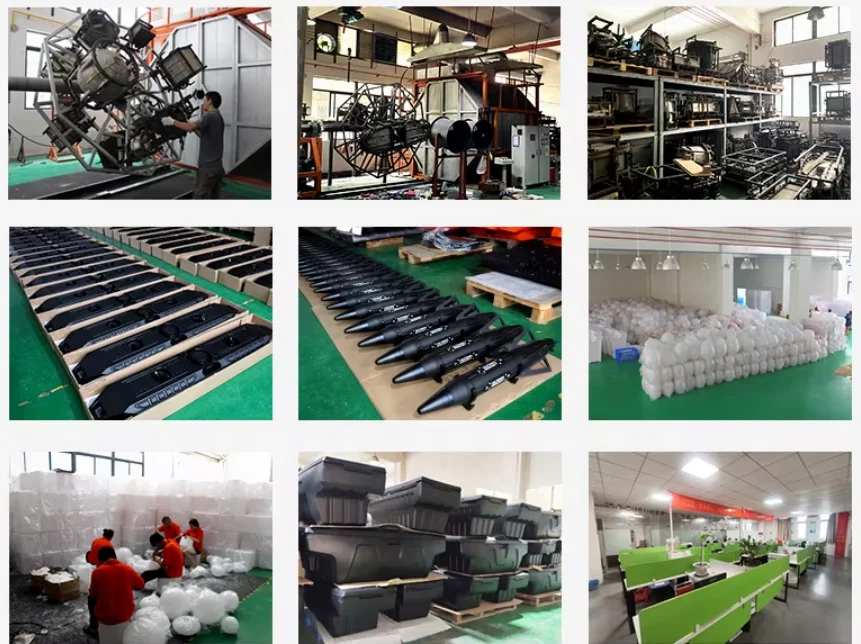
Foshan Xinshuiniao Tech. Co., Ltd.
- Manufacturer, Distributor/Wholesaler, Other
- Guangdong, China
- Lead time0 days
- Avg. response≤ 4h
Main productsjerry tank,Roof water tank,Rotational molding OEM,Spare oil drum
Main marketsNorthern Europe(15.00%), Mid East(15.00%), North America(15.00%), Domestic Market(5.00%), South Asia(5.00%), Southern Europe(5.00%), Eastern Europe(5.00%), Central America(5.00%), Western Europe(5.00%), Eastern Asia(5.00%), South America(5.00%), Oceania(5.00%), Africa(5.00%), Southeast Asia(5.00%)
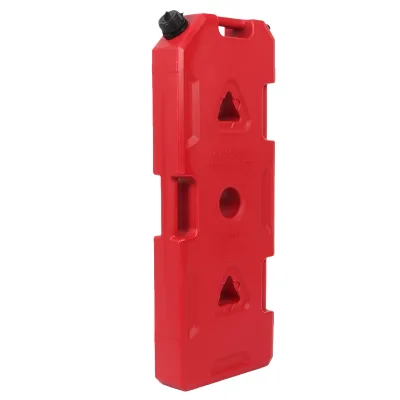
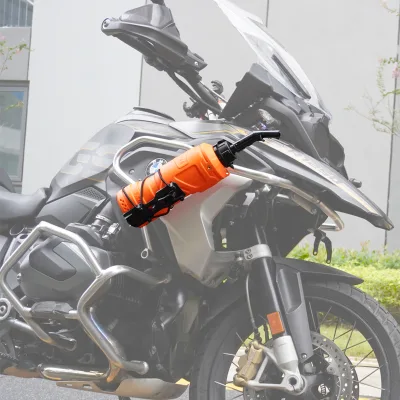
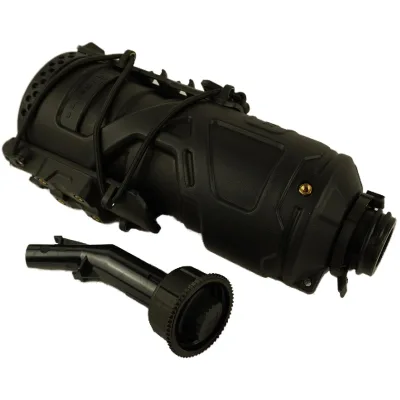
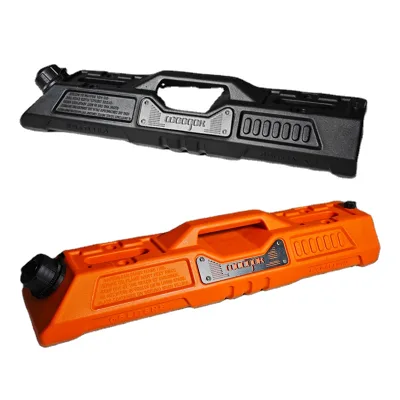
Off Road Spare Fuel tank Can Be Used As an Escape Board Car 18L Gasoline tank
$36.2351 - $38.3054
MOQ: 10 barrels
$20.4372 - $22.4805
MOQ: 20 pieces
$20.4372 - $22.4805
MOQ: 20 pieces
Hefei Xilaide Trading Co., Ltd.
- Trading Company
- Anhui, China
- Lead time0 days
- Avg. response≤ 4h
Main productsAutomotive spare parts
Main marketsEastern Asia(50.00%), Eastern Europe(20.00%), Western Europe(10.00%), Mid East(10.00%), Domestic Market(1.00%), South Asia(1.00%), Southern Europe(1.00%), Northern Europe(1.00%), Central America(1.00%), South America(1.00%), Southeast Asia(1.00%), North America(1.00%), Oceania(1.00%), Africa(1.00%)
Bengbu Tongda Auto Parts Co., Ltd.
- Manufacturer, Trading Company
- Anhui, China
- Lead time7 days
- Avg. response≤ 2h
Main productsauto fuel tank,Auto exhaust noise reduction system,auto parts,truck fuel tank
Main marketsSoutheast Asia(25.00%), North America(20.00%), South Asia(15.00%), Eastern Asia(15.00%), Mid East(15.00%), Africa(10.00%), Western Europe(10.00%), South America(10.00%), Eastern Europe(10.00%), Oceania(10.00%)
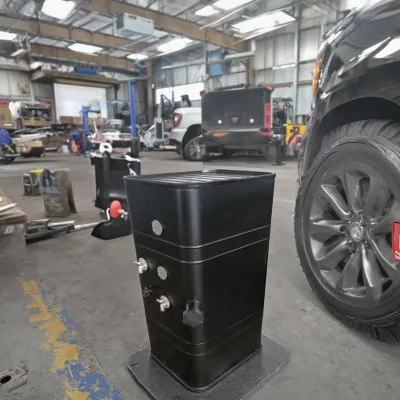
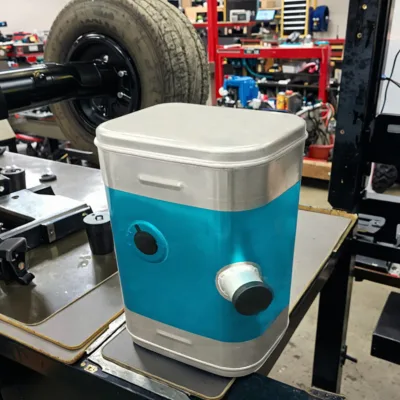
Customized Aluminum Fuel Tanks New Condition Many Capacities Available for Auto Refueling Model TT
$51.00 - $55.00
MOQ: 1 pieces
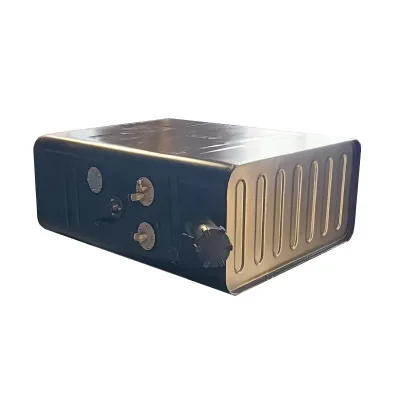
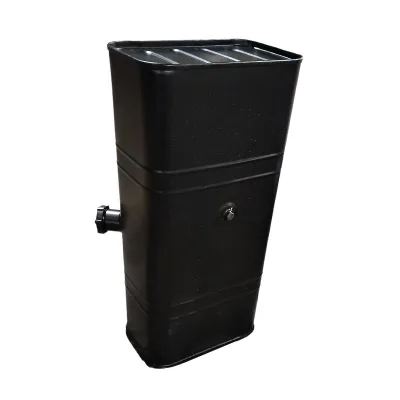
Customized 120L Gas Tank With 30G Capacity New Condition Iron Supply From China Plant
$62.7602 - $66.8752
MOQ: 1 pieces
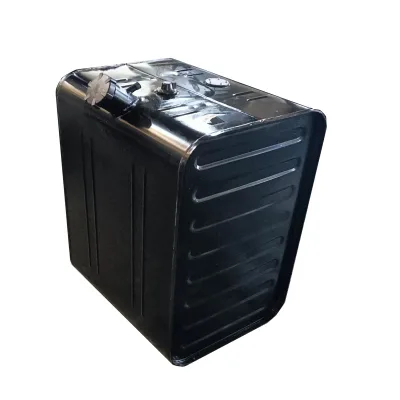
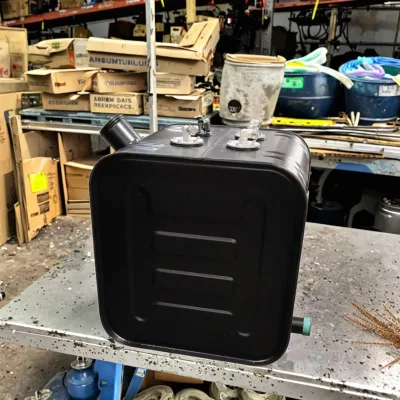
China Stainless Steel Petrol Gas Bucket Tank New Condition With 1 Year Warranty
$123.00 - $126.00
MOQ: 1 pieces

Bo Run Energy Equipment (Zhangjiagang) Co., Ltd.
- Combined
- China Jiangsu
- Lead time45 days
- Avg. response≤ 25h
Main productsFuel Tank, Frac Tank, Bund Fuel Tank, Cube Tank, Container Tank, Dangerous Goods Storage Container, Water Treatment Tank
Main marketsDomestic,Australia

Li&Li Mechanical (Guangzhou) Corporation
- Verified by TUVRHEINLAND
- Combined
- China Guangdong
- Lead time30 days
- Avg. response≤ 14h
Main productsMixing Tank, Reactor, IBC Tank, Filling Machine, Vacuum Emulsifying Mixer, Heat Exchanger, Storage Tank, Tail Gas Recovery Tower, Planetary Stirrer, Stainless Steel Barrel Drum
Main marketsNorth America
Hubei Guanda Automobile Import And Export Co., Ltd.
- Manufacturer, Trading Company
- Hubei, China
- Lead time0 days
- Avg. response≤ 5h
Main productsUrea pump,Exhaust pipes,post processor,aluminum alloy fuel tanks,aluminum alloy gas storage tanks
Main marketsSouth America(24.00%), Mid East(20.00%), Domestic Market(20.00%), Western Europe(10.00%), Eastern Europe(6.00%), South Asia(6.00%), Southeast Asia(6.00%), Africa(2.00%), Eastern Asia(2.00%), North America(1.00%), Oceania(1.00%), Southern Europe(1.00%), Central America(1.00%)

Shandong Tengxing New Energy Technology Co., Ltd
- Verified by TUVRHEINLAND
- Combined
- China Shandong
- Lead time30 days
- Avg. response≤ 4h
Main productsMobile Fuel Station
Main marketsSoutheast Asia/ Mideast

Long Lasting Self Bunded Fuel Tank Fuel Storage Tank Weatherproof Export
$7000.00 - $10000.00
MOQ: 1 Sets


Xiamen Canglan Technology Co., Ltd.
- Verified by TüVRheinland
- Manufacturer, Trading Company
- Lead time0 days
- Avg. response≤ 2h
Main productsAluminium Air Tank, Fuel Tank, Muffler
Main marketsDomestic Market(60%), Southeast Asia(20%), North America(12%)
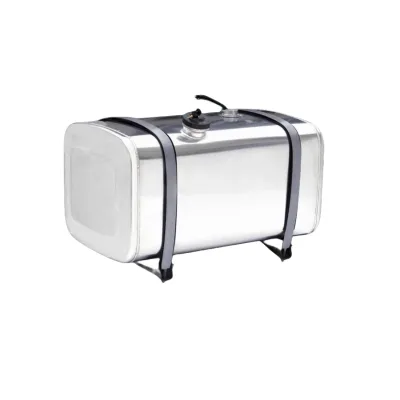
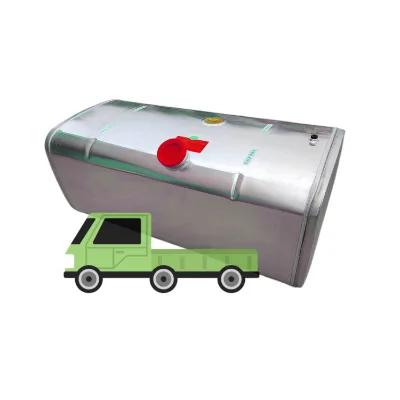
Fuel Tanks Manufacturing Fuel Galvanized Steel diesel tank for Fuel Supply System
$188.00 - $270.00
MOQ: 50
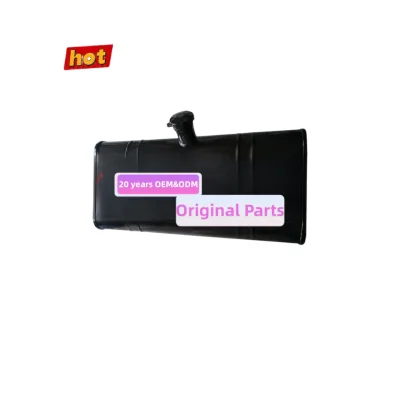
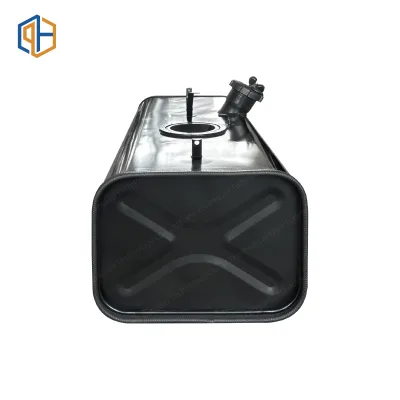
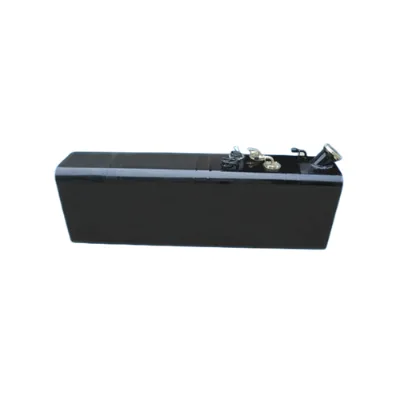
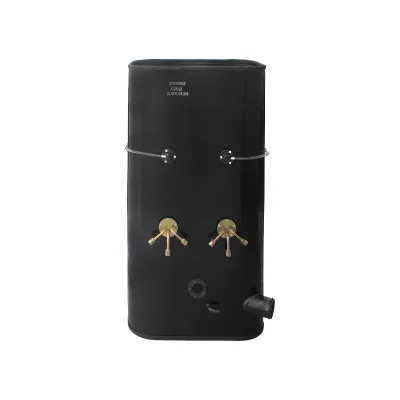
Custom Fabricated Galvanized Fuel Tanks CE & CQC Approved Production Factory
$37.7181 - $53.3033
MOQ: 20 pieces

WENZHOU LENO MACHINERY CO., LTD.
- Verified by BV
- Trading Company
- China Zhejiang
- Lead time30 days
- Avg. response≤ 12h
Main productsMixing Tank, Distillation Equipment, Pump, Filter, Filling Machine, Vacuum Evaporator, Mixing Equipment
Main marketsSouth America,Africa,Southeast Asia/ Mideast,Europe,North America

- Verified by BV
- Trading Company,Manufacturer/Factory
- China Guangdong
- Lead time23 days
- Avg. response≤ 6h
Main productsSheet Metal, Sheet Metal Fabrication, Water Vending Machine, Ice Vending Machine, Display Stand, Mail & Parcel Box, Metal Cabinet, Metal Tool Box, Metal Enclosure, Structure Metal Parts
Main marketsSouth America,Eastern Europe,Mid East,North America,Southeast Asia,Eastern Asia,Oceania,Western Europe,Africa


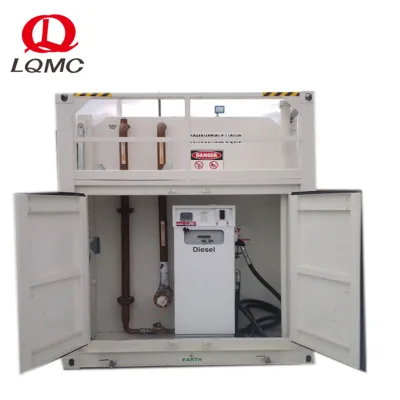
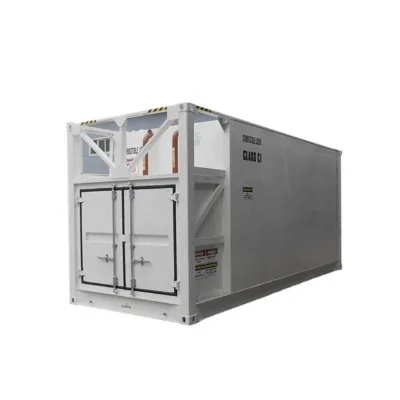
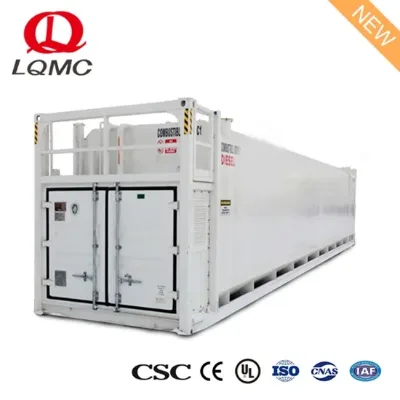


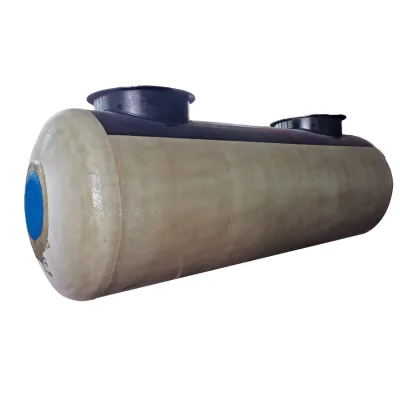






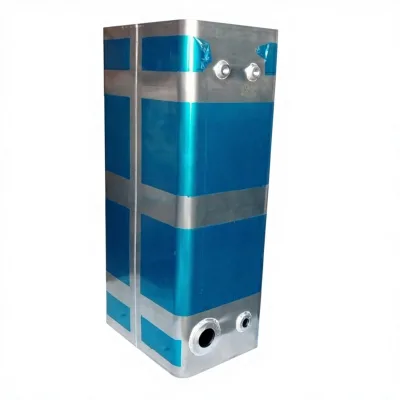
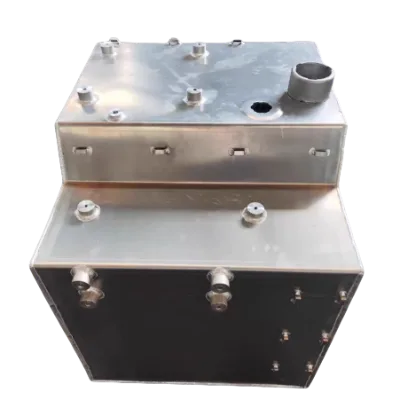


Comprehensive Sourcing Guide
Enclosed Comfort Gasoline Fuel Tank Supplier Concentration and Factory Types
When sourcing an Enclosed Comfort Gasoline Fuel Tank, the first practical question is where the manufacturing base actually sits. On current supplier results, Jiangsu and Shandong both appear as listed locations, which suggests real manufacturing depth in eastern China for this category. Jiangsu entries in this niche tend to be combined companies whose main products span tanks, fuel tanks, bund fuel tanks, container tanks, generator containers and accommodation containers, indicating diversified metal-fabrication operations rather than single-product specialists. Shandong entries focus more narrowly on fuel tanks, including double-walled diesel and gasoline storage tanks, self-bunded units and underground storage tanks. Buyers should treat this as a starting map, not a complete one.
Beyond these listed provinces, you should independently identify additional clusters by running the same category searches across other major industrial regions and comparing where results concentrate. Because the keyword covers an enclosed, comfort-oriented gasoline fuel tank rather than a standard storage tank, check whether a candidate factory actually builds enclosed or specialty variants, or only open-top and standard cube tanks. Factory types worth distinguishing include original manufacturers with ODM and OEM capability, own-brand producers, and combined trading-manufacturing companies. A supplier listing both generator containers and fuel tanks may be a strong fabricator, while a listing that shows only tanks may be a focused workshop. Neither type is automatically better; the fit depends on whether your design needs customization or you need a proven catalog model.
How to Verify Enclosed Comfort Gasoline Fuel Tank Suppliers
Verification begins with the basics a listing actually discloses. Several results in this category show system certification fields marked as "Others" or "NIL," which means the platform has not confirmed a recognized management certification for those suppliers. Do not treat a blank or unusual certification field as disqualifying, but do treat it as a prompt: ask the supplier directly for their quality management documentation and for product-level test evidence relevant to gasoline containment, double-wall construction and overflow protection. Some Shandong listings display product attributes such as UL and ISO certifications or ISO9001 and GB references; confirm these claims in writing, because listing attributes are supplier-entered and not independently validated.
Next, verify that the company type matches what it claims. A combined company in Jiangsu showing ODM and OEM research capacity may accept custom enclosure designs, but you should ask for workshop photos, production videos and a factory audit report before relying on that claim. A Shandong fuel-tank manufacturer describing itself as a manufacturer with customized products should be able to explain its tank material, welding process and layer construction in detail. Check how long the supplier has been established, since establishment-year data appears on many profiles and longer operating history usually reduces counterparty risk. Finally, request at least one reference buyer in your market, and ask that reference specifically about consistency between quoted specifications and delivered enclosed fuel tanks.
What to Compare Across Enclosed Comfort Gasoline Fuel Tank Suppliers
Build a comparison sheet using dimensions that supplier profiles actually display. Lead time is one of the most useful: current results show listed lead times ranging from roughly 23 days at a Shandong fuel tank specialist to about 30 days at a Jiangsu combined manufacturer, a gap that matters if your restocking calendar is fixed. Response time is equally telling; one listed Shandong supplier shows an average response of about 5.4 hours while the Jiangsu entry shows about 25 hours, and in practice fast quoted responses usually predict smoother engineering communication on custom enclosed tank designs.
Also compare MOQ, because entry points differ significantly in this category: one listed cube tank product shows an MOQ of 5 units while a double-walled storage tank listing shows an MOQ of 1, which affects how easily you can trial a new supplier. Price ranges should be compared only between comparable products, since a small carbon steel cube tank and a large self-bunded storage unit sit in entirely different price bands; some listings quote per-unit figures while others show ranges for larger configurations. Compare main product breadth, location, company type, establishment year, and whether escrow or trade assurance is offered on the platform. Remember that not every supplier displays every attribute; where a field is empty, request the information directly rather than assuming it is unfavorable, and weight confirmed, documented attributes more heavily than marketing descriptions like "top quality."
Common Enclosed Comfort Gasoline Fuel Tank Sourcing Risks
The most common risk in this category is specification drift on the enclosure itself. Because "comfort" features imply sealed, insulated or user-friendly designs, a supplier accustomed to open industrial cube tanks may substitute a standard double-wall cube with minimal enclosure work. Several listings in this category emphasize double-wall construction, overflow protection and alarm functions, which suggests these are the actual engineered features behind the keyword; if your requirement differs, put exact dimensions, wall thickness, coating, venting and any alarm or overflow hardware into drawings the supplier signs before production. Another frequent risk is certification mismatch: listings show certification strings such as "UL, ISO" and "GB, ISO," but some Jiangsu entries show unconfirmed or empty system certification fields, so a quoted certificate may not cover the specific tank model you order.
Logistics risk is also real. Some listings specify packing as "shipping container" while others state "non package" or "in bulk," and fuel tanks are heavy, regulated cargo; a tank that cannot be safely secured in a container can arrive damaged or be refused by carriers. Fuel-related cargo may also face shipping-line restrictions, so confirm transport eligibility early. Finally, beware of price-based selection alone. A listing showing a low headline price with a small MOQ may be a trading company reselling a manufacturer's output, adding a margin and a communication layer. Verify whether the contact owns production equipment or is brokering, because accountability for defects changes accordingly.
Enclosed Comfort Gasoline Fuel Tank Regional Sourcing and Logistics
The regional evidence in current results points to two practical sourcing corridors. Jiangsu entries are combined companies handling tanks alongside containers and generator or accommodation units, and one listed product line of carbon steel cube fuel tanks specifies packing in shipping containers with models such as T1, T4.5 and T6, which hints at container-friendly sizing for export. Shandong entries concentrate purely on fuel tanks, including 20ft and 40ft containerised tank products, self-bunded tanks in large liter capacities, and underground horizontal tanks with double-layer construction. If your enclosed tank design must fit standard container dimensions, containerised listings from either province are worth shortlisting.
For logistics planning, confirm three things with each shortlisted supplier: the quoted lead time (listed examples run about 23 to 30 days for this category), the packing method, and the port of loading. Shandong suppliers typically ship through nearby eastern ports, while Jiangsu suppliers access the Shanghai-area port cluster, but you should confirm the actual load port rather than inferring it from province. Underground tanks and large self-bunded units may ship "in bulk" or as break-bulk cargo, which changes freight cost structure dramatically compared with containerized cube tanks. Also confirm whether the supplier handles export documentation for fuel-containing equipment, and whether the tank ships empty and clean, which most buyers require to satisfy carrier and customs rules for metal tanks.
Enclosed Comfort Gasoline Fuel Tank Commercial Terms and Order Planning
Order planning should start from the two numbers most visible on supplier profiles: MOQ and lead time. With listed MOQs in this category as low as 1 unit for double-walled storage tanks and 5 units for cube tank products, a pilot order is usually feasible, and you should use it to test dimensional accuracy, enclosure finish, weld quality and documentation before committing to volume. Build your schedule backward from the listed lead times, roughly 23 to 30 days for the suppliers shown, then add tooling time for custom enclosed designs, pre-shipment inspection, and ocean transit. Avoid promising your own customers delivery dates until the supplier confirms a production slot in writing.
On commercial terms, align payment structure with verification milestones rather than trusting profile claims. Some Shandong listings reference certifications such as ISO9001, UL and GB, while Jiangsu entries show unconfirmed certification fields; tie a portion of payment to receipt of the certificate copies and, ideally, a third-party inspection report at completion. If a platform offers escrow or trade assurance, prefer it for first orders since it protects funds against non-delivery or specification failure. Negotiate warranty terms covering weld leaks, coating failure and alarm or overflow component defects, since these are the failure modes specific to gasoline tanks. Finally, lock packing requirements, spare parts and technical drawings into the contract, and re-confirm the final unit price against the quote range, because larger tank configurations on some listings span wide price ranges that depend on chosen capacity and fittings.
FAQs
What is the price range for enclosed gasoline fuel tanks?
Enclosed gasoline fuel tanks are available starting from $2,000 for smaller cube units up to $26,000 for larger self-bunded storage systems. Prices vary based on capacity, material thickness, and whether the unit includes integrated fuel dispensers or alarm systems. Buyers should request specific quotes for their required volume and certification needs.
What certifications are available for these fuel storage tanks?
Manufacturers offer tanks certified to UL, ISO9001, GB, and CSC standards. Some units carry combined UL and ISO certifications, while others specify GB and ISO compliance. Buyers requiring specific regulatory approvals for their region should verify the exact certificate list with the supplier before ordering to ensure compliance with local safety codes.
What is the typical lead time for manufacturing these tanks?
Production lead times typically range from 23 to 30 days depending on the supplier and order complexity. Suppliers in China, including those in Jiangsu and Shandong provinces, generally adhere to these timeframes. Expedited manufacturing may be possible for standard models, but buyers should confirm exact delivery schedules during the quotation phase.
What is the minimum order quantity for these fuel tanks?
Minimum order quantities vary significantly, ranging from one unit for large containerized stations to five units for smaller cube tanks. Single-unit orders are common for double-walled underground or portable containerized systems. Buyers seeking bulk purchases should inquire about volume discounts, as MOQs are often flexible for established OEM or ODM partnerships.
Are customizations available for enclosed gasoline fuel tanks?
Customization is widely available, including tailored sizes, colors, and branding logos. Suppliers support OEM and ODM services, allowing buyers to specify double-wall configurations, overflow alarms, and specific mounting types like horizontal or underground installations. Buyers should provide detailed technical requirements to ensure the final product meets their operational safety and storage needs.