Enamel Coating Electric Paella Pan Suppliers and Manufacturers
Compare 28 verified suppliers offering enamel coating electric paella pans with varying lead times, MOQs, and certifications. Review response times and product attributes like material and customization options before contacting factories in China Hunan or Guangdong; review the available evidence before requesting comparable quotations from suitable candidates.
Suppliers List

Xiangtan Dana Technology Co., Ltd.
- Verified by SGS
- Trading Company
- China Hunan
- Lead time30 days
- Avg. response≤ 6h
Main productsEnamel Casserole Pot, Enamel Mug Cup, Non Stick Frying Pan, Enamel Food Container, Enamel Tableware, Enamel Dinnerware, Cast Iron Cookware, Enamel Pot, Pealla Pan
Main marketsSouth America,Southeast Asia/ Mideast,East Asia(Japan/ South Korea),Europe,North America


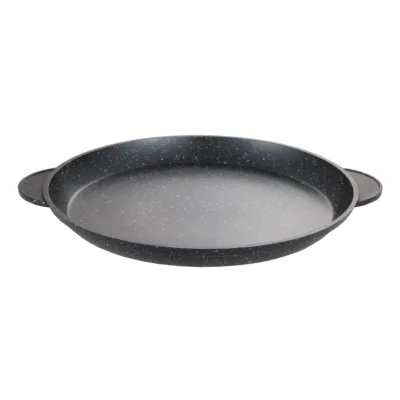
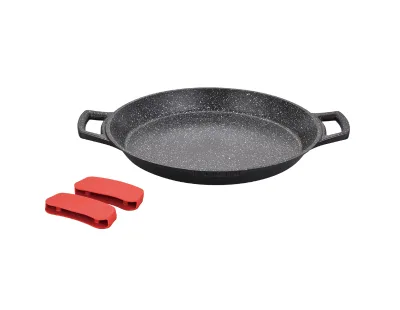
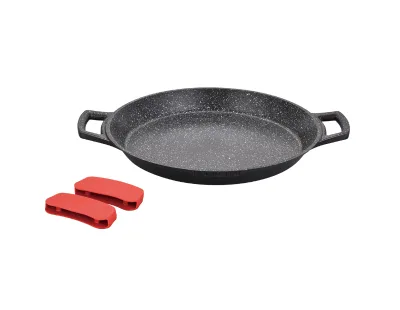
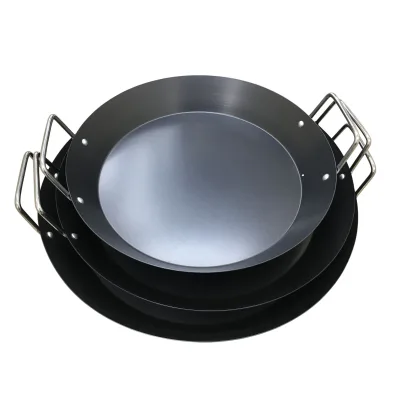
Black & White DOT Shallow Paella Pan Carbon Steel Enamel Coated Pan for BBQ
$1.69 - $1.79
MOQ: 1000 Pieces

$1.69 - $1.79
MOQ: 1000 Pieces

$1.69 - $1.79
MOQ: 1000 Pieces
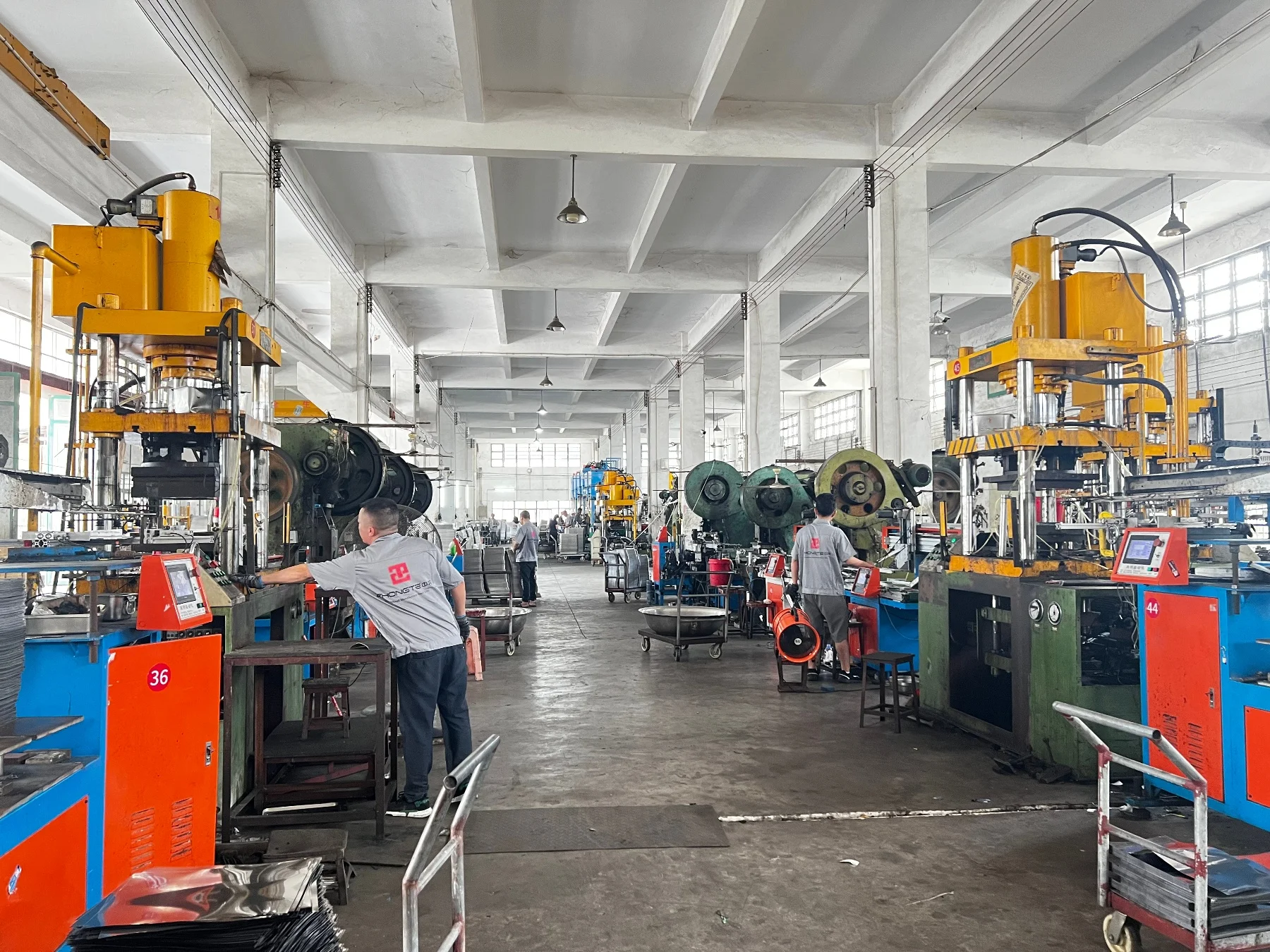
Guangdong Zhongte Stainless Steel Industrial Co., Ltd.
- Manufacturer, Trading Company
- Guangdong, China
- Lead time20 days
- Avg. response≤ 4h
Main productsGastronom Pan/Chafing Dish/Serving Tray,Food Container/Mixing Bowls
Main marketsNorth America(30.00%), Domestic Market(20.00%), Mid East(20.00%), South America(20.00%), Northern Europe(10.00%)
Yongkang Gcook Imp&Exp Co., Ltd.
- Verified by SGS Group
- Trading Company
- Lead time0 days
- Avg. response≤ 2h
Main productsSauce Pots, Roasting Pans, Fry Pans, Stainless Steel Cookware Sets, Soup Pot
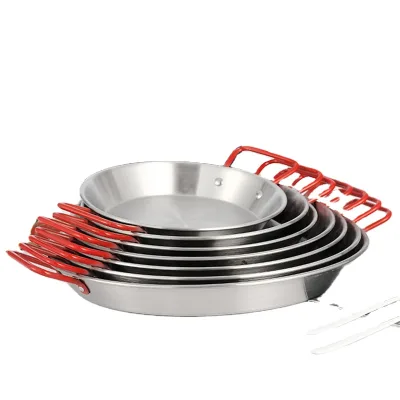
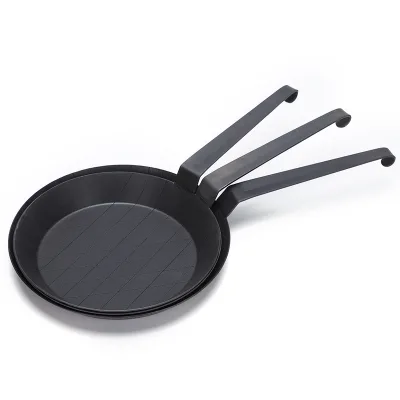
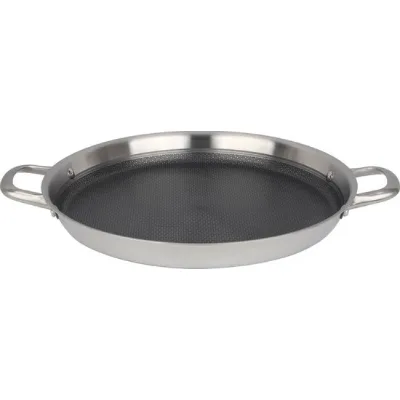
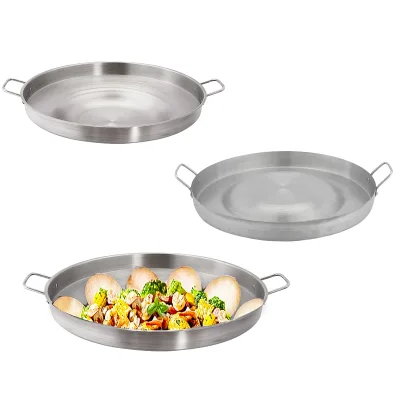
Metal Spanish Sea Food Pan Gas Bottom Iron Carbon Steel Paella Induction
$5.00 - $9.85
MOQ: 10 Minimum
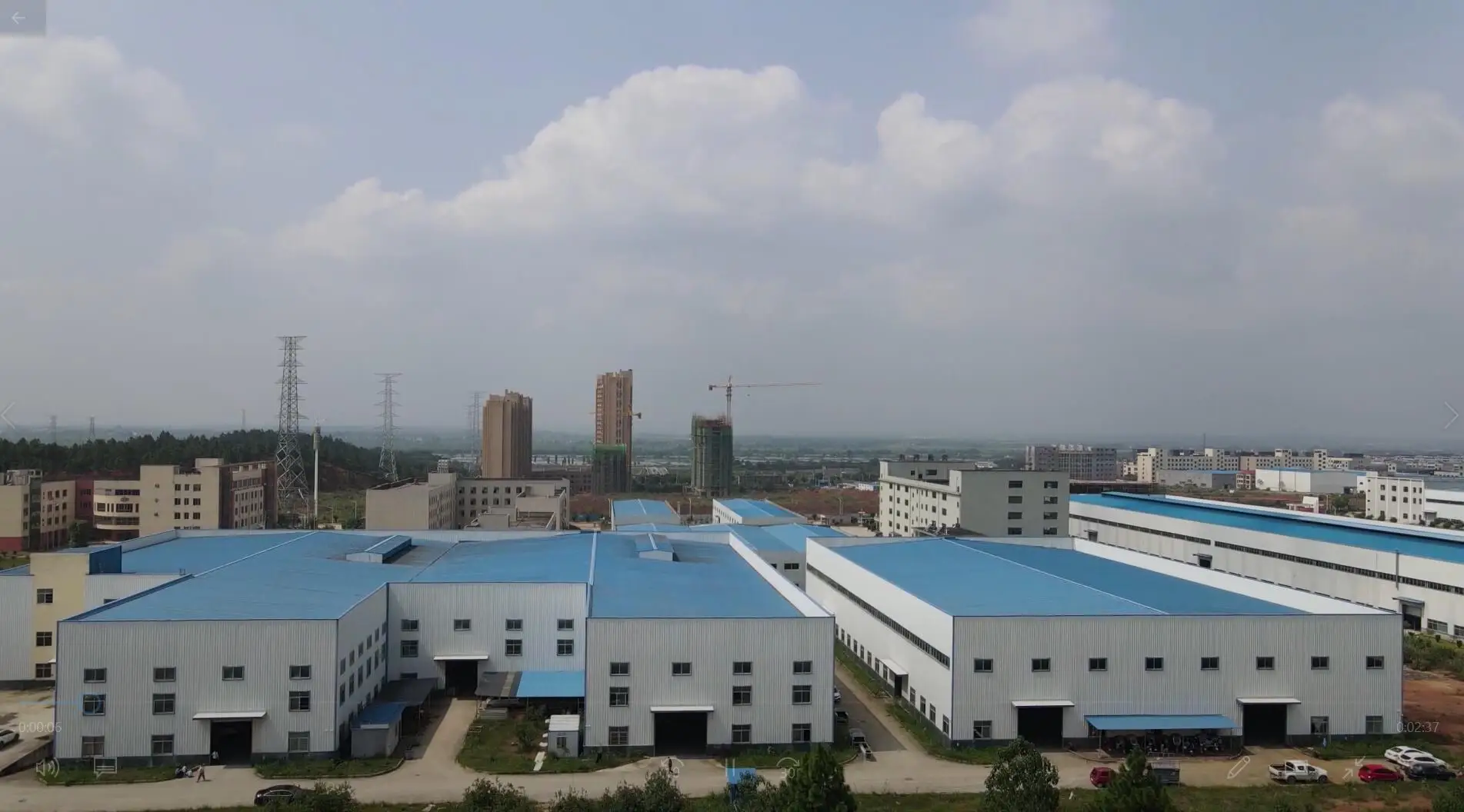
Xiangtan Dana Technology Co., Ltd.
- Trading Company
- Hunan, China
- Lead time35 days
- Avg. response≤ 22h
Main productsCookware,enamel mug & cup,mixing bowl,enamel casserole sets,enamel plate
Main marketsDomestic Market(30.00%), Western Europe(30.00%), North America(20.00%), South America(10.00%), Eastern Europe(5.00%), Southeast Asia(5.00%)
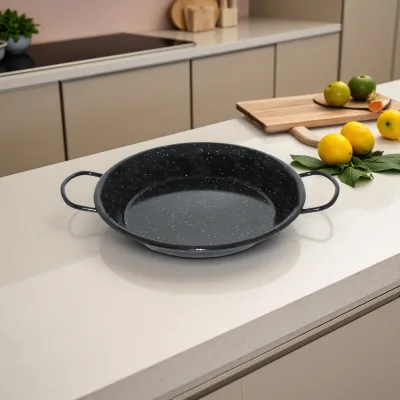
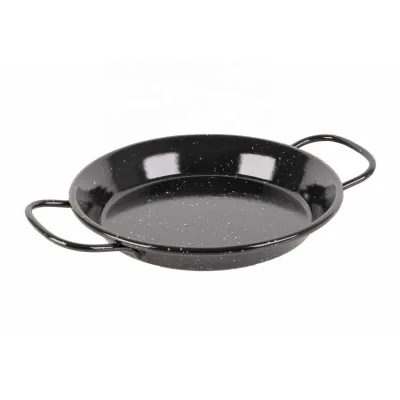
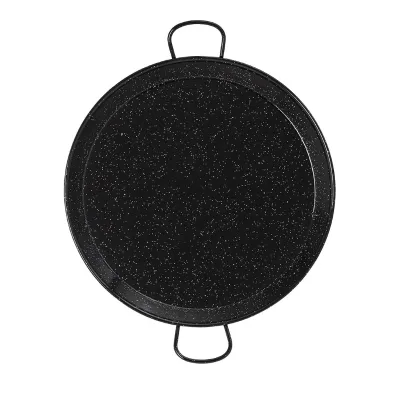
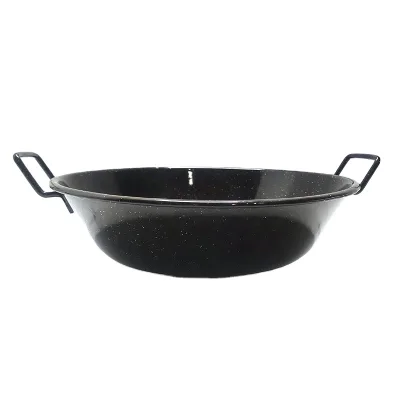
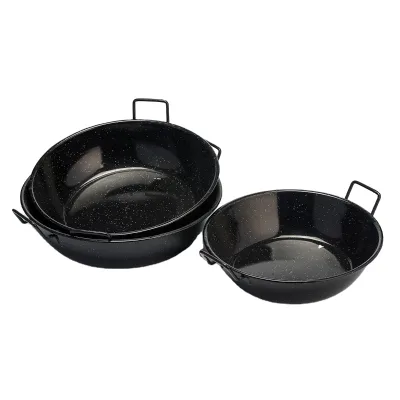
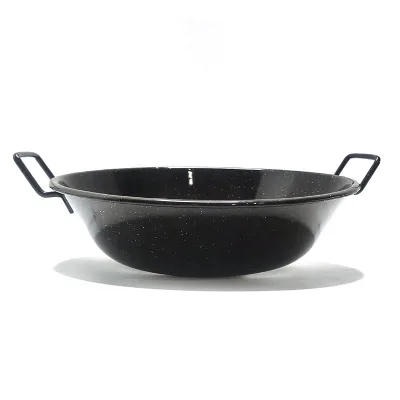
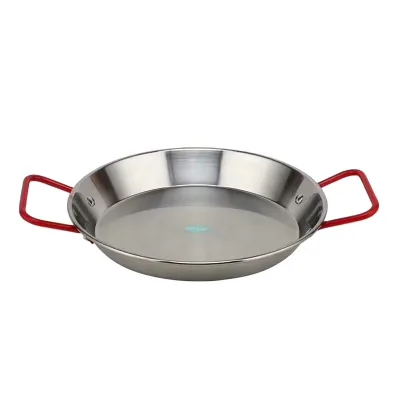
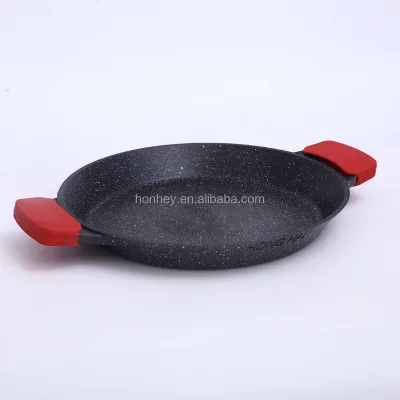
Outdoor Spanish Paella Pan for Gatherings Carbon Steel Paella Pan with Comfortable Red Handles
$1.89 - $2.15
MOQ: 1000 pieces
Dongyang Green Leaves Hardware Electrical Appliance Co., Ltd.
- Trading Company
- Zhejiang, China
- Lead time30 days
- Avg. response≤ 7h
Main productsdie casting casserole,die cating fry pan,sauce pan,elecric skillet,electric hot plate
Main marketsDomestic Market(70.00%), South Asia(10.00%), Mid East(10.00%), South America(10.00%)

Hebei Bigking Cookware Co., Ltd.
- Manufacturer/Factory
- China Hebei
- Lead time23 days
- Avg. response≤ 15h
Main productsCast Iron Cookware, Cast Iron Dutch Oven, Cast Iron Skillet, Cast Iron Grill Pan, Cast Iron Casserole, Cast Iron Oven Dish, BBQ, Fondue Set, Teapot, Frying Pan
Main marketsSouth America,Eastern Europe,North America,Western Europe

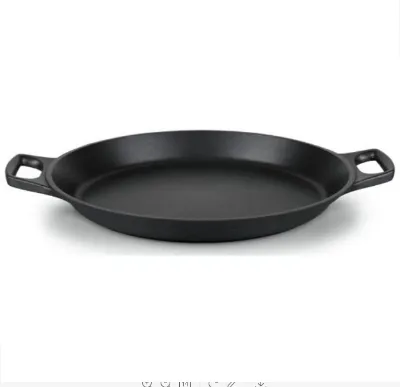
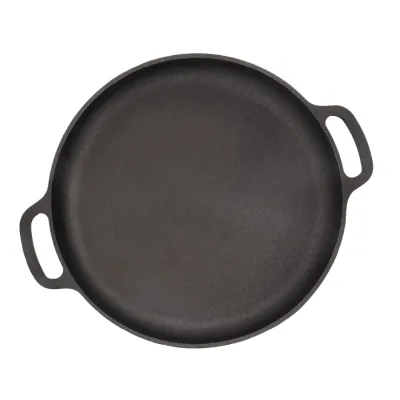
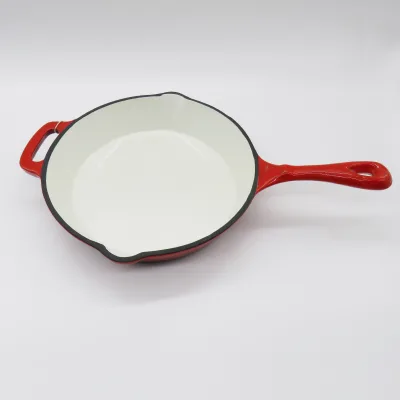
Dia11.5inch Multi Purpose Serving Plate Nonstick Enameled Cast Iron Paella Pan
$8.60 - $11.50
MOQ: 800 Pieces

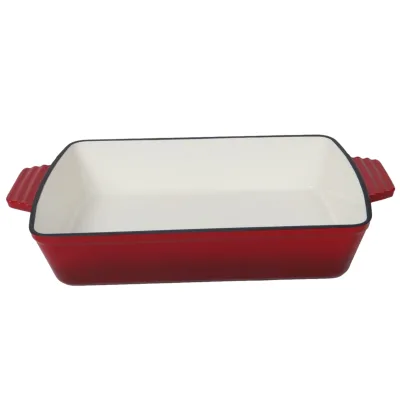
Rectangle Cast Rion Roasting Pan Enamel Coating Lasagna Pan with Best Price
$5.00 - $6.00
MOQ: 500 Pieces


OEM Color Enamel Coated Cast Iron Shallow Casserole for Seafood Paella
$16.00 - $17.90
MOQ: 500 Pieces

Chaozhou City Chaoan Dist. Caitang Town Xinyuan Stainless Steel Factory
- Verified by Intertek
- Manufacturer, Trading Company
- Lead time30 days
- Avg. response≤ 3h
Main productsCooking Pot Set, Kitchen Ware, Cookware Set, Cooking Pot, Steamer Pot
Main marketsDomestic Market(25%), Western Europe(15%), South America(14%)

Guangzhou Nantian Sources Co., Ltd.
- Manufacturer/Factory
- China Guangdong
- Lead time15 days
- Avg. response≤ 5h
Main productsKitchen Equipment, Kitchenware, Food Machine, Kitchen Appliance, Glassware, Food Machinery, Bakery Equipment, Dinnerware, Kitchen Utensils, Food Processor
Main marketsSouth America,Mid East,Southeast Asia,Eastern Asia,Oceania,Africa

Jiangmen Xinxin Houseware Co., Ltd.
- Verified by BV
- Trading Company,Manufacturer/Factory
- China Guangdong
- Lead time30 days
- Avg. response≤ 5h
Main productsLunch Box, Coffeeware, Kitchenware, Chafing Dishes, Gn Pan, Juice Dispenser, Trolley, Stock Pot, Bar Sets, Storages Box
Main marketsEastern Europe,Mid East,North America,Southeast Asia,Eastern Asia,Oceania,Western Europe
Guangzhou Chenfan International Trade Co., Ltd.
- Verified by SGS Group
- Manufacturer, Trading Company
- Lead time21 days
- Avg. response≤ 2h
Main productsStainless Steel Cup, Stainless Steel Bowl, Stainless Steel Plate, Stainless Steel Cutlery, Stainless Steel Dish
Main marketsNorth America(25%), Southeast Asia(25%), Eastern Europe(10%)
Zhejiang Honghai Commodity Co., Ltd.
- Verified by Intertek
- Manufacturer, Trading Company
- Lead time0 days
- Avg. response≤ 5h
Main productsDie Cast Aluminum Cookware, Pressed Aluminum Cookware, Forged Aluminum Cookware, Stainless Steel Cookware
Main marketsDomestic Market(45%), Western Europe(15%), Southeast Asia(12%)

Yong Kang E-Jia Cookware Co., Ltd.
- Trading Company,Manufacturer/Factory
- China Zhejiang
- Lead time45 days
- Avg. response≤ 3h
Main productsCookware Set, Fry Pan, Electircal Wok, Grill Pan, Juicer, Kitchenware, Kitchen Electrical Appliances
Main marketsSouth America,Eastern Europe,Mid East,North America,Southeast Asia,Eastern Asia,Oceania,Western Europe,Africa

Factory Sell Electric Pizza Multipurpose Frying Pan Nonstick Coated Electric Grill Pan
$12.65
MOQ: 1000 Pieces

New Electric Multi Function Electric Grill Cookware Non Stick Coating Baking Pan
$17.60
MOQ: 1000 Pieces


Electric Multi Function Baking Pan Electric Grill Cookware Non Stick Coating Hot Pot
$39.90
MOQ: 500 Pieces


Hebei Forrest Trading Co., Ltd.
- Manufacturer, Trading Company
- Hebei, China
- Lead time45 days
- Avg. response≤ 8h
Main productsCast Iron Cookware,Cast Iron Enamel Cookware,Cast Iron Cookware Sets,Cast Iron Teapot,Cast Iron Pan
Main marketsWestern Europe(31.00%), Northern Europe(15.00%), Africa(10.00%), North America(10.00%), Oceania(7.00%), Eastern Asia(7.00%), Southern Europe(6.00%), Eastern Europe(5.00%), Mid East(3.00%), Domestic Market(3.00%), South Asia(1.00%), Southeast Asia(1.00%), Central America(1.00%)
Shijiazhuang Everfine Co., Ltd.
- Trading Company
- Hebei, China
- Lead time30 days
- Avg. response≤ 5h
Main productsCast iron cookware,cast iron dutch oven,cast iron skillet,Cast iron burner,three legs cast iron pot
Main marketsNorth America(30.00%), Africa(20.00%), Oceania(20.00%), South America(20.00%), Southeast Asia(10.00%)

Linyi Feifan Imp. & Exp. Co., Ltd.
- Verified by TUVRHEINLAND
- Trading Company
- China Shandong
- Lead time30 days
- Avg. response≤ 11h
Main productsEnamel Mug/Cup, Enamel Bowl, Enamel Basin, Enamel Plate/Tray/Kettle, Enamel Casserole/Pot, Enamel Bucket, Safety Shoe/Boot, Safety Gloves
Main marketsSoutheast Asia/ Mideast,Domestic

Hebei Cookwin Kitchen Products Co., Ltd.
- Verified by BV
- Trading Company,Manufacturer/Factory
- China Hebei
- Lead time30 days
- Avg. response≤ 2h
Main productsCast Iron Cookware, Cast Iron Casserole, Cast Iron Frypan, Cast Iron Skillet, Cast Iron Dutch Oven, Cast Iron Griddle, Cast Iron Fondue, Cast Iron Wok, Cast Iron Teapot, Cast Iron Pipe and Fitting
Main marketsSouth America,Eastern Europe,Mid East,North America,Southeast Asia,Eastern Asia,Oceania,Western Europe,Africa


Smokeless and Colorful Enamel Cast Iron Frypan with Enamel Coating Multipurpose Cooking Pan
$4.20 - $4.50
MOQ: 500 Pieces

Chinese Supplier Fish Shape Enamel Porcelain Ceramic Cast Iron Roasting Pan Baking Pan with Cover
$3.00 - $6.00
MOQ: 100 Pieces

$14.90 - $15.00
MOQ: 500 Pieces

Cookwin Nonstick Enamel Porcelain Cast Iron Grill Pan China Manufacturer
$6.00 - $10.00
MOQ: 100 Pieces
Jiangmen Daosheng Stainless Steel Products Co., Ltd.
- Verified by Intertek
- Manufacturer, Trading Company
- Guangdong, China
- Lead time30 days
- Avg. response≤ 2h
Main productsStainless Steel Stock Pot, Stainless Steel Frying Pan, Stainless Steel Work Table, GN PAN, Stainless Steel Rack Trolley
Main marketsNorth America(40%), Eastern Europe(35%), Southeast Asia(15%)
Guangzhou Jiatong Import And Export Trade Co., Ltd.
- Verified by TüVRheinland
- Trading Company
- Lead time0 days
- Avg. response≤ 4h
Main productsHot Pot, Wok, Pressure Cooker, Soup Pot, Frying Pan
Main marketsNorth America(20%), South America(20%), Eastern Europe(20%)

Yongkang Tower industrial and Trade Co., Ltd.
- Trading Company
- China Zhejiang
- Lead time30 days
- Avg. response≤ 17h
Main productsNail Lamp, Electric Kettle
Main marketsSouth America


$6.00 - $12.00
MOQ: 100 Pieces

Xingtai Huaiyang Enamel Co., Ltd
- Verified by SGS
- Trading Company
- China Hebei
- Lead time30 days
- Avg. response≤ 2h
Main productsCast Iron Cookware, Enamel Casserole, Cast Iron Dutch Oven, Cast Iron Skillet, Cast Iron Casserole, Cast Iron Fry Pan, Cast Iron Fondue Set, Cast Iron Pissa Pan, Cast Iron Pot, CAS Iron Griddle
Main marketsDomestic
Hebei Dongchu Import And Export Trade Co., Ltd.
- Trading Company
- Hebei, China
- Lead time25 days
- Avg. response≤ 1h
Main productscast iron skillet & Pan,Cast iron Dutch oven,cast iron teapot,cast iron wok,Cast Iron Casserole
Main marketsNorth America(40.00%), Domestic Market(20.00%), Southern Europe(20.00%)
Guangzhou Chaochu Hotel Supplies Co., Ltd.
- Manufacturer, Distributor/Wholesaler
- Guangdong, China
- Lead time0 days
- Avg. response≤ 4h
Main productsKitchenware,Pots,Buffet Supplies,Cookware,Baking
Main marketsDomestic Market(50.00%), Southeast Asia(30.00%), North America(20.00%)

Hebei Shangqiao Imp. & Exp. Co., Ltd.
- Verified by SGS
- Trading Company
- China Hebei
- Lead time30 days
- Avg. response≤ 14h
Main marketsEurope,North America


Home Cooking Cast Iron Bread Pans Homemade Bread Enamel Cast Iron Bread Pan
$10.66 - $11.34
MOQ: 300 pieces

Chaozhou Youqu Hardware Co., Ltd.
- Trading Company
- Guangdong, China
- Lead time60 days
- Avg. response≤ 2h
Main productsStainless steel plate,Stainless steel bowl,Stainless steel mug,Stainless steel lunch box,Stainless steel Flatware
Main marketsEastern Asia(20.00%), Southeast Asia(20.00%), Northern Europe(20.00%), North America(20.00%), Eastern Europe(10.00%), Southern Europe(5.00%), Western Europe(5.00%)

ZHOUKOU BEST KITCHENWARE CO., LTD.
- Verified by TUVRHEINLAND
- Trading Company
- China Henan
- Lead time15 days
- Avg. response≤ 10h
Main productsEnamelware, Enamel Mug, Enamel Casserole, Enamel Storage Bowl, Enamel Kettle, Enamel Basin, Round Tray, Cup, Enamel Pot, Enamel Plate
Main marketsAfrica,Europe


5 Sets Enamel Casserole Carbon Steel Casserole with Different Coating Pattern
$5.00 - $9.50
MOQ: 8000 Sets

- Verified by BV
- Trading Company
- China Zhejiang
- Lead time30 days
- Avg. response≤ 12h
Main productsHousehold Products, Recreation& Game Products, Outdoor Products, Garden Products, Pet Products, Car Products, Daily Use Products
Main marketsSouth America,Africa,Southeast Asia/ Mideast,East Asia(Japan/ South Korea),Europe,Australia,North America

Hebei Debien Technology Co., Ltd.
- Verified by TUVRHEINLAND
- Trading Company
- China Hebei
- Lead time30 days
- Avg. response≤ 5h
Main productsCast Iron Pulley, Taper Lock Bush, Transmission Pulley, Casting Part, Cast Iron Cookware, Dutch Oven
Main marketsSouth America,Africa,Southeast Asia/ Mideast,East Asia(Japan/ South Korea),Europe,Australia,North America

Frying Pan Large 31.5 Cm Nonstick Coating Enamel Cast Iron Fry Pan Skillet Cookware
$3.10 - $7.10
MOQ: 100 Pieces

$13.50 - $15.80
MOQ: 100 Pieces

Zensun Stainless Steel Products Co. , Ltd.
- Verified by SGS
- Trading Company
- China Guangdong
- Lead time30 days
- Avg. response≤ 8h
Main productsGn Pan, Chafing Dish, Food Tray, Stock Pot, Kettle, Cutlery, Kitchenware, Cookware, Restraurant and Hotel Supplies, Milk Pot
Main marketsDomestic
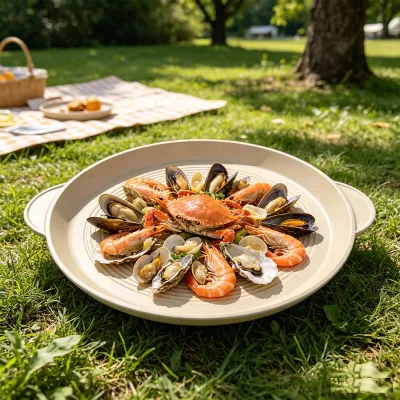
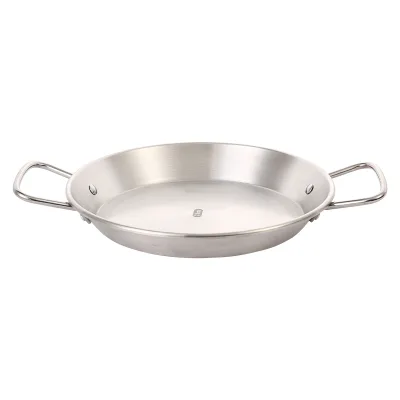
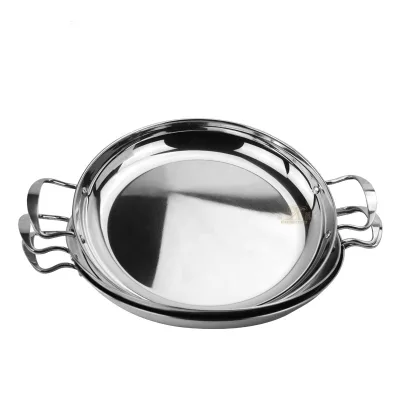


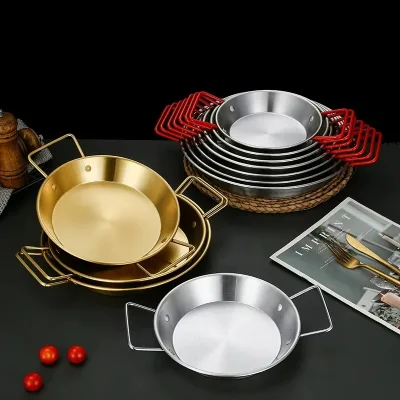


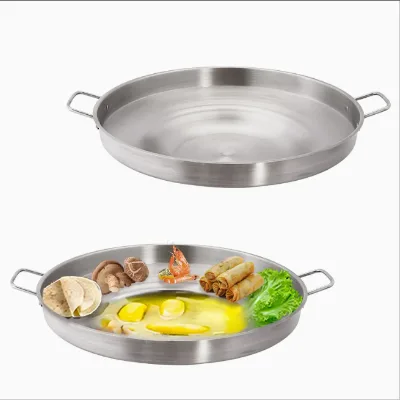
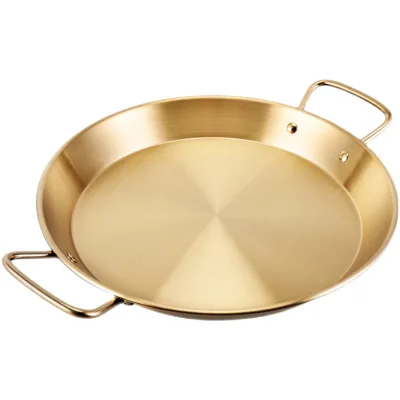
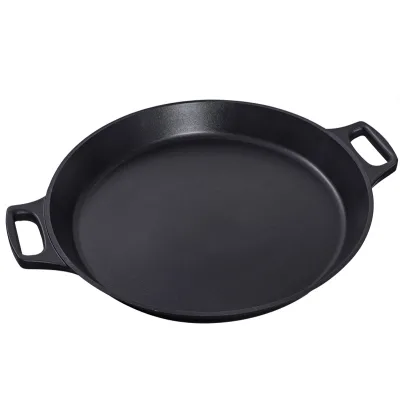


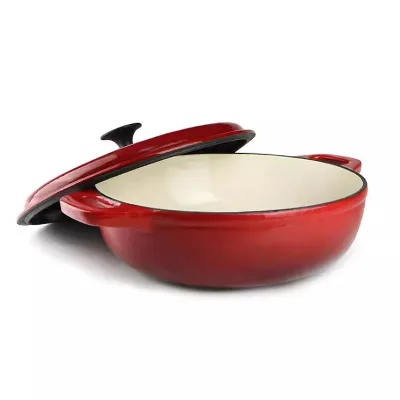
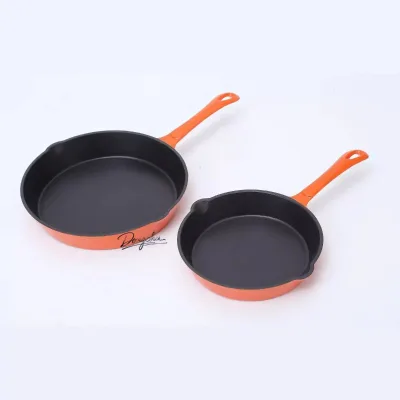
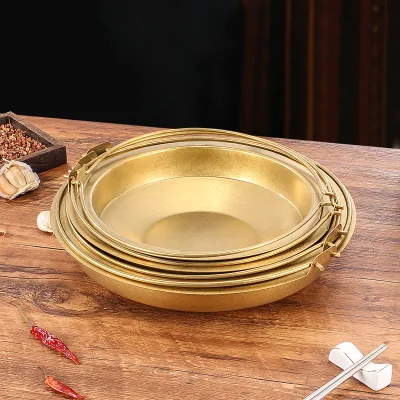
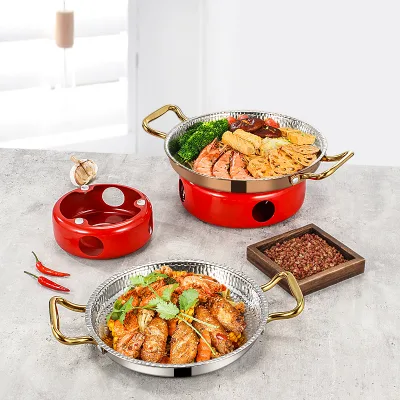
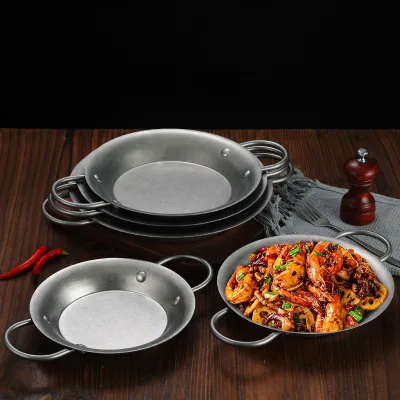


Comprehensive Sourcing Guide
Enamel Coating Electric Paella Pan Supplier Concentration and Factory Types
Current supplier data indicates manufacturing activity concentrated in specific Chinese provinces, with verified results showing locations in Hunan and Guangdong. These regions host a mix of company types, including pure trading companies and hybrid entities that function as both manufacturers and traders. The presence of trading companies suggests a supply chain where sourcing agents may aggregate products from various workshops, while manufacturer-traders imply direct factory access for certain product lines. Buyers should note that the specific factory type influences the depth of customization available and the directness of communication regarding production schedules.
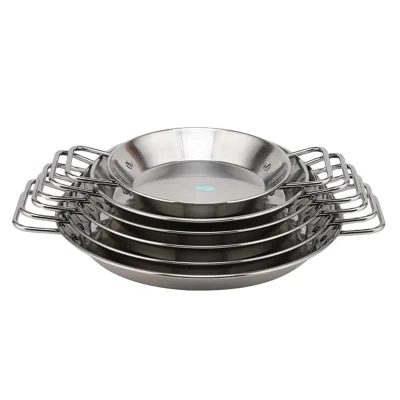
When evaluating the concentration of these suppliers, it is essential to distinguish between entities that simply resell goods and those that control the enamel coating process. Some suppliers list main products such as enamel casserole pots, mugs, and non-stick frying pans alongside paella pans, indicating a broader kitchenware focus. Others specialize in specific cookware types like cast iron or stainless steel variants. The distinction matters because a supplier with a dedicated manufacturing line for enamel coating may offer more consistent quality control than a trading company sourcing from multiple external factories. Buyers must verify the actual production capability rather than relying solely on the company type label provided in the listing.
How to Verify Enamel Coating Electric Paella Pan Suppliers
Verification of supplier credibility relies heavily on third-party audit reports and specific product certifications found in the listing data. One observed verification status is SGS, which serves as a tangible indicator of a supplier's commitment to meeting international quality standards. Additionally, product attributes may list certifications such as LFGB, which is critical for food contact safety, particularly for enamel-coated items that come into direct contact with acidic ingredients like tomatoes or wine. Buyers should prioritize suppliers who explicitly display these certifications in their product attributes rather than those that make general claims without supporting documentation.
Beyond certifications, the response time and verification status provide immediate insights into supplier reliability. Data shows response times ranging from 4 to 5.82 hours, which can indicate the efficiency of the sales team and the likelihood of timely communication during the negotiation phase. A faster response time often correlates with a more active and organized sales operation. Furthermore, buyers should check if the supplier accepts customized logos and offers customization services, as this reflects their flexibility and willingness to engage in a partnership. The presence of detailed product attributes, such as specific material grades like SS201 or porcelain enamel, also serves as a verification of technical competence.
What to Compare Across Enamel Coating Electric Paella Pan Suppliers
Comparing suppliers requires a systematic analysis of key operational metrics, including lead times, minimum order quantities, and pricing structures. Lead times in the current data vary significantly, with some suppliers offering a 20-day turnaround while others require 30 days. This difference can impact inventory planning and market responsiveness, making it a critical factor in the selection process. Similarly, minimum order quantities (MOQ) range from 100 sets to 2000 sets, which dictates the financial risk and capital required for initial orders. Buyers must align these MOQs with their projected sales volume to avoid overstocking or underutilizing production capacity.
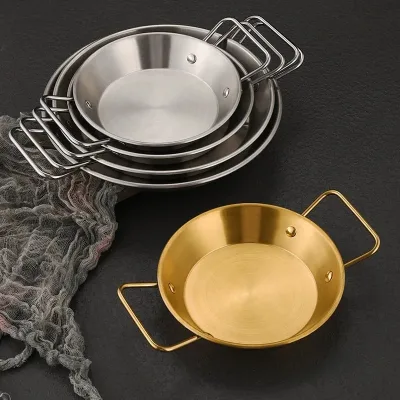
Pricing and product specifications also vary widely across the supplier base, necessitating a detailed comparison of unit costs and material quality. Price ranges observed include values between $1.69 and $1.80 per unit, but these figures must be evaluated against the specific product attributes such as coating type, handle material, and diameter options. Some suppliers offer carbon steel pans with enamel coating, while others provide stainless steel variants with different thicknesses and handle configurations. Buyers should compare the specific dimensions, such as diameters ranging from 20cm to 38cm, and the availability of custom colors or decals. A lower price may not always indicate better value if the material thickness or coating durability is compromised.
Common Enamel Coating Electric Paella Pan Sourcing Risks
One significant risk in sourcing enamel-coated cookware involves the potential inconsistency in coating quality and adhesion. While some products are described as having an enamel coating, the specific application method, such as handmade versus machine-applied, can affect the final durability and resistance to chipping. The data indicates that some products are handmade, which introduces variability in the finish that may not meet strict commercial standards. Buyers must request samples to test the coating's resistance to thermal shock and mechanical impact before committing to large orders, as visual inspection alone is insufficient to guarantee long-term performance.
Another critical risk relates to the supply chain transparency and the accuracy of the stated origin and material composition. Although some listings specify the place of origin as Guangdong or Hunan, and materials as SS201 or porcelain, there is a risk of misrepresentation if the supplier is a trading company without direct factory oversight. The presence of multiple product lines, such as mixing bowls and serving trays, alongside paella pans, may indicate a lack of specialized focus. Buyers should verify the actual manufacturing location and request detailed material test reports to ensure the stainless steel or enamel composition matches the advertised specifications. Failure to do so can result in receiving products that do not meet safety or performance expectations.
Enamel Coating Electric Paella Pan Regional Sourcing and Logistics
Regional sourcing strategies must account for the specific logistics capabilities of suppliers located in Hunan and Guangdong. These regions offer distinct advantages in terms of port access and shipping infrastructure, with some suppliers listing dispatch ports such as Shantou or Shenzhen. The proximity to major shipping hubs can reduce transit times and lower freight costs, making these locations attractive for international buyers. However, buyers should verify the specific port of dispatch for each order, as this can vary based on the supplier's current logistics arrangements and the size of the shipment.
Logistics planning also involves understanding the packaging standards and single package dimensions provided by the suppliers. Data indicates that products are often packed in color boxes or poly bags, with specific dimensions like 35x35x10 cm for certain models. These packaging details are crucial for calculating container loading efficiency and estimating shipping costs accurately. Buyers should confirm whether the packaging is robust enough to protect the enamel coating during transit, as chipping can occur if the items are not adequately cushioned. Additionally, the single gross weight of items, such as 2.000 kg for specific pans, must be factored into the overall freight calculation to ensure budget accuracy.
Enamel Coating Electric Paella Pan Commercial Terms and Order Planning
Commercial terms and order planning require careful attention to payment structures, customization options, and delivery schedules. The availability of customized logos and colors is a key differentiator, with some suppliers offering these services while others may have limited flexibility. Buyers should clarify the lead time implications of customization, as adding a custom logo or specific color may extend the standard production window. Understanding the specific terms for customization, such as the minimum order quantity required for a custom design, is essential for effective budgeting and timeline management.
Order planning must also consider the supply ability and production capacity of the selected supplier. Some suppliers list a supply ability of 20,000 pieces per month, which provides a baseline for scaling orders. However, buyers should verify if this capacity is consistent during peak seasons or if it fluctuates based on raw material availability. The combination of lead time, MOQ, and supply ability determines the feasibility of meeting market demand. Buyers should establish a clear communication channel to monitor production progress and ensure that the supplier can meet the agreed-upon delivery dates, especially when dealing with large volume orders that require precise scheduling.
FAQs
What is the typical lead time for enamel paella pans?
The typical lead time for these products is 30 days based on current supplier data. Some manufacturers in Guangdong offer a faster 20-day turnaround for specific orders. Buyers should confirm exact delivery schedules with the supplier before placing bulk orders to ensure timely arrival.
What is the minimum order quantity for enamel cookware?
Minimum order quantities vary by product type and supplier. Some listings require 2000 sets for specific enamel mussel pots, while others accept orders as low as 100 units for stainless steel paella pans. Buyers must check the specific MOQ listed for each product model before purchasing.
Are these paella pans suitable for electric stoves?
Yes, many enamel and stainless steel paella pans are designed for use on electric ranges and hot plates. Product attributes confirm compatibility with gas stoves, electric ranges, and ceramic stoves. Always verify the specific application list for the model you intend to purchase to ensure safety.
What certifications do these paella pans hold?
Some stainless steel paella pans carry LFGB certification, indicating compliance with food safety standards. Suppliers are also verified by SGS for general quality assurance. Buyers should request specific certification documents for the exact product model to confirm material safety and regulatory compliance for their target market.
Where are these enamel paella pans manufactured?
Manufacturing locations include Hunan and Guangdong provinces in China. Specific product origins are listed as China for various enamel and stainless steel models. Buyers can filter search results by these regions to find suppliers with specific logistical advantages or regional expertise in cookware production.
What is the price range for enamel paella pans?
Current price ranges for these items span from approximately 1.69 to 1.80 USD per unit. Pricing depends on material, size, and customization options like logos or colors. Buyers should compare multiple listings to find the best value, as prices fluctuate based on order volume and specific product features.
Can I customize the logo on these pans?
Yes, customized logos are available for many enamel and stainless steel paella pan models. Suppliers offer options for customizing colors, decals, and branding on the product surface. This service allows buyers to create unique branded cookware lines while maintaining the quality and functionality of the base product.