Environment Protection Paint Cabin Suppliers and Manufacturers
Source 22 verified Environment Protection Paint Cabin suppliers from China Guangdong. Compare ISO 9000 certified factories with CE standards, 23-day lead times, and prices from $6,000. Request quotes to verify response times and MOQs; review the available evidence before requesting comparable quotations from suitable candidates.
Updated
Suppliers List

Guangzhou Infitech Mechanical and Electrical Equipment Co., Ltd.
- Manufacturer/Factory
- China Guangdong
- Lead time23 days
- Avg. response≤ 7h
Main productsSpray Booth, Automotive Spray Booth, Paint Baking Oven, Spray Baking Booth, Prep Station, Car/Auto Spray Booth, Industrial Paint Booth, Bus/Truck Paint Booth, Mixing Room, Car/Auto Painting Room
Main marketsSouth America,Eastern Europe,Mid East,North America,Southeast Asia,Eastern Asia,Oceania,Western Europe,Africa

Paint Shop Paint Shops Painting Cabin Painting Cabins for Car Varnishing
$7900.00 - $18010.00
MOQ: 1 Sets


Auto Spray Booth/Paint Booth/Painting Cabin/Spray Paint Cabin/Paint Cabin
$6000.00 - $20000.00
MOQ: 1 Sets


Guangzhou Aucare Automobile Technology Co., Ltd.
- Verified by TüVRheinland
- Trading Company
- Lead time15 days
- Avg. response≤ 1h
Main productsSpray Booths, Tire Repair Equiments And Tools, Automotive Repair Equipments, Powder Coating Equipments, Dust Collection Equipments
Main marketsNorth America(20%), Eastern Europe(20%), South America(10%)

Yancheng Biaosin Import&Export Co., Ltd.
- Trading Company
- Jiangsu, China
- Lead time0 days
- Avg. response≤ 7h
Main productsPaint Spray Booth, Retractable Spray Paint Booth, Powder Coating Line, Car Washing Equipment, Car Lift Machine
Main marketsSoutheast Asia(55.00%), Eastern Europe(20.00%), Domestic Market(10.00%), Mid East(10.00%), Oceania(5.00%)
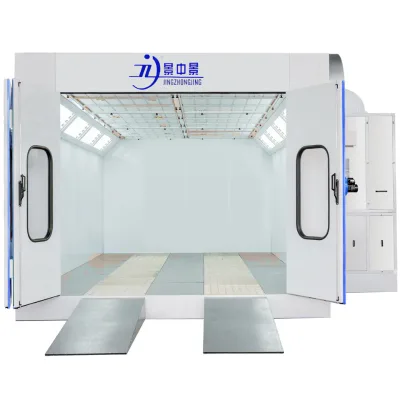
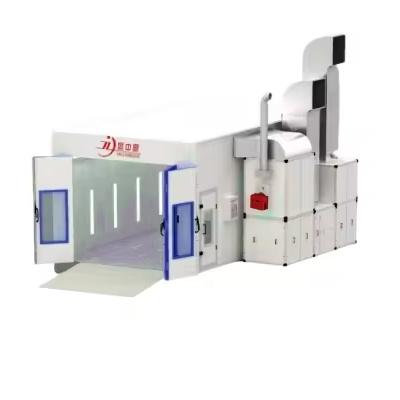
Multi Layer Paint Cabin Electrically Heated for Basecoat and Clearcoat on Cars
$5000.00 - $5500.00
MOQ: 1 Minimum
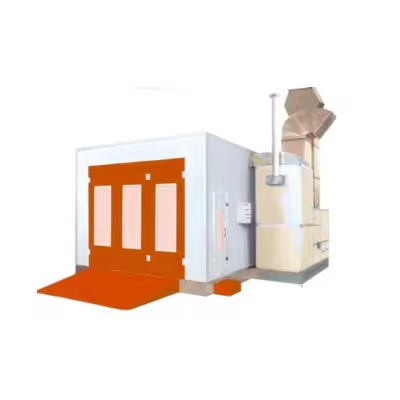
Dual Mode Paint Cabin Electrically Heated for Water-Based & Solvent Paints
$5252.83 - $5778.113
MOQ: 1 Minimum
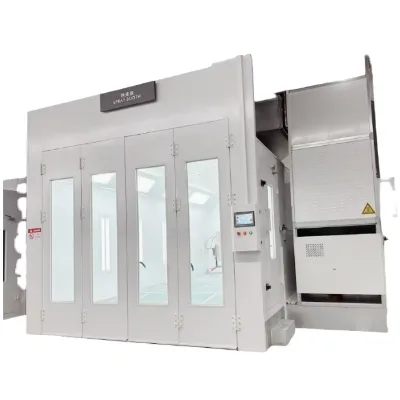

Yantai Xingyue Coating Equipment Co., Ltd
- Verified by TUVRHEINLAND
- Combined
- China Shandong
- Lead time30 days
- Avg. response≤ 1h
Main productsSpray Booth, Powder Coating Line, Sandblasting Booth, Shot Blasting Booth, Painting Line, Customized Spray Booth, Environmental Protection Equipment, Pretreatment System, Drying Room, Baking Booth
Main marketsDomestic


Luxury Full Downdraft Automotive Paint Cabin with Noise Reduction Technology
$8000.00 - $10000.00
MOQ: 1 piece


Jinan Xin Aoxin Coating Equipment Co., Ltd.
- Verified by Intertek
- Manufacturer, Trading Company
- Lead time15 days
- Avg. response≤ 1h
Main productsPaint Spraying Room, Retractable Paint Booth, Car Lift, Auto Body Repair Equipment, Filter Cotton
Main marketsDomestic Market(30%), North America(15%), South America(15%)
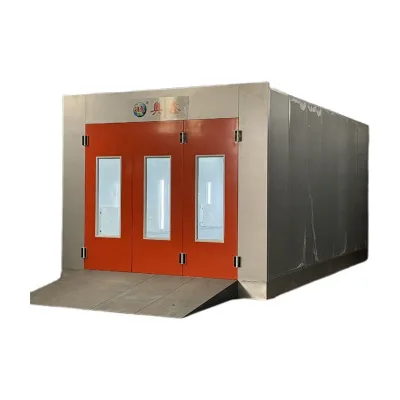
$3053.4736 - $3770.7323
MOQ: 1 pieces
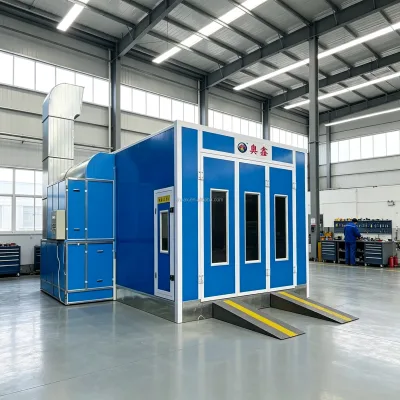
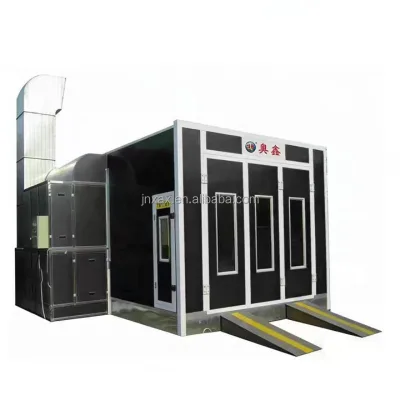
Eco-Friendly Cabina de Pintura Hybrid Paint Booth Lackierkabine Low VOC for Auto Service
$3996.1556 - $4713.4143
MOQ: 1 sets
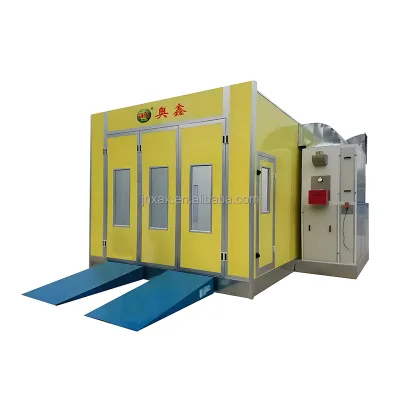
Compact and Efficient Car Paint Cabin with Electric Heating System for Small Spaces
$1500.00 - $6000.00
MOQ: 1 Minimum

Guangdong Jingzhongjing Industrial Painting Equipments Co., Ltd.
- Combined
- China Guangdong
- Lead time30 days
- Avg. response≤ 13h
Main productsSpray Booth, Paint Booth, Automotive Paint Booth, Bake Over, Bake Booth, Prep Station, Car Lift, Car Spray Booth, Car Paint Booth, Protection Product
Main marketsSouth America,Africa,Southeast Asia/ Mideast,East Asia(Japan/ South Korea),Domestic,Europe,Australia,North America

Customized Spray Booth Heavy Duty Paint Booth Truck Paint Booth Large Painting Cabin
$27900.00 - $28000.00
MOQ: 1 Sets

Big Industrial Paint Spray Booth Cabin with Exhausts by Each Side Wall Along The Bottom of The Booth
$25000.00 - $65000.00
MOQ: 1 Sets
Guangzhou Weilongda Electromechanical Equipment Co., Ltd.
- Verified by SGS Group
- Manufacturer, Trading Company
- Lead time7 days
- Avg. response≤ 2h
Main productsSpray Booth/Powder Coating Booth/Prep Bay/Garage Equipment, Powder Coating Line
Main marketsAfrica(10%), Mid East(10%), Western Europe(10%)
Guangdong Chaomai Automation Technology Co., Ltd.
- Verified by Intertek
- Manufacturer, Trading Company
- Lead time0 days
- Avg. response≤ 3h
Main productsProduction Line, Automated Equipment, Spray Drying and Curing Equipment, Robots and Applications
Main marketsDomestic Market(50%), Mid East(10%), Southeast Asia(6%)
- Manufacturer
- Guangdong, China
- Lead time15 days
- Avg. response≤ 3h
Main productsSpray booths,car lifts,car bench,retractable spray booth,preparation booth
Main marketsEastern Europe(15.00%), Western Europe(10.00%), Eastern Asia(10.00%), Mid East(10.00%), South Asia(10.00%), Southeast Asia(10.00%), Northern Europe(10.00%), Southern Europe(10.00%), South America(7.00%), North America(5.00%), Africa(3.00%)

Guangzhou Weilongda Electromechanical Equipment Co., Ltd.
- Combined
- China Guangdong
- Lead time23 days
- Avg. response≤ 2h
Main productsSpray Paint Booth, Powder Coating Line, Prep Station, Auto Lifter, Air Compressor, Car Frame Machine, Wheel Balancer, Wheel Alignment, Auto Repair Equipment, Tire Changer
Main marketsSouth America,Africa,Southeast Asia/ Mideast,Europe,Australia,North America


Wld20000 Truck Paint Booth for Sale / Bust Painting Cabin in Thailand CE
$10000.00 - $50000.00
MOQ: 1 Pieces

Shandong Wanshi Environmental Protection Technology Co., Ltd
- Verified by TUVRHEINLAND
- Combined
- China Shandong
- Lead time15 days
- Avg. response≤ 11h
Main productsPaint Booth
Main marketsDomestic

Mobile Retractable Paint Cabin for Heavy Equipment and Metal Structure Coating
$2400.00 - $2600.00
MOQ: 1 Pieces

$2400.00 - $2600.00
MOQ: 1 Pieces

$2400.00 - $2600.00
MOQ: 1 Pieces


Telescopic Industrial Spray Painting Cabin for Machinery Furniture and Metalwork
$2400.00 - $2600.00
MOQ: 1 Pieces
Hebei Qiaolan Environmental Protection Technology Co., Ltd.
- Verified by TüVRheinland
- Manufacturer, Trading Company
- Lead time0 days
- Avg. response≤ 1h
Main productsDust Collector, Bag Filter, Bag Dust Collector, Filter
Main marketsDomestic Market(50%), Southeast Asia(20%), Oceania(10%)
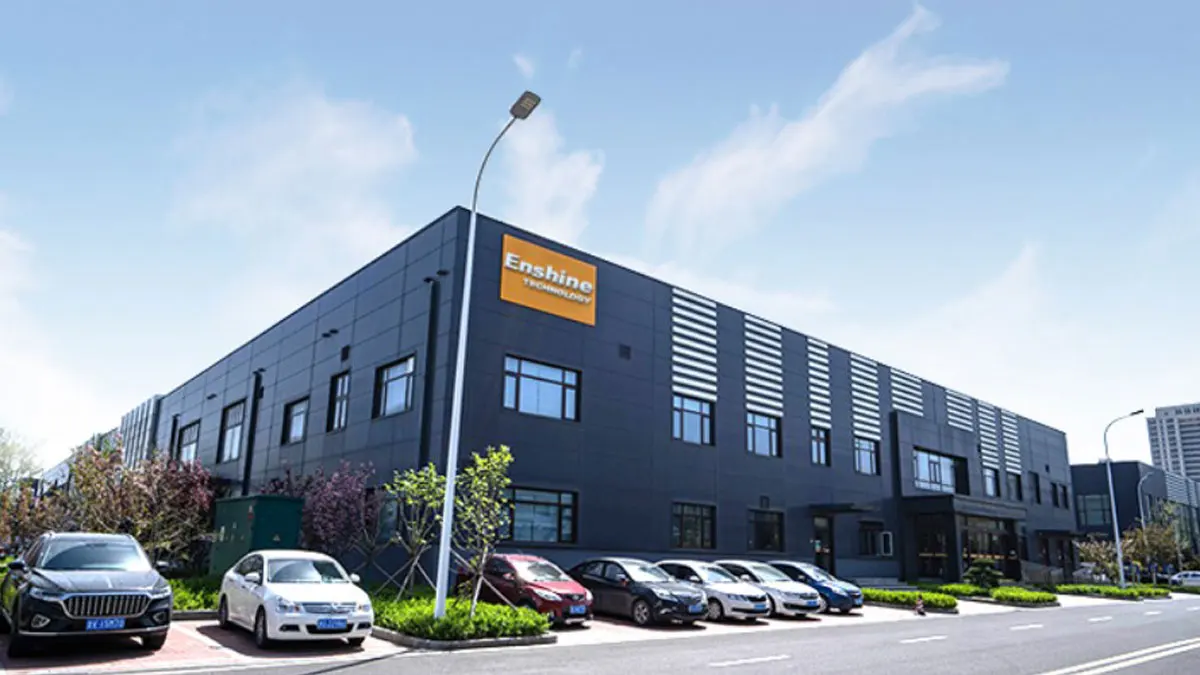
Shandong Enshine Machinery Technology Co., Ltd.
- Manufacturer, Trading Company
- Shandong, China
- Lead time10 days
- Avg. response≤ 2h
Main productsPowder coating line,Spray booth,Powder coating oven,Car spray booth,Powder coating booth
Main marketsDomestic Market(10.00%), Africa(10.00%), South Asia(10.00%), Mid East(10.00%), Northern Europe(10.00%), North America(10.00%), Eastern Europe(6.00%), Southeast Asia(5.00%), Southern Europe(5.00%), South America(5.00%), Central America(5.00%), Western Europe(5.00%), Eastern Asia(5.00%), Oceania(4.00%)
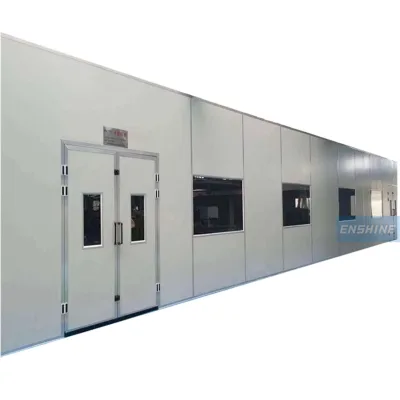
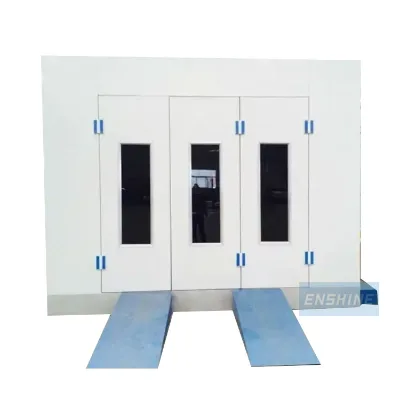
Custom Single Phase Spray Painting Booth /electric Ce Paint Cabin/small Paint Spray Booth
$4500.00 - $5200.00
MOQ: 1
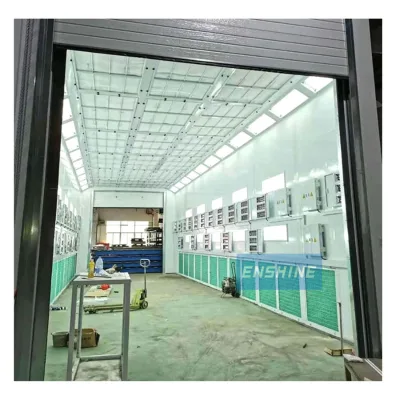
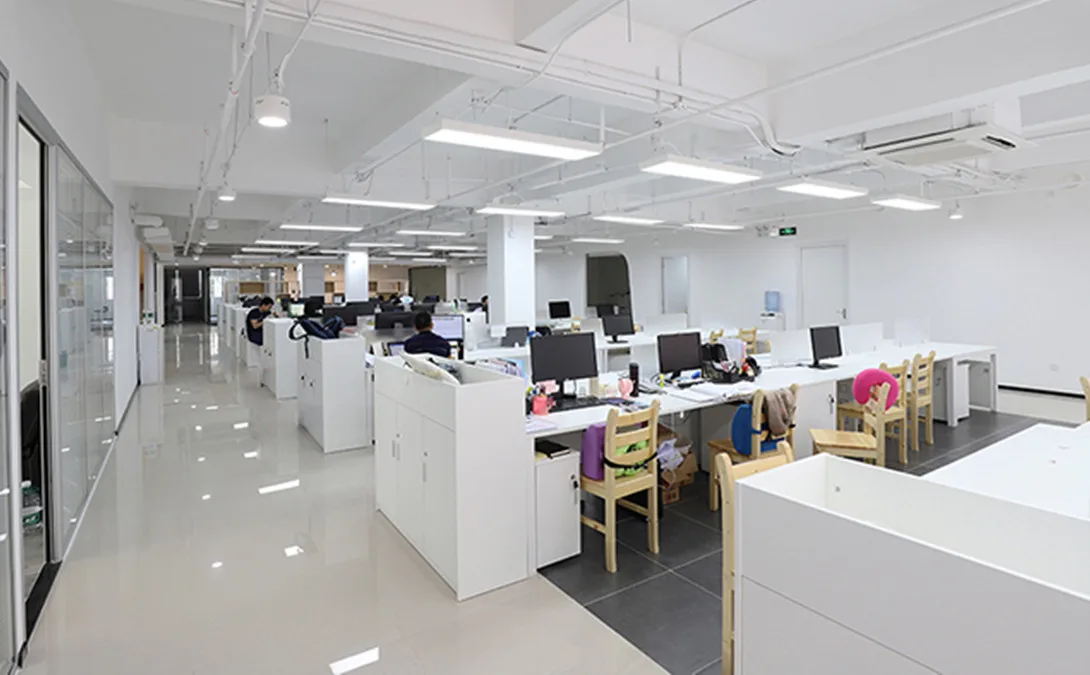
Jinan Aos International Co., Ltd.
- Trading Company
- Shandong, China
- Lead time15 days
- Avg. response≤ 1h
Main productsSpray booth,tire triple machine,Car repair equipments,oil burner,car frame machine
Main marketsEastern Europe(20.00%), Western Europe(20.00%), South Asia(18.00%), Southeast Asia(15.00%), Eastern Asia(5.00%), Mid East(5.00%), Oceania(5.00%), Africa(5.00%), South America(3.00%), North America(3.00%), Domestic Market(1.00%)
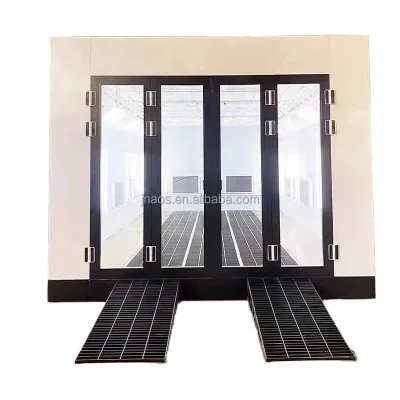
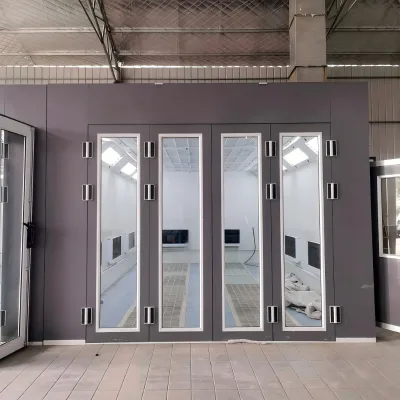
New Designed Car Paint Booth With Good Front Doors
$4500.00 - $6000.00
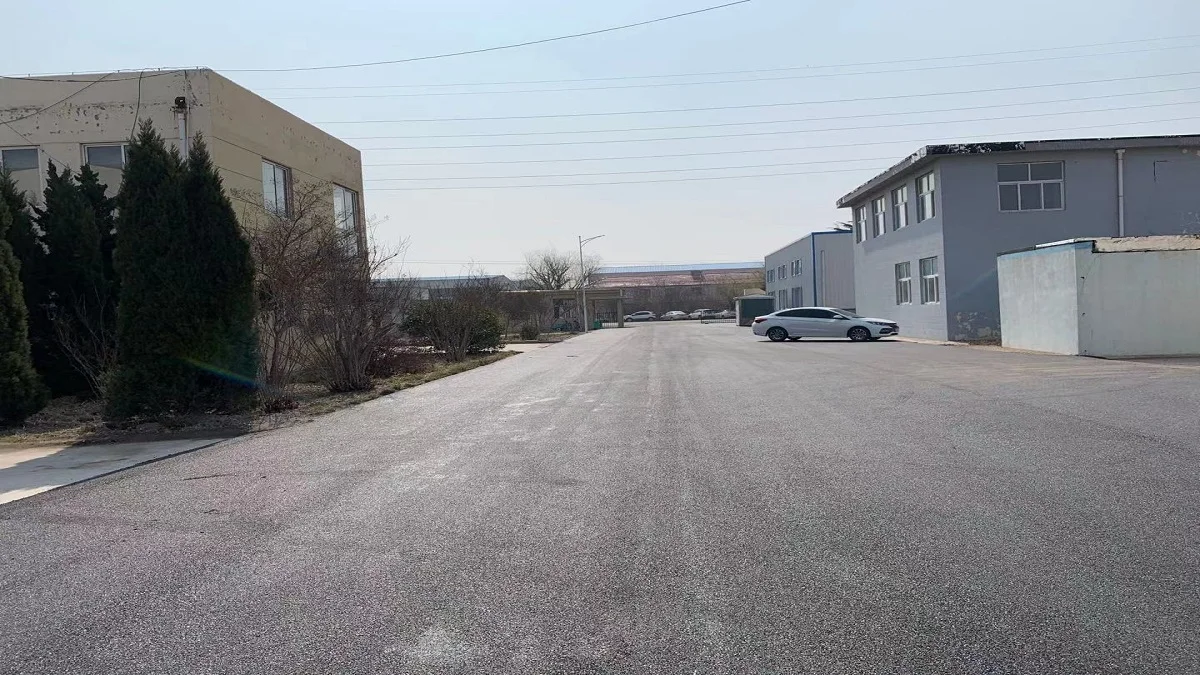
Qingdao Hua Yushun Commercial Co.,ltd
- Manufacturer, Trading Company
- Shandong, China
- Lead time7 days
- Avg. response≤ 10h
Main productsspray booth,powder coating booth,dust removal system,waste gas treatment,sandblasting booth
Main marketsEastern Europe(40.00%), Oceania(20.00%), Western Europe(10.00%), Southeast Asia(6.00%), Mid East(4.00%), Africa(4.00%), Eastern Asia(3.00%), Northern Europe(2.00%), Central America(2.00%), South America(2.00%), North America(2.00%), Domestic Market(1.00%), South Asia(1.00%), Southern Europe(1.00%)

Qingdao Hua Yushun Commercial Co., Ltd.
- Verified by TUVRHEINLAND
- Combined
- China Shandong
- Lead time15 days
- Avg. response≤ 8h
Main productsCar&Furniture Spray Booth, Garage Equipment, Paint Room, Drying Chamber, Automobile Maintenance Equipment, Wood Working Machine, Car Lift, Tyre Changer, Wheel Balancer, Baking Oven
Main marketsEurope,Australia


$7000.00 - $9600.00
MOQ: 1 Sets

Jinan Tiansheng Environmental Protection Equipment Co., Ltd.
- Verified by TUVRHEINLAND
- Manufacturer/Factory
- China Shandong
- Lead time45 days
- Avg. response≤ 4h
Main productsEnvironmental Protection Equipment, Central Dust Removal System, Catalytic Combustion Equipment, Cyclone Tower, Fixed Spray Booth
Main marketsSouth America,Eastern Europe,Mid East,North America,Southeast Asia,Eastern Asia,Oceania,Western Europe,Africa

Folding Paint Booth Car Paint Spray Booth / Portable Spray Painting Cabins Used
$1000.00 - $6000.00
MOQ: 1 Sets

$2671.00 - $5765.00
MOQ: 1 Sets

$2499.00 - $5200.00
MOQ: 1 Sets

$1000.00 - $6000.00
MOQ: 1 Sets

$1000.00 - $6000.00
MOQ: 1 Sets
Guangdong Jingzhongjing Industrial Painting Equipment Co., Ltd.
- Verified by TüVRheinland
- Manufacturer, Trading Company
- Lead time30 days
Main productsIndustrial Coating Production Line, Powder Coating Line, Spray Booth, Sandblasting Booth, Water Test Booth
Main marketsMid East(20%), Southeast Asia(16%), South America(8%)

Qingdao Antai Heavy Industry Machinery Co., Ltd.
- Verified by TUVRHEINLAND
- Combined
- China Shandong
- Lead time30 days
- Avg. response≤ 7h
Main productsShot Blasting Machine, Dust Collector, Sand Blasting Machine, Dustless Blasting, Air Compressor, Sand Blasting Room, Sand Conditioning Equipment, Moulding Machine, Sand Mixer, Foundry Equipment
Main marketsSouth America,Others(foreignTradeCapacity.exportBusinessCapacityMarketOther),Southeast Asia/ Mideast
Guangzhou Baohua Auto Maintenance Equipment Trade Co., Ltd.
- Verified by TüVRheinland
- Trading Company
- Lead time2 days
- Avg. response≤ 2h
Main productsSpray Booth, Car Lift, Dent Pulling Machine, Wheel Alignment Machine, Auto Frame Straightening Machine
Main marketsAfrica(25%), Southeast Asia(20%), Eastern Europe(10%)
Guangzhou Qiangxin Environmental Protection Electromechanical Equipment Co., Ltd.
- Verified by SGS Group
- Manufacturer, Trading Company
- Lead time10 days
- Avg. response≤ 3h
Main productsSpray Paint Booth, Car Paint Booth, Furniture Spray Booths, Industrial Spray Booth, Powder spray Booth Baking Oven
Main marketsAfrica(30%), Oceania(20%), Mid East(20%)
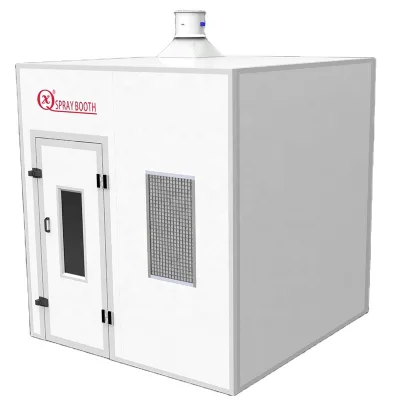
Color Paint Mixing Room with CE Certificate
$3750.00 - $4000.00

Shandong Huidian Import and Export Co., Ltd.
- Verified by SGS
- Combined
- China Shandong
- Lead time15 days
- Avg. response≤ 3h
Main marketsDomestic


$4200.00 - $10000.00
MOQ: 1 Pieces



Comprehensive Sourcing Guide
Environment Protection Paint Cabin Supplier Concentration and Factory Types
The current supplier landscape for environment protection paint cabins reveals a distinct concentration of manufacturing capacity within China, specifically in the Guangdong region. This geographic clustering is significant for buyers seeking direct factory engagement, as the observed results indicate that the primary production hubs are located in Guangdong, with Guangzhou cited as a specific origin point for several models. This concentration suggests a mature industrial ecosystem where supply chains for steel substrates, insulation materials, and electronic components are likely optimized for cost and speed. Buyers evaluating these suppliers should recognize that this regional focus often correlates with established export infrastructure, which can facilitate smoother logistics for heavy industrial equipment like spray booths and paint ovens. The presence of manufacturers in this specific province implies that buyers may benefit from visiting these facilities or leveraging local agents to verify production capabilities, as the density of specialized factories in Guangdong provides a competitive environment for pricing and innovation in automotive and industrial painting solutions.
Regarding company types, the available data confirms that the suppliers in this category operate primarily as manufacturers or factories rather than pure trading entities. This distinction is crucial for buyers who require direct control over quality assurance and customization options. The observed supplier profiles highlight capabilities such as OEM services and the development of own brands like INFITECH, indicating that these factories have the engineering resources to adapt standard designs to specific client needs. This manufacturing focus is further supported by the detailed product specifications provided, which include technical attributes like infrared heating modes, dry-type paint mist treatment, and specific filter areas. These technical details suggest that the suppliers are not merely reselling generic goods but are actively involved in the design and assembly of complex systems. Buyers should prioritize these factory-type suppliers when seeking long-term partnerships, as they are better positioned to offer consistent quality, technical support, and scalable production volumes compared to intermediaries who may lack direct oversight of the manufacturing process.
How to Verify Environment Protection Paint Cabin Suppliers
Verifying the legitimacy and capability of Environment Protection Paint Cabin suppliers requires a rigorous examination of their stated certifications and system standards. The observed results indicate that many suppliers hold ISO 9000 system certification, which serves as a baseline indicator of their quality management processes. However, buyers must go beyond accepting these certifications at face value and request valid certificates from accredited bodies to ensure they are current and applicable to the specific manufacturing facilities. Additionally, product-level certifications such as CE and CCC are frequently listed, which are critical for market access in Europe and China, respectively. Buyers should verify that these certifications cover the specific models they intend to purchase, as compliance can vary across different product lines. It is also advisable to request test reports for key components, such as the electrical systems and heating elements, to ensure they meet international safety standards. This due diligence helps mitigate the risk of purchasing equipment that may not comply with local regulations upon installation, thereby avoiding costly delays or legal issues.
Another critical aspect of verification is assessing the supplier’s responsiveness and operational transparency. The data shows an average response time of approximately 6.68 hours, which provides a benchmark for evaluating communication efficiency. Buyers should test this responsiveness by submitting detailed technical inquiries and observing the speed and quality of the replies. A quick and knowledgeable response often correlates with a supplier’s ability to handle complex orders and provide timely support. Furthermore, buyers should verify the supplier’s production capacity and lead times, which are listed as 23 days in the observed results. This lead time should be cross-referenced with the supplier’s actual production schedule to ensure it is realistic and achievable. Buyers should also inquire about the supplier’s experience with similar projects, asking for references or case studies of previous installations. By combining certification verification with operational assessments, buyers can build a comprehensive profile of each supplier’s reliability and capability, ensuring they partner with entities that can deliver high-quality environment protection paint cabins on time and within budget.
What to Compare Across Environment Protection Paint Cabin Suppliers
When comparing suppliers, buyers should focus on key operational metrics such as lead time, minimum order quantity (MOQ), and response speed to determine which partner best fits their procurement strategy. The observed data indicates a lead time of 23 days, which is a critical factor for projects with tight schedules. Buyers should compare this lead time against their own project timelines to ensure feasibility, while also inquiring about potential expediting options for urgent orders. The MOQ is listed as 1 unit, which offers flexibility for smaller workshops or individual garages, but buyers should also check if volume discounts are available for larger orders. Response time is another vital metric, with an average of 6.68 hours observed. Buyers should compare this across multiple suppliers to identify those with the most efficient communication channels, as quick responses are essential for resolving technical queries and negotiating terms. By evaluating these operational factors, buyers can select suppliers that align with their logistical needs and budget constraints, ensuring a smoother procurement process from inquiry to delivery.
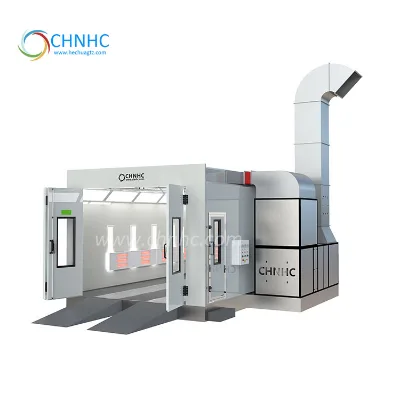
Technical specifications and product features are equally important when comparing suppliers, as they directly impact the performance and suitability of the environment protection paint cabins. The observed results highlight various product attributes, including heating modes such as infrared ray and gas burners, airflow directions like fully undershot-type, and filtration systems with specific filter areas. Buyers should compare these technical details to determine which configuration best suits their specific painting requirements, such as the type of vehicles or parts they intend to paint. Additionally, buyers should compare the power ratings, noise levels, and brightness specifications to ensure the equipment meets their operational standards. For instance, some models offer a brightness of over 1,000 lux, which is beneficial for detailed work, while others may have lower noise levels for a more comfortable working environment. By thoroughly comparing these technical specifications, buyers can make informed decisions that balance performance, efficiency, and cost, ensuring they invest in equipment that delivers the desired results in their specific application.
Common Environment Protection Paint Cabin Sourcing Risks
One significant risk in sourcing environment protection paint cabins is the potential mismatch between advertised specifications and actual product performance. Buyers may encounter suppliers who list impressive technical attributes, such as high airflow volumes or advanced filtration systems, but fail to deliver equipment that meets these claims in practice. This discrepancy can lead to inefficiencies in paint application, increased material waste, and non-compliance with environmental regulations. To mitigate this risk, buyers should request detailed technical documentation and, if possible, conduct factory audits or third-party inspections to verify the equipment’s capabilities. It is also advisable to ask for references from previous customers who have used similar models, allowing buyers to gain insights into real-world performance and reliability. By taking these proactive steps, buyers can reduce the likelihood of receiving substandard equipment and ensure that their investment yields the expected benefits in terms of productivity and quality.
Another common risk is the lack of clear after-sales support and warranty terms, which can leave buyers vulnerable to unexpected maintenance costs and downtime. The observed results mention a warranty time of 2 years for some models, but buyers should carefully review the terms and conditions to understand what is covered and what is excluded. It is crucial to clarify whether the warranty includes parts, labor, and on-site service, as well as the response time for repair requests. Buyers should also inquire about the availability of spare parts and technical support, as these factors are essential for maintaining the equipment over its lifespan. Additionally, buyers should be cautious of suppliers who offer unusually low prices, as this may indicate compromised quality or hidden costs. By thoroughly evaluating after-sales support and warranty terms, buyers can protect themselves from potential disruptions and ensure long-term operational stability, making informed decisions that prioritize reliability and service quality over initial cost savings.
Environment Protection Paint Cabin Regional Sourcing and Logistics
Sourcing environment protection paint cabins from the Guangdong region in China offers distinct logistical advantages due to the area’s robust manufacturing infrastructure and export capabilities. The concentration of factories in this region facilitates efficient supply chain management, as suppliers have access to a wide network of raw material providers and component manufacturers. This proximity reduces lead times and costs associated with sourcing parts, allowing for faster production cycles. Buyers should leverage this regional advantage by coordinating closely with suppliers to optimize shipping schedules and consolidate orders when possible. Additionally, the presence of established logistics providers in Guangdong ensures that heavy industrial equipment can be transported safely and efficiently to international destinations. Buyers should work with suppliers who have experience in exporting similar products, as they are likely to have established relationships with freight forwarders and customs brokers, streamlining the import process and reducing the risk of delays or complications at borders.
Logistics planning for environment protection paint cabins requires careful consideration of packaging and handling requirements, as these units are large and delicate. The observed results indicate that products are typically packed using polyfoam and loaded on metal frames or steel frames, which provides protection during transit. Buyers should verify that the packaging meets international shipping standards to prevent damage during handling and transportation. It is also important to coordinate with the supplier to ensure that the equipment is properly secured on the shipping container, taking into account the dimensions and weight of the units. Buyers should also consider the impact of logistics costs on the total landed cost, as shipping heavy equipment can be expensive. By working with suppliers who offer comprehensive logistics support, buyers can minimize risks and ensure that their environment protection paint cabins arrive at their destination in optimal condition, ready for installation and immediate use.
Environment Protection Paint Cabin Commercial Terms and Order Planning
Commercial terms for environment protection paint cabins vary based on the supplier’s pricing structure and the buyer’s order volume. The observed price ranges indicate that costs can vary significantly, with some models starting at around $6,000 and others reaching up to $20,000, depending on specifications and features. Buyers should carefully review the pricing details to understand what is included, such as installation guides, spare parts, and technical support. It is also important to clarify the payment terms, such as whether a deposit is required and when the final payment is due. Buyers should negotiate terms that protect their interests, such as requiring payment upon receipt of goods or using escrow services for added security. By understanding the commercial terms, buyers can plan their budgets effectively and avoid unexpected costs, ensuring a transparent and fair transaction with their chosen supplier.
Order planning for environment protection paint cabins requires a strategic approach to ensure timely delivery and installation. Buyers should consider the lead time of 23 days when scheduling their projects, allowing for sufficient time for production, shipping, and customs clearance. It is also important to coordinate with the supplier to confirm the exact specifications and customization options before placing the order, as changes may incur additional costs or delays. Buyers should also plan for the installation process, ensuring that their facility is prepared with the necessary utilities and space for the equipment. By developing a comprehensive order plan that accounts for all logistical and operational factors, buyers can minimize disruptions and ensure a smooth transition from procurement to operation. This proactive approach helps buyers maximize the value of their investment and achieve their painting goals efficiently and effectively.
FAQs
What is the price range for environment protection paint cabins?
Prices for these units typically range from $6,000 to $20,000 depending on specifications. Basic prep stations start around $6,000, while advanced spray booths with gas heating or infrared systems cost between $9,000 and $18,000. Custom coating production lines may reach $18,000. Buyers should verify exact costs based on airflow and filtration needs.
What certifications do these paint cabins hold?
Most environment protection paint cabins carry CE certification, with some models also holding CCC certification. These standards ensure compliance with safety and operational requirements for industrial and automotive applications. Buyers should request specific certification documents to verify that the equipment meets local regulatory standards before finalizing procurement agreements.
What is the typical lead time for manufacturing?
The typical lead time for manufacturing these units is approximately 23 days. This duration allows for proper assembly, quality control, and preparation for export. Buyers should confirm specific delivery schedules with suppliers, as custom configurations or high-volume orders may require additional time for production and logistics planning.
What is the minimum order quantity for these cabins?
The minimum order quantity is generally one unit, allowing buyers to purchase single cabins for individual workshops or small garages. This flexibility supports various business sizes without requiring bulk commitments. Buyers should verify if suppliers offer discounts for larger orders or if specific models have different MOQ requirements.
Where are these paint cabins manufactured?
These environment protection paint cabins are manufactured in Guangdong, China. Suppliers in this region specialize in automotive spray booths, paint baking ovens, and prep stations. Buyers should verify the specific factory location and production capabilities to ensure quality control and efficient shipping logistics for their international orders.
What heating modes are available for these cabins?
Available heating modes include infrared ray and gas heating systems. Infrared models use infrared lamps for efficient drying, while gas-heated cabins may feature Riello gas burners for higher temperature control. Some units also incorporate heat recovery systems with cross-plate heat exchangers for energy efficiency. Buyers should select based on their energy source availability.
What is the response time for supplier inquiries?
The average response time for supplier inquiries is approximately 6.68 hours. This indicates a relatively quick turnaround for initial communications and quotation requests. Buyers should expect timely replies regarding product specifications, pricing, and shipping details, though response times may vary depending on the supplier's workload and time zone differences.