Essential Oils Bamboo Dropper Bottles Suppliers and Manufacturers
Compare 23 verified suppliers offering Essential Oils Bamboo Dropper Bottles with varying lead times, certifications, and MOQs. Review product attributes like material, customization options, and pricing to select the right factory for your needs; review the available evidence before requesting comparable quotations from suitable candidates.
Suppliers List
Hefei Vast Source Company Limited
- Manufacturer/Factory
- China Anhui
- Lead time23 days
Main productsGlass Bottle, Glass Jar, Glass Cup, Plastic Bottle, Cap, Lid, Aluminum Can, Paper Cup, Straw
Main marketsSouth America,Eastern Europe,Mid East,North America,Southeast Asia,Eastern Asia,Oceania,Western Europe,Africa
Hebei Shengjin Package Co., Ltd.
- Verified by TUVRHEINLAND
- Manufacturer/Factory
- China Hebei
- Lead time0 days
Main productsGlass Bottle, Cosmetic Bottle, Perfume Bottle, Dropper Bottle, Pill Bottle
Main marketsSouth America,Eastern Europe,Mid East,North America,Southeast Asia,Eastern Asia,Oceania,Western Europe,Africa

Anhui Avantis Packaging Technology Co., Ltd.
- Verified by CTI
- Trading Company
- China Anhui
- Lead time23 days
Main productsGlass Bottle, Glass Container, Rolling Tray, Mylar Bag, Rolling Cone Tube, Plastic Joint Tubes, Glass Tube, Hinged Cap Vials, Child-Resistant Packaging, Sitz Bath
Main marketsSouth America,Africa,Southeast Asia/ Mideast,Europe,Australia,North America

YUYAO YIHE COMMODITY CO., LTD.
- Verified by TUVRHEINLAND
- Manufacturer/Factory
- China Zhejiang
- Lead time23 days
Main products20ml Pocket Perfume Bottle with Caps, Trigger Sprayer, Lotion Pump, Mist Sprayer, Pet Bottle, Disc Top Cap, Flip Top Cap, Foam Sprayer, Foam Sprayer Bottle, Perfume Sprayer
Main marketsSouth America,Eastern Europe,Mid East,North America,Southeast Asia,Eastern Asia,Oceania,Western Europe
JINAN FLAME GLASSWARE COMPANY LIMITED
- Verified by SGS
- Trading Company
- China Shandong
- Lead time23 days
Main marketsDomestic
NOVA PACKAGING TECHNOLOGY(SHANDONG) Co., LTD
- Verified by CTI
- Manufacturer/Factory
- China Shandong
- Lead time45 days
Main productsPerfume Bottle, Glass Bottle, Dropper Bottle, Essential Oil Bottle, Perfume Cap, Custom Perfume Bottle, Perfume Pump Sprayer, Car Perfume Bottle, Diffuser Bottle, Mini Perfume Bottle
Main marketsSouth America,Eastern Europe,Mid East,North America,Southeast Asia,Eastern Asia,Oceania,Western Europe,Africa

Clear Glass Dropper Bottles with Bamboo Cap Eco-Friendly Essential Oil Packaging
$0.37 - $0.54
MOQ: 1000 Pieces


Xiamen Ebei Import & Export Co., Ltd.
- Verified by CTI
- Trading Company,Manufacturer/Factory
- China Fujian
- Lead time45 days
Main productsEco-Friendly Products, Bamboo Tableware, Bamboo Furniture, Bamboo Kitchenware, Bamboo Office Supply, Bamboo Fibre Products, Biodegradable Products, Bamboo Towel, Solar Energy Products, Bamboo Garden Products
Main marketsSouth America,Eastern Europe,Mid East,North America,Southeast Asia,Eastern Asia,Oceania,Western Europe,Africa

Gradient Printing Serum Cosmetic Packaging Glass Essential Oil Dropper Bottle with Bamboo Cap
$0.75 - $0.89
MOQ: 500 Pieces

Hot Sale 10ml 20ml 30ml Bamboo Lid Matte Black Essential Oil Glass Dropper Bottles
$1.21 - $1.59
MOQ: 500 Pieces
Lianyungang China-Mex Trade Co., Ltd.
- Verified by TUVRHEINLAND
- Manufacturer/Factory
- China Jiangsu
- Lead time38 days
Main productsGlass Bottle, Glass Jar, Glass Cap
Main marketsSouth America,Eastern Europe,Mid East,North America,Southeast Asia,Eastern Asia,Oceania,Western Europe,Africa

Amber Glass Essential Oil Bottle Glass Dropper Bottle with Bamboo Wood Cap
$0.10 - $0.25
MOQ: 5000 Pieces

Black Glass Essential Oil Bottle Glass Dropper Bottle with Bamboo Wood Cap
$0.15 - $0.30
MOQ: 5000 Pieces

Frosted Glass Essential Oil Bottle 30ml Glass Dropper Bottle with Bamboo Wood Cap
$0.18 - $0.38
MOQ: 5000 Pieces

Skin Care Essence Glass Bottle Empty Essential Oil Bottle with Bamboo Wood Cap
$0.20 - $0.50
MOQ: 5000 Pieces

Shandong Yihua Pharma Pack Co., Ltd.
- Verified by BV
- Manufacturer/Factory
- China Shandong
- Lead time23 days
Main productsGlass Vial, Vial Cap, Rubber Stopper, Glass Tube, Prefilled Syringe, Test Tube, Glass Ampoule, Glass Bottle, Injection Vial, Plastic Cap
Main marketsSouth America,Eastern Europe,Mid East,North America,Southeast Asia,Eastern Asia,Oceania,Western Europe,Africa

- Verified by CTI
- Trading Company
- China Zhejiang
- Lead time30 days
Main productsAirless Bottle, Glass Bottle, Comb, Cosmetic Packaging, Food Packaging, Sprayer, Lotion Pump Machine, Gift, Roll on Ball
Main marketsAfrica,Southeast Asia/ Mideast


Wholesale Gray All-Plastic Dropper Bottle with Plastic Dropper for Essential Oil
$0.30 - $0.40
MOQ: 10000 Pieces

Zibo Chuangxinzhe International Trade Co., Ltd
- Verified by TUVRHEINLAND
- Trading Company
- China Shandong
- Lead time15 days
Main productsGlass Bottle, Glass Jar, Bottle, Glass Storage Jar, Glass Tube, Mason Jar, Food Jar, Dropper Bottle, Empty Candle Jars, Perfume Bottle
Main marketsSouth America

Jinhua Allies Import and Export Co., Ltd.
- Verified by SGS
- Manufacturer/Factory
- China Zhejiang
- Lead time23 days
Main productsCanister, Container, Bottle, Cosmetic, Make up, Plastic Packaging, Eyeshadow, Palette, Box, Compact Case
Main marketsSouth America,Mid East


Blue Glass Essential Oil Bottle Empty Glass Dropper Bottles with Aluminum Dropper
$0.15 - $0.65
MOQ: 10000 Pieces

Matte Frosted Black Essential Oil Glass Bottle with Bamboo Dropper Cap
$0.15 - $0.69
MOQ: 10000 Pieces


Xuzhou Huajing Glass Products Co., Ltd.
- Verified by BV
- Combined
- China Jiangsu
- Lead time23 days
Main productsGlass Bottle, Glass Jar, Water Bottle, Perfume Bottle, Mason Jars, Candle Jar, Plastic Bottles, Lids Bottle Caps Closures, Wine Bottle, Juice Bottle
Main marketsSouth America,Africa,Southeast Asia/ Mideast,East Asia(Japan/ South Korea),Domestic,Europe,Australia,North America

Custom Cosmetic Packaging Frosted Glass Essential Oil Dropper Bottle with Bamboo Lid
$0.19 - $0.25
MOQ: 10000 Pieces


Ningbo Beixuan International Trading Co., Ltd.
- Verified by TUVRHEINLAND
- Manufacturer/Factory
- China Zhejiang
- Lead time15 days
Main productsPlastic Bottle, Plastic Cup, Plastic Honey Jar, Plastic Food Container, Glass Juice/ Beverage Bottle, Glass Jar, Glass Wine Bottle, Glass Essential Oil Bottles, Cosmetic & Perfume Glass Bottles, Paper Cup
Main marketsSouth America,Eastern Europe,Mid East,North America,Southeast Asia,Eastern Asia,Oceania,Western Europe,Africa

Amber Frosted Essential Oil Glass Dropper Bottle Serum with Bamboo Dropper
$0.30 - $1.20
MOQ: 5000 Pieces


Xuzhou Boklan Import & Export Trade Co., Ltd.
- Verified by TUVRHEINLAND
- Trading Company,Manufacturer/Factory
- China Jiangsu
- Lead time38 days
Main productsGlass Jar, Glass Bottle, Liquor Glass Bottle, Lids Caps Corks, Cosmetic Jar, Essential Oil Bottle, Glass Tube, Sauce Bottle, Mason Jar, Plastic Bottle
Main marketsSouth America,Eastern Europe,Mid East,North America,Southeast Asia,Eastern Asia,Oceania,Western Europe,Africa

$0.18 - $0.33
MOQ: 5000 Pieces


Xuzhou Yanjia Glassware Co., Ltd.
- Verified by BV
- Trading Company,Manufacturer/Factory
- China Jiangsu
- Lead time0 days
Main productsGlass Bottle, Glass Jar, Honey Jar, Wine Bottle, Jam Jar, Juice Bottle, Glass Candle Jar, Tin Lid, Bottle Cap, Perfume Bottle


15ml 10ml Glass Clear Essential Oil Bottle Glass Dropper Bottle with Cap
$0.19 - $0.35
MOQ: 5000 Pieces

Glass Dropper Bottles Wholesale 100ml Essential Oil Bottle 1oz with Box Customize
$0.19 - $0.35
MOQ: 5000 Pieces
OLILA (GUANGZHOU) COSMETIC PACKAGE CO., LTD.
- Verified by TUVRHEINLAND
- Trading Company
- China Guangdong
- Lead time23 days
Main productsPerfume Bottles, Diffuser Bottle, Perfume Bottle Caps, Cosmetic Packaging, Essential Oil Bottle
Main marketsSoutheast Asia/ Mideast

$0.08 - $0.28
MOQ: 10000 Pieces


Factory Glass Dropper Bottle Essential Oil Bottle with Stainless Steel Lid
$0.08 - $0.28
MOQ: 10000 Pieces
Yuyao Hanson Packaging Co., Ltd.
- Manufacturer
- Zhejiang, China
- Lead time25 days
- Avg. response≤ 14h
Main productsPerfume Sprayer; Perfume Pen; Plastic Cap
Main marketsSoutheast Asia(19.00%), South America(17.00%), North America(11.00%), Eastern Asia(7.00%), Southern Europe(6.00%), Central America(6.00%), Northern Europe(6.00%), Eastern Europe(6.00%), Mid East(6.00%), Africa(5.00%), Western Europe(4.00%), South Asia(3.00%), Domestic Market(3.00%), Oceania(1.00%)
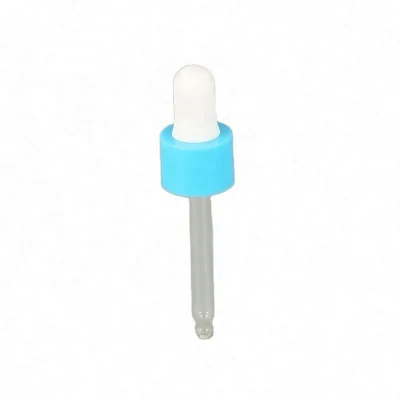
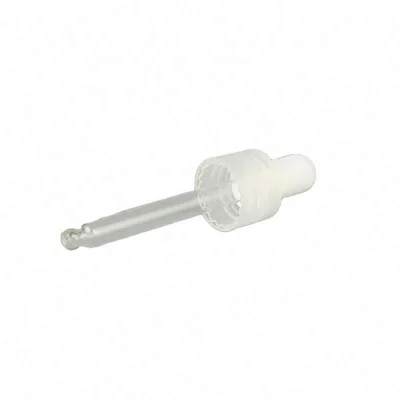
Black Bottles Wholesale Amber and Bamboo Flat Matt Bottle Gradient Color Glass Dropper
$0.10
MOQ: 10000 pieces

Xuzhou Selead Packaging Material Co., Ltd.
- Verified by SGS
- Trading Company
- China Jiangsu
- Lead time15 days
Main productsGlass Bottle, Plastic Bottle, Water Bottle, Glass Jar, Mason Jar, Wine Bottle, Cosmetic Bottle, Beverage Bottle, Glass, Candle Holder
Main marketsAfrica,Southeast Asia/ Mideast,Europe,North America

Xiamen Folover Import &Export Co., Ltd.
- Verified by TUVRHEINLAND
- Trading Company
- China Fujian
- Lead time23 days
Main productsCoaster, Cork Bulletin Board, Cork Furniture, Cork Toys, Cork Houseware, Cork Fitness, Cork Package, Cork Coasters
Main marketsEurope

Matte Black Essential Oil Serum Glass Dropper Bottle with Bamboo Aluminum Cap
$0.17 - $0.21
MOQ: 500 Pieces

30ml Glass Bottle with Wooden and Bamboo Lid Glass Bottle Essential Oil
$0.19 - $0.27
MOQ: 2000 Pieces
NINGBO UBPACK PACKAGING CO., LTD
- Verified by CTI
- Trading Company
- China Zhejiang
- Lead time30 days
Main productsPlastic Packaging, Trigger Spray, Plastic Mold, Lotion Pump, Airless Bottla, Aluminum Bottle
Main marketsSoutheast Asia/ Mideast,Europe,North America

Ningbo Yufan Packaging Co., Ltd.
- Verified by CTI
- Manufacturer/Factory
- China Zhejiang
- Lead time23 days
Main productsAluminum Bottle, Aluminum Jar, Aluminum Tin, Trigger Sprayer, Cream Pump, Sprayer Pump
Main marketsSouth America,Eastern Europe,Mid East,North America,Southeast Asia,Eastern Asia,Oceania,Western Europe,Africa


$0.10 - $1.00
MOQ: 1000 Pieces

$0.10 - $1.00
MOQ: 1000 Pieces

$0.10 - $1.00
MOQ: 1000 Pieces
Shanghai Paixie Packing Machinery Co., Ltd.
- Verified by BV
- Combined
- China Shanghai
- Lead time23 days
Main productsPacking Machine, Liquid Filling Machine, Vape Equipment, Packaging Machine, Olive Oil Machine, Box Packing Machine, Wrapping Machine, Labeling Machine, Capping Machine, Filling Machine
Main marketsNorth America


Comprehensive Sourcing Guide
Essential Oils Bamboo Dropper Bottles Supplier Concentration and Factory Types
Current data indicates a concentration of manufacturing activity in specific Chinese provinces, with Anhui and Hebei emerging as notable hubs for glass packaging production. Suppliers in these regions frequently list glass bottles, jars, and cosmetic containers as their primary output, suggesting a localized supply chain for essential oil packaging. Some manufacturers in Anhui explicitly state their origin as Hefei or general Anhui locations, while others in Hebei focus on similar glass and cosmetic bottle categories. This geographic clustering allows buyers to potentially reduce logistics costs by sourcing from a concentrated industrial zone rather than dispersing orders across multiple distant provinces.
The supplier landscape includes both direct manufacturers and trading companies, each offering distinct advantages for sourcing essential oil bottles. Manufacturer profiles often highlight capabilities in OEM and ODM services, with some listing specific production capacities for glass and plastic components. Trading companies may appear in the results with different verification statuses, such as CTI or TÜV Rheinland, and might offer a broader range of packaging types like rolling trays or mylar bags alongside glass bottles. Buyers should distinguish between these entity types by examining the company type field, as manufacturers typically control the production process while trading companies may aggregate products from various factories.
How to Verify Essential Oils Bamboo Dropper Bottles Suppliers
Verification of supplier credentials is critical when sourcing specialized packaging like bamboo dropper bottles, as not all listed entities possess identical quality assurances. Some suppliers in the current results display specific third-party verification badges, such as TÜV Rheinland or CTI, which serve as external validation of their business legitimacy and operational standards. These verifications are distinct from internal company claims and provide a higher degree of confidence regarding the supplier's existence and compliance with basic business regulations. Buyers should prioritize suppliers with these visible verification markers to mitigate the risk of engaging with unverified entities.
Beyond external verification, system certifications like ISO 9001 or ISO 14001 offer insight into a supplier's quality management and environmental practices. Several manufacturers in the dataset explicitly list ISO 9001 certification, indicating a commitment to standardized quality control processes in their production lines. One supplier also mentions ISO 14001, suggesting adherence to environmental management standards which may be relevant for eco-conscious branding. However, not all suppliers display these certifications, and some list them as NIL or omit them entirely. Buyers must actively request proof of these certificates rather than assuming their presence based on product listings, ensuring that the claimed standards are current and applicable to the specific glass bottle production.
What to Compare Across Essential Oils Bamboo Dropper Bottles Suppliers
When evaluating potential partners, buyers should systematically compare key operational metrics such as lead times, minimum order quantities, and pricing structures to find the best fit for their project scale. Lead times vary significantly across the supplier pool, with some listing specific windows like 7-15 days or 1-3 days for samples, while others show a generic zero value that requires clarification. Minimum order quantities also differ, ranging from 1,000 pieces for certain glass dropper bottles to 10,000 pieces for others, directly impacting the initial capital required for a new product launch. Comparing these figures helps buyers align their order volume with supplier capabilities and avoid unnecessary inventory costs.
Pricing and customization options form another critical comparison dimension, as costs can fluctuate based on material specifications and order volume. The observed price range for glass essential oil bottles spans from approximately $0.03 to $0.36 per unit, depending on the specific model, capacity, and customization level requested. Suppliers offering free samples and customizable logos provide flexibility for branding, while those with fixed standard sizes may offer lower unit costs but less design freedom. Buyers should also note the material composition, such as glass versus plastic caps, and the availability of ODM services, as these factors influence the final product quality and the ability to create a unique market offering.
Common Essential Oils Bamboo Dropper Bottles Sourcing Risks
One significant risk in sourcing essential oil packaging involves the discrepancy between advertised product attributes and actual delivery capabilities. While many listings claim "free samples" and "customization available," the actual lead time for these customizations can vary widely, with some suppliers indicating 7-15 days while others provide no clear timeline. This inconsistency can delay product launches if the buyer does not explicitly confirm the production schedule before placing an order. Additionally, the presence of "zero" lead times in some data points suggests a lack of real-time inventory or production data, requiring buyers to verify current stock levels and manufacturing capacity directly with the supplier.
Another risk pertains to the verification of material quality and compliance standards, particularly when suppliers do not display prominent certifications. Although some manufacturers list ISO 9001, others show no system certification, leaving the quality of the glass and bamboo components open to interpretation. Without a verified third-party audit or specific product test results, buyers cannot guarantee that the bottles will meet safety standards for essential oil storage. Furthermore, the variation in packaging standards, from international standard packaging to simple cartons, may affect the condition of goods upon arrival. Buyers must request detailed quality assurance documentation to ensure the products meet their specific safety and durability requirements.
Essential Oils Bamboo Dropper Bottles Regional Sourcing and Logistics
Sourcing from Chinese manufacturing hubs like Anhui and Hebei offers logistical advantages due to established export infrastructure, but buyers must account for regional variations in shipping efficiency. Suppliers in these provinces often specify their origin as Hefei or Anhui, indicating a centralized production base that can streamline the consolidation of orders. However, the distance from these inland manufacturing centers to major ports may add transit time compared to coastal suppliers. Buyers should inquire about the specific shipping terms and whether the supplier handles inland transportation to the port, as this can impact the overall delivery timeline and cost structure.
Logistics planning also requires attention to packaging standards, which vary significantly among suppliers and affect the safety of the glass bottles during transit. Some manufacturers use international standard packaging or palletized shipping, while others rely on basic carton packing. For fragile items like glass dropper bottles, the choice of packaging is critical to preventing breakage during long-distance shipping. Buyers should verify the packing method for their specific order size and request photos or diagrams of the packaging process. Additionally, understanding the supplier's experience with international shipping and their ability to handle customs documentation is essential for a smooth import process.
Essential Oils Bamboo Dropper Bottles Commercial Terms and Order Planning
Commercial terms regarding payment, samples, and order modifications are pivotal for successful procurement and must be clarified before finalizing any agreement. Many suppliers in the dataset offer free samples, which is a valuable tool for quality assessment, but the lead time for these samples can range from 1-3 days to 7-15 days. Buyers should confirm the sample cost, shipping fees, and the timeline for receiving the physical product to ensure it aligns with their product development schedule. Additionally, understanding the terms for custom logo application and the associated costs is necessary to budget accurately for the final product.
Order planning must also consider the minimum order quantities and the flexibility of the supplier to accommodate changes. With MOQs ranging from 1,000 to 10,000 pieces, buyers need to assess whether their initial order volume meets these thresholds or if they can negotiate a lower quantity for a trial run. The availability of OEM and ODM services allows for customization, but buyers should verify the lead time for these custom orders, as they often exceed standard production times. Clear communication regarding payment terms, delivery schedules, and the process for handling defects or returns is essential to mitigate financial risks and ensure a reliable supply chain for essential oil packaging.
FAQs
What is the typical lead time for essential oil glass bottles?
Lead times vary by supplier, with some offering 7 to 15 days for sample production. Other manufacturers may list a standard lead time of 23 days for bulk orders. Buyers should verify specific timelines with the factory before placing an order to ensure timely delivery.
What are the minimum order quantities for glass dropper bottles?
Minimum order quantities typically range from 1,000 pieces to 10,000 pieces depending on the supplier. Some factories accept orders as low as 1,000 units, while others require a minimum of 10,000 pieces for custom or specific glass bottle models. Always confirm the MOQ with the seller.
Are free samples available for essential oil glass bottles?
Many suppliers offer free samples for glass essential oil bottles to allow buyers to check quality. These samples often include custom logo options and specific sizes like 30ml. However, shipping costs may apply, so buyers should confirm sample availability and terms directly with the manufacturer.
Which certifications do these glass bottle manufacturers hold?
Some manufacturers hold ISO 9001 system certification for quality management. Others may have specific product certifications like ISO or verification from third-party agencies such as TÜV Rheinland or CTI. Buyers should request current certification documents to ensure compliance with their specific market requirements.
What materials are used for the caps on these bottles?
Caps are commonly made from plastic, though some options may include bamboo surfaces for a natural look. The material choice depends on the specific product model and customization requests. Buyers can often select cap materials to match their brand identity or product application needs.
Where are these glass bottle suppliers located?
Suppliers are primarily located in China, with factories found in Anhui, Hebei, and Zhejiang provinces. Specific origins include Hefei in Anhui. Buyers should verify the exact location to assess shipping logistics and potential tariffs associated with importing glass packaging from these regions.
What is the price range for 30ml glass dropper bottles?
Prices for 30ml glass dropper bottles generally range from 0.03 to 0.36 USD per unit. The final cost depends on the material, customization, and order volume. Buyers should compare quotes from multiple suppliers to find the best price for their specific volume and design requirements.