Ergonomic Orthopedic Waist Support Brace Suppliers and Manufacturers
Find 10 verified suppliers of Ergonomic Orthopedic Waist Support Brace in China. Compare locations, certifications like ISO 13485, lead times, and MOQs. Request samples to verify product specifications and pricing; review the available evidence before requesting comparable quotations from suitable candidates.
Updated
Suppliers List

Yangzhou Weller Sports Goods Co., Ltd
- Verified by SGS
- Trading Company,Manufacturer/Factory
- China Jiangsu
- Lead time23 days
- Avg. response≤ 1h
Main productsKnee Brace, Posture Corrector, Sports Protection, Shin Guards, Knee Pad, Knee Support, Waist Trainer, Elbow Brace, Orthopedic Products, Kinesiology Tape
Main marketsSouth America,Eastern Europe,Mid East,North America,Southeast Asia,Eastern Asia,Oceania,Western Europe,Africa

Orthopedic Rehabilitation Waist Lumbar Brace Strong Waist Support for Back Pain Relief
$5.15 - $5.60
MOQ: 200 Pieces

Custom Logo Lumbar Waist Brace Orthopedic Braces for Low Back Pain Waist Support
$5.15 - $5.60
MOQ: 200 Pieces

Orthopedic Lumbar Support for Low Back Pain Waist Support Brace for Pain Relief
$4.70 - $4.95
MOQ: 500 Pieces

Adjustable Compression Low Back Lumbar Waist Brace Elastic Waist Support
$3.60 - $3.80
MOQ: 200 Pieces

Adjustable Back Brace for Low Back Pain Relief Waist Brace Support with 6 Stays for Man Women
$4.70 - $4.95
MOQ: 500 Pieces

XIAMEN DORRELLA HEALTH TECHNOLOGY CO.,LTD
- Verified by SGS
- Trading Company,Manufacturer/Factory,Group Corporation
- China Fujian
- Lead time23 days
- Avg. response≤ 6h
Main productsOrthotic Brace, Ankle Brace, Arm Brace, Back Brace, Cervical Collar, Finger Splint, Hip Abduction Braces, Hand and Wrist Brace, Post-Op Shoes, Orthopedic Waiking Boot
Main marketsSouth America,Eastern Europe,Mid East,North America,Southeast Asia,Eastern Asia,Oceania,Western Europe,Africa

Orthopedic Lower Back Brace Support Belt Orthopedic Lumbar Waist Support for Health Care
$6.90 - $13.80
MOQ: 10 Sets

Adjustable Lumbar Support Belt Lower Back Medical Orthopedic Spinal Brace Device Waist Support Belt
$2.90 - $3.50
MOQ: 10 Pieces

Hot Selling Support Medical Waist Belt Lumbar Lower Back Brace Comfort Waist Back Support Brace
$4.20 - $5.80
MOQ: 10 Pieces

Xiamen Dorrella Health Technology Co., Ltd.
- Verified by TüVRheinland
- Trading Company
- Lead time15 days
- Avg. response≤ 2h
Main productsRehabilitation Orthotics, Rehabilitation Equipment, Sports Braces
Main marketsMid East(45%), Eastern Europe(25%), North America(15%)
Hebei Jiewo Medical Instrument Co., Ltd.
- Trading Company
- Hebei, China
- Lead time5 days
- Avg. response≤ 2h
Main productsmaternity support,lumbar support,tourmaline magnetic,crutch,arm sling
Main marketsNorth America(40.00%), South America(20.00%), Eastern Europe(15.00%), Domestic Market(5.00%)
Xiamen Bosegrow Medical Equipment Co., Ltd.
- Verified by SGS Group
- Manufacturer, Trading Company
- Lead time30 days
- Avg. response≤ 2h
Main productsWalker Boot, Rom Knee Brace, Ankle Foot Orthosis, Lumbar Support, Cervical Collar
Main marketsNorth America(30%), South America(20%), Southeast Asia(10%)
Hengshui Fengyu Medical Equipment Co., Ltd.
- Verified by SGS Group
- Manufacturer, Trading Company
- Lead time7 days
- Avg. response≤ 1h
Main productsMedical Position Pad, Nursing Pad, Leg Pad, Medical Fixed Belt, Lumbar Support Belt, Rib Belt, Medical Abdominal Belt, Nurse Bed
Main marketsNorth America(60%), Eastern Asia(20%), Africa(10%)
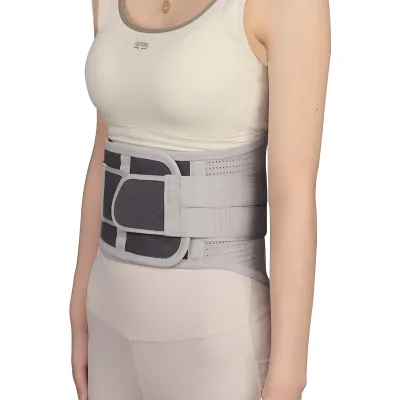
$6.19 - $6.89
MOQ: 1 pieces
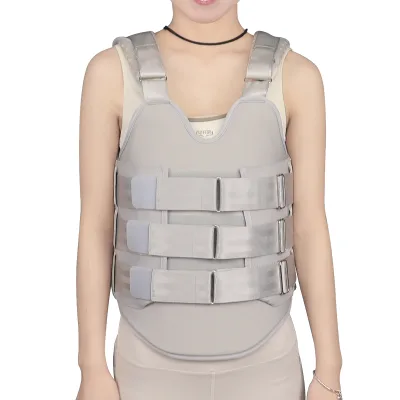
$11.2574 - $12.0643
MOQ: 1 pieces

Hebei Denovo Medical Device Co., Ltd.
- Verified by BV
- Trading Company,Manufacturer/Factory
- China Hebei
- Lead time23 days
- Avg. response≤ 5h
Main productsBack Support, Knee Support, Posture Corrector, Foot Night Splint, Arm Slings, Hernia Belts, Cervical Collars, Abduction Orthosis
Main marketsSouth America,Eastern Europe,Mid East,North America,Southeast Asia,Eastern Asia,Oceania,Western Europe,Africa


Wholesale Elastic Adjustable Medical Orthopedic Lower Back Brace Waist Support
$5.00 - $7.00
MOQ: 200 Pieces

Adjustable Orthosis Medical Lumbar Back Brace Waist Protect Support for Men
$32.20 - $36.00
MOQ: 10 Pieces

Adjustable High Elastic Band Compression Waist Brace Medical Waist Orthopedic Lumbar Brace
$26.00 - $30.00
MOQ: 10 Pieces


Sun Medical Products Co., Ltd.
- Verified by BV
- Combined
- China Guangdong
- Lead time30 days
- Avg. response≤ 19h
Main productsRadiotherapy, Occupational Therapy, Medical Consumables, Rehabilitation Products, Surgical Instruments
Main marketsSouth America,Africa,Southeast Asia/ Mideast,Europe,North America

Adjustable Lumbar Lower Back Brace - Orthopedic Abdominal Support Belt
$0.001 - $0.002
MOQ: 100 Pieces


Adjustable Fixation to Relieve Low Back Pain, Free Size Back and Waist Brace
$30.00 - $45.00
MOQ: 5 Pieces

High Quality Adjustable Fixed for Lumbar Pain, Free Size Back and Waist Brace
$30.00 - $45.00
MOQ: 5 Pieces

PLANET (ANHUI) INTERNATIONAL CO., LTD.
- Verified by BV
- Combined
- China Jiangsu
- Lead time60 days
- Avg. response≤ 4h
Main productsBandage, First Aid Kits, Band Aid, Wound Dressing, Foot Patch, Knee Brace, Knee Support, Knee Pad, Adhesive Tape, Compression Stocks
Main marketsNorth America

LIUZHOU ONETOPPING TRADE CO., LTD
- Trading Company,Manufacturer/Factory
- China Guangxi
- Lead time45 days
- Avg. response≤ 23h
Main productsWheelchair
Main marketsSouth America,Eastern Europe,Mid East,North America,Southeast Asia,Eastern Asia,Oceania,Western Europe,Africa
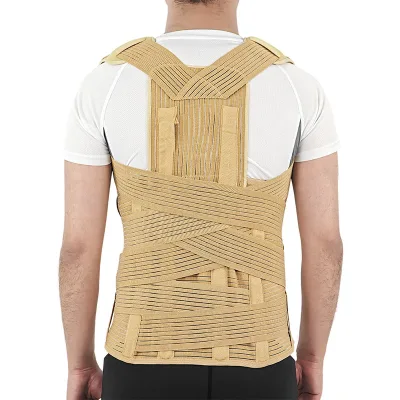
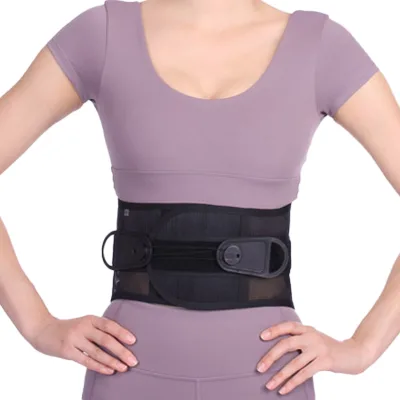
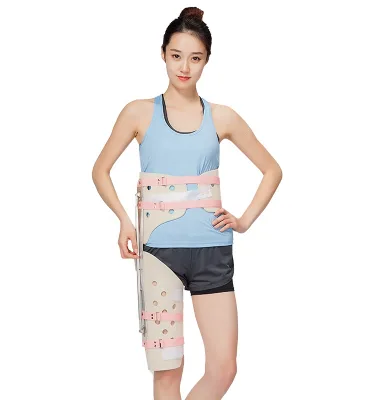
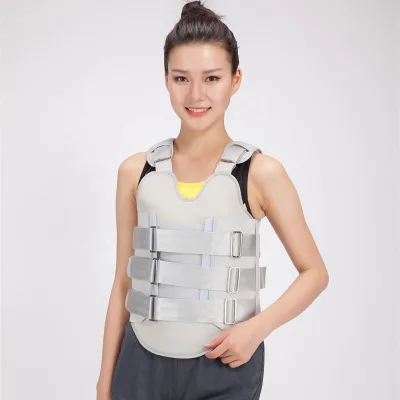


Comprehensive Sourcing Guide
Ergonomic Orthopedic Waist Support Brace Supplier Concentration and Factory Types
Current data indicates a concentration of manufacturing and trading entities in China, specifically within the Jiangsu and Fujian provinces. These regions host a mix of company types, including Trading Companies, Manufacturer/Factory operations, and Group Corporations. The Jiangsu cluster appears to focus on products like knee braces, posture correctors, and orthopedic products, while the Fujian location lists a broader range including cervical collars and orthopedic walking boots. This geographic clustering suggests that buyers seeking ergonomic orthopedic waist support braces should prioritize regions where these specific manufacturing capabilities are documented. The presence of both trading companies and direct manufacturers in these areas offers flexibility in sourcing strategies, allowing buyers to choose between direct factory engagement or intermediary trading support depending on their volume and customization needs.
When evaluating supplier types, it is essential to distinguish between entities that primarily trade and those that own production facilities. Some suppliers in the results are identified as Trading Companies, while others are explicitly labeled as Manufacturer/Factory or Group Corporations. This distinction impacts the supply chain structure, as manufacturers often control the production timeline and quality directly, whereas trading companies may aggregate products from multiple sources. Buyers should verify the specific company type listed in the supplier profile to understand the depth of their involvement in the manufacturing process. The availability of OEM and ODM services, such as those noted for specific brands, further indicates the capacity for custom development, which is a critical factor for buyers seeking unique ergonomic designs or specific branding requirements for their orthopedic products.
How to Verify Ergonomic Orthopedic Waist Support Brace Suppliers
Verification of supplier credibility relies heavily on third-party audit results and system certifications rather than self-reported claims. Several suppliers in the current dataset have undergone verification by recognized bodies such as SGS and TüVRheinland, providing a baseline level of trust regarding their business operations. Additionally, system certifications like ISO 13485, ISO 9001, and BSCI are present in the records, indicating adherence to quality management and social compliance standards. Buyers must confirm that these certifications are current and specifically relevant to medical or orthopedic device manufacturing, as ISO 13485 is particularly critical for products intended for health care and rehabilitation. The presence of these credentials suggests a structured approach to quality control, which is vital for ensuring the safety and efficacy of ergonomic orthopedic waist support braces.
Beyond certifications, buyers should scrutinize the response time and verification status to gauge supplier reliability. The data shows response times varying significantly, with some suppliers responding in under one hour while others take over five hours. A faster response time often correlates with better communication channels and operational efficiency, which can prevent delays during the sourcing process. Furthermore, the availability of detailed product attributes, such as material composition and customization options, serves as a proxy for transparency. Buyers should request proof of these attributes and cross-reference them with the supplier's stated capabilities. If a supplier claims to offer custom logos or specific materials like nylon or polyester, verifying these claims through sample requests or factory audits is necessary to ensure the final product meets the required ergonomic and orthopedic standards.
What to Compare Across Ergonomic Orthopedic Waist Support Brace Suppliers
Comparing suppliers requires a systematic evaluation of key operational metrics such as lead time, minimum order quantity, and pricing structures. The available data reveals a wide range in lead times, with some suppliers indicating a production time of 23 days while others suggest 30 to 35 days. Minimum order quantities also vary significantly, with some products requiring as few as 10 pieces and others demanding 200 or 500 pieces. Buyers must align these constraints with their inventory strategy and budget, as high MOQs may be prohibitive for startups, while low MOQs might result in higher unit costs. Additionally, price ranges differ based on material and features, with some products listed between $3.60 and $5.80, while others range from $4.70 to $13.80. Understanding these variations helps in selecting a supplier that matches the buyer's financial and logistical requirements.
Another critical comparison point is the customization capability and product specifications. Suppliers offer varying levels of customization, including custom logos, adjustable sizes, and specific material choices like nylon or polyester. Some products feature advanced attributes such as pressurized support, health care functions, and body shaping capabilities, which are essential for ergonomic orthopedic waist support braces. Buyers should compare the specific features listed, such as the number of stays or the type of compression, to ensure the product meets clinical or comfort requirements. The availability of sample times, typically ranging from 7 to 12 days, also plays a role in the decision-making process. Evaluating these factors side-by-side allows buyers to identify suppliers that offer the best balance of quality, flexibility, and cost-effectiveness for their specific sourcing needs.
Common Ergonomic Orthopedic Waist Support Brace Sourcing Risks
One significant risk in sourcing ergonomic orthopedic waist support braces is the potential mismatch between claimed certifications and actual product compliance. While some suppliers list certifications like CE, FDA, and ISO, these claims must be rigorously verified against the specific product model and intended market. A supplier may possess general quality certifications but lack the specific regulatory approvals required for medical devices in certain regions. This discrepancy can lead to customs delays, product recalls, or legal liabilities. Buyers should request valid certification documents for the exact product model they intend to purchase, rather than relying on general company-level certifications. Ensuring that the product meets the regulatory standards of the destination country is a fundamental step in mitigating this risk.
Another risk involves the variability in production quality and material consistency across different suppliers. The data indicates that materials can range from nylon to polyester, with varying thicknesses and features. Inconsistent material quality can compromise the structural integrity and therapeutic effectiveness of the waist support brace. Additionally, the presence of different company types, such as trading companies versus manufacturers, introduces complexity in quality control. Trading companies may not have direct oversight of the manufacturing process, potentially leading to inconsistencies in the final product. Buyers should prioritize suppliers with direct manufacturing capabilities or those that provide detailed quality assurance protocols. Conducting pre-shipment inspections and requesting material samples can help mitigate these risks and ensure that the delivered products meet the required ergonomic and orthopedic standards.
Ergonomic Orthopedic Waist Support Brace Regional Sourcing and Logistics
Sourcing from China, particularly from the Jiangsu and Fujian provinces, offers access to a robust manufacturing ecosystem for orthopedic products. These regions are known for their specialized production capabilities in sports safety and rehabilitation equipment. The proximity of suppliers to major shipping ports in these areas can facilitate efficient logistics and reduce transit times. However, buyers must account for the specific lead times associated with each region, as production schedules can vary based on the supplier's capacity and current order volume. Understanding the logistical landscape of these regions helps in planning inventory levels and managing delivery expectations. The concentration of suppliers in these areas also provides opportunities for competitive pricing and a wide selection of product variations.
Logistics planning should also consider the impact of regional differences on shipping costs and customs procedures. Suppliers in different provinces may have varying relationships with freight forwarders, which can affect shipping rates and delivery reliability. Buyers should inquire about the supplier's experience with international shipping and their ability to handle documentation for customs clearance. Additionally, the lead time data suggests that production times can range from 15 to 35 days, which must be factored into the overall supply chain timeline. By understanding the logistical nuances of sourcing from these specific regions, buyers can optimize their supply chain for efficiency and cost-effectiveness. It is also advisable to establish clear communication channels with suppliers to stay informed about any potential delays or changes in the shipping schedule.
Ergonomic Orthopedic Waist Support Brace Commercial Terms and Order Planning
Commercial terms for ergonomic orthopedic waist support braces often include specific requirements for minimum order quantities and payment structures. The data shows MOQs ranging from 10 to 500 pieces, which significantly influences the initial investment and inventory planning. Buyers must negotiate terms that align with their production capacity and market demand, ensuring that the MOQ does not exceed their financial or storage capabilities. Additionally, sample times of 7 to 12 days are standard, allowing buyers to evaluate product quality before committing to larger orders. Understanding these commercial terms is crucial for effective order planning and risk management, as they dictate the pace and scale of the sourcing process.
Order planning should also account for production lead times and the potential for customization delays. With production times ranging from 23 to 35 days, buyers need to factor in these durations when scheduling their inventory replenishment. Customization options, such as custom logos or specific material choices, may extend the lead time further, requiring careful coordination with the supplier. Buyers should establish a clear timeline for each stage of the order, from sample approval to final production and shipping. This proactive approach helps in avoiding bottlenecks and ensures that the supply chain remains responsive to market changes. By carefully managing commercial terms and order planning, buyers can maintain a steady flow of high-quality ergonomic orthopedic waist support braces while minimizing operational disruptions.
FAQs
What is the typical lead time for waist support braces?
Manufacturers in China Jiangsu report a lead time of 23 days for standard orders. Production time for specific models ranges from 30 to 35 days. Buyers should confirm exact timelines with suppliers before placing bulk orders to ensure timely delivery.
What certifications do these suppliers hold?
Suppliers hold various certifications including ISO 13485, ISO 9001, and BSCI. Some also possess OHSAS/ OHSMS 18001, ANSI/ESD, and GMP credentials. Verification services like SGS and TüVRheinland are available. Buyers should request specific certificates relevant to their market requirements.
What is the minimum order quantity for custom braces?
Minimum order quantities vary by product model. Some items require 200 pieces, while others demand 500 pieces. A few suppliers accept orders as low as 10 pieces. Custom logo availability is common, but buyers must verify the specific MOQ for their chosen design.
How quickly do suppliers respond to inquiries?
Response times differ significantly among suppliers. Some respond within 0.66 hours, while others take up to 5.27 hours. A third group responds in approximately 2 hours. Faster response times often indicate higher operational efficiency and better customer service capabilities.
What materials are used in these waist braces?
Common materials include Nylon and Polyester. Nylon is often used for medium thickness braces, while Polyester is used for thin options. Features like pressurized support and health care are standard. Buyers should check product specifications for exact material composition and thickness requirements.
What is the price range for these products?
Prices range from approximately $2.90 to $13.80 per unit. Lower-priced items start around $2.90, while premium models reach $13.80. Most standard braces fall between $3.60 and $5.80. Pricing depends on material, customization, and order volume.
Can suppliers provide custom logos on the braces?
Yes, custom logo customization is available for many products. Suppliers offer personalized branding options for waist and back braces. Buyers should confirm logo availability and any associated costs or minimum order requirements directly with the supplier before finalizing their order specifications.