Extendable Solid Wood and Rattan Dining Table Suppliers and Manufacturers
Find 32 verified suppliers offering Extendable Solid Wood and Rattan Dining Table options with varying lead times, MOQs, and certifications. Compare response times, locations, and product specs to source the right partner for your needs; review the available evidence before requesting comparable quotations from suitable candidates.
Updated
Suppliers List

Hebei ChangXin Import and Export Trade Co., Ltd.
- Verified by SGS
- Trading Company
- China Hebei
- Lead time15 days
- Avg. response≤ 19h
Main productsTV Stand, Dining Chair, Office Chair, Dining Table, Bar Chair, Coffee Table
Main marketsEurope

Hebei Ximu Furniture Sales Co., Ltd.
- Verified by TUVRHEINLAND
- Trading Company,Manufacturer/Factory
- China Guangdong
- Lead time45 days
- Avg. response≤ 3h
Main productsFurniture, Home Furniture, Living Room Furniture., Ding Room Furniture, Bed Room Furniture, Coffee Table, TV Stand, Dining Table, Chairs, Bath Room Furniture
Main marketsSouth America,Eastern Europe,North America,Southeast Asia,Western Europe

Foshan Dream Gate Furniture Co., Ltd.
- Verified by SGS
- Trading Company,Manufacturer/Factory
- China Guangdong
- Lead time30 days
- Avg. response≤ 4h
Main productsGarden Furniture, Outdoor Furniture, Rattan Furniture, Dining Furniture, Restaurant Furniture, Bar Furniture, Beach Chair, Table Leg, Garden Chair, Steel Chair
Main marketsSouth America,Eastern Europe,Mid East,North America,Southeast Asia,Eastern Asia,Oceania,Western Europe

Shouguang Yamazon Home Materials Co., Ltd.
- Verified by BV
- Manufacturer/Factory
- China Shandong
- Lead time23 days
- Avg. response≤ 7h
Main productsWooden Furniture, Wood Beam, Glulam Beam, Wardrobe, Wooden Plywood Beams, Aluminum Alloy, Wooden Column, Log Cabins, Equestrian Jump Poles, Aluminum Car Pedals
Main marketsSouth America,Eastern Europe,Mid East,North America,Southeast Asia,Eastern Asia,Oceania,Western Europe,Africa
Xinyu Jiali Industrial Co., Ltd.
- Manufacturer
- Jiangxi, China
- Lead time0 days
- Avg. response≤ 2h
Main productsWood Furniture
Main marketsDomestic Market(72.00%), North America(10.00%), Northern Europe(6.00%), Africa(5.00%), Mid East(5.00%), Southeast Asia(2.00%)
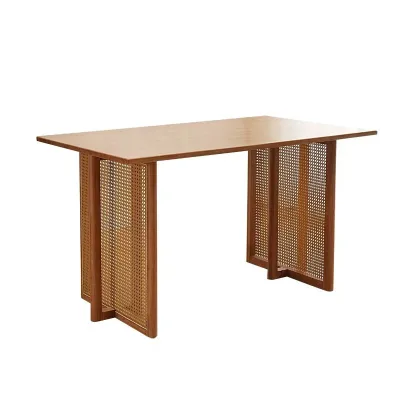
$99.00 - $149.00
MOQ: 2 Minimum
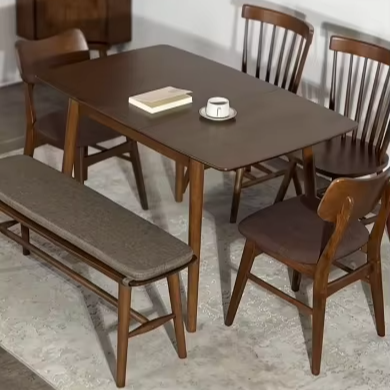
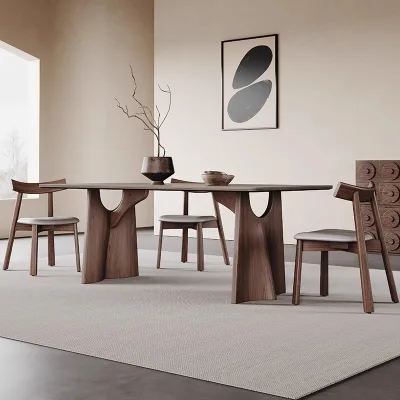
$338.0267 - $408.9195
MOQ: 2 Minimum
Heilongjiang Tengyuan International Trading Co., Ltd.
- Verified by TüVRheinland
- Trading Company
- Lead time25 days
- Avg. response≤ 1h
Main productsHotel Chairs, Banquet Chair, Folding Chair, Bar Stool, Restaurant Table And Chair
Main marketsNorth America(25%), South America(25%), Eastern Europe(10%)

Shanghai Miaolian Industry Co., Ltd.
- Verified by TUVRHEINLAND
- Manufacturer/Factory
- China Shanghai
- Lead time45 days
- Avg. response≤ 3h
Main productsFurniture, Restaurant Furniture, Hotel Furniture, Chair, Table, Sofa, Bed, Cabinet, Restaurant, Hotel
Main marketsSouth America,Eastern Europe,Mid East,North America,Southeast Asia,Eastern Asia,Oceania,Western Europe,Africa
Jiangxi Rainbow Furniture Co., Ltd.
- Verified by Intertek
- Manufacturer, Trading Company
- Lead time30 days
- Avg. response≤ 1h
Main productsSoft Sofa, Upholstered bed, Recliners, Dining Table, Dining Chair
Main marketsDomestic Market(50%), Southeast Asia(10%), Eastern Europe(10%)

FOSHAN ORIENT HARDWARE PRODUCTS CO.,LTD
- Verified by TUVRHEINLAND
- Combined
- China Guangdong
- Lead time23 days
- Avg. response≤ 8h
Main productsFurniture, Hotel Furniture, Office Furniture, Home Furniture, Outdoor Furniture
Main marketsDomestic
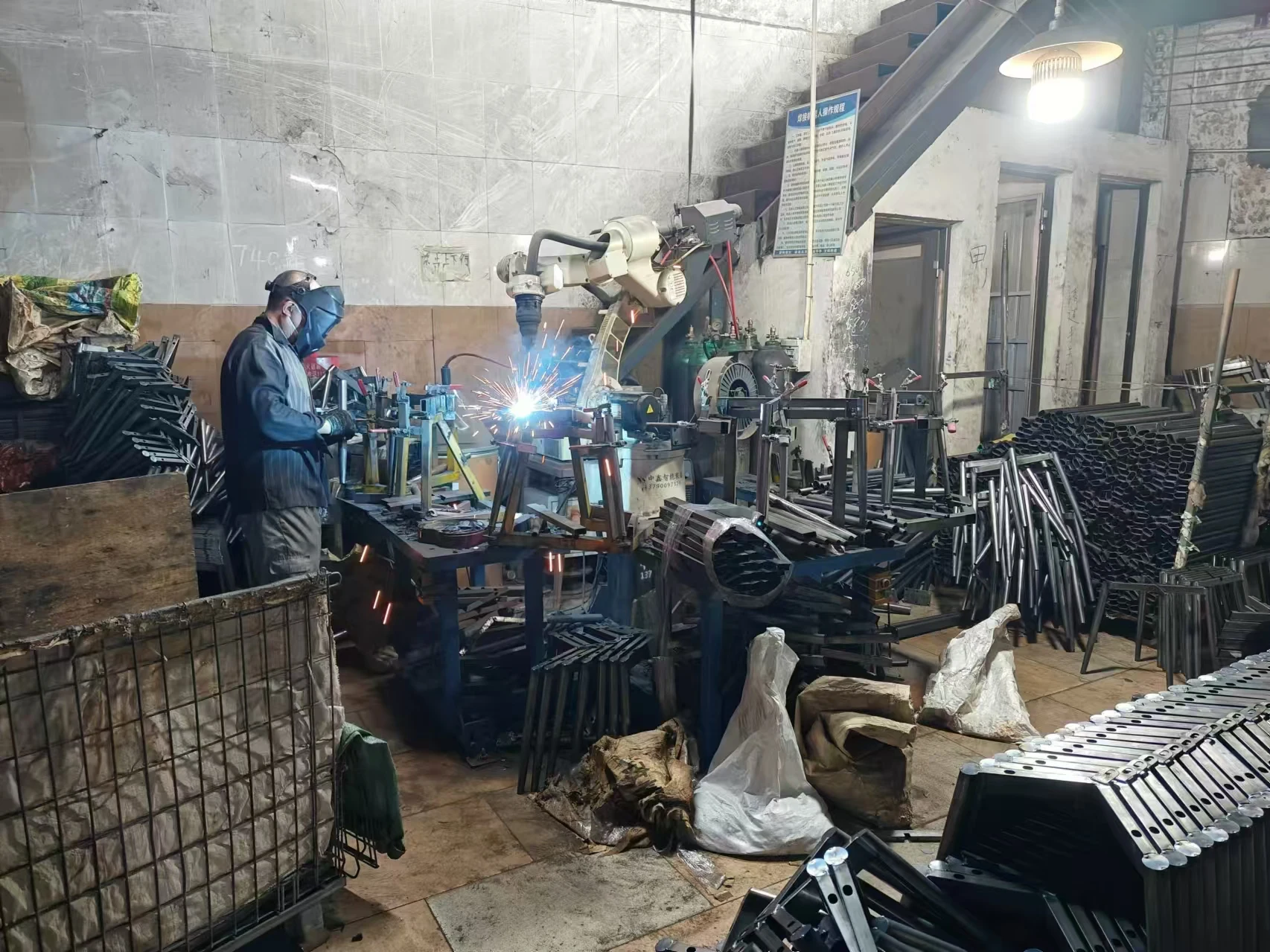
Ganzhou Green Nest Furniture Co., Ltd.
- Trading Company
- Jiangxi, China
- Lead time15 days
- Avg. response≤ 1h
Main productsBedroom Set,Dining room Set,Living room set
Main marketsMid East(30.00%), South America(20.00%), Eastern Asia(10.00%), Africa(10.00%), North America(10.00%), Southern Europe(5.00%), Western Europe(5.00%), Oceania(5.00%), Eastern Europe(5.00%)

Foshan I Ceramics Furnishing Co.,Ltd
- Verified by BV
- Manufacturer/Factory
- China Guangdong
- Lead time23 days
- Avg. response≤ 1h
Main productsFurniture, Outdoor Furniture, Sintered Stone, Dinning Table, Chair, Coffee Table, Buliding Materials
Main marketsSouth America,Eastern Europe,Mid East,North America,Southeast Asia,Eastern Asia,Oceania,Western Europe,Africa

$200.00 - $300.00
MOQ: 1 Sets


$200.00 - $300.00
MOQ: 1 Sets

Dining Tables Extendable Round Dining Table Modern Travertin Sintered Stone Top Table
$200.00 - $300.00
MOQ: 1 Sets

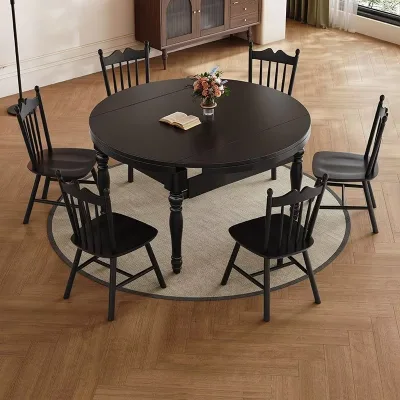
Antique French Style Extendable Solid Wood Pedestal Sintered Stone Top Round Dining Table
$200.00 - $300.00
MOQ: 1 Sets

Wholesale Modern Set Dining Room Furniture Modern Round Solid Wood Extendable Dining Table
$200.00 - $300.00
MOQ: 1 Sets
Hengshui Jiaxuan Qianxing Trading Co., Ltd.
- Verified by Intertek
- Trading Company
- Lead time10 days
- Avg. response≤ 2h
Main productsBarber Chairs, Bar Chairs, Dining Chairs, Restaurant Sets, Outdoor Tables
Hai'an Huicun Furniture Co., Ltd.
- Verified by Intertek
- Manufacturer, Trading Company
- Lead time60 days
- Avg. response≤ 2h
Main productsBed, Sofa, Cabinet, Dining Table, Dining Chair
Main marketsDomestic Market(70%), Eastern Europe(15%), North America(8%)

Foshan Riyuehe Furniture Co., Ltd.
- Verified by SGS
- Combined
- China Guangdong
- Lead time30 days
- Avg. response≤ 6h
Main productsFurniture, Dining Chair, Chair, Sofa Bed, Beach Chair, Sofa, Bed, Dining Table, Salon Furniture, Office Chair
Main marketsDomestic,North America

Qingdao Lidu Furniture Co., Ltd.
- Trading Company,Manufacturer/Factory
- China Shandong
- Lead time45 days
- Avg. response≤ 5h
Main productsBed, Dining Table and Chairs, Wooden Bookcase/Shelf, Kids Furniture, Home Furniture
Main marketsSouth America,Mid East,North America,Southeast Asia,Eastern Asia,Oceania,Western Europe,Africa


Modern Dining Room Furniture Restaurant Table Round Wooden Dining Table with Wood
$89.00 - $130.00
MOQ: 20 Pieces

Qingdao Crescent Furniture Co., Ltd.
- Combined
- China Shandong
- Lead time30 days
- Avg. response≤ 10h
Main productsIndoor Furniture, Beds, Coffee Table, TV Stands, Wardrobe, Drawer Chest, Cabinet, Nighstands/Bedside Table, Dining Table and Chairs, Dresser
Main marketsEurope,Australia,North America

$125.00 - $145.00
MOQ: 30 Pieces


Solid Oak with Veneer Extending Dining Table, Wooden Rectangular Extendable Restaurant Table
$225.00 - $268.00
MOQ: 30 Pieces

Bazhou Henglead Furniture Co., Ltd
- Verified by TUVRHEINLAND
- Combined
- China Hebei
- Lead time15 days
- Avg. response≤ 2h
Main productsDining Table, Coffee Table, Dining Chair, Iorn Dining Table, Light Luxury Dining Table, Simple Dining Table, Upholstered Chair, Table and Chairs, Salon Chair, Barber Chair
Main marketsDomestic
Hai 'an Linxuan Furniture Co., Ltd.
- Verified by TüVRheinland
- Manufacturer, Trading Company
- Lead time0 days
- Avg. response≤ 1h
Main productsIndoor Furniture, Outdoor Furniture, Livingroom Furniture, Bedroom Furniture, Dining Room Furniture
Main marketsNorth America(56%), Southern Europe(12%), Northern Europe(8%)
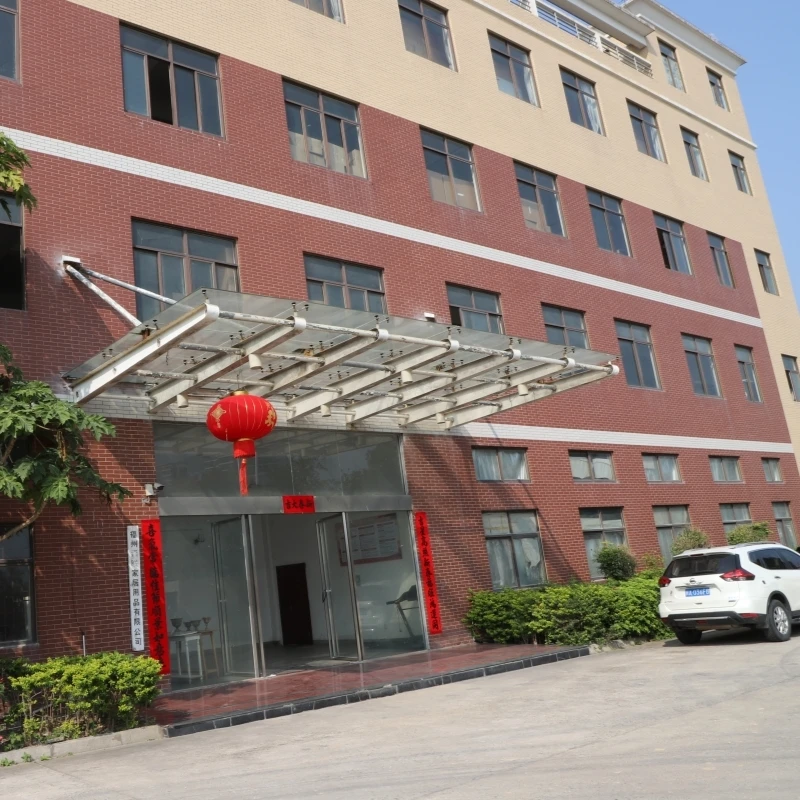
Fuzhou Qiankun Furniture Manufacturing Co., Ltd.
- Trading Company
- Fujian, China
- Lead time30 days
- Avg. response≤ 4h
Main productsRecliner, Sofa, Dining Table, Dining Chair, Coffee Table
Main marketsNorth America(70.00%), Mid East(10.00%), Southern Europe(5.00%), Western Europe(5.00%), Eastern Asia(5.00%), South America(5.00%)

- Verified by SGS
- Trading Company
- China Guangdong
- Lead time60 days
- Avg. response≤ 9h
Main productsOutdoor Furniture, Garden Furniture, Rattan Furniture, Patio Furniture, Outdoor Chair, Egg Swing Chair, Sun Lounger, Table Base, Table Top, Hotel Furniture
Main marketsSouth America,Southeast Asia/ Mideast,Europe,Australia,North America

Outdoor Furniture High-Quality Patio Garden Round PE Rattan Dining Table
$32.00 - $38.00
MOQ: 50 Pieces


Foshan Comfort Home Furniture Co., Ltd
- Verified by BV
- Manufacturer/Factory
- China Guangdong
- Lead time30 days
- Avg. response≤ 3h
Main productsDining Table, Dining Chair, Dining Furniture, Compressed Sofa, Compressed Mattress
Main marketsSouth America,Eastern Europe,Mid East,North America,Southeast Asia,Eastern Asia,Oceania,Western Europe,Africa


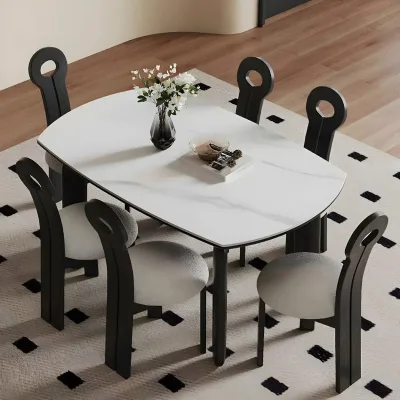
Dining Room Furniture Sintered Stone Ceramic Dining Table with Extendable
$339.00 - $424.00
MOQ: 1 Pieces


Stylish Extendable Sintered Stone Dining Table for Modern Living Rooms
$216.50 - $226.50
MOQ: 10 Pieces
Foshan Chuangshangying Furniture Co., Ltd.
- Manufacturer
- Guangdong, China
- Lead time0 days
- Avg. response≤ 2h
Main productsgarden furniture,living furniture,bed furniture,office furniture,outdoor furniture
Main marketsNorth America(50.00%), Mid East(20.00%), Western Europe(20.00%), Eastern Europe(10.00%)
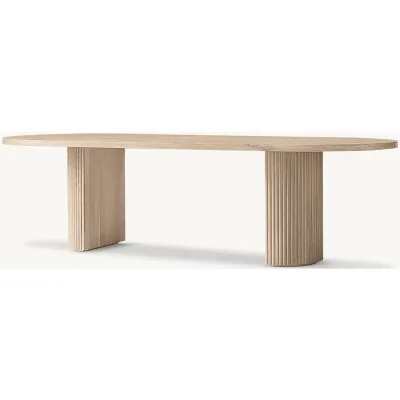
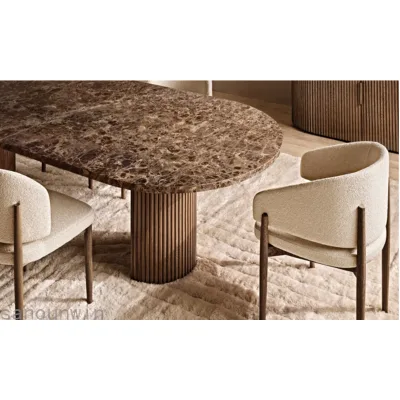
Dining Room Furniture Rectangle Fully Wooden North American Style Solid Wood Dining Table
$52.3281 - $82.0829
MOQ: 1 pieces

- Verified by SGS
- Trading Company
- China Guangdong
- Lead time60 days
- Avg. response≤ 13h
Main productsSofa Dining Table Bed Chair Coffee Table, Living Room Furniture, Dining Room Furniture, Bedroom Furniture, Hotel Furniture, Office Furniture, Outdoor Furniture, Mattress
Main marketsSouth America,Eastern Europe,Mid East,North America,Southeast Asia,Eastern Asia,Oceania,Western Europe,Africa

Foshan Ron Hospitality Supplies Co., Ltd.
- Verified by BV
- Manufacturer/Factory,Group Corporation
- China Guangdong
- Lead time45 days
- Avg. response≤ 2h
Main productsRestaurant Furniture, Restaurant Booth, Restaurant Chair, Restaurant Table, Bar Stools, Wedding Chairs, Flatware Sets, Dinnerware Sets, Garden Chairs, Disposable Dinnerware & Tableware
Main marketsSouth America,Eastern Europe,Mid East,North America,Southeast Asia,Eastern Asia,Oceania,Western Europe,Africa
- Verified by TüVRheinland
- Manufacturer, Trading Company
- Lead time30 days
- Avg. response≤ 2h
Main productsHousehold furniture
Main marketsNorthern Europe(40%), North America(30%), Western Europe(20%)

Foshan Hongkai Furniture Co., Ltd.
- Verified by SGS
- Combined
- China Guangdong
- Lead time30 days
- Avg. response≤ 2h
Main productsOutdoor Furniture, Rattan Furniture, Aluminum Furniture, Rope Furniture, Teak Wood Furniture, Outdoor Sofa, Garden Sofa, Sun Lounger, Sun Bed, Outdoor Bar Chair
Main marketsDomestic

$780.00 - $815.00
MOQ: 5 Pieces


Foshan Shunde Ciao Furniture Co., Ltd.
- Verified by TUVRHEINLAND
- Combined
- China Guangdong
- Lead time30 days
- Avg. response≤ 6h
Main productsOutdoor Furniture, Rattan Furniture, Patio Furniture, Rattan Lounge, Wicker Furniture, Sun Lounge, Bar Chair, Outdoor Chair, Outdoor Dining Table, Coffee Table
Main marketsSouth America
Huizhou Coolbang Industrial Limited
- Verified by SGS Group
- Trading Company
- Lead time20 days
- Avg. response≤ 4h
Main productsMirrored Furniture, Wood Furniture, High Gloss Furniture, Mirror, Home Decor
Main marketsNorth America(40%), Eastern Europe(10%), Northern Europe(10%)

Qingdao Semate Furniture Co., Ltd
- Trading Company,Manufacturer/Factory
- China Shandong
- Lead time0 days
- Avg. response≤ 8h
Main productsWooden Bedroom/Home/Office/Outdoor Furniture, Wooden Bed Frame/Trundle Bed/Sofa Bed, Learning Tower/Kitchen Helper/Step Stool, Wooden Nightstand/Rocking Glider Chair, Wooden Crib/Baby Cot Bed/Baby Crib/Cots, Baby Furniture/High Chair/Playpen/Changing Table, Kids Furniture/Toddler Bed/Kid Table Set, Wooden Dining Chairs/Bentwood Stool/Dining Table, Wooden Cabinet/Closet/Wardrobe/Bookcase, Wooden Ergonomic Office Chair/Desk/Kneelingchair

Factory Direct Modern Design Durable Popular Round Solid Wooden Dining Tables
$70.00 - $150.00
MOQ: 300 Pieces

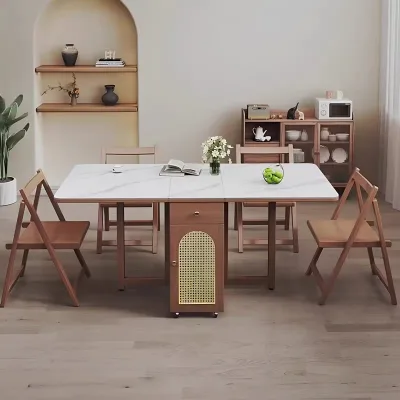
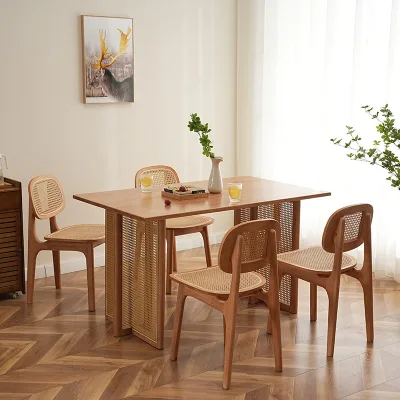
Customized Modern Wooden Dining Room Oak Furniture Dining Table Set with Rattan Design
$38.00 - $166.00
MOQ: 300 Pieces

OEM ODM Classic Rustic Design Wooden Dining Table Set with Rattan Chairs
$30.00 - $166.00
MOQ: 300 Pieces
Foshan Luotu Furniture Co., Ltd.
- Manufacturer, Trading Company
- Guangdong, China
- Lead time20 days
- Avg. response≤ 5h
Main productsDining Room Furniture, Living Room Furniture, Bedroom Furniture, Hotel Furniture, Salon Furniture
Main marketsNorth America(40.00%), Oceania(10.00%), Mid East(10.00%), Southeast Asia(10.00%), Western Europe(8.00%), Eastern Asia(8.00%), Eastern Europe(6.00%), Southern Europe(3.00%), Northern Europe(3.00%), Africa(2.00%)
- Trading Company
- Beijing, China
- Lead time30 days
- Avg. response≤ 7h
Main productsFabric Dinning Chair,Leisure Chair,Plastic Dinning Chair,Sofa Chair,Bar Stools
Main marketsMid East(100.00%), Africa(100.00%), Southeast Asia(100.00%), South Asia(100.00%), Southern Europe(100.00%), Central America(100.00%), Western Europe(100.00%), Northern Europe(25.00%), Eastern Europe(25.00%), Domestic Market(10.00%), Oceania(10.00%), South America(10.00%), North America(10.00%), Eastern Asia(10.00%)
Guangzhou YaTing Outdoor Furniture Co., Ltd.
- Verified by BV
- Combined
- China Guangdong
- Lead time23 days
- Avg. response≤ 25h
Main productsOutdoor Furniture, Beach Chair, Swings, Tents, Synthetic Rattan Furniture, Wood Furniture, Graden Furniture, Rattan Chair, Umbrella, Textilene Chair
Main marketsEurope,Australia,North America














Comprehensive Sourcing Guide
Extendable Solid Wood and Rattan Dining Table Supplier Concentration and Factory Types
The current supplier landscape for extendable solid wood and rattan dining tables reveals a distinct geographic concentration in China, specifically within the Hebei and Guangdong provinces. These regions serve as primary manufacturing hubs, offering buyers access to established industrial clusters that specialize in both furniture production and trading operations. In Hebei, the available results indicate a strong presence of trading companies that facilitate the export of diverse furniture items, including TV stands, office chairs, and dining sets. This suggests that buyers in this region may encounter intermediaries who aggregate products from various smaller workshops rather than dealing directly with large-scale factories. The trading company model in Hebei often provides a broader catalog of mixed furniture types, allowing buyers to consolidate orders for different room furnishings, such as combining dining tables with matching chairs or sideboards. However, this structure may also imply less direct control over the manufacturing process, requiring buyers to rely on the trader’s quality assurance protocols.
In contrast, the Guangdong province presents a more diversified supplier base that includes both trading companies and direct manufacturers or factories. This dual presence offers buyers the flexibility to choose between the convenience of a trading partner and the potential cost advantages of direct factory engagement. The Guangdong suppliers are noted for their capability in handling OEM and ODM projects, indicating a higher level of manufacturing sophistication and customization support. This region’s suppliers often hold specific system certifications, such as ISO 9001, HSE, and GMP, which signal a commitment to standardized quality management and safety protocols. The presence of these certifications suggests that factories in Guangdong may be better equipped to handle complex orders with strict quality requirements, particularly for international markets that demand rigorous compliance. Buyers evaluating suppliers in this region should consider the trade-off between the streamlined service of a trading company and the specialized production capabilities of a certified factory, keeping in mind that direct factory engagement might offer better pricing for large volume orders.
How to Verify Extendable Solid Wood and Rattan Dining Table Suppliers
Verifying the legitimacy and capability of suppliers requires a careful examination of their verification status, certifications, and response metrics. The current data shows that some suppliers have undergone third-party verification processes, such as SGS or TÜV Rheinland, which provide an additional layer of trust regarding their business operations and product quality. Buyers should prioritize suppliers with these verifications, as they indicate that an independent agency has assessed the company’s claims. Additionally, the presence of system certifications like ISO 9001, HSE, and GMP is a critical indicator of a supplier’s operational maturity. These certifications suggest that the supplier has implemented standardized procedures for quality control, health and safety, and production management. For buyers seeking high-quality extendable solid wood and rattan dining tables, verifying these credentials is essential to ensure that the supplier can consistently meet international standards. It is important to note that not all suppliers may display these certifications, so buyers should actively request documentation or proof of certification during the initial inquiry phase.
Beyond certifications, the supplier’s response time and lead time are valuable indicators of their operational efficiency and reliability. A faster response time, such as the 2.14 hours observed in some Guangdong suppliers, suggests a more responsive and engaged sales team, which can be crucial for resolving issues quickly during the sourcing process. Conversely, suppliers with longer response times may indicate a less agile operation, potentially leading to delays in communication and order processing. Similarly, lead times provide insight into the supplier’s production capacity and scheduling. While some suppliers may offer shorter lead times, others might require longer periods, such as 45 days, which could impact inventory planning and delivery schedules. Buyers should compare these metrics across different suppliers to identify those that align with their project timelines. It is also advisable to inquire about the supplier’s capacity for handling custom orders, as some suppliers may have limitations on their OEM or ODM capabilities. By thoroughly verifying these aspects, buyers can mitigate risks and select suppliers that are both reliable and capable of meeting their specific requirements.
What to Compare Across Extendable Solid Wood and Rattan Dining Table Suppliers
When comparing suppliers, buyers should focus on key dimensions such as price ranges, minimum order quantities (MOQs), and product specifications to ensure alignment with their business needs. The price for extendable solid wood and rattan dining tables varies significantly, with some products ranging from $25 to $150, while others may cost between $290 and $300. This wide price disparity often reflects differences in material quality, design complexity, and customization options. Buyers should carefully evaluate the cost against the expected value, considering factors such as the type of wood used, the quality of the rattan, and the durability of the extendable mechanism. Additionally, MOQs are a critical factor, with some suppliers requiring as few as 10 units, while others may demand 50 or more. For buyers starting with smaller orders, suppliers with lower MOQs offer greater flexibility, whereas those with higher MOQs may provide better unit prices for bulk purchases. Understanding these financial parameters helps buyers budget effectively and negotiate favorable terms.
Product specifications and customization capabilities are equally important when comparing suppliers. The available data highlights various product attributes, such as material composition, shape, style, and packing details. For instance, some dining tables are made from solid wood with rattan accents, while others may feature different wood types like ash or rubber wood. Buyers should assess whether the supplier can accommodate specific design requirements, such as custom sizes, colors, or finishes. The presence of OEM and ODM services indicates that some suppliers are equipped to handle bespoke orders, which is beneficial for buyers seeking unique products. Furthermore, packing details, such as carton packing or specific volume measurements, impact shipping costs and logistics planning. Buyers should request detailed product catalogs and samples to verify the quality and craftsmanship of the dining tables. By systematically comparing these attributes, buyers can identify suppliers that offer the best combination of price, quality, and customization options for their specific market demands.
Common Extendable Solid Wood and Rattan Dining Table Sourcing Risks
One of the primary risks in sourcing extendable solid wood and rattan dining tables is the potential discrepancy between product samples and bulk production. Buyers often receive high-quality samples that do not accurately represent the final product, leading to dissatisfaction and financial loss. This risk is particularly prevalent when dealing with trading companies that may not have direct control over the manufacturing process. To mitigate this, buyers should insist on pre-production samples and conduct thorough inspections before approving bulk orders. Additionally, the variability in material quality, such as the grade of wood or the durability of the rattan, can significantly impact the product’s longevity and appearance. Buyers should request detailed material specifications and test reports to ensure that the products meet their quality standards. It is also advisable to include quality assurance clauses in the contract, allowing for penalties or replacements in case of non-compliance.
Another significant risk is the reliability of delivery and lead times. Suppliers may promise short lead times but fail to meet them due to production delays, supply chain disruptions, or logistical issues. This can result in missed deadlines and increased costs for buyers. To address this, buyers should verify the supplier’s production capacity and historical performance regarding on-time delivery. It is also important to consider the impact of packaging and shipping methods on the product’s condition upon arrival. Poor packaging can lead to damage during transit, especially for fragile items like rattan furniture. Buyers should inquire about the supplier’s packing standards and insurance options to protect against transit risks. Furthermore, communication barriers and language differences can lead to misunderstandings regarding product specifications and order details. Establishing clear and consistent communication channels, along with written confirmations of all agreements, can help minimize these risks. By proactively identifying and addressing these potential issues, buyers can enhance the reliability and success of their sourcing efforts.
Extendable Solid Wood and Rattan Dining Table Regional Sourcing and Logistics
Sourcing extendable solid wood and rattan dining tables from China involves navigating the logistical advantages and challenges associated with different manufacturing regions. The concentration of suppliers in Hebei and Guangdong offers buyers access to well-established supply chains and infrastructure. Hebei’s focus on trading companies may provide buyers with a wider selection of mixed furniture items, allowing for consolidated shipping and reduced logistics costs. However, buyers should be aware that trading companies may add a markup to the product price, which could affect the overall cost efficiency. On the other hand, Guangdong’s mix of trading companies and direct factories offers greater flexibility in terms of customization and direct engagement with manufacturers. This region’s suppliers often have experience in handling international orders, which can streamline the logistics process. Buyers should consider the proximity of the supplier to major ports, as this can impact shipping times and costs.
Logistics planning is crucial for ensuring the timely and safe delivery of dining tables. The volume and weight of the products, as indicated by packing details such as cubic meters and pieces per container, play a significant role in determining shipping costs. Buyers should work closely with their suppliers to optimize packaging and loading strategies to maximize container space and reduce freight expenses. Additionally, understanding the Incoterms and responsibilities for shipping, insurance, and customs clearance is essential for avoiding unexpected costs. Buyers should also consider the impact of seasonal fluctuations on production and shipping schedules, as peak seasons may lead to delays and higher freight rates. By carefully planning the logistics and selecting suppliers with robust shipping capabilities, buyers can ensure a smooth and cost-effective sourcing process. It is also advisable to establish a reliable relationship with a freight forwarder who can provide expert guidance on international shipping regulations and documentation requirements.
Extendable Solid Wood and Rattan Dining Table Commercial Terms and Order Planning
Effective order planning and negotiation of commercial terms are vital for successful sourcing of extendable solid wood and rattan dining tables. Buyers should clearly define their order quantities, delivery schedules, and payment terms to avoid misunderstandings and ensure smooth transactions. The minimum order quantities (MOQs) vary among suppliers, with some requiring as few as 10 units and others demanding 50 or more. Buyers should assess their market demand and inventory capacity to determine the appropriate order size. For smaller orders, buyers may need to accept higher unit prices, while larger orders can often be negotiated for better pricing. It is also important to consider the supplier’s production capacity and lead times when planning orders, especially for seasonal products or large-scale projects. Buyers should request a detailed production schedule and regular updates to monitor progress and address any potential delays promptly.
Payment terms and escrow services are critical components of commercial agreements that protect both buyers and suppliers. Buyers should negotiate favorable payment terms, such as a deposit followed by payment upon shipment or delivery, to manage cash flow and risk. Utilizing escrow services can provide an additional layer of security by holding funds until the buyer confirms receipt and satisfaction with the products. It is also advisable to include quality inspection clauses in the contract, allowing for third-party inspections before final payment. Buyers should ensure that all commercial terms, including pricing, MOQs, lead times, and payment conditions, are clearly documented in the purchase agreement. Regular communication and relationship building with suppliers can also facilitate smoother negotiations and better terms in future orders. By carefully planning orders and negotiating robust commercial terms, buyers can minimize risks and maximize the value of their sourcing investments.
FAQs
What is the price range for extendable solid wood and rattan dining tables?
Prices for these tables typically range from $25 to $300 per unit. The lower end covers basic rattan sets with a minimum order of 10 units, while higher prices reflect solid wood models with customization options and larger capacities for hotel or home use.
What are the minimum order quantities for these dining tables?
Minimum order quantities vary by product type. Rattan dining sets require a minimum of 10 units, while wooden extendable tables generally require between 20 and 50 units. Buyers should verify specific MOQs for each model to ensure alignment with their procurement volume.
How long does production take for these furniture items?
Lead times depend on the supplier location and product complexity. Some suppliers in Hebei offer a 15-day lead time, while manufacturers in Guangdong may require up to 45 days. Buyers should confirm specific timelines during negotiation to manage inventory planning effectively.
Are these dining tables customizable for specific designs?
Yes, many suppliers offer customized options for shape, color, and material. Buyers can select from round or rectangular shapes and choose between rattan, wood, or solid wood materials. Customization services are available for both OEM and ODM requirements to meet specific brand standards.
What certifications do these suppliers hold?
Supplier certifications vary by region. Some manufacturers in Guangdong hold ISO 9001, HSE, and GMP certifications, while others may not list specific system certifications. Buyers should verify verification status, such as SGS or TÜV Rheinland, to ensure quality and compliance standards are met.
Where are these dining tables manufactured?
Manufacturing locations primarily include China, specifically in Hebei and Guangdong provinces. Hebei suppliers often focus on rattan and basic wooden sets, while Guangdong manufacturers specialize in solid wood and Nordic style furniture. Buyers can filter results by location to align with logistics preferences.
How quickly do suppliers respond to inquiries?
Response times vary significantly among suppliers. Some suppliers respond within approximately 2 hours, while others may take nearly 19 hours. Buyers seeking rapid communication should prioritize suppliers with faster response metrics to ensure efficient negotiation and order processing throughout the sourcing journey.