Extendable Wind Turbine Blade Trailer Suppliers and Manufacturers
Compare 24 verified suppliers of extendable wind turbine blade trailers based on location, lead time, response time, and certifications. Review product specifications like load capacity and wheel base to select the right factory for your wind energy transport needs; review the available evidence before requesting comparable quotations from suitable candidates.
Updated
Suppliers List
Shandong Luyi Vehicle Co.,Ltd.
- Trading Company
- shandong, China
- Lead time15 days
- Avg. response≤ 2h
Main productscement tank trailer,fuel tank trailer,lowbed semi trailer,flatbed trailer,dump truck
Main marketsAfrica(30.00%), Southeast Asia(12.00%), South Asia(10.00%), Eastern Asia(6.00%), Southern Europe(5.00%), Northern Europe(5.00%), Central America(5.00%), Western Europe(5.00%), Eastern Europe(5.00%), Mid East(5.00%), Oceania(5.00%), North America(5.00%), South America(2.00%)
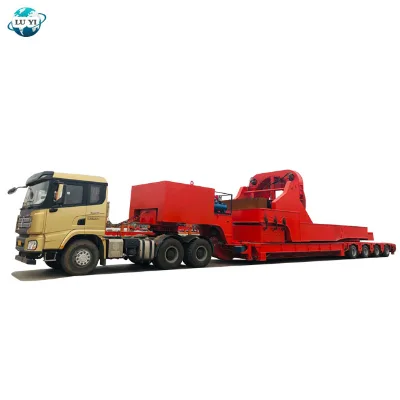
Extendable Telescopic Trailer Windmill Tower Wind Turbine Blade Trailer
$99000.00 - $100000.00
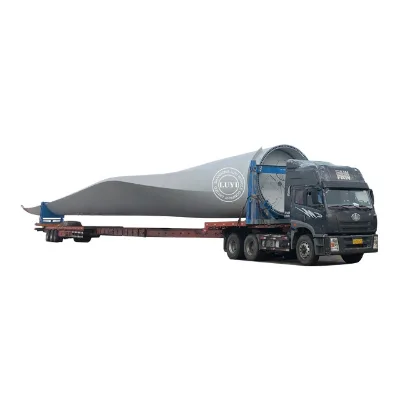
$20437.1552 - $30655.7328
MOQ: 1 sets

QINGDAO SATA IMPORT AND EXPORT CO., LTD.
- Verified by TUVRHEINLAND
- Trading Company
- China Shandong
- Lead time30 days
- Avg. response≤ 4h
Main productsSpecial Purpose Vehicle, SATA Series Semi Trailer, Mobile Food Truck, Construction Machines, Truck Accessories Part, Heavy Duty Truck, Truck&Car Parts, Electric Vehicles, Generator Set
Main marketsAfrica


3 Axle Extendable Trailer for Windmill Blade Cargo Transportation Sale
$30000.00 - $44980.00
MOQ: 1 Unit
Jiangsu Huayan International Trade Co., Ltd.
- Trading Company
- Jiangsu, China
- Lead time15 days
- Avg. response≤ 6h
Main productsGas Compressor,Reciprocating Compressor,Diaphragm Compressor,Hydraulic Modular Trailer,Powder Tanker Truck
Main marketsSouth America(40.00%), South Asia(19.00%), Domestic Market(13.00%), Mid East(12.00%), North America(5.00%), Southeast Asia(3.00%), Africa(3.00%), Western Europe(2.00%), Oceania(1.00%), Northern Europe(1.00%), Central America(1.00%)
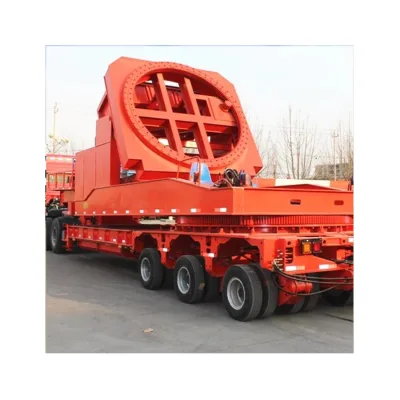
$44366.00 - $54365.00
MOQ: 1 metric
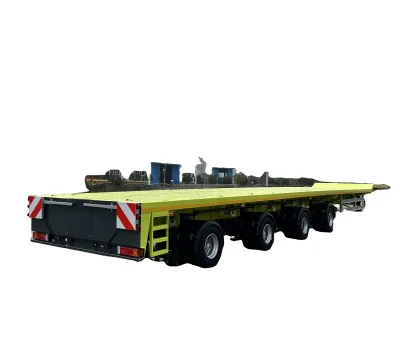
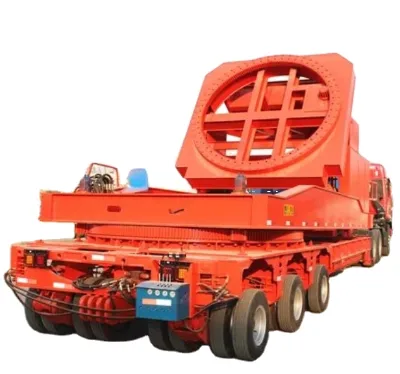
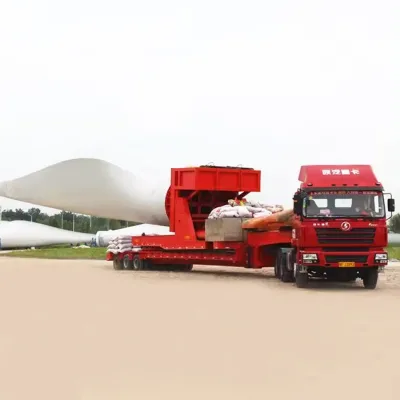
Extendable Trailers Wind Tower Transport Solutions Wind Blade Trailers Wind Tower
$34000.00 - $35000.00
MOQ: 1 long
$44366.00 - $54365.00
MOQ: 1 metric

HUIBAI SPECIAL VEHICLE CO., LTD
- Verified by TUVRHEINLAND
- Trading Company
- China Shandong
- Lead time60 days
- Avg. response≤ 7h
Main productsHydraulic Modular Trailer, Extendable Trailer, Blade Lifter, Lowbed Trailer, Semitrailer, Cement Tanker Trailer, Feul Tanker Trailer, Dump Trailer
Main marketsSouth America

Shandong Nanou Automobile Trade Co., Ltd
- Verified by SGS
- Trading Company,Manufacturer/Factory
- China Shandong
- Lead time15 days
- Avg. response≤ 3h
Main productsSide Wall Trailer, Trailer Axle, Rim, Fence Trailer, Dump Semi Trailer, Tanker Trailer, Flatbed Trailer, Car Carrier Trailer, Semi Trailer, Low Bed Trailer
Main marketsSouth America,Eastern Europe,Mid East,Southeast Asia,Africa

Wind Turbine Transport Trailer Windmill Trailer Wind Blade Trailer
$30000.00 - $45000.00
MOQ: 1 Pieces

Special Vehicle 3/4/5 Axle Wind Turbine Blade Transport Trailer for Wind Power Generation Equipment
$9000.00 - $10000.00
MOQ: 1 Pieces


Qingdao Eleph Industry & Trade Co., Ltd.
- Verified by CTI
- Trading Company
- China Shandong
- Lead time38 days
- Avg. response≤ 7h
Main productsTruck Trailer, Lowbed Trailer, Trailer, Container Trailer, Liquid Tank Trailer, Dump Trailer, Semi Trailer, Modular Trailer, Girder Trailer, Cargo Trailer
Main marketsSouth America,Mid East,Southeast Asia,Eastern Asia,Africa

Blades Wind Turbine Trailer Extendable Hydraulic Windmill Blade Transport Semi Trailer
$13500.00 - $15000.00
MOQ: 1 Pieces


Windblade Transport Trailer Extendable Hydraulic Windmill Blade Transport Semi Trailer
$13500.00 - $15000.00
MOQ: 1 Pieces

Jinan East China Cimc Special Vehicle Co., Ltd.
- Trading Company
- Shandong, China
- Lead time20 days
- Avg. response≤ 2h
Main productstrailer,lowbed trailer,cement trailer,container trailer,trailer parts
Main marketsAfrica(30.00%), South America(20.00%), Eastern Asia(10.00%), Central America(10.00%), Southeast Asia(10.00%), South Asia(5.00%), Southern Europe(5.00%), North America(5.00%), Western Europe(5.00%)
$29256.6317 - $36797.1913
MOQ: 1 sets
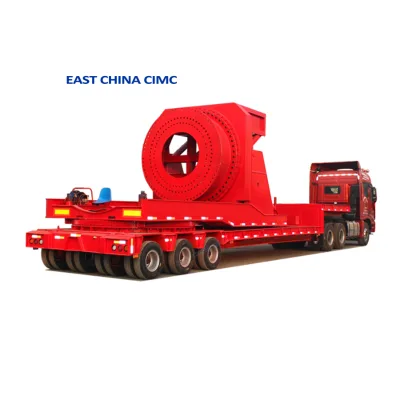
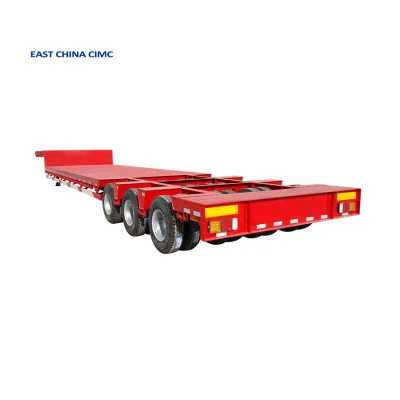
3 Axles 45m 360-revolving Transport Wind Turbine Blade Trailer for Sale
$177116.9004 - $179170.4297
MOQ: 1 sets
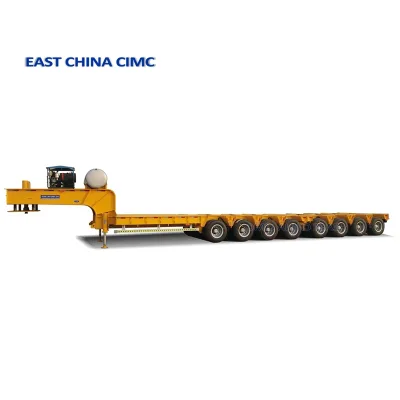
$28494.00 - $35838.00
MOQ: 1 sets
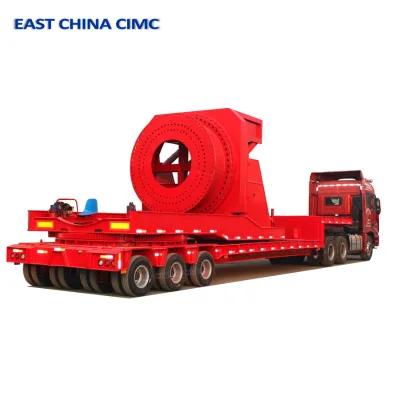
Factory Direct Sale Turbine Semi Trailer 40m Long Wind Blade Flatbed Trailer
$27950.00 - $31650.00
MOQ: 1 sets
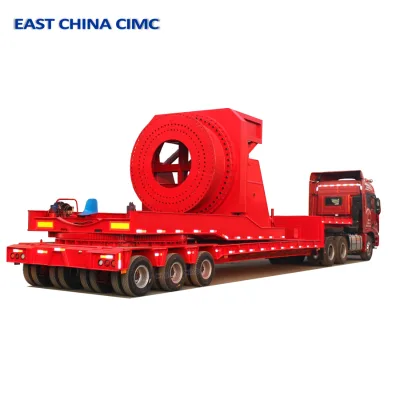
56m Extendable 72m Wind Blade Adapter Lowbed Trailer Transport for Complex Mountain Roads
$31090.00 - $36440.00
MOQ: 1 sets
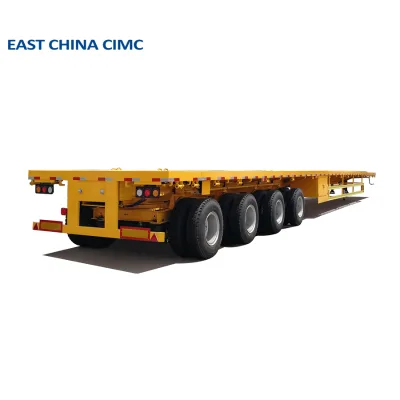
China Brand Heavy Equipment Transfer Semi-trailer for Wind Turbine Blade Transport Semi Trailer
$29256.6317 - $36797.1913
MOQ: 1 sets

Shandong Titan Vehicle Co., Ltd.
- Verified by TUVRHEINLAND
- Trading Company
- China Shandong
- Lead time23 days
- Avg. response≤ 9h
Main productsFlatbed Semi Trailer, Cement Tank Trailer, Fuel Tank Trailer, Low Bed Trailer, Container Side Loader, Side Wall Semi Trailer, Dump Truck Trailer, Logs Transport Trailer, Full Trailer, Skeleton Semi Trailer
Main marketsAfrica

$30000.00 - $45000.00
MOQ: 1 Pieces

$30000.00 - $45000.00
MOQ: 1 Pieces
Shandong Yanggu Flywheel Trailer Manufacturing Co., Ltd.
- Verified by SGS Group
- Manufacturer, Trading Company
- Lead time30 days
Main productsOil Tank Traier, Powder Material Tank Truck, Lowbed Semi-trailer, Container Transport Semi-trailer , Dump Semi-trailer
Main marketsSoutheast Asia(17%), South Asia(15%), South America(10%)
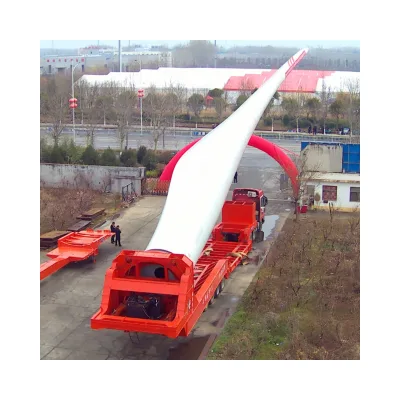
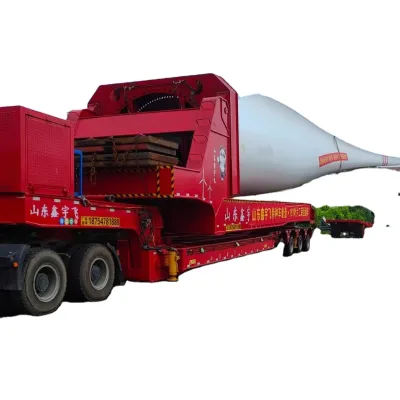
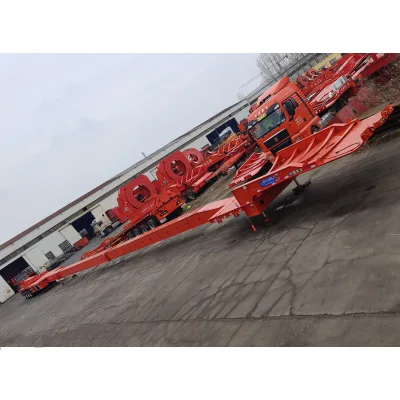
Extendable Wind Turbine Blade Transport 65M Used in Highway for Sale
$44600.00 - $45500.00
MOQ: 10 sets
Shandong Jujinlin Trading Co., Ltd.
- Verified by Intertek
- Trading Company
- Lead time30 days
Main productsTrailer
Main marketsAfrica(60%), Mid East(20%), Southeast Asia(20%)
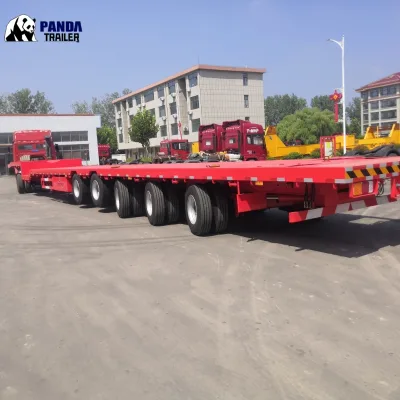
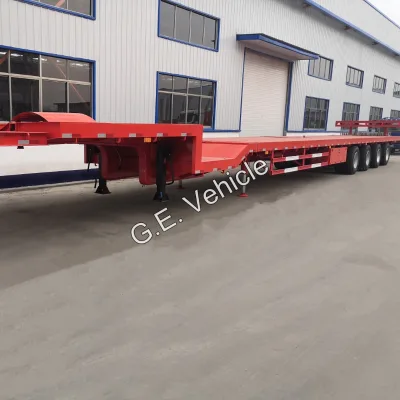
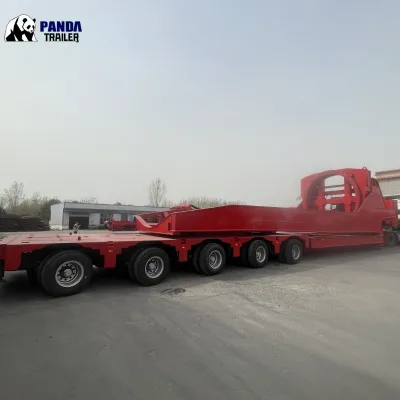
China Factory Directly Sells Trailers High Quality Special Trailer for Power Generation Wind Blade
$12245.5978
MOQ: 1 Minimum
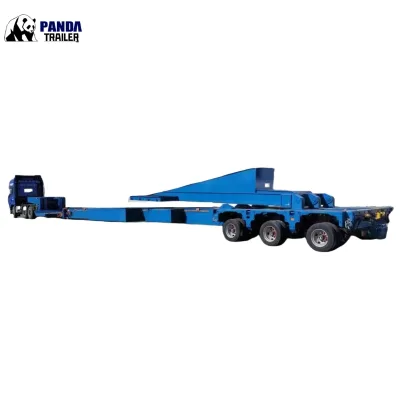
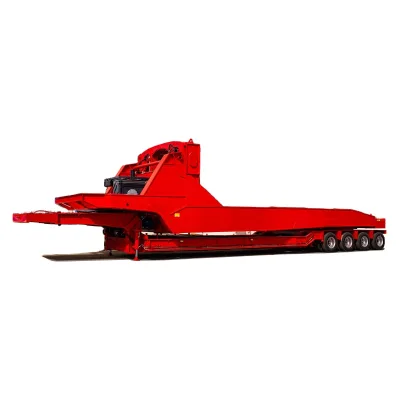
$9272.7914 - $12363.7219
MOQ: 1 units
Shandong Jiuzhou Automobile Manufacturing Co., Ltd.
- Verified by TüVRheinland
- Manufacturer, Trading Company
- Lead time0 days
Main productsFlatbed Semi Trailer, Skeleton Semi Trailer, Fence Semi Trailer, Dump Semi Trailer, Side Wall Semi Trailer
Main marketsDomestic Market(55%), Mid East(20%), Southeast Asia(10%)
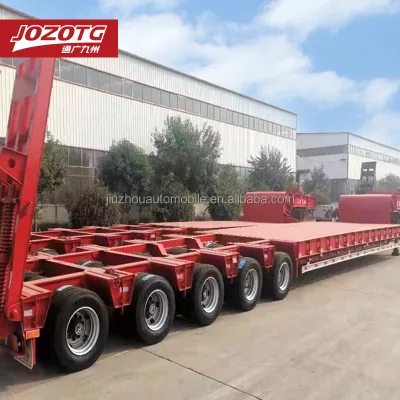
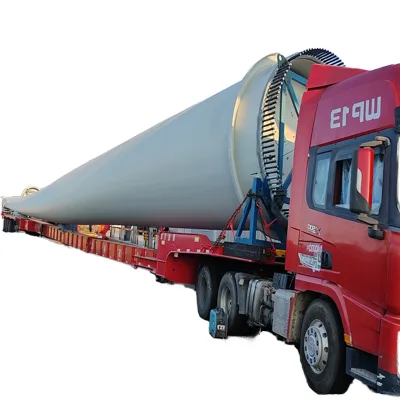
$25411.4509 - $29510.0721
MOQ: 1 units

Shandong Jutong Special Vehicle Co., Ltd.
- Verified by SGS
- Trading Company
- China Shandong
- Lead time15 days
- Avg. response≤ 4h
Main productsContainer Flatbed Semi-Trailer, Side Curtain Semi-Trailer, Car Transport Semi-Trailer, Rear Tipping Dump Semi-Trailer, Special Transport Semi-Trailer, Tractor, 6X4 Dump Truck
Main marketsAfrica,Others(foreignTradeCapacity.exportBusinessCapacityMarketOther),Southeast Asia/ Mideast,East Asia(Japan/ South Korea),Europe

$11500.00 - $12300.00
MOQ: 1 Sets

$11500.00 - $12300.00
MOQ: 1 Sets

$24800.00 - $40000.00
MOQ: 1 Sets

Wind Turbine Blades Transport Trailer Extendable Low Bed Semi Trailer for Wind Power Blades
$24800.00 - $40000.00
MOQ: 1 Sets

$24800.00 - $40000.00
MOQ: 1 Sets

Qingdao Juyuan International Trading Co., Ltd.
- Manufacturer, Trading Company
- Lead time旺季: "1 - 1":31,"> 1":"To be negotiated", 淡季: "1 - 1":31,"> 1":"To be negotiated"
- Avg. response≤ 1h
Main productsLow Bed Semi Trailer, Container Transport Semi Trailer, Cargo Transport Semi Trailer, Dump Semi Trailer, Tank Semi Trailer
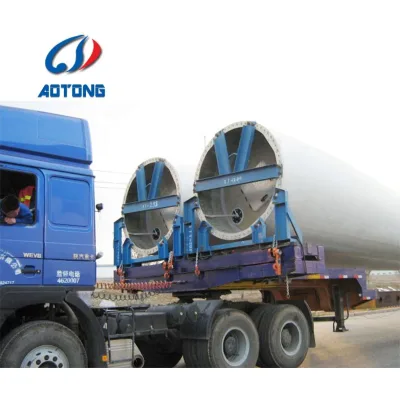
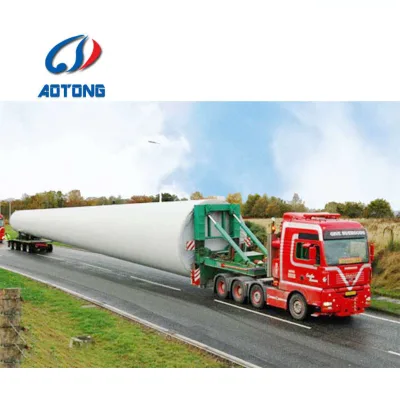
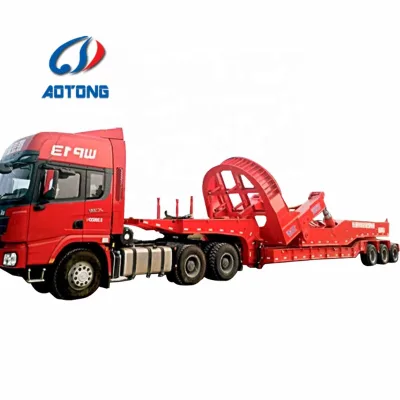
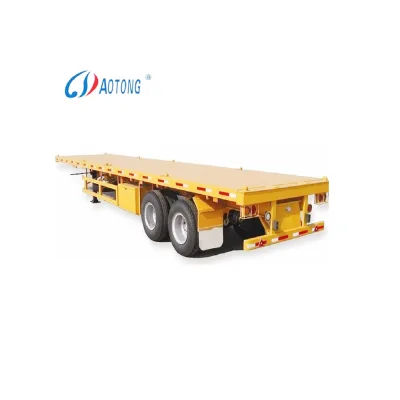
60Ft Extendable Flatbed Wind Blade Semi Trailer Container Chassis Flatbed Trailer
$10300.00 - $11350.00
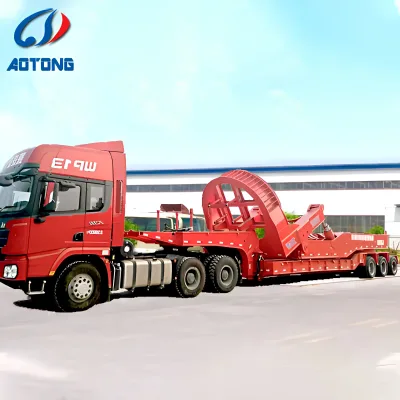
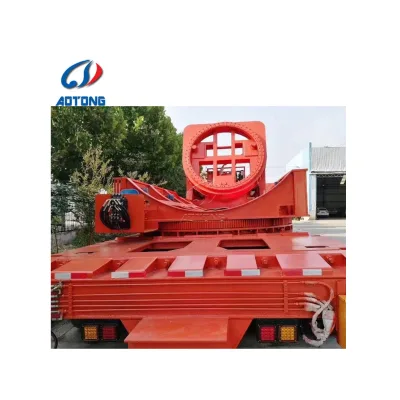
$17500.00 - $17900.00
MOQ: 1 units
Qingdao Shiyun Trailer Co., Ltd.
- Trading Company
- Shandong, China
- Lead time30 days
- Avg. response≤ 2h
Main productsSemi Trailer , Truck
Main marketsSoutheast Asia(30.00%), Africa(30.00%), Domestic Market(15.00%), Mid East(10.00%), South America(8.00%), Eastern Asia(5.00%), Oceania(2.00%)
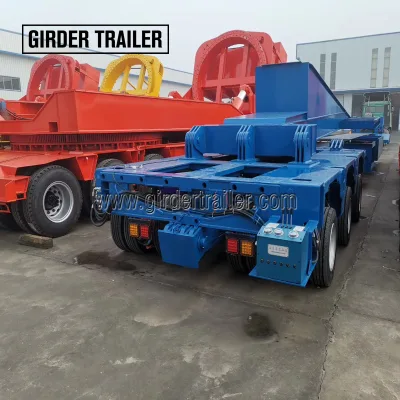
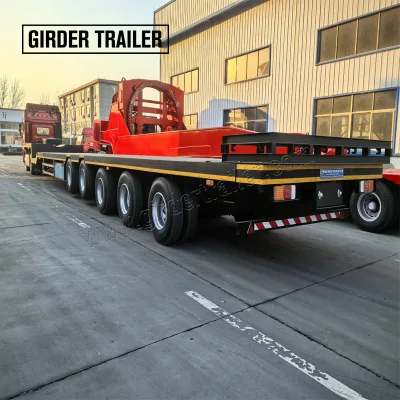
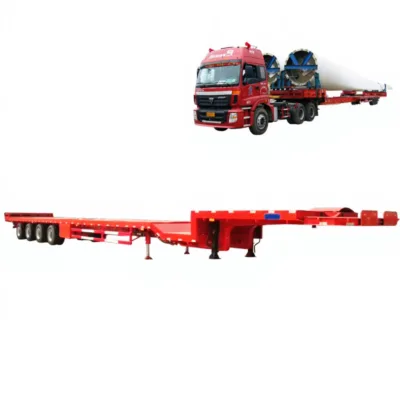
Steel Wind Turbine Semi-Trailer with 360 Degree Rotatable Adapter for Blade Uphill Special Transport
$28612.0173 - $30655.7328
MOQ: 1 sets
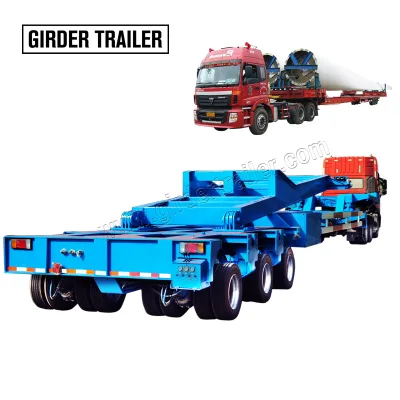
$28000.00 - $30000.00
MOQ: 1 sets
$28000.00 - $30000.00
MOQ: 1 sets

Shandong Dongxu Vehicle Co., Ltd.
- Verified by SGS
- Combined
- China Shandong
- Lead time30 days
- Avg. response≤ 2h
Main productsSemi Trailer, Truck, Low-Bed Semi-Trailer, Flatbed Semi-Trailer, Dump Semi-Trailer, Car Transport Trailer
Main marketsAfrica,Domestic

$100000.00 - $200000.00
MOQ: 1 Sets

$100000.00 - $200000.00
MOQ: 1 Sets

Heavy-Duty 70m Extendable Telescopic Trailer for Wind Turbine Transport
$100000.00 - $200000.00
MOQ: 1 Sets

Hydraulic Windmill Wind Blade Tower Mountain Transportation Semi Truck Trailer
$100000.00 - $200000.00
MOQ: 1 Sets

Qingdao Phillaya International Trading CO.,LTD
- Verified by SGS
- Trading Company
- China Shandong
- Lead time15 days
- Avg. response≤ 11h
Main productsTrailer Accessory, Trailer Axle, Trailer Part, Trailer SKD/SKD, Truck Parts, Trailer Suspension, Trailer Landing Gear, Trailer Body, Trailer Spare Parts
Main marketsAfrica

Heavy Load Windmill Blade Extendable Low Boy Trailer Low Bed Wind Blades Trailers for Sale
$14200.00 - $14500.00
MOQ: 1 Pieces

Extendable 4 Lines Axles 62 Meter Length Telescopic Wind Turbine Blade Trailer for Sale
$14200.00 - $14500.00
MOQ: 1 Pieces

Customized Low Bed Wind Blade Semi Trailer Telescopic Extendable Windmill Blade Semi Trailer
$14200.00 - $14500.00
MOQ: 1 Pieces

$30000.00 - $40000.00
MOQ: 1 Pieces

$14200.00 - $14500.00
MOQ: 1 Pieces

$30000.00 - $40000.00
MOQ: 1 Pieces
Shandong Lionkar Vehicle Co., Ltd.
- Trading Company
- Shandong, China
- Lead time30 days
- Avg. response≤ 6h
Main productsTANKER TRAILERS,CONTAINER and BULK TRAILERS,HEAVY DUTY TRAILERS,SPECIAL TRAILERS,TRACTOR TRUCK
Main marketsAfrica(26.00%), Mid East(20.00%), Southeast Asia(13.00%), Southern Europe(10.00%), North America(10.00%), South America(8.00%), Oceania(3.00%), South Asia(3.00%), Central America(2.00%), Eastern Asia(2.00%), Western Europe(1.00%), Eastern Europe(1.00%), Northern Europe(1.00%)

Shandong Laoli Special Vehicle Co., Ltd.
- Trading Company
- Shandong, China
- Lead time15 days
- Avg. response≤ 2h
Main productssemi trailer,car carrier trailer,low bed trailer,tanker trailer,dump trailer
Main marketsMid East(34.00%), Southeast Asia(30.00%), Africa(24.00%), South Asia(12.00%)
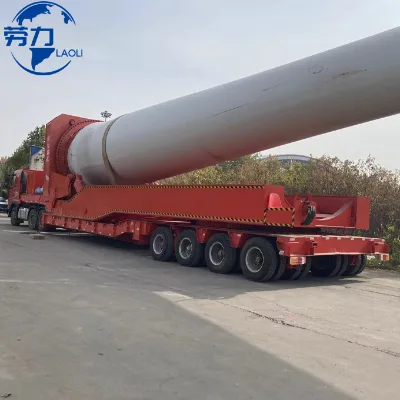
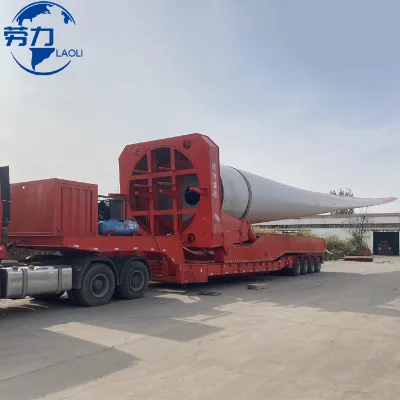
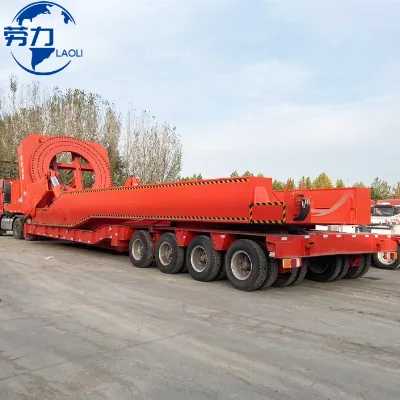
Steel Wind Blade Trailer for Wind Turbine Blades Transportation Semi-Trail Design
$111900.00 - $112600.00
$115690.1246 - $116413.8341
MOQ: 1 units
Shandong Fudeng Automobile Co., Ltd.
- Trading Company
- Shandong, China
- Lead time20 days
- Avg. response≤ 8h
Main productsTrailer,Truck,Trailer Parts,Special Vehicle,Mechanical Equipment
Main marketsAfrica(43.00%), Southeast Asia(26.00%), South America(9.00%), Eastern Asia(9.00%), Mid East(4.00%), Domestic Market(1.00%), South Asia(1.00%), Southern Europe(1.00%), Northern Europe(1.00%), Central America(1.00%), Western Europe(1.00%), Eastern Europe(1.00%), North America(1.00%), Oceania(1.00%)

Shandong Leitewei Special Vehicle Co., Ltd.
- Verified by SGS
- Trading Company
- China Shandong
- Lead time15 days
- Avg. response≤ 24h
Main productsSemi Trailer, Trailer, Lowbed Semi Trailer, Container Semi Trailer, Dump Semi Trailer, Cargo Semi Trailer, Tanker Semi Trailer, Bulk Cement Tanker Trailer, Front Loading Lowboy Trailer, Tractor Truck and Dump Truck
Main marketsAfrica,Southeast Asia/ Mideast

3 Line 6 Axle Wind Blade Trailer for Wind Turbine Blades Transportation
$9000.00 - $10000.00
MOQ: 1 Pieces

20 - 90 Tons Scalable Retractable Trailer Wind Turbine Blade Trailer for Sale
$9000.00 - $10000.00
MOQ: 1 Pieces

$9000.00 - $10000.00
MOQ: 1 Pieces
shandong luyi vehicle Co.,LTD.
- Verified by SGS Group
- Manufacturer, Trading Company
- Lead time10 days
- Avg. response≤ 1h
Main productsSemi Trailer, Tank Semi Trail, Dump Semi Trailer, Lowbed Semi Trailer, Powder Tanker Semi Trailer
Main marketsSoutheast Asia(40%), North America(10%), Eastern Europe(10%)
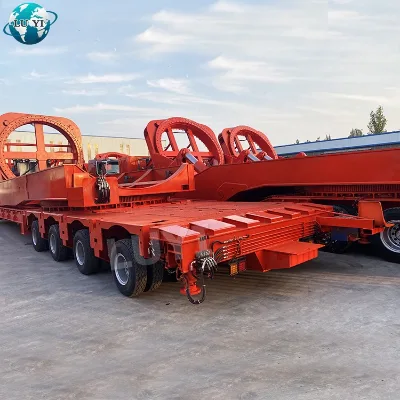
High Quality 4 Line 8 Axles Wind Turbine Blade Transport Trailer for Mountain Road Condition
$185364.9977 - $185978.1123
MOQ: 1 sets
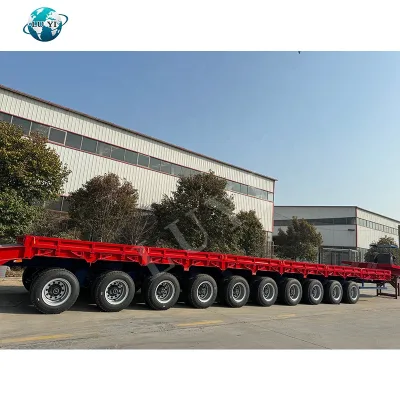
Wind Turbine Blade Transport 10 Axle Lengthening Heavy Duty Lowbed Trailer Gooseneck Truck Trailer
$25954.104 - $38412.0739
MOQ: 1 units
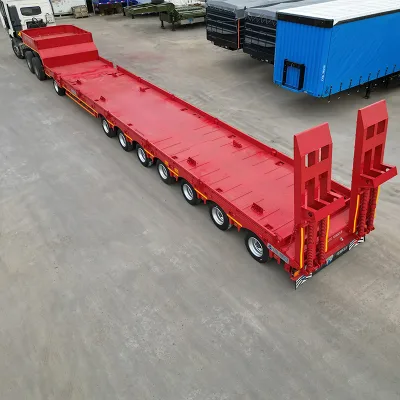
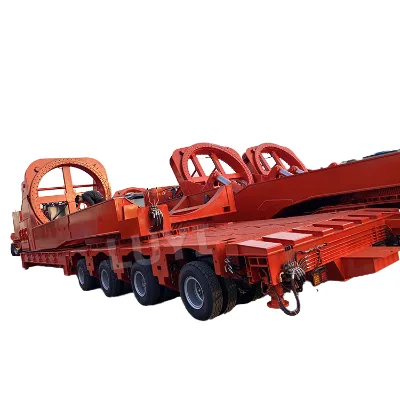
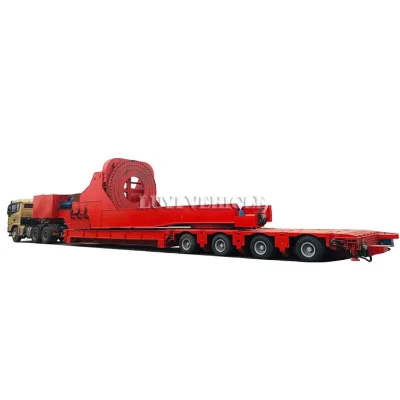
2020 Special Vehicle Wind Mill Turbine Blade Power Equipment Flat Bed Trailer Semi-Trailer for Sale
$15572.4624 - $33221.2531
MOQ: 1 units
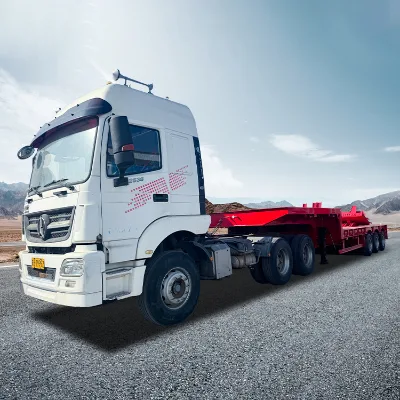
$13017.7223 - $15084.0274
MOQ: 1 bags

Shandong Yuncheng Xinya Trailer Manufacturing Co., Ltd.
- Verified by TUVRHEINLAND
- Combined
- China Shandong
- Lead time30 days
- Avg. response≤ 2h
Main productsTrailer Parts, Semi Trailer Truck, Fuel Tank Semi Trailer, Flatbed Semi Trailer, Fence Semi Trailer, Cement Tank Trailer, Skeleton Semi Trailer, Lowboy Semi Trailer, Dump Semi Trailer, Sprinkler Sanitation Vehicle
Main marketsSoutheast Asia/ Mideast,Australia

$12800.00 - $13000.00
MOQ: 1 SET

$12800.00 - $13000.00
MOQ: 1 SET

$12800.00 - $13000.00
MOQ: 1 SET

$12800.00 - $13000.00
MOQ: 1 SET

SHANDONG JUYUAN AUTOMOBILE TECHNOLOGY CO., LTD.
- Verified by BV
- Combined
- China Shandong
- Lead time30 days
- Avg. response≤ 4h
Main productsTrailer, Truck Trailer, Semi Trailer, Low Bed Semi Trailer, Container Semi Trailer, Flatbed Trailer, Container Trailer, Truck Tire, Tanker Trailer, Van Semi Trailer
Main marketsDomestic

$72000.00 - $75000.00
MOQ: 1 Pieces

Wind Blade Lowbed Semi Trailer, 3 Axles 4 Axles 5 Axles Extendable Low Bed Semi Trailer
$11000.00 - $22000.00
MOQ: 1 Pieces

Shandong Lifan Heavy Industry Machinery Co., Ltd
- Verified by CTI
- Combined
- China Shandong
- Lead time23 days
- Avg. response≤ 3h
Main marketsAfrica,Others(foreignTradeCapacity.exportBusinessCapacityMarketOther),Domestic


Wind Turbine Blade Transfer Tooling Cable-Stayed Hydraulic Axle Semi-Trailer
$193000.00 - $216000.00
MOQ: 3 Pieces

Durable Wind Turbine Blade Transfer Tooling Low Bed Semi Trailer
$193000.00 - $216000.00
MOQ: 3 Pieces


Completely New Wind Turbine Blade Transfer Tooling Low Bed Semi Trailer
$193000.00 - $216000.00
MOQ: 3 Pieces


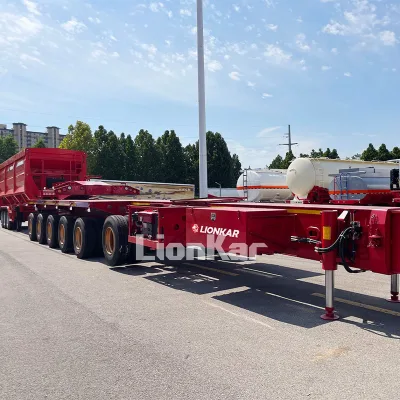
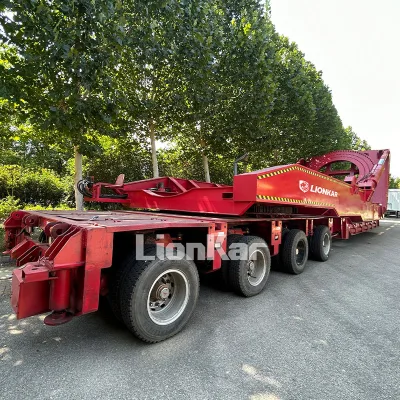
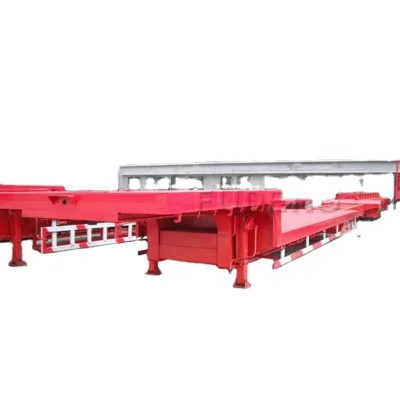
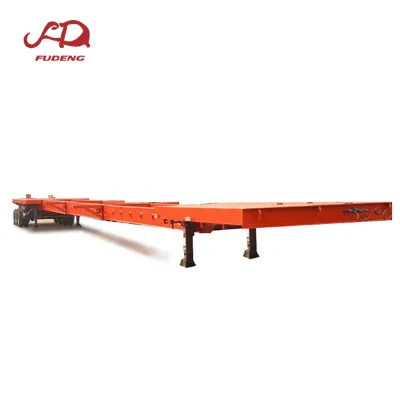
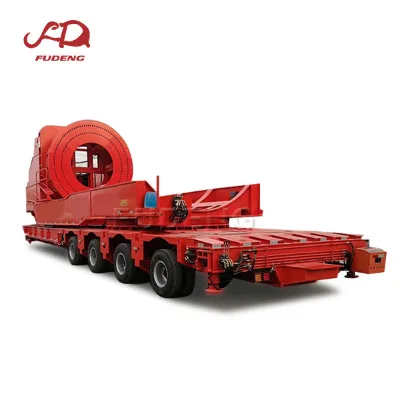
Comprehensive Sourcing Guide
Extendable Wind Turbine Blade Trailer Supplier Concentration and Factory Types
The current supplier landscape for extendable wind turbine blade trailers reveals a distinct geographic concentration in Shandong, China, with additional presence in Jiangsu. These regions serve as primary manufacturing hubs for heavy-duty transport equipment, including specialized lowbed and telescopic trailers designed for wind energy logistics. Suppliers in these areas often list main products that encompass cement tank trailers, fuel tank trailers, and flatbed trailers, indicating a broad capability in heavy vehicle chassis and structural fabrication. The presence of Trading Companies alongside manufacturers suggests a mixed ecosystem where some entities focus on direct factory production while others aggregate inventory from multiple workshops. Buyers should recognize that the location data points to established industrial zones in China, but specific factory addresses are not provided in the current results. This geographic clustering implies that logistics and supply chain efficiencies may be optimized in these regions, yet buyers must verify the exact operational base of each supplier to understand their true manufacturing capacity versus trading volume.
Factory types vary significantly within this category, ranging from direct manufacturers to trading companies that may not own production facilities. Some suppliers are verified by third-party inspection bodies such as TÜV Rheinland, which adds a layer of credibility to their operational claims. The product evidence shows a variety of trailer models, including hydraulic steering modular trailers and extendable semi-trailers with specific model numbers like LY-3 or HBG1. These technical identifiers suggest that suppliers have standardized product lines rather than purely custom-built solutions, although customization is frequently listed as available. The main products listed often include construction machines and truck accessories, indicating that these suppliers have diversified portfolios. Buyers should assess whether the supplier’s primary focus aligns with their specific needs, as a company specializing in gas compressors or reciprocating compressors may have different engineering expertise compared to one focused on heavy-duty truck parts and electric vehicles. Understanding this distinction is crucial for evaluating the depth of technical knowledge available for complex wind blade transport solutions.
How to Verify Extendable Wind Turbine Blade Trailer Suppliers
Verification is a critical step when sourcing extendable wind turbine blade trailers, as the complexity of these vehicles requires rigorous quality assurance. Buyers should prioritize suppliers who display third-party verification badges, such as TÜV Rheinland, which indicates that an independent body has assessed the company’s business legitimacy and operational capabilities. This verification status provides a baseline of trust, reducing the risk of engaging with fraudulent entities. However, verification alone is not sufficient; buyers must also examine the specific certifications listed for the products themselves. For instance, some trailers are associated with ISOCE certification or compliance with European standards like 2006/42/EC, which are essential for ensuring safety and regulatory adherence in international markets. These certifications often relate to mechanical safety, electrical systems, and structural integrity, all of which are paramount for trailers carrying extremely heavy and oversized loads. Buyers should request copies of these certificates and verify their validity with the issuing bodies to ensure they are current and applicable to the specific trailer models being considered.
Beyond certifications, buyers should evaluate the supplier’s response time and communication efficiency as indicators of their operational maturity. Response times in the current results vary, with some suppliers responding within two days and others taking up to six days or more. A faster response time often correlates with a more organized sales and technical support team, which is vital for addressing complex engineering queries regarding load capacity, suspension systems, and hydraulic steering mechanisms. Additionally, buyers should scrutinize the detailed product attributes provided, such as wheelbase dimensions, tire specifications, and suspension types. For example, some trailers feature cross-arm suspension systems or hydraulic steering, which are critical for navigating tight spaces during wind farm installations. Buyers should ask for detailed technical drawings and material specifications, such as steel grade or aluminum construction, to verify that the supplier’s claims match industry standards. Engaging in technical discussions can reveal the depth of the supplier’s engineering expertise and their ability to provide customized solutions for specific wind blade dimensions and weights.
What to Compare Across Extendable Wind Turbine Blade Trailer Suppliers
When comparing suppliers, lead time is a key metric that impacts project scheduling and overall logistics planning. The current data shows lead times ranging from 15 days to 30 days, with some suppliers indicating a delivery window of 20-30 working days. These variations can significantly affect the buyer’s ability to meet tight installation deadlines at wind farm sites. Buyers should clarify whether the lead time includes manufacturing, testing, and shipping, or if it refers solely to production time. Additionally, the minimum order quantity (MOQ) is another critical factor; some suppliers list an MOQ of 1, which is ideal for single-unit purchases, while others may have higher thresholds. This flexibility allows buyers to procure single trailers for specific projects without committing to large inventory holdings. Buyers should also compare the price ranges, which vary from approximately $20,000 to over $100,000 depending on the complexity and specifications of the trailer. Higher prices often correlate with advanced features such as hydraulic steering, multi-axle configurations, or specialized load capacities, so buyers should align their budget with their technical requirements.
Other important comparison points include the load capacity, axle configuration, and suspension systems offered by different suppliers. Some trailers are rated for loads up to 80 tons or more, with payload capacities ranging from 50 to 100 tons, which is essential for transporting large wind turbine blades. The wheelbase and tread width also vary, with some models featuring a wheelbase of 8000-9000mm and a tread of 2240mm, providing stability for heavy loads. Buyers should compare the types of suspension systems, such as mechanical, air, or bogie suspension, as these affect the trailer’s ability to handle uneven terrain and protect the cargo. Additionally, the kingpin specifications, such as 2-inch or 3.5-inch Jost brand kingpins, are important for compatibility with tractor units. Buyers should also consider the customization options available, as wind blade dimensions can vary significantly between manufacturers. Suppliers that offer customized sizes and adapted blade models provide greater flexibility, allowing buyers to tailor the trailer to their specific operational needs. Comparing these technical details across multiple suppliers ensures that buyers select the most suitable solution for their project requirements.
Common Extendable Wind Turbine Blade Trailer Sourcing Risks
One significant risk in sourcing extendable wind turbine blade trailers is the potential mismatch between advertised specifications and actual product performance. Buyers may encounter suppliers who claim high load capacities or advanced features, such as hydraulic steering or 360-degree rotatable adapters, without providing sufficient evidence or third-party validation. This discrepancy can lead to operational failures on site, where the trailer may not handle the weight or dimensions of the wind blades as expected. Additionally, the risk of receiving trailers with substandard materials, such as inferior steel grades or inadequate welding, is a concern. Buyers should be wary of suppliers who do not provide detailed material specifications or who are unwilling to undergo third-party inspections. The complexity of these trailers, with their hydraulic systems and multi-axle configurations, requires precise engineering and quality control. Any defects in these components can result in costly delays and safety hazards during transportation. Buyers must therefore prioritize suppliers with robust quality assurance processes and transparent manufacturing practices.
Another risk is the variability in after-sales support and spare parts availability. Extendable trailers are complex machines that require regular maintenance and occasional repairs. Buyers should assess the supplier’s ability to provide technical support and spare parts, especially for critical components like hydraulic pumps, axles, and suspension systems. Some suppliers may offer limited support, leaving buyers vulnerable to prolonged downtime if issues arise. Additionally, the risk of logistical delays cannot be overlooked, as shipping heavy machinery from China can be subject to port congestion, customs clearance issues, and transportation constraints. Buyers should plan for these potential delays by incorporating buffer time into their project schedules. Furthermore, the risk of currency fluctuation and payment terms can impact the overall cost of the purchase. Buyers should negotiate favorable payment terms, such as using escrow services, to protect their financial interests. By identifying and mitigating these risks early in the sourcing process, buyers can ensure a smoother procurement experience and reduce the likelihood of costly surprises.
Extendable Wind Turbine Blade Trailer Regional Sourcing and Logistics
Sourcing extendable wind turbine blade trailers from China involves navigating complex logistical challenges, particularly given the oversized and heavy nature of the cargo. The primary manufacturing regions, such as Shandong and Jiangsu, are well-connected to major ports, facilitating international shipping. However, buyers must consider the specific dimensions and weight of the trailers when planning logistics. For instance, some trailers have single package sizes exceeding 13 meters in length, which requires specialized transport arrangements and potentially permits for oversized loads. Buyers should work with freight forwarders who have experience in handling heavy machinery and can optimize shipping routes to minimize transit times and costs. Additionally, the choice of shipping method, whether by bulk vessel or container, will depend on the trailer’s dimensions and the buyer’s urgency. Buyers should also be aware of the import regulations in their destination country, as these can affect customs clearance and duties. Understanding these regulatory requirements is essential for avoiding delays and additional costs at the destination port.
Logistics planning also extends to the final delivery site, which is often a remote wind farm location with limited road infrastructure. Buyers should assess the accessibility of the site and determine if additional transport solutions, such as lowbed trucks or modular trailers, are needed for the final leg of the journey. The adaptability of the extendable trailer to different road conditions is crucial, and buyers should verify the trailer’s suspension and steering capabilities to ensure it can navigate rough terrain. Furthermore, buyers should consider the environmental conditions at the site, such as extreme temperatures or humidity, which can affect the trailer’s performance and durability. Suppliers may offer different material options, such as aluminum or steel, which have varying resistance to corrosion and weathering. Buyers should select materials that are suitable for the specific environmental conditions of their project. By carefully planning the logistics from factory to site, buyers can ensure that the trailers arrive in optimal condition and are ready for immediate deployment.
Extendable Wind Turbine Blade Trailer Commercial Terms and Order Planning
Commercial terms play a vital role in the procurement of extendable wind turbine blade trailers, as they define the responsibilities and risks for both buyers and suppliers. Buyers should carefully review the Incoterms, such as FOB, CIF, or DDP, to understand who is responsible for shipping, insurance, and customs clearance. For example, FOB terms mean the buyer is responsible for freight and insurance from the port of origin, while DDP terms mean the supplier handles all costs and risks until the goods are delivered to the buyer’s specified location. Buyers should also negotiate payment terms that protect their interests, such as using escrow services or letter of credit arrangements. These financial instruments provide security by ensuring that payment is only released when the goods meet the agreed-upon specifications and quality standards. Additionally, buyers should clarify the warranty terms and after-sales support policies, including the duration of the warranty and the scope of coverage for defects or malfunctions. Understanding these commercial terms helps buyers manage their financial risk and ensures a clear understanding of the supplier’s obligations.
Order planning is equally important, as it involves coordinating the procurement process with project timelines and budget constraints. Buyers should develop a detailed procurement plan that includes lead times, shipping schedules, and installation deadlines. Given the variability in lead times, buyers should build in buffer periods to account for potential delays in manufacturing or shipping. Additionally, buyers should consider the total cost of ownership, including maintenance, spare parts, and operational costs, when evaluating suppliers. While the initial purchase price is a significant factor, the long-term reliability and support provided by the supplier
FAQs
What is the price range for extendable wind turbine blade trailers?
Prices typically range from approximately $20,437 to $100,000 depending on specifications. Basic models start near $20,437, while heavy-duty units with advanced hydraulic steering can reach $100,000. Buyers should verify exact costs based on load capacity and customization needs.
What is the typical lead time for manufacturing these trailers?
Manufacturing lead times generally span 15 to 30 working days. Some suppliers offer faster production cycles around 15 days, while others require up to 30 days for complex builds. Buyers should confirm specific delivery schedules with the supplier before placing orders.
What is the minimum order quantity for these trailers?
The minimum order quantity is typically one unit. Suppliers accept single-item purchases, allowing buyers to test quality before scaling up. This flexibility supports initial procurement needs without requiring bulk commitments for specialized wind energy transport equipment.
Where are these trailers primarily manufactured?
These trailers are primarily manufactured in Shandong and Jiangsu provinces in China. Suppliers in these regions specialize in heavy-duty transport solutions. Buyers should verify specific factory locations to ensure alignment with logistics preferences and regional manufacturing standards.
What certifications are available for these trailers?
Available certifications include ISOCE and compliance with 2006/42/EC standards. Some suppliers also hold TÜV Rheinland verification. Buyers should request valid certification documents to ensure the trailers meet international safety and quality requirements for wind blade transport.
What is the typical response time from suppliers?
Supplier response times typically range from 2 to 6 hours. Faster responses occur within 2 hours, while others may take up to 6 hours. Buyers should expect prompt communication during the inquiry phase to facilitate efficient procurement and negotiation processes.