Source Banquet Leather Dining Chair for Hotels, Homes, and Banquets
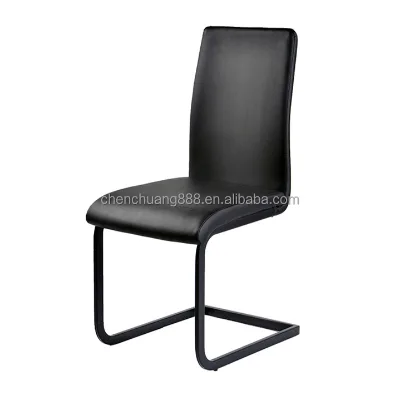
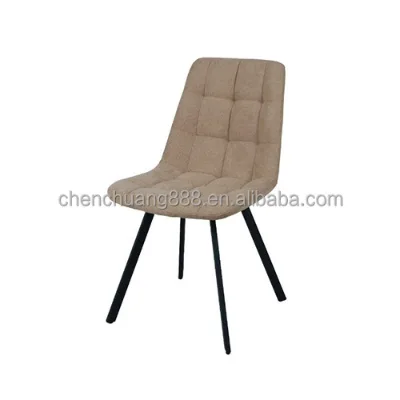
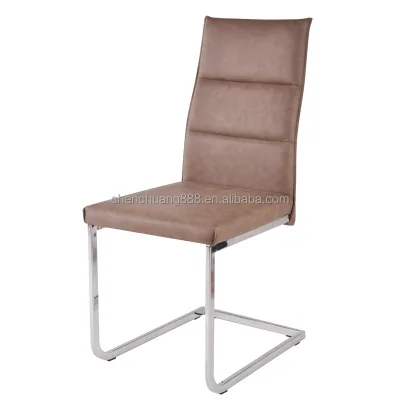
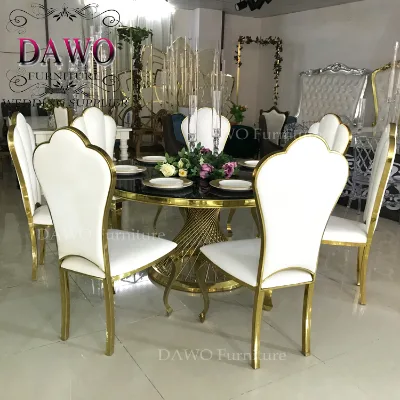
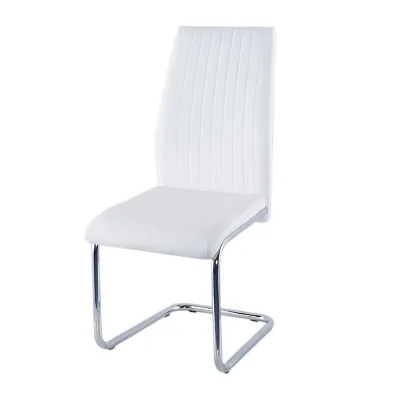
Explore 30 Banquet Leather Dining Chair options from Foshan manufacturers. Compare models like C080 and C187 with varying MOQs, materials, and dimensions for hotels, homes, and banquet halls. These modern chairs feature metal frames, PU or velvet upholstery, and come in fixed or armrest styles suitable for dining rooms and wedding venues.
Updated
Key considerations
Products List




Comprehensive Sourcing Guide
Banquet Leather Dining Chair Sourcing Guide
Sourcing banquet leather dining chairs requires a careful balance between aesthetic appeal, structural durability, and commercial viability. The market offers a wide range of options, from modern minimalist designs to more traditional styles, each catering to specific venue requirements. Buyers must navigate varying material grades, from basic PU leather to premium velvet or high-grade stainless steel frames, to ensure the final product meets both visual and functional expectations. Understanding these distinctions is crucial for making informed procurement decisions that align with project budgets and design specifications.
The procurement process involves evaluating multiple factors, including customization options, packaging efficiency, and supplier capabilities. Many manufacturers offer OEM/ODM services, allowing for tailored solutions such as custom logos or specific dimensions. However, this flexibility often comes with minimum order quantities (MOQs) that can range significantly, impacting inventory management and cash flow. Buyers need to assess whether the supplier’s production capacity and quality control measures can consistently deliver products that meet the stringent demands of banquet and hospitality environments.
Product Scope and Observed Listing Signals
The current market landscape for banquet leather dining chairs reveals a diverse array of product configurations, primarily driven by material composition and design style. Listings frequently highlight the use of metal frames, specifically 201# stainless steel with thicknesses around 1.2mm, paired with upholstery options like PU leather or velvet. These materials are chosen for their durability and ease of maintenance, which are critical for high-traffic venues. The observed product range includes models with and without armrests, catering to different seating arrangements and space constraints within banquet halls and dining rooms.
Observed listing signals also indicate a strong emphasis on modern styling and specific dimensional standards. Products are often described with precise dimensions, such as 505293cm or 5251110cm, ensuring compatibility with standard table sizes. The condition is consistently listed as new, and customization is widely available, allowing buyers to specify details like logo placement or fabric color. These signals suggest that suppliers are responsive to bespoke requirements, but buyers must verify that these customizations do not compromise the structural integrity or aesthetic consistency of the final batch.
Technical Specifications to Verify
Verifying technical specifications is paramount to ensuring the longevity and safety of banquet dining chairs. Buyers should meticulously check the frame material grade, confirming that the stainless steel meets the specified thickness and corrosion resistance standards. The upholstery material, whether PU or velvet, must be evaluated for wear resistance, tear strength, and ease of cleaning. Additionally, the structural design, including the joint connections and leg stability, should be assessed to prevent wobbling or collapse under heavy use, which is common in banquet settings.
Dimensional accuracy and packaging specifications are also critical technical aspects that require verification. The listed standard dimensions, such as 500595850mm, must be confirmed against physical samples to ensure they fit the intended space. Packaging details, including carton dimensions and weight, impact shipping costs and handling efficiency. Buyers should verify if the chairs are packed in a knock-down (K/D) format to optimize container space, reducing logistics expenses. Ensuring these technical details are accurate prevents costly discrepancies upon delivery and installation.
Compliance and Safety Documentation
Compliance with safety and quality standards is non-negotiable for banquet furniture, given the high volume of users. Buyers must request documentation that verifies the materials used, particularly the upholstery, are free from harmful substances and meet fire safety regulations. While specific certification names are not provided in the initial data, buyers should insist on proof of compliance with relevant international or local safety standards. This includes verifying that the metal frames do not have sharp edges and that the overall structure can withstand expected loads without failure.
Quality grade declarations, such as Grade AAA, should be substantiated with test reports or third-party inspections. Buyers should not rely solely on supplier claims but should request evidence of rigorous quality control processes. This includes checking for consistency in stitching, material finish, and frame welding. Ensuring that the supplier adheres to strict quality protocols minimizes the risk of receiving defective products, which can lead to costly returns and reputational damage. Proper documentation also facilitates smoother customs clearance and reduces liability risks for the buyer.
Cost Drivers and Commercial Terms
Several factors influence the cost of banquet leather dining chairs, including material quality, customization complexity, and order volume. The use of higher-grade stainless steel and premium upholstery naturally increases the base price, while custom logos or unique designs may incur additional setup fees. Minimum order quantities (MOQs) vary, with some suppliers requiring as few as one piece for samples and others demanding bulk orders of 60 pieces or more. Buyers must balance these MOQs against their inventory needs to avoid excessive stockpiling or frequent reordering.
Commercial terms, such as payment methods and packaging, also play a significant role in the total cost of ownership. Suppliers often accept various payment methods, including T/T, L/C, and D/P, each with different implications for cash flow and risk. Packaging efficiency, measured in cubic meters per piece, directly affects shipping costs. Buyers should negotiate terms that optimize these variables, such as requesting K/D packing to reduce volume. Understanding these cost drivers allows for more accurate budgeting and prevents unexpected expenses during the procurement process.
Supplier Qualification and Quality Control
Evaluating supplier qualification is essential for ensuring a reliable supply chain. Buyers should verify the supplier’s business type, confirming they are a manufacturer rather than a trading company, which can offer better pricing and direct communication. The location of the factory, often in industrial hubs like Foshan, China, can indicate access to a mature supply chain and skilled labor. However, buyers must also assess the supplier’s production capacity and lead times to ensure they can meet project deadlines without compromising quality.
Quality control measures should be rigorously evaluated before placing orders. Buyers should inquire about the supplier’s internal QC processes, including in-line inspections and final random inspections. Requesting pre-shipment samples is a critical step to verify that the production batch matches the approved prototype. Additionally, buyers should consider engaging third-party inspection services for large orders to provide an unbiased assessment of product quality. Establishing a strong relationship with a qualified supplier ensures consistent product quality and reduces the risk of supply chain disruptions.
Long-Term Procurement Checks
Long-term procurement success depends on continuous monitoring of supplier performance and product quality. Buyers should establish key performance indicators (KPIs) to track delivery times, defect rates, and responsiveness to issues. Regular audits of the supplier’s facilities can help identify potential risks and ensure ongoing compliance with quality standards. Building a feedback loop with the supplier allows for continuous improvement and adaptation to changing market demands or design trends.
Maintaining a diverse supplier base can mitigate risks associated with single-source dependency. Buyers should periodically review the market for new suppliers offering competitive pricing or innovative designs. This proactive approach ensures access to the best value and quality options over time. Additionally, staying informed about industry trends and regulatory changes helps buyers anticipate future requirements and adjust their procurement strategies accordingly. By focusing on long-term relationships and continuous improvement, buyers can secure a stable supply of high-quality banquet dining chairs.
FAQs
What materials are used for banquet leather dining chairs?
The chairs are constructed using 201# stainless steel frames with a thickness of 1.2mm. The seating surfaces feature PU or velvet fabric options. This combination ensures durability for hotel and home environments while maintaining a modern aesthetic suitable for various dining settings.
Can I customize the logo on these dining chairs?
Yes, customized logos are available for these banquet dining chairs. The manufacturer supports OEM and ODM services to meet specific branding requirements. Buyers can request personalized branding to align with their corporate identity or event themes, ensuring a unique appearance for their dining furniture.
What is the minimum order quantity for these chairs?
The minimum order quantity varies by model. Some models require a minimum of 60 pieces, while others accept orders as low as one piece. This flexibility allows buyers to test market demand or place small initial orders before committing to larger bulk purchases for their venues.
How are the banquet chairs packed for shipping?
The chairs are packed in cartons to ensure safe transit. Specific packing configurations include four pieces per carton or two pieces per hard carton. This standardized packaging helps protect the furniture during international shipping and simplifies handling upon arrival at the destination port or warehouse.
Where are these dining chairs manufactured?
These chairs are manufactured in Foshan City, Guangdong, China. The factory is located in Shun De Town, a known hub for furniture production. Products originate from this region and are typically loaded from Guangzhou or Shenzhen ports for efficient export to global markets.
What styles are available for these banquet chairs?
The available styles include modern designs suitable for dining rooms and banquet halls. Options range from chairs without armrests to those with armrests. The shapes include round and rectangular variants, allowing buyers to select the best fit for their specific interior design and seating layout requirements.