modern wabi-sabi wooden sofa Suppliers and Manufacturers
Explore 32 verified options for modern wabi-sabi wooden sofa from Guangdong factories. Compare lead times, certifications like ISO 9001 and CARB, and response rates to source solid wood furniture with OEM capabilities efficiently; review the available evidence before requesting comparable quotations from suitable candidates.
Updated
Suppliers List

Hebei Ximu Furniture Sales Co., Ltd.
- Verified by TUVRHEINLAND
- Trading Company,Manufacturer/Factory
- China Guangdong
- Lead time45 days
- Avg. response≤ 3h
Main productsFurniture, Home Furniture, Living Room Furniture., Ding Room Furniture, Bed Room Furniture, Coffee Table, TV Stand, Dining Table, Chairs, Bath Room Furniture
Main marketsSouth America,Eastern Europe,North America,Southeast Asia,Western Europe

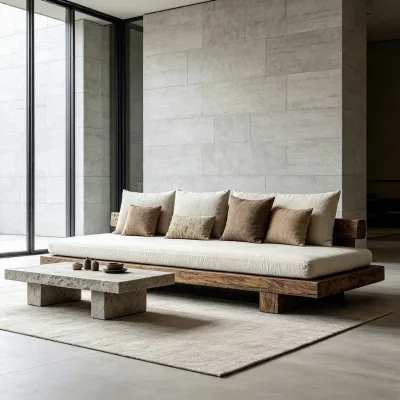
Wooden Wabi Sabi Style Sofa with Minimalist Style Living Room Solid Wood Sofa
$370.00 - $380.00
MOQ: 50 Pieces

Modern Solid Wood Three Person Sofa Modern Storage and Storage Wabi Sabi Style Combination Sofa
$640.00 - $650.00
MOQ: 50 Pieces


Nordic Solid Wood Sofa Japanese Style Wooden Three Seater Living Room Sofa
$640.00 - $650.00
MOQ: 50 Pieces


Foshan Yunqi Furniture Co., Ltd.
- Verified by TUVRHEINLAND
- Trading Company,Manufacturer/Factory,Group Corporation
- China Guangdong
- Lead time23 days
- Avg. response≤ 3h
Main productsLiving Room Furniture, Dining Room Furniture, Bedroom Furniture, Children Furniture, Home Office Furniture, Outdoor Furniture
Main marketsNorth America,Oceania,Western Europe


China Furniture Suppliers Custom Antibacterial Fabric Furniture Living Room Wabi-Sabi Fabric Sofa
$696.00 - $1125.00
MOQ: 1 sets

$696.00 - $1125.00
MOQ: 5 sets

$696.00 - $1125.00
MOQ: 1 sets

Zhongshan Shanmu Furniture Co., Ltd.
- Verified by TüVRheinland
- Manufacturer, Trading Company
- Lead time30 days
- Avg. response≤ 1h
Main productsTable, Chair, Cabinet, Bed, Sofa
Main marketsSoutheast Asia(36%), North America(14%), Eastern Europe(14%)
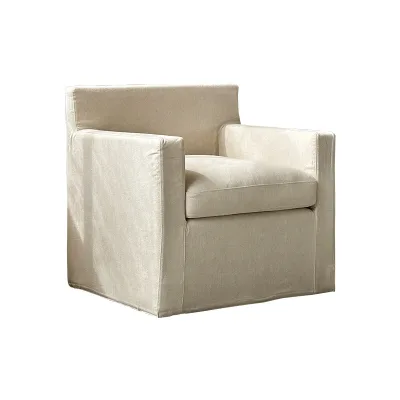
$154.00 - $308.00
MOQ: 2 Minimum
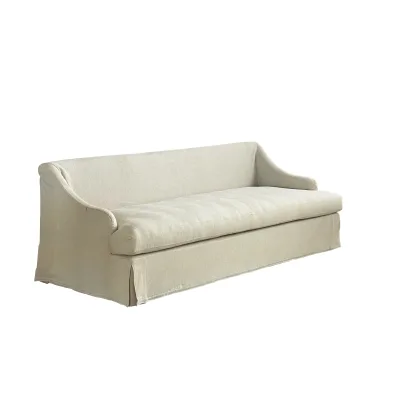
$270.00 - $540.00
MOQ: 2 Minimum
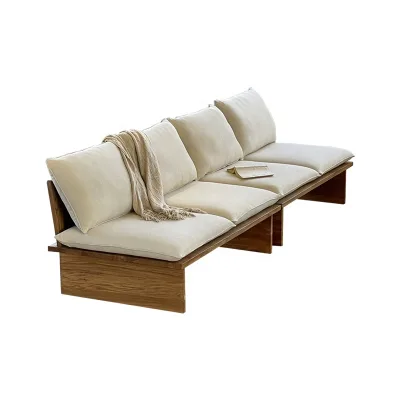
Xiamen Suessen Import And Export Co., Ltd.
- Manufacturer, Trading Company
- Lead time旺季: "1 - 50":7,"51 - 100":25,"101 - 500":35,"> 500":"To be negotiated", 淡季: "1 - 50":7,"51 - 100":25,"101 - 500":35,"> 500":"To be negotiated"
- Avg. response≤ 5h
Main productsDining Room Furniture,Living Room Furniture,Bedroom Furniture,Bar Furniture,Home Furniture
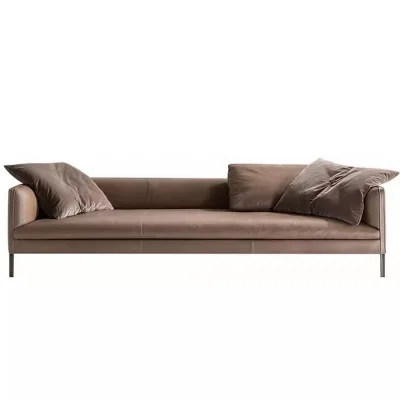
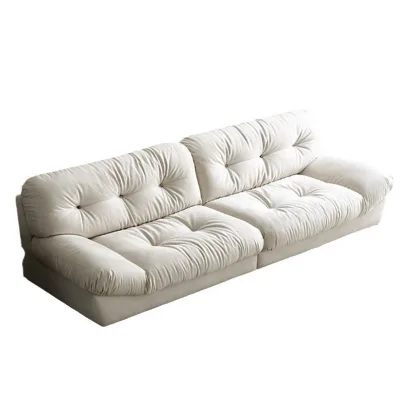
2024 Suessen Cloud Color Sofa Wabi Sabi Style Living Room Sofa With Multiple Customizable Materials
$270.2991 - $305.1306
MOQ: 5 pieces
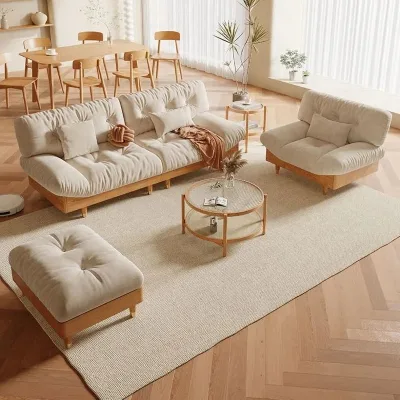
Japanese Wabi-sabi Style Solid Wood Double Log Sofa Set Cloud Fabric for Small Family Living Room
$338.5884 - $358.0834
MOQ: 2 pieces

- Verified by SGS
- Trading Company
- China Guangdong
- Lead time60 days
- Avg. response≤ 13h
Main productsSofa Dining Table Bed Chair Coffee Table, Living Room Furniture, Dining Room Furniture, Bedroom Furniture, Hotel Furniture, Office Furniture, Outdoor Furniture, Mattress
Main marketsSouth America,Eastern Europe,Mid East,North America,Southeast Asia,Eastern Asia,Oceania,Western Europe,Africa

$500.00 - $1500.00
MOQ: 1 Pieces


Foshan Hong Sui Xiang Furniture Co., Ltd.
- Verified by Intertek
- Manufacturer, Trading Company
- Lead time20 days
- Avg. response≤ 2h
Main productsSofa, Bed
Main marketsNorth America(30%), Western Europe(20%), Mid East(12%)
Jiangxi Rainbow Furniture Co., Ltd.
- Verified by Intertek
- Manufacturer, Trading Company
- Lead time30 days
- Avg. response≤ 1h
Main productsSoft Sofa, Upholstered bed, Recliners, Dining Table, Dining Chair
Main marketsDomestic Market(50%), Southeast Asia(10%), Eastern Europe(10%)

Shanghai Rongma Furniture Co., Ltd.
- Verified by CTI
- Combined
- China Shanghai
- Lead time30 days
- Avg. response≤ 5h
Main productsSofa, Leather Sofa, Modern Sofa, Leisure Sofa, Fabric Sofa, Living Room Sofa, Bed, Soft Bed, Sectional Sofa
Main marketsEast Asia(Japan/ South Korea),North America


Nordic Wabi-Sabi Style Tofu Block Modular Fabric Sofa Free Combination Modular Sofa
$335.00
MOQ: 10 Pieces


Foshan Luotu Furniture Co., Ltd.
- Manufacturer, Trading Company
- Guangdong, China
- Lead time20 days
- Avg. response≤ 5h
Main productsDining Room Furniture, Living Room Furniture, Bedroom Furniture, Hotel Furniture, Salon Furniture
Main marketsNorth America(40.00%), Oceania(10.00%), Mid East(10.00%), Southeast Asia(10.00%), Western Europe(8.00%), Eastern Asia(8.00%), Eastern Europe(6.00%), Southern Europe(3.00%), Northern Europe(3.00%), Africa(2.00%)
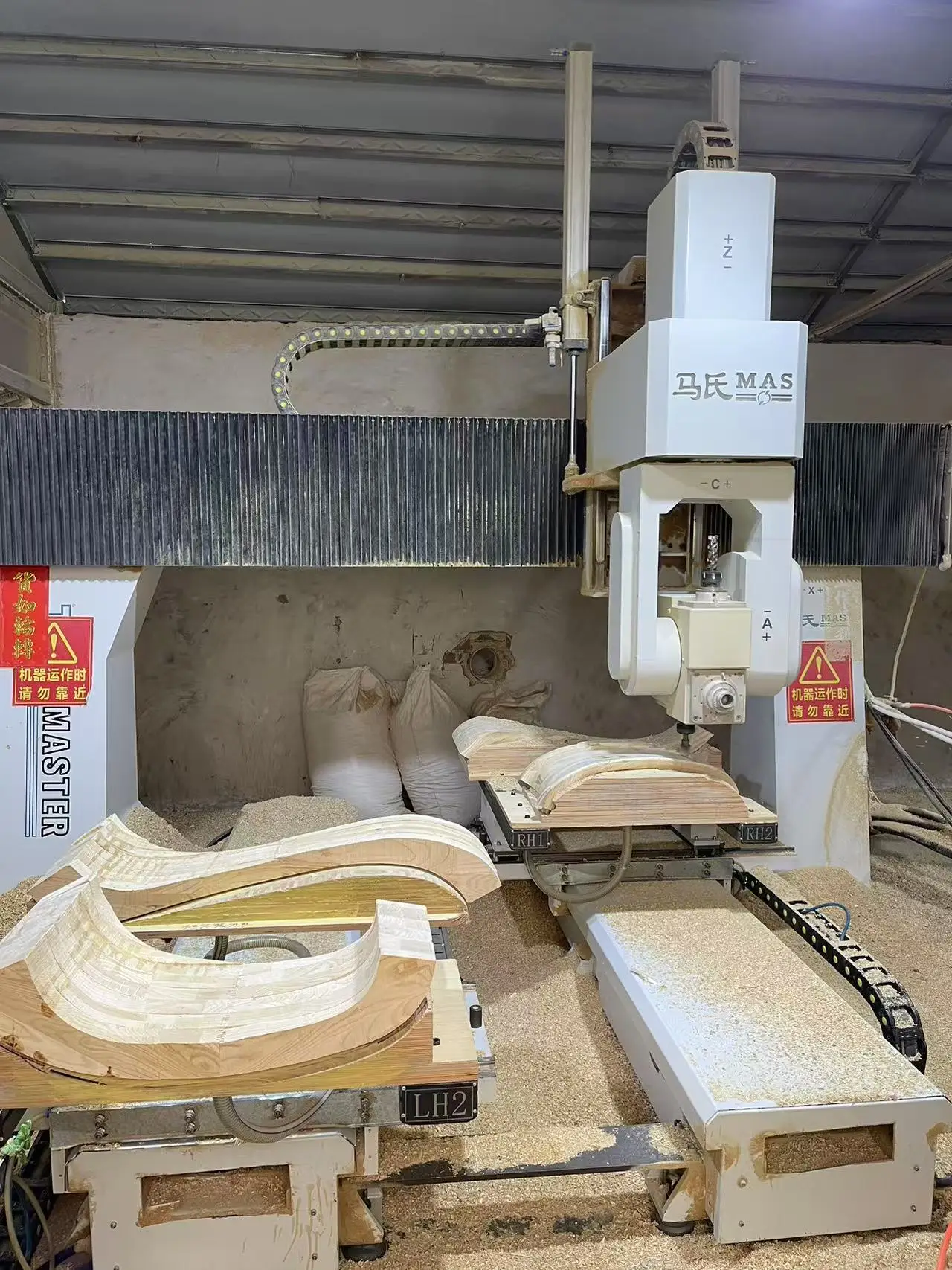
Foshan Shunde Govan Furniture Co., Ltd.
- Manufacturer
- Guangdong, China
- Lead time45 days
- Avg. response≤ 4h
Main productsOutdoor Furniture,Outdoor Hotel Furniture,Garden Furniture,Indoor furniture,Custom furniture
Main marketsWestern Europe(40.00%), North America(40.00%), Oceania(10.00%), Southeast Asia(5.00%), Mid East(5.00%)
Foshan Xunjie Feiying Cross Border E-Commerce Co., Ltd.
- Manufacturer, Trading Company, Distributor/Wholesaler
- Guangdong, China
- Lead time0 days
- Avg. response≤ 1h
Main productsCompressed sofa,Functional sofa,Leisure chair,Outdoor furniture,Bedroom furniture
Main marketsNorthern Europe(20.00%), Mid East(20.00%), Eastern Europe(20.00%), South America(20.00%), North America(20.00%)
Chongqing JXT Trading Co., Ltd.
- Trading Company
- Chongqing, China
- Lead time0 days
- Avg. response≤ 3h
Main productsDining table,sofa,dining chair,cabinet,decorations
Main marketsNorth America(25.00%), Mid East(15.00%), Southeast Asia(15.00%), Eastern Asia(10.00%), Western Europe(10.00%), Africa(8.00%), Oceania(8.00%), Southern Europe(3.00%), Eastern Europe(2.00%), Central America(2.00%), South America(2.00%)
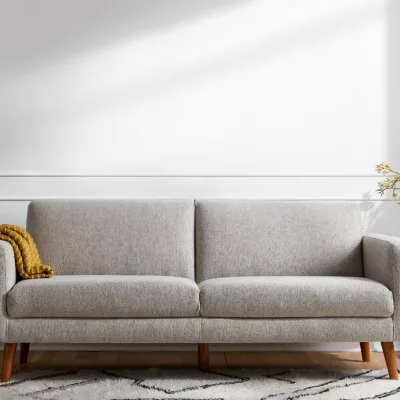
$205.0642 - $389.6223
MOQ: 2 Minimum
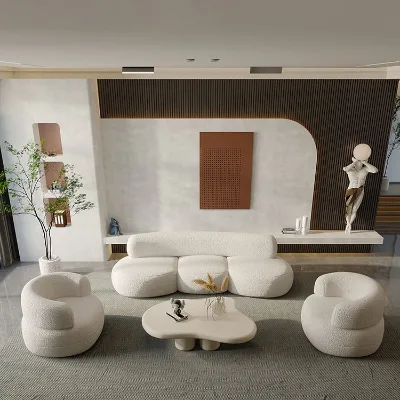
Wabi-sabi Style Boucle Sofa for Living Room, Beauty Salon and Clothing Store Reception
$94.3306 - $303.4963
MOQ: 1 Minimum
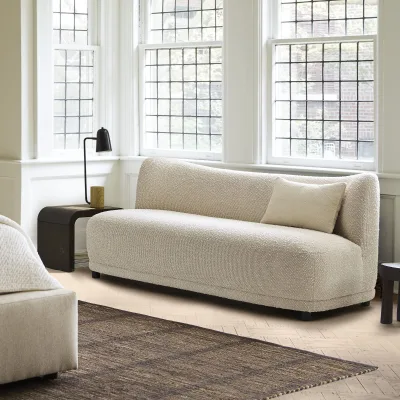
$389.6223 - $512.6605
MOQ: 2 Minimum

- Combined
- China Guangdong
- Lead time30 days
- Avg. response≤ 4h
Main productsBedroom Furniture, Living Room Furniture, Dining Furniture, Hotel Furniture, Sofa Furniture, King&Queen Bed, Wardrobe, Chest Drawers, Coffee Table, TV Stand
Main marketsSouth America
Quanzhou Hanyu Furniture Co., Ltd.
- Manufacturer, Trading Company
- Fujian, China
- Lead time0 days
- Avg. response≤ 1h
Main productsLiving room furniture,Dining room furniture,Bedroom furniture,Office furniture,Hotel furniture
Main marketsDomestic Market(50.00%), Western Europe(5.00%), Eastern Asia(5.00%), Southern Europe(5.00%), Oceania(5.00%), Africa(5.00%), Northern Europe(5.00%), Eastern Europe(5.00%), South America(5.00%), North America(2.00%), South Asia(2.00%), Mid East(2.00%), Southeast Asia(2.00%), Central America(2.00%)
Chongqing JXT Furniture Co., Ltd.
- Trading Company
- Chongqing, China
- Lead time15 days
- Avg. response≤ 3h
Main productsOutdoor parasol,Bar stool,Restaurant table,commercial chair,pavilion
Main marketsNorth America(25.00%), Northern Europe(12.00%), Western Europe(12.00%), Central America(10.00%), Southern Europe(8.00%), Eastern Europe(8.00%), Mid East(7.00%), Africa(5.00%), South America(5.00%), Eastern Asia(5.00%), Southeast Asia(2.00%), Oceania(1.00%)
Chongqing Baibaolong Information Technology Co., Ltd.
- Trading Company
- Chongqing, China
- Lead time10 days
- Avg. response≤ 2h
Main productsSofa,Chair,Bed,Bookshelf,Desk
Main marketsNorth America(50.00%), Central America(25.00%)
Foshan Hanbang Furniture Co., Ltd.
- Verified by SGS Group
- Trading Company
- Lead time14 days
- Avg. response≤ 3h
Main productsHotel Furniture, Outdoor Furniture, Sofa Sets, Minimalist Furniture, Wicker Furniture
Main marketsDomestic Market(30%), North America(16%), Mid East(16%)
Chongqing Jinsheng Furniture Co., Ltd.
- Trading Company
- Chongqing, China
- Lead time30 days
- Avg. response≤ 2h
Main productsHousehold furniture
Main marketsNorth America(50.00%), Oceania(30.00%), Northern Europe(20.00%)
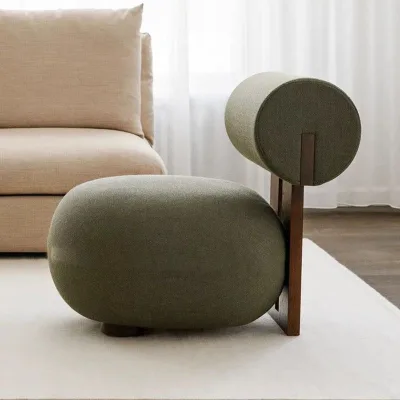
Wabi-sabi Cream Single Sofa Soft Fabric Cashmere Modern Living Room Bedroom Sofa Bed
$123.3648 - $140.9888
MOQ: 2 pieces
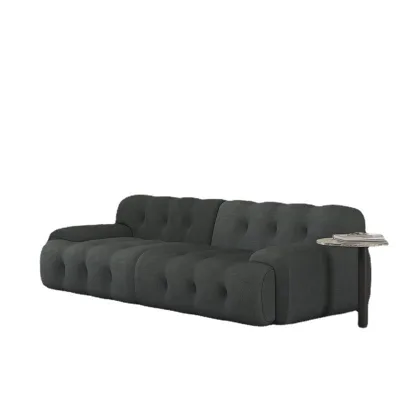
$239.0523 - $518.8173
MOQ: 2 Minimum
Guangzhou Fanrui Home Furnishing Co., Ltd.
- Manufacturer
- Guangdong, China
- Lead time0 days
- Avg. response≤ 2h
Main productsLiving room furniture,Dining room furniture,Bedroom furniture,Salon furniture,Commercial furniture
Main marketsNorth America(24.00%), Northern Europe(21.00%), South America(15.00%), Southeast Asia(11.00%), Eastern Europe(9.00%), Oceania(6.00%), Mid East(6.00%), Southern Europe(4.00%), Western Europe(4.00%)
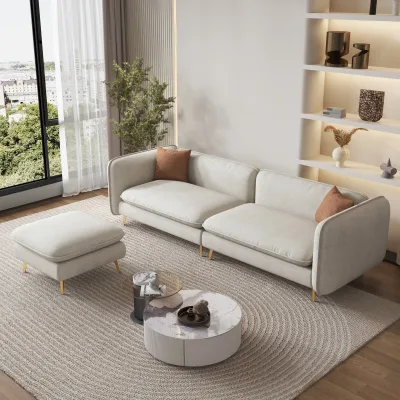
$141.9804 - $162.557
MOQ: 1 pieces
Foshan Feilige Furniture Co., Ltd.
- Verified by Intertek
- Manufacturer, Trading Company
- Lead time20 days
- Avg. response≤ 4h
Main productsSofa, Leisure Chair, Bed, Dining Chair, Dining Table
Main marketsSoutheast Asia(30%), Mid East(15%), North America(10%)
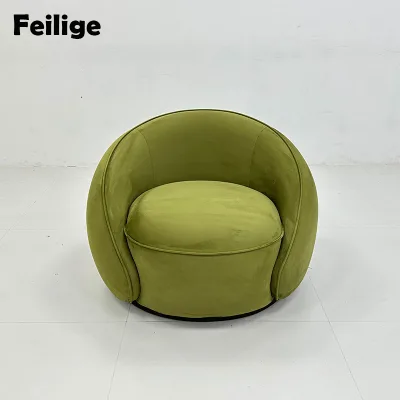
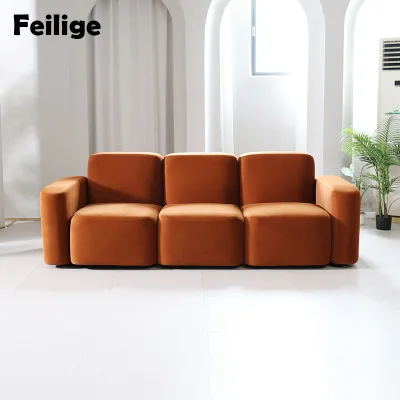
$498.2992 - $623.3912
MOQ: 1 pieces
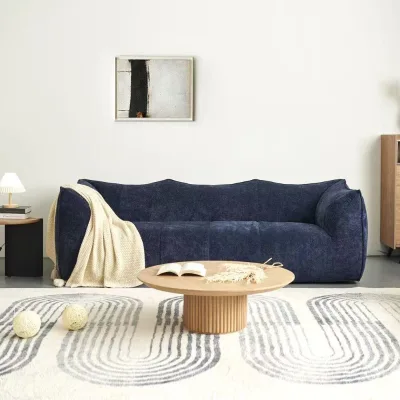
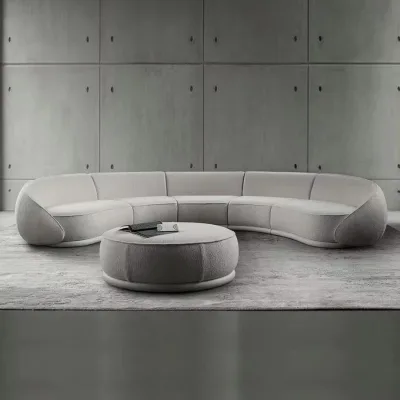
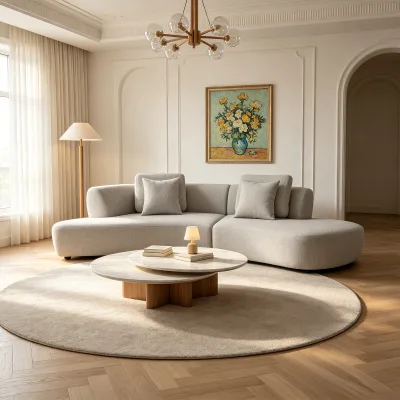
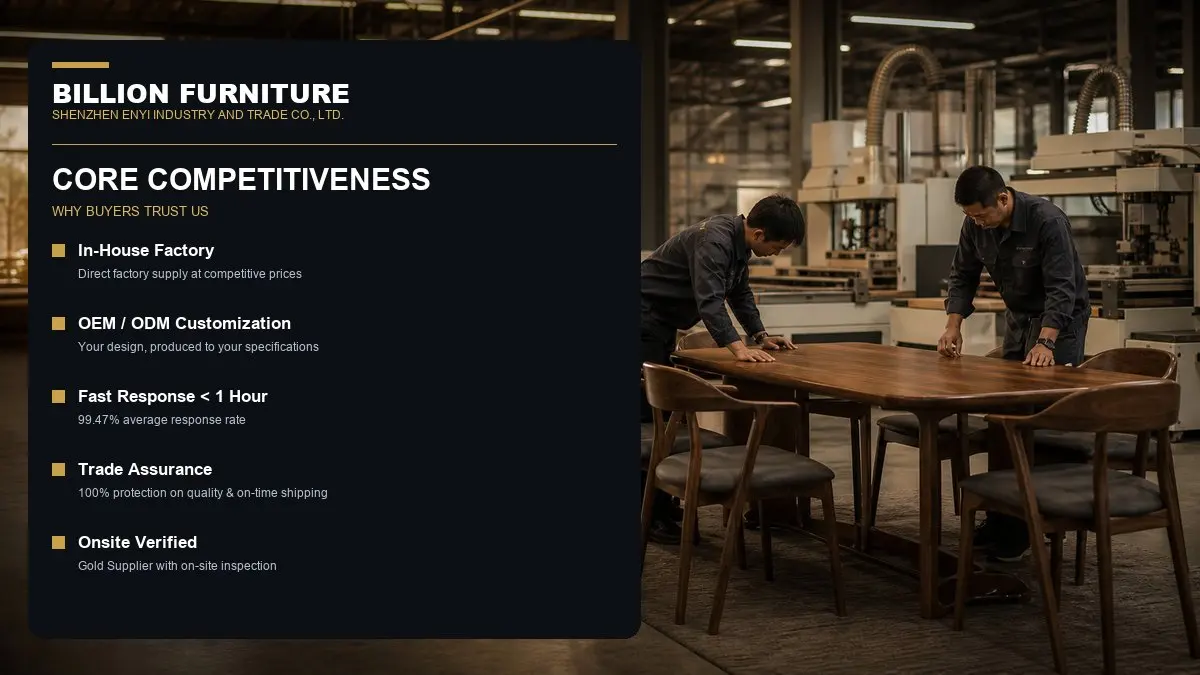
Shenzhen Enyi Industry And Trade Co., Ltd.
- Manufacturer, Trading Company, Buying Office
- Guangdong Province, China
- Lead time0 days
- Avg. response≤ 1h
Main productsDining Table,Dining Chair,Coffee Table,Cabinet,Sofa
Main marketsSoutheast Asia(30.00%), North America(15.00%), Mid East(10.00%)
Xinyu Jiali Industrial Co., Ltd.
- Manufacturer
- Jiangxi, China
- Lead time0 days
- Avg. response≤ 2h
Main productsWood Furniture
Main marketsDomestic Market(72.00%), North America(10.00%), Northern Europe(6.00%), Africa(5.00%), Mid East(5.00%), Southeast Asia(2.00%)

Qingdao Inurda Furniture Co., Ltd.
- Verified by CTI
- Trading Company,Manufacturer/Factory
- China Shandong
- Lead time30 days
- Avg. response≤ 7h
Main productsSingle Bed, Double Bed, Half Tall Bed, High Foot Bed, Coffee Table, Bunk Bed, Bookshelf, Dining Table, Baby Crib, Cabin Bed
Main marketsSouth America,Eastern Europe,Mid East,North America,Southeast Asia,Eastern Asia,Oceania,Western Europe,Africa

Shenzhen Prima Industry Co., Ltd.
- Manufacturer/Factory
- China Guangdong
- Lead time45 days
- Avg. response≤ 11h
Main productsStaircase, Railing, Kitchen, Wardrobe, Building Glass, Movable Partition, Shower, Window&Door, Tiles&Flooring, Bathroom Accessories
Main marketsSouth America,Eastern Europe,Mid East,North America,Southeast Asia,Eastern Asia,Oceania,Western Europe,Africa

- Verified by TUVRHEINLAND
- Combined
- China Guangdong
- Lead time30 days
- Avg. response≤ 2h
Main productsDesigner Replica Chairs, Designer Tables, Fiberglass Chairs, Lounge Chairs, Leisure Chairs, Metal Wire Chairs, Office Sofas, Living Room Sofas, Commercial Furniture, Furniture
Main marketsEurope

Shenzhen Prima Housing Co., Ltd.
- Manufacturer/Factory
- China Guangdong
- Lead time0 days
- Avg. response≤ 5h
Main productsStaircase and Railing, Cabinets, Aluminum Windows and Doors, Wood Doors, Furniture
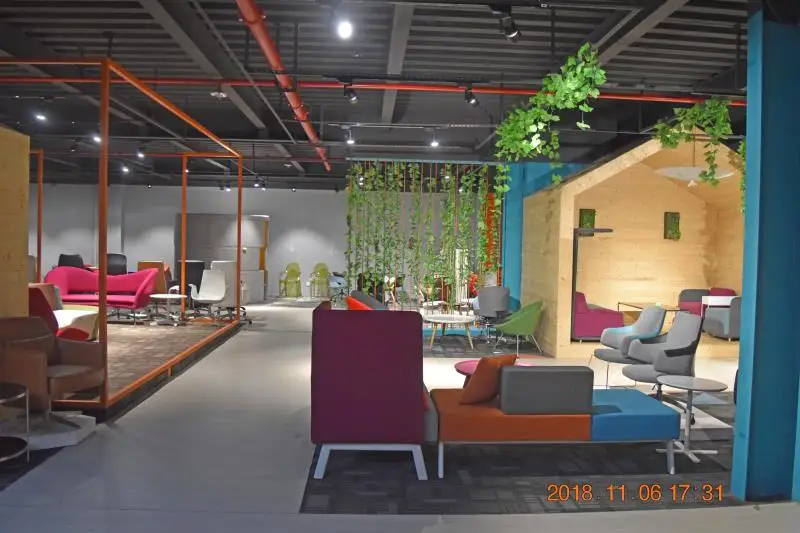
Foshan Lvye Furniture Co., Ltd.
- Manufacturer, Trading Company
- Guangdong, China
- Lead time18 days
- Avg. response≤ 8h
Main productsOffice Chair,furniture hardware,office furniture,interior design,Office Desk
Main marketsNorth America(18.00%), Eastern Europe(15.00%), Mid East(13.00%), Northern Europe(13.00%), Southeast Asia(12.00%), Western Europe(8.00%), Southern Europe(7.00%), Africa(3.00%), South America(3.00%), South Asia(2.00%), Oceania(2.00%), Eastern Asia(2.00%), Central America(2.00%)
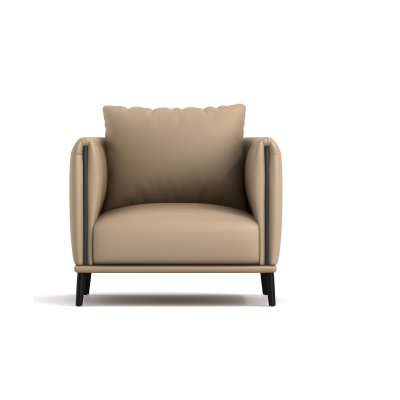
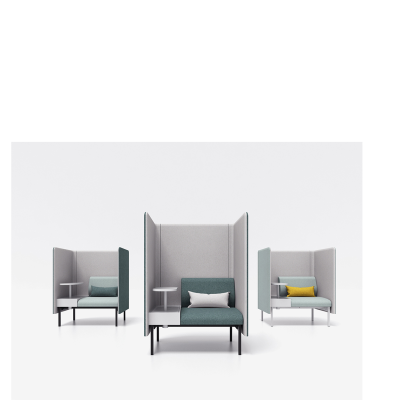
$502.00 - $502.30
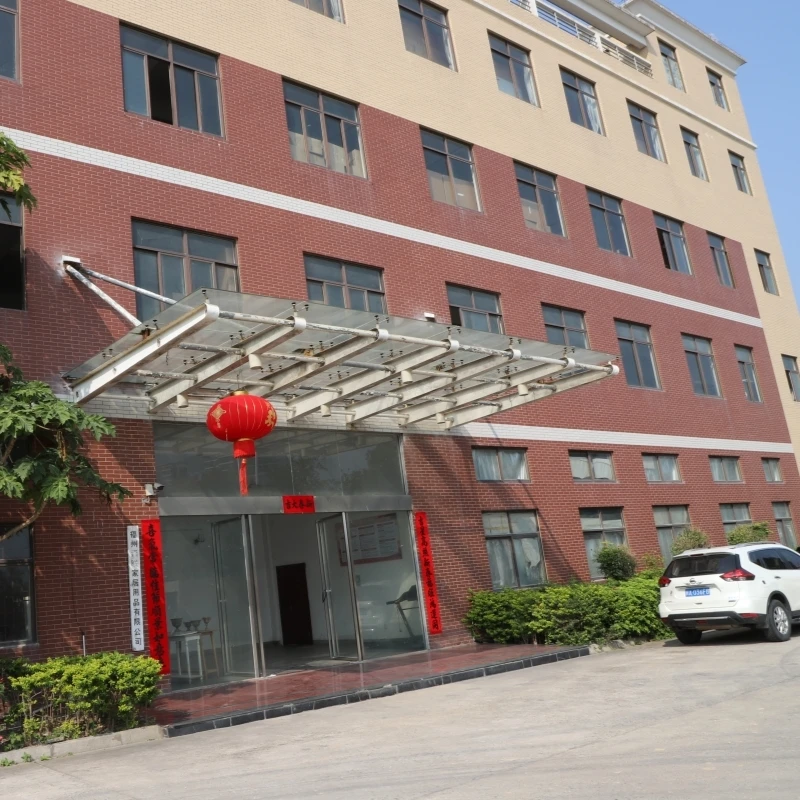
Fuzhou Qiankun Furniture Manufacturing Co., Ltd.
- Trading Company
- Fujian, China
- Lead time30 days
- Avg. response≤ 4h
Main productsRecliner, Sofa, Dining Table, Dining Chair, Coffee Table
Main marketsNorth America(70.00%), Mid East(10.00%), Southern Europe(5.00%), Western Europe(5.00%), Eastern Asia(5.00%), South America(5.00%)

Fujian Dongyi Shenghui International Trade Co., Ltd.
- Verified by SGS
- Combined
- China Fujian
- Lead time15 days
- Avg. response≤ 2h
Main productsHotel Furniture, Apartment Furniture, Dining Restaurant Banuqet Furniture, Church Furniture, Movie Theater Furniture, Opera House Furniture, KTV Furniture, Office School Stadium Furniture
Main marketsEurope

Foshan Optima Home Industry Co .,Ltd
- Trading Company
- China Guangdong
- Lead time0 days
- Avg. response≤ 7h
Main productsFurniture, Railings, Staircase, Aluminum Windows & Doors, Wooden Doors, Wooden Cabinets, Wrought Iron Products, Bathroom Products

Shanghai Pumei furniture Co., Ltd.
- Verified by TUVRHEINLAND
- Combined
- China Shanghai
- Lead time15 days
- Avg. response≤ 8h
Main productsOffice Desk, Panel Furniture, Chairs and Sofa, Laboraty Furniture, Conference Table, Safety Cabinet, Staff Workstation, Office Partition, Training Chair, Laboratory Fume
Main marketsOthers(foreignTradeCapacity.exportBusinessCapacityMarketOther)
Foshan Bravo Furniture Co. , Ltd.
- Manufacturer
- Guangdong, China
- Lead time0 days
- Avg. response≤ 2h
Main productsfurniture,outdoor furniture,interior furniture,hotel furniture,Customized cabinet
Main marketsNorth America(50.00%), Southeast Asia(30.00%), Mid East(10.00%), South America(5.00%), Eastern Europe(5.00%)
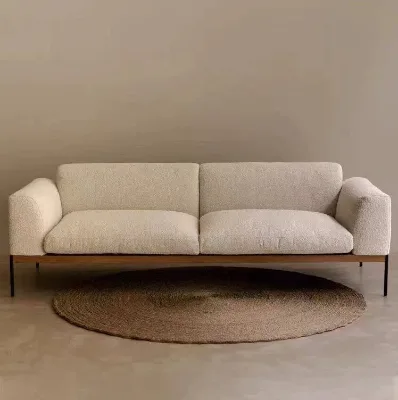
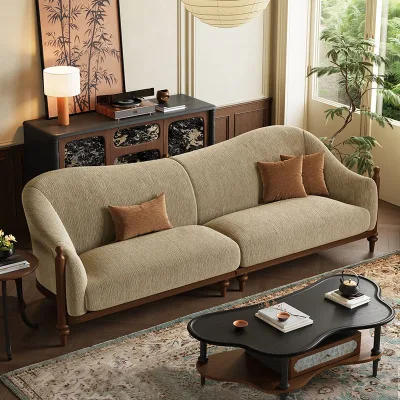
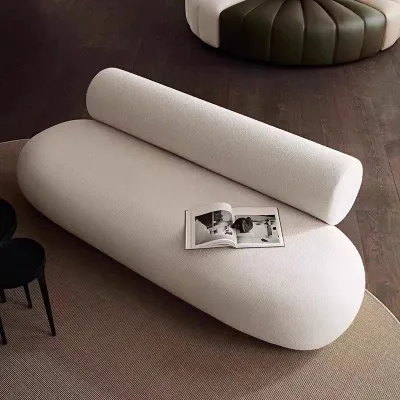
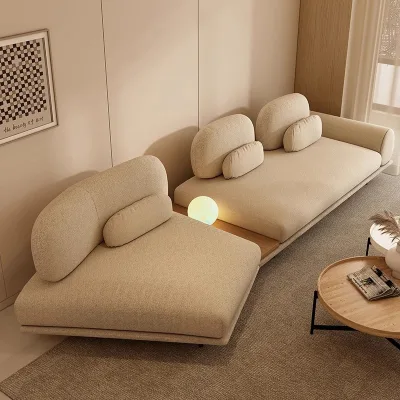
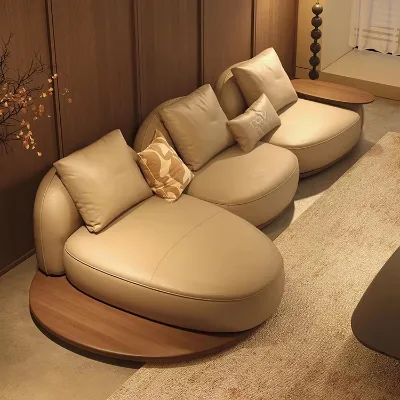
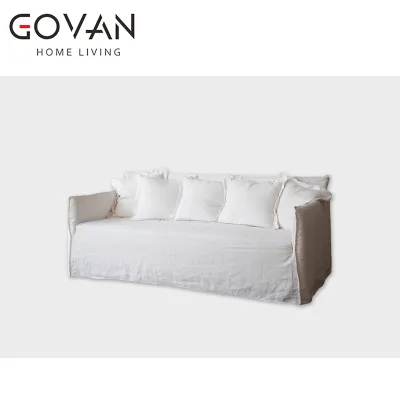
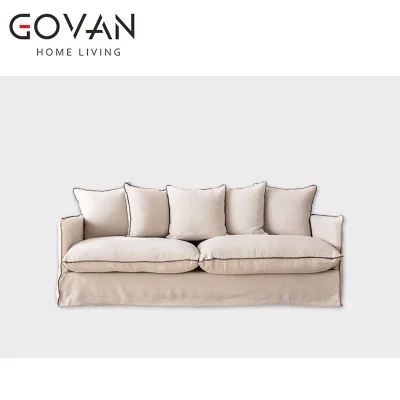
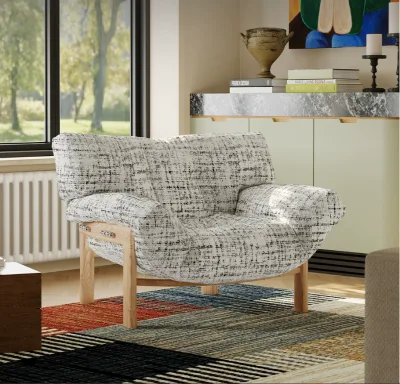
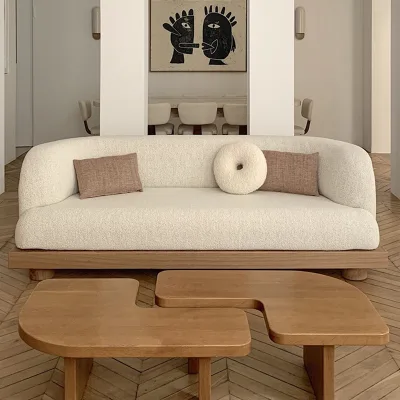
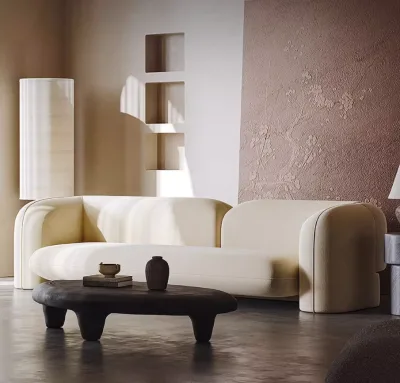


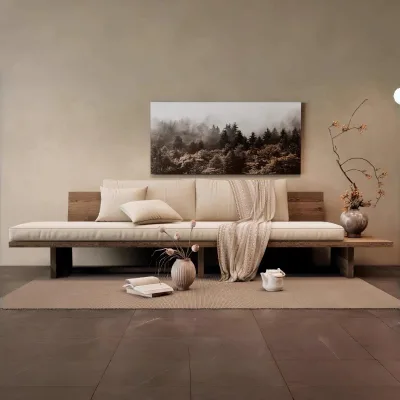
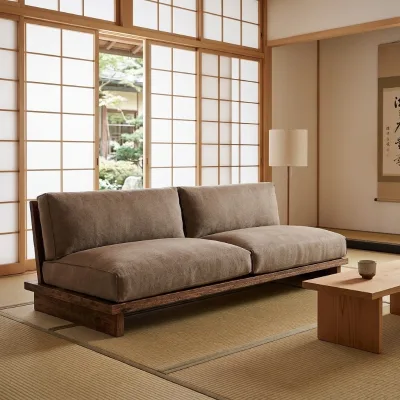
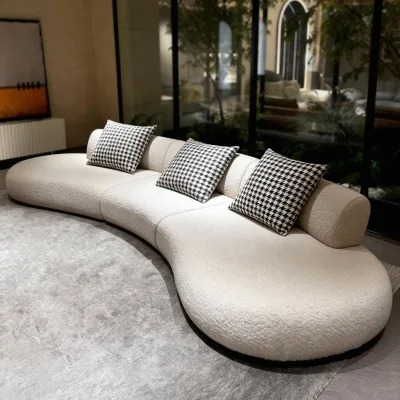
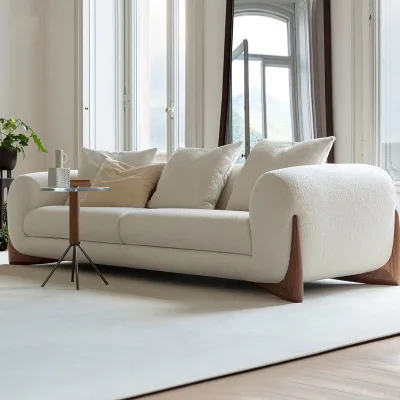
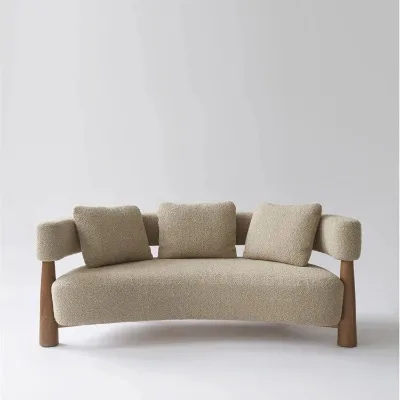
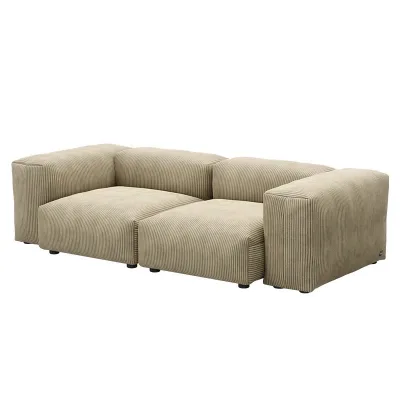
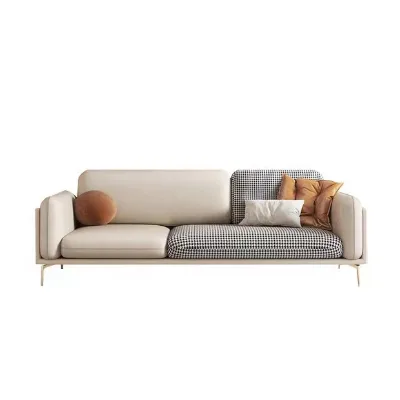
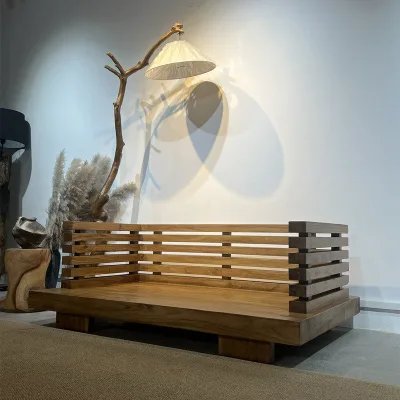
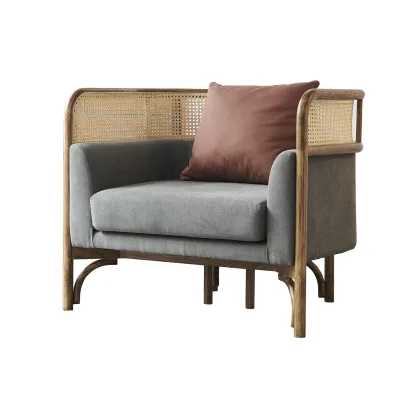
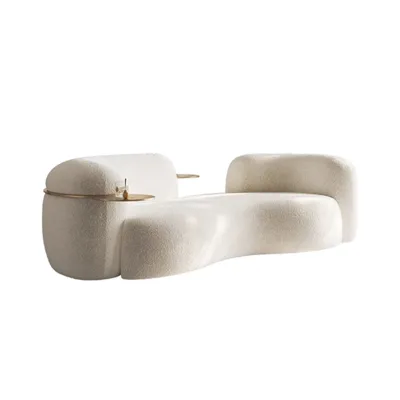
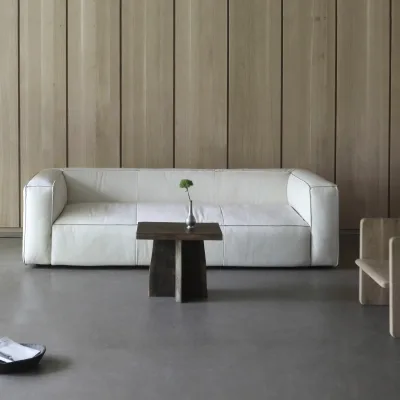
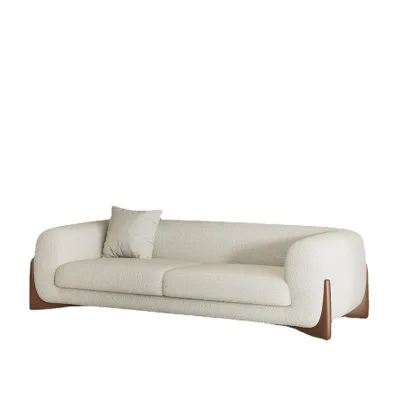
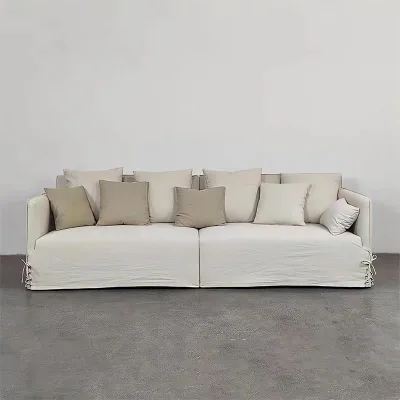
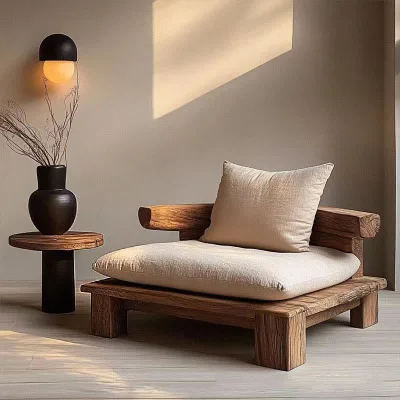
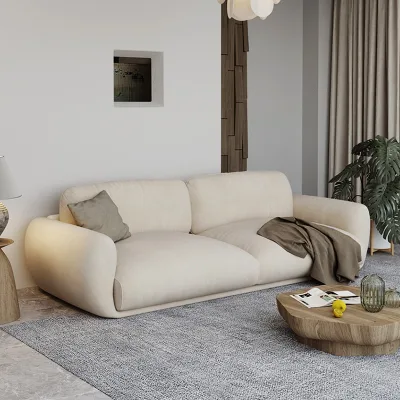
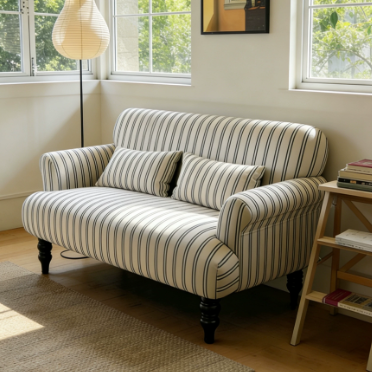
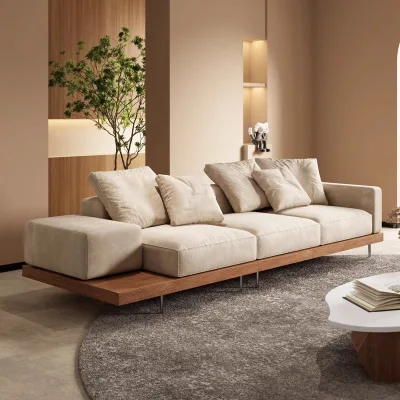


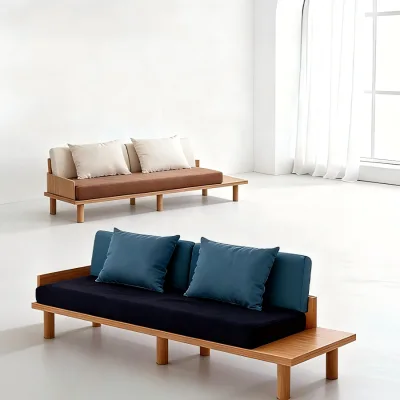
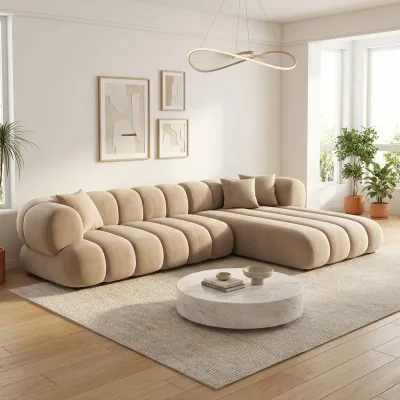




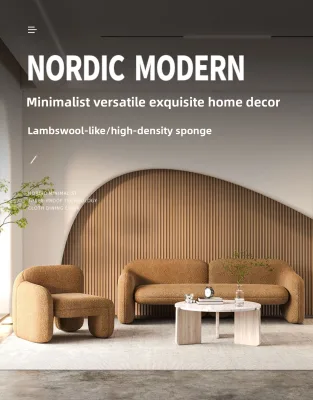
Comprehensive Sourcing Guide
Modern Wabi-Sabi Wooden Sofa Supplier Concentration and Factory Types
The current supplier landscape for modern wabi-sabi wooden sofas is heavily concentrated in China, specifically within the Guangdong region. This geographic clustering is significant because Guangdong serves as a major manufacturing hub for furniture, offering established supply chains for solid wood, fabrics, and hardware. Buyers evaluating suppliers should recognize that this concentration often correlates with mature logistics networks and specialized labor pools experienced in producing minimalist and wabi-sabi style furniture. When assessing potential partners, it is crucial to understand that the majority of these entities operate as either trading companies or manufacturer/factory hybrids. This dual nature means that some suppliers may handle production in-house while others act as intermediaries, which can impact communication efficiency and cost structures. Understanding this distinction helps buyers determine whether they are dealing directly with the production source or a reseller, influencing their negotiation strategy and quality control expectations.
Company types vary significantly, with many suppliers identifying as Group Corporations or offering both OEM and ODM services. This flexibility allows buyers to choose between customizing existing designs or developing entirely new product lines tailored to specific brand identities. The presence of Own Brand capabilities alongside OEM and ODM options indicates a mature manufacturing ecosystem capable of supporting diverse business models. Buyers should note that while many suppliers list themselves as manufacturers, the actual production might be outsourced to subsidiary factories within the same group. This structure can provide scalability but requires careful verification of production capacity and quality consistency. The focus on living room furniture, dining room furniture, and bedroom furniture suggests that these suppliers often have diversified production lines, which can be advantageous for buyers seeking comprehensive furniture solutions rather than single-item purchases.
How to Verify Modern Wabi-Sabi Wooden Sofa Suppliers
Verification is a critical step in ensuring supplier reliability, particularly when sourcing specialized furniture like modern wabi-sabi wooden sofas. Buyers should prioritize suppliers that have undergone third-party verification processes, such as those conducted by TÜV Rheinland. This type of verification provides an additional layer of confidence regarding the supplier’s business legitimacy and operational capabilities. Beyond basic verification, buyers must scrutinize the system certifications held by the supplier, such as ISO 9001, HSE, and GMP. These certifications indicate adherence to international standards for quality management, health and safety, and good manufacturing practices. It is essential to confirm that these certifications are current and relevant to the specific products being sourced, as they reflect the supplier’s commitment to maintaining consistent quality and safety standards throughout the production process.
Product-specific certifications are equally important for verifying the safety and compliance of the wooden sofas. Many suppliers offer products with CARB, FSC, REACH, EPA, and Oeko-Tex Standard 100 certifications. These labels assure buyers that the materials used, particularly the wood and fabrics, meet strict environmental and health regulations. For instance, CARB and FSC certifications relate to wood sourcing and formaldehyde emissions, while REACH and EPA standards address chemical safety. Buyers should request documentation for these certifications to ensure they align with the regulatory requirements of their target markets. Additionally, verifying the supplier’s response time, which can be as low as 2.14 hours, provides insight into their customer service efficiency. A quick response time often correlates with better communication and problem-solving capabilities, which are vital for managing complex international orders and addressing any issues that may arise during production or shipping.
What to Compare Across Modern Wabi-Sabi Wooden Sofa Suppliers
When comparing suppliers, lead time is a key metric that directly impacts inventory management and project timelines. Current data shows lead times ranging from 23 to 45 days, depending on the supplier and order complexity. Buyers should carefully evaluate these timelines against their sales forecasts and stock requirements to avoid stockouts or excess inventory. Alongside lead time, the minimum order quantity (MOQ) is a critical factor, with some suppliers requiring as few as 1 unit while others demand 50 units or more. This variation allows buyers to choose suppliers that match their order volume, whether they are testing the market with small batches or committing to large-scale production. Comparing MOQs helps buyers assess the financial risk and flexibility of each supplier, ensuring that the partnership aligns with their business scale and cash flow capabilities.
Price and customization options are also essential comparison points. Prices for modern wabi-sabi wooden sofas can vary significantly, with some items priced between $150 and $200, while others range from $350 to $650. These price differences often reflect variations in materials, such as solid wood versus fabric, and design complexity. Buyers should compare the value proposition of each supplier, considering not just the unit price but also the quality of materials and craftsmanship. Customization availability is another crucial aspect, with many suppliers offering OEM and ODM services. Buyers should evaluate the extent of customization allowed, including options for size, fabric, color, and design modifications. Suppliers that offer flexible customization can help buyers differentiate their products in the market, while those with limited options may be better suited for buyers seeking standard, off-the-shelf solutions.
Common Modern Wabi-Sabi Wooden Sofa Sourcing Risks
One of the primary risks in sourcing modern wabi-sabi wooden sofas is the potential discrepancy between product samples and bulk production. While suppliers may provide high-quality samples, there is a risk that mass-produced items may not meet the same standards due to variations in materials or manufacturing processes. Buyers should mitigate this risk by implementing strict quality control measures, including third-party inspections before shipment. Additionally, the complexity of wabi-sabi designs, which often involve natural wood grains and minimalist aesthetics, can lead to inconsistencies in appearance. Buyers must clearly communicate their quality expectations and provide detailed specifications to minimize the risk of receiving products that do not match their vision. Understanding the fire retardant standards, such as BS or ISO, is also crucial to ensure that the sofas meet safety regulations in the target market.
Another significant risk is the reliability of shipping and logistics, especially when sourcing from distant locations like China. Delays in production or shipping can disrupt supply chains and lead to missed deadlines. Buyers should work with suppliers who have proven track records in international logistics and offer reliable shipping options. The packaging of wooden sofas is also a critical factor, as improper packaging can lead to damage during transit. Buyers should verify that suppliers use robust packaging methods, such as carton boxes with protective materials, to ensure the products arrive in pristine condition. Furthermore, buyers should be aware of the potential for currency fluctuations and trade policy changes, which can impact costs and delivery times. Establishing clear communication channels and maintaining regular contact with suppliers can help mitigate these risks and ensure a smoother sourcing process.
Modern Wabi-Sabi Wooden Sofa Regional Sourcing and Logistics
Sourcing modern wabi-sabi wooden sofas from China, particularly the Guangdong region, offers several logistical advantages due to the area’s well-developed infrastructure. Guangdong is home to numerous ports and transportation networks that facilitate efficient export operations. Buyers should leverage this infrastructure by working with suppliers who have experience in international shipping and can provide accurate shipping estimates. The proximity to major manufacturing hubs also reduces lead times for raw materials, which can contribute to faster production cycles. However, buyers must also consider the environmental impact of long-distance shipping and explore options for carbon-neutral logistics if sustainability is a priority for their brand. Understanding the local logistics landscape can help buyers optimize their supply chain and reduce overall costs.
Logistics planning should also account for the specific requirements of wooden furniture, which can be bulky and heavy. Buyers should collaborate with suppliers to determine the most cost-effective shipping methods, whether by sea or air, based on the order size and urgency. Sea freight is typically more economical for large orders, while air freight may be necessary for urgent or smaller shipments. Buyers should also consider the need for customs clearance and import duties in their target markets, as these can add to the total cost of ownership. Working with suppliers who offer DDP (Delivered Duty Paid) shipping terms can simplify the logistics process and provide greater cost certainty. Additionally, buyers should ensure that the packaging meets international shipping standards to prevent damage and reduce the risk of claims.
Modern Wabi-Sabi Wooden Sofa Commercial Terms and Order Planning
Commercial terms play a vital role in the success of any sourcing transaction, and buyers must carefully negotiate payment terms, warranties, and after-sales support. Many suppliers offer flexible payment options, such as T/T or L/C, but buyers should choose terms that protect their interests and ensure timely delivery. It is also important to clarify the warranty period and the process for handling defective products. Buyers should seek suppliers who offer comprehensive after-sales support, including technical assistance and replacement parts, to minimize downtime and customer dissatisfaction. Understanding the supplier’s return and refund policies is equally crucial, as these terms can impact the overall risk profile of the sourcing relationship. Clear commercial terms help establish trust and ensure a smooth transaction process.
Order planning should be aligned with the supplier’s production capacity and lead times to avoid bottlenecks and delays. Buyers should provide accurate forecasts and maintain open communication with suppliers to adjust orders as needed. It is also important to consider the scalability of the supplier’s operations, especially if the buyer plans to increase order volumes in the future. Suppliers that offer OEM and ODM services can provide greater flexibility, allowing buyers to adapt to changing market demands. Buyers should also evaluate the supplier’s ability to handle custom orders, including specific sizes, materials, and designs. By carefully planning orders and selecting suppliers with robust commercial terms, buyers can ensure a reliable and efficient sourcing process for modern wabi-sabi wooden sofas.
FAQs
What is the price range for modern wabi-sabi wooden sofas?
Prices typically range from $150 to $650 per unit depending on size and material specifications. Basic models start around $150 while larger three-seater options can reach $650. Buyers should verify exact pricing based on customization needs and order volume to ensure accurate budgeting for their specific project requirements.
What certifications are available for these solid wood sofas?
Common certifications include CARB, FSC, REACH, EPA, and Oeko-Tex Standard. System certifications like ISO 9001 and HSE are also frequently held by suppliers. These ensure compliance with environmental and safety standards. Buyers should request specific certificates relevant to their target market regulations before finalizing any purchase agreements.
What is the typical lead time for manufacturing these sofas?
Lead times generally range from 23 to 45 days depending on the supplier and order complexity. Some manufacturers offer faster turnaround times for standard items. Buyers should confirm specific delivery schedules with their chosen supplier to align with their project timelines and avoid potential delays in inventory replenishment or store openings.
What is the minimum order quantity for custom wooden sofas?
MOQs vary significantly, with some suppliers accepting orders as low as one unit for customizable designs. Others may require a minimum of 50 units for standard production runs. Buyers seeking small batches should specifically look for suppliers offering low MOQs to test market demand before committing to larger wholesale orders.
Where are these modern wabi-sabi sofas typically manufactured?
Most suppliers are located in China, specifically in the Guangdong province. This region is known for its robust furniture manufacturing infrastructure and supply chain efficiency. Buyers should verify the exact factory location to assess logistics costs and ensure alignment with their sourcing preferences for quality and delivery speed.
Can these sofas be customized for specific brand requirements?
Yes, most suppliers offer OEM and ODM services with available customization options. Buyers can often modify sizes, fabrics, colors, and design elements to match their brand identity. It is essential to discuss specific customization capabilities and associated costs with the supplier to ensure the final product meets all design specifications.