Flatback Rhinestone Heat Transfer Suppliers and Manufacturers
Explore 11 verified options for Flatback Rhinestone Heat Transfer from Zhejiang and Liaoning. Compare response times, lead times, and material types like glass or plastic. Contact suppliers directly to request samples and confirm pricing details; review the available evidence before requesting comparable quotations from suitable candidates.
Suppliers List
- Trading Company
- Zhejiang, China
- Lead time10 days
- Avg. response≤ 2h
Main productscheerleading uniforms,gymnastics leotards,rhinestone transfers,practice wear
Main marketsNorth America(80.00%), Northern Europe(15.00%)
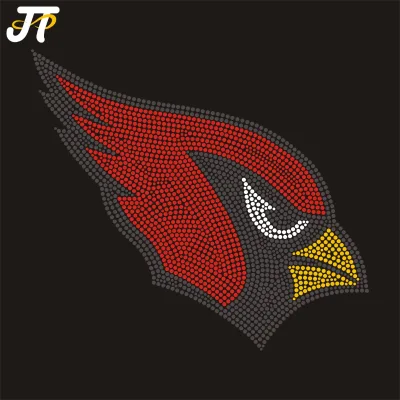
Sports Team Design Glass Flatback Round Rhinestone Heat Transfers with for Logo for Garment
$2.63 - $4.05
MOQ: 2 pieces


Ready-to-Press 3D Rhinestone Heat Transfers Cheer Bling Design Clothing Accessories Patches
$1.88 - $5.36
MOQ: 10 pieces


Shenzhen Aprise Trading Co., Ltd.
- Manufacturer, Trading Company
- Guangdong, China
- Lead time2 days
- Avg. response≤ 2h
Main productsGarments Accessories,rhinestone transfer,t shirt,vinyl print transfer,embroidery
Main marketsNorthern Europe(20.00%), North America(15.00%), South America(15.00%), Africa(10.00%), Eastern Europe(10.00%), Domestic Market(5.00%), Southeast Asia(5.00%), Mid East(5.00%), Southern Europe(5.00%), Central America(4.00%), Oceania(3.00%), Western Europe(2.00%), South Asia(1.00%)

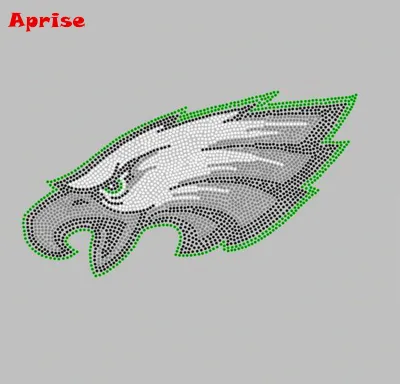
Factory Philadelphia Rhinestone Custom Design Eagle Rhinestone Transfer Iron on Heat Printing
$2.61 - $3.63
MOQ: 25 pieces




Yiwu Dansilin Trading Co., Ltd.
- Verified by TüVRheinland
- Trading Company
- Lead time7 days
- Avg. response≤ 6h
Main productsCeramic Pearl, Rhinestone, Heat Transfer, Crystal Medley
Main marketsNorth America(38%), Western Europe(28%), Mid East(17%)

Guangzhou Govolon Trade Co., Ltd.
- Trading Company,Manufacturer/Factory
- China Guangdong
- Lead time15 days
- Avg. response≤ 25h
Main productsGarment Accessories, Lace, Button, Zipper, Fringe and Tassels, Belt Ribbon, Garment Trimming, Patch Badge, Buckle, Hotfix
Main marketsSouth America,Mid East,North America,Southeast Asia,Western Europe,Africa


Fashion Crystal Heat Transfer /Rhinestone Hot Fix for Garment Clothing Decoration
$3.80 - $4.50
MOQ: 500 Pieces
Yiwu Songshuo Jewelry Co., Ltd.
- Trading Company
- Zhejiang, China
- Lead time15 days
- Avg. response≤ 3h
Main productsRhinestone Mesh,Bling Car Accessories,Bling Fashion Products,Rhinestone Crystal keychain,Water Diamond Patch
Main marketsMid East(30.00%), North America(20.00%), Domestic Market(10.00%), South Asia(10.00%), Northern Europe(10.00%), Central America(10.00%), Eastern Asia(10.00%), South America(10.00%), Africa(10.00%), Southeast Asia(10.00%), Eastern Europe(10.00%)

Marigold Garment Accessories Co., Ltd.
- Trading Company
- China Guangdong
- Lead time15 days
- Avg. response≤ 11h
Main productsLace, Lace Trimming, Rhinestone Trimming, Embroidery, Patches, Elastic Trim, Brooches, Button, Rhinestone Patch, Lace Fabric
Main marketsSouth America,Africa,Southeast Asia/ Mideast,Europe,North America

Hangzhou Hongshi Industry and Trade Co., Ltd.
- Verified by TUVRHEINLAND
- Combined
- China Zhejiang
- Lead time15 days
- Avg. response≤ 3h
Main productsPatch Cloth Print Label, Embriodery Badge, Woven Label, Hangtag, Care Label, Leather Badge, Garment Tag, Sticker, 3D TPU Embossed Patch, Rubber Patch
Main marketsEurope


Iron on Clothing Rhinestone Elegant Rhinestone Transfers for Cloth with Custom Motif Designs
$0.03 - $0.05
MOQ: 1000 Pieces



Guizhou Catch Fashion E-commerce Co., Ltd.
- Trading Company
- Guizhou, China
- Lead time5 days
- Avg. response≤ 1h
Main productsRhinestone Heat Transfer,Embroidery Patches,Printing Heat Transfer,Lace Collar,Elastic Band
Main marketsNorth America(40.00%), South America(20.00%), Central America(10.00%), Western Europe(8.00%), South Asia(5.00%), Eastern Europe(5.00%), Southern Europe(4.00%), Eastern Asia(2.00%), Northern Europe(2.00%), Southeast Asia(2.00%), Africa(2.00%)
Guangzhou Yiyun Clothing Co., Ltd.
- Manufacturer, Trading Company
- Guandong, China
- Lead time0 days
- Avg. response≤ 2h
Main productsrhinestone transfer,rhinestone tshirt,glitter,hot fix tape,Tpu
Main marketsWestern Europe(22.80%), Central America(16.00%), South America(12.80%), Eastern Europe(11.00%), North America(10.00%), Mid East(9.00%), Southern Europe(8.00%)
Dongguan Topaz Costume Co., Ltd.
- Manufacturer, Trading Company
- Guangdong, China
- Lead time20 days
- Avg. response≤ 6h
Main productsRhinestone Transfer,Iron on Patch,Face Gems Sticker,T Shirts with rhinestone,Sew on Crystal
Main marketsNorth America(72.00%), Western Europe(10.00%), Domestic Market(5.00%), Oceania(4.00%), South America(3.00%), Eastern Europe(3.00%), Mid East(2.00%), Africa(1.00%)

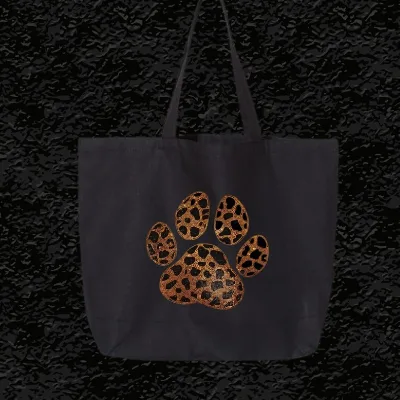
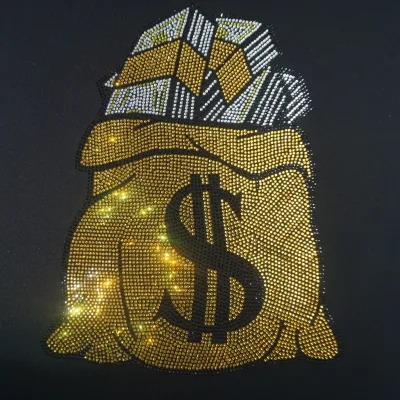
$2.81 - $3.04
MOQ: 50 pieces
Dongguan Ruiyan Garment Accessories Co., Ltd.
- Verified by Intertek
- Manufacturer, Trading Company
- Lead time7 days
- Avg. response≤ 4h
Main productsGarment Labels, Leather Luggage Tag, Leather Patch, Garment Tags
Main marketsDomestic Market(85%), North America(10%), Western Europe(5%)
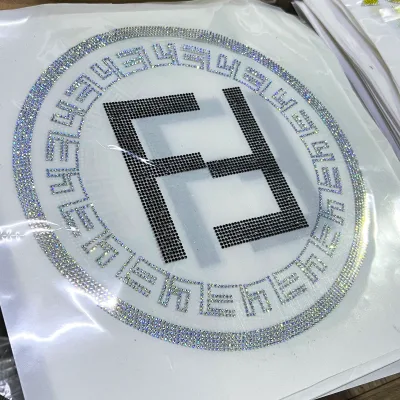
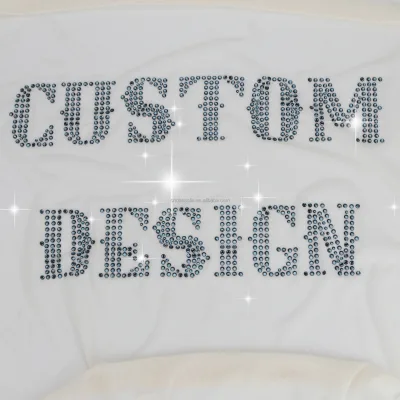












Comprehensive Sourcing Guide
Flatback Rhinestone Heat Transfer Supplier Concentration and Factory Types
Suppliers of flatback rhinestone heat transfers on this page cluster in a small number of Chinese provinces. Zhejiang appears as one listed location, with a trading company whose main products cover cheerleading uniforms, gymnastics leotards, rhinestone transfers, and practice wear. Liaoning also appears repeatedly as the stated place of origin for several listed rhinestone transfer products, and Guangdong appears as a supplier location for a manufacturer-trading company whose main products include garments accessories, rhinestone transfers, t-shirts, vinyl print transfers, and embroidery. Because these locations are declared in listing data rather than audited, treat them as starting points, not verified manufacturing addresses.
The supplier mix on this page spans trading companies, combined manufacturer-trading companies, and branded product lines. Trading companies can be useful when you need coordinated sourcing across transfers and finished garments, since one listed Zhejiang supplier sells both cheerleading uniforms and the rhinestone transfers used to decorate them. Manufacturer-labeled suppliers may offer deeper process control over hot-fix application and stone setting. Product listings also reveal brand names, model numbers, and attributes such as glass or plastic material, 12 facets, round or diamond shapes, and flatback style, which help you distinguish specialists from generalists. To identify clusters beyond what is displayed, search listing origin fields, cross-check declared provinces against the factory address on invoices, and ask whether production, assembly, and packaging all occur at one site or are subcontracted.
How to Verify Flatback Rhinestone Heat Transfer Suppliers
Verification begins with confirming that the declared profile matches what the listing shows. One listed Zhejiang supplier identifies as a trading company with a two-hour response time and a ten-day lead time, while a Guangdong entry identifies as a manufacturer and trading company with a two-day lead time. Ask each candidate to confirm in writing which role applies to them, because a trading company and a factory answer differently when asked for production floor photos, machine lists, and the name of the plant that actually presses and packages the transfers. Request the full legal entity name and compare it to the name on quotation documents.
Then verify product-level claims against the attribute data supplied. Several listings declare glass or plastic material, hot-fix technics, flatback style, and 12 facets, and one glass transfer listing supports a seven-day sample order lead time. Order physical samples before committing, press them onto your actual garment fabric, and wash-test them, because heat-activated adhesive performance cannot be judged from photos. Check that the motif size, described in some listings as nine to ten inches, matches your placement area. Ask whether OEM service is accepted, as at least one listed cheer patch product states this explicitly. If escrow protection, third-party inspection reports, or certifications matter to your program, request documentary proof directly from the supplier rather than assuming any displayed badge is current, and record what the supplier refuses to provide.
What to Compare Across Flatback Rhinestone Heat Transfer Suppliers
Build a comparison table using the dimensions actually displayed in supplier results, and mark blanks as unknown rather than inferring values. Useful columns include supplier location, company type, main products, quoted lead time, response speed, and whether an establishment year is shown. On this page, lead times range from two days at one Guangdong entry to ten days at a Zhejiang trading company, and response time is shown as two hours for one entry; other entries display no such figures, so request them directly. Do not assume every supplier publishes every attribute, and treat missing data as a question to ask rather than a negative signal.
Product-level comparison matters just as much as company-level comparison. Listed items differ materially: some use glass stones, others plastic; shapes include round and diamond; colors span black, pink, white, red, yellow, grey, mixed colors, crystal AB, and gold and red combinations; and applications cover garments, bags, shoes, and hats. MOQs shown in the results range from two pieces on one item to ten and fifteen pieces on others, which materially affects sampling budgets. Price ranges on listed items run roughly from under two dollars to about seven dollars per piece, but these are listing prices, not negotiated quotes. Compare like with like: glass against glass, ready-to-press against ready-to-press, and always normalize for motif size and stone count before ranking suppliers on cost.
Common Flatback Rhinestone Heat Transfer Sourcing Risks
The most frequent risk in this category is material substitution. Listings on this page declare both glass and plastic stones at similar-looking price points, and plastic stones typically reflect less light and can dull after washing. Because some listings omit explicit material attributes or state them only in mixed fields, always confirm the material, facet count, and adhesive type in a written specification before production. A second risk is sample-versus-production divergence: a supplier may send a flawless sample and ship bulk goods with weaker adhesive or misaligned stones. Mitigate by approving a golden sample, sealing it, and referencing it in the purchase contract.
Geography and role create additional risks. A listing's stated place of origin, such as Liaoning or China generally, may describe the stones while the transfer assembly happens elsewhere; ask which facility performs each step. Trading-company intermediaries can add a margin and slow problem escalation, though they also simplify ordering when you buy transfers alongside finished cheerwear, as one Zhejiang entry's product mix suggests. Quantity risk arises when MOQs seem trivially low, such as the two-piece and ten-piece minimums shown on some listings, because small trial orders may not reveal true production consistency. Finally, avoid assuming a lead time quoted on one product applies to custom designs; ready-to-press stock items and custom motifs follow different timelines, and one listing separately quotes a five-to-seven-day sample time.
Flatback Rhinestone Heat Transfer Regional Sourcing and Logistics
The regional picture in these results is concentrated: Liaoning appears as the place of origin on multiple rhinestone transfer listings, Zhejiang appears as one supplier location, and Guangdong appears as another. Each origin carries different logistics implications. Suppliers located in major export provinces typically have established freight-forwarder relationships and routine experience packing small, flat, lightweight cartons; several listings declare single package sizes around twenty-five by thirty centimeters and single gross weights between roughly sixty and two hundred fifty grams, which keeps air freight economical for samples and small runs. Always confirm carton dimensions and weights for your specific motif, since density of stones changes the figures.
For buyers sourcing from outside China, plan the logistics chain explicitly. Ask each supplier whether they ship on incoterms you can work with, whether they consolidate with other goods, and how they protect fragile transfer sheets in transit; rhinestone motifs can shift or crush if packed flat under heavy cartons. The listing data here does not state shipping terms or freight costs, so request these in writing. When comparing a Zhejiang trading company against a Guangdong manufacturer, factor in not just the quoted lead time but the distance from factory to port and the supplier's stated readiness for seven-day sample orders, which one listing supports explicitly. Request packing specifications, carton markings, and a pre-shipment photo of packed goods before releasing balance payment.
Flatback Rhinestone Heat Transfer Commercial Terms and Order Planning
Commercial planning should start from the observed price and MOQ spread. Listed items range from roughly one dollar eighty-eight to six dollars ninety-eight per piece depending on material and design, with MOQs as low as two pieces on one item and ten to fifteen pieces on others. Use these figures only as directional benchmarks: request itemized quotes that separate stone cost, adhesive, carrier film, design, and tooling. Ask whether quoted prices assume stock designs or custom motifs, since custom artwork usually carries setup costs not visible in listing prices. Confirm which currency, validity period, and quantity breaks apply, and whether the sample fee is credited against a subsequent bulk order.
Order planning should sequence milestones explicitly. A reasonable flow is: specification sheet, sample with seven-day lead time where supported, golden-sample approval, pilot order at the listed MOQ, inspection, then scaled repeat orders. Anchor payment and delivery terms to verified milestones: pay a modest deposit, reserve a meaningful balance until after inspection, and state the approved lead time in the contract rather than relying on the two-day or ten-day figures displayed in supplier profiles. If the platform offers escrow, ask whether your order qualifies, and verify the mechanism yourself. For repeat programs, lock motif specifications, stone material, and color references by code, and schedule reorders against your decoration calendar so a lead-time slip does not stall garment production downstream.
FAQs
What materials are used for flatback rhinestone heat transfers?
Suppliers offer both glass and plastic materials for these transfers. Glass options include round and diamond shapes with hot-fix application. Plastic variants are also available for specific garment needs. Buyers should verify the exact material composition before ordering to ensure durability.
What is the minimum order quantity for these transfers?
Minimum order quantities vary by supplier and product type. Some listings require as few as two items, while others set the limit at fifteen or ten pieces. Buyers must check specific product pages to confirm the exact MOQ before proceeding with any bulk purchase request.
How long does it take to receive sample orders?
Sample order lead times are typically supported within seven days. Some suppliers indicate a sample time of five to seven days for custom designs. Buyers should confirm the specific timeline with the supplier to ensure it aligns with their project schedule and production deadlines.
Where are the manufacturers of these transfers located?
Manufacturers and trading companies are located in Zhejiang and Liaoning provinces in China. Some suppliers are also based in Guangdong. Buyers should verify the specific location of the supplier to understand shipping logistics and potential regional quality standards associated with the product origin.
What shapes are available for rhinestone heat transfers?
Available shapes include round, diamond, and motif designs. Some products feature 3D styles or flatback stones for specific applications. Buyers should review product attributes to select the correct shape that matches their design requirements for garments, bags, or shoes.
What is the typical response time for suppliers?
Suppliers generally respond within two days to buyer inquiries. This response time helps facilitate quick communication regarding product details and customization options. Buyers should expect a reply within this timeframe when contacting suppliers for immediate assistance or clarification on product specifications.
Can suppliers provide custom designs for these transfers?
Many suppliers support custom designs and accept OEM services. Some listings explicitly mention support for custom logos and specific design styles. Buyers should confirm the availability of custom design services and any associated costs before placing an order for personalized heat transfer products.