Flavored Cigarette Filter Rod Suppliers and Manufacturers
Compare 16 verified suppliers offering Flavored Cigarette Filter Rod products with varying lead times, MOQs, and customization options. Review response times and locations in China to select a factory that meets your specific production needs; review the available evidence before requesting comparable quotations from suitable candidates.
Updated
Suppliers List

Difanmax Tech Lianyungang Co., Ltd.
- Verified by BV
- Manufacturer/Factory
- China Jiangsu
- Lead time23 days
- Avg. response≤ 4h
Main productsConsumer Electronics, Kinesiology Tape Adhesive Tapes, Industrial Tools, Home & Garden, Gifts & Crafts, Sport Products Entertainment, Health & Medical, Auto Parts E-Bike Auto Tools & Components, Clothes Apparel, Bicycle Hardware Laboratory Measuring Protective
Main marketsSouth America,North America,Southeast Asia,Oceania,Western Europe
Cixi Fujing Plastic Products Factory
- Manufacturer
- Zhejiang, China
- Lead time15 days
- Avg. response≤ 9h
Main productscigarette filter,cigarette holderer,pipe filter,maewakh filter,activated carbon filter
Main marketsSouthern Europe(8.33%), Northern Europe(8.33%), Central America(8.33%), Western Europe(8.33%), Eastern Asia(8.33%), Mid East(8.33%), Oceania(8.33%), Africa(8.33%), Southeast Asia(8.33%), Eastern Europe(8.33%), South America(8.33%), North America(8.33%)
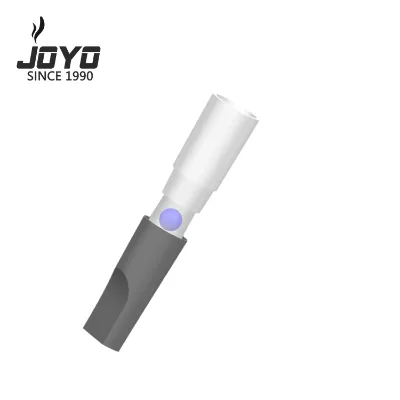
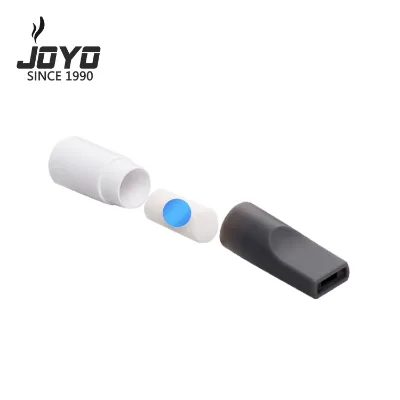
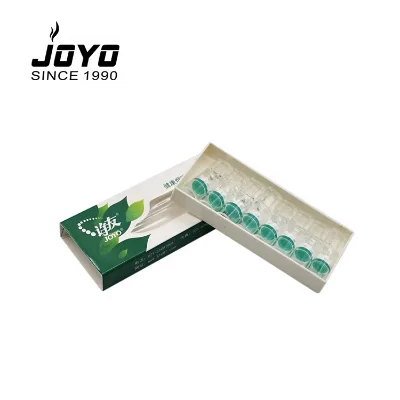
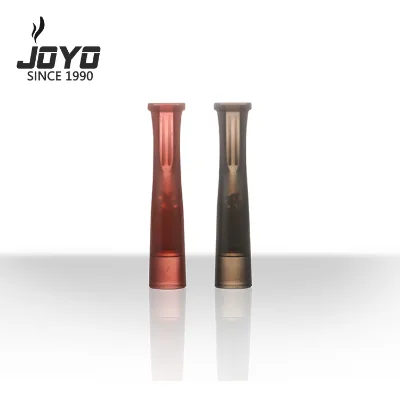
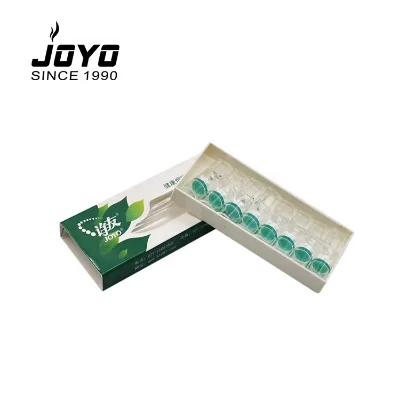
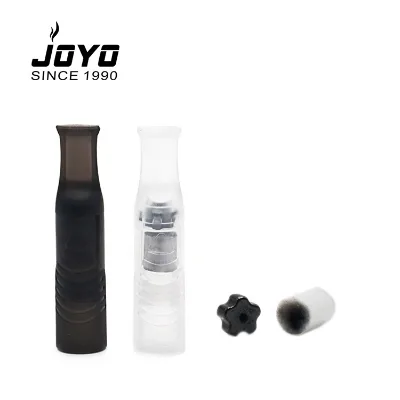
Reduce Nicotine and Tar Tobacco Tube Cigarette Filter Tube Disposable Smoking Pipes
$0.30
MOQ: 50000 Minimum

Guangzhou Binhao Technology Co., Ltd.
- Verified by TUVRHEINLAND
- Manufacturer/Factory
- China Guangdong
- Lead time23 days
- Avg. response≤ 8h
Main productsTipping Paper, Aluminum Foil Paper, BOPP/PVC Film, Tear Tape, Cigarette Cardboard Paper, Inner Frame, Shisha Packaging Materials, Automatic Packaging Machine
Main marketsSouth America,Eastern Europe,Mid East,North America,Southeast Asia,Eastern Asia,Oceania,Western Europe,Africa

- Verified by BV
- Trading Company
- China Beijing
- Lead time30 days
- Avg. response≤ 1h
Main marketsEurope

Mudanjiang Hengfeng Paper Co., Ltd.
- Verified by TUVRHEINLAND
- Combined
- China Heilongjiang
- Lead time30 days
- Avg. response≤ 4h
Main productsBible Paper, Thin Printing Paper, Ryo Paper, Gummed Paper, Rolling Paper, Straw Paper, Straw Base Paper, Food Wrapping Paper, Mg Paper, Decorative Base Paper
Main marketsAfrica,Southeast Asia/ Mideast,Europe,North America
Anhui Huakai Light Industry S&T Co., Ltd.
- Verified by TüVRheinland
- Manufacturer, Trading Company
- Lead time15 days
- Avg. response≤ 3h
Main productsAlum Stick Deodorant, Menthol Beads
Main marketsNorth America(25%), Africa(15%), Western Europe(15%)
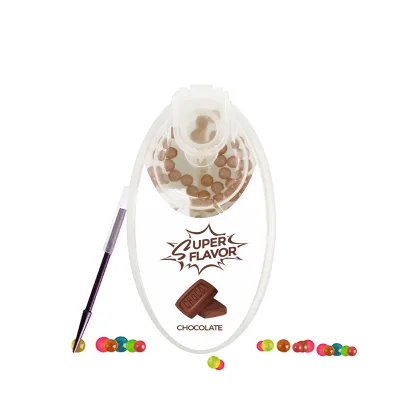
Smoking Rods Making Machine Tubes Rods Empty Cigarette Filter Tubes Smoking Regular Slim Holder
$0.34 - $0.38
MOQ: 580 boxes
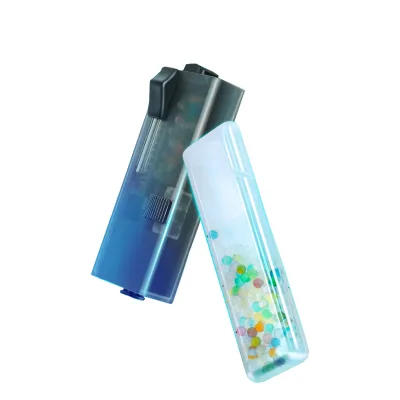
Cigarettes Click Capsule Ball Filter Rods for Making Smoking Tube by Rolling Hemp Tobacco Machine
$0.3533 - $0.3952
MOQ: 580 boxes
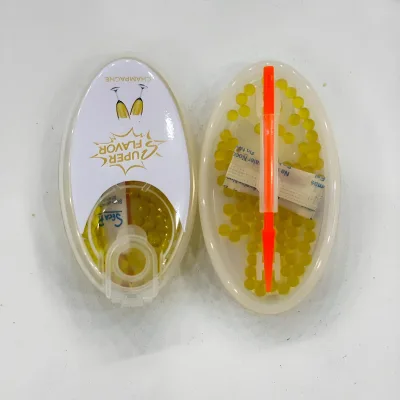
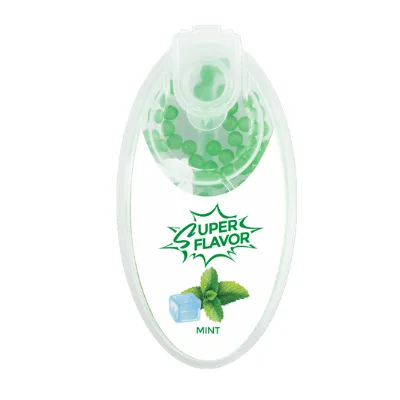
Refreshing Burst Beads Tobacco Natural Cigarettes Filter Mint Flavor Cigarette Capsules
$0.3533 - $0.4686
MOQ: 20 Minimum



Wenzhou Huangrun Light Industrial Co., Ltd.
- Manufacturer, Trading Company
- Zhejiang, China
- Lead time60 days
- Avg. response≤ 15h
Main productsRolling Machine / Plastic Grinder / Cigarette Rolling Case,Cigarette Case
Main marketsWestern Europe(60.00%), Mid East(28.00%), South Asia(3.00%), North America(3.00%), Eastern Europe(3.00%), Southeast Asia(3.00%)
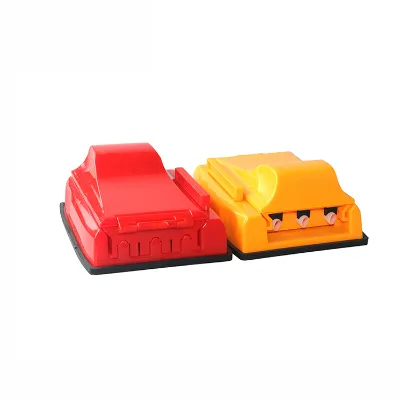
Hot Sales Potable Solid Color Empty Cigarette Filter Tube Cigarette Filter
$0.9686 - $1.0299
MOQ: 200 pieces
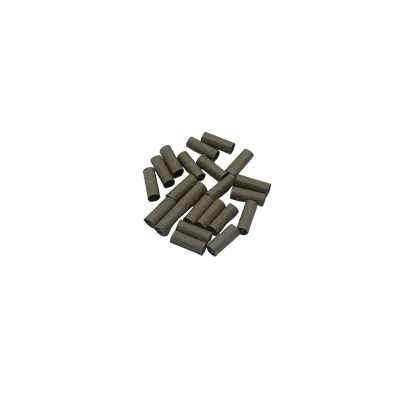
$0.0513 - $0.1027
MOQ: 5 pieces

Tian Yi Technology (Shen Zhen) Company Limited
- Verified by SGS
- Trading Company,Manufacturer/Factory
- China Guangdong
- Lead time15 days
- Avg. response≤ 14h
Main productsCeramic Carbon Smoking Filters, Glass Filtertip, Ceramic Tips, Ceramic Screen, Wood Tips, Paper Filter Tips, Paper Flavor Bead Tips, Cones Filter Tips, Tobacco Pipes Smoking Filter, Tobacco Pipe
Main marketsSouth America,Eastern Europe,Mid East,North America,Southeast Asia,Eastern Asia,Oceania,Western Europe,Africa

Tobacco Filter Tubes for 6mm Pre-Rolled Cigarette Filters with Holes and Different Flavors Beads
$0.009 - $0.012
MOQ: 100000 Pieces


6mm Pre-Rolled Cigarette Filters with Holes and Different Flavors Beads
$0.03 - $0.05
MOQ: 50000 Pieces


6mm Filtered Cigarette Tubes for Tobacco Pipes Ceramic Replacement Active Charcoal Filter
$0.009 - $0.012
MOQ: 100000 Pieces

Slim Cigarette Filter Tubes for Tobacco Pipes Ceramic Replacement Active Charcoal Filter
$0.009 - $0.012
MOQ: 100000 Pieces

Jinan Glass International Trade Co., Ltd.
- Manufacturer/Factory
- China Shandong
- Lead time15 days
- Avg. response≤ 6h
Main productsGlass Smoking Pipe, Glass Pipe, Printing and Package, Laboratory Glassware, Home Glassware, Machine, Sticker, Wall Decal
Main marketsSouth America,Eastern Europe,North America,Southeast Asia,Eastern Asia,Oceania,Western Europe,Africa

Cigarette Filter Tip Wholesale Glass Filter Tip Smoking for Rolling Cigar Holder
$0.15
MOQ: 100 Pieces


Guangde Guangyun Hardware Products Co., Ltd.
- Manufacturer, Trading Company
- anhui, China
- Lead time30 days
- Avg. response≤ 7h
Main productssmoking filtersting,daily necessities,accessories
Main marketsDomestic Market(50.00%), North America(25.00%), Northern Europe(15.00%), South America(10.00%)

Different variety flavors cigarette tubes menthol
$0.35 - $0.42
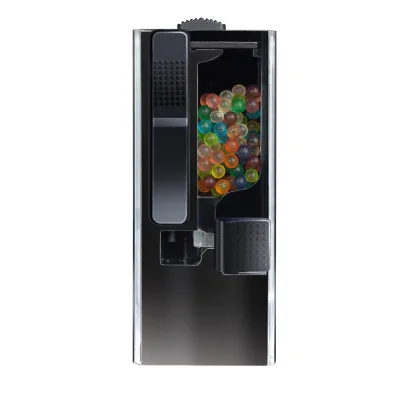

Custom for Accessories Cigarette Beads
$0.35 - $0.39


China Factory Cigarettes Pop Cigarette Filters
$0.35 - $0.39


Hebei Renyang Metal Wire Mesh Products Co., Ltd
- Verified by SGS
- Combined
- China Hebei
- Lead time23 days
- Avg. response≤ 8h
Main productsPVC Fence, Metal Fence, 3D Fence, Horse Fence, Chain Link Fence, Farm Fence
Main marketsSouth America,Africa,North America

Foshan Zhuiyue Metal Products Co., Ltd
- Verified by CTI
- Trading Company
- China Guangdong
- Lead time23 days
- Avg. response≤ 3h
Main productsSmoking Accessories, Rolling Paper, Herb Grinder, Packaging, Glass Tips
Main marketsDomestic

Cigarette Holder Filter Tips with Ceramic Caps Tobacco Filters Coconut Activated Carbon Filters
$0.05 - $0.08
MOQ: 50000 Pieces


Premium Spiral Filter Tips Joint Filter Tips Wholesale Glass Tip Cigarette Filter
$0.20 - $1.00
MOQ: 100 Pieces

GUANGZHOU RICHER IMPORT AND EXPORT TRADE CO.,LTD.
- Verified by SGS
- Trading Company,Manufacturer/Factory
- China Guangdong
- Lead time45 days
- Avg. response≤ 5h
Main productsWhite Cigarette Rolling Paper, Machine Glazed Paper, Typewriter Paper, Mf Bleached Acid Free Tissue Paper, Food Packing Paper, Kraft Paper, Carbonless Base Paper
Main marketsSouth America,Eastern Europe,Mid East,North America,Southeast Asia,Eastern Asia,Oceania,Western Europe,Africa
- Verified by SGS Group
- Trading Company
- Lead time30 days
- Avg. response≤ 2h
Main productsRolling paper, Pre roll packaging, Herb grinder, Rolling tray, Smoking accessories
Main marketsNorth America(30%), Eastern Europe(30%), South America(15%)

Guangdong ACE Rolling New Materials Technology Co., Ltd.
- Verified by TUVRHEINLAND
- Combined
- China Guangdong
- Lead time30 days
- Avg. response≤ 8h
Main marketsSouth America,Domestic


Blueberry Flavor Popping Beads with Filter for Cigarette Blue Rolling Paper
$0.03 - $0.11
MOQ: 2000 Pieces
HONG KONG SHUYUAN CO., LIMITED
- Trading Company
- Hong Kong S.A.R.
- Lead time0 days
- Avg. response≤ 6h
Main productsrolling paper,smoking grinder,ashtray,rolling machine,smoking pipe
Main marketsWestern Europe(15.00%), South Asia(11.00%), Central America(10.00%), Southern Europe(10.00%), North America(10.00%), South America(10.00%), Mid East(10.00%), Southeast Asia(8.00%), Eastern Asia(5.00%), Domestic Market(4.00%), Africa(4.00%), Northern Europe(3.00%)
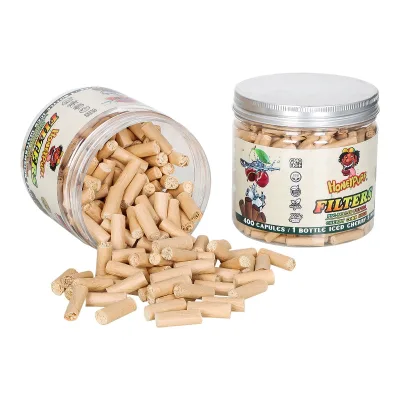
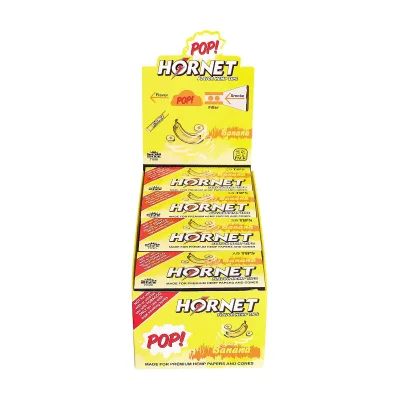
$11.0104 - $13.0673
MOQ: 12 pieces


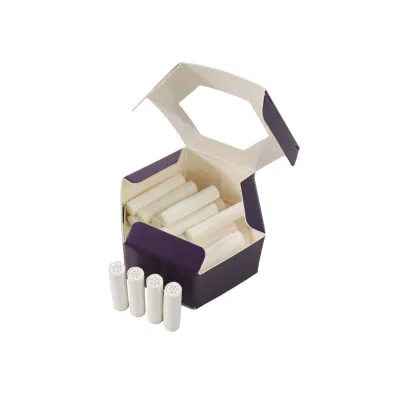
Comprehensive Sourcing Guide
Flavored Cigarette Filter Rod Supplier Concentration and Factory Types
Current data indicates a concentration of manufacturing capabilities within specific Chinese provinces, notably Jiangsu and Zhejiang. These regions host factories that list diverse product portfolios including consumer electronics, industrial tools, and health-related items alongside smoking accessories. The primary supplier type observed is the Manufacturer or Factory, suggesting direct production capabilities rather than pure trading operations. Some entities explicitly state their capacity for OEM, ODM, and own-brand production, which is critical for buyers seeking customized flavored filter rods. The presence of verified badges, such as BV verification, provides a baseline for assessing the legitimacy of these manufacturing entities.
Buyers should prioritize suppliers who explicitly list their main products as cigarette filters, holders, or related smoking accessories to ensure specialized expertise. While some factories offer broad ranges like home and garden goods, the core competency for flavored rods often resides in facilities with specific material capabilities like food-grade plastics or acetate. The observed supply chains in Zhejiang and Jiangsu demonstrate a mature ecosystem for producing items with specific dimensions and material compositions. When evaluating potential partners, look for evidence of dedicated production lines for smoking accessories rather than generalist manufacturers who might treat these items as secondary offerings.
How to Verify Flavored Cigarette Filter Rod Suppliers
Verification begins with checking for third-party audit badges, as some suppliers in the current results display BV verification status. This credential offers a layer of assurance regarding the company's business license and operational history, though it does not guarantee product quality on its own. Buyers must cross-reference these badges with the supplier's stated company type, ensuring they are dealing with a Manufacturer or Factory rather than a trading company if direct production control is required. The presence of specific product attributes, such as food-grade materials or custom branding options, serves as a tangible indicator of a supplier's actual manufacturing depth.
Response time is another critical metric for verification, with observed averages ranging from approximately three hours to nine hours. A faster response time often correlates with a more active sales team and better communication channels, which is essential for resolving technical queries about flavor profiles or material safety. Buyers should also examine the detailed product attributes provided, such as specific model numbers and packaging details, to confirm the supplier has the inventory and documentation ready for immediate engagement. If a supplier cannot provide specific model numbers or detailed material compositions like PE+PS or PP, their ability to fulfill complex orders may be limited.
What to Compare Across Flavored Cigarette Filter Rod Suppliers
When comparing suppliers, lead time is a primary differentiator, with observed ranges spanning from fifteen to twenty-three days. This variation significantly impacts inventory planning and the ability to meet urgent market demands. Buyers must also scrutinize the Minimum Order Quantity (MOQ), which varies drastically from as low as fifty units to ten thousand units depending on the specific product configuration. A supplier offering a low MOQ of fifty allows for smaller test orders, whereas a high MOQ of ten thousand requires a larger capital commitment and storage capacity. These figures directly influence the financial risk and scalability of the sourcing strategy.
Price per unit is another vital comparison point, with observed costs ranging from roughly $0.026 to $0.75 depending on the product type and material complexity. Glass filter tips command higher prices compared to basic plastic or cotton core tubes, reflecting the difference in raw material costs and manufacturing processes. Buyers should also compare the customization availability, as some suppliers offer full customization while others may have limited options. The supply ability, such as ten thousand boxes per day, indicates the maximum throughput a factory can handle, which is crucial for scaling orders during peak seasons.
Common Flavored Cigarette Filter Rod Sourcing Risks
One significant risk involves the inconsistency of material specifications, particularly regarding food-grade certifications for items that come into contact with tobacco. While some product data explicitly lists materials like PE+PS or PP as food-grade, others may lack this specific detail, creating potential compliance issues in regulated markets. Buyers must verify that the stated materials meet the safety standards of their destination country, as assumptions about "food-grade" status without documentation can lead to customs seizures or product recalls. The absence of explicit certification details in the product attributes is a red flag that requires immediate clarification before placing an order.
Another risk is the discrepancy between the stated supply ability and actual production capacity during high-demand periods. Although some suppliers claim a daily output of ten thousand boxes, this figure may not be sustainable if the factory is simultaneously managing multiple large orders or facing raw material shortages. The variation in lead times, from fifteen to twenty-three days, suggests that production scheduling is not uniform across all suppliers. Buyers should plan for potential delays by confirming current production slots and understanding the factory's capacity constraints before committing to large volume orders that could disrupt their supply chain.
Flavored Cigarette Filter Rod Regional Sourcing and Logistics
The primary sourcing hubs identified are located in Jiangsu and Zhejiang provinces, which serve as the main production clusters for these accessories. Factories in these regions often utilize major ports like Ningbo and Shanghai for dispatch, facilitating efficient export logistics to global markets. The proximity of these manufacturing centers to major shipping lanes reduces transit times and freight costs for international buyers. When selecting a supplier, buyers should confirm the specific port of dispatch to ensure it aligns with their preferred shipping routes and customs clearance procedures.
Logistics planning must account for the specific packaging details provided, such as color boxes, inner boxes, and cartons, which affect the total volume and weight of the shipment. Some products are packed in single items, while others are grouped in larger cartons, influencing the number of containers required for a full order. Buyers should verify the single package size and gross weight to accurately calculate shipping costs and container utilization. The origin location, consistently listed as China, means that all shipments will originate from these specific regional hubs, allowing for consolidated shipping strategies if multiple suppliers are used.
Flavored Cigarette Filter Rod Commercial Terms and Order Planning
Commercial terms must be carefully aligned with the specific MOQ and pricing structures observed in the market. Orders can range from small batches of fifty units to large volumes of ten thousand, requiring different negotiation strategies for each tier. Buyers should clarify whether the quoted price includes packaging details like color boxes or if these are separate line items, as this affects the final landed cost. Understanding the payment terms and the flexibility of the supplier regarding order sizes is essential for managing cash flow and inventory levels effectively.
Order planning should incorporate the lead times and response times to ensure timely delivery and communication. With lead times varying between fifteen and twenty-three days, buyers need to place orders well in advance of their sales peaks to avoid stockouts. The response time of three to nine hours indicates the speed at which suppliers can address inquiries, which is vital for resolving last-minute changes or technical issues. Buyers should establish a clear communication protocol with their chosen supplier to maintain a steady flow of information throughout the production and shipping phases, ensuring that the final delivery meets all quality and timing expectations.
FAQs
What is the price range for flavored cigarette filter rods?
Prices vary significantly by material and customization. Standard plastic tubes range from $0.026 to $0.20 per unit, while premium scented options cost around $0.30 to $0.75. Buyers should verify specific model numbers and order volumes to determine exact pricing tiers for their procurement needs.
What are the minimum order quantities for these products?
MOQs depend on the specific product type. Basic cigarette filters require 10,000 units, whereas specialized glass or scented tubes may have lower thresholds starting at 100 or 50 pieces. Sourcing teams should confirm the exact MOQ with suppliers before finalizing purchase orders to avoid excess inventory.
How long does production and delivery typically take?
Lead times generally range from 15 to 23 days depending on the manufacturer and order size. Suppliers in Zhejiang and Jiangsu provinces report these standard windows. Buyers should confirm current capacity and shipping schedules to ensure timely delivery for their specific project requirements and market demands.
Are OEM and customization services available for these filters?
Yes, many manufacturers offer OEM and ODM services with available customization options. Buyers can request specific colors, flavors like menthol or fruit, and custom packaging. Suppliers often support private labeling and tailored specifications to meet unique brand requirements and market preferences for flavored smoking accessories.
What materials are used for flavored cigarette filter tubes?
Common materials include food-grade PE, PS, PP, and ABS plastics. Some products feature cotton cores or acetate blends for enhanced filtration. Manufacturers ensure materials meet safety standards, offering transparent or colored options. Buyers should verify material certifications to ensure compliance with health and safety regulations.
Where are these suppliers located?
Suppliers are primarily located in China, specifically in the Zhejiang and Jiangsu provinces. These regions are known for manufacturing consumer electronics and smoking accessories. Buyers can expect efficient logistics from ports like Ningbo or Shanghai, facilitating reliable export processes for international procurement teams.