Foldable 8 Compartment Storage Box Suppliers and Manufacturers
Source a Foldable 8 Compartment Storage Box from 34 verified suppliers. Compare options based on material, dimensions, and certifications like SGS. Contact suppliers directly to request quotes and verify lead times; review the available evidence before requesting comparable quotations from suitable candidates.
Updated
Suppliers List
- Trading Company
- Lead time旺季: "1 - 10":30,"> 10":"To be negotiated", 淡季: "1 - 10":30,"> 10":"To be negotiated"
- Avg. response≤ 12h
Main productsDaily Necessities, Kitchen Item, Home Decor, Storage Item, Pet Products
Henan Huaxin Import & Export Trade Co., Ltd.
- Verified by SGS Group
- Trading Company
- Lead time6 days
- Avg. response≤ 7h
Main productsTowels, Bed Sheets, Key Chain, Plastic Bottles, Bucket Hats
Main marketsSoutheast Asia(50%), Western Europe(15%), North America(10%)

YIWU JINYE IMPORT AND EXPORT CO., LTD
- Verified by SGS
- Trading Company
- China Zhejiang
- Lead time15 days
- Avg. response≤ 25h
Main productsBangle, Wrist Band, Bracelet, Fashion Jewelry
Main marketsNorth America

Custom Foldable Closet Organizer Container Fabric Storage Bins Collapsible Storage Boxes
$2.21 - $2.60
MOQ: 100 Pieces


Taizhou Shangyi Plastic Co., Ltd.
- Verified by TUVRHEINLAND
- Trading Company
- China Zhejiang
- Lead time23 days
- Avg. response≤ 20h
Main productsFood Container, Storage Container, Lunch Box, Bento Box, Plastic Laundry Basket, Plastic Storage Container, Plastic Cutting Board
Main marketsSouth America,Southeast Asia/ Mideast

Ningbo Chanceca Import & Export Co., Ltd.
- Verified by TUVRHEINLAND
- Trading Company
- China Zhejiang
- Lead time30 days
- Avg. response≤ 10h
Main productsTrekking Poles, Camping Tent, Camping Furniture, Camping Gear, Sleeping Gear, Waterproof Dry Bag
Main marketsSouth America,Africa,Southeast Asia/ Mideast,East Asia(Japan/ South Korea),Europe,Australia,North America
GUANGZHOU HONGXIN IMPORT AND EXPORT CO., LTD.
- Manufacturer, Trading Company
- Guangdong, China
- Lead time20 days
- Avg. response≤ 3h
Main productsKitchenware,Household Daily Necessities,Bathroom Accessories,Glassware,LSports Goods
Main marketsNorthern Europe(12.00%), Mid East(11.11%), Western Europe(11.11%), Southeast Asia(11.11%), Eastern Europe(11.11%), Eastern Asia(11.11%), North America(11.00%), South America(11.00%), Oceania(10.00%)

Jinhua Saving Industry and Trade Co. Ltd
- Verified by SGS
- Manufacturer
- China Zhejiang
- Lead time15 days
- Avg. response≤ 10h
Main productsNon-Woven Storage Box, Non-Woven Storage Bag, Laundry Bag, Cloth Storage Box, Foldable Storage Box, Storages Basket
Ningbo Kingdom Home Fashion Co., Ltd.
- Manufacturer, Trading Company
- Zhejiang, China
- Lead time30 days
- Avg. response≤ 2h
Main productsShopping bags,closet organizer,Storage stool,over the door hanging storage bag,suit cover
Main marketsNorth America(40.00%), Central America(20.00%), Northern Europe(20.00%), Domestic Market(10.00%), Eastern Europe(5.00%), Southern Europe(5.00%)
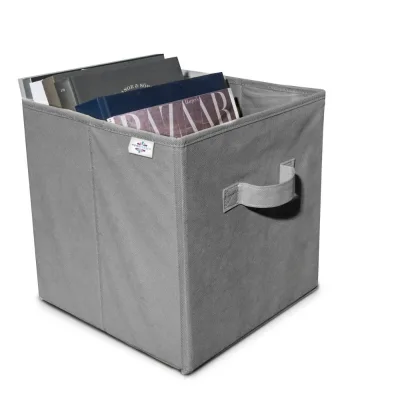
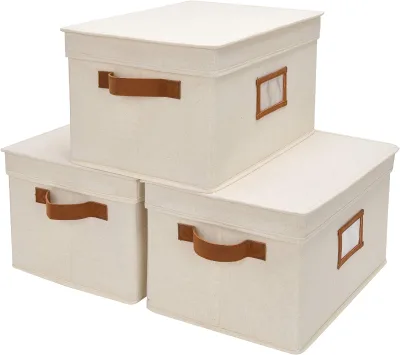
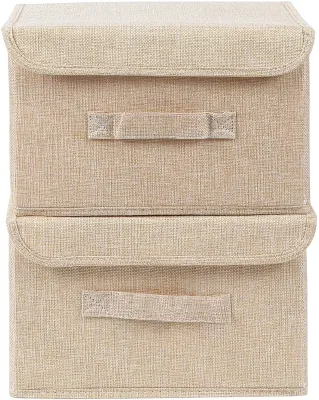
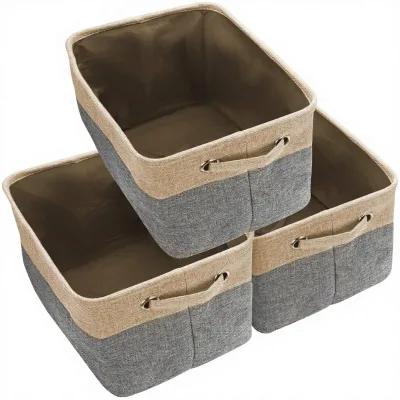
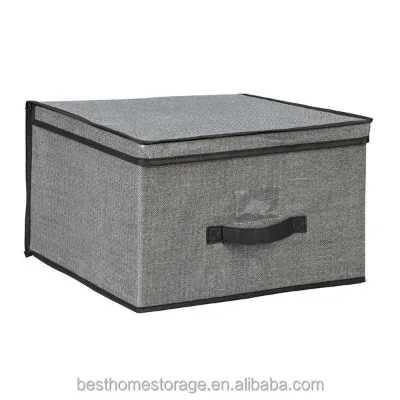
Home Collection Foldable Cardboard Box Storage With Lid/16-inch Jumbo Storage Box
$3.1024 - $4.1405
MOQ: 1500
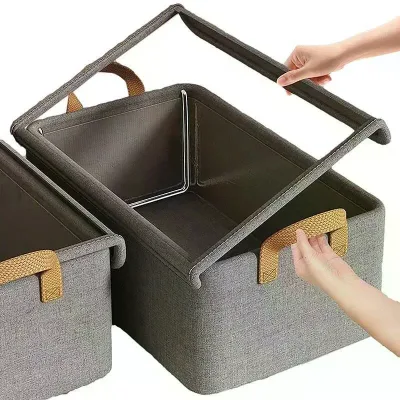

Hangzhou Meituo Home Technology Co., Ltd.
- Manufacturer, Trading Company
- Zhejiang, China
- Lead time25 days
- Avg. response≤ 5h
Main productsStorage container,Storage box,PET PRODUCT,OUTDOOR PRODUCTS
Main marketsWestern Europe(20.00%), Southeast Asia(20.00%), Eastern Asia(20.00%), North America(20.00%), Mid East(10.00%), South America(10.00%)

Qingdao Guanyu Plastic Co., Ltd.
- Verified by SGS
- Combined
- China Shandong
- Lead time15 days
- Avg. response≤ 4h
Main productsPlastic Container, Plastic Storage Bin, Plastic Storage Box, Plastic Crate, Plastic Pallet, Plastic Moving Crate, Plastic Pick Bins, Storage Rack, Plastic Shelf Bin, Louvered Panel Rack
Main marketsEurope,North America
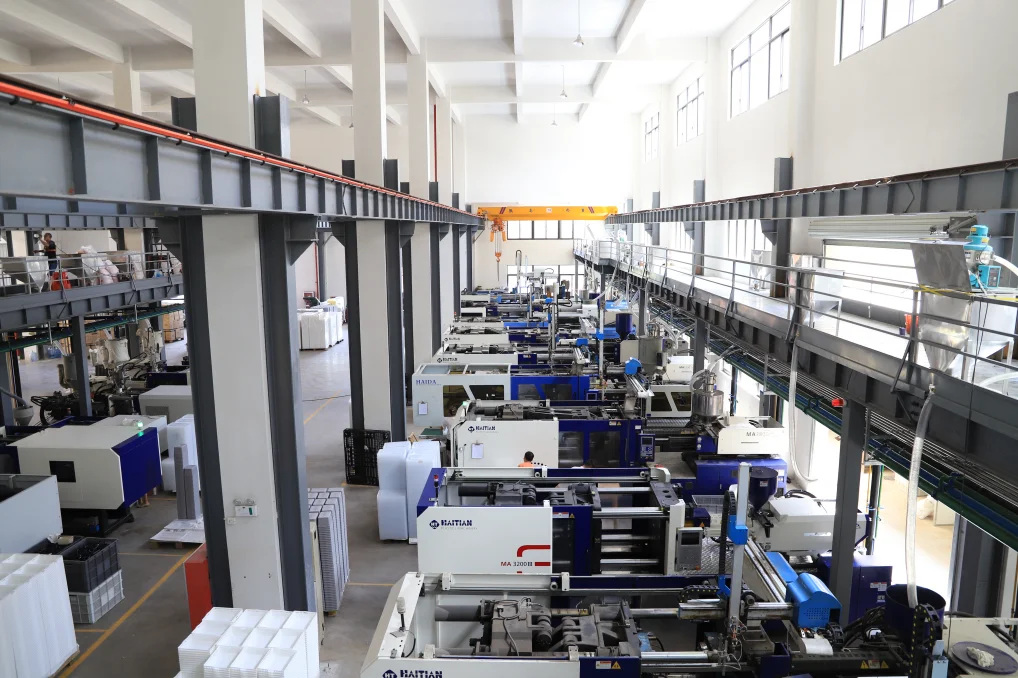
Taizhou Hengfeng Plastic Industrial Co., Ltd.
- Manufacturer, Trading Company
- Zhejiang, China
- Lead time30 days
- Avg. response≤ 24h
Main productsPlastic storage box,plastic trash bin,plastic basket,plastic rack,plastic basin
Main marketsEastern Asia(50.00%), North America(30.00%), Western Europe(20.00%)

Hebei Machinery & Equipment Import & Export Co., Ltd.
- Verified by SGS
- Trading Company,Manufacturer/Factory
- China Hebei
- Lead time60 days
- Avg. response≤ 9h
Main productsIron Castings /Stainless Steel Castings, Industrial Spare Parts OEM Machining/Fabrication, Wire Mesh and Filters, Transmission Parts (Gears Pulleys Shafts etc), Ironing Board Cover, PEVA Table Cloth, Cast Iron Oven Pot, Electrical Hardware Materials Clamp/Box/Coupling, Bath Towl, Pet Products (Pet Pad Pet Mats etc)
Main marketsSouth America,Eastern Europe,Mid East,North America,Southeast Asia,Eastern Asia,Oceania,Western Europe,Africa
Jieyang Yinsum Plastic Products Factory
- Verified by TüVRheinland
- Manufacturer, Trading Company
- Lead time15 days
- Avg. response≤ 6h
Main productsLunch Boxes, Cup, Baby Tubs, Cabinets, Baskets
Main marketsSoutheast Asia(20%), Domestic Market(20%), Mid East(15%)
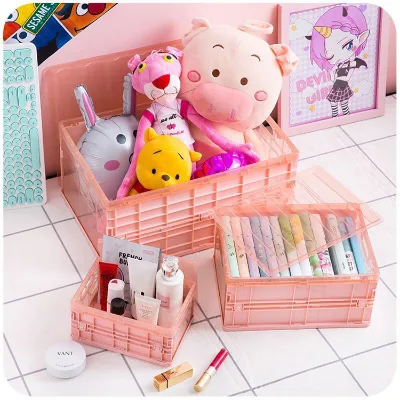
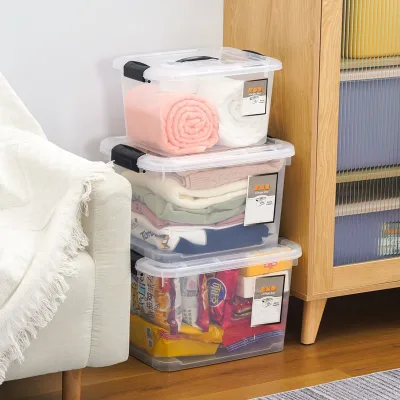
China Wholesale Tools Plastic Storage Box with Lid
$0.58 - $0.69

Nanjing Toutru Trading Co., Ltd.
- Trading Company,Manufacturer/Factory
- China Jiangsu
- Lead time45 days
- Avg. response≤ 18h
Main productsHand Tool
Main marketsSouth America,Eastern Europe,Western Europe,Africa

Dongguan Baishengda Trading Co., Ltd.
- Trading Company
- Guangdong, China
- Lead time7 days
- Avg. response≤ 2h
Main productsHome Organizers/Kitchen Organizers/Kitchen Accessories/Storage Box Organizers/Home And Kitchen Utensils,Home & Garden,Home and kitchen,Homeware,kitchenware
Main marketsNorth America(30.00%), Eastern Europe(20.00%), South America(20.00%), Oceania(10.00%), Africa(10.00%), Southeast Asia(10.00%)
Shantou Hongxing Commodity Co., Ltd.
- Verified by Intertek
- Manufacturer, Trading Company
- Lead time25 days
- Avg. response≤ 4h
Main productsPlastic Daily-Used Household Products
Main marketsSouth Asia(20%), South America(19%), Mid East(18%)

- Verified by BV
- Trading Company
- China Zhejiang
- Lead time30 days
- Avg. response≤ 13h
Main productsMop with Bucket, Spray Mop, Cleaning Brush, Shoe Rack, Flat Mop, Mop Cloth
Main marketsSoutheast Asia/ Mideast,Europe,North America

Guangzhou Igiftbox Printing & Packaging Co., Ltd
- Verified by SGS
- Trading Company
- China Guangdong
- Lead time15 days
- Avg. response≤ 6h
Main productsPaper Gift Box, Paper Box, Paper Bags, Gift Box, Packaging Box, Chocolate Box, Cosmetic Box, Sticker Label, Cardboard Box, Book Printing
Main marketsSouth America,Southeast Asia/ Mideast,Europe,North America
Hangzhou Good Industry Co., Ltd.
- Verified by SGS Group
- Manufacturer, Trading Company
- Lead time30 days
- Avg. response≤ 12h
Main productsDIY Hand Tools, Household Tools, Hardware Tools, Automotive Tool, Hardware Storage Boxes
Main marketsWestern Europe(45%), North America(20%), Eastern Europe(5%)

- Verified by CTI
- Combined
- China Fujian
- Lead time30 days
- Avg. response≤ 6h
Main productsRoof Top Tent, Outdoor Tent, Camping Lantern, Solar Light, Car Tent
Main marketsSouth America,Southeast Asia/ Mideast,East Asia(Japan/ South Korea),Domestic,Europe,Australia,North America

Jiangsu Xuansheng Plastic Technology Co., Ltd.
- Verified by TUVRHEINLAND
- Combined
- China Jiangsu
- Lead time30 days
- Avg. response≤ 12h
Main productsPlastic Pallets, Foldable Crates, Foldable Baskets, Plastic Bins, Turnover Crates, Turnover Baskets, Fruits Box, Vegetable Box, Nestable & Stackable Crates, Backing Hanging Bin
Main marketsOthers(foreignTradeCapacity.exportBusinessCapacityMarketOther),Southeast Asia/ Mideast,Domestic
Ningbo Bafuluo International Trading Co., Ltd.
- Manufacturer, Trading Company
- Zhejiang, China
- Lead time45 days
- Avg. response≤ 10h
Main productsfoldable trolley,foldable crate,foldable basket,plastic crate,storage box
Main marketsSoutheast Asia(50.00%), South America(20.00%), Northern Europe(10.00%), Central America(10.00%), North America(10.00%)
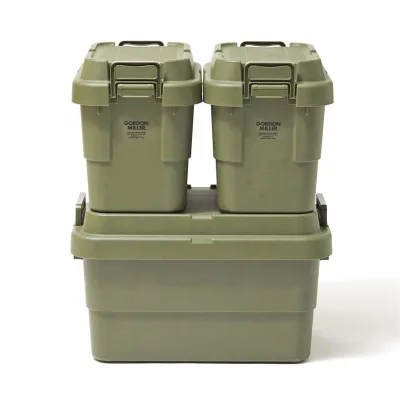
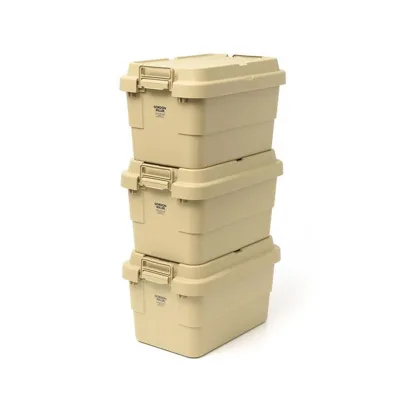
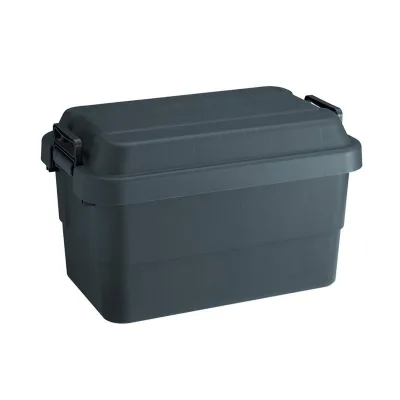
Hot-selling and Easy to Use Table Plastic Stacking Storage Box with Module Design
$9.00 - $15.00
MOQ: 1000 Minimum

Dongguan Pomall Packaging Product Co.,Ltd
- Verified by CTI
- Combined
- China Guangdong
- Lead time15 days
- Avg. response≤ 6h
Main productsPaper Box, Chocolate Box, Gift Box, Packaging Box, Jewelry Box, Cosmetic Box, Perfume Box, Wine Box
Main marketsSoutheast Asia/ Mideast
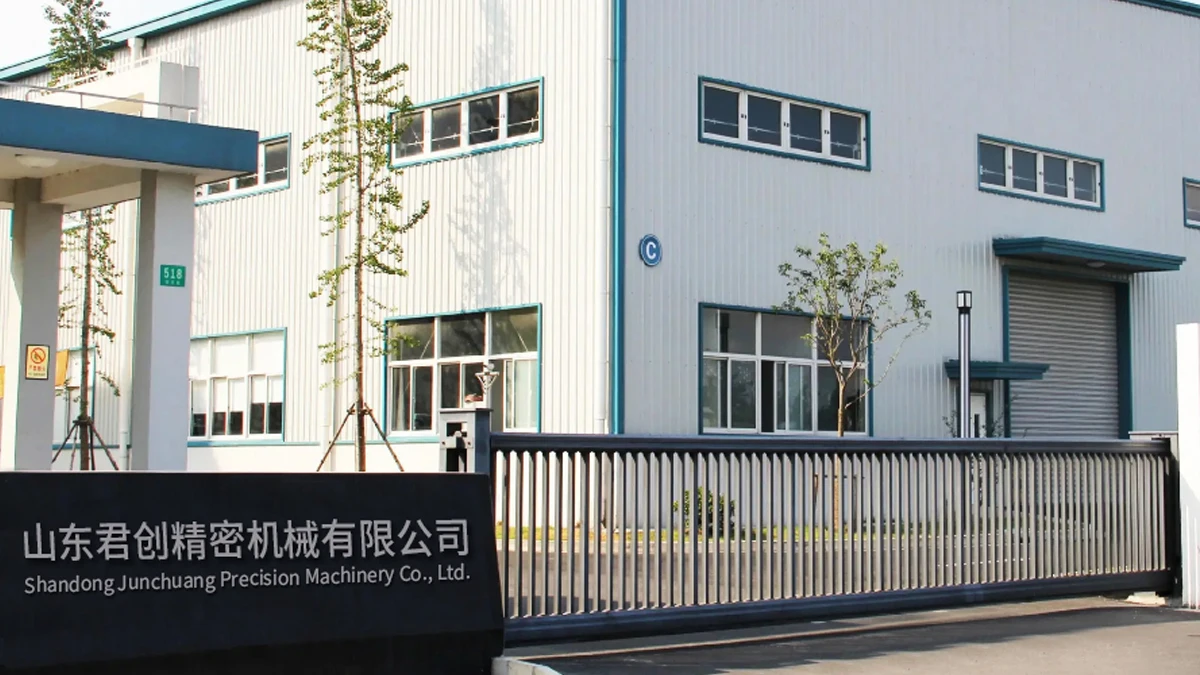
Shandong Junchuang Precision Machinery Co., Ltd.
- Manufacturer, Trading Company
- Shandong, China
- Lead time30 days
- Avg. response≤ 1h
Main productsMould,Packing Tape,Packaging Consumables,Injection Tooling,Security Seal
Main marketsDomestic Market(65.00%), Mid East(7.00%), North America(6.00%), South America(5.00%), Oceania(3.00%), Southeast Asia(3.00%), Central America(2.00%), Northern Europe(2.00%), Eastern Asia(2.00%), Africa(2.00%), Eastern Europe(1.00%), South Asia(1.00%), Western Europe(1.00%)
Zhejiang Yimei Technology Co., Ltd.
- Verified by Intertek
- Manufacturer, Trading Company
- Lead time25 days
- Avg. response≤ 3h
Main productsPlastic Storage Basket, PET Fridge Organizer, Plastic Folded Crate
Main marketsDomestic Market(33%), North America(25%), Southeast Asia(25%)

Ningbo Hongwei Plastic Co., Ltd
- Verified by SGS
- Combined
- China Zhejiang
- Lead time23 days
- Avg. response≤ 1h
Main marketsDomestic


Biodegradable Organization Box for Easy Transport of Eco-Friendly Items
$0.12 - $0.15
MOQ: 20000 Pieces
Haining Sanyu Midou New Material Co., Ltd.
- Trading Company
- Zhejiang, China
- Lead time0 days
- Avg. response≤ 10h
Main productsHome Storage Organizer, Kitchen Storage, Fabric Storage, Makeup Organizer, Food Container
Main marketsEastern Europe(60.00%), North America(20.00%), Western Europe(10.00%), Southeast Asia(10.00%)

Wenzhou Guanmin Import and Export Co., Ltd.
- Verified by BV
- Trading Company,Manufacturer/Factory
- China Zhejiang
- Lead time120 days
- Avg. response≤ 6h
Main productsShopping Bag, Cooler Bag, Notebook, Pen, Color Pencil, Lanyard, Beach Ball, Umbrella, Sunshade, Air Freshener
Main marketsSouth America,Eastern Europe,Mid East,North America,Southeast Asia,Eastern Asia,Western Europe
Ningbo Toprank Imp. & Exp. Co., Ltd.
- Verified by Intertek
- Trading Company
- Lead time30 days
- Avg. response≤ 5h
Main productsPlastic Storage Box, Food Storage and Containers, Storage Rack, Cosmetics Storage, Coffee Table
Main marketsEastern Europe(35%), North America(30%), South America(20%)

Dongguan Shengshi Penghao Home Furnishings Co., Ltd.
- Verified by SGS
- Combined
- China Guangdong
- Lead time30 days
- Avg. response≤ 1h
Main productsLunch Box, Stainless Steel Lunch Box, Silicone Lunch Box, Plastic Tritan Lunch Box, Bento Box, Kids Lunch Box, Plastic Lunch Box, Stainless Steel Bento Box, Food Box, Custom Bento Box
Main marketsEast Asia(Japan/ South Korea),Domestic,Europe,Australia

Changsha Ido Leisure Industry Co., Ltd.
- Verified by SGS
- Manufacturer/Factory
- China Hunan
- Lead time0 days
- Avg. response≤ 4h
Main productsHanging Chair and Hammock Stand, Leisure Table and Chair, Camping Gear Tent, Fishing Supplies, Leisure Chair and Table, Pavilion, Fire Pit, Parasol, Sporting Supplies, Outdoor Furniture
Main marketsNorth America,Western Europe

Shanghai Yini Printing Co., Ltd.
- Verified by SGS
- Trading Company
- China Shanghai
- Lead time15 days
- Avg. response≤ 1h
Main productsPaper Gift Box, Custom Paper Box, Cosmetic Box, Corrugated Box, Paper Bag, Folding Box, Magnetic Box, Drawer Box, Mailer Box, Shipping Box
Main marketsDomestic


Foldable Flat Corrugated Box Convenient for Storage After Shopping and Gift Use
$0.25 - $0.75
MOQ: 500 Pieces
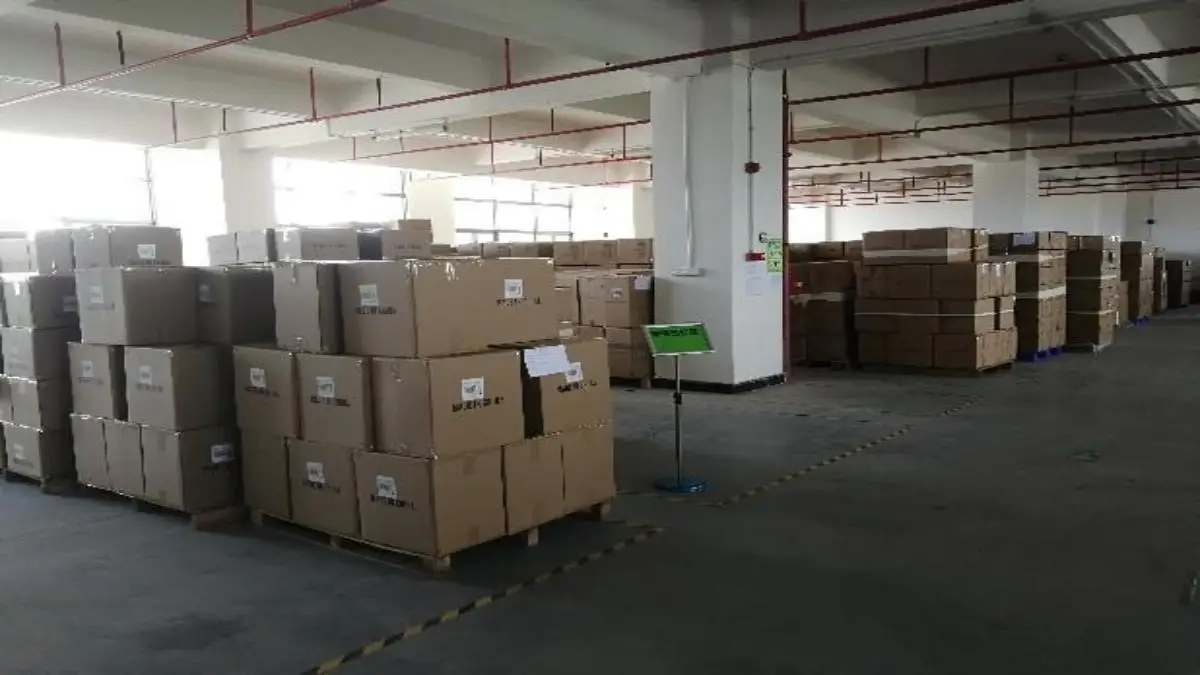
Dongguan Junxian Household Products Co., Ltd.
- Manufacturer, Trading Company
- Guangdong, China
- Lead time35 days
- Avg. response≤ 3h
Main productsWoven Storage Box, Woven Storage Cabinet
Main marketsNorth America(85.00%), Western Europe(10.00%), Eastern Asia(5.00%)
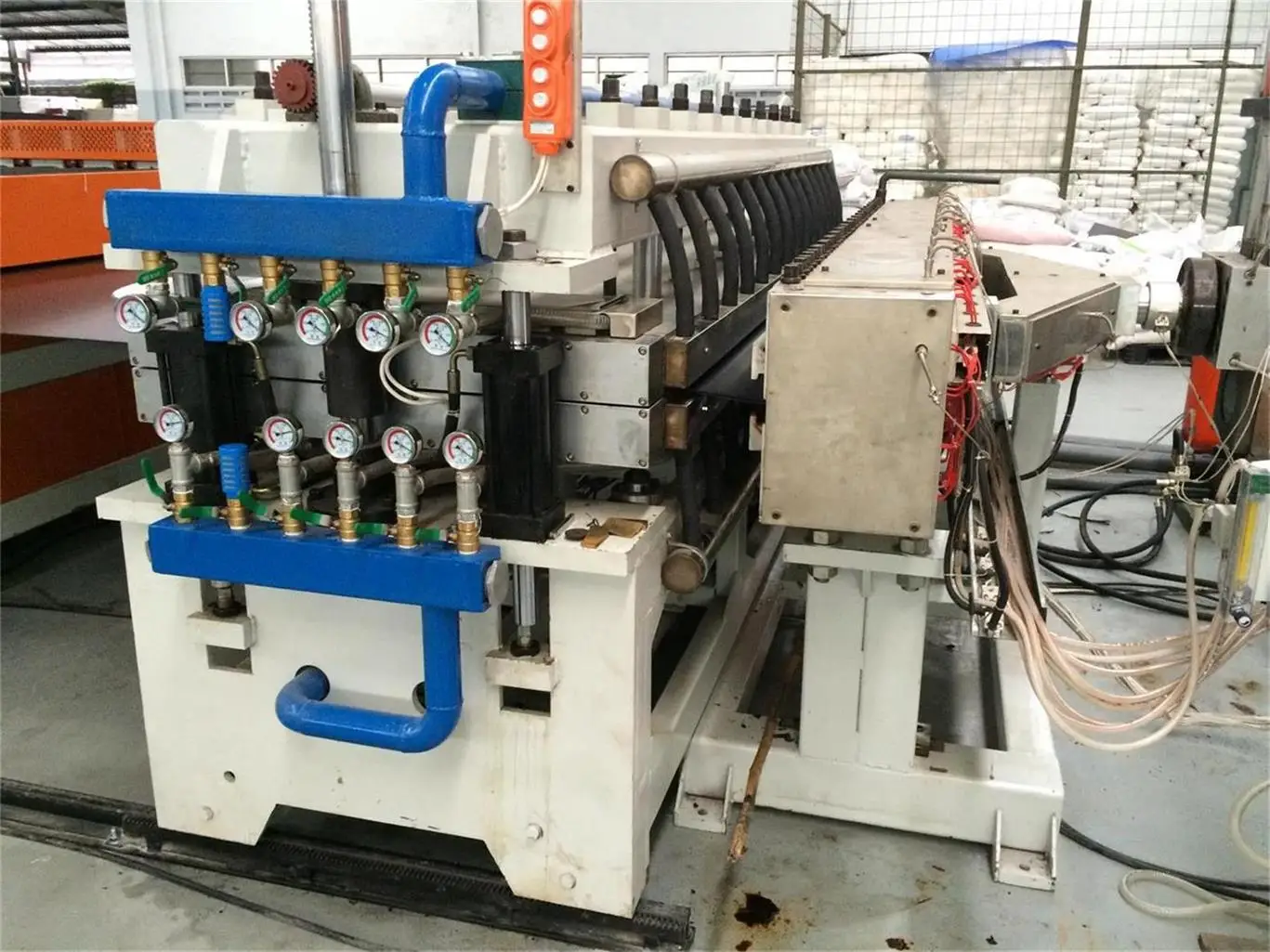
Qingdao Aistek Industry Co., Ltd
- Manufacturer, Trading Company
- Shandong, China
- Lead time30 days
- Avg. response≤ 4h
Main productsplastic pallet box,plastic sheets,PP honeycomb sheet
Main marketsSoutheast Asia(25.00%), Mid East(25.00%), South America(15.00%), Africa(15.00%), Eastern Europe(10.00%), Central America(5.00%), North America(5.00%)
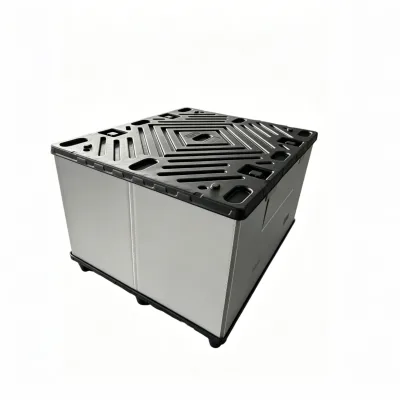
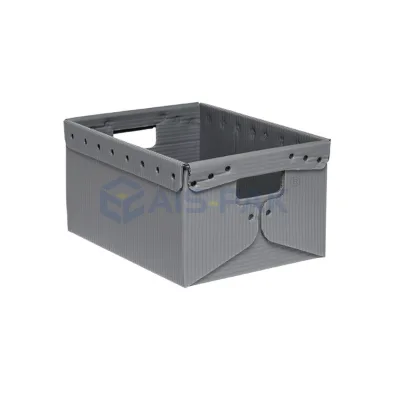
Customized Gray Plastic PP Corrugated Box Stackable and Space-Efficient for Recyclable Storage
$1.00 - $20.00
MOQ: 10 Minimum



















Comprehensive Sourcing Guide
Foldable 8 Compartment Storage Box Supplier Concentration and Factory Types
When sourcing a Foldable 8 Compartment Storage Box, buyers will encounter a mix of manufacturers and trading companies rather than a single uniform supplier profile. Some listings identify the seller explicitly as a trading company, which matters because a trading intermediary typically consolidates storage boxes, bins, organizers, and daily necessities from multiple workshops rather than producing in-house. The product evidence on this category reflects that breadth: one trading-focused seller lists daily necessities, kitchen items, home decor, storage items, and pet products as main offerings, while others concentrate more narrowly on food containers, lunch boxes, plastic storage containers, and laundry baskets. Neither profile is inherently better, but each carries different implications for communication depth and quality control.
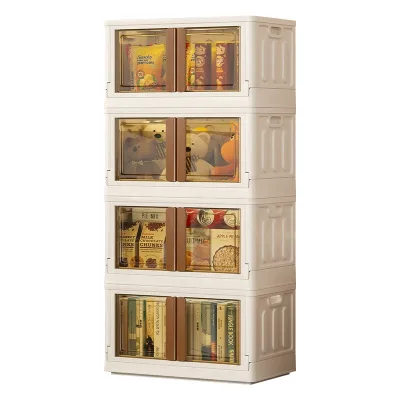
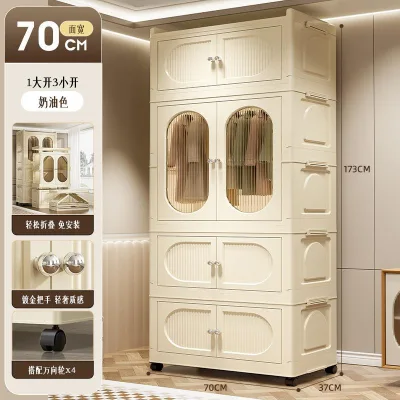
Concentration signals also come from product-line patterns. Suppliers whose catalogs cluster around fabric organizers, collapsible bins, stackable storage cubes, and wardrobe storage with support structures are more likely to have relevant handling experience for a compartmented, foldable design than generalist sellers. One product listing attributes its origin to Zhejiang, China, which is the kind of location datum you should treat as a lead rather than a conclusion; ask each candidate to confirm where production actually occurs. Because search results change, avoid assuming a fixed supplier count or a stable ranking. Instead, shortlist by type and specialization, then verify each claim directly before committing sampling budget.
How to Verify Foldable 8 Compartment Storage Box Suppliers
Verification should start with the credentials a platform displays, then move beyond them. In this category, some suppliers carry third-party verification badges: one is verified by SGS Group, another by SGS, and a third by TUVRHEINLAND. These are meaningful starting signals because an independent inspection body has assessed the company in some capacity, but a badge does not certify a specific foldable storage box design, material batch, or factory floor. Ask the supplier exactly what the verification covered, whether it was a business license check, an on-site audit, or a product test, and request the report reference so you can confirm scope independently.
Beyond badges, use behavioral evidence. Response speed is visible in this category and varies widely: recorded response times range from about 7 hours to roughly 12 hours, and one supplier averages nearly 25 hours. For a compartmented foldable box with fabric, zippers, and structural panels, you will need many rounds of clarification, so slow responsiveness early usually predicts slow responsiveness during production. Also probe customization capability rather than accepting marketing claims. One listing states ODM capacity is available and describes sample processing, graphic processing, and customized-on-demand services; another explicitly marks OEM and ODM as available with logo printing. Put those capabilities to the test with a sample request, and verify that certificates cited on product pages, such as SGS, BV, or Intertek references, apply to your actual order specifications.
What to Compare Across Foldable 8 Compartment Storage Box Suppliers
Build a comparison sheet before contacting suppliers, and populate it with the dimensions these listings actually expose. Lead time is a core variable: quoted figures in this category include 6 days, 15 days, and 23 days, and one seller distinguishes peak and off-season schedules, quoting 30 days for orders of 1 to 10 cartons with longer volumes to be negotiated. That structure tells you the 30-day figure may not hold for a bulk order, so always state your quantity when asking for a timeline. Minimum order quantities also differ; one fridge organizer listing shows an MOQ of 100 pieces, which suggests small MOQs exist in this space, but you must confirm the MOQ for the specific 8 compartment model.
Response time deserves a column of its own, using the observed range from about 7 hours to nearly 25 hours as your benchmark for what "fast" and "slow" look like here. Company type is another filter: trading companies versus direct manufacturers change who controls tooling and who answers defect claims. Main products indicate specialization, so favor sellers whose catalogs center on storage containers, organizers, and household goods. Price bands visible in category listings, from under one dollar for basic foldable wardrobe boxes to around three dollars for fabric organizers with lids, give a rough reference frame, but treat every quoted price as valid only for the confirmed material, size, and compartment count you specify.
Common Foldable 8 Compartment Storage Box Sourcing Risks
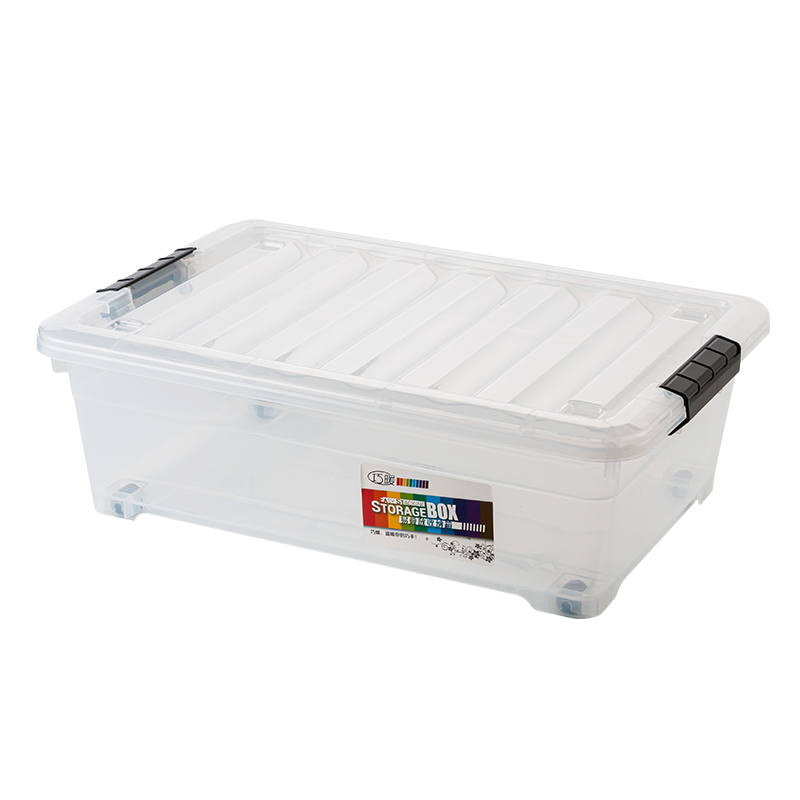
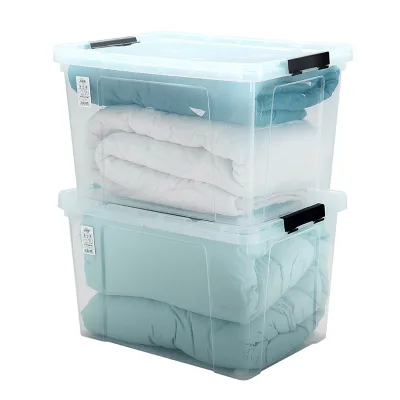
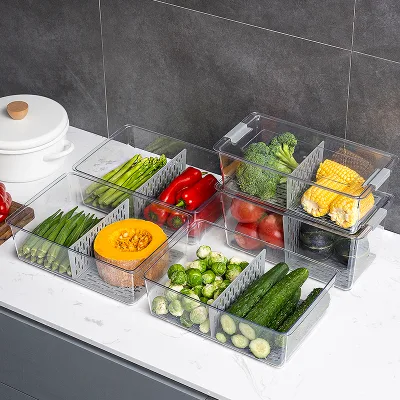
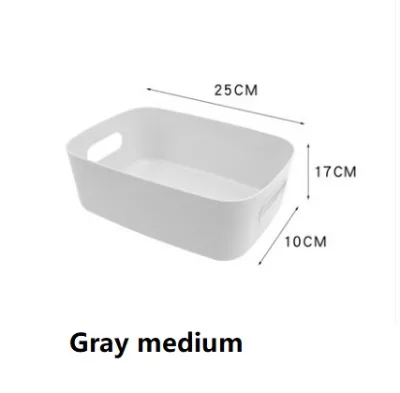
The most common risk in this category is specification drift between the listing and your order. Product pages reveal how much variation hides under one keyword: foldable fabric boxes with 20 to 35 liter capacity, plastic bins at 27.9 by 22.5 by 14.4 centimeters, transparent fridge organizers in large size, and interlocking multi-size trays. A "Foldable 8 Compartment Storage Box" from two suppliers may differ in fabric weight, panel stiffness, zipper quality, compartment divider construction, and collapsed height. Tolerances also matter; one listing declares dimensional tolerance under plus-or-minus 1 centimeter and weight tolerance under plus-or-minus 5 percent. Without those numbers written into your purchase order, you have no basis for a claim when cartons arrive inconsistent.
Timeline and seasonality risks follow. The peak-season quote of 30 days for small volumes, with larger quantities negotiable, shows lead times can stretch exactly when retail calendars compress. Second, verification badges can create false comfort: SGS or TUV Rheinland validation of a company does not cover every SKU it sells. Third, trading companies can obscure the true factory, complicating audits and defect accountability. Fourth, customization claims such as available logo printing or ODM support may carry unquoted tooling or sampling costs. Mitigate all of these by requiring a pre-production sample of the exact 8 compartment design, a signed specification sheet with tolerances, and a written lead-time clause tied to your confirmed order quantity.
Foldable 8 Compartment Storage Box Regional Sourcing and Logistics
Regional identification should rest on evidence, not assumption. The only location datum supplied in this category attributes one product's origin to Zhejiang, China, which is consistent with that province's known role in household goods and textile-adjacent manufacturing, but you should still confirm with each supplier where their foldable boxes are actually produced, since trading companies frequently source across provinces. A practical method when no location is displayed: ask for the factory's registered address, request a video walkthrough of the production line for fabric cutting, panel insertion, and zipper sewing, and cross-check the address against the business license or audit report. Suppliers that resist this basic step warrant caution regardless of badge status.
Logistics planning for this product has category-specific quirks. Foldable boxes ship collapsed, which improves container utilization, but the 8 compartment structure means internal dividers and support panels must survive compression; specify carton stacking limits and request packing trials. One listing documents shipment via DHL, UPS, TNT and similar channels, which suits samples and small runs, while sea freight remains the norm for volume orders. Product weight limits also appear in listings, with one fabric organizer declaring a 5 to 10 kilogram weight limit, so confirm load-bearing expectations for compartments. Finally, match the packing format to your channel: each-piece OPP bag packing is documented in this category and works for e-commerce, but retail-ready packaging needs separate confirmation.
Foldable 8 Compartment Storage Box Commercial Terms and Order Planning
Order planning should reconcile three quoted variables: quantity, lead time, and price. The category data shows why. One supplier quotes 30 days in peak season for 1 to 10 cartons and defers anything larger to negotiation, meaning your real timeline is only knowable after you state volume. Lead-time benchmarks of 6, 15, and 23 days across other sellers give you a negotiating frame, but confirm whether each figure covers sampling, production, or both. Price bands here range widely, from sub-dollar plastic bins to roughly three-dollar fabric organizers, so anchor negotiations to a fully specified 8 compartment design rather than a generic category average, and request tiered pricing across at least three quantity breaks.
Payment and risk structures deserve equal attention. Use staged payments tied to milestones: a deposit before production, an inspection before balance payment, and consider escrow or trade-assurance style arrangements where the platform holds funds until shipment confirmation. Verify that any certificate cited on a listing, such as SGS, BV, or Intertek references seen in this category, will be issued for your batch, not merely displayed historically. For first orders, keep quantities near the confirmed MOQ, which may be as low as 100 pieces based on comparable listings, and scale only after a passed inspection. Finally, document the seasonality clause: if your order lands in the supplier's peak window, secure the lead time in writing with a delay remedy before paying the deposit.
Word count: sections total approximately 1,390 words.
FAQs
What is the price range for foldable storage boxes?
Prices for these storage containers typically range from $0.56 to $3.20 per unit depending on material and size. Fabric options often cost between $2.21 and $3.10, while plastic bins may be priced lower at $0.87 to $0.90. Buyers should verify specific quotes based on order volume and customization requirements.
What is the minimum order quantity for these items?
The minimum order quantity is generally set at 100 units for most suppliers. This threshold ensures efficient production and shipping logistics for bulk orders. Buyers seeking smaller quantities should contact suppliers directly to negotiate exceptions or explore sample orders, as policies may vary by manufacturer and product type.
How long does production take for these boxes?
Lead times are approximately 30 days for orders of 1 to 10 units during peak seasons. For larger orders exceeding 10 units, production schedules are negotiated directly with the supplier. Off-peak seasons may offer faster turnaround times, so buyers should confirm specific delivery dates before finalizing their purchase agreements.
Are these storage boxes customizable for branding?
Yes, many suppliers offer customization services including logo printing and OEM/ODM support. Buyers can request specific colors, sizes, and materials to match their brand identity. Customization options are available for fabric and plastic variants, allowing for tailored solutions that meet specific retail or corporate gifting requirements effectively.
What certifications do these suppliers hold?
Suppliers on this page hold various certifications including SGS, BV, and Intertek. Some manufacturers are verified by SGS Group or TÜV Rheinland, ensuring quality standards are met. Buyers should request specific certification documents for their chosen products to verify compliance with international safety and quality regulations before placing large orders.
Where are these storage box manufacturers located?
Manufacturers are primarily located in Zhejiang, China, a major hub for home storage and organization products. This region offers efficient supply chains for fabric and plastic goods. Buyers can expect reliable logistics from this location, though shipping costs and times will vary based on the final destination and chosen freight method.