eco-friendly iron desk organizer with drawers Suppliers and Manufacturers
Compare 26 verified suppliers offering eco-friendly iron desk organizer with drawers from China Fujian and Guangdong. Review response times, lead times, certifications, and MOQs before requesting samples or quotes to ensure product fit; review the available evidence before requesting comparable quotations from suitable candidates.
Updated
Suppliers List

Fujian Hoyee Household Items Co., Ltd.
- Verified by BV
- Manufacturer/Factory
- China Fujian
- Lead time0 days
- Avg. response≤ 8h
Main productsBamboo Products, Cutting Board, Bathtub Caddy, Bath Mat, Bath Towel Rack, Shoes Rack, Office Organizer, Desk Organizer, Cheese Board, Serving Tray

Forever Standing Stationery Co., Ltd.
- Combined
- China Guangdong
- Lead time30 days
- Avg. response≤ 22h
Main productsCosmetic Box, Jewelry Box, Make up Box, Wine Box, Wine Bags, Wine Rack, Storage Box, Gift Packing Box, Photo Albums, Stationery and Office Supply
Main marketsSouth America,Africa,Southeast Asia/ Mideast,East Asia(Japan/ South Korea),Domestic,Europe,Australia,North America

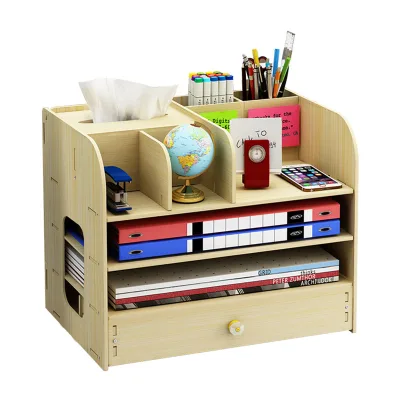
Multi Design Table Organizer Wooden Office Desk Organizer with Drawer
$27.50 - $32.50
MOQ: 1000 Pieces


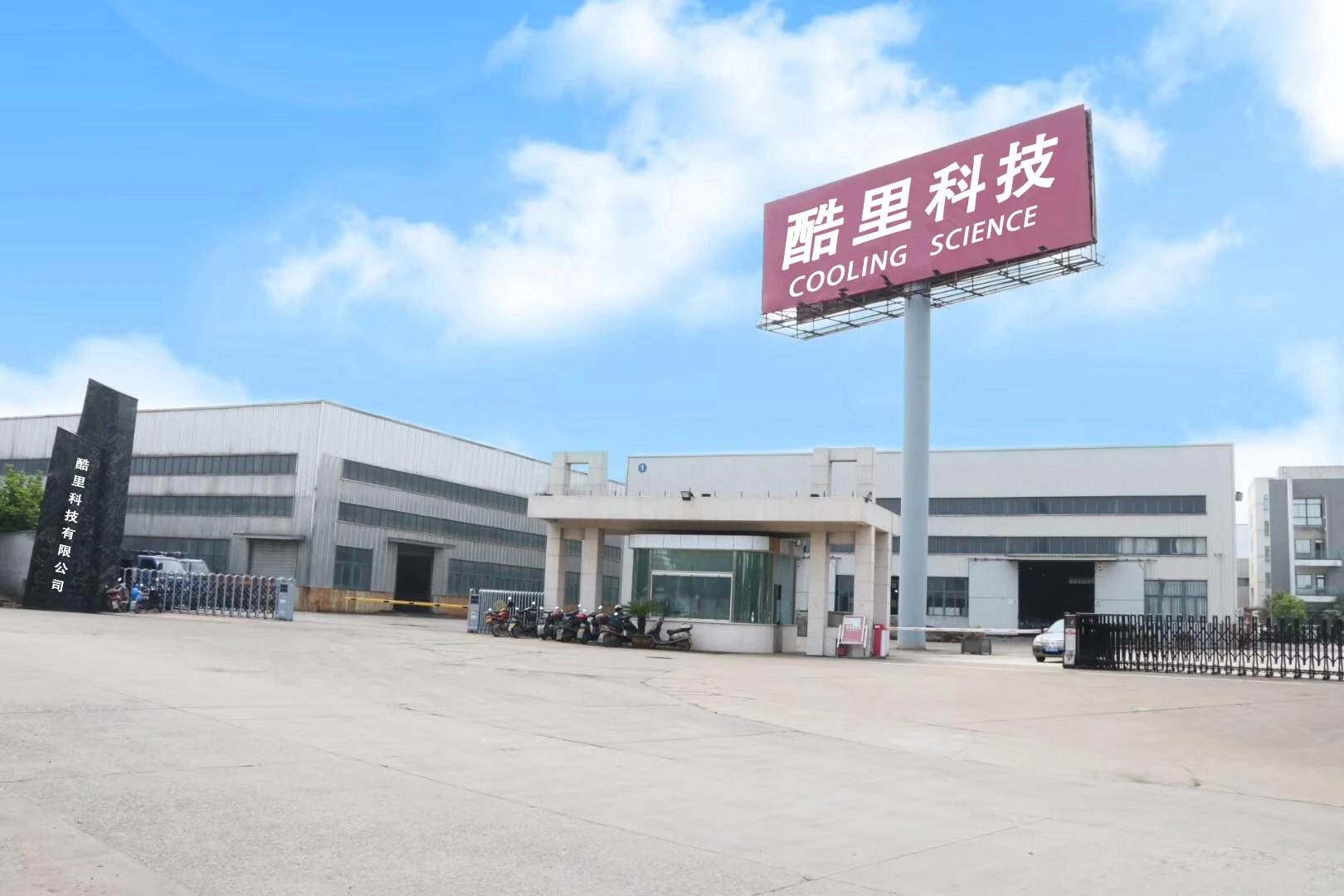
Hefei Cooling Science And Technology Co., Ltd.
- Manufacturer, Trading Company
- Anhui, China
- Lead time50 days
- Avg. response≤ 9h
Main productsTableware,Organizer,Home decoration,Kitchenware,Servingware
Main marketsEastern Europe(25.00%), Western Europe(15.00%), Southern Europe(15.00%), North America(12.00%), Northern Europe(11.00%), Central America(9.00%), Southeast Asia(8.00%), South America(5.00%)
Jiangmen Hanxi Metal Products Factory (sole Proprietorship)
- Verified by Intertek
- Manufacturer, Trading Company
- Guangdong, China
- Lead time30 days
- Avg. response≤ 1h
Main productsStorge Basket & Rack, Kitchen & Bathroom Rack, Office Desk Organizer, Display Rack, Pet Cage
Main marketsNorth America(70%), Western Europe(10%), Eastern Europe(5%)
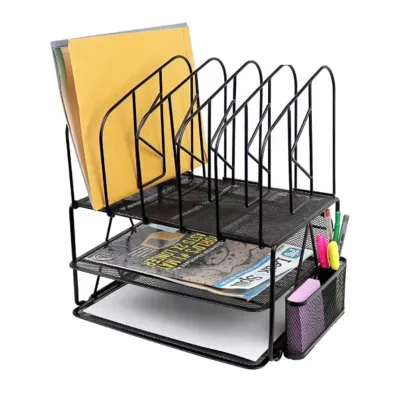
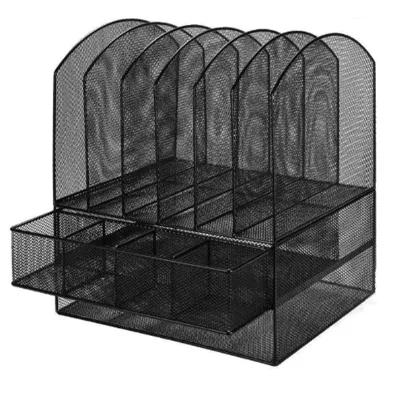
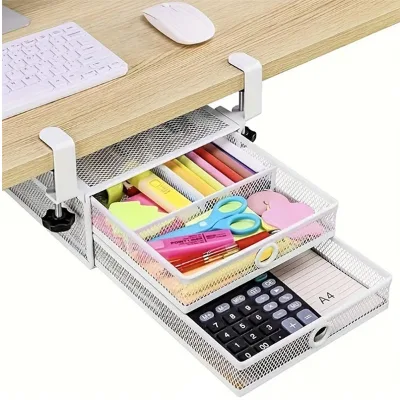
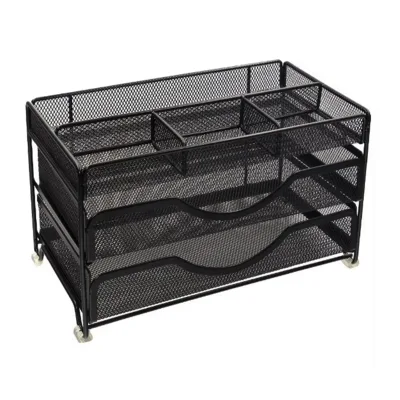
$7.90 - $8.80
MOQ: 1000 pieces

Xiamen Ebei Import & Export Co., Ltd.
- Verified by CTI
- Trading Company,Manufacturer/Factory
- China Fujian
- Lead time45 days
- Avg. response≤ 2h
Main productsEco-Friendly Products, Bamboo Tableware, Bamboo Furniture, Bamboo Kitchenware, Bamboo Office Supply, Bamboo Fibre Products, Biodegradable Products, Bamboo Towel, Solar Energy Products, Bamboo Garden Products
Main marketsSouth America,Eastern Europe,Mid East,North America,Southeast Asia,Eastern Asia,Oceania,Western Europe,Africa
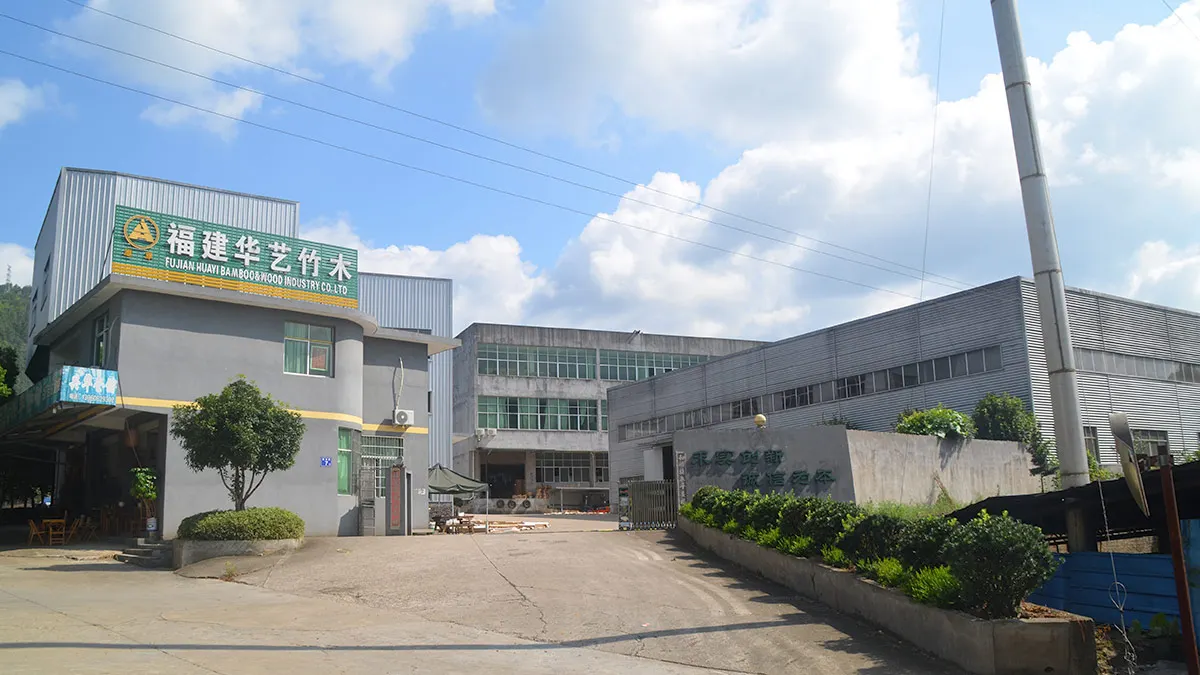
Fujian Huayi Bamboo & Wood Industry Co., Ltd.
- Manufacturer, Trading Company
- Fujian, China
- Lead time40 days
- Avg. response≤ 6h
Main productsBamboo Bathroom Cabinet, Bamboo Bathtub Caddy Tray, Bamboo Bed Tray, Bamboo Cheese Board Set, Bamboo Bath Stool
Main marketsNorth America(50.00%), Western Europe(50.00%)
Huachuang Wisdom Household Co., Ltd.
- Trading Company
- Lead time旺季: "1 - 500":25,"501 - 1000":30,"1001 - 3000":40,"> 3000":"To be negotiated", 淡季: "1 - 500":25,"501 - 1000":30,"1001 - 3000":40,"> 3000":"To be negotiated"
- Avg. response≤ 5h
Main productsBathroom rack,bathroom organizer,towel rack,coat rack
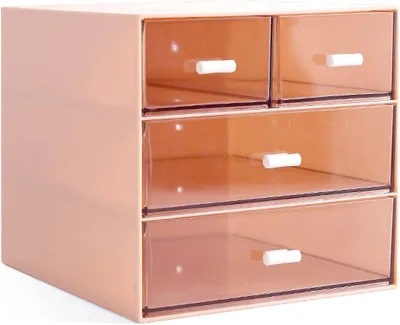
Desk Organizer Box with 4 Drawers for Desk Organizer Box Bathroom Counter or Dresser
$1.98 - $2.18
MOQ: 500 pieces
Yiwu Changming Import And Export Co., Ltd.
- Trading Company
- Zhejiang, China
- Lead time10 days
- Avg. response≤ 1h
Main productsHousehold Organizer,Cloth Rack,Kitchen Rack,Home Storage Rack,Appliance
Main marketsEastern Europe(95.00%), Eastern Asia(5.00%)

Taizhou Shangyi Plastic Co., Ltd.
- Verified by TUVRHEINLAND
- Trading Company
- China Zhejiang
- Lead time23 days
- Avg. response≤ 20h
Main productsFood Container, Storage Container, Lunch Box, Bento Box, Plastic Laundry Basket, Plastic Storage Container, Plastic Cutting Board
Main marketsSouth America,Southeast Asia/ Mideast

$1.03 - $1.08
MOQ: 3000 Pieces

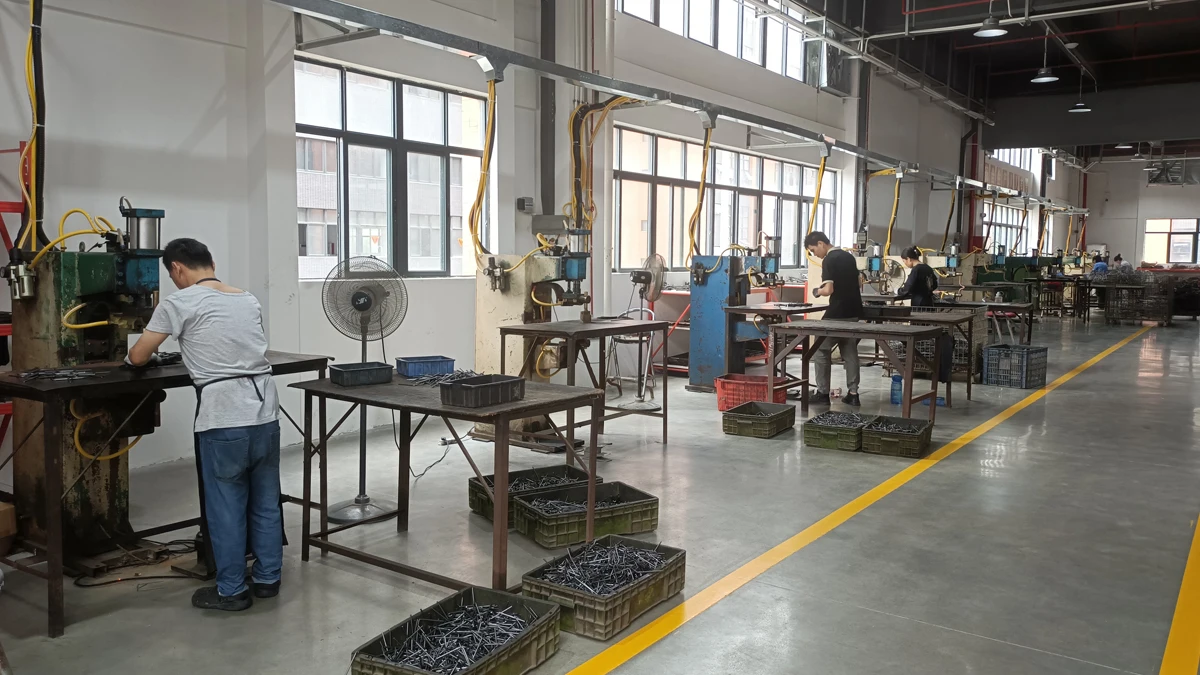
Guangzhou Super Made Metal Co., Ltd.
- Trading Company
- Guangdong, China
- Lead time35 days
- Avg. response≤ 1h
Main productsKitchen Organizer Racks, Bathroom Organizer Racks, Mesh Office Organizers
Main marketsNorth America(50.00%), Western Europe(30.00%), Eastern Asia(10.00%), Mid East(10.00%)
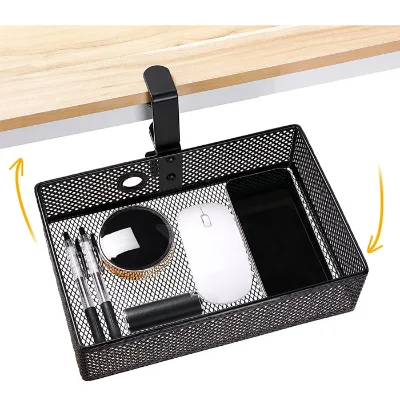
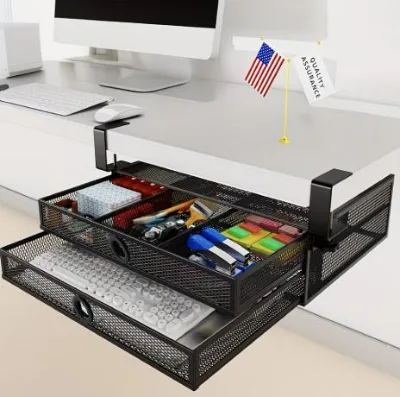
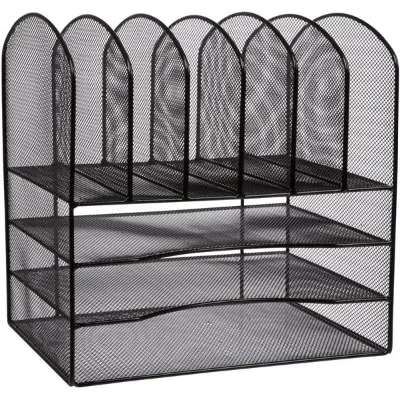
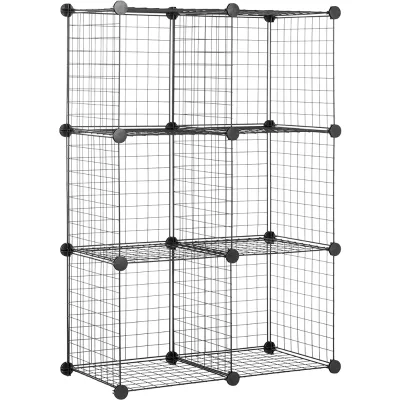
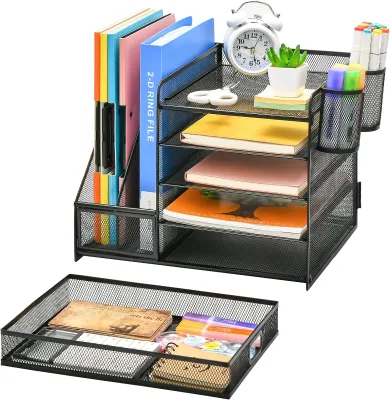
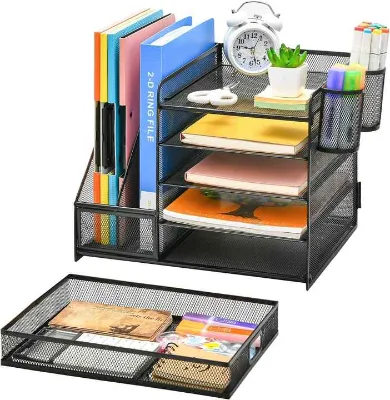
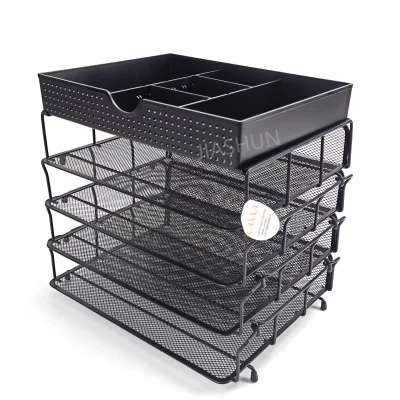
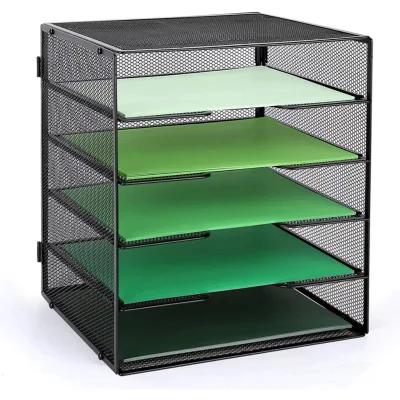
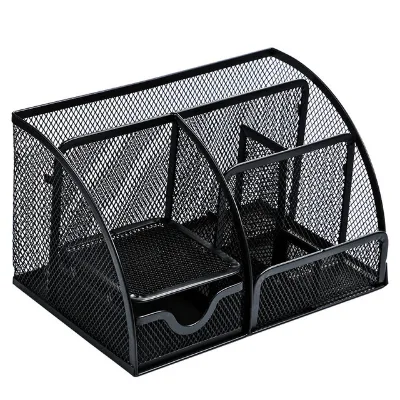
Wholesale Black Metal Mesh Desktop Organizer Letter File & Stationery Storage for Office
$8.20 - $9.40
MOQ: 1000
Xiamen Homex Houseware Co., Ltd.
- Verified by TüVRheinland
- Manufacturer, Trading Company
- Lead time60 days
- Avg. response≤ 5h
Main productsBamboo & Wood Bathroom Items, Bamboo & Wood Housewares, Bamboo & Wood Kitchenware, Bamboo & Wood Home Furniture, Bamboo & Wood Drawer Organizer
Main marketsNorth America(80%), Western Europe(20%)
Chuzhou Jincheng Home Decoration Manufactory
- Verified by SGS Group
- Manufacturer, Trading Company
- Lead time45 days
- Avg. response≤ 5h
Main productsStorage Tray, Metal Trunk, Jewelry Box, Desktop Organizer, Decorative Mirror
Main marketsNorth America(40%), Eastern Europe(15%), Oceania(10%)

- Verified by SGS
- Trading Company,Manufacturer/Factory
- China Shaanxi
- Lead time23 days
- Avg. response≤ 3h
Main productsCork Sheets, Cork Rolls, Cork Granules, Yoga Cork, Cork Stoppers, Cork Placemats, Cork Coasters, Cork Sticks, Cork Mats, Cork Wall Panels
Beijing Likonda Group Corporation
- Manufacturer, Trading Company
- Beijing, China
- Lead time20 days
- Avg. response≤ 1h
Main productsMetal Components,Metal Bracket,assembly parts etc,Metal Fabrication,Sheet Metal Fabrication
Main marketsNorth America(60.00%), Northern Europe(10.00%), Western Europe(10.00%), Oceania(10.00%), Eastern Europe(10.00%)

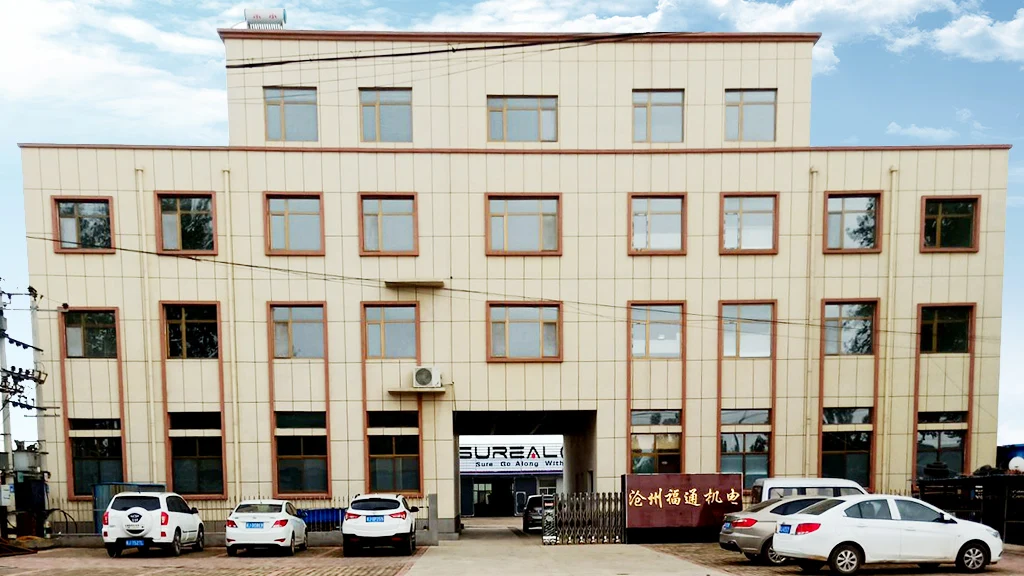
Cangzhou Futong Precision Manufacturing Co., Ltd
- Verified by BV
- Combined
- China Hebei
- Lead time15 days
- Avg. response≤ 6h
Main productsMetal Stamping, Sheet Metal Fabrication, Stamping Parts, Sheet Metal Bracket, Timber Connection Hardware, Joist Hanger, Gang Nail Plate, Pergola Bracket, Floating Shelf Brackets, Cable Tray
Main marketsEast Asia(Japan/ South Korea),Europe,Australia,North America

- Verified by SGS
- Trading Company
- China Zhejiang
- Lead time15 days
- Avg. response≤ 12h
Main productsFitness Equipment, Trampoline, Treadmill, Dumbbell, Yoga Mat, Spinning Bike, Jump Rope, Pull up Bar, Gym Rack, Leg Press
Main marketsEurope,Australia


Home Office Wooden Structure Multi-Function Desk Stationery Organizer Storage Box
$0.50 - $0.55
MOQ: 500 Pieces

Xuzhou Risen Industry and Supply Co., Ltd
- Verified by TUVRHEINLAND
- Trading Company
- China Jiangsu
- Lead time30 days
- Avg. response≤ 4h
Main productsHousehold Adornment, Household Supplies, Home Decoration, Compressed Sofa, Dining Furniture, Bothroom Organizer, Kitchen Storage, Glass Ornaments, Ceramic Tableware, Home Fragrance
Main marketsSouth America

Xiamen Chengfengxin Industry & Trade Co., Ltd.
- Verified by BV
- Trading Company
- China Fujian
- Lead time23 days
- Avg. response≤ 1h
Main productsBamboo Cutting Board, Bamboo Bathtub Rack Caddy, Bamboo Tablet Computer Desk, Bamboo Kitchenwares Holder Organization, Bamboo Home Storage, Home Office Collection, Eco-Friendly Kitchen Products, Bamboo Kitchen Tools, Bamboo Diffuser, Eco-Friendly Green Products
Main marketsSoutheast Asia/ Mideast,Europe,Australia,North America

Stylish Desk Supplies Organizer with 6 Spacious Compartments for Home Office
$1.00 - $5.00
MOQ: 500 Pieces


Stylish Office Desk Storage Organizer for Efficient Workspace Management
$1.00 - $5.00
MOQ: 500 Pieces

Jiangmen Jiashun Trading Co., Ltd.
- Trading Company
- Guangdong, China
- Lead time0 days
- Avg. response≤ 24h
Main productsWaste bin,Bread Box,Toilet Brush,Bathroom Set,Water can
Main marketsEastern Europe(30.00%), North America(30.00%), Oceania(15.00%), Northern Europe(15.00%), South America(10.00%)

Anhui Sunshine Stationery Co., Ltd.
- Verified by TUVRHEINLAND
- Trading Company
- China Anhui
- Lead time15 days
- Avg. response≤ 3h
Main productsPencil, Stationery Pins, Stationery Clips, Staple, Stapler, Paper Punch, Office Organizer, Document File, Glue
Main marketsSouth America,Africa,Others(foreignTradeCapacity.exportBusinessCapacityMarketOther),Southeast Asia/ Mideast,East Asia(Japan/ South Korea),Europe


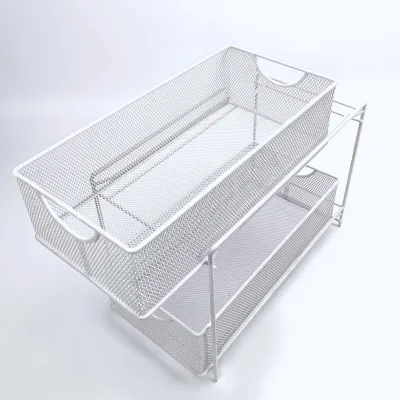
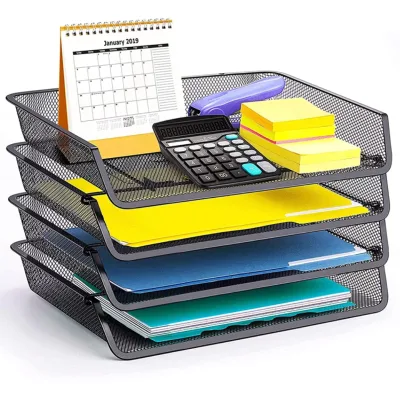
Hot Sale 2-Layers Metal Mesh Office Organizer for Desktop with Anti-Slip Design
$3.379 - $3.75
MOQ: 60 Pieces
Meizhou Meta San Metal Product Industries Co., Ltd.
- Verified by SGS Group
- Trading Company
- Lead time20 days
- Avg. response≤ 3h
Main productsKitchen Storage Rack, Bathroom Accessories, Metal Bracket, Buffet Stove, Garden Bicycle Shed
Main marketsNorth America(20%), Southeast Asia(15%), Eastern Europe(10%)

Jinan Constant Storage Machinery Manufacturing Co., Ltd.
- Verified by TUVRHEINLAND
- Combined
- China Shandong
- Lead time15 days
- Avg. response≤ 1h
Main marketsSouth America,Southeast Asia/ Mideast,Europe,Australia,North America
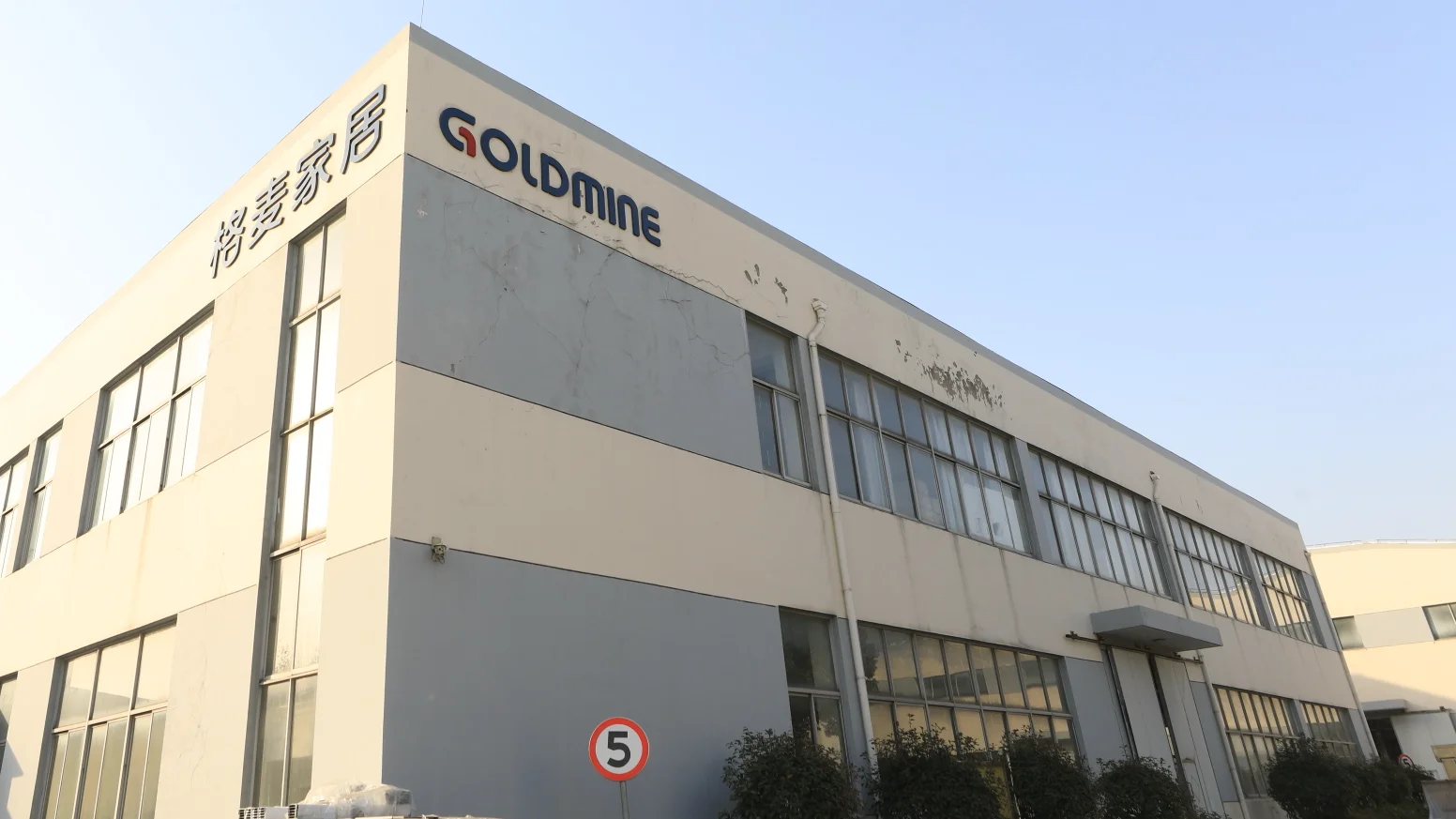
Nanjing Goldmine Houseware Co., Ltd.
- Trading Company
- Jiangsu, China
- Lead time25 days
- Avg. response≤ 5h
Main productskitchen storage supplies,cabinet drawer basket,kitchen storage holders,drawer organizers,dish drying rack
Main marketsDomestic Market(40.00%), North America(18.00%), Northern Europe(15.00%), Western Europe(10.00%), Oceania(5.00%), Southeast Asia(3.00%), Mid East(3.00%), South America(2.00%), South Asia(2.00%), Eastern Europe(2.00%)
Ninghai Haibei Stationery Co., Ltd.
- Manufacturer, Trading Company
- Zhejiang, China
- Lead time30 days
- Avg. response≤ 5h
Main productsPaper Fastener,Paper Clip,Stapler,Staples
Main marketsSouth America(35.00%), Eastern Europe(20.00%), Southeast Asia(17.00%), Mid East(10.00%), North America(4.00%), Oceania(2.00%), Africa(2.00%)

Foshan Channs Furniture Co., Limited
- Manufacturer/Factory
- China Guangdong
- Lead time30 days
- Avg. response≤ 23h
Main productsFactory of Office Furniture, Office Desk, Office Chair, Office Workstation, Meeting Desk, Reception Desk, Computer Desk, File Cabinet, Training Furniture, Student Furniture
Main marketsSouth America,Mid East,North America,Southeast Asia,Eastern Asia,Africa

NINGBO XUANHENG OUTDOOR & HOME APPLIANCES CO., LTD.
- Trading Company,Manufacturer/Factory
- China Zhejiang
- Lead time45 days
- Avg. response≤ 2h
Main productsWooden Beach Chair, Beach Umbrella, Sling Chair, Wooden Beer Table, Bamboo Home Products, Bamboo Shelf, Canvas Bag, Outdoor Beach Furniture, Art Accessories, Wooden Box
Main marketsSouth America,Eastern Europe,Mid East,North America,Southeast Asia,Eastern Asia,Oceania,Western Europe,Africa

High-Quality Wooden Desktop Organizer Keeping Every Inch of Space Organized
$2.68 - $2.99
MOQ: 500 Pieces




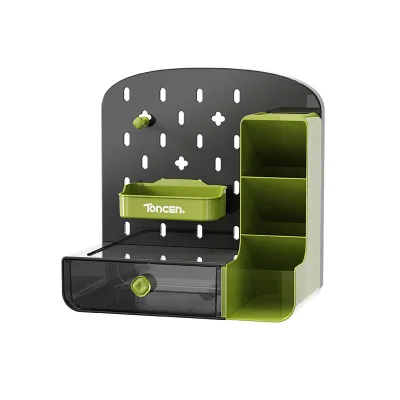
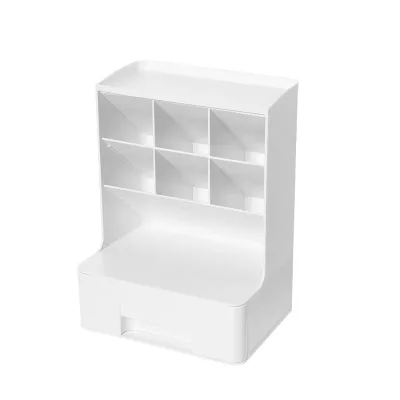
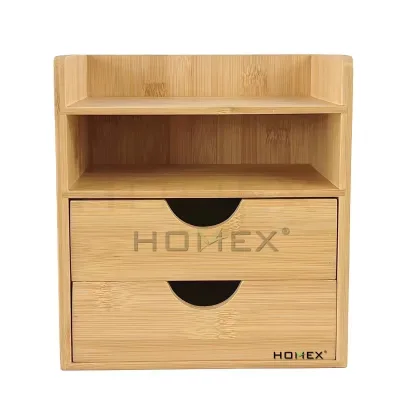
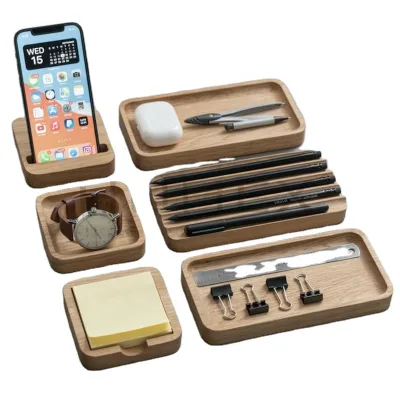








Comprehensive Sourcing Guide
Eco-Friendly Iron Desk Organizer With Drawers Supplier Concentration and Factory Types
The current search results indicate a concentration of manufacturing capabilities in China, specifically within the Fujian and Guangdong provinces. While the provided data highlights suppliers producing bamboo products, cutting boards, and various office organizers, the specific category of iron desk organizers requires careful verification of material composition. Some listed manufacturers in these regions specialize in wood and bamboo, while others operate as combined entities offering cosmetic boxes, jewelry cases, and stationery supplies. Buyers must distinguish between pure manufacturers and trading companies that may aggregate products from different workshops. The presence of verified badges like BV suggests a baseline of operational legitimacy, but the material shift from bamboo to iron necessitates a deeper audit of the factory's metalworking capabilities.
Factory types vary significantly among the available results, ranging from dedicated manufacturers to combined entities offering OEM and ODM services. One observed supplier profile lists a twenty-year history as a manufacturer and exporter, indicating potential stability in production processes. Another profile identifies a company type as a manufacturer or factory, while a third is classified as a combined entity. This diversity means that a single search result may not represent a dedicated iron fabrication plant. Buyers should verify if the supplier's main product list includes metal storage solutions or if they are primarily wood-focused. Understanding whether a supplier is a direct factory or a trading company is critical for negotiating prices and ensuring quality control over the iron components and drawer mechanisms.
How to Verify Eco-Friendly Iron Desk Organizer With Drawers Suppliers
Verification begins with scrutinizing the specific product attributes and certifications listed in the supplier's profile. While some results show certifications such as BSCI, Sedex, ISO9001, and Reach, these are attached to wooden or general office supply listings. For an iron desk organizer, buyers must confirm that these certifications explicitly cover metal fabrication and the specific eco-friendly coatings used. The presence of a BV verification badge is a positive indicator, but it does not guarantee the material is iron or that the production process meets specific environmental standards for metal. Buyers should request test reports specifically for the iron material and any chemical treatments applied to ensure they align with the "eco-friendly" claim.
Response times and sample lead times provide another layer of verification regarding supplier reliability. The data shows response times ranging from approximately 7 hours to over 21 hours, with sample lead times typically between 5 to 7 days. A supplier claiming to produce custom iron organizers should be able to provide a physical sample within this window to verify the finish and structural integrity. If a supplier cannot meet the standard sample time or provides vague responses, it may indicate a lack of direct manufacturing control. Buyers should also check if the supplier accepts custom logo printing and packaging, as these capabilities often correlate with a more mature production line capable of handling specific iron product requirements.
What to Compare Across Eco-Friendly Iron Desk Organizer With Drawers Suppliers
When evaluating potential partners, buyers should compare minimum order quantities (MOQ) and pricing structures to determine feasibility. The observed data reveals MOQs ranging from 500 pieces to 1000 pieces, with unit prices varying significantly based on product complexity and material. For iron organizers, the price range might differ from the bamboo examples shown, which range from roughly $5 to $31. Buyers must ensure that the quoted price includes the cost of the iron material, the drawer mechanism, and any eco-friendly finishing processes. Comparing the price per unit against the MOQ is essential to calculate the total landed cost and determine if the order volume justifies the investment with a specific factory.
Production lead times and payment terms are critical comparison points that affect cash flow and inventory planning. Some suppliers list production lead times of 45 to 50 days, while others indicate a general lead time of 30 days or less. Payment terms vary, with some requiring a 30% deposit and 70% balance, while others accept multiple methods including T/T, L/C, and Alipay. Buyers should compare these terms to find a balance between risk and flexibility. A supplier offering a shorter lead time might charge a premium, while a lower price might come with stricter payment conditions. Aligning these commercial terms with the buyer's supply chain timeline is necessary to avoid delays in receiving the iron organizers.
Common Eco-Friendly Iron Desk Organizer With Drawers Sourcing Risks
One significant risk involves the discrepancy between the advertised material and the actual product composition. The search results heavily feature bamboo and wood products, which could lead to confusion if a buyer assumes all listed suppliers handle iron. There is a risk of receiving wooden organizers when iron was requested, or receiving iron products with substandard finishes that do not meet eco-friendly standards. Buyers must explicitly request material specifications and verify that the "iron" component is not merely a plating over a cheaper metal or wood core. Without clear evidence of the material composition in the product attributes, the risk of receiving a non-compliant product remains high.
Another risk is the variability in customization capabilities and quality consistency across different supplier types. While some profiles indicate "Customization Available" and "Logo Acceptable," the extent of this customization for iron products may be limited compared to wood. A supplier might offer standard sizes but lack the tooling for custom drawer mechanisms or specific eco-friendly coatings. Additionally, the "Combined" company type suggests a potential lack of direct oversight over the manufacturing process, increasing the risk of quality inconsistencies. Buyers should verify the supplier's ability to handle custom iron designs and ensure that the quality control processes are robust enough to maintain consistency across large production runs.
Eco-Friendly Iron Desk Organizer With Drawers Regional Sourcing and Logistics
Sourcing from China, specifically the Fujian and Guangdong provinces, offers access to established manufacturing clusters, but logistics planning is essential. The data confirms that products originate from China, and suppliers in these regions have experience exporting to Europe, North America, and other global markets. However, the specific logistics for heavy iron products differ from lightweight bamboo items. Buyers must account for the increased shipping weight and potential dimensional constraints when calculating freight costs. The presence of suppliers with experience in international markets suggests they are familiar with export documentation, but the buyer must verify if the supplier handles the logistics or if the buyer is responsible for arranging freight forwarders.
Lead times and delivery windows are heavily influenced by the regional location and the specific shipping method chosen. While some suppliers list a production lead time of 30 to 50 days, the total delivery time will include transit from the port in China to the destination. Suppliers in Guangdong may have better access to major shipping ports compared to those in Fujian, potentially affecting transit times. Buyers should confirm the specific port of loading and the estimated transit duration to ensure the iron organizers arrive on schedule. Understanding the regional logistics capabilities of the supplier helps in planning inventory levels and avoiding stockouts, especially when dealing with heavy items that require specialized shipping arrangements.
Eco-Friendly Iron Desk Organizer With Drawers Commercial Terms and Order Planning
Commercial terms such as payment methods and delivery conditions play a pivotal role in order planning and financial risk management. The observed data includes terms like T/T 30% deposit, 70% balance, and acceptance of L/C, Alipay, and Western Union. Buyers should negotiate terms that protect their interests, such as using escrow services or letters of credit for large orders. The choice of commercial terms like EXW, FOB, CNF, or CIF will determine who bears the risk and cost during transit. For iron products, which are heavy and potentially prone to damage, selecting a shipping term that transfers risk only after the goods are safely loaded is advisable.
Order planning must account for the sample lead time and the production cycle to ensure timely delivery. With sample times typically ranging from 5 to 7 days and production times extending to 45 to 50 days, buyers need to start the process well in advance. The ability to customize packaging and logos should be confirmed early in the planning phase to avoid delays. Buyers should also verify if the supplier offers design services, as this can streamline the process of finalizing the iron organizer specifications. Proper planning ensures that the order moves smoothly from sample approval to mass production, minimizing the risk of delays and ensuring the final product meets the buyer's expectations for quality and eco-friendly standards.
FAQs
What is the typical lead time for bamboo desk organizers?
Production lead times generally range from 45 to 50 days for standard bamboo desk organizers. Sample preparation is faster, typically requiring 5 to 7 days. Buyers should confirm specific schedules with suppliers, as expedited options may vary based on order volume and customization requirements.
What is the minimum order quantity for bamboo organizers?
The minimum order quantity is commonly set at 500 pieces for most bamboo desk organizers. Some suppliers may require higher volumes, such as 1000 pieces, depending on the product complexity. Buyers should verify the specific MOQ with the supplier before placing an order to ensure compliance.
Are customization options available for bamboo desk organizers?
Yes, customization is widely available for bamboo desk organizers. Suppliers typically offer logo printing, custom packaging, and tailored dimensions. Buyers can request specific styles, colors, or functional features to match their brand identity. Confirming customization details and associated costs with the supplier is recommended before finalizing orders.
What payment terms are standard for these products?
Standard payment terms often involve a 30% deposit via T/T, with the remaining 70% paid before shipment. Some suppliers also accept L/C, PayPal, Alipay, or Western Union. Buyers should clarify the exact payment structure and currency with the supplier to avoid misunderstandings during the transaction process.
Where are these desk organizers typically manufactured?
These desk organizers are primarily manufactured in China, specifically in regions like Fujian and Guangdong. These areas are known for their expertise in bamboo and wooden product manufacturing. Buyers can verify the exact production location with the supplier to ensure alignment with their sourcing preferences and logistics requirements.
What certifications do these suppliers typically hold?
Suppliers often hold certifications such as BSCI, Sedex, ISO9001, and Reach. These credentials indicate compliance with international quality and ethical standards. Buyers should request valid certification documents from the supplier to verify their status and ensure the products meet the specific regulatory requirements of their target market.