Source Standing Melamine Seasoning Rack for Food, Spice, and Soy Sauce
Compare 30 Standing Melamine Seasoning Rack options from verified suppliers. Buyers can evaluate materials like stainless steel and plastic, sizes ranging from small to large, and features such as adjustable height and wall-mounted designs for food, spice, and soy sauce applications.
Updated
Key considerations
Products List


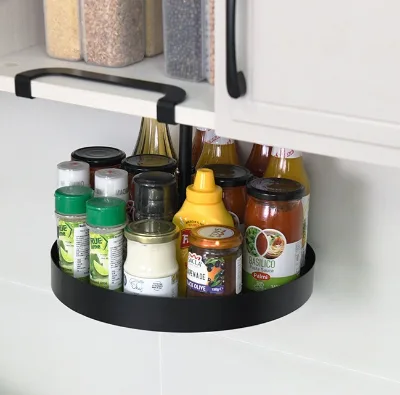


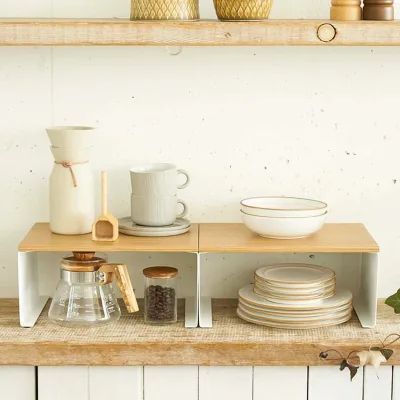
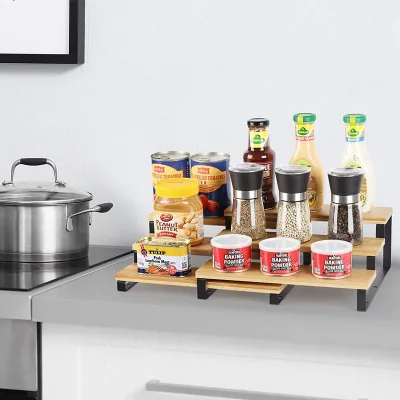
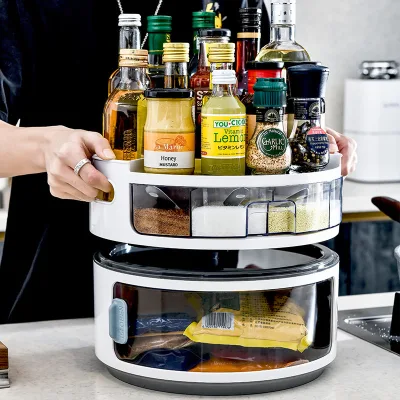



Comprehensive Sourcing Guide
Standing Melamine Seasoning Rack Sourcing Guide
Procuring standing melamine seasoning racks requires a nuanced understanding of material limitations and structural integrity, as the core keyword suggests a specific aesthetic and functional profile. While melamine is a popular choice for its glossy finish and cost-effectiveness in kitchenware, it presents distinct challenges when used for vertical, load-bearing storage solutions. Buyers must carefully evaluate whether the supplier’s "melamine" designation refers to the surface laminate or the core material, as this distinction drastically impacts durability and weight capacity. The observed market data indicates a wide variance in product models, ranging from simple spice holders to complex multi-layer units, necessitating a rigorous verification process to ensure the selected rack meets the intended heavy-duty usage requirements.
The sourcing landscape for these items is heavily concentrated in manufacturing hubs like Jiangmen, Guangdong, and broader China, offering competitive pricing but varying quality standards. The observed price range of $0.32 to $35 USD reflects this disparity, with lower prices often correlating to thinner materials or simpler assembly structures. Buyers should note that while customization is widely available, the structural design of standing racks must accommodate the specific weight of spice jars, soy sauce bottles, or vinegar containers. Understanding the interplay between material thickness, base stability, and load distribution is critical to avoiding product failures in retail environments or end-user homes, making supplier transparency regarding engineering specifications a non-negotiable aspect of the procurement strategy.
Product Scope and Observed Listing Signals
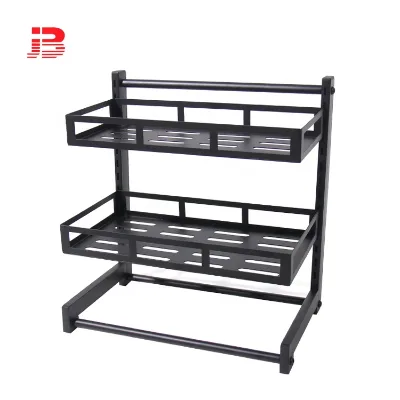
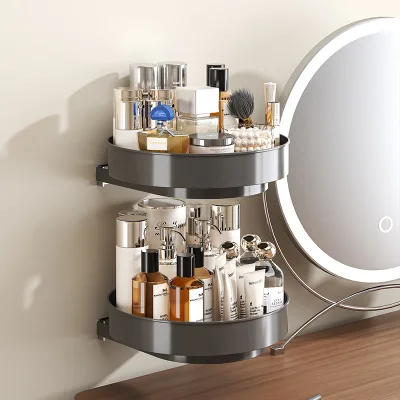
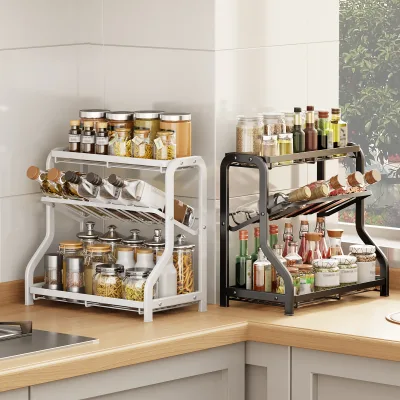
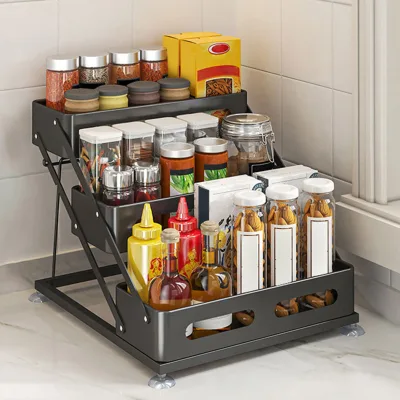
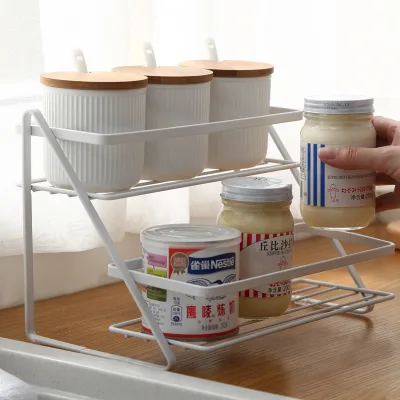
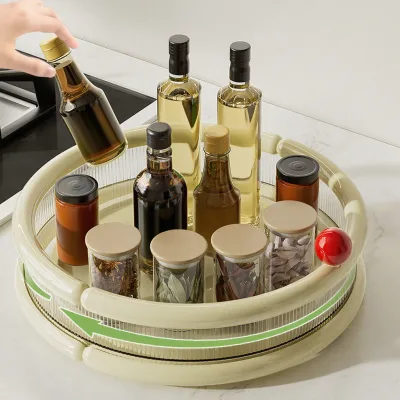
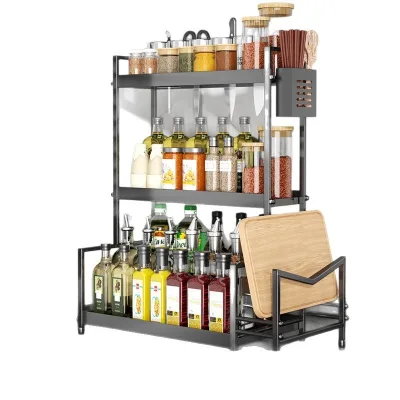
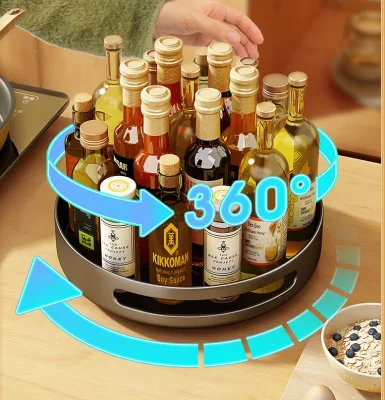
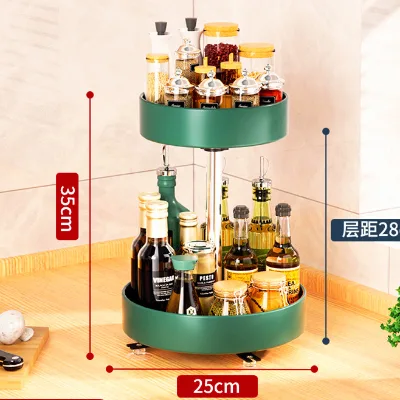
The current market listings reveal a diverse array of standing storage solutions, though not all align strictly with the "melamine" material specification. Observed attributes include stainless steel and plastic constructions, with models like the 165 and 166 indicating varied design intents. For instance, some listings describe two-layer or three-layer configurations with dimensions such as 340435250mm, suggesting robust metal frameworks rather than melamine cores. Buyers must scrutinize product descriptions to distinguish between melamine-coated surfaces and all-melamine bodies, as the latter may lack the necessary rigidity for standing applications. The presence of features like "adjustable height" and "rotatable" mechanisms in models such as R147 highlights the complexity of modern seasoning racks, which often combine multiple materials to achieve functional stability.
Packaging and origin data provide additional context for logistics and quality expectations. Products originating from Guangdong, China, often feature single or carton packaging, with specific dimensions like 28*10CM for smaller items. The observed MOQs range from 2 to 1000 units, with some suppliers requiring 50 sets for customized orders, indicating flexibility for both small-scale testers and large-volume buyers. However, the variation in shapes—common, round, square—and styles, such as European designs, suggests that buyers must define their aesthetic and functional requirements precisely. The "lead-free" attribute and "white" color options in plastic models further emphasize the need for clear material specification, as buyers seeking melamine must verify that the final product meets their safety and durability criteria without compromising on the intended standing structure.
Technical Specifications to Verify
Verifying the technical specifications of standing seasoning racks is paramount to ensuring product longevity and user safety. Buyers should prioritize the verification of material composition, specifically confirming whether the structural frame is metal, plastic, or a composite, as melamine alone is rarely sufficient for load-bearing vertical structures. The observed thickness of layer boards, such as 2 mm in certain models, provides a benchmark for evaluating panel rigidity. Additionally, dimensional tolerances of ±2cm or more indicate that precise measurements are critical for fitting racks into specific kitchen spaces, particularly those designed for behind-door or wall-mounted installations. Buyers must request detailed engineering drawings to assess the base footprint and center of gravity, ensuring the rack remains stable when fully loaded with heavy items like soy sauce or vinegar bottles.
Surface treatment and assembly mechanisms also play a crucial role in the functional performance of these racks. Options like powder coating and chromed finishes on metal components offer corrosion resistance, which is essential for kitchen environments exposed to moisture and spices. The "easy assembly" feature noted in some listings suggests that buyers should evaluate the complexity of the assembly process, as poorly designed joints can lead to structural weakness over time. Furthermore, the "customized" nature of many models allows for tailored dimensions, but buyers must ensure that any customizations do not compromise the structural integrity of the standing design. Verifying the weight capacity and the durability of rotating mechanisms, if present, is essential to prevent premature failure and ensure a positive user experience.
Compliance and Safety Documentation
Safety compliance is a critical consideration when sourcing standing seasoning racks, particularly those intended for food-related storage. Buyers must ensure that all materials in contact with food, such as the shelves or trays, are certified as food-grade and lead-free. The observed "lead-free" attribute in plastic models underscores the importance of verifying material safety standards, especially for products that may hold acidic condiments like vinegar or soy sauce. Buyers should request certificates of compliance from recognized testing laboratories to confirm that the products meet relevant international safety standards, such as FDA or EU regulations for food contact materials. This documentation is essential for mitigating liability risks and ensuring that the products are safe for consumer use in domestic and commercial settings.
In addition to material safety, buyers should verify that the structural design meets stability and durability standards to prevent tipping or collapse. While specific safety certifications for standing racks may vary by region, buyers should inquire about any third-party testing conducted on load-bearing capacity and tip-over resistance. The "wall-mounted type" and "non-folding rack" classifications suggest different stability requirements, with wall-mounted units needing secure anchoring mechanisms and free-standing units requiring a wide, stable base. Buyers should also check for any warnings or instructions related to proper usage and maintenance, ensuring that the supplier provides clear guidance to end-users. This proactive approach to compliance and safety documentation helps build trust with consumers and reduces the risk of product recalls or negative feedback.
Cost Drivers and Commercial Terms
The cost of standing melamine seasoning racks is influenced by several key factors, including material quality, design complexity, and order volume. The observed price range of $0.32 to $35 USD reflects the wide variation in product specifications, with higher prices typically associated with more durable materials, intricate designs, and additional features like adjustable heights or rotating bases. Buyers should consider the total cost of ownership, including shipping and handling, as the dimensions and weight of these racks can significantly impact logistics costs. The MOQs, ranging from 2 to 1000 units, offer flexibility for different procurement strategies, but buyers should negotiate for better pricing on larger orders to maximize cost efficiency. Understanding these cost drivers allows buyers to make informed decisions that balance quality, functionality, and budget constraints.
Commercial terms, such as payment methods, lead times, and warranty policies, also play a crucial role in the procurement process. Buyers should clarify the supplier’s production lead times to ensure timely delivery, especially for customized orders that may require additional manufacturing time. The availability of customization services, as noted in the observed attributes, can add value but may also increase costs and lead times. Buyers should establish clear communication channels with suppliers to address any issues that may arise during production or shipping. Additionally, understanding the supplier’s return and warranty policies is essential for mitigating risks associated with defective products. By carefully evaluating these commercial terms, buyers can establish a reliable and cost-effective supply chain for standing seasoning racks.
Supplier Qualification and Quality Control
Selecting a qualified supplier is essential for ensuring the quality and reliability of standing melamine seasoning racks. Buyers should conduct thorough due diligence on potential suppliers, verifying their business licenses, manufacturing capabilities, and quality control processes. Suppliers located in Jiangmen, Guangdong, and other manufacturing hubs in China often have extensive experience in producing kitchenware, but buyers should still assess their specific expertise in standing storage solutions. Requesting samples is a critical step in evaluating product quality, allowing buyers to inspect the material, finish, and assembly firsthand. Buyers should also inquire about the supplier’s quality control procedures, including in-process inspections and final product testing, to ensure that the products meet the specified standards.
Building a strong relationship with suppliers through clear communication and mutual trust is vital for long-term success. Buyers should establish detailed specifications and expectations upfront, including material requirements, design features, and packaging standards. Regular communication throughout the production process helps to identify and address any issues early, preventing delays and ensuring that the final products meet the buyer’s requirements. Buyers should also consider visiting the supplier’s facility, if possible, to gain a deeper understanding of their manufacturing capabilities and quality control practices. By prioritizing supplier qualification and quality control, buyers can minimize risks and ensure a consistent supply of high-quality standing melamine seasoning racks.
Long-Term Procurement Checks
Long-term procurement success requires ongoing monitoring and evaluation of supplier performance and product quality. Buyers should establish key performance indicators (KPIs) to track metrics such as on-time delivery, product defect rates, and customer satisfaction. Regularly reviewing these metrics helps to identify areas for improvement and ensures that suppliers are meeting the buyer’s expectations. Buyers should also stay informed about industry trends and technological advancements in kitchenware manufacturing, as these developments may offer opportunities for product innovation and cost savings. By maintaining a proactive approach to supplier management, buyers can adapt to changing market conditions and continue to deliver high-quality products to their customers.
Continuous improvement and feedback loops are essential for optimizing the procurement process over time. Buyers should solicit feedback from end-users and internal stakeholders to identify any issues or areas for improvement in the standing seasoning racks. This feedback can be used to refine product specifications and supplier requirements, ensuring that the products remain competitive and relevant in the market. Buyers should also consider diversifying their supplier base to mitigate risks associated with single-source dependencies. By implementing robust long-term procurement checks, buyers can build a resilient and efficient supply chain that supports their business goals and customer needs.
FAQs
Can standing melamine seasoning racks be customized for branding?
Yes, customization is available for these racks to meet specific branding needs. Buyers can request custom logos and tailored dimensions to fit their unique requirements. This flexibility allows businesses to align the product with their brand identity while maintaining the durable and rotatable features essential for effective kitchen organization.
What materials are used in standing melamine seasoning racks?
These racks are primarily constructed from stainless steel and plastic materials. Some models feature metal shelves with powder coating or chromed surface treatments for enhanced durability. The combination of these materials ensures the racks are lead-free, sturdy, and suitable for holding various condiments like soy sauce, vinegar, and spices in commercial or home settings.
What are the standard dimensions for these seasoning racks?
Standard dimensions vary by model, with specific sizes like 28x10 cm and 340x435x250 mm available. Some units offer customizable sizes with a dimensional tolerance of plus or minus 2 cm. Buyers can select from small, medium, or large options depending on their storage space and the volume of condiments they need to organize efficiently.
How many layers do these racks typically have?
These racks typically feature two or three layers to maximize storage capacity. The layer board or panel thickness is often 2 mm, providing sturdy support for heavy bottles and jars. This multi-tier design allows for organized storage of spices, sauces, and other kitchen essentials, making efficient use of vertical space in kitchens or commercial environments.
Where are these seasoning racks manufactured?
These racks are manufactured in Jiangmen, Guangdong, China, and other regions within China. The production facilities ensure high-quality standards with features like easy assembly and durable construction. Buyers can expect reliable sourcing from these established manufacturing hubs, which are known for producing versatile kitchen storage solutions that meet international quality and safety requirements.
What is the minimum order quantity for these racks?
The minimum order quantity ranges from 2 to 1000 units, depending on the specific model and customization requirements. Some items may have a higher MOQ, such as 50 sets, for specialized designs. This flexible ordering structure accommodates both small-scale buyers and large commercial purchasers, allowing for scalable procurement based on business needs and inventory requirements.