Source Foldable Wall Mount Organizer for Garage, Office, and Home
Source 30 Foldable Wall Mount Organizer options for garage, home office, and storage needs. Compare stainless steel and metal brackets with adjustable, single-side designs. Find suppliers offering custom logos and OEM services for efficient space saving; compare the available evidence and request quotations based on your requirements.
Updated
Key considerations
Products List
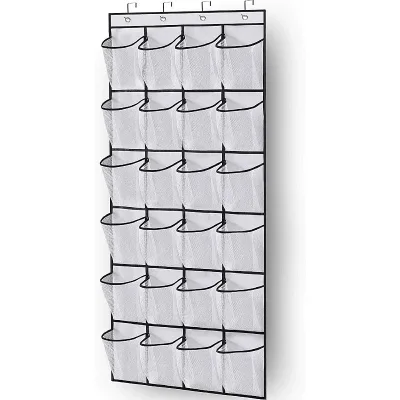
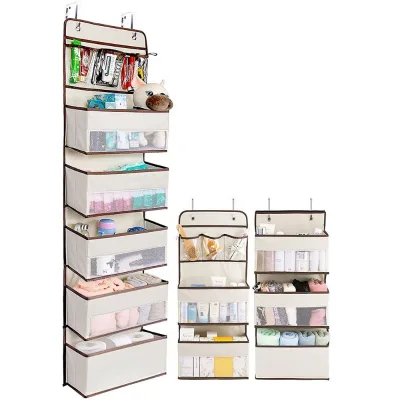


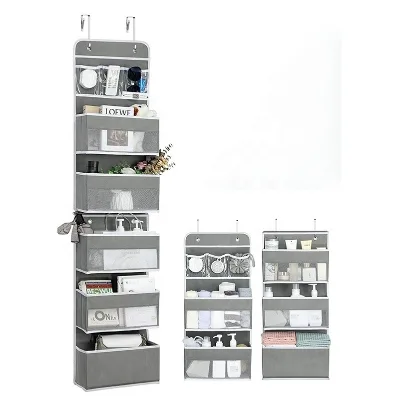
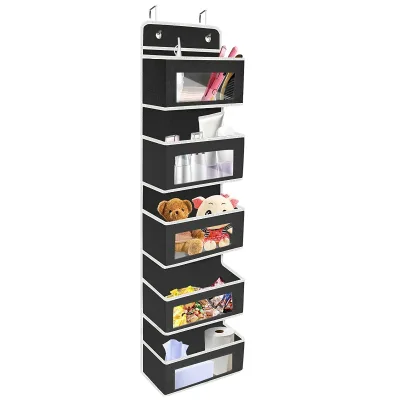
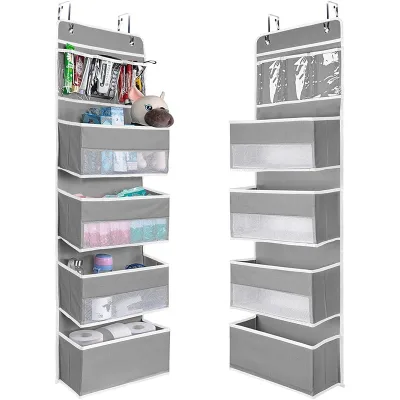
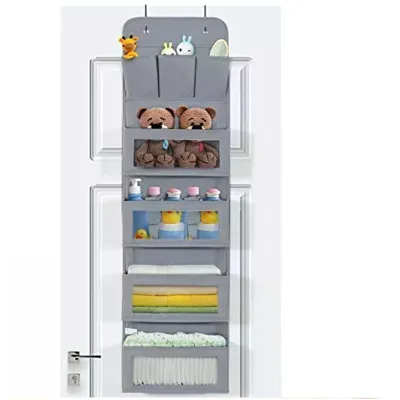
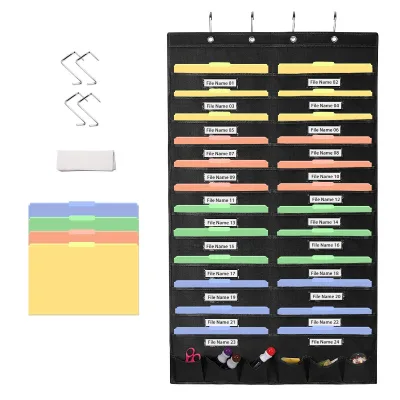
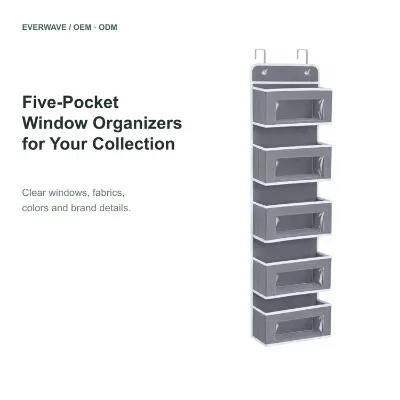

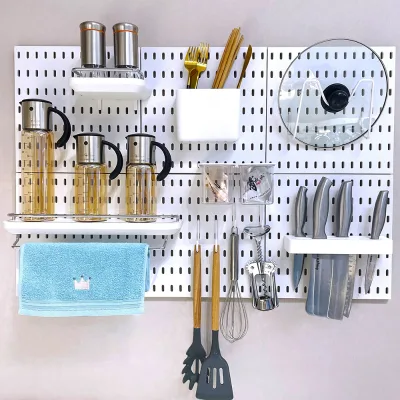
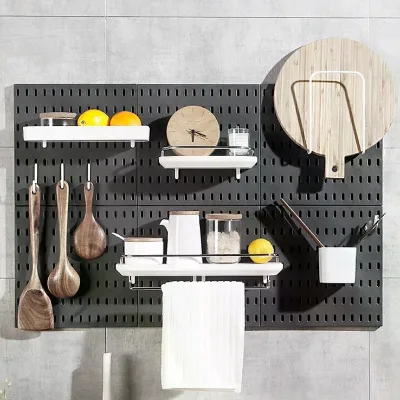
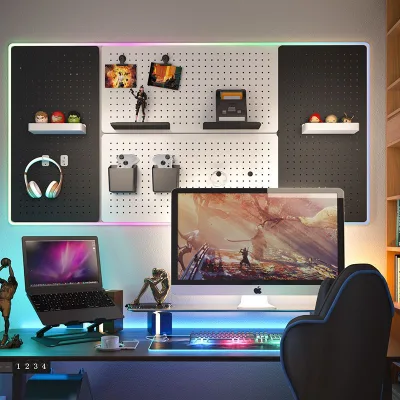


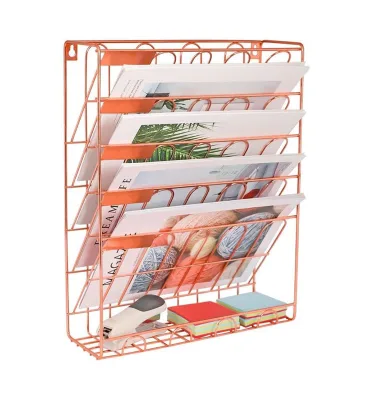
Sturdy Metal Rose Gold Wire Hanging Organizer Wall Mounted Home Office Organizer
$13.3202 - $15.3695
MOQ: 500 pieces
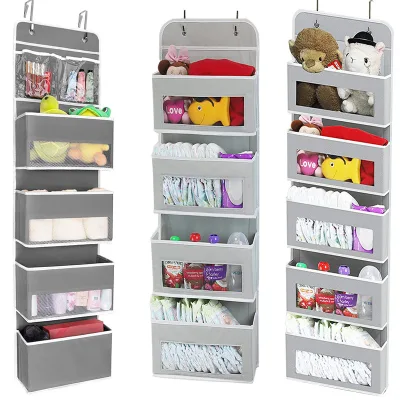
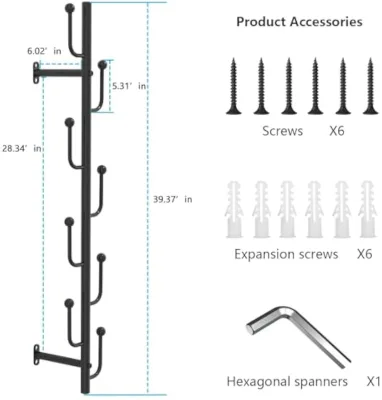
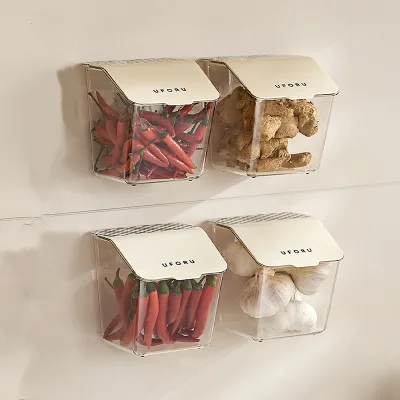
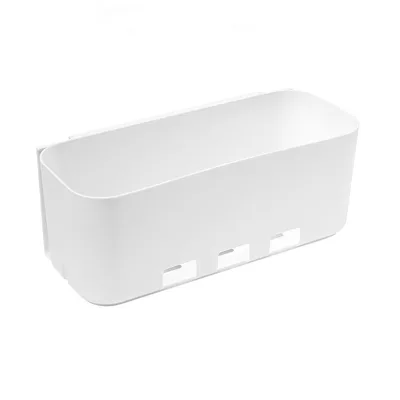

Comprehensive Sourcing Guide
Foldable Wall Mount Organizer Sourcing Guide
Sourcing foldable wall mount organizers requires a disciplined approach to balancing spatial efficiency with structural integrity. Buyers must recognize that these products serve diverse environments, ranging from home offices to garages, where space optimization is critical. The observed market signals indicate a strong preference for units that can be adjusted or folded to accommodate varying storage needs. This flexibility is not merely a convenience but a core functional requirement for modern storage solutions. Procurement teams should prioritize suppliers who demonstrate clear engineering behind the folding mechanisms, ensuring that the transition between expanded and compact states does not compromise the unit’s load-bearing capacity.
The product landscape includes variations in material composition, with stainless steel and general metal constructions being prominent in current listings. These materials are selected for their durability and resistance to wear in high-traffic areas. However, the diversity in design, from single-side brackets to more complex rack structures, necessitates careful specification alignment. Buyers need to verify that the chosen organizer matches the specific wall type and intended load. Misalignment between the product’s structural design and the installation environment can lead to premature failure. Therefore, initial sourcing efforts should focus on identifying suppliers who provide detailed technical drawings and clear installation guidelines to mitigate installation risks.
Product Scope and Observed Listing Signals
Current market data reveals a wide range of product attributes associated with foldable wall mount organizers. Listings frequently highlight features such as adjustable structures, foldable designs, and specific color options including black, white, grey, and beige. The observed capacity ranges from 0.5 to 1 liter, suggesting these units are often designed for smaller, organized storage rather than bulk holding. Additionally, the presence of single-side bracket structures and rectangular shapes indicates a focus on minimalist, space-saving aesthetics. Buyers should note that while "XL" and "L" sizes are mentioned, the dimensional data often points to compact footprints, such as 17.32 inches in depth, which is crucial for tight spaces.
The commercial signals also point to significant customization potential, with many suppliers accepting OEM and ODM services. This is evident from the acceptance of custom logos and tailored packaging options, which are vital for private label projects. The observed minimum order quantities (MOQ) vary, with some listings showing thresholds as low as 500 pieces, while others may require higher volumes. Lead times are substantial, often ranging from 45 to 60 days, which impacts inventory planning. Buyers must account for these extended production windows when forecasting stock levels. Furthermore, the single gross weight of approximately 15 kg for certain units suggests robust construction, which influences shipping costs and handling requirements during the final mile delivery.
Technical Specifications to Verify
Verifying technical specifications is paramount to ensuring the organizer meets functional requirements. Buyers must confirm the dimensional tolerance, which is observed to be within ±5mm, ensuring precise fitment in designated spaces. The single package size of 20x35x30 cm provides a baseline for logistics planning, but the actual product dimensions, such as 17.32"D x 9.8"W x 6.69"H, must be cross-referenced with the intended installation area. Weight tolerance is another critical factor, with observed standards allowing for less than ±5% variance. This tolerance affects the stability of the mount and the accuracy of load calculations. Procurement teams should request detailed dimension sheets that account for these tolerances to avoid installation discrepancies.
Material composition and finish type are equally important technical considerations. Stainless steel and metal constructions are common, offering durability and a simple modern style. The finish type, often metallic, contributes to both aesthetic appeal and corrosion resistance. Buyers should verify the assembly requirements, as most units require on-site assembly, which impacts labor costs and installation time. The presence of adjustable features and folded/unfolded states must be validated through physical samples or detailed video demonstrations. Ensuring that the folding mechanism operates smoothly and securely is essential for long-term usability. Additionally, the structure type, whether single-side bracket or other configurations, must align with the wall’s load-bearing capabilities to prevent structural failure.
Compliance and Safety Documentation
Compliance and safety documentation are non-negotiable elements in the procurement of wall-mounted storage solutions. Buyers must ensure that suppliers provide evidence of adherence to relevant safety standards, particularly regarding load-bearing capacity and stability. While specific certification names are not detailed in the observed data, the expectation is that products meet regional safety regulations for home and office use. This includes verifying that the mounting hardware is sufficient to support the maximum intended load without risking detachment from the wall. Documentation should also cover the material safety, ensuring that metals and finishes do not release harmful substances, especially in residential environments.
Quality assurance processes should be transparent and documented. Buyers should request test reports that validate the durability of the folding mechanism and the integrity of the welds or joints in metal structures. The observed manufacturing arts, such as metal fabrication, require rigorous quality control to prevent defects that could compromise safety. Suppliers should provide certificates of conformity or similar documentation that attest to the product’s compliance with industry norms. Additionally, packaging standards, such as carton or CTN packing, should be verified to ensure that products arrive without damage. Proper packaging is a key indicator of a supplier’s commitment to product integrity and customer satisfaction.
Cost Drivers and Commercial Terms
Understanding the cost drivers for foldable wall mount organizers is essential for accurate budgeting. The primary cost factors include material selection, with stainless steel and metal being more expensive than plastic alternatives. The complexity of the design, particularly adjustable and foldable mechanisms, adds to manufacturing costs. Customization services, such as OEM branding and custom logos, also incur additional fees. Buyers should anticipate that these value-added services will increase the unit price. Furthermore, the observed MOQ of 500 pieces and sample times of 5-7 days indicate that smaller orders may carry higher per-unit costs due to setup and production inefficiencies.
Commercial terms significantly impact the total cost of ownership. Lead times of 45-60 days require careful cash flow management and inventory planning. Buyers must factor in shipping costs, which are influenced by the single gross weight and package dimensions. The use of carton or CTN packing affects palletization efficiency and freight charges. Payment terms, such as deposits and balance payments upon shipment, should be negotiated to mitigate financial risk. Additionally, warranty policies and after-sales support should be clarified to address potential defects. Understanding these commercial dynamics allows buyers to make informed decisions that balance cost, quality, and delivery reliability.
Supplier Qualification and Quality Control
Supplier qualification is a critical step in mitigating procurement risks. Buyers should conduct thorough audits of potential suppliers, focusing on their manufacturing capabilities and quality control systems. The observed place of origin, such as Zhejiang, indicates a concentration of manufacturing hubs, but buyers must verify the specific factory’s credentials. Assessing the supplier’s experience with metal fabrication and folding mechanisms is essential. Buyers should request references from previous clients and review their track record for delivering products that meet specified tolerances and standards. A supplier’s ability to handle OEM and ODM requests is also a key indicator of their flexibility and technical competence.
Quality control processes must be robust and consistently applied. Buyers should implement pre-shipment inspections to verify that products meet the observed specifications, including dimensional tolerances and weight variances. Sampling is crucial, with sample times of 5-7 days allowing for timely evaluation. Inspections should cover functional aspects, such as the smooth operation of adjustable and foldable features, as well as aesthetic qualities like finish and color consistency. Suppliers should provide detailed inspection reports and allow for third-party verification if necessary. Establishing clear quality benchmarks and communication channels ensures that any deviations are identified and addressed promptly, maintaining product integrity and customer satisfaction.
Long-Term Procurement Checks
Long-term procurement success depends on continuous monitoring and relationship management. Buyers should establish regular performance reviews with suppliers to assess consistency in quality, delivery, and service. The observed lead times of 45-60 days require proactive communication to manage expectations and adjust orders as needed. Tracking supplier performance metrics, such as on-time delivery rates and defect percentages, helps identify potential issues early. Buyers should also monitor market trends and technological advancements in storage solutions to ensure their sourcing strategy remains competitive. Engaging in open dialogue with suppliers fosters collaboration and can lead to improvements in product design and manufacturing efficiency.
Sustainability and ethical sourcing practices are increasingly important in long-term procurement. Buyers should verify that suppliers adhere to environmental regulations and ethical labor practices. This includes assessing the sustainability of material sourcing and manufacturing processes. Suppliers who demonstrate a commitment to responsible practices are more likely to be reliable partners in the long run. Additionally, buyers should plan for product lifecycle management, including end-of-life disposal and recycling options. By integrating these considerations into their procurement strategy, buyers can build resilient supply chains that deliver value while minimizing risk and environmental impact.
FAQs
Can the Foldable Wall Mount Organizer be customized with a logo?
Yes, the Foldable Wall Mount Organizer accepts custom logo printing services. This OEM and ODM customization allows buyers to brand the product for specific marketing needs. The service is available for bulk orders, ensuring that your corporate identity is prominently displayed on the final delivered units for retail or promotional use.
What is the MOQ for ordering this storage organizer?
The minimum order quantity for this storage organizer is 500 pieces. This threshold applies to standard production runs. Buyers should note that sample orders may have different terms, but bulk manufacturing requires meeting this specific unit count to initiate the production schedule and secure the quoted pricing structure.
How long does delivery take for this wall mount rack?
Delivery typically takes 45 to 60 days after order confirmation. This lead time covers production and logistics preparation. Buyers should plan their inventory replenishment cycles accordingly, as this duration reflects the standard manufacturing schedule for customized or bulk orders of this specific foldable storage solution from the origin location.
What materials are used to make this bracket organizer?
This bracket organizer is constructed from stainless steel and metal materials. The structure features a single-side bracket design for secure wall mounting. The metal finish provides durability and a simple modern style, making it suitable for garage or home office environments where strength and aesthetic appeal are required for tool storage.
Is assembly required for the installed wall mount unit?
Yes, assembly is required for the installed wall mount unit. The product arrives in carton packaging with components that must be put together. Buyers should allocate time for this process, as the folded state facilitates shipping, but the final functional configuration in the garage or office requires manual assembly by the end user.
What are the dimensions of the packaged organizer?
The single package size measures 20 by 35 by 30 centimeters. The dimensional tolerance is within plus or minus 5 millimeters. This packaging dimension ensures efficient shipping logistics while protecting the product. The gross weight per single item is 15 kilograms, which buyers must consider when calculating freight costs and handling requirements for bulk shipments.