Source Padded Satin Clothing Hangers for shops, weddings, and homes
Explore 30 listings for Padded Satin Clothing Hangers suitable for tops, trousers, and children's wear. Buyers can compare customization options, materials like satin and lace, and specifications from suppliers in China; compare the available evidence and request quotations based on your requirements.
Updated
Key considerations
Products List

Satin Padded Clothes Hangers for Women Foam Sweater Hangers Padded Fabric Coat Hanger
$0.49 - $0.68
MOQ: 3000 Pieces


Padded Clothes Hangers for Women Foam Sweater Hangers Padded Fabric Coat Hanger
$0.49 - $0.68
MOQ: 3000 Pieces


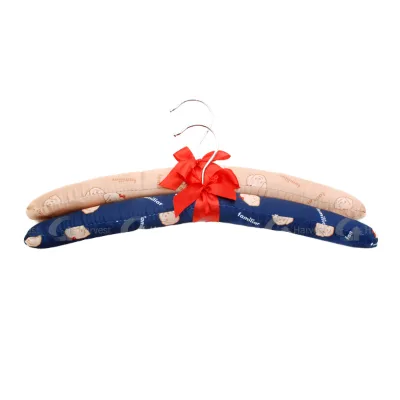
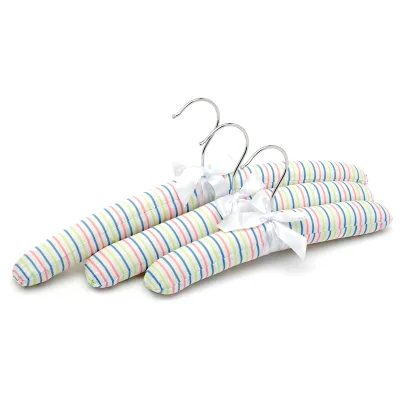
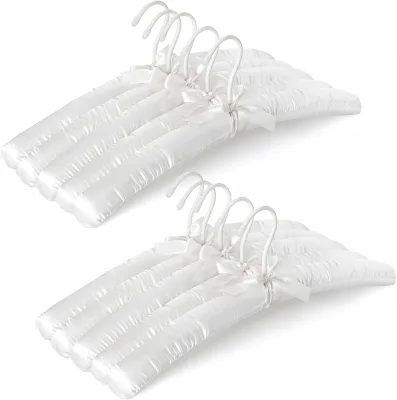
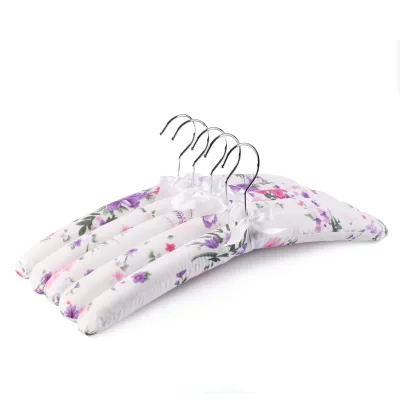

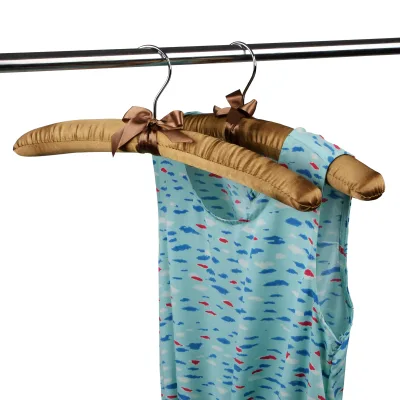
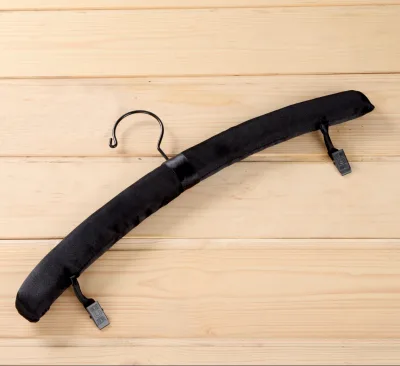
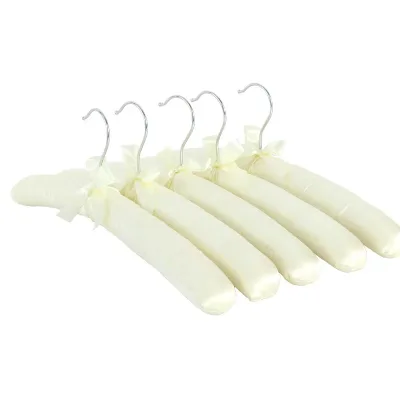

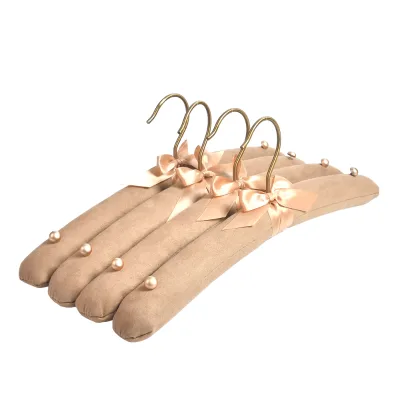
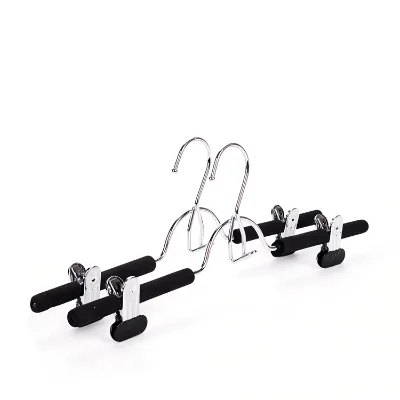
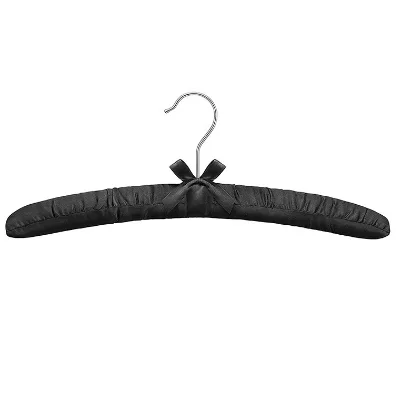

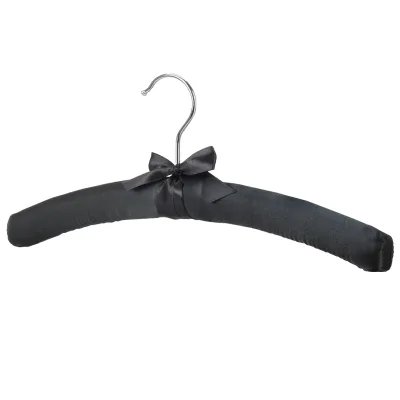
Hot Selling Satin Padded Hanger Black With Solid Wood Inside Heavy Duty for Clothing
$0.403 - $0.4434
MOQ: 1 pieces
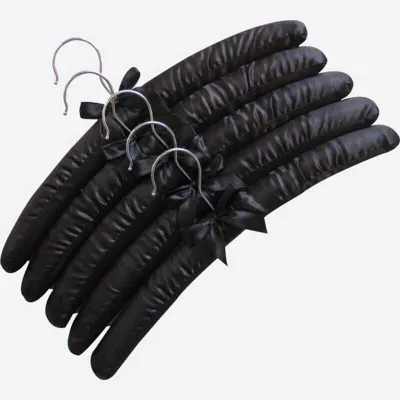


Colorful Satin Padded Coat Hangers with Anti-Rust Hook, Non-Crease for Clothes
$0.32 - $0.78
MOQ: 5000 Pieces


Hanger Factory Wholesale Pants Hanger, High Quanlity Clothes Hanger Sales
$0.27 - $2.00
MOQ: 3000 Pieces
Comprehensive Sourcing Guide
Padded Satin Clothing Hangers Sourcing Guide
Sourcing Padded Satin Clothing Hangers requires a nuanced understanding of both material integrity and aesthetic presentation, particularly for retailers dealing in delicate garments. The observed market data indicates a diverse range of options, with products ranging from standard display units to multifunctional designs suitable for various retail environments. Buyers must carefully evaluate the specific application, whether for high-end wedding dresses, children’s clothing shops, or general apparel stores, as the hanger’s design directly impacts the perceived value of the merchandise. The availability of customization options allows businesses to align their display tools with brand identity, ensuring consistency across their physical and digital storefronts.
The supply chain for these items is primarily anchored in China, with specific origins noted in Guilin and Guangxi regions. This geographic concentration suggests a mature ecosystem for manufacturing padded satin products, offering buyers access to specialized suppliers with established production capabilities. However, the wide variation in specifications, from flat to curved shapes and various color options like yellow, purple, or customizable hues, necessitates rigorous due diligence. Procurement teams should prioritize suppliers who demonstrate clear transparency in their production processes and provide detailed technical documentation to ensure that the final product meets the exacting standards required for premium garment display.
Product Scope and Observed Listing Signals
The current market landscape for padded satin hangers reveals a broad spectrum of product types, each tailored to specific retail needs. Listings indicate the presence of standard specification items, such as the YL-F-038 model, which features a shiny chrome hook and is designed for tops, alongside more versatile options like the YL-F-039, which supports tops, trousers, and underwear. Additionally, luxury and cartoon-themed variants, such as the WSSK01001 and WSSA002 models, cater to niche markets requiring distinctive visual appeal. These observations highlight the importance of matching the hanger’s style and application to the target customer demographic, ensuring that the display tool enhances rather than detracts from the garment’s presentation.
Material composition is a critical differentiator, with satin and lace being the primary fabrics observed in the supplied data. Some products are explicitly described as satin hangers or satin padded, emphasizing the soft, protective qualities essential for delicate fabrics. The inclusion of non-woven fabric options and iron metal types suggests a tiered approach to quality and durability, allowing buyers to select products based on their budget and performance requirements. Understanding these material distinctions is vital for procurement teams, as the choice of fabric and underlying structure directly influences the hanger’s ability to maintain garment shape and prevent slipping or damage during storage and display.
Technical Specifications to Verify
When evaluating technical specifications, buyers must scrutinize dimensions and structural integrity to ensure compatibility with their inventory. Observed sizes include 38x3.5cm and 25.5x3.8cm, indicating that a one-size-fits-all approach is rarely effective. Procurement teams should verify the dimensional tolerance, which is noted as less than ±1mm in some listings, to guarantee consistency across large orders. Additionally, the shape of the hanger, whether flat or curved, plays a significant role in how garments hang and drape. Buyers should request physical samples to assess the curvature and padding thickness, ensuring that the hanger provides adequate support without distorting the silhouette of the clothing.
Hook design and load-bearing capacity are equally critical technical factors. The presence of shiny chrome hooks suggests a focus on aesthetic appeal, but buyers must also verify the hook’s strength and compatibility with standard racks. Some listings mention iron metal types, which may offer different durability profiles compared to chrome-plated options. Furthermore, the packaging specifications, such as 100 pieces per carton or single package dimensions of 42x42x38 cm, impact logistics and storage efficiency. Buyers should confirm these details to optimize their supply chain operations and minimize handling costs, ensuring that the hangers arrive in optimal condition and are easy to deploy in retail environments.
Compliance and Safety Documentation
Compliance and safety documentation are essential for ensuring that padded satin hangers meet international trade standards and consumer safety expectations. Buyers should request certificates of conformity that verify the materials used, particularly the satin and lace fabrics, are free from harmful substances such as azo dyes or heavy metals. Although specific certification statuses are not provided in the observed data, procurement teams must insist on documentation that confirms adherence to relevant textile and safety regulations. This due diligence is crucial for mitigating legal risks and ensuring that the products can be sold in regulated markets without facing customs delays or consumer complaints.
Additionally, buyers should verify the environmental and ethical standards associated with the production process. While the supplied facts do not detail specific environmental certifications, the origin of the products in China suggests the need for careful vetting of supplier practices. Procurement teams should inquire about the sourcing of raw materials, including the satin and iron components, to ensure they are obtained responsibly. Requesting detailed material safety data sheets (MSDS) and factory audit reports can provide valuable insights into the supplier’s commitment to quality and ethical manufacturing. This proactive approach helps build a resilient supply chain that aligns with corporate social responsibility goals and enhances brand reputation.
Cost Drivers and Commercial Terms
Cost drivers for padded satin hangers include material quality, customization complexity, and order volume. The observed price range of 0.17 to 2 USD reflects significant variation based on these factors. Buyers should analyze the cost implications of choosing standard versus customized products, as features like specific colors, shapes, or branding can increase production expenses. Minimum order quantities (MOQs) vary widely, from 1 to 5000 pieces, with some listings specifying an MOQ of 3,000 pieces. Understanding these thresholds is essential for aligning procurement strategies with inventory needs and cash flow constraints, ensuring that businesses can leverage economies of scale without overstocking.
Commercial terms and payment conditions also play a pivotal role in the total cost of ownership. The observed payment terms, including T/T and L/C, offer flexibility but require careful financial planning. Buyers should negotiate favorable terms based on their order volume and relationship with the supplier. Additionally, shipping methods, such as by sea, air, or express, impact delivery times and costs. Procurement teams should evaluate the trade-off between speed and expense, selecting the most appropriate shipping method based on urgency and budget. Clear communication of these terms in the initial contract helps prevent disputes and ensures a smooth transaction process.
Supplier Qualification and Quality Control
Supplier qualification is a critical step in securing a reliable source for padded satin hangers. Buyers should assess suppliers based on their production capacity, quality control processes, and track record. The observed origins in Guilin and Guangxi suggest a concentration of manufacturing expertise, but buyers must verify each supplier’s specific capabilities through site visits or third-party audits. Requesting references from existing clients and reviewing past performance data can provide valuable insights into the supplier’s reliability and consistency. This due diligence helps mitigate the risk of supply chain disruptions and ensures that the supplier can meet demand fluctuations effectively.
Quality control measures should be clearly defined and enforced throughout the production process. Buyers should establish strict acceptance criteria for dimensions, material quality, and finish, based on the observed specifications such as standard or luxury grades. Implementing pre-shipment inspections and random sampling can help identify defects early, reducing the likelihood of receiving substandard products. Additionally, buyers should require suppliers to provide detailed quality reports and test results for key attributes, such as hook strength and fabric durability. This proactive approach to quality assurance ensures that the final products meet the buyer’s expectations and maintain the high standards required for premium garment display.
Long-Term Procurement Checks
Long-term procurement checks involve continuous monitoring of supplier performance and market trends to ensure sustained value. Buyers should establish key performance indicators (KPIs) to track metrics such as on-time delivery, product quality, and responsiveness to issues. Regular reviews of these metrics help identify areas for improvement and foster a collaborative relationship with the supplier. Additionally, staying informed about market developments, such as new materials or design trends, allows buyers to adapt their sourcing strategies proactively. This ongoing engagement ensures that the procurement function remains agile and responsive to changing business needs.
Furthermore, buyers should periodically reassess their supplier base to ensure competitiveness and resilience. Diversifying suppliers across different regions or product types can mitigate risks associated with single-source dependencies. Engaging in strategic negotiations and exploring opportunities for volume discounts or long-term contracts can enhance cost efficiency. By maintaining a proactive and data-driven approach to supplier management, buyers can secure a stable supply of high-quality padded satin hangers that support their retail operations and contribute to overall business success. This strategic focus on long-term relationships and continuous improvement is essential for achieving sustainable procurement outcomes.
FAQs
What materials are used for these padded hangers?
The padded hangers are crafted from satin and lace materials. Some models feature satin padding for garment protection, while others utilize non-woven fabric. The hooks are made of shiny chrome or iron, ensuring durability. These material choices provide a luxurious feel and secure grip for delicate clothing items during storage and display.
Can I customize the color and size of the hangers?
Yes, customization is available for both color and size. Buyers can select from standard yellow and purple options or request custom colors. Sizes vary, with specific models measuring 38x3.5cm or 25.5x3.8cm. The shape can be flat or curved to suit different garment types, allowing for tailored sourcing solutions for specific retail needs.
What is the minimum order quantity for these hangers?
The minimum order quantity is typically 3,000 pieces for standard orders. However, observed ranges indicate flexibility from 1 to 5,000 pieces depending on the supplier and specific product model. Buyers should verify the exact MOQ with the manufacturer, as it may vary based on customization requirements and the specific hanger model selected for procurement.
Where are these satin hangers manufactured?
These hangers are primarily manufactured in China, with specific origins noted in Guilin and Guangxi regions. The production facilities specialize in creating standard and customizable padded hangers. Buyers sourcing from these locations benefit from established supply chains and competitive pricing structures, ensuring reliable delivery for bulk orders of garment display accessories.
What are the packaging details for bulk orders?
Packaging varies by model, with some items packed at 100 pieces per carton. Other specifications indicate a single package size of 42x42x38 cm with a gross weight of 5.000 kg. Standard cartons are used for efficient shipping. Buyers should confirm the exact packing configuration with the supplier to ensure compatibility with their logistics and storage requirements.
Which applications are these hangers suitable for?
These hangers are suitable for tops, trousers, and underwear. They are ideal for wedding dresses, children's clothes, and general garment display in shops or homes. The multifunctional design supports various clothing types, making them versatile for retail environments. The padded surface protects delicate fabrics, ensuring garments remain wrinkle-free and properly shaped during storage.