PVC Coated Oxford Fabric Suppliers and Manufacturers
Source PVC Coated Oxford Fabric from 24 verified suppliers in China. Compare response times, lead times, MOQs, and certifications like ISO 9001. Filter by location and price to find the right partner; review the available evidence before requesting comparable quotations from suitable candidates.
Updated
Suppliers List

Yiwu Sky Imp. & Exp. Co., Ltd.
- Verified by BV
- Trading Company
- China Zhejiang
- Lead time30 days
- Avg. response≤ 25h
Main productsHome Textile, Coral Fleece Blanket, Polar Fleece Blanket, Printed Polyester Fabric, Solid Polyester Fabric, Chenille Fabric, Denim Fabric, Stock, Flannel Blanket, Sewing Thread
Main marketsSouth America,Africa,Southeast Asia/ Mideast,Europe,North America

Jiaxing Texson Textile Co., Ltd.
- Trading Company,Manufacturer/Factory
- China Zhejiang
- Lead time23 days
- Avg. response≤ 1h
Main productsPVC Leather, Oxford Fabric, Synthetic Leather, Artificial Leather, Car Seat Leather, Sofa Leather, Leather for Furniture, Upholstery Leather, Tent Fabric, Bags Fabric
Main marketsSouth America,Eastern Europe,Southeast Asia,Eastern Asia,Africa

Suzhou Sunchan Textile Co., Ltd.
- Trading Company,Manufacturer/Factory
- China Jiangsu
- Lead time15 days
- Avg. response≤ 7h
Main productsOutdoor Sports Fabric, Functional Outdoor Fabric, Cotton Fabric, Polyester Fabric, Nylon Fabric, Coated Fabric, Compound Fabric, Print Fabric
Main marketsSouth America,Eastern Europe,Mid East,North America,Southeast Asia,Eastern Asia,Oceania,Western Europe,Africa

- Verified by TUVRHEINLAND
- Combined
- China Zhejiang
- Lead time30 days
- Avg. response≤ 8h
Main productsThread, Zipper, Lace, Button, Webbing & Tape, Ribbon, Interlining, Fabric, Tailoring Materials, Hook & Loop
Main marketsSouth America,Africa,Europe,Australia


Waterproof 420d 100% Polyester Printed Oxford Fabric with PVC Coating for Backpack
$0.22 - $0.28
MOQ: 2000 Meters

Polyester Oxford Fabric PVC Coated Ripstop Fabric Waterproof Canvas Oxford Fabric
Negotiable
MOQ: 4000 Meters

Suzhou Zhengkai Textile Co., Ltd.
- Verified by BV
- Trading Company,Manufacturer/Factory
- China Jiangsu
- Lead time15 days
- Avg. response≤ 18h
Main productsPolyester Fabric, Oxford Fabrics, Coated Fabric, Nylon Fabric, Lining Fabric, Satin Fabric, Microfiber Peach Skin, Chiffon Fabric, Anti-Static Fabric, Pongee Fabric
Main marketsEastern Europe,North America,Southeast Asia,Eastern Asia,Oceania,Western Europe,Africa

Functional Fabric 100%Polyester Oxford Wholesale Fabric with PVC Coated
$1.25 - $1.55
MOQ: 1000 Meters

New Style Oxford Fabric 100%Polyester PVC PU Coated Woven Waterproof Oxford Fabric
$0.98 - $1.66
MOQ: 1000 Meters

Wholesale 600d Polyester Oxford Fabric Bag Material PVC Coated Fabric for Bag
$1.80 - $2.60
MOQ: 1000 Meters


Shenzhen Hongshunfa Textile Co., Ltd.
- Trading Company
- Guangdong, China
- Lead time0 days
- Avg. response≤ 9h
Main productsReusable Bag,Fabric,Food Bag,Beeswax Food Wrap,Canvas Fabric
Main marketsNorthern Europe(30.00%), North America(30.00%), South America(25.00%), Southern Europe(5.00%), Eastern Europe(5.00%), Western Europe(5.00%)
Changzhou Jietai Textile Co., Ltd.
- Trading Company
- Jiangsu, China
- Lead time20 days
- Avg. response≤ 13h
Main productsPolyester fabric,knitted fabric,nylon fabric,Yarn-dyed fabric,leather
Main marketsSouthern Europe(40.00%), Mid East(20.00%), Africa(20.00%), Eastern Asia(10.00%), North America(10.00%), Southeast Asia(5.00%), South America(5.00%), Oceania(5.00%), Eastern Europe(5.00%)
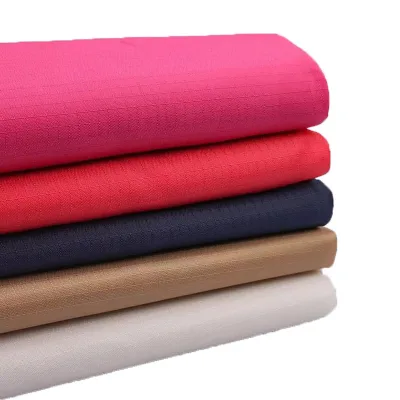
Pvc Coated Outdoor Check Waterproof Cloth Raincoat Canvas Oxford Fabric for Storage Bag
$0.0819 - $1.2387
MOQ: 1000 meters

Shanghai Sinyo Import & Export Co., Ltd.
- Trading Company
- China Shanghai
- Lead time15 days
- Avg. response≤ 10h
Main productsTaffeta Fabric, Oxford Fabric, Cordura/Nylon Fabric, Jacquard/Dobby Fabric, Ripstop Fabric, Polyester Mini Matt Fabric, Bags/Luggage Fabric, Tent Fabric, Awning/Canopy/Umbrella Fabric, Printed Fabric
Main marketsSoutheast Asia/ Mideast,Europe,North America

SUZHOU WANGFENG TEXTILE CO., LTD.
- Trading Company
- China Jiangsu
- Lead time15 days
- Avg. response≤ 7h
Main productsPolyester Fabric, Spandex Fabric, Coated Fabric, Nylon Fabric, Knite Fabric
Main marketsSoutheast Asia/ Mideast,Europe,North America


1680d Polyester Oxford Fabric with PVC Coating, Oxford Fabric Bag Material, Outdoor Oxford Fabric
$0.78 - $0.95
MOQ: 1500 Meters


Customized Design 210d 0.5 Ripstop Printed Oxford Fabric PVC Coated for Storage Bag
$0.78 - $0.95
MOQ: 1500 Meters
Changzhou Pengyi Textile Co., Ltd.
- Trading Company
- Jiangsu, China
- Lead time0 days
- Avg. response≤ 8h
Main productsOxford Fabric,Camouflage cloth,Bag Fabric,Outdoor garments,Jacquard fabric
Main marketsSoutheast Asia(20.00%), South Asia(10.00%), Eastern Asia(10.00%), South America(10.00%), Domestic Market(5.00%), North America(5.00%), Southern Europe(5.00%), Northern Europe(5.00%), Central America(5.00%), Western Europe(5.00%), Eastern Europe(5.00%), Mid East(5.00%), Oceania(5.00%), Africa(5.00%)

Suzhou Welljoy Textile Co., Ltd.
- Manufacturer/Factory
- China Jiangsu
- Lead time23 days
- Avg. response≤ 22h
Main productsHigh Visibility Fabric, Functional Fabric, Uniform Fabrics, Textile Fabric, Oxford Fabric, Conductive Fabric, Fluorescent Fabrics, Stripe Fabric, Coated Fabric, Woven Fabric
Main marketsSouth America,Eastern Europe,Mid East,North America,Southeast Asia,Eastern Asia,Oceania,Western Europe,Africa

1680d Polyester Oxford Fabric with PVC Coating, Oxford Fabric Bag Material, Outdoor Oxford Fabric
$0.88 - $1.65
MOQ: 1000 Meters

600d Cation Polyester Oxford Two Tone PVC Coated Fabric for Shoes/Sofa/Backpack
$0.88 - $1.65
MOQ: 1000 Meters

High Quality 900d PVC Polyester Recycled Oxford Fabric for Bag and Luggage
$1.36 - $2.88
MOQ: 1000 Meters

HangZhou Aspiring Textile and Accessories Co., Ltd.
- Verified by BV
- Trading Company,Manufacturer/Factory
- China Zhejiang
- Lead time23 days
- Avg. response≤ 5h
Main productsT/C Fabric, Denim Fabric, Non-Woven Fabric, Cotton Fabric, Accessories, Polyester Fabric, Printing Fabric, Flannel Fabric, Home Textile, Grey Fabric
Main marketsSouth America,Eastern Europe,Mid East,North America,Southeast Asia,Eastern Asia,Oceania,Western Europe,Africa
- Verified by Intertek
- Manufacturer, Trading Company
- Lead time15 days
- Avg. response≤ 3h
Main productsOxford Fabric, Taffeta Fabric, PVC Leather , Print Fabric, Jacquard Fabric
Main marketsSouth America(55%), Southeast Asia(15%), Africa(15%)
Suzhou Dianyue Textile Co., Ltd.
- Verified by SGS
- Combined
- China Jiangsu
- Lead time15 days
- Avg. response≤ 25h
Main productsYarn, Polyester Yarn, Recycled Yarn, Nylon Yarn, Chemical Yarn, Coated Fabric, Nylon Fabric
Main marketsDomestic

Polyester Custom Print Fabric 600d Oxford PVC Coated Printed Fabric for School Bag
$1.12 - $2.00
MOQ: 1 Yards

Changzhou Byme Composite Materials Technology Co., Ltd.
- Trading Company
- Jiangsu, China
- Lead time15 days
- Avg. response≤ 8h
Main productsOxford Fabric,Poly Sofa Fabric,Taffeta Fabric,Nylon Fabric,mesh fabric
Main marketsSoutheast Asia(30.00%), Western Europe(30.00%), South Asia(20.00%), North America(10.00%), South America(5.00%), Northern Europe(5.00%)
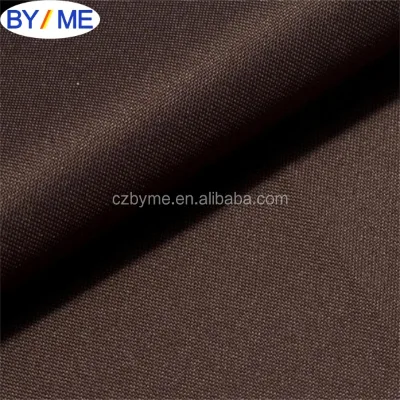
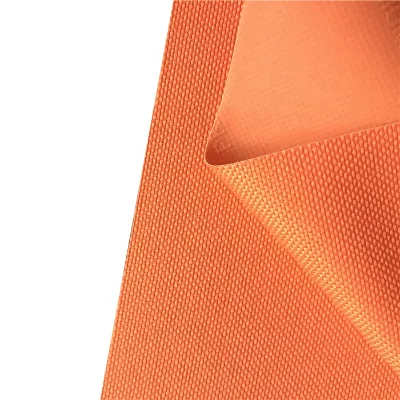
Hot Sale Top Quality Water Repellent Oxford Fabric Pvc for Outdoor Furniture Fabrics
$0.55 - $0.84
MOQ: 1500
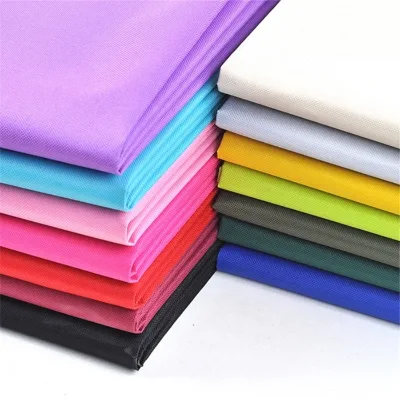
High Quality and Various Colors PVC PU 600 D Polyester Oxford Fabric Suitable for Bags
$0.65 - $0.90
MOQ: 1500
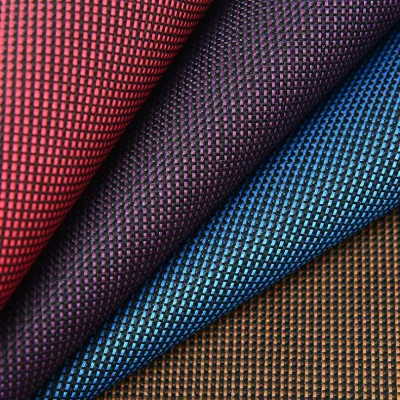
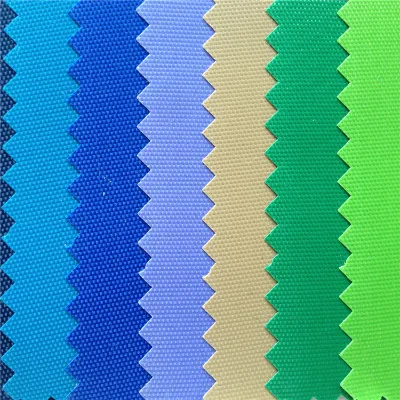
PVC Diamond Coated 600d Two Tone Oxford Fabric Use for Bag/backpack/luggage
$0.7704 - $1.0278
MOQ: 2000 meters
Wujiang City Longda Textiles Co., Ltd.
- Trading Company
- Jiangsu, China
- Lead time0 days
- Avg. response≤ 9h
Main productsPermanent Yarn FR Fabric,Memory Fabric,Wicking Fabric,Imitation Silk Fabric,Antistatic Conductive Ribstop Fabric
Main marketsNorth America(30.00%), Eastern Europe(20.00%), South Asia(15.00%), Western Europe(10.00%), Mid East(10.00%), Africa(5.00%), Southeast Asia(5.00%), South America(5.00%)

Changzhou Cement Textile Co., Ltd.
- Trading Company
- Jiangsu, China
- Lead time15 days
- Avg. response≤ 11h
Main productsOxford fabric,Polyester fabric,Nylon fabric,PVC fabric,PU fabric
Main marketsSoutheast Asia(45.00%), South Asia(10.00%), Western Europe(10.00%), Mid East(10.00%), Domestic Market(10.00%), South America(10.00%), North America(5.00%)
- Verified by TüVRheinland
- Trading Company
- Lead time15 days
- Avg. response≤ 6h
Main productsPolyester Oxford Fabric, Nylon Oxford Fabric, Sofa Fabric, Print Fabric
Main marketsDomestic Market(50%), Eastern Europe(10%), Southeast Asia(10%)

Changzhou Blackmamba Textile Co., Ltd.
- Trading Company
- Jiangsu, China
- Lead time15 days
- Avg. response≤ 4h
Main productsOxford Fabric,Polyester taffeta,tent fabric,Luggage cloth,nylon fabric
Main marketsSoutheast Asia(30.00%), South Asia(10.00%), Domestic Market(5.00%), South America(5.00%), Southern Europe(5.00%), Northern Europe(5.00%), Central America(5.00%), Western Europe(5.00%), Eastern Asia(5.00%), Mid East(5.00%), Oceania(5.00%), Africa(5.00%), North America(5.00%), Eastern Europe(5.00%)
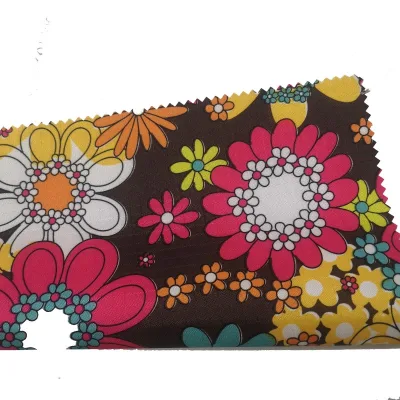
$0.7704 - $0.9245
MOQ: 2 meters
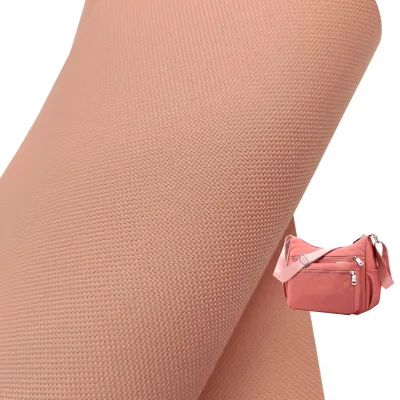
600d Oxford Fabric PVC Coated Polyester Factory Supply for Backpack School Bags
$0.42 - $0.50
MOQ: 1000
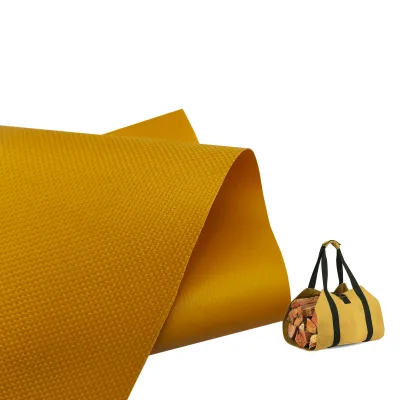
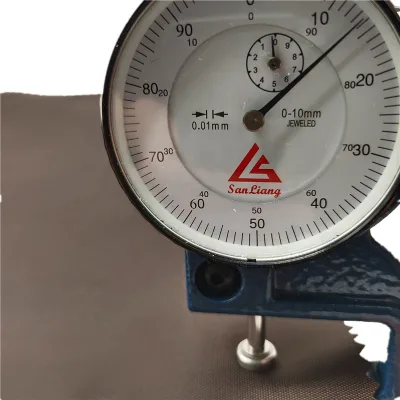
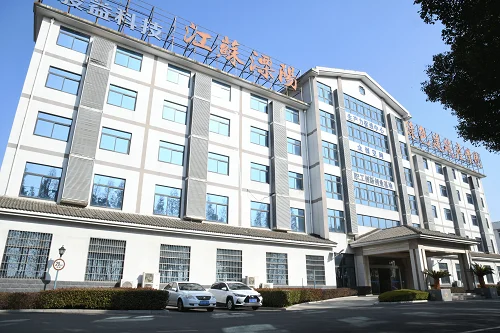
Changzhou Baijia Textile Technology Co., Ltd.
- Manufacturer
- Jiangsu, China
- Lead time30 days
- Avg. response≤ 4h
Main productsLuggage fabric,Tents fabric,Bags fabric,PVC oxford fabric,PU oxford fabric
Main marketsDomestic Market(60.00%), Southeast Asia(18.00%), Mid East(12.00%), Eastern Asia(6.00%), Western Europe(4.00%)
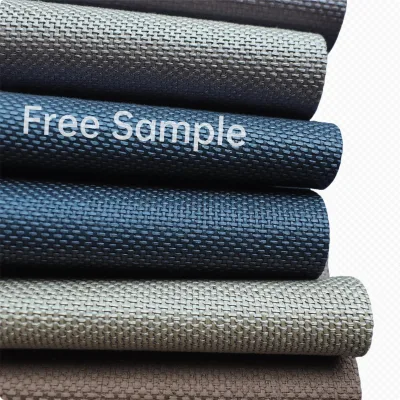
$0.5131 - $0.6657
MOQ: 1 meters
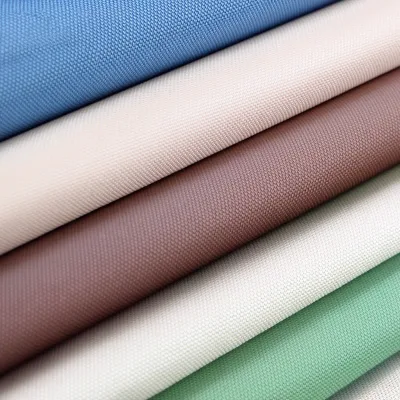
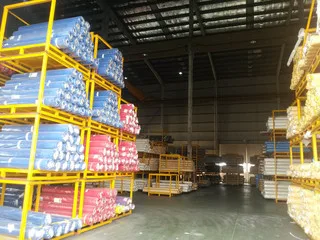
Dongguan Xiyang Leather Co., Ltd.
- Manufacturer, Trading Company
- Guangdong, China
- Lead time25 days
- Avg. response≤ 8h
Main productsPVC Tarpaulin Fabric / Oxford Fabric / Awning Fabric / Raincoat Fabric / Stock Lot,oxford fabric,lining fabric,stocklot,stocklot fabric
Main marketsAfrica(20.00%), Southeast Asia(20.00%), South Asia(15.00%), Eastern Europe(15.00%), South America(10.00%), Western Europe(5.00%), North America(5.00%), Mid East(5.00%), Oceania(5.00%)

Ningbo DH Textile Industry&Trade Co., Ltd.
- Verified by TUVRHEINLAND
- Trading Company
- China Zhejiang
- Lead time15 days
- Avg. response≤ 7h
Main productsLace, Interlining, Embroidery Thread, Poplin, Hook and Loop, Satin Ribbon, Sewing Thread, Button, Zipper, Lace Fabric
Main marketsAfrica,Southeast Asia/ Mideast,North America

High Quality Hot Sell PVC Fabric Oxford Multi-Functional Fabric Plant Quality
$0.70 - $0.80
MOQ: 1500 Meters

Jiaxing Hongyi Textile Co., Ltd.
- Verified by TüVRheinland
- Trading Company
- Lead time0 days
- Avg. response≤ 8h
Main productsUpholstery Fabric, Flocking Fabric, Sofa Fabric, Oxford Fabric, Car Fabric
Main marketsSoutheast Asia(20%), South America(10%), Eastern Europe(10%)
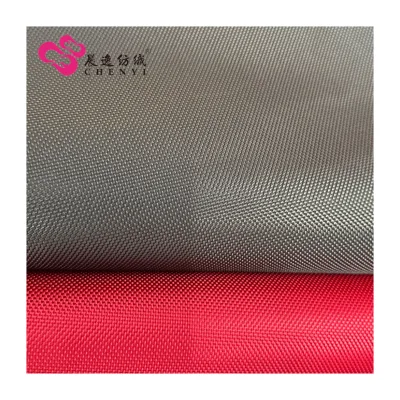
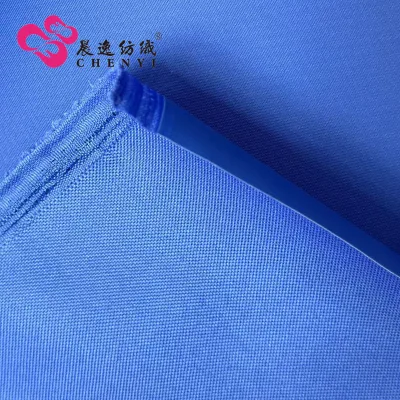
Hangzhou Chenyi Textile Coating Co., Ltd
- Verified by SGS Group
- Manufacturer, Trading Company
- Lead time20 days
- Avg. response≤ 8h
Main productsPolyester Taffeta, Polyester Oxford, Minimatt Fabric
Main marketsDomestic Market(50%), Southeast Asia(30%), South America(10%)


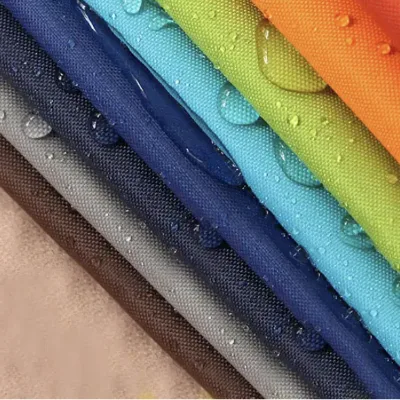
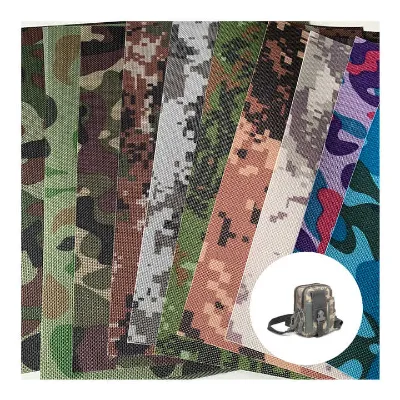
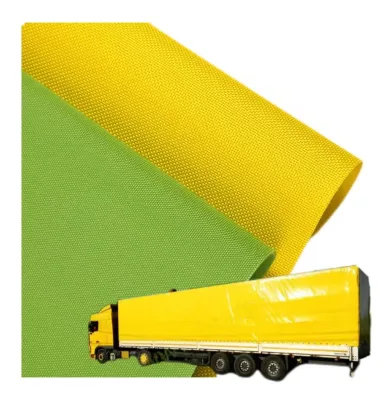


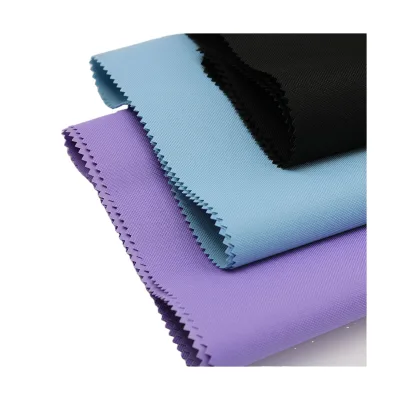
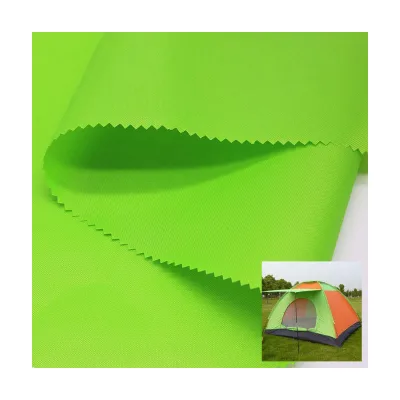
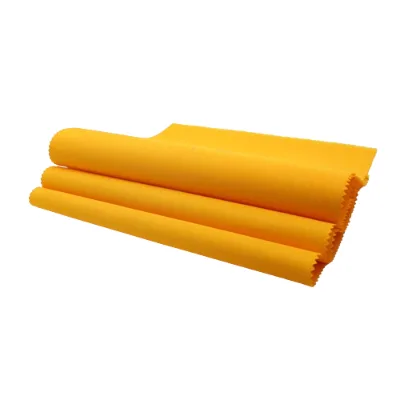


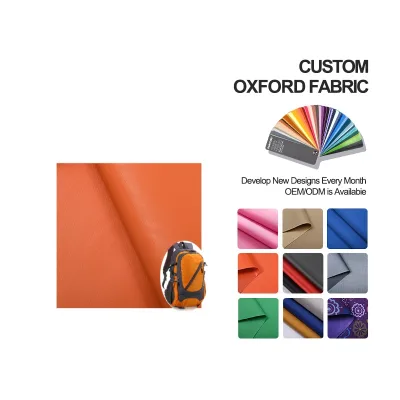
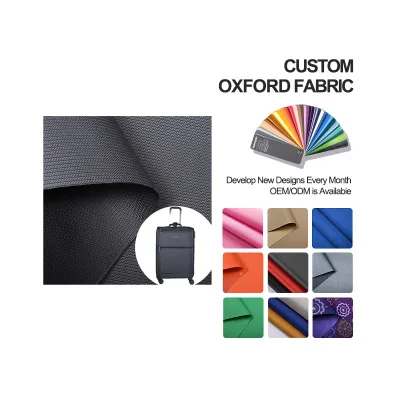
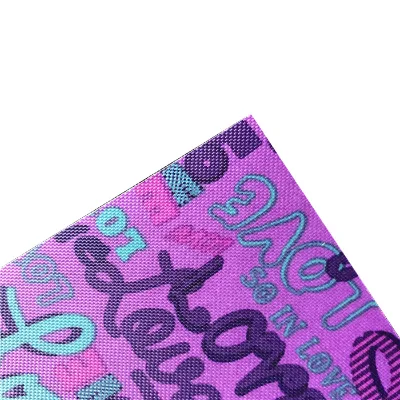
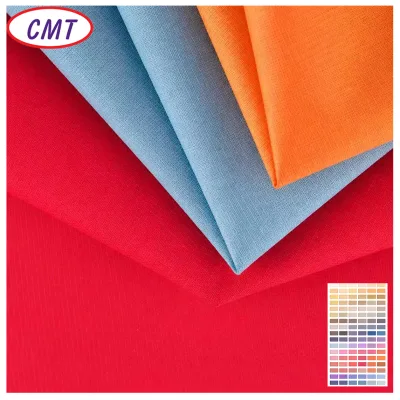
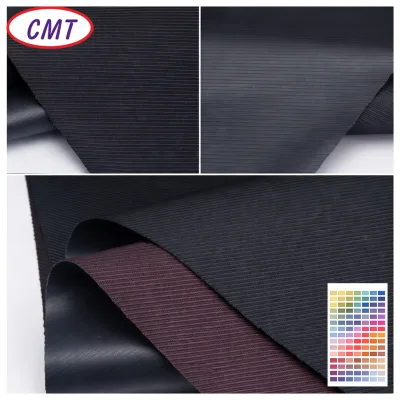
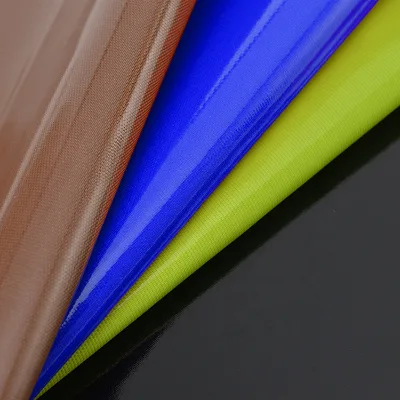
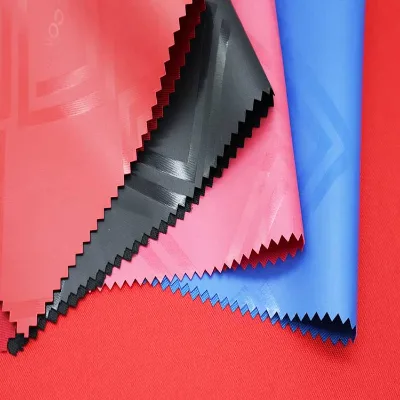
Comprehensive Sourcing Guide
PVC Coated Oxford Fabric Supplier Concentration and Factory Types
The available data indicates a concentration of suppliers in China, specifically within the Zhejiang province, where many trading companies and manufacturers operate. These entities often list main products including home textiles, various fleece blankets, and a wide array of polyester fabrics alongside the core PVC Coated Oxford Fabric. Some suppliers in this region are identified as trading companies, while others operate as combined entities or manufacturers with factory capabilities. This mix suggests that buyers may encounter both direct production sources and intermediaries depending on the specific supplier profile. The presence of Zhejiang as a documented origin for products like the HD series and XRS series models reinforces this regional clustering for polyester-based textile manufacturing.
In contrast, other results point to suppliers located in Jiangsu, China, who also specialize in outdoor sports fabrics and functional materials. These suppliers often hold certifications such as ISO 9000, ISO 9001, and QC 080000, indicating a focus on quality management systems. The factory types vary from pure trading companies to those claiming manufacturer status with OEM and ODM capabilities. When evaluating the landscape, buyers should note that some suppliers list diverse product ranges including leather, zippers, and webbing, which may indicate a broader trading scope rather than a specialized factory focus. Identifying whether a supplier is a direct manufacturer or a trading company is crucial for understanding the supply chain structure and potential for customization.
How to Verify PVC Coated Oxford Fabric Suppliers
Verification of suppliers in this category often involves checking for specific business credentials and third-party validations. Some suppliers in the current results display BV verification status, which serves as a tangible indicator of business legitimacy. Buyers should prioritize suppliers who provide clear evidence of their company type, distinguishing between trading companies and manufacturers. The presence of certifications like ISO 9001 or QC 080000 in the supplier profile adds another layer of confidence regarding their operational standards. However, not every supplier will display these specific credentials, so the absence of a listed certification does not automatically disqualify a vendor but requires further inquiry.
Beyond certifications, buyers must scrutinize the response time and communication efficiency as a proxy for reliability. The data shows response times varying significantly, with some suppliers responding in under an hour while others take over twenty-five hours. A faster response time often correlates with better customer service and operational readiness. Additionally, checking the main products list helps confirm if the supplier specializes in PVC Coated Oxford Fabric or if it is a minor part of a broader inventory. Suppliers listing specific product models like SC-067 or SC-321 alongside detailed attributes provide more transparency than those with generic descriptions. Buyers should verify these details directly rather than relying solely on the initial search summary.
What to Compare Across PVC Coated Oxford Fabric Suppliers
When comparing suppliers, lead time is a critical metric that varies across the available options. Some suppliers indicate a lead time of 15 days, while others suggest 23 or 30 days. This variation can significantly impact project timelines and inventory planning. Buyers should align their order schedules with the specific lead times provided by each potential vendor. Alongside lead time, the Minimum Order Quantity (MOQ) presents another key differentiator. The data reveals MOQs ranging from 200 meters to 2000 meters, depending on the product model and supplier capacity. Understanding these thresholds is essential for determining the feasibility of an order, especially for smaller buyers or those testing new designs.
Price and product specifications also require careful comparison to ensure value and quality alignment. Prices for PVC Coated Oxford Fabric in the current results range from approximately 0.55 to 1.60 per unit, with specific models like the HD series or XR series having distinct price points. Buyers must match these prices against the stated product attributes, such as quality grade, standard dimensions like 300DX150D, and functional properties like tear resistance or flame retardancy. Some suppliers offer payment terms such as 30% T/T advance or L/C at sight, which affects cash flow management. Comparing these commercial terms alongside the physical product specifications ensures that the selected supplier meets both budgetary and technical requirements without compromising on delivery speed or order volume constraints.
Common PVC Coated Oxford Fabric Sourcing Risks
One significant risk in sourcing PVC Coated Oxford Fabric involves the discrepancy between claimed capabilities and actual production capacity. While some suppliers list themselves as manufacturers with OEM and ODM capabilities, others are identified strictly as trading companies. This distinction affects the buyer's ability to control the production process and verify quality at the source. If a trading company is the primary point of contact, the buyer may have less visibility into the manufacturing floor and the specific conditions under which the fabric is produced. This lack of direct oversight can lead to inconsistencies in product quality or delays if the intermediary faces issues with their upstream factory partners.
Another risk relates to the variability in product standards and specifications across different suppliers. The data shows various product models with different standards, such as 300DX150D or 1.5M width, and varying quality grades. Without a standardized specification sheet agreed upon in advance, there is a risk of receiving fabric that does not meet the intended application requirements. For instance, a fabric rated for tent use may differ significantly from one intended for upholstery, despite both being PVC coated oxford. Buyers must explicitly define their technical requirements, including yarn count, coating thickness, and functional properties like waterproofing or flame retardancy, to mitigate the risk of receiving non-compliant goods.
PVC Coated Oxford Fabric Regional Sourcing and Logistics
The primary sourcing regions identified in the data are located in China, with specific clusters in Zhejiang and Jiangsu provinces. These regions are known for their textile manufacturing infrastructure, which supports the production of polyester fabrics and coated materials. Suppliers in Zhejiang often highlight their origin as a key attribute for products like the HD series, while Jiangsu-based suppliers emphasize their ISO certifications and diverse product lines. Buyers should consider the logistical implications of sourcing from these specific provinces, as shipping times and costs may vary based on the port of departure and the specific location of the factory within the province.
Logistics planning must also account for the packaging standards provided by suppliers. The data indicates that products are often packed in rolls, with specific configurations like 50 meters per roll or loose packing with plastic bags. Some suppliers offer custom packing requirements, which can influence the efficiency of loading and shipping. Buyers need to confirm the packaging details to ensure compatibility with their storage facilities and downstream distribution needs. Additionally, the origin location affects the availability of freight forwarders and the ease of customs clearance. Understanding the regional logistics landscape helps in estimating total landed costs and ensuring that the supply chain remains resilient against potential disruptions in the specific Chinese provinces where these suppliers are concentrated.
PVC Coated Oxford Fabric Commercial Terms and Order Planning
Commercial terms for PVC Coated Oxford Fabric often include specific payment structures that buyers must plan for in advance. The available data shows common terms such as 30% T/T advance or L/C at sight, which are standard in the textile industry but require careful financial management. Buyers should evaluate their cash flow capabilities against these requirements to avoid delays in order processing. Furthermore, the response time of the supplier, which can range from less than an hour to over twenty-five hours, impacts the speed of negotiation and contract finalization. A slower response time may indicate a less agile operation, potentially affecting the ability to resolve urgent issues or adjust order details quickly.
Order planning must also integrate the lead times and MOQs discussed earlier to create a realistic procurement schedule. With lead times varying from 15 to 30 days and MOQs ranging from 200 to 2000 meters, buyers need to balance their inventory needs with the supplier's constraints. For buyers requiring smaller quantities, finding a supplier with a lower MOQ is essential to avoid excessive inventory costs. Conversely, for large-scale projects, negotiating better pricing or prioritizing suppliers with shorter lead times can optimize the overall supply chain efficiency. By aligning commercial terms with operational capabilities, buyers can establish a sustainable sourcing strategy that minimizes risk and ensures timely delivery of high-quality PVC Coated Oxford Fabric.
FAQs
What is the price range for PVC Coated Oxford Fabric?
Prices typically range from $0.55 to $1.60 per meter depending on specifications. Basic 420d options start around $0.55, while premium 1680d or flame-retardant variants cost up to $1.60. Buyers should verify exact quotes based on order volume and specific coating requirements.
What is the minimum order quantity for these fabrics?
MOQs vary significantly by supplier and product type. Some suppliers require as few as 200 meters, while others set minimums at 1000 or 2000 meters. Buyers must check individual product listings to confirm the specific MOQ applicable to their desired fabric model and quality grade.
How long does production take for these orders?
Lead times generally range from 15 to 30 days. Suppliers in Jiangsu often offer faster turnaround times around 15 days, while Zhejiang-based manufacturers may require up to 30 days. Buyers should confirm specific schedules with suppliers before placing bulk orders to ensure timely delivery.
Are these suppliers verified for quality assurance?
Many suppliers hold BV verification and ISO 9001 certifications. Some also comply with QC 080000 standards. Buyers should request current certification documents to verify compliance. Verified status indicates adherence to specific manufacturing and quality control protocols, reducing risk for large-scale procurement.
What payment terms are commonly accepted?
Common terms include 30% T/T advance or L/C at sight. Buyers should confirm payment methods with each supplier. Secure payment options protect both parties. Always verify banking details and contract terms before transferring funds to ensure transaction safety and clarity on financial obligations.
Where are these PVC coated fabrics manufactured?
Manufacturing primarily occurs in China, specifically in Zhejiang and Jiangsu provinces. These regions are known for textile production. Buyers can filter suppliers by location to prioritize regional logistics. Proximity to ports may influence shipping costs and delivery speeds for international orders.