Folding Zero Gravity Lounge Bed Suppliers and Manufacturers
Compare 23 verified suppliers offering folding zero gravity lounge beds with varying lead times, prices, and customization options. Review response times, certifications, and product specifications to select the right partner for your sourcing needs; review the available evidence before requesting comparable quotations from suitable candidates.
Updated
Suppliers List

Ningbo Youshine Trading Co., Ltd.
- Verified by BV
- Trading Company
- China Zhejiang
- Lead time45 days
- Avg. response≤ 6h
Main productsOutdoor Furniture, Gravity Chair, Garden Chair, Beach Chair, Camping Chair, Outdoor Portable Toilet, Plastic Table, Beach Umbrella, Garden Umbrella, Garden Furniture
Main marketsEast Asia(Japan/ South Korea),Europe,North America


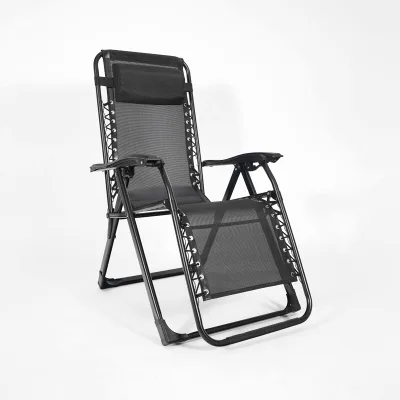
Garden Lounger Zero Gravity Lounger Chair Outdoor Folding Chair Recliner Lounge
$20.00 - $50.00
MOQ: 500 Pieces

Multi-Functional Zero Gravity Folding Chair Outdoor Portable Lounge Chair
$10.00 - $16.00
MOQ: 500 Pieces


Ningbo Comfort Industry Co., Ltd.
- Verified by TUVRHEINLAND
- Manufacturer/Factory
- China Zhejiang
- Lead time45 days
- Avg. response≤ 6h
Main productsElectric Adjustable Beds, Adjustable Beds, Lift Recline Chairs, Memory Foam Mattress, Massage Adjustable Beds, Massage Lift Chairs, Memory Foam Pillows, Wallhugger Adjustable Bed, Electric Bed, Massage Chair
Main marketsSouth America,North America,Southeast Asia,Eastern Asia,Oceania,Western Europe

Zero Gravity Electric Adjustable Home Bed Base Smart Bedroom Folding Bed
$225.00 - $235.00
MOQ: 30 Pieces

Zero Clearance Fold Bed with Lumbar Support Body Relax Home Adjustable Bed
$259.00 - $389.00
MOQ: 20 Pieces

Smart Home Bed Voice Control Massage Bed Folding Adjustable Bed Relax Bed
$219.00 - $289.00
MOQ: 10 Pieces


New Model Zero Clearance Adjustable Bed with Integrated Lumbar Support and Foldable Frame Design
$259.00 - $389.00
MOQ: 30 Pieces


Guangdong Everlead Outdoor Gear Co., Ltd.
- Manufacturer
- Guangdong, China
- Lead time20 days
- Avg. response≤ 12h
Main productsTent/Tarp/Ground Sheet/Sleeping Bag/Sleeping Pad,Tent/Tarp/Ground Sheet
Main marketsMid East(37.00%), North America(15.00%), Eastern Europe(10.00%), Oceania(6.00%), Southern Europe(5.00%), Northern Europe(5.00%), Domestic Market(5.00%), Western Europe(5.00%), Eastern Asia(5.00%), South America(5.00%), Southeast Asia(2.00%)
Yongkang Dashine Industry & Trade Co., Ltd.
- Verified by Intertek
- Manufacturer, Trading Company
- Lead time15 days
- Avg. response≤ 8h
Main productsFolding Chair, Folding Bed, Gazebo, Shopping Trolley, Patio Umbrella
Main marketsWestern Europe(70%), North America(15%), South America(10%)

Ningbo Eto Outdoor Supplies Co., Ltd.
- Trading Company,Manufacturer/Factory
- China Zhejiang
- Lead time23 days
- Avg. response≤ 7h
Main productsTent, Hammock, Sleeping Bag, BBQ Grill, Camping Furniture, Garden Furniture, Camping Lantern, Beach Furniture, Travelling Accessories, Mattress
Main marketsSouth America,Eastern Europe,Mid East,North America,Southeast Asia,Eastern Asia,Oceania,Western Europe,Africa


Garden Relax Sleeping Lounge Recliner Outdoor Metal Camping Beach Zero Gravity Reclining Chair
$6.80 - $14.80
MOQ: 300 Pieces


Lightweight Sun Bed Camping Lounger Foldable Recliner Daybed with Canopy
$10.00 - $20.00
MOQ: 500 Pieces
Zhejiang Yunyue Industry Co., Ltd.
- Trading Company
- Zhejiang, China
- Lead time30 days
- Avg. response≤ 7h
Main productsCamping Beach Table Chair,Folding Camping Beach Lounger,Teslin Table Chair,Swing Chair,Floor Chair
Main marketsEastern Europe(30.00%), Western Europe(25.00%), North America(20.00%), Mid East(8.00%), Africa(5.00%), Central America(3.00%), Oceania(3.00%), Southeast Asia(2.00%), Southern Europe(1.00%), South America(1.00%), Northern Europe(1.00%), Eastern Asia(1.00%)
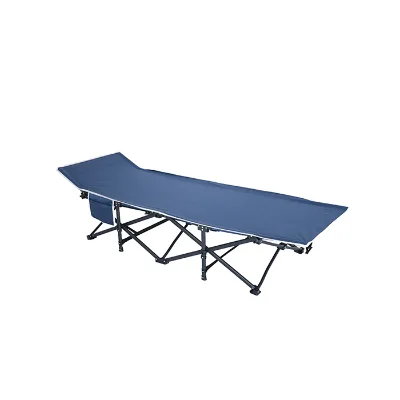
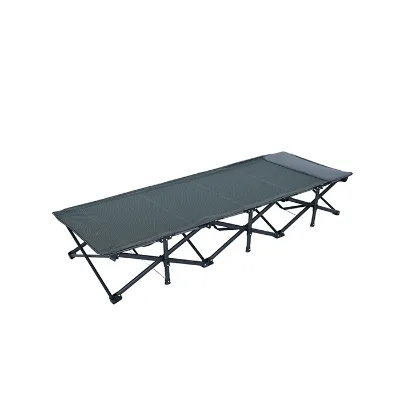
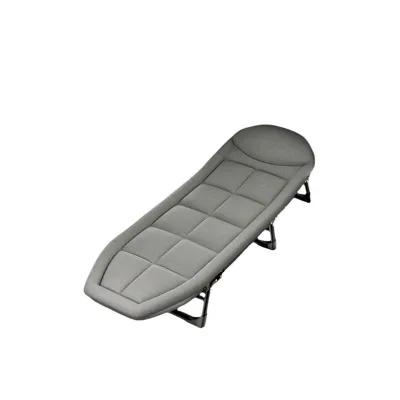
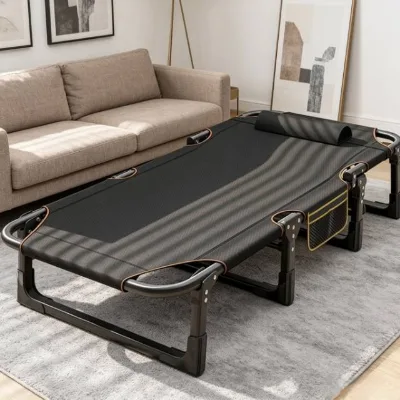
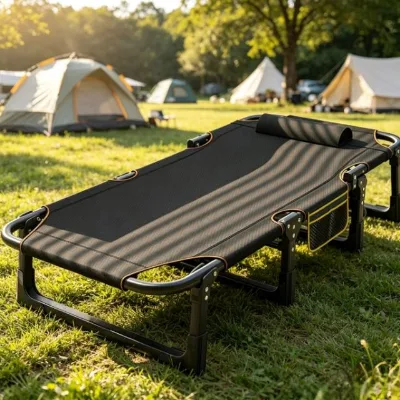
High Quality Camping Comfortable Outdoor Metal Steel Single Folding Bed
$26.1721 - $26.6601
MOQ: 500 sets

Suzhou Xinyue Furniture Accessories Co., Ltd.
- Verified by TUVRHEINLAND
- Combined
- China Anhui
- Lead time23 days
- Avg. response≤ 2h
Main productsBed Frame, Metal Bed Frame, Storage Bed
Main marketsDomestic,Europe,North America

Folding Lounge Bed Ergonomic Body Support Reduces Fatigue for Long Hour Office Rest Use
$11.00 - $16.00
MOQ: 50 Pieces

Folding Lounge Bed Quick Fold and Unfold Mechanism No Assembly Needed for Office Break Use
$11.00 - $16.00
MOQ: 50 Pieces

Folding Lounge Bed Ergonomic Design Reduces Neck and Back Strain for Office Use
$11.00 - $16.00
MOQ: 50 Pieces

Folding Lounge Bed Stable Wide Base Anti Roll Design for Elderly and Disabled Rest Use
$11.00 - $16.00
MOQ: 50 Pieces

Folding Lounge Bed Quick Drying Fabric Water Resistant for Outdoor and Balcony Use
$11.00 - $16.00
MOQ: 50 Pieces

Folding Lounge Bed Breathable Mesh and Plush Cushion Options for All Season Rest Use
$11.00 - $16.00
MOQ: 50 Pieces

Zhejiang Hitree Leisure Products Co., Ltd.
- Verified by TUVRHEINLAND
- Manufacturer/Factory
- China Zhejiang
- Lead time30 days
- Avg. response≤ 6h
Main productsBeach Chair, Shopping Trolley, Camping Chair, Shopping Basket, Camping Bed, Folding Wagon, Folding Table, Garden Furniture
Main marketsSouth America,Eastern Europe,North America,Eastern Asia,Oceania,Western Europe
Zhongguo Yancheng Dafeng Environmental Technology Co., Ltd.
- Verified by TüVRheinland
- Manufacturer, Trading Company
- Lead time10 days
- Avg. response≤ 3h
Main productsFolding Bed, Folding Chair, Camping Cot, Camping Chair, Camping Table
Main marketsNorth America(42%), Domestic Market(30%), Western Europe(8%)
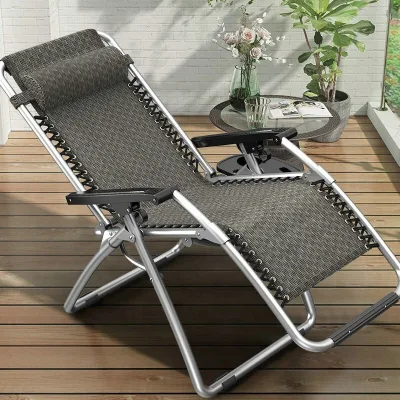
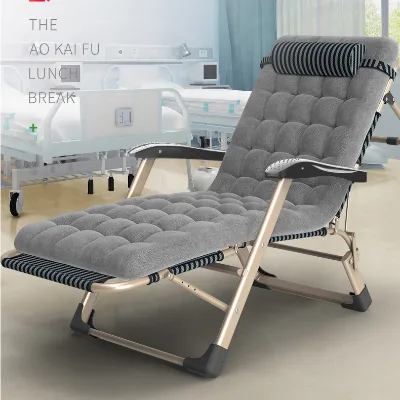
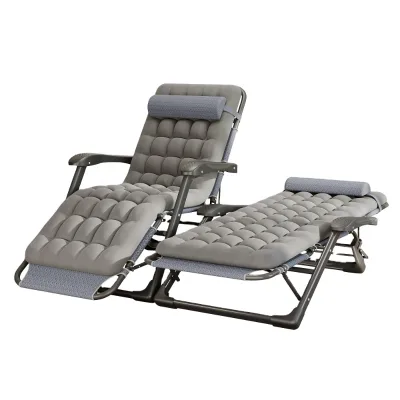
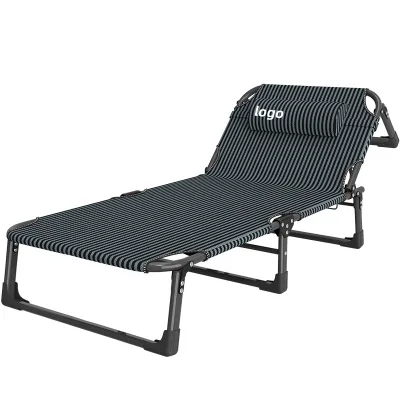
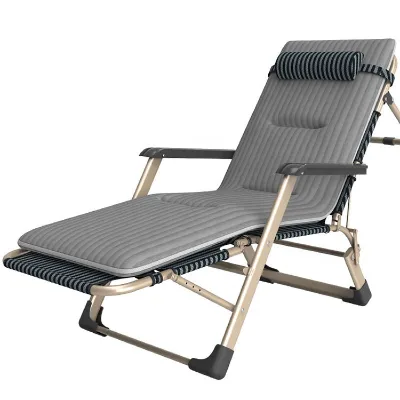
$20.6107 - $22.6601
MOQ: 2 pieces
Jinhua Supergroup Leisure Products Co., Ltd.
- Verified by Intertek
- Manufacturer, Trading Company
- Lead time15 days
- Avg. response≤ 7h
Main productsFolding Chair, Folding Bed, Folding Table, Shopping Trolley, Patio Umbrella
Main marketsNorth America(30%), Western Europe(25%), Northern Europe(15%)
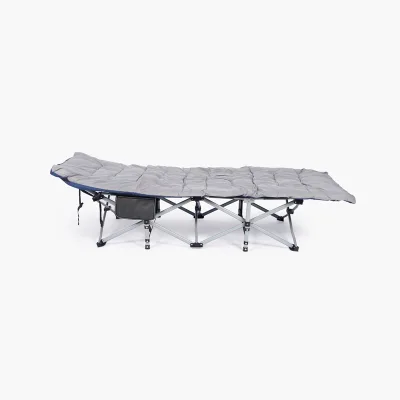
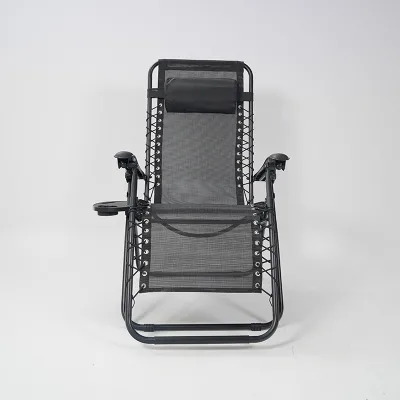
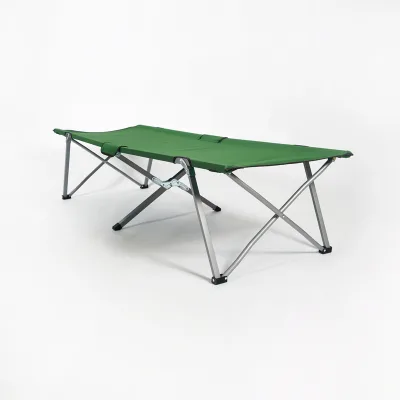
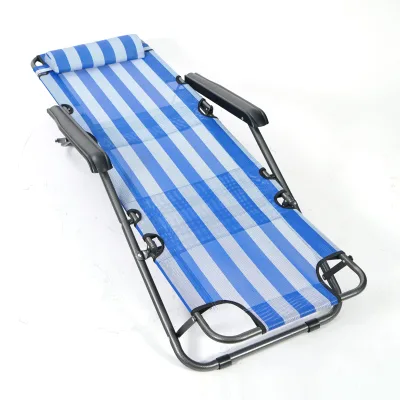
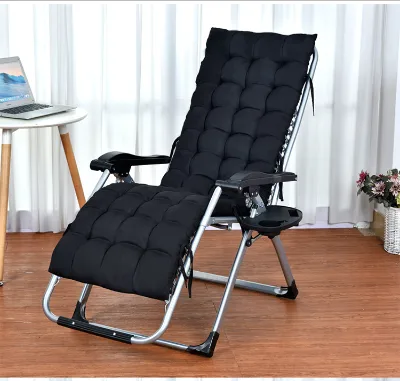
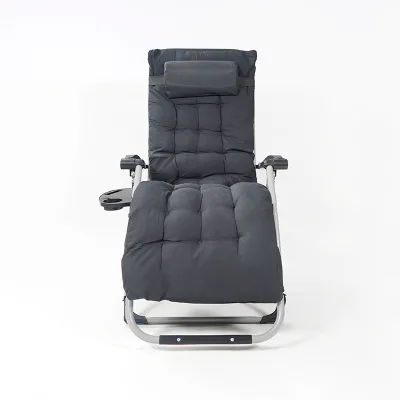
$11.9176 - $12.3278
MOQ: 100 pieces

Jinhua Jiading Leisure Co., Ltd.
- Trading Company
- Zhejiang, China
- Lead time25 days
- Avg. response≤ 3h
Main productsBeach Chair, Camping Chair, Camping Bed, Folding Chair
Main marketsNorth America(20.00%), Oceania(20.00%), Western Europe(20.00%), Mid East(20.00%), Northern Europe(10.00%), Eastern Europe(10.00%)
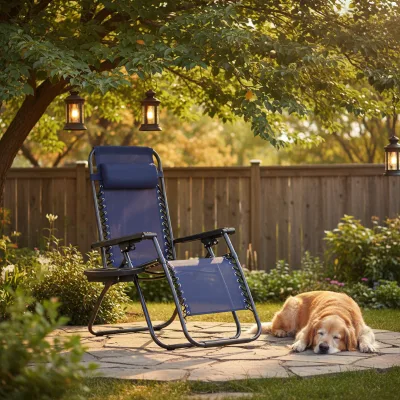
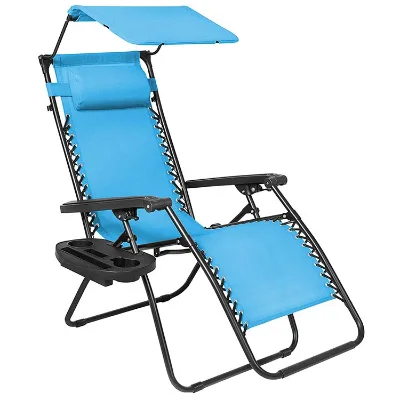
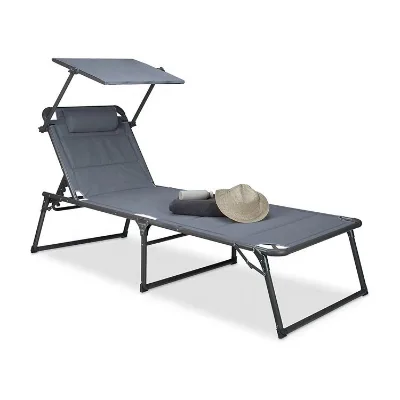
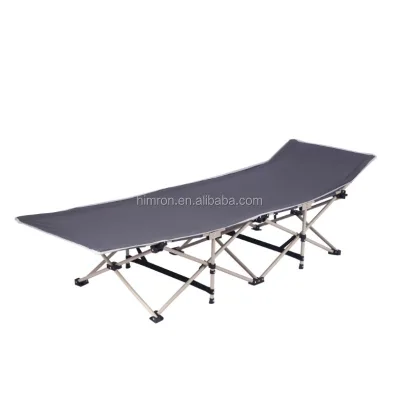
Cheap Steel Grey Reclining Folding Garden Sun Lounger for Outdoor Relaxation
$13.20 - $14.50
MOQ: 500 pieces
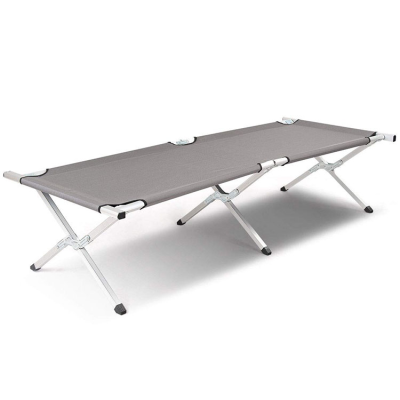

Danyang Hongyu Industry Co.,Ltd
- Verified by CTI
- Manufacturer/Factory,Group Corporation
- China Jiangsu
- Lead time120 days
- Avg. response≤ 4h
Main productsCamping Tent, Folding Chair, Sleeping Bag, Folding Table, Beach Umbrella, Camping Blanket, Cooler Bag, Camping Bed, Garden Furniture, Awning
Main marketsSouth America,Eastern Europe,Mid East,North America


Textilene Lounger Chair Reclining Sun Lounger Gravity Chair Adjustable
$10.00 - $13.00
MOQ: 300 Pieces
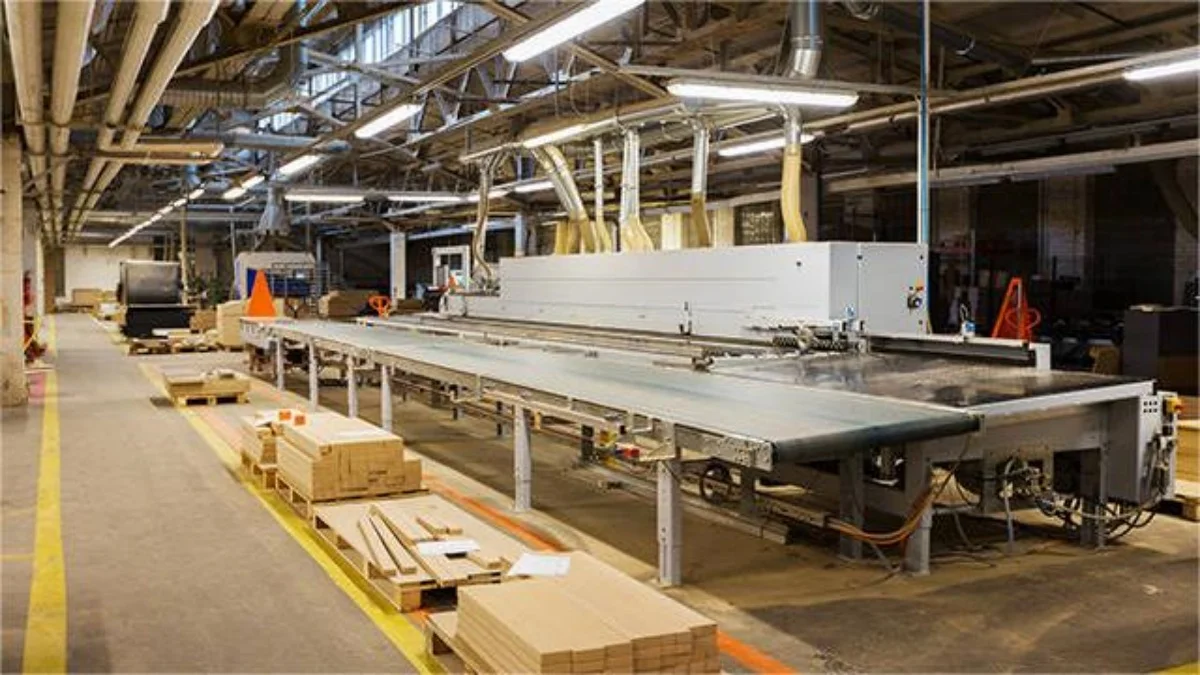
Wuxi Shengjishi Technology Co., Ltd.
- Trading Company
- Jiangsu, China
- Lead time15 days
- Avg. response≤ 1h
Main productsSide cabinet,computer desk,small coffee table,folding table,Shoe Rack
Main marketsSoutheast Asia(20.00%), Central America(20.00%), North America(20.00%), Mid East(20.00%), South Asia(10.00%)

Huizhou Likong Smart Home Co., Ltd.
- Verified by TUVRHEINLAND
- Combined
- China Guangdong
- Lead time15 days
- Avg. response≤ 3h
Main productsAdjustable Bed, Electric Bed, Nursing Bed
Main marketsNorth America

Zero-Gravity Smart Bed, Dual-Motor Pressure Relief Foldable Bed with Premium Package
$200.00 - $299.00
MOQ: 30 Pieces


NINGBO XUSHENG LEISURE PRODUCTS CO., LTD.
- Trading Company
- China Zhejiang
- Lead time30 days
- Avg. response≤ 11h
Main productsBeach Chair, Patio Swing Chair, Garden Tools, Outdoor Furniture, Patio Umbrella, BBQ, Sun Lounger, Tent & Awning, Cast Aluminium Garden Furniture, Rattan Furniture
Main marketsSouth America,Africa,Southeast Asia/ Mideast,East Asia(Japan/ South Korea),Domestic,Europe,Australia,North America


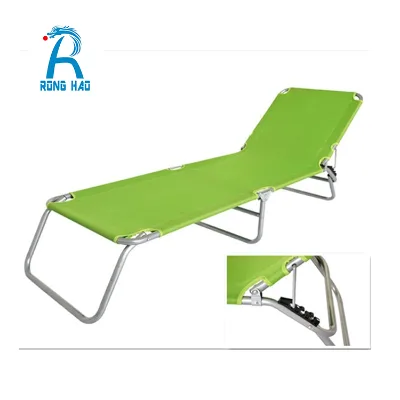
Steel Pool Folding Chaise Lounge Chair Bed with Adjustable Gear Position
$40.00 - $60.00
MOQ: 1000 Pieces


Zhejiang Ronghao Home Furnishings Co., Ltd.
- Manufacturer, Trading Company
- Zhejiang, China
- Lead time30 days
- Avg. response≤ 8h
Main productsbeach chair,outdoor,Other Police & Military Supplies,home&garden,Camping supplies
Main marketsNorth America(50.00%), Northern Europe(10.00%), Western Europe(10.00%), Domestic Market(10.00%), South America(5.00%), Southern Europe(5.00%), Mid East(5.00%), Eastern Europe(5.00%)

- Verified by BV
- Trading Company
- China Zhejiang
- Lead time23 days
- Avg. response≤ 4h
Main productsCamping Chair, Camping Table, Garden Chair, Garden Table, Tent, Sleeping Bag, Camping Mat, Car Tent
Main marketsSouth America,Southeast Asia/ Mideast,East Asia(Japan/ South Korea),Europe,North America

Sun Loungers Outdoor Zero Gravity Chair Camping Lounge Folding Lawn Recliner with Cup Holder
$21.00 - $25.00
MOQ: 1000 pieces

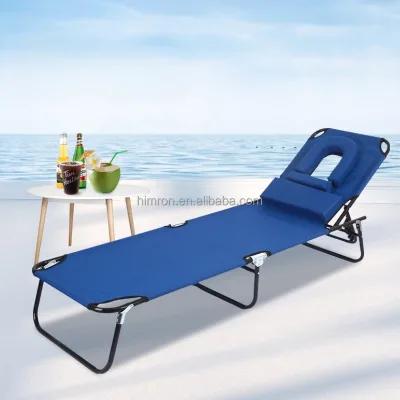
Outdoor Folding Chaise Beach Lounge Chair Aluminium Beach Folding Bed Chaise Lounger
$23.00
MOQ: 1000 pieces
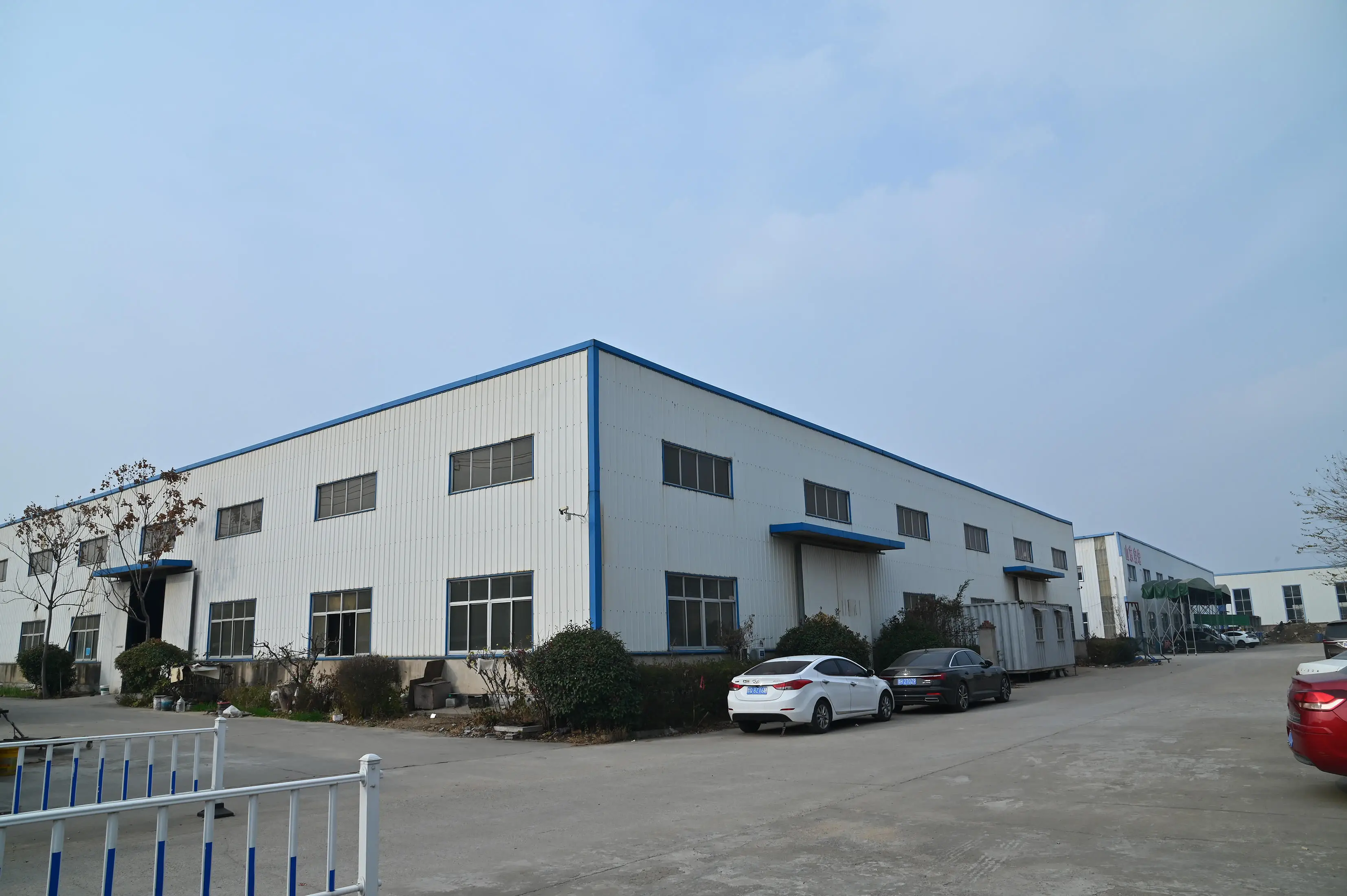
Jiangsu Himron International Trade Co., LTD.
- Manufacturer, Trading Company
- jiangsu, China
- Lead time20 days
- Avg. response≤ 8h
Main productsDisaster Relief Tent,Inflatable Emergency Tent,Tactical tent,Camping tent
Main marketsNorth America(40.00%), Eastern Europe(15.00%), Domestic Market(10.00%), Northern Europe(7.00%), Central America(6.00%), Southeast Asia(5.00%), South Asia(5.00%), Mid East(3.00%), Eastern Asia(2.00%), Southern Europe(2.00%), Western Europe(2.00%), South America(1.00%), Oceania(1.00%), Africa(1.00%)

Zhejiang Dingtai Outdoor Leisure Products Co., Ltd
- Verified by CTI
- Combined
- China Zhejiang
- Lead time23 days
- Avg. response≤ 25h
Main marketsSouth America,Africa,Domestic,Europe,North America
Yongkang Gold Arrow Metal Products Co., Ltd.
- Manufacturer, Trading Company
- Lead time旺季: "1 - 2000":30,"> 2000":"To be negotiated", 淡季: "1 - 2000":30,"> 2000":"To be negotiated"
- Avg. response≤ 20h
Main productsCamping Chair , Camping Cot , Folding Chair , Garden Chair and Table Sets, Aluminum Dining Chair

FOSHAN TOP GLORY FURNITURE TECHNOLOGY CO., LTD.
- Verified by TUVRHEINLAND
- Manufacturer/Factory
- China Guangdong
- Lead time45 days
- Avg. response≤ 3h
Main productsOutdoor Furniture, Garden Furniture, Rattan Furniture, Patio Furniture, Furniture, Fabric Sofa, Outdoor Sofa, Wicker Furniture, Rattan Chair
Main marketsSouth America,Eastern Europe,Mid East,North America,Southeast Asia,Eastern Asia,Oceania,Western Europe,Africa

Hangzhou Mingchen Furniture Co., Ltd.
- Manufacturer/Factory
- China Zhejiang
- Lead time23 days
- Avg. response≤ 8h
Main productsBarber Chair, Folding Massage Table, Portable Massage Chair, Gaming Chair, Bar Stool, Round Stool, Saddle Stool
Main marketsSouth America,Eastern Europe,Mid East,North America,Southeast Asia,Oceania,Western Europe

Heilongjiang Yousi Trade Co., Ltd.
- Trading Company
- Heilongjiang, China
- Lead time15 days
- Avg. response≤ 6h
Main productsSofa Bed,Wood Bed,Beech Chair,Drawer Chest,Shoe Rack
Main marketsWestern Europe(30.00%), Southern Europe(30.00%), Eastern Europe(15.00%), Northern Europe(15.00%), North America(10.00%)
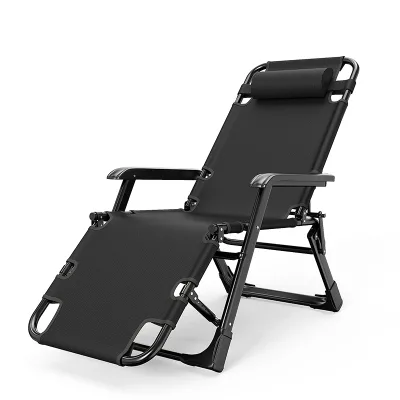
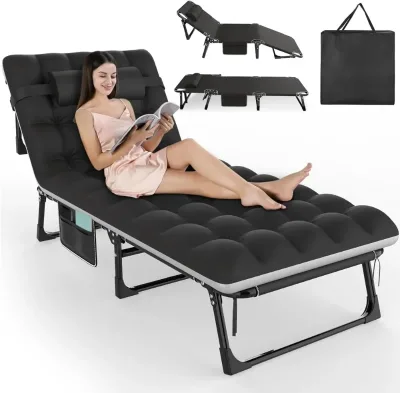
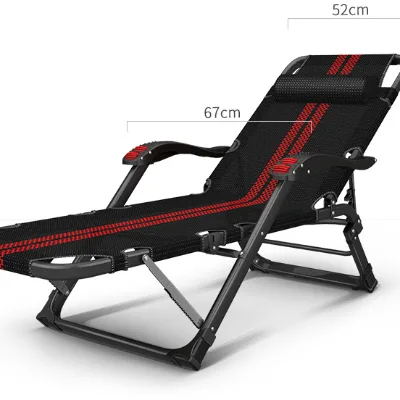
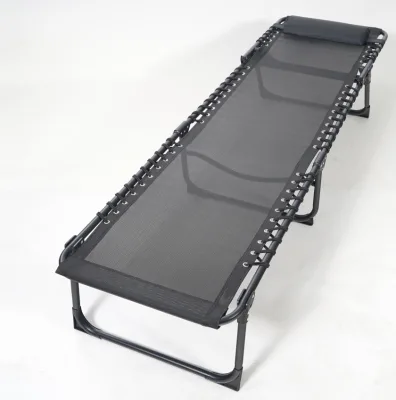






Comprehensive Sourcing Guide
Folding Zero Gravity Lounge Bed Supplier Concentration and Factory Types
The current supplier landscape for folding zero gravity lounge beds reveals a distinct split between trading companies and direct manufacturers, each offering different value propositions for buyers. One prominent supplier type identified is a trading company based in China Zhejiang, which specializes in a broad range of outdoor furniture including gravity chairs, garden chairs, beach chairs, and camping chairs. This entity is verified by BV and reports an average response time of 5.33, indicating a structured operational workflow. The trading company model often provides access to a wider variety of styles, such as European or simple designs, and may offer customization options like logo printing or color selection. Buyers seeking diverse product lines or mixed container loads might find this structure advantageous, as trading companies can aggregate inventory from multiple factories. However, this model may involve additional layers in the supply chain, potentially affecting direct communication about technical specifications or production nuances. The presence of such verified trading entities suggests that sourcing from established commercial hubs in Zhejiang remains a viable strategy for accessing a wide array of outdoor leisure products.
In contrast, another significant supplier type observed is a manufacturer or factory that produces electric adjustable beds, lift recline chairs, and massage adjustable beds. This supplier holds ISO 9001 certification and is verified by TÜV Rheinland, signaling a focus on quality management systems and industrial standards. The response time for this manufacturer is recorded at 5.87, which is slightly higher than the trading company but still within a responsive range for B2B inquiries. This factory offers OEM, ODM, and own brand services, suggesting flexibility for buyers looking for private labeling or custom engineering. The product evidence indicates a focus on smart bedroom furniture, including zero gravity electric adjustable home bed bases with features like German Okin motors and wired or wireless handsets. This distinction highlights that while some suppliers focus on portable, manual folding lounge beds for outdoor use, others specialize in heavy-duty, motorized indoor or outdoor beds. Understanding this divergence is crucial for buyers to align their sourcing strategy with their specific product requirements, whether they need lightweight portable chairs or complex motorized bed systems.
How to Verify Folding Zero Gravity Lounge Bed Suppliers
Verification is a critical step in ensuring the reliability and capability of suppliers offering folding zero gravity lounge beds. Buyers should prioritize suppliers who have undergone third-party verification processes, as these provide an external validation of the company’s legitimacy and operational standards. For instance, one observed supplier is verified by BV, which typically involves checks on business licenses, factory audits, and compliance with international trade standards. Another supplier is verified by TÜV Rheinland, a globally recognized testing and certification organization, which adds a layer of trust regarding product safety and manufacturing quality. These verification badges are not merely decorative; they indicate that the supplier has met specific criteria set by independent auditors. Buyers should look for these verification marks on supplier profiles and understand what each verification body covers. BV verification often focuses on business integrity and operational capacity, while TÜV Rheinland may emphasize product testing and quality management systems. By prioritizing verified suppliers, buyers can reduce the risk of engaging with fraudulent entities or companies with poor operational practices.
Beyond verification badges, buyers should assess the supplier’s response time and communication efficiency as indicators of their professionalism and reliability. The data shows that trading companies may have faster response times, such as 5.33, compared to manufacturers with times like 5.87. While these numbers are relative, a consistent and prompt response to inquiries is a strong signal of a supplier’s commitment to customer service. Buyers should test this by sending detailed inquiries about product specifications, customization options, and lead times. A supplier’s ability to provide clear, accurate, and timely information reflects their internal organization and expertise. Additionally, buyers should verify the supplier’s main products to ensure they align with their needs. For example, a supplier listing electric adjustable beds and massage chairs may not be the best fit for buyers seeking simple, manual folding lounge chairs. Cross-referencing the supplier’s stated main products with their actual product listings can help confirm their specialization. This due diligence helps buyers identify suppliers who are not only verified but also operationally competent and aligned with their specific sourcing goals.
What to Compare Across Folding Zero Gravity Lounge Bed Suppliers
When evaluating multiple suppliers for folding zero gravity lounge beds, buyers must compare key operational metrics to determine the best fit for their business needs. One critical factor is the minimum order quantity (MOQ), which varies significantly across different product types and suppliers. For example, some manual folding chairs have an MOQ of 500 units, while others may require 1000 units. This variation impacts inventory management and cash flow, especially for smaller buyers or those testing new markets. Buyers should also compare price ranges, which can span from as low as $5.00 to as high as $50.00 per unit, depending on features, materials, and customization options. A basic metal frame chair might be priced at $5.00, while a multi-functional lounger with additional features could cost up to $50.00. Understanding these price differences helps buyers align their budget with their target market. Additionally, lead times are a crucial comparison point, with some suppliers reporting lead times of 45 days. Buyers should assess whether this timeline fits their sales cycle and plan accordingly to avoid stockouts or delays.
Another important aspect to compare is the customization capabilities and product specifications offered by each supplier. Some suppliers offer customization for logos, colors, and patterns, which is essential for brands looking to differentiate their products. For instance, one supplier allows logo printing and offers optional colors, while another may have non-customized options. Buyers should also examine product attributes such as material, style, and folding mechanism. A supplier offering a European style chair with undisassembly features differs significantly from one providing a simple, foldable chair with armrests. The presence of advanced features, such as German Okin motors in electric beds, adds value but also increases complexity and cost. Buyers should compare these technical details to ensure they meet their quality and functionality requirements. Furthermore, response times can indicate the supplier’s efficiency in handling orders and resolving issues. A supplier with a faster response time may be more agile in addressing urgent requests or changes. By systematically comparing these factors, buyers can make informed decisions that balance cost, quality, and operational efficiency.
Common Folding Zero Gravity Lounge Bed Sourcing Risks
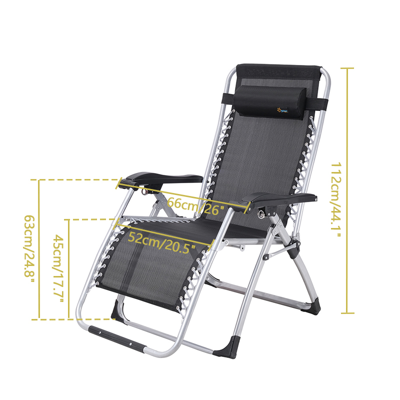
Sourcing folding zero gravity lounge beds involves several risks that buyers must proactively manage to ensure a smooth procurement process. One significant risk is the variability in product quality and specifications, especially when dealing with suppliers who offer extensive customization options. For example, a supplier may advertise a chair with specific dimensions, such as 1106590cm, but the actual product may differ due to manufacturing tolerances or material substitutions. Buyers should request detailed product specifications and samples to verify that the final product matches their expectations. Another risk is the potential for delays in production and shipping, which can disrupt supply chains and lead to missed sales opportunities. Suppliers with longer lead times, such as 45 days, require careful planning to avoid stockouts. Buyers should establish clear communication channels and regular updates to monitor production progress. Additionally, the risk of non-compliance with international standards or certifications is a concern, particularly for products intended for export to regulated markets. Buyers should verify that suppliers hold relevant certifications, such as ISO 9001, and ensure that products meet safety and quality standards.
Another common risk is the misalignment between supplier capabilities and buyer expectations, particularly when dealing with trading companies versus manufacturers. Trading companies may offer a wider range of products but might lack direct control over production quality and timelines. Buyers should clarify whether the supplier is a manufacturer or a trading company and understand the implications for communication and problem-solving. For instance, a trading company may have a faster response time but may need to coordinate with multiple factories, potentially leading to delays or inconsistencies. Buyers should also be cautious of suppliers who do not provide clear information about their main products or verification status. A supplier listing electric adjustable beds may not have the expertise to produce simple manual folding chairs, leading to quality issues. Additionally, the risk of intellectual property infringement is a concern if buyers require custom designs or logos. Buyers should ensure that suppliers have the necessary rights to produce custom items and protect their brand identity. By identifying and mitigating these risks, buyers can build a more resilient and reliable supply chain for folding zero gravity lounge beds.
Folding Zero Gravity Lounge Bed Regional Sourcing and Logistics
Regional sourcing plays a pivotal role in determining the cost, lead time, and logistical efficiency of procuring folding zero gravity lounge beds. The current supplier data indicates that a significant number of suppliers are located in China Zhejiang, a major hub for furniture manufacturing and export. This region benefits from established supply chains, skilled labor, and proximity to major ports, which can reduce shipping costs and lead times. Buyers sourcing from this region should consider the logistical advantages of consolidated shipping, especially when ordering from multiple suppliers or product types. For example, a trading company in Zhejiang may offer a variety of outdoor furniture, allowing buyers to consolidate orders into a single shipment. This can simplify logistics and reduce handling costs. However, buyers should also be aware of potential regional risks, such as seasonal production peaks or local regulatory changes, which could impact supply stability. Understanding the regional context helps buyers make informed decisions about where to source their products and how to manage logistics effectively.
Logistics planning must also account for the specific requirements of different product types, such as manual folding chairs versus electric adjustable beds. Manual chairs are generally lighter and more compact, making them easier and cheaper to ship. For instance, a supplier offering a simple folding chair with a standard size of 1106590cm may have lower shipping costs compared to a supplier offering a heavy electric bed with a motor and complex components. Buyers should compare shipping dimensions and weights to estimate freight costs accurately. Additionally, the choice of shipping method, such as sea freight or air freight, will impact lead times and costs. Sea freight is more cost-effective for large volumes but takes longer, while air freight is faster but more expensive. Buyers should align their shipping strategy with their sales cycle and inventory needs. Furthermore, buyers should consider the supplier’s packaging standards, as improper packaging can lead to product damage during transit. Suppliers offering carton packing or nude packing should be evaluated for their ability to protect products during shipping. By carefully planning regional sourcing and logistics, buyers can optimize their supply chain and reduce overall procurement costs.
Folding Zero Gravity Lounge Bed Commercial Terms and Order Planning
Commercial terms and order planning are essential components of successful sourcing for folding zero gravity lounge beds. Buyers must negotiate clear payment terms, such as deposits and balance payments, to manage cash flow and mitigate financial risk. Suppliers may require a percentage of the order value as a deposit, with the balance paid before shipment. Buyers should understand these terms and ensure they align with their financial policies. Additionally, buyers should clarify the warranty and after-sales support provided by suppliers. For example, a supplier offering electric adjustable beds may provide a two-year warranty, which is a significant value-add for buyers. Understanding the warranty terms helps buyers assess the long-term reliability of the product and the supplier’s commitment to quality. Buyers should also consider the supplier’s return and refund policies in case of product defects or non-conformance. Clear commercial terms protect both parties and ensure a smooth transaction process.
Order planning involves forecasting demand and aligning production schedules with sales cycles. Buyers should use historical sales data and market trends to estimate future demand for folding zero gravity lounge beds. This helps in determining the appropriate order quantities and timing. For instance, if a buyer expects a surge in demand during the summer season, they
FAQs
What is the price range for folding zero gravity lounge beds?
Prices for these lounge beds typically range from $5.00 to $50.00 per unit depending on the model and customization options. Basic metal frames start around $5.00, while luxury electric adjustable beds can reach up to $50.00. Buyers should verify specific pricing with suppliers as costs vary by material and features.
What is the minimum order quantity for these products?
Minimum order quantities generally range from 500 to 1000 pieces for standard folding zero gravity lounge beds. Some suppliers require a minimum of 1000 units, while others accept orders starting at 500 pieces. Buyers must confirm the exact MOQ with the specific supplier before placing an order to ensure compliance.
How long does production take for these lounge beds?
Production lead times are typically around 45 days for manufacturing folding zero gravity lounge beds. This timeframe allows for material sourcing, assembly, and quality control processes. Buyers should plan their inventory accordingly and confirm the exact delivery schedule with the supplier to avoid delays in receiving their orders.
Are customization options available for these lounge beds?
Customization is available for many Folding Zero Gravity Lounge Bed models, including logo printing and color selection. Some suppliers offer customized designs, while others provide non-customized standard options. Buyers interested in branded products should verify specific customization capabilities and requirements directly with the supplier to ensure their needs are met.
What certifications do these suppliers hold?
Suppliers offering these products may hold ISO 9001 certification and verification from BV or TÜV Rheinland. These certifications indicate adherence to quality management standards and verification processes. Buyers should request current certification documents from suppliers to ensure compliance with their specific quality and safety requirements for imported furniture products.
Where are these lounge beds manufactured?
These lounge beds are primarily manufactured in China, with specific production located in Zhejiang province. This region is known for its furniture manufacturing capabilities and supply chain efficiency. Buyers sourcing from this location should consider logistics costs and lead times associated with shipping from Zhejiang to their final destination markets.