For Isuzu Clutch Booster Suppliers and Manufacturers
Compare 22 verified suppliers offering For Isuzu Clutch Booster parts with details on location, lead times, and certifications. Review product specifications and response times to select a partner, then request quotes directly; review the available evidence before requesting comparable quotations from suitable candidates.
Suppliers List

- Verified by TUVRHEINLAND
- Trading Company
- China Jiangsu
- Lead time15 days
- Avg. response≤ 3h
Main productsAuto Parts, Car Spare Parts, Auto Engine Parts, Auto Chassis Parts, Truck Parts, Suspension Parts, Steering Parts, Accessory Parts
Main marketsSouth America,Southeast Asia/ Mideast,Domestic,Europe,North America
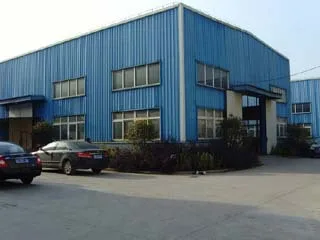
Ningbo Komins Auto Spare Parts Co., Ltd.
- Trading Company
- Zhejiang, China
- Lead time45 days
- Avg. response≤ 6h
Main productsCrown wheel Pinion,King Pin kit,truck parts & accessories,auto transmission systems,auto engine systems
Main marketsSouth America(70.00%), Central America(10.00%), Western Europe(10.00%), North America(10.00%)

GUANGDONG YTSF AUTO SPARE PARTS CO.,LTD
- Trading Company,Manufacturer/Factory,Group Corporation,Other
- China Guangdong
- Lead time23 days
- Avg. response≤ 10h
Main productsAuto Parts, Truck Parts, JAC Spare Parts, HOWO Spare Parts, Foton/Forland Spare Parts, FAW Spare Parts, Styer Spare Parts, Isuzu Spare Parts
Main marketsSouth America,Eastern Europe,Mid East,Southeast Asia,Eastern Asia,Africa


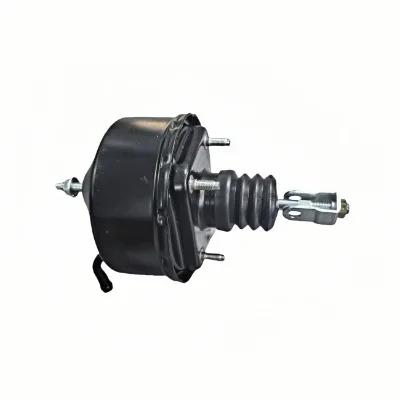
High Quality Truck Part Isuzu Brake Booster
MOQ: 5 Pieces

Wenzhou Ideer Auto Parts Co., Ltd
- Verified by BV
- Manufacturer/Factory
- China Zhejiang
- Lead time38 days
- Avg. response≤ 2h
Main productsDifferential, Steering Gear, Drive Shaft, Propeller Shaft, Brake Caliper, Steering Knuckle, Gearbox, Free Wheel Hub, Carburetor, Distributor
Main marketsSouth America,Eastern Europe,Mid East,North America,Southeast Asia,Eastern Asia,Oceania,Western Europe,Africa

Clutch Booster Brake Booster for Isuzu Nkr Npr 4be1 4he1 4bc2 8-97014566-1
$17.00 - $22.00
MOQ: 50 Pieces

Quanzhou Huahan Construction Machinery Co., Ltd.
- Verified by Intertek
- Trading Company
- Lead time0 days
- Avg. response≤ 6h
Main productsTie Rod Ends, Auto Brake Cylinder
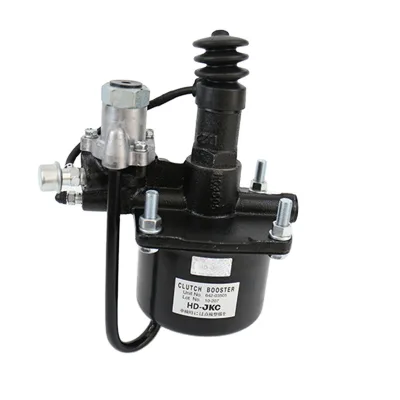
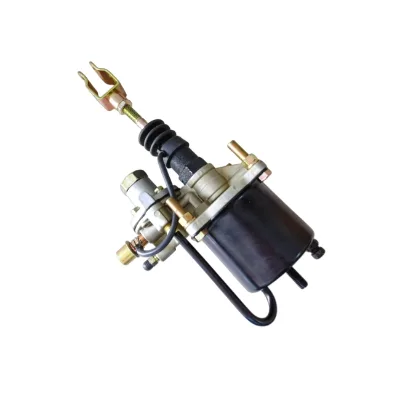
105mm Auto Clutch Booster 642-03505 for ISUZU Truck Clutch Booster Kit Assy on Sale
$20.00 - $25.00
MOQ: 30
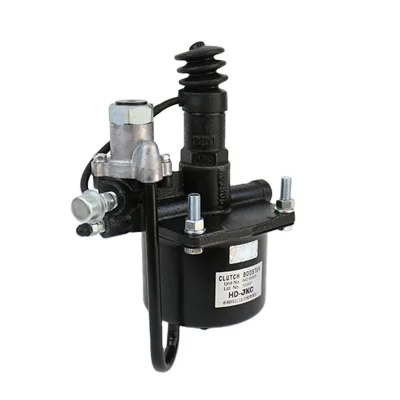
Quanzhou Manufacturer High Quality 105mm Clutch Booster 642-03505 Isuzu Truck Parts
$15.00 - $20.00
MOQ: 2
Guangzhou Jupeng Trade Co., Ltd.
- Verified by TüVRheinland
- Trading Company
- Lead time7 days
- Avg. response≤ 5h
Main productsClutch, Flywheel, Water Pump, Crankshaft, Brake Drum
Main marketsSoutheast Asia(15%), Africa(15%), South America(10%)

Ningbo Eastiger Products Co., Limited
- Verified by TUVRHEINLAND
- Combined
- China Zhejiang
- Lead time30 days
- Avg. response≤ 3h
Main productsTruck Partspropeller Shaft, Front Axle Shaft, Drive Shaft, Wheel Hub, Crankshaft, Steering Rack, Low Arm, Steering Pump, Brake Pad, Brake Disc
Main marketsSouth America,Africa,Southeast Asia/ Mideast,East Asia(Japan/ South Korea),Europe,Australia,North America

Clutch Servo Clutch Booster 90mm 642-03502 Truck Brake Parts for Hino for Isuzu
$8.00 - $15.00
MOQ: 50 Pieces

105mm Auto Clutch Booster 642-03505 for Isuzu Truck Clutch Booster Kit Assy on Sale
$8.00 - $15.00
MOQ: 50 Pieces

High-Quality Clutch Booster Assembly 642-03502 for Truck Spare Parts for Isuzu Hino
$10.00 - $20.00
MOQ: 50 Pieces

Izumi International Supply Chain Management (guangzhou) Co., Ltd.
- Verified by SGS Group
- Trading Company
- Lead time30 days
- Avg. response≤ 2h
Main productsTruck Auto Parts, Engine Parts, Chassis Parts, Body Parts, Excavator Parts
Main marketsSouth America(25%), Africa(15%), North America(10%)
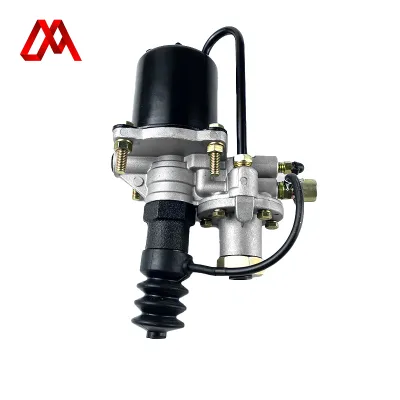
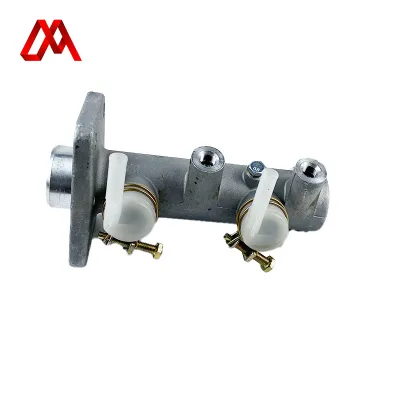
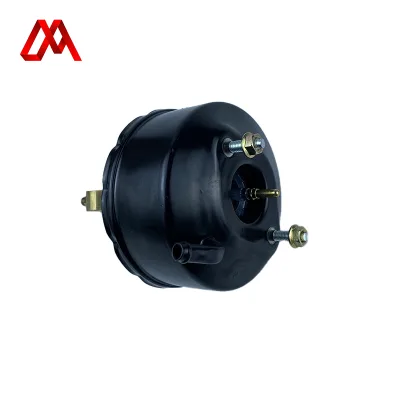
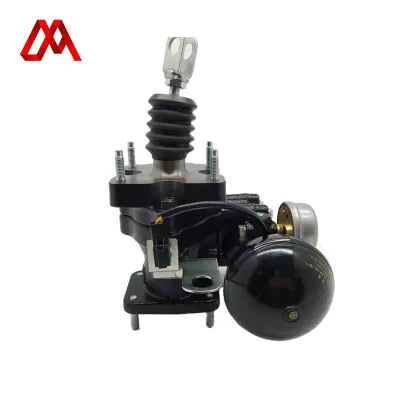
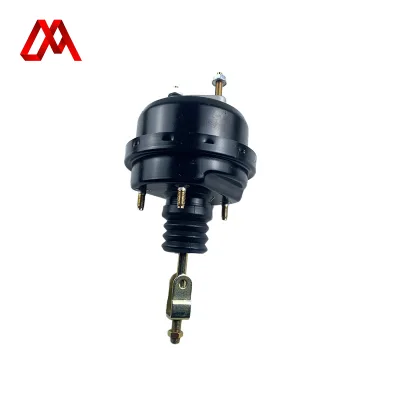
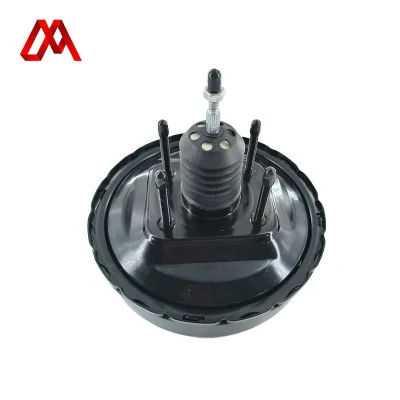
Truck Parts 1318003640 1-31800364-0 Clutch Booster Assembly for ISUZU FVR FTR
$12.88 - $14.09
MOQ: 5 pieces

JINAN GUYUE AUTO PARTS CO., LTD.
- Verified by SGS
- Trading Company
- China Shandong
- Lead time15 days
- Avg. response≤ 7h
Main productsFAW Sinotruck Shacman Beiben Truck Spare Part, Bus Spare Parts, Light Truck Spare Parts, Tyre, Construction Machinery, Fuwa Ror BPW Trailer Spare Parts
Main marketsAfrica,Southeast Asia/ Mideast,North America


Truck Clutch Booster Used for Truck Spare Parts Hino Isuzu Ford Actros Mack Kw
$25.00 - $30.00
MOQ: 5 Pieces


Jinan Licheng Automotive Parts Co., Ltd.
- Combined
- China Shandong
- Lead time15 days
- Avg. response≤ 1h
Main productsClutch Disc, Clutch Cover, Clutch Pressure Plate, Auto Clutch Parts, Trucks Auto Parts, Heavyduty Spare Parts, Automotive Spare Parts, Clutch Auto Parts, Transmission Auto Parts, Transmission Auto Clutch
Main marketsSoutheast Asia/ Mideast,Domestic


Isc546 Clutch Disc Clutch Cover Clutch Kit Clutch Plate for Isuzu Truck Spare Parts
$6.45 - $12.45
MOQ: 10 Pieces


Isc510 Clutch Cover Clutch Plate Clutch Kit for Isuzu Car Auto Accessory
$9.00 - $16.85
MOQ: 50 Pieces
Guangzhou Fenway Auto Parts Co., Ltd.
- Trading Company
- Guangdong, China
- Lead time0 days
- Avg. response≤ 1h
Main productsOil Pump,Water Pump,Timing Chain Kit,Piston,Spark Plug
Main marketsAfrica(30.00%), Mid East(20.00%), South Asia(20.00%), Southeast Asia(20.00%), South America(10.00%)
Guangzhou Banzhu Auto Parts Trade Co., Ltd.
- Manufacturer, Trading Company, Distributor/Wholesaler
- Guangdong, China
- Lead time15 days
- Avg. response≤ 2h
Main productsKING PIN KIT,SPRING PIN,SPRING BOLT,HUB BOLT,ENGINE MOUNTING
Main marketsSoutheast Asia(25.00%), Domestic Market(15.00%), South America(15.00%), Africa(10.00%), South Asia(10.00%), Eastern Asia(5.00%), Mid East(5.00%), Northern Europe(3.00%), Southern Europe(3.00%), Western Europe(3.00%), Eastern Europe(2.00%), North America(2.00%), Central America(2.00%)
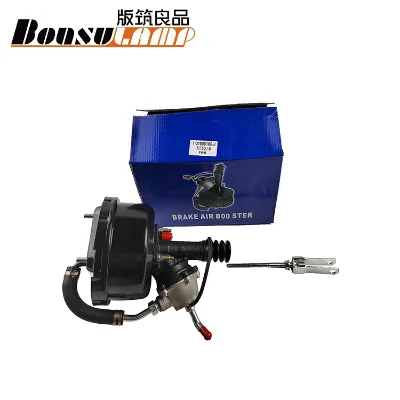
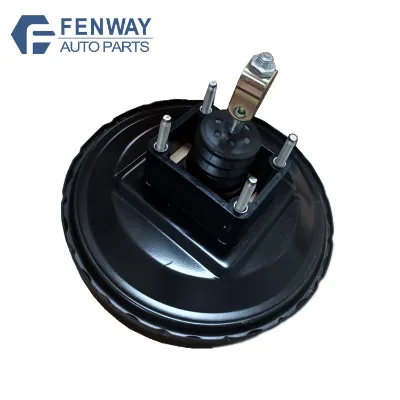
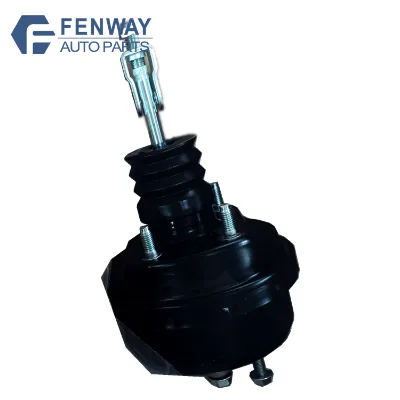
High Quality Tuck Parts Clutch Brake Booster for ISUZU FRR 1-31800160-0 11318001600
$42.21
MOQ: 10 Minimum
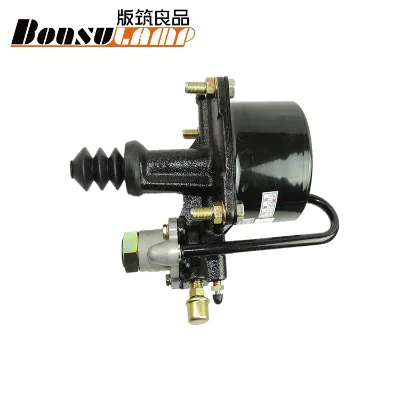
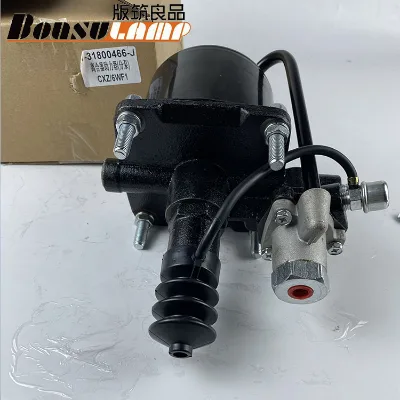
Best Selling for ISUZU Clutch Booster HD-A004 CXZ 6WF1 1-31800466-1 1318004661
$20.00 - $25.00
MOQ: 5 pieces

Ningbo Eastiger Products Co., Limited
- Verified by BV
- Trading Company
- China Zhejiang
- Lead time30 days
- Avg. response≤ 17h
Main productsTruck Parts, Truck Spare Parts, Trailer Parts, Auto Parts, Engine Parts, Loader Parts, Car Parts, Bus Parts
Main marketsSouth America,Southeast Asia/ Mideast,Australia,North America
Quanzhou Carid Engineering Machinery Co., Ltd.
- Verified by TüVRheinland
- Trading Company
- Lead time0 days
- Avg. response≤ 1h
Main productsAll Types Of Heavy Duty Truck Accessories, Engineering Machinery Parts
Main marketsSoutheast Asia(25%), North America(20%), South America(15%)

Guangzhou Lingyue Auto Parts Co., Ltd.
- Verified by TUVRHEINLAND
- Trading Company,Manufacturer/Factory
- China Guangdong
- Lead time15 days
- Avg. response≤ 6h
Main productsJapanese Car Auto Parts, Auto Lamp, Bumper, Auto Parts, Brake Pads, Shock Absorbers, Bearing, Control Arm, Steering Pump, Turbo
Main marketsSouth America,Eastern Europe,Mid East,North America,Southeast Asia,Eastern Asia,Oceania,Western Europe,Africa
Chongqing Fiver Autoparts Co., Ltd.
- Trading Company
- Chongqing, China
- Lead time0 days
- Avg. response≤ 5h
Main productsBrake booster,Hydroboost,vacuum pump,ABS Pump,Master Cylinder
Main marketsNorth America(70.00%), Western Europe(8.00%), Oceania(5.00%), Africa(5.00%), Mid East(5.00%), Eastern Europe(3.00%), Central America(2.00%), South America(2.00%)

Zhejiang Shengxuan Industry Co., Ltd
- Verified by SGS
- Combined
- China Zhejiang
- Lead time30 days
- Avg. response≤ 7h
Main productsAluminum Casting, Aluminum Auto Parts, Aluminum Wheel, Customize Metal Parts
Main marketsAustralia,North America
Guangzhou Dekai Auto Parts Co., Ltd.
- Trading Company
- Guangdong, China
- Lead time0 days
- Avg. response≤ 3h
Main productsISUZU NPR NQR Engine Parts,Brake Parts,Transmission Parts,ssis Parts,Body Parts
Main marketsEastern Europe(80.00%), Mid East(20.00%)

Ruian Dongye Auto Parts Co., Ltd.
- Verified by TUVRHEINLAND
- Trading Company,Manufacturer/Factory,Group Corporation
- China Zhejiang
- Lead time45 days
- Avg. response≤ 9h
Main productsBrake Master Cylinder, Clutch Master Cylinder, Clutch Slave Cylinder, Brake Wheel Cylinder
Main marketsSouth America,Eastern Europe,Mid East,North America,Southeast Asia,Eastern Asia,Oceania,Western Europe,Africa

Auto Parts Clutch Master Cylinder 8971241100 Clutch Master Cylinder for Isuzu
$5.00 - $5.50
MOQ: 300 Pieces


Auto Parts Clutch Master Cylinder 8-97945-438-0 Clutch Master Cylinder for Isuzu
$3.80 - $4.30
MOQ: 300 Pieces


Henan HTD Industrial Co., Ltd.
- Verified by SGS
- Trading Company,Manufacturer/Factory
- China Henan
- Lead time45 days
- Avg. response≤ 8h
Main productsFuel Filter, Oil Filter, Air Filter, Hydraulic Oil Filter, Engine Parts, Diesel Filter, Brake Valve, Brake Disc
Main marketsSouth America,Eastern Europe,Mid East,North America,Southeast Asia,Eastern Asia,Oceania,Western Europe,Africa

AN HUI JI CHENG TRADING CO., LTD.
- Verified by BV
- Trading Company,Manufacturer/Factory
- China Anhui
- Lead time30 days
- Avg. response≤ 8h
Main productsCar Parts, Auto Parts, Engine Parts, Diesel Engine, Truck Parts, Forklift Parts, Diesel Generator, Marine Engine, Generator Spare Parts
Main marketsSouth America,Eastern Europe,Mid East,North America,Southeast Asia,Eastern Asia,Oceania,Western Europe,Africa

Shanghai Spb Industry Co., Ltd.
- Verified by SGS
- Trading Company,Manufacturer/Factory,Group Corporation
- China Shanghai
- Lead time30 days
- Avg. response≤ 3h
Main productsCar Spare Part, Suspension Parts, Ball Joint, Shock Absorber, C. V Joint, Brake Pad, Radiator, Stabilizer Bar, Oil Filter, Steering Rack
Main marketsSouth America,Eastern Europe,Mid East,North America,Southeast Asia,Eastern Asia,Oceania,Western Europe,Africa

Hot Sale Auto Parts Transmission System Clutch Plate 1-31220-158-0 for Isuzu
$20.78 - $45.96
MOQ: 50 Pieces

Durable Clutch Disc for Isuzu OE 8-94320-463-0 8-94339-800-0 8-94460-207-0 8-97083-724-0
$6.78 - $25.99
MOQ: 100 Pieces






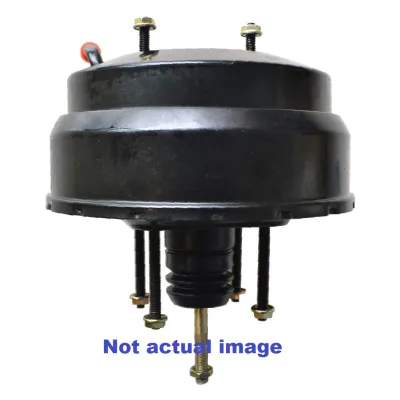
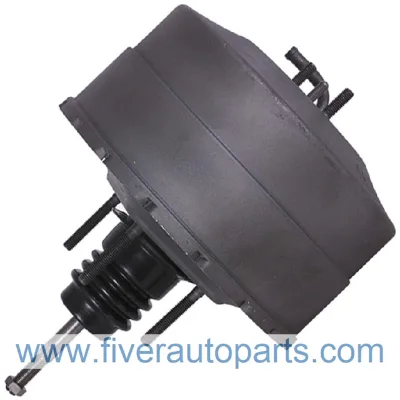
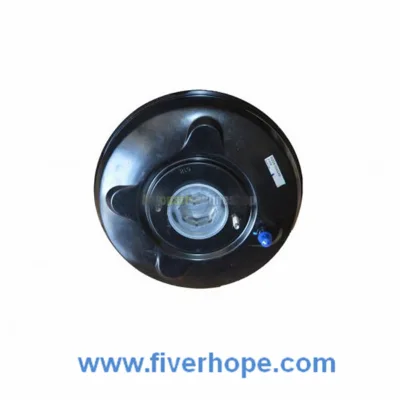
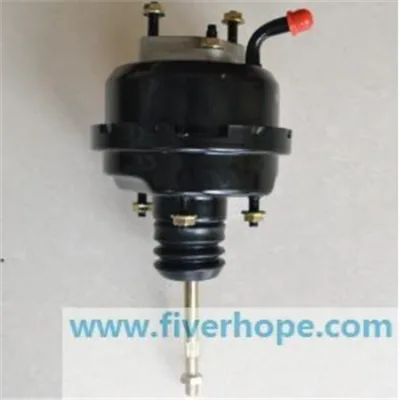




Comprehensive Sourcing Guide
For Isuzu Clutch Booster Supplier Concentration and Factory Types
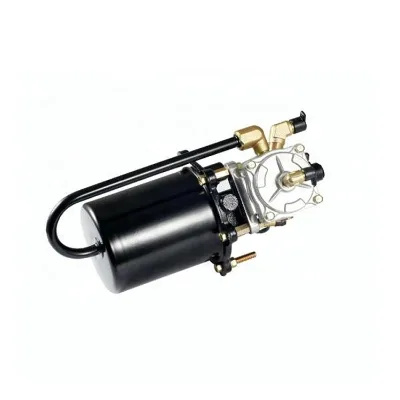
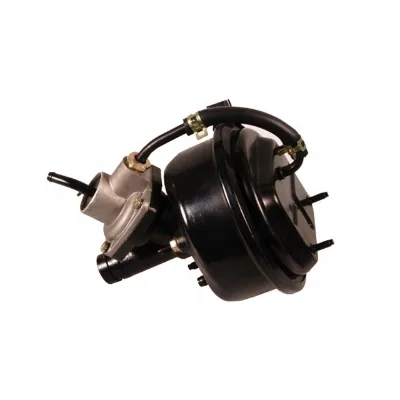
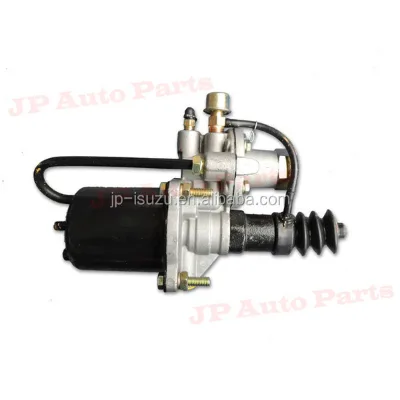
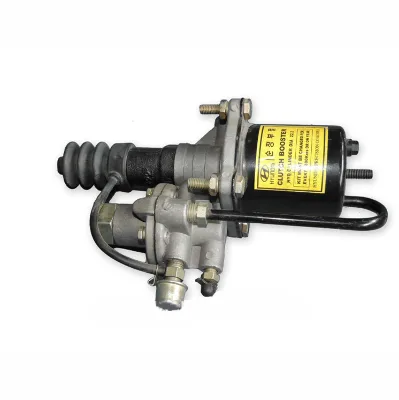
Current data indicates a concentration of suppliers in China, specifically within the Jiangsu, Zhejiang, and Guangdong provinces. These regions host a mix of trading companies and manufacturers capable of producing auto parts, including clutch boosters for Isuzu trucks. Some entities list their primary output as auto engine parts, chassis components, and suspension systems, suggesting a broader manufacturing ecosystem that supports specialized transmission and clutch components. The presence of these diverse product lines in specific provinces allows buyers to locate clusters where supply chains for heavy-duty truck parts are already established.
When evaluating factory types, it is essential to distinguish between pure trading companies and those with direct manufacturing capabilities. The available records show company types ranging from trading firms to group corporations and manufacturers. Some suppliers explicitly state ODM and OEM capacities, indicating they can customize products or produce under their own brand. Others may function primarily as intermediaries. Buyers should verify if a supplier claims to be a manufacturer by checking for specific production lines or factory certifications rather than relying solely on the company type label provided in search results.
How to Verify For Isuzu Clutch Booster Suppliers
Verification begins with checking for recognized third-party certifications and audit reports. Some suppliers in the current results display verification from entities like TUVRHEINLAND, which adds a layer of credibility to their operational claims. Additionally, product-specific attributes often list certifications such as ISO 9001 or ISO 9000, which are critical for ensuring quality management systems are in place. Buyers must confirm that these certifications are current and applicable to the specific clutch booster models being sourced, rather than assuming a general company certification covers all product lines.
Response time and verification status are also key indicators of supplier reliability. The data shows response times varying significantly, with some suppliers responding in under three hours while others take nearly ten hours. A faster response time often correlates with better communication channels and active sales teams. However, buyers should not rely solely on speed; they must cross-reference this with the supplier's verification badge and the depth of their product documentation. Ensuring that the supplier can provide detailed product attributes, such as material composition and classification, is a practical step to validate their expertise before proceeding with any transaction.
What to Compare Across For Isuzu Clutch Booster Suppliers
Comparing suppliers requires a detailed analysis of lead times, minimum order quantities, and pricing structures. Lead times in the observed data range from 15 days to 45 days, with some products specifying delivery windows of 20 to 45 days. Minimum order quantities also vary, with some listings requiring as few as 20 units while others mandate 100 units or more. Buyers must align these constraints with their inventory needs and cash flow, as a lower MOQ might be preferable for testing new markets, whereas higher volumes could secure better unit pricing.
Pricing and customization options are equally critical comparison points. The price range for clutch boosters observed spans from approximately $10 to $50 per unit, depending on the specific model and specifications. Some suppliers offer customization, allowing for specific packing or branding, while others provide neutral packing. Buyers should compare the total cost of ownership, including shipping and potential customs duties, against the base price. Additionally, checking if the supplier accepts specific payment methods like TT or West Union and whether they offer warranty periods, such as one year or six months, helps in making a financially sound decision.
Common For Isuzu Clutch Booster Sourcing Risks
One significant risk involves the discrepancy between claimed product attributes and actual specifications. Some product listings contain inconsistent data, such as mismatched material descriptions or unclear classification details. For instance, a product might be labeled as a hydraulic clutch booster while the attributes list conflicting information about its usage or standard. Buyers must rigorously request physical samples or detailed technical drawings to verify that the product matches the intended application for heavy-duty trucks, ensuring that the material, such as steel, and the classification are accurate.
Another risk is the variability in after-sales support and warranty terms. While some suppliers offer a one-year warranty, others may only provide six months or vague service periods. The data shows that after-sales service can be limited to six months, which might be insufficient for long-term operational needs. Buyers should clarify the scope of the warranty, including what constitutes a defect and the process for claims. Relying on a supplier with a short warranty period without a clear service agreement can lead to significant downtime and additional costs if the clutch booster fails prematurely in the field.
For Isuzu Clutch Booster Regional Sourcing and Logistics
Sourcing from China, particularly from Jiangsu, Zhejiang, and Guangdong, offers access to a robust supply chain for auto parts. These regions are known for their manufacturing capabilities and logistics infrastructure, which can facilitate efficient shipping. However, buyers must account for the specific lead times associated with each location. For example, suppliers in certain provinces may have a lead time of 15 days, while others might require up to 45 days. Understanding these regional differences helps in planning inventory levels and managing customer expectations regarding delivery schedules.
Logistics planning also involves considering the packing standards and shipping methods. The observed data indicates that products are often packed in neutral boxes, cartons, or on pallets, with some suppliers offering customized packing options. Buyers should verify the packing details to ensure the products are protected during transit, especially for heavy-duty truck parts. Additionally, the main market destinations listed, such as South America, North America, and Europe, suggest that suppliers have experience with international shipping. Confirming the supplier's familiarity with export standards and their ability to handle customs documentation is essential for a smooth logistics process.
For Isuzu Clutch Booster Commercial Terms and Order Planning
Commercial terms vary significantly among suppliers, with payment methods including TT and West Union. Buyers must negotiate terms that align with their financial policies and risk tolerance. Some suppliers may require full payment upfront, while others might offer partial payments or escrow services. It is crucial to clarify the payment schedule and any associated fees before placing an order. Additionally, understanding the return policy and the process for handling defective goods is vital for protecting the buyer's investment and ensuring a fair transaction.
Order planning should be based on the specific MOQ and lead time requirements of the chosen supplier. With MOQs ranging from 20 to 100 units, buyers need to calculate the optimal order size to balance inventory costs with the need for sufficient stock. Lead times of 15 to 45 days mean that orders must be placed well in advance to avoid stockouts. Buyers should also consider the customization options available, such as branding or specific packing, and factor these into their production schedule. Careful planning ensures that the supply chain remains efficient and that the business can meet its delivery commitments to end customers.
FAQs
What is the minimum order quantity for Isuzu clutch boosters?
The minimum order quantity varies by supplier and stock status. Some listings require 100 pieces if the item is not in stock, while others accept orders as low as 20 units. Buyers should verify the specific MOQ for their chosen model before placing an order.
How long does delivery take for these auto parts?
Lead times typically range from 15 to 45 days depending on the supplier and product availability. Some manufacturers offer a 15-day turnaround, while others may require up to 45 days for production and shipping. Buyers should confirm the exact delivery schedule with the vendor.
Are these clutch boosters available for heavy duty trucks?
Yes, several products are specifically classified for heavy duty trucks. The materials used are often steel, and the units are designed for hydraulic clutch systems. Buyers can find options suitable for Isuzu trucks with specific part numbers like 642-03505.
What certifications do the suppliers hold for these parts?
Suppliers often hold ISO 9001, ISO 9000, and ISO 14001 certifications. Some listings also mention TÜV Rheinland verification or SGS standards. Buyers should check the specific product attributes to confirm which certifications apply to the exact part they intend to purchase.
Where are the manufacturers of these auto parts located?
Manufacturers are primarily located in China, specifically in Jiangsu, Zhejiang, and Guangdong provinces. These regions host trading companies and factories that produce auto parts and truck accessories. Buyers can filter results by these specific locations to find nearby suppliers.
What is the price range for Isuzu clutch boosters?
Prices generally range from 10 to 50 dollars per unit depending on the model and specifications. Some brake boosters start at 10 dollars, while others may cost up to 50 dollars. The final price often depends on the order quantity and customization requirements.
Do suppliers offer customization for these auto parts?
Yes, customization is available for many of the listed products. Buyers can request specific packing methods or branding options. However, custom orders may affect the minimum order quantity and lead time, so these details should be confirmed directly with the supplier.