For Kia Sephia Ignition Coil Suppliers and Manufacturers
Source 23 verified suppliers for For Kia Sephia Ignition Coil components. Compare lead times, MOQs, certifications, and prices from Zhejiang-based trading companies. Request samples to verify quality before placing bulk orders; review the available evidence before requesting comparable quotations from suitable candidates.
Suppliers List

Wenzhou High and Long Co., Ltd.
- Verified by SGS
- Trading Company
- China Zhejiang
- Lead time30 days
Main productsThrottle Body, Auto Sensors, Idle Control Valve, Ignition Coil, ECU, Fuel Metering
Main marketsSoutheast Asia/ Mideast,Europe,North America


Ignition Coil 27301-04000 2730104000 27301 04000 for KIA Auto Parts Engine Coil
$4.40 - $6.80
MOQ: 10 Pieces


Guangzhou Hengyang Technology Development Co., Ltd.
- Verified by BV
- Manufacturer/Factory
- China Guangdong
- Lead time23 days
Main productsAir Filter, Oil Filter, Spark Plug, Ignition Coil, Oxygen Sensor, Fuel Pump, Fuel Injector, Spark Plug Wire, Fuel Filter, Head Gasket
Main marketsSouth America,Mid East,North America,Southeast Asia,Eastern Asia,Africa

Wenzhou Ao-Jun Auto Parts Co., Ltd.
- Verified by BV
- Trading Company
- China Zhejiang
- Lead time30 days
Main productsSpark Plug, Ignition Coil, Fuel Pump, Tire Pressure Sensor, Window Power Switch, Sensor, Water Pump
Main marketsDomestic


Ignition Coil UF253 50026 for 00-04 KIA Spectra 98-01 KIA Sephia 1.8L L4
$5.00 - $5.20
MOQ: 200 Pieces

Ignition Coil C1181 5c1185 for 00-04 KIA Spectra 98-01 KIA Sephia 1.8L L4
$5.00 - $5.20
MOQ: 200 Pieces


Beijing Xinhan Fengda Trading Co., Ltd.
- Verified by SGS
- Trading Company
- China Beijing
- Lead time15 days
Main marketsSouth America,Australia


27301-3e400 273013e400 High Quality Automotive Parts Ignition Coils for Hyundai KIA
$3.20 - $4.10
MOQ: 20 Pieces

27300-2e601 273002e601 High Quality Automotive Parts Ignition Coils for Hyundai KIA
$7.25 - $7.90
MOQ: 20 Pieces

27301-3cea0 273013cea0 High Quality Automotive Parts Ignition Coils for Hyundai KIA
$3.05 - $4.00
MOQ: 20 Pieces

27301-04110 2730104110 High Quality Automotive Parts Ignition Coils for Hyundai KIA
$7.10 - $7.60
MOQ: 20 Pieces

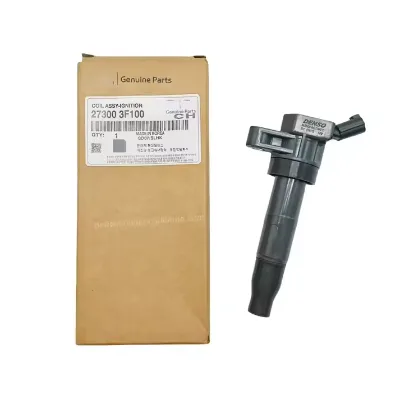
273003f100 27300-3f100high Quality Automotive Parts Ignition Coils for Hyundai KIA
$4.25 - $4.95
MOQ: 20 Pieces

- Manufacturer, Trading Company, Distributor/Wholesaler, Business Service (Transportation, finance, travel, Ads, etc)
- Guangdong, China
- Lead time7 days
- Avg. response≤ 4h
Main productsauto sensor,ignition system,auto switch,cooling system,Engines parts
Main marketsSouth America(20.00%), North America(20.00%), South Asia(10.00%), Mid East(10.00%), Oceania(10.00%), Africa(10.00%), Southeast Asia(10.00%), Eastern Europe(10.00%)

Ningbo Shengxuan Auto Electrical Co., Ltd.
- Verified by SGS
- Combined
- China Zhejiang
- Lead time30 days
Main productsignition coil
Main marketsDomestic

Auto Parts Good Raw Material 27301-03AA0 Engine Ignition Coil for Modern KIA
$5.90 - $7.90
MOQ: 10 Pieces


Premium Auto Parts Engine System KIA Ignition Coil 27300-2e650 Fit for Hyundai Dongfeng KIA
$3.90 - $6.90
MOQ: 10 Pieces

High Quality Ignition Coil OEM 27301-2b140 273012b140 273012b150 27301-2b150 for Hyundai KIA 1.6t
$7.90 - $9.90
MOQ: 10 Pieces

New Ignition Coils Fits Hyundai Xg300 Xg350 KIA Sedona 2730039000, 2730039050
$3.90 - $5.90
MOQ: 10 Pieces

Shanghai Spb Industry Co., Ltd.
- Verified by SGS
- Trading Company,Manufacturer/Factory,Group Corporation
- China Shanghai
- Lead time30 days
Main productsCar Spare Part, Suspension Parts, Ball Joint, Shock Absorber, C. V Joint, Brake Pad, Radiator, Stabilizer Bar, Oil Filter, Steering Rack
Main marketsSouth America,Eastern Europe,Mid East,North America,Southeast Asia,Eastern Asia,Oceania,Western Europe,Africa


Hot Sale Auto Parts Ignition System Ignition Coil 2730102502 for Hyundai KIA
$5.00 - $9.00
MOQ: 100 Pieces


Hebei Daimosi Auto Parts Co., Ltd
- Verified by BV
- Trading Company,Manufacturer/Factory
- China Hebei
- Lead time23 days
Main productsKorean Car Engine, Automobile Fuel Nozzle, Spark Plug, High-Pressure Pump, Ignition Coil, Window Lifter Motor, Engine Tensioner, Thermostat, Sensor, Oxygen Sensor
Main marketsSouth America,Eastern Europe,Mid East,North America,Southeast Asia,Eastern Asia,Oceania,Western Europe,Africa
Guangzhou Junyao Automotive Parts Co., Ltd.
- Verified by Intertek
- Trading Company
- Lead time15 days
- Avg. response≤ 3h
Main productsSpark Plugs, Ignition Coils, Automotive Sensors, Chassis Parts, Filters
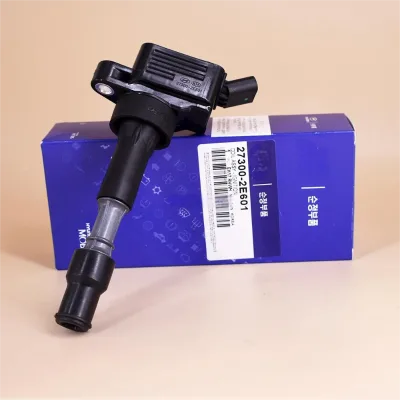
27300-2E650 High Quality Ignition Coil for KIA K4 KAISHen Mistra 1.8L (CF 2012-)
$6.92 - $8.96
MOQ: 10 pieces
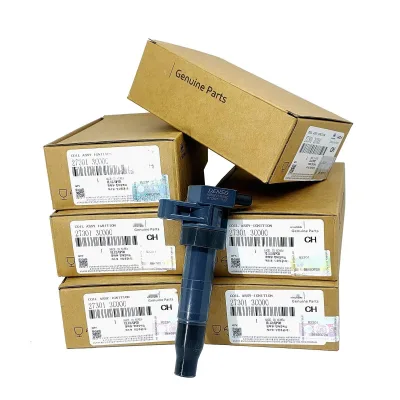
New Condition High Voltage 273013C000 Car Ignition Coil for Kia Jiahua 3.3L and for Hyundai Yuxiang
$6.92 - $8.14
MOQ: 10 pieces
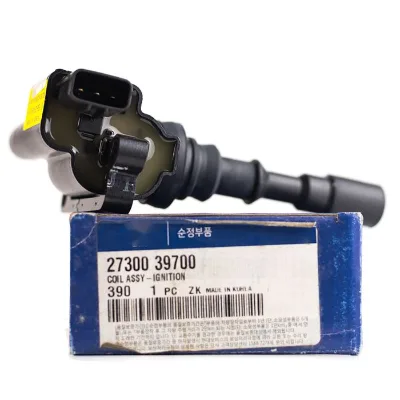
2730039700 High Quality Ignition Coil for Hyundai Kia 3.5 Imported Traka Ophelia UF439
$6.51 - $8.35
MOQ: 10 pieces
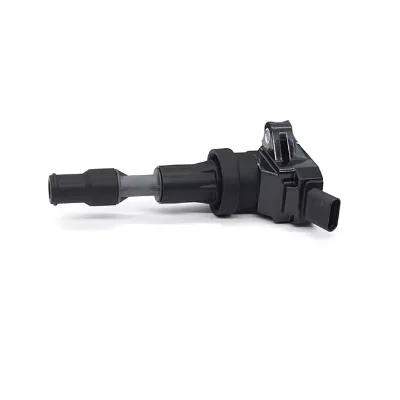
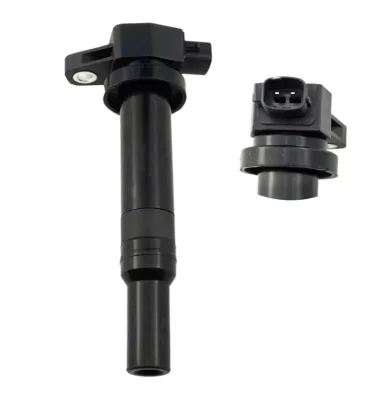
$5.30 - $6.23
MOQ: 25 pieces

Guangzhou Fengming Auto Parts Co., Ltd.
- Verified by SGS
- Trading Company
- China Guangdong
- Lead time15 days
Main productsAuto Part, Spark Plug, Filters, Clock Spring, Water Pump, Timing Chain Kit, Engine Mount, Gasket Kit, Control Arm, Steering Rack
Main marketsSoutheast Asia/ Mideast,Europe,North America

Guangzhou Xin Sande Auto Parts Co., Ltd.
- Verified by TUVRHEINLAND
- Trading Company
- China Guangdong
- Lead time30 days
Main productsCar Part
Main marketsSouth America,Southeast Asia/ Mideast,North America

Shanghai Ru Zhe Auto Parts Trading Co., Ltd.
- Verified by SGS
- Trading Company
- China Shanghai
- Lead time23 days
Main productsIgnition Coil
Main marketsDomestic
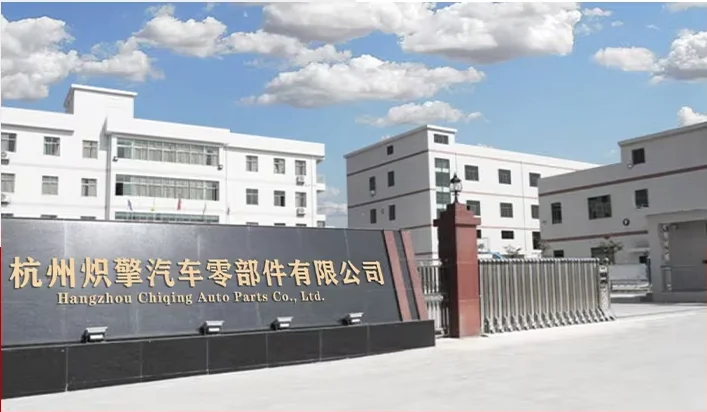
Hangzhou Chiqing Automotive Parts Co., Ltd.
- Trading Company
- Zhejiang, China
- Lead time90 days
- Avg. response≤ 2h
Main productsglow plug,igniter,fuel filter
Main marketsNorth America(30.00%), Eastern Europe(20.00%), Western Europe(10.00%), South America(10.00%), Southern Europe(10.00%), Northern Europe(10.00%), Africa(5.00%), Southeast Asia(5.00%)
Guangzhou Dongchuangyuan Trading Co., Ltd.
- Trading Company, Distributor/Wholesaler
- Guangdong, China
- Lead time0 days
- Avg. response≤ 3h
Main productsAuto Body Systems,Auto Engine Systems,Auto Lighting Systems,Exterior Accessories,Auto Steering Systems
Main marketsNorth America(25.00%), Mid East(15.00%), Oceania(15.00%), Western Europe(15.00%), Northern Europe(5.00%), Eastern Europe(5.00%), Central America(5.00%), Southeast Asia(3.00%), Domestic Market(2.00%), South Asia(2.00%), Southern Europe(2.00%), Eastern Asia(2.00%), Africa(2.00%), South America(2.00%)
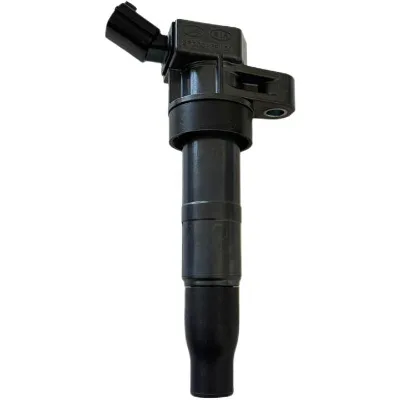
High Performance Ignition Coil for Hyundai/Kia Korean Cars - OEM Replacement OE 27301-2B000
$2.80 - $3.80
MOQ: 10 pieces
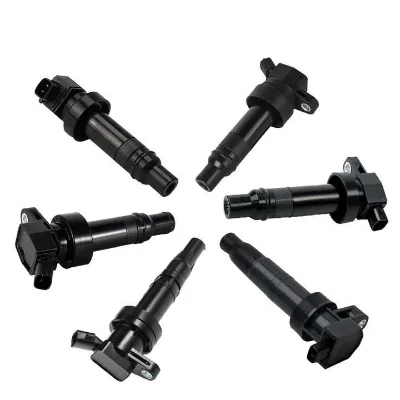
Durable Ignition Coil Compatible with Hyundai Santa Fe/Kia Soul 1.6L-2.4L OE 27301-03200
$2.80 - $3.80
MOQ: 10 pieces
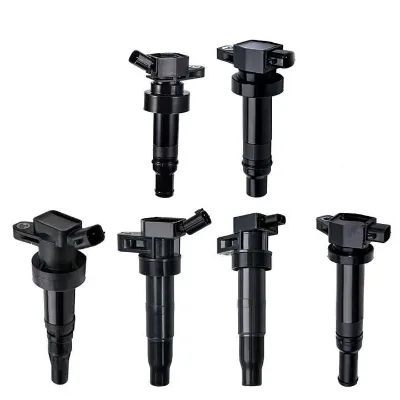
Guangzhou Xinsande Auto Parts Co., Ltd.
- Verified by SGS Group
- Trading Company
- Lead time15 days
- Avg. response≤ 2h
Main productsFuel Pump Assembly, Ignition Coil, Fuel Pump, Engine Mount, Auto Sensor
Main marketsSouth America(35%), Southeast Asia(30%), Africa(20%)

Guangzhou Goson Autopart Co., Ltd
- Verified by BV
- Trading Company
- China Guangdong
- Lead time15 days
Main productsIgnition Coil, Fuel Pump, Oil Nozzle, Fuel Oil Pump Assembly, Computer Board, Oxygen Sensor, Water Temperature Sensor, Idle Speed Motor
Main marketsDomestic

Hot Selling Auto Parts Ignition Coil Fit for Hyundai KIA OEM: 27301-3cea0
$3.40 - $4.50
MOQ: 20 Pieces

Cheap Price Car Accessories Ignition Coil for Hyundai KIA OEM: 27301-03010
$5.70 - $6.70
MOQ: 20 Pieces

China Top Factory Auto Parts Ignition Motor Ignition Coil Fit for Hyundai KIA OEM: 27301-02800
$9.00 - $10.10
MOQ: 20 Pieces


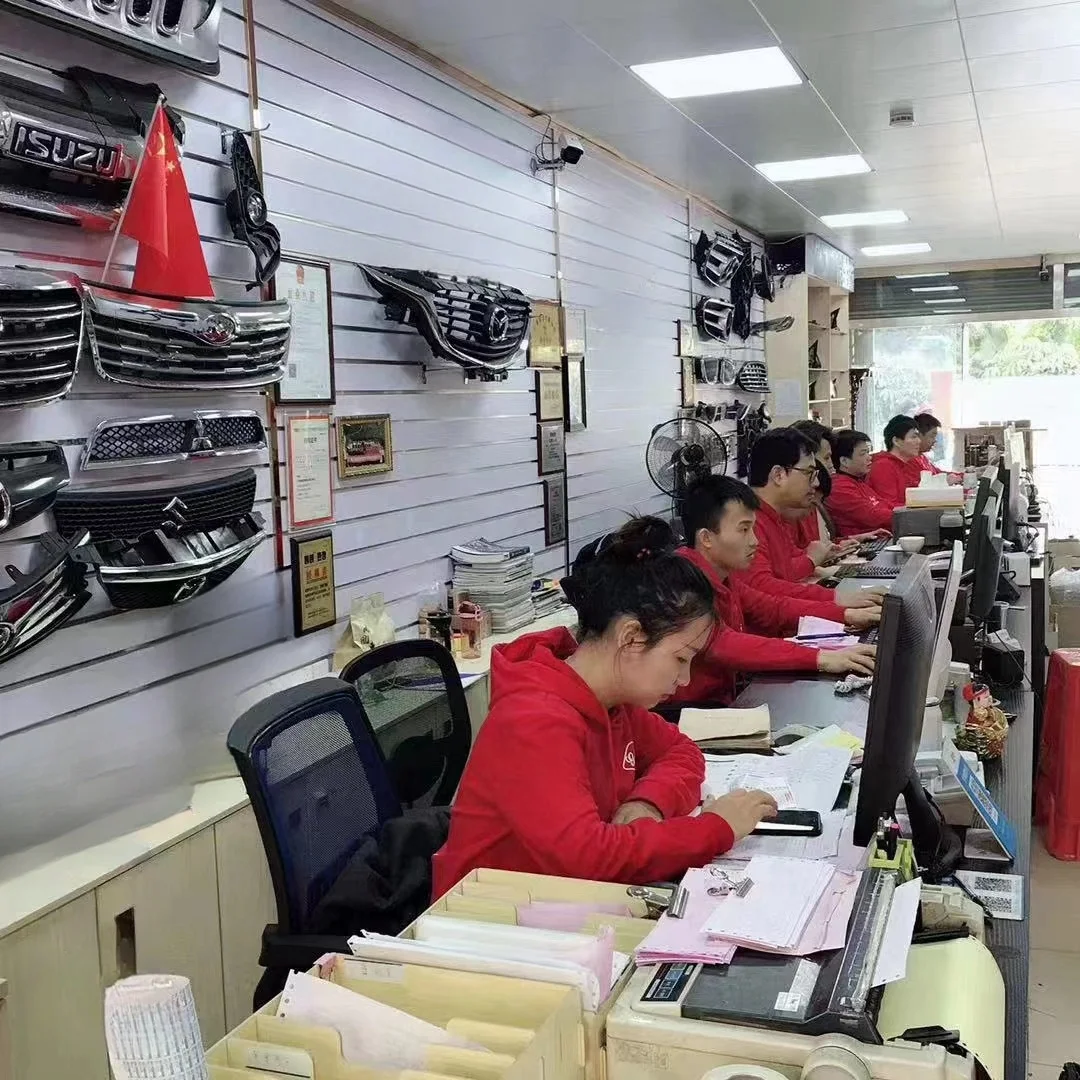
Guangzhou Chongbang Automotive Parts Co., Ltd.
- Trading Company
- Guangdong, China
- Lead time10 days
- Avg. response≤ 4h
Main productsShock Absorber,Car headlight,Car body,Automobile Engine,Control Arm
Main marketsMid East(33.00%), North America(25.00%), Eastern Europe(20.00%), Southeast Asia(15.00%), Africa(7.00%)

Shanghai Zhichen Technology Co., Ltd
- Verified by SGS
- Trading Company
- China Shanghai
- Lead time15 days
Main productsIgnition Coil, Auto Sensors, Hub Unit, Power Steering Pump, Fuel Injector Nozzle, Control Valve, Ignition Wire, Paper Sauce Cups
Main marketsSouth America,Africa,Europe
Shandong Best Auto Trade Co., Ltd.
- Trading Company
- Shandong, China
- Lead time7 days
- Avg. response≤ 12h
Main productsEngine parts,Timing chain set,Automotive chassis accessories,Automotive sensors,Automotive exterior components
Main marketsSouth Asia(20.00%), Central America(20.00%), Mid East(20.00%), Southeast Asia(20.00%), North America(20.00%)
Feidun Technology (guangzhou) Co., Ltd.
- Manufacturer, Trading Company, Distributor/Wholesaler
- Guangdong Province, China
- Lead time0 days
- Avg. response≤ 1h
Main productsBrake disc,Brake pads,Brake caliper,Brake line,Brake Sensor
Main marketsDomestic Market(70.00%), Eastern Europe(20.00%), Southeast Asia(10.00%)
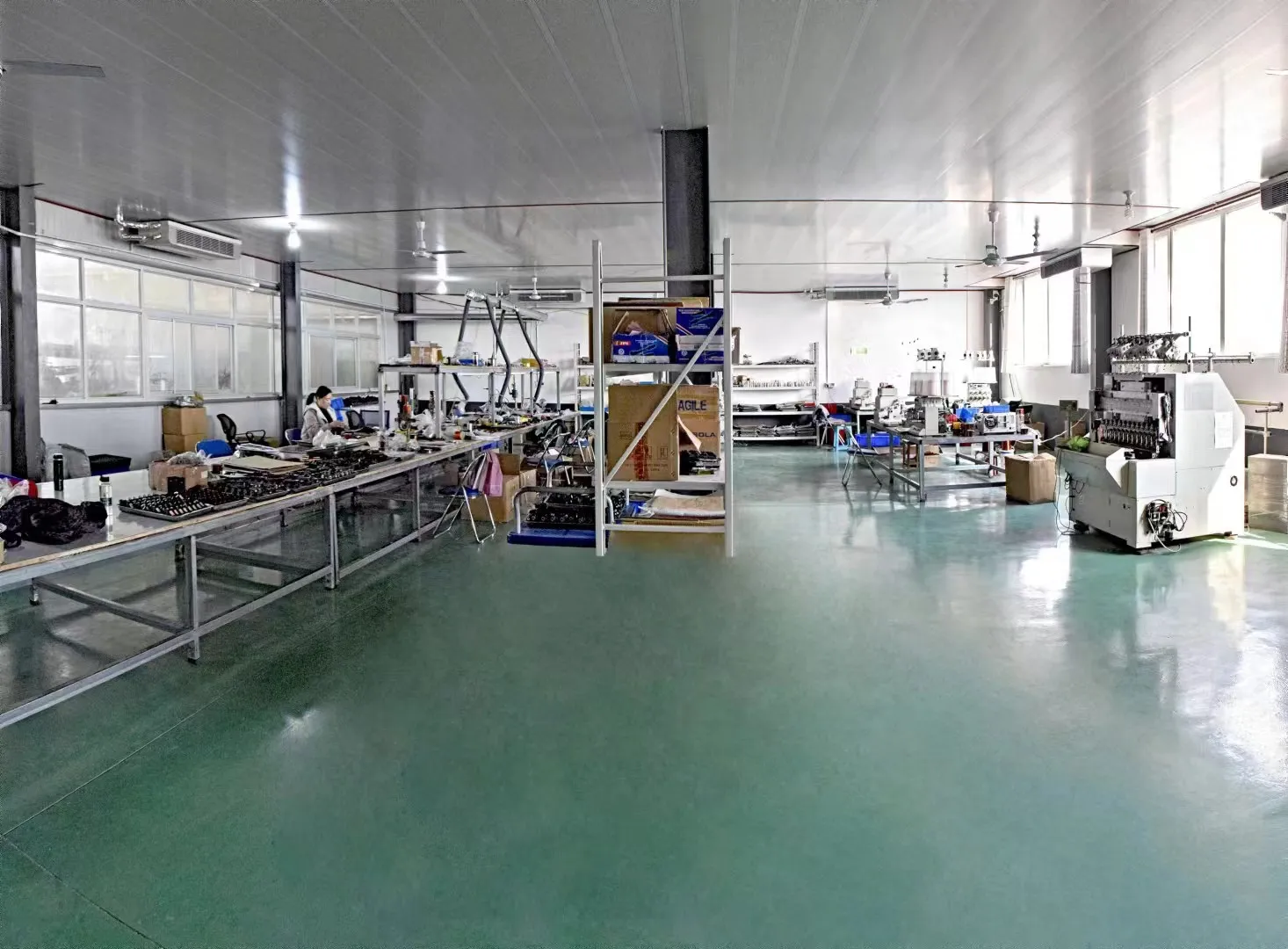
Hainan Rsxf Industrial Development Co., Ltd.
- Manufacturer, Trading Company
- Hainan, China
- Lead time0 days
- Avg. response≤ 6h
Main productsengine overhaul parts,Transmission Overhaul parts,Chassis parts,Auto Body parts,engine parts
Main marketsAfrica(30.00%), South America(20.00%), South Asia(10.00%), Eastern Asia(10.00%), Mid East(10.00%), North America(10.00%), Southeast Asia(10.00%)

Quanzhou Fanghua Import Export Co., Ltd.
- Verified by BV
- Trading Company
- China Fujian
- Lead time30 days
Main productsBrake Pad, Brake Shoe, Starter, Alternator, ABS Wheel Speed Sensor, Brake Pad Sensor, Brake Pads Wire, Auto Brake Shoes, Auto Brake Pads, ABS Sensor
Main marketsSouth America,Africa,Southeast Asia/ Mideast,Europe,North America
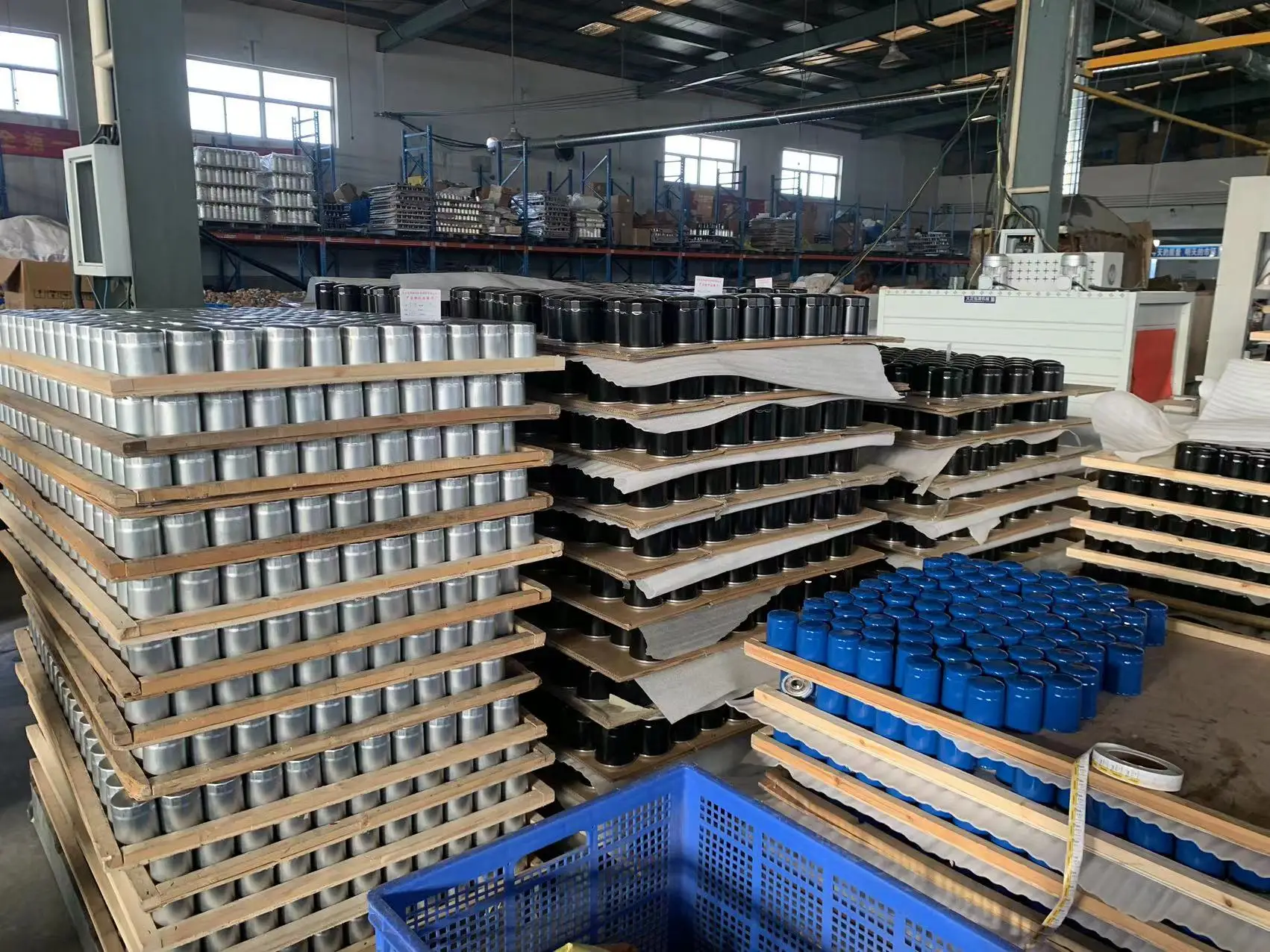
Anqing Miles Auto Parts Co., Ltd
- Manufacturer, Trading Company
- Anhui, China
- Lead time30 days
- Avg. response≤ 2h
Main productsOil filter,Fuel filter,Air conditioning filter,The air filter,Spark plug
Main marketsSoutheast Asia(30.00%), Mid East(30.00%), Eastern Europe(10.00%)








Comprehensive Sourcing Guide
For Kia Sephia Ignition Coil Supplier Concentration and Factory Types
The current supplier landscape for ignition coils compatible with Kia Sephia models shows a distinct concentration in the Zhejiang province of China. This region hosts a mix of trading companies and manufacturers specializing in automotive engine systems, including throttle bodies, sensors, and ignition coils. The available data indicates that many suppliers operating in this cluster are classified as trading companies rather than direct factories, which influences their inventory depth and sourcing capabilities. Buyers should expect to find a high density of vendors in this specific geographic area when searching for parts like the 273013C000 or 27301-03HA0 variants.
When evaluating the factory types within this cluster, it is crucial to distinguish between pure trading entities and those with direct manufacturing oversight. The observed supplier profiles often list main products such as ignition coils, ECUs, and fuel metering systems, suggesting a broad catalog approach typical of trading firms. While some suppliers may have direct factory ties, the primary classification in the current results points to intermediaries who aggregate products from various production lines. Buyers must verify if the listed trading company has actual production control or if they are simply reselling goods from third-party manufacturers to ensure quality consistency for specific Kia models.
How to Verify For Kia Sephia Ignition Coil Suppliers
Verification of suppliers offering ignition coils for Kia Sephia requires a rigorous check of their stated credentials and third-party audit results. The current data highlights that some suppliers hold SGS verification status, which serves as a baseline indicator of operational legitimacy. However, buyers should not rely solely on this single badge but must cross-reference it with specific product certifications like TSISO9001 and CE, which appear in the attributes of several listed ignition coil products. These certifications suggest adherence to international quality management standards, but their validity must be confirmed through direct documentation requests from the supplier.
Beyond general company verification, buyers must scrutinize the specific product attributes linked to each supplier to ensure they match the required vehicle specifications. The available product evidence shows attributes such as "OE Quality," "100% Tested," and specific OEM numbers like 2730137150, which are critical for compatibility. A supplier claiming to provide parts for the Kia Sephia should be able to provide test reports or quality assurance documents that explicitly reference these OEM numbers and the specific component type, such as the Distributorless Ignition System. Without these specific product-level verifications, the general company verification is insufficient to guarantee that the supplied ignition coils will function correctly in the target vehicle.
What to Compare Across For Kia Sephia Ignition Coil Suppliers
Comparing suppliers requires a detailed analysis of key operational dimensions such as lead times, minimum order quantities, and pricing structures. The observed data reveals significant variation in delivery windows, with some listings indicating a lead time of 30 days while others specify 7-10 working days or 7-15 days for specific models. Buyers must carefully align these timelines with their inventory needs, as a discrepancy between a 30-day general lead time and a 7-day product-specific delivery window can impact supply chain planning. Additionally, the Minimum Order Quantity (MOQ) varies, with some suppliers offering single-item purchases while others require a minimum of 10 pieces, directly affecting the cost-efficiency of small-scale orders.
Pricing and service attributes also differ markedly across the supplier pool, necessitating a side-by-side comparison of total landed costs. The price range for ignition coils spans from approximately $3.60 to $25.00 per unit, depending on the specific model and OEM number, such as the 273013C000 versus the 27301-3E100. Buyers should compare not only the unit price but also the associated service terms, such as the availability of samples, customization options, and warranty periods like the one-year guarantee seen in some listings. Evaluating these factors together allows for a more accurate assessment of value, ensuring that the lowest unit price does not come at the expense of higher shipping costs or restrictive order terms.
Common For Kia Sephia Ignition Coil Sourcing Risks
One primary risk in sourcing ignition coils for Kia Sephia involves the potential mismatch between product specifications and vehicle requirements. The market contains various OEM numbers, including 273013C000, 27301-3E100, and 27301-04000, which may not be universally interchangeable across all Kia Sephia model years. A supplier might list a coil as compatible with "KIA" generally, but without explicit confirmation of the specific engine type or model year, there is a risk of receiving a part that does not fit or function correctly. Buyers must verify the exact application details, such as the "for Hyundai Tucson" or "for Hyundai Santa Fe" labels, to ensure they are not purchasing parts intended for different vehicle platforms.
Another significant risk relates to the reliability of the supply chain and the consistency of product quality over time. While some listings mention "100% Tested" and "OE Quality," these claims are not uniformly backed by visible third-party test reports in the current data. The reliance on trading companies can introduce variability in quality control, as the supplier may not have direct oversight of the manufacturing process. Furthermore, the variation in delivery times, ranging from 7 to 30 days, suggests potential logistical bottlenecks that could delay critical repairs. Buyers should mitigate this by requesting detailed quality assurance protocols and confirming the supplier's ability to maintain consistent stock levels for specific OEM numbers.
For Kia Sephia Ignition Coil Regional Sourcing and Logistics
The regional sourcing landscape for these components is heavily centered in Zhejiang, China, which dictates the primary logistics routes and shipping methods available to buyers. Most observed products originate from this province, meaning that international shipping will typically involve sea freight, air freight, or express courier services like DHL, UPS, TNT, and FedEx. The choice of shipping method will significantly impact both the cost and the speed of delivery, with express options offering faster transit times but higher costs, while sea freight is more economical for larger volumes but requires longer lead times. Buyers must factor these logistics variables into their overall procurement strategy to ensure timely receipt of parts.
Logistics planning also requires attention to packaging standards and customs documentation to prevent delays at borders. The product attributes indicate that packaging can be either neutral or customized, with some suppliers offering "Neutral Packing" while others provide "Color Box" or "Customized Carton" options. For international buyers, it is essential to confirm that the packaging meets export standards and includes necessary labeling for customs clearance. Additionally, the availability of multiple shipping modes, including railway and express, provides flexibility, but buyers should verify the specific shipping capabilities of their chosen supplier to ensure they can meet their delivery deadlines without incurring unexpected surcharges or delays.
For Kia Sephia Ignition Coil Commercial Terms and Order Planning
Commercial terms for ignition coil orders vary significantly regarding payment methods, sample availability, and customization policies. The current data shows that payment options often include T/T and Western Union, though specific terms like deposit percentages or letter of credit requirements are not universally defined in the product listings. Buyers should clarify these payment structures before placing an order to avoid cash flow issues or disputes. Furthermore, the availability of samples is a critical factor for order planning, with some suppliers explicitly stating "Sample: Accept" or "Sample: Available," allowing buyers to validate product quality before committing to a larger purchase volume.
Order planning must also account for the specific customization and warranty terms offered by each supplier. While many listings indicate that customization is available, the extent of this service, such as branding or specific packaging requirements, needs to be confirmed. The warranty terms, such as the "1 Year" guarantee seen in several product attributes, provide a safety net but should be clearly understood in terms of claim procedures and coverage scope. Additionally, the MOQ of 10 pieces for some products versus single-item availability for others influences the economic viability of the order. Buyers should align their order size with these constraints to optimize costs while ensuring they have sufficient stock to meet their operational needs.
FAQs
What is the minimum order quantity for ignition coils?
The minimum order quantity varies by product listing, with some suppliers accepting single items while others require ten pieces. Buyers should check specific product pages to confirm the exact MOQ before placing an order for bulk purchases.
Where are these ignition coils manufactured?
The ignition coils are manufactured in Zhejiang, China. This location is consistently listed as the place of origin for the various auto parts and engine components available from the current supplier results on the platform.
How long does delivery take for these parts?
Delivery times typically range from seven to thirty working days depending on the specific product and shipping method selected. Some listings indicate a standard delivery window of seven to ten working days for express shipping options.
What certifications do the ignition coils hold?
Many of the available ignition coils carry TSISO9001 and CE certifications. These quality standards ensure the components meet specific industry requirements for safety and performance when used in vehicles like Kia and Hyundai models.
What is the price range for these ignition coils?
Prices for ignition coils generally range from three dollars to twenty-five dollars per unit based on the specific model and supplier. The cost varies significantly depending on the OEM number and the quantity ordered by the buyer.
Are customization options available for these parts?
Customization is available for many of the ignition coil listings. Buyers can request specific packaging or modifications, though the standard products are designed to replace existing parts in various vehicle models without requiring extensive changes.
What is the warranty period for these coils?
A one-year guarantee is commonly offered for the ignition coils listed in the search results. This warranty covers defects and ensures the product meets the stated OE quality standards for reliable engine performance.