For Kia Hyundai Engine Crankshaft Suppliers and Manufacturers
Explore 21 verified options for For Kia Hyundai Engine Crankshaft with details on location, lead times, certifications, and response times. Compare specifications like material and warranty before contacting suppliers directly; review the available evidence before requesting comparable quotations from suitable candidates.
Suppliers List

Ruich Value (Shenyang) Tech Co., Ltd.
- Trading Company
- China Liaoning
- Lead time120 days
- Avg. response≤ 10h
Main productsCrankshaft, Turbocharger, Camshaft, Cylinder Head, LED Headlight, Brake, Piston and Rod, Liner, Cylinder Block
Main marketsEurope,Australia


Preminue Quality Diesel Engine Part D4bb Crankshaft for Hyundai Engine Crank Shaft
$20.00 - $100.00
Moq: 1

Guiyang Baiyun Alloy Casting Factory
- Verified by BV
- Combined
- China Guizhou
- Lead time15 days
- Avg. response≤ 6h
Main productsCrankshaft
Main marketsSouth America,Africa,Southeast Asia/ Mideast,East Asia(Japan/ South Korea),Europe,Australia,North America


G4ka / G4kd / 4b11 2.0L Crankshaft Use for Hyundai KIA IX35 Sonata 23111-25000
$121.00 - $146.00
Moq: 1

Beijing Funch Autoparts Co., Ltd.
- Trading Company
- China Beijing
- Lead time23 days
- Avg. response≤ 24h
Main productsWheel Bearing, Wheel Hub Bearing, Cylinder Head, Wheel Hub, Wheel Bearing Kit, Turbocharger, Gearbox/ Autotransmission, Chery Parts, Automotive Clips, Engine Parts
Main marketsSouth America,Europe,North America
Beijing Jiapin Ruitong Auto Parts Co., Ltd.
- Trading Company
- Beijing, China
- Lead time25 days
- Avg. response≤ 4h
Main productsHYUNDAI and kia auto parts,GENESIS auto parts,Korean auto parts,Ssangyong auto parts,Engine assembly and overhaul parts
Main marketsAfrica(8.0%), Southeast Asia(8.0%), Northern Europe(5.0%), Western Europe(5.0%), North America(5.0%), Mid East(5.0%), Domestic Market(3.0%), South America(3.0%), Eastern Asia(3.0%), Eastern Europe(3.0%), South Asia(2.0%), Central America(2.0%), Oceania(2.0%), Southern Europe(1.0%)
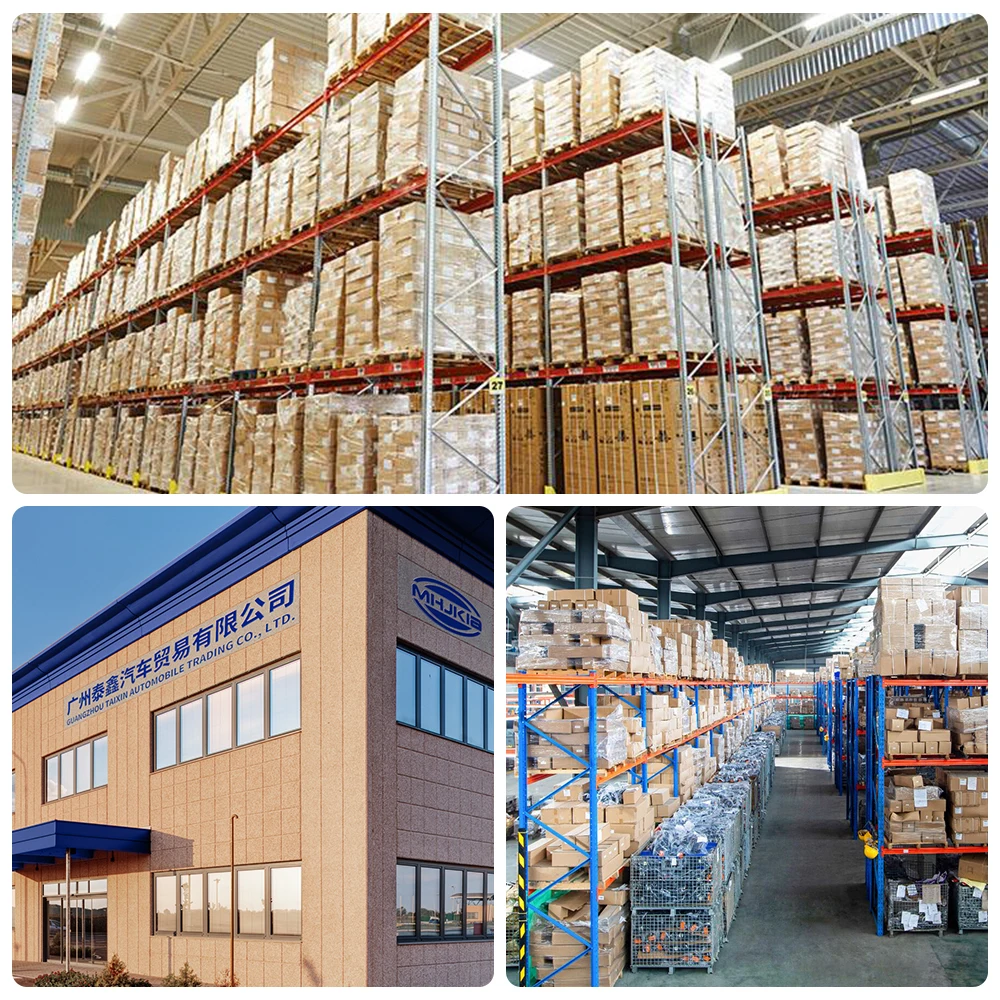
Guangzhou Taixin Automobile Trading Co., Ltd.
- Manufacturer, Trading Company
- Guangdong, China
- Lead time30 days
- Avg. response≤ 2h
Main productsEngine parts,Engine Assemblysystem,Chassis parts,Shock absorber,body part
Main marketsMid East(20.0%), Eastern Europe(15.0%), North America(10.0%), South America(10.0%), Domestic Market(10.0%), Southeast Asia(7.000000000000001%), Central America(7.000000000000001%), Eastern Asia(5.0%), Southern Europe(3.0%), Northern Europe(3.0%), Africa(3.0%), Oceania(3.0%), South Asia(2.0%), Western Europe(2.0%)
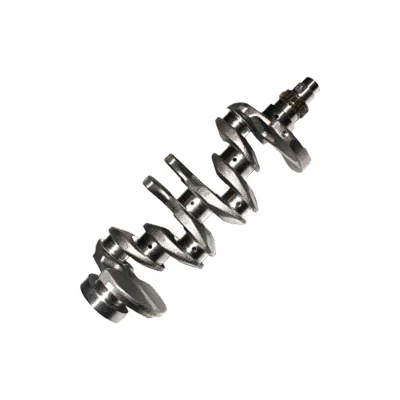
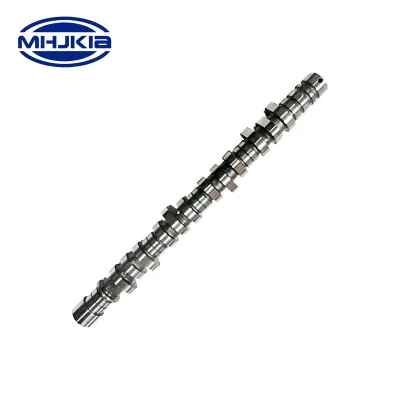
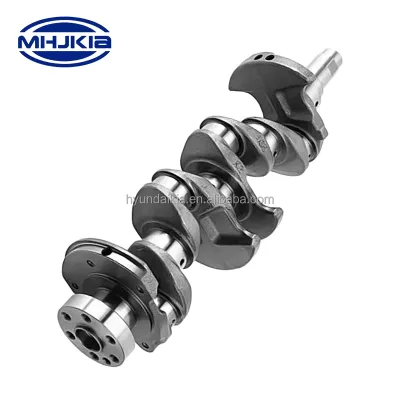
MHJKIA 24100-22012 Auto Engine Crankshaft for HYUNDAI GETZT ACCENT LANTRA/ELANTRA
$45.00 - $60.00
Moq: 5

Wenzhou Rech Auto Parts Co., Ltd.
- Verified by TUVRHEINLAND
- Manufacturer/Factory
- China Zhejiang
- Lead time38 days
- Avg. response≤ 18h
Main productsCylinder Head, Cylinder Block, EGR Valve, Turbocharger, Crankshaft, TPMS, Camshaft, Water Pump
Main marketsSouth America,Eastern Europe,Mid East,North America,Southeast Asia,Eastern Asia,Oceania,Western Europe,Africa

Shanghai Spb Industry Co., Ltd.
- Verified by SGS
- Trading Company,Manufacturer/Factory,Group Corporation
- China Shanghai
- Lead time30 days
- Avg. response≤ 4h
Main productsCar Spare Part, Suspension Parts, Ball Joint, Shock Absorber, C. V Joint, Brake Pad, Radiator, Stabilizer Bar, Oil Filter, Steering Rack
Main marketsSouth America,Eastern Europe,Mid East,North America,Southeast Asia,Eastern Asia,Oceania,Western Europe,Africa


Factory Price Hot Sale Engine Parts Crankshaft for Hyundai KIA OEM 23110-02521
$50.00 - $80.00
Moq: 10


OEM 23110-02710 Factory Price Hot Sale Engine Parts Crankshaft for Hyundai KIA
$50.00 - $80.00
Moq: 10

Factory Price Hot Sale Engine Parts Crankshaft OEM 23110-4A000 for Hyundai KIA
$50.00 - $80.00
Moq: 10

Shanghai Spb Industry Co., Ltd.
- Verified by SGS
- Trading Company
- China Shanghai
- Lead time30 days
- Avg. response≤ 5h
Main productsShock Absorber, Ball Joint, C. V Joint, Car Filters, Clutch Disc, Radiator, Brake Pad, Ignition Coil, Cylinder Head, Water Pump
Main marketsSouth America,Africa,Southeast Asia/ Mideast,Europe,North America

Ningbo Bortoon Auto Parts Co., Ltd.
- Verified by SGS
- Manufacturer/Factory
- China Zhejiang
- Lead time45 days
- Avg. response≤ 3h
Main productsCrankshaft, Cylinder Gasket, Crankshaft Connecting Rod, Engine, Camshaft, Sprocket Camshaft, Cylinder Head, Gear Wheel, Auto Parts, Crankshaft Bearing
Main marketsEastern Europe,Mid East,North America,Southeast Asia,Eastern Asia,Oceania,Western Europe,Africa


Crankshaft of Hyundai/KIA G4kc G4ke 2.4L Engine OE 23111-2g200/ Auto Parts / Factory
$43.00 - $60.00
Moq: 1

The Crankshaft of Hyundai/KIA G4ee Engine OE 23111-26400/ Auto Parts / Factory Price
$30.00 - $40.00
Moq: 1

The Crankshaft of Hyundai/KIA G4he Engine OE 23111-02723/ Auto Parts / Factory Price
$30.00 - $40.00
Moq: 1
Guangdong Chundao Electric Control Technology Co., Ltd.
- Verified by Intertek
- Manufacturer, Trading Company
- Lead time20 days
- Avg. response≤ 6h
Main productsCam Phaser, Automatic Transmission Solenoid Valve, Transmission Solenoid Block Pack, Oil Pressure Control Valve, Diesel Injector Harness Wiring
Main marketsNorth America(40%), Northern Europe(15%), South Asia(15%)
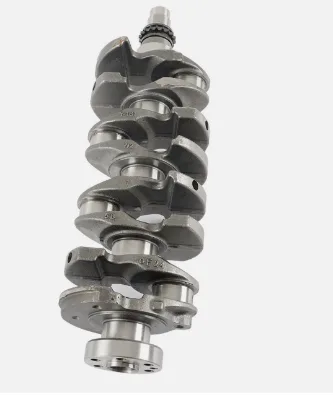
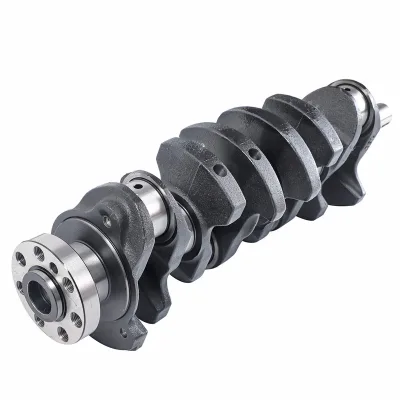
23111-2G200 Engine Crankshaft Kit 23111-2G200 for Hyundai Sonata Kia Sportage 2.4L
$55.00 - $80.00
Moq: 20

Hebei Daimosi Auto Parts Co., Ltd
- Verified by BV
- Trading Company,Manufacturer/Factory
- China Hebei
- Lead time23 days
- Avg. response≤ 15h
Main productsKorean Car Engine, Automobile Fuel Nozzle, Spark Plug, High-Pressure Pump, Ignition Coil, Window Lifter Motor, Engine Tensioner, Thermostat, Sensor, Oxygen Sensor
Main marketsSouth America,Eastern Europe,Mid East,North America,Southeast Asia,Eastern Asia,Oceania,Western Europe,Africa
Shanghai Changshun Import & Export Company Limited.
- Verified by Intertek
- Manufacturer, Trading Company
- Lead time30 days
- Avg. response≤ 4h
Main productsAuto Switches, Vehicle Keys, Auto Motor, Automobiles Electric Power Steering Systems, Auto Plastic Products
Main marketsMid East(45%), South America(20%), Eastern Europe(15%)

Beijing Zhongxin Sihai International Trade Co., Ltd.
- Trading Company
- Beijing, China
- Lead time15 days
- Avg. response≤ 3h
Main productsEngine parts,Chassis fitting,Air conditioning system accessories,Outer fitting,Cooling system accessories
Main marketsDomestic Market(40.0%), Mid East(30.0%), Southeast Asia(20.0%), Africa(10.0%)

Yantai Wistar Automobile Parts Co., Ltd
- Verified by SGS
- Trading Company
- China Shandong
- Lead time23 days
- Avg. response≤ 8h
Main productsEngine, Auto Parts, Engine Parts, Cylinder Block, Cylinder Head
Main marketsNorth America

Jiangmen Letus Auto Parts Co., Ltd
- Trading Company,Manufacturer/Factory
- China Guangdong
- Lead time15 days
- Avg. response≤ 15h
Main productsTransmission Gearbox, Crankshaft, Differential Assembly, Gear/Shaft, Cylinder Head, Oil Pan, Valve Cover, Synchronizer, Synchronizer Ring
Main marketsSouth America,Mid East,Southeast Asia,Eastern Asia,Africa

Shijiazhuang Xuantao Import and Export Trade Co., Ltd.
- Verified by BV
- Trading Company
- China Hebei
- Lead time15 days
- Avg. response≤ 11h
Main productsEngine Assembly, Short Block, Cylinder Head, Valve Cover, Oil Pan, Crankshaft, Camshaft, Valve, Piston and Ring
Main marketsSouth America,Africa,Southeast Asia/ Mideast,East Asia(Japan/ South Korea),Europe,Australia,North America


Engine Crankshaft 23110-23710 G4gc 2.0L for Hyun-Dai KIA Trago Tucson Sonata 2.0L
$40.00 - $45.00
Moq: 1

High Quality Crankshaft for Hyundai G4hc 1.1L OE 23111-02812 2311102812 2311102860
$45.00 - $65.00
Moq: 1
Guangzhou Gezan Sensor Co., Ltd.
- Verified by SGS Group
- Trading Company
- Lead time5 days
- Avg. response≤ 2h
Main productsFuel Injectors, Engine Part , Auto Sensor, Starter Motor and Alternator, Air Conditioner Compressor
Main marketsSouth America(30%), Domestic Market(20%), Central America(10%)

Beijing Xinhan Fengda Trading Co., Ltd.
- Verified by SGS
- Trading Company
- China Beijing
- Lead time15 days
- Avg. response≤ 3h
Main marketsSouth America,Australia

Henan Star Auto Engine Co., Ltd
- Verified by SGS
- Trading Company
- China Henan
- Lead time15 days
- Avg. response≤ 2h
Main productsstarautoengine
Main marketsDomestic
Shenyang Hitop Machinery Equipment Co., Ltd.
- Verified by Intertek
- Manufacturer, Trading Company
- Lead time30 days
- Avg. response≤ 4h
Main productsAuto Spare Parts, Construction Machine Parts, Mining Parts, Hydraulic Rock Drill, Customized Parts
Main marketsSouth America(35%), Southeast Asia(20%), Mid East(20%)
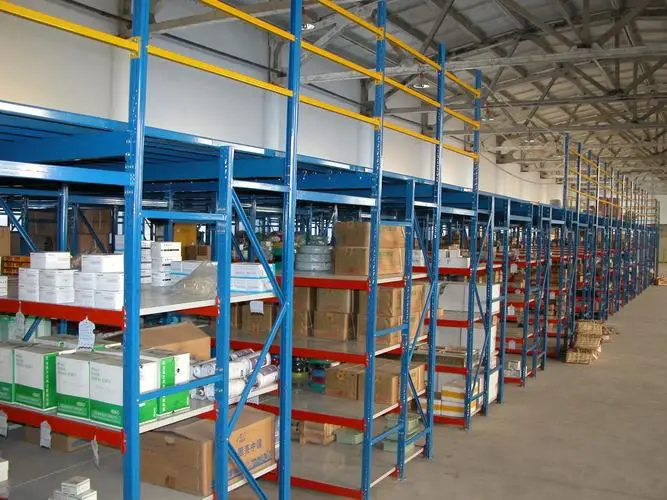
Xianghe Huobuquan Trading Co., Ltd.
- Trading Company
- Hebei, China
- Lead time40 days
- Avg. response≤ 3h
Main productsEngine Accessories, Chassis Accessories, Exterior Parts Of Whole Car, Whole Vehicle Electrical Components
Main marketsMid East(50.0%), Africa(30.0%), Southeast Asia(20.0%)








Comprehensive Sourcing Guide
For Kia Hyundai Engine Crankshaft Supplier Concentration and Factory Types
The current supplier landscape for Kia and Hyundai engine crankshafts reveals a distinct concentration of manufacturing and trading entities within specific Chinese provinces. Data indicates that suppliers are located in regions such as Liaoning and Guizhou, suggesting that buyers should prioritize sourcing from these established industrial clusters to ensure access to mature supply chains. These geographic concentrations often correlate with specialized infrastructure for automotive parts manufacturing, including machining centers and testing facilities that are essential for producing high-precision engine components. By focusing on suppliers from these verified locations, buyers can reduce logistical friction and benefit from the localized expertise that has developed around engine replacement parts over many years.
In terms of company structure, the market features a mix of trading companies and combined manufacturing entities. Trading companies often serve as intermediaries that aggregate products from various factories, offering a broader catalog that may include crankshafts, turbochargers, camshafts, and other engine systems. Conversely, combined suppliers may possess direct manufacturing capabilities, allowing for greater control over production quality and customization. Understanding this distinction is crucial for buyers, as trading companies might offer faster access to diverse SKUs, while combined suppliers could provide more direct communication regarding technical specifications and production timelines. This structural diversity allows buyers to select partners based on whether they prioritize product variety or direct manufacturing oversight.
How to Verify For Kia Hyundai Engine Crankshaft Suppliers
Verification is a critical step in ensuring the reliability of suppliers offering crankshafts for Kia and Hyundai engines. Buyers should prioritize suppliers who display third-party verification badges, such as BV (Bureau Veritas), which indicates that an independent agency has audited the company’s business operations. Additionally, checking for system certifications like ISO9001:2015 is essential, as these standards demonstrate a commitment to quality management systems that are vital for consistent engine part production. These certifications are not merely decorative; they provide a framework for traceability and quality control that can significantly reduce the risk of receiving defective or non-compliant components. Buyers should actively look for these credentials in the supplier’s profile to gauge their operational maturity.
Beyond certifications, buyers should assess the supplier’s response time and product testing protocols. A rapid response time, such as those observed in the range of 5.96 to 9.28 hours, often indicates a responsive sales team that can address technical queries and order issues promptly. Furthermore, verifying that suppliers perform 100% testing before shipment is a key indicator of quality assurance. This practice ensures that each crankshaft meets the required specifications for dimensions, balance, and material integrity before it leaves the factory. Buyers should request evidence of these testing procedures or ask for detailed quality control reports to confirm that the supplier adheres to rigorous standards. This due diligence helps mitigate the risk of receiving parts that may fail prematurely in the field.
What to Compare Across For Kia Hyundai Engine Crankshaft Suppliers
When evaluating multiple suppliers, buyers must compare key operational metrics such as lead times, minimum order quantities (MOQ), and pricing structures. Lead times can vary significantly, with some suppliers offering delivery within 15 days, while others may require up to 120 days or provide a range of 3 to 45 days depending on the specific model and production schedule. Understanding these variations is crucial for inventory planning and meeting customer demand. Additionally, MOQs can be as low as one unit, which is beneficial for small-scale buyers or those testing new markets, while larger orders may benefit from economies of scale. Comparing these factors helps buyers identify suppliers that align with their specific volume requirements and delivery expectations.
Pricing and product specifications are also critical comparison points. Prices for crankshafts can range from approximately $20 to over $170, depending on the engine model, material, and certification level. For instance, crankshafts for diesel engines like the D4DA or 2KD may have different price points compared to those for gasoline engines like the G4kc. Buyers should also compare material specifications, such as forged steel versus cast iron, and warranty terms, which are commonly offered at 12 months. Additionally, customization availability and packaging options, such as neutral packaging or wooden boxes, should be evaluated to ensure they meet the buyer’s logistical and branding needs. A comprehensive comparison of these attributes ensures that buyers select the most cost-effective and suitable supplier for their specific application.
Common For Kia Hyundai Engine Crankshaft Sourcing Risks
One of the primary risks in sourcing crankshafts is the potential mismatch between product specifications and the actual engine requirements. Crankshafts are highly specific to engine models, with variations in stroke, journal diameter, and length. For example, a crankshaft for a G4kc engine has a stroke of 97mm and a main journal diameter of 52mm, while a D4fe engine crankshaft has a stroke of 85.6mm and a main journal diameter of 48mm. Buyers must carefully verify these technical details to avoid ordering incompatible parts. Misidentification can lead to significant financial losses and delays, as incorrect parts cannot be easily adapted to different engines. Therefore, cross-referencing OE numbers and engine codes with supplier specifications is essential to mitigate this risk.
Another risk is the variability in quality and certification compliance. While some suppliers claim certifications like RoHS, ISO, or CE, buyers must verify the authenticity and scope of these certifications. Not all suppliers may have the same level of quality control, and some may not perform the promised 100% testing before shipment. Additionally, the material quality, such as the difference between forged steel and cast iron, can impact the durability and performance of the crankshaft. Buyers should be cautious of suppliers who do not provide detailed material specifications or testing reports. Ensuring that the supplier adheres to strict quality standards and provides transparent information about their manufacturing processes is crucial to avoiding substandard products that could fail in the field.
For Kia Hyundai Engine Crankshaft Regional Sourcing and Logistics
Sourcing from specific regions in China, such as Liaoning and Guizhou, can offer logistical advantages due to the concentration of related industries and infrastructure. Suppliers in these areas may have established relationships with local logistics providers, potentially leading to more efficient shipping and handling of heavy automotive parts like crankshafts. The weight of these components, which can range from 18kg to 25kg per unit, makes packaging and shipping costs a significant factor in the overall procurement strategy. Buyers should consider the packaging options provided by suppliers, such as carton boxes, wooden boxes, or neutral packaging, as these can impact both protection during transit and storage efficiency.
Logistics planning should also account for the delivery lead times offered by suppliers in different regions. Some suppliers may have faster turnaround times due to their proximity to major ports or manufacturing hubs, while others may have longer lead times due to production schedules or inventory levels. Buyers should coordinate with suppliers to understand their shipping methods and estimated transit times to ensure that orders arrive when needed. Additionally, considering the origin of the products, which is often listed as China, buyers should be aware of any import regulations or tariffs that may apply in their destination country. Proper logistics planning can help minimize delays and ensure a smooth supply chain from factory to end-user.
For Kia Hyundai Engine Crankshaft Commercial Terms and Order Planning
Commercial terms, including warranty and customization options, play a vital role in the procurement process. Most suppliers offer a 12-month warranty, which provides a safety net for buyers in case of defects or failures. Buyers should clearly understand the terms of this warranty, including what is covered and the process for claiming it. Additionally, customization availability is a key feature for many suppliers, allowing buyers to request specific packaging, labeling, or minor design modifications. This flexibility can be particularly useful for buyers who need to align products with their brand identity or specific customer requirements. Understanding these commercial terms helps buyers negotiate better deals and manage post-sale expectations.
Order planning should also consider the scalability of the supplier’s production capacity. Suppliers with ODM, OEM, and own brand capabilities may be better equipped to handle large or complex orders. Buyers should assess the supplier’s ability to meet their volume requirements and maintain consistent quality over time. Establishing a clear communication channel with the supplier is essential for managing orders, tracking production progress, and addressing any issues that may arise. By carefully planning orders and selecting suppliers with robust commercial terms and production capabilities, buyers can build a reliable and efficient supply chain for Kia and Hyundai engine crankshafts. This strategic approach minimizes risks and maximizes the value of the procurement process.
FAQs
What is the delivery lead time for crankshaft orders?
Delivery lead times vary by supplier and product specifications. Some listings indicate a range of 3 to 45 days for specific models like D4DA. Other suppliers offer faster turnaround times of 15 days for certain stock items. Buyers should confirm the exact timeline for their specific engine model before placing an order.
What certifications do these crankshaft suppliers hold?
Many suppliers provide products certified under ISO standards, with some specifically listing RoHS compliance for diesel engines. One verified supplier holds an ISO9001:2015 certificate. Additional certifications like CE may apply to specific gasoline engine models. Buyers must verify the exact certification status for their required engine type.
What is the minimum order quantity for these parts?
The minimum order quantity is typically set at one unit for many crankshaft listings. This allows buyers to source single replacement parts without bulk commitments. However, specific bulk pricing or custom orders might have different thresholds. Always check the product details page for the exact MOQ applicable to your selected model.
Which engine models are compatible with these crankshafts?
These parts are compatible with various Hyundai and Kia engines including D4DA, D4BB, D4FE, and D4CB. Some listings also support Toyota engines like 2KD. Applications extend to cars, trucks, tractors, and excavators. Verify the specific engine code and model number to ensure a precise fit for your vehicle.
What is the price range for these crankshaft components?
Prices for these crankshafts generally range from 20 to 171 US dollars depending on the model and specifications. Basic aftermarket parts start around 20 dollars, while specific models like D4FE can cost up to 171 dollars. The final price depends on the engine type, material, and supplier location.
Where are these crankshaft suppliers located?
Suppliers offering these crankshafts are primarily located in China, specifically in Liaoning and Guizhou provinces. Products originate from these regions with varying lead times based on the specific factory location. Buyers should confirm the exact shipping origin to estimate transit times accurately for their destination.
What warranty is provided for these engine parts?
Most suppliers offer a standard warranty period of 12 months for their crankshaft products. This warranty covers defects in material and workmanship for the specified engine models. Some listings also mention a 100% test before shipment quality assurance. Buyers should review the specific warranty terms for their selected supplier.