Front Bumper Bracket Support Suppliers and Manufacturers
Source 25 verified Front Bumper Bracket Support options from China-based manufacturers and trading companies. Compare key dimensions including lead times, MOQs, certifications, and response rates to identify suitable partners. Review product specifications and request quotes directly to streamline your procurement process.
Suppliers List
Ningbo Mecoo Trading Co., Ltd.
- Verified by TUVRHEINLAND
- Manufacturer
- China Zhejiang
- Lead time23 days
- Avg. response≤ 8h


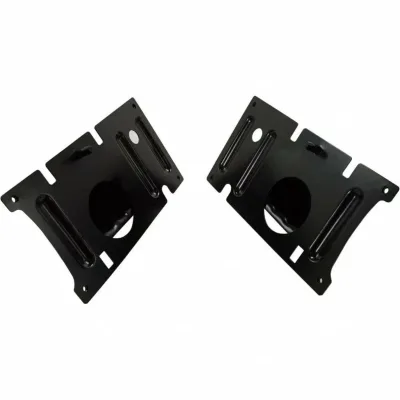
L Durable Rear Wheel Arch Right Front Section Bracket for Automotive Fender Support
$54.00
MOQ: 100 Pieces


Qingdao Merid Machinery Co., Ltd
- Verified by CTI
- Combined
- China Shandong
- Lead time15 days
- Avg. response≤ 3h
Main productsMachining Part, Sheet Metal Fabrication, Mounting Bracket, Precast Lifting Parts, Metal Hardware, CNC Maching Part, Stamping Parts, Welding Parts, CNC Maching Parts
Main marketsDomestic,Europe,Australia,North America
Changzhou Huirui Car Industry Co., Ltd.
- Verified by TüVRheinland
- Manufacturer, Trading Company
- Lead time45 days
- Avg. response≤ 3h
Main productsAuto Parts
Main marketsNorth America(45%), Mid East(15%), Domestic Market(10%)

Ningbo Sitongda Precision Technology Co., Ltd
- Verified by SGS
- Manufacturer/Factory
- China Zhejiang
- Lead time0 days
- Avg. response≤ 25h


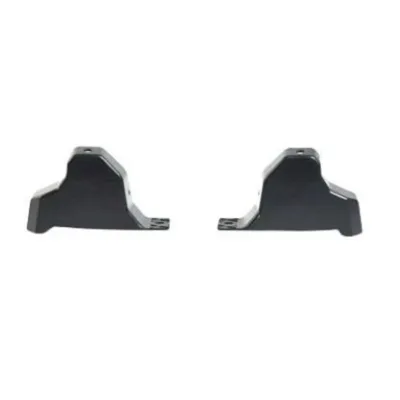
Durable Automotive Bracket for Suspension and Chassis Component Support
$3.90 - $4.50
MOQ: 1000 Pieces


HEBEI GIONLEE MACHINERY EQUIPMENT SALES CO., LTD.
- Verified by BV
- Trading Company
- China Hebei
- Lead time30 days
- Avg. response≤ 1h
Main productsMetal Welding Parts, Metal Stamping Part, Sheet Metal Fabrication, Deep Drawn Parts, CNC Machining Part, Ready Made Fasteners, Plastic Parts, Rubber Parts, Parking Heater, Machine
Main marketsSouth America,Southeast Asia/ Mideast,East Asia(Japan/ South Korea),Europe,North America

Rizhao Fenghua Scaffoldings Co., Ltd.
- Verified by BV
- Combined
- China Shandong
- Lead time45 days
- Avg. response≤ 14h
Main productsScaffolding, Scaffold, Forging, Formwork, Scaffold Couplers, Swivel Coupler, Frame System, Hand Tools, Scaffold Plank
Main marketsSouth America,East Asia(Japan/ South Korea),Europe,North America

Milesun Rubber & Plastic Technology Co., Ltd.
- Verified by CTI
- Manufacturer/Factory
- China Guangdong
- Lead time23 days
- Avg. response≤ 11h
Main productsRubber Components, Rubber Damper/Shock Absorber/Sheet, Rubber-Metal Components, Sealing Ring, Home Appliance Rubber and Metal Components, Power Tool Rubber and Metal Components, Auto Rubber and Metal Components, Sanitary Rubber and Metal Components, Kitchen Ware / Daily Use Rubber Products, Food Grade Rubber Products/Toy
Main marketsSouth America,Eastern Europe,Mid East,North America,Southeast Asia,Eastern Asia,Oceania,Western Europe,Africa


Front Suspension Mounting Bracket (Engine Support Rubber)
Contact supplier

Left Suspension Mounting Bracket (engine support rubber)
Contact supplier
Lianzhong Automotive Technology (Shandong) Co., Ltd.
- Verified by SGS
- Trading Company
- China Shandong
- Lead time15 days
- Avg. response≤ 6h
Main productsDump Truck, Tractor Truck, Special Truck, Semi-Trailer, Construction Machinery
Main marketsSouth America,Africa
Shijiazhuang JING CI Trading Co., Ltd.
- Verified by BV
- Trading Company
- China Hebei
- Lead time15 days
- Avg. response≤ 8h
Main productstube making machine
Main marketsEast Asia(Japan/ South Korea),North America

Changzhou Yanjiang Xinye Vehicle Parts Factory
- Combined
- China Jiangsu
- Lead time15 days
- Avg. response≤ 14h
Main productsAuto Lamp, Auto Bumper, Grille, Car Lamp, Car Headlight, Head Lamp, Corner Lamp, Rear Lamp, Car Bumper, Auto Headlight
Main marketsSouth America,Africa,Southeast Asia/ Mideast,Domestic,North America
Benzhibao (guangzhou) Automotive Parts Co., Ltd.
- Manufacturer, Trading Company, Distributor/Wholesaler
- Guangdong, China
- Lead time0 days
- Avg. response≤ 5h
Main productsbody parts,brake parts,engine parts,suspension parts,steering systems
Main marketsDomestic Market(50.0%), Southeast Asia(11.0%), Africa(9.0%), North America(8.0%), Northern Europe(5.5%), South Asia(5.0%), Eastern Asia(4.5%), Central America(3.0%), South America(2.0%), Mid East(1.0%), Eastern Europe(0.7%)
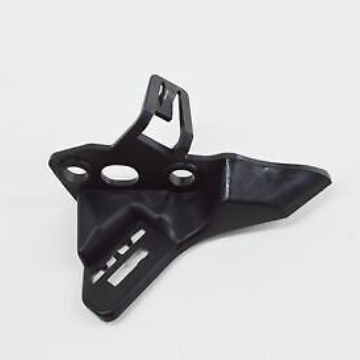
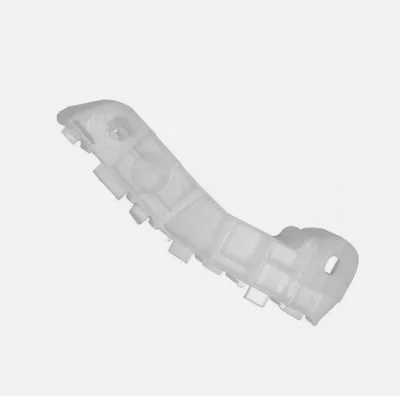
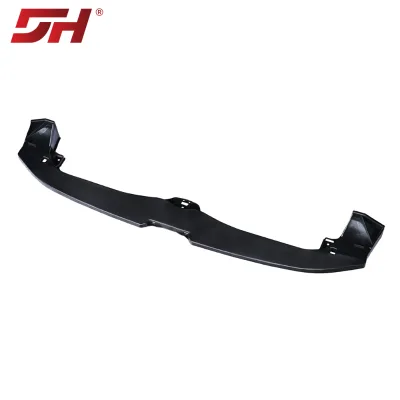
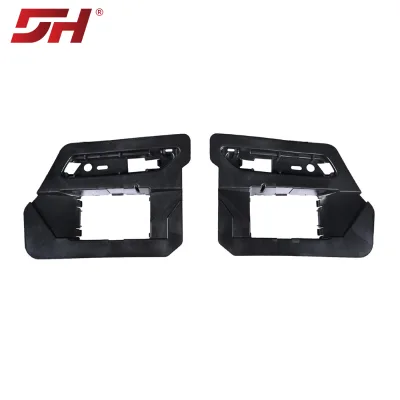
Front Bumper Bracket T2H4002 Plastic New
$0.50 - $1.90
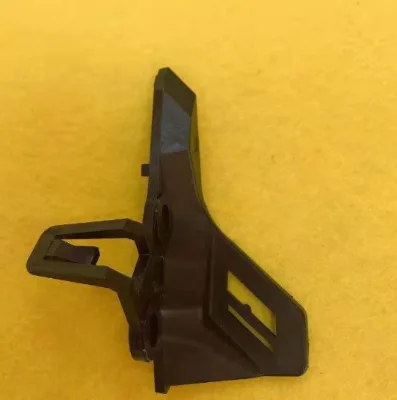
Front Bumper Bracket (Right) T4N5794
$0.50 - $1.80

Hangzhou Huajida Auto Parts Co., Ltd.
- Trading Company
- China Zhejiang
- Lead time15 days
- Avg. response≤ 20h
Main productsJAC Truck Spare Part
Main marketsSouth America,Africa,Southeast Asia/ Mideast,Europe


Car Bumper Bracket for Foton1049/1046/1039 Spare Parts
Contact supplier
Wenzhou Espeed Industry & Trade Co., Ltd.
- Trading Company
- Zhejiang, China
- Lead time0 days
- Avg. response≤ 10h
Main productsAuto Sensor,Engine Parts,Electrical Parts,Cooling System,Auto Switch
Main marketsSouth America(40.0%), Eastern Europe(25.0%), North America(20.0%), Western Europe(5.0%), Southeast Asia(5.0%), Africa(2.0%), Southern Europe(1.0%), Mid East(1.0%), South Asia(1.0%)

Ningbo TM International Trade Co., Ltd
- Trading Company,Manufacturer/Factory
- China Zhejiang
- Lead time30 days
- Avg. response≤ 7h
Main productsHead Lamp, Fog Lamp, Bumper, Fog Lamp Cover, Brake Cylinder, Clutch Cylinder, Grille, Ignition Switch, Gas Spring, Tail Lamp
Main marketsSouth America,Eastern Europe,Western Europe,Africa

Auto Spare Part Rear Bumper Side Bracket for ED8b-17A882-a/ED8b-17A881-a
$1.00 - $100.00
MOQ: 100 Pieces

Car Parts Front Bumper Bracket (SMALL) for 19edge Kk7b-17D958-a/Kk7b-17D959-a
$1.00 - $100.00
MOQ: 100 Pieces

Car Parts Front Bumper Bracket (SMALL) R/L for Gn15-17ab69ad/Gn15-17ab70ad
$1.00 - $100.00
MOQ: 100 Pieces

Auto Accessory Front Bumper Bracket (SMALL) for 15edge Fk7b-17D958-959-a
$1.00 - $100.00
MOQ: 100 Pieces

Car Accessories Front Bumper Bracket R/L for Fb5z-17e814-a/Fb5z-17e814-B
$1.00 - $100.00
MOQ: 100 Pieces
Chengdu Xinkairui Trading Co., Ltd.
- Verified by TUVRHEINLAND
- Trading Company
- China Sichuan
- Lead time15 days
- Avg. response≤ 9h
Main productsParts for Toyota, Parts for Geely, Byd Auto Parts, Auto Parts Lining, Bumper Bracket, Headlight
Main marketsSoutheast Asia/ Mideast

Standard Fitting Rear Bumper Fastening Bracket 52158-08030 2020-2024 Model
$3.48 - $3.98
MOQ: 20 Pieces

Guangzhou Qihang Automobile Technology Co., Ltd.
- Manufacturer, Buying Office, Distributor/Wholesaler
- Guangdong, China
- Lead time15 days
- Avg. response≤ 2h
Main productsBody Kit,Car Bumper,Car Spoiler,Car Carbon Fiber Product,Carbon Fiber Mirror Cover
Main marketsNorth America(13.0%), Western Europe(12.0%), Mid East(12.0%), Northern Europe(11.0%), Eastern Europe(8.0%), Southeast Asia(8.0%), South Asia(7.000000000000001%), Eastern Asia(7.000000000000001%), Africa(5.0%), Central America(5.0%), Southern Europe(4.0%), Oceania(3.0%), South America(3.0%), Domestic Market(2.0%)

- Trading Company
- China Beijing
- Lead time23 days
- Avg. response≤ 5h
Main productsOil Filter, Air Filter
Main marketsSoutheast Asia/ Mideast
Yangzhou Boom New Energy Electric Vehicle Technology Co., Ltd.
- Trading Company
- Jiangsu, China
- Lead time0 days
- Avg. response≤ 11h
Main productsgolf cart,Lithium battery,Parts and components
Main marketsSouth America(40.0%), North America(30.0%), Eastern Europe(10.0%), Western Europe(10.0%), Northern Europe(10.0%)
Huanfeng (guangzhou) Auto Parts Co., Ltd.
- Manufacturer, Trading Company
- Guangdong, China
- Lead time0 days
- Avg. response≤ 3h
Main productsVehicle-mounted camera ADAS camera,Retail and wholesale of auto parts,Full vehicle components of automobiles,Automobile chassis components,Ultrasonic sensor
Main marketsEastern Europe(13.0%), Northern Europe(7.000000000000001%), Central America(7.000000000000001%), Domestic Market(7.000000000000001%), Eastern Asia(7.000000000000001%), Mid East(7.000000000000001%), South Asia(7.000000000000001%), Africa(7.000000000000001%), Southeast Asia(7.000000000000001%), North America(7.000000000000001%), South America(7.000000000000001%), Western Europe(5.0%), Oceania(5.0%), Southern Europe(5.0%)

The TNN Development Limited China
- Verified by TUVRHEINLAND
- Trading Company
- China Liaoning
- Lead time30 days
- Avg. response≤ 2h
Main productsRing Pull Cap, Glass Bottle, Pet Preform, Beverage Production Line, Trigger Sprayer, Bottle Cap, Crown Cap, I-Beam Crossmember, Blow Molding Machine, PVC Pet Rigid Film
Main marketsAfrica


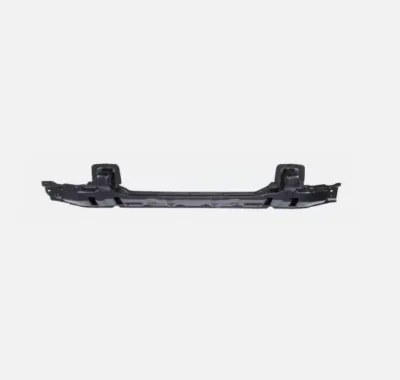
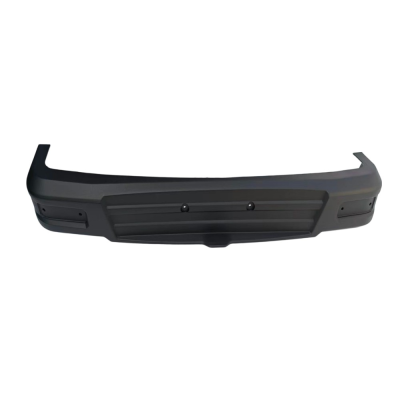
High-Quality & Durable Front Bumper Made in China with Competitive Price
$100.00 - $399.00
MOQ: 1 Pieces
Changzhou Sunrise Supply Chain Co.,Ltd.
- Trading Company
- Jiangsu, China
- Lead time0 days
- Avg. response≤ 5h
Main productsAUTO LAMP,GRILLE,DOOR,BUMPER,AIR FILTER
Main marketsMid East(40.0%), Africa(20.0%), South America(20.0%), North America(20.0%)
Zhongshan Zhongxin Precision Hardware Co., Ltd.
- Verified by SGS
- Combined
- China Guangdong
- Lead time15 days
- Avg. response≤ 17h
Main marketsSouth America,Europe,Australia,North America

New Steel Front and Rear Bumper Protector Guards for Standard Graded Car
$59.00 - $79.00
MOQ: 20 Pieces

- Verified by SGS
- Trading Company
- China Liaoning
- Lead time23 days
- Avg. response≤ 4h
Main productsStand up Pouch, Filter Cloth, Dust Filter Bag, Car Seat Cover, Control Room Console, Meeting Table, Food Packaging Bag, Zipper Bag, Modern Smart Console, Coffee Desk
Main marketsSouth America,Africa,Southeast Asia/ Mideast,North America

Jinan Sunrise New Material Technology Co., Ltd.
- Verified by SGS
- Trading Company
- China Shandong
- Lead time30 days
- Avg. response≤ 8h
Main productsCoating Steel Material, Stainless Steel Material, Anti-Noise Shim, FKM & NBR Coating Gasket, Steel Coil & Strip, Steel Materials, Steel Coil, Metallurgical Minerals and Energy, Back Plate, Abutment Hardware Kit
Main marketsOthers(foreignTradeCapacity.exportBusinessCapacityMarketOther),Southeast Asia/ Mideast,Europe

Nanpi County Bo Hao Hardware Manufacturing Co., Ltd.
- Verified by BV
- Combined
- China Hebei
- Lead time23 days
- Avg. response≤ 23h
Main productsbrake pad clip
Main marketsDomestic,North America






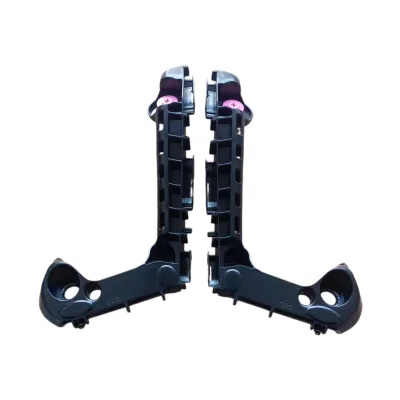
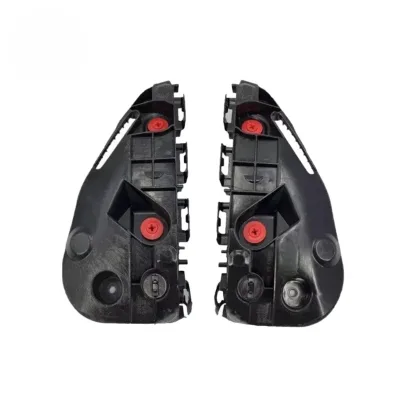
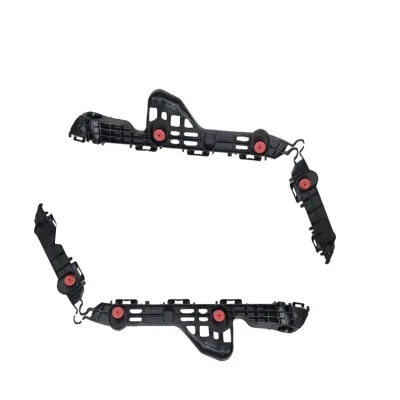
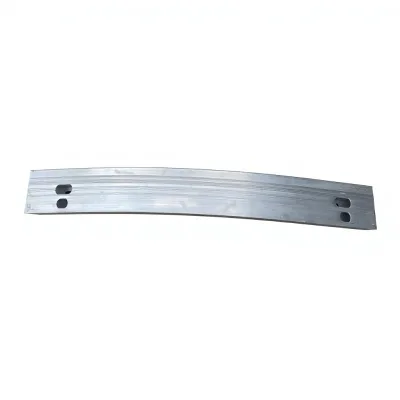


Comprehensive Sourcing Guide
Front Bumper Bracket Support Supplier Concentration and Factory Types
Current data indicates a concentration of manufacturing activity in China, specifically within the Zhejiang and Shandong provinces. Suppliers in these regions are categorized as manufacturers, trading companies, or combined entities offering both production and sales capabilities. The Zhejiang-based entities often focus on specific automotive components like steel brackets and plastic fender supports, while Shandong suppliers frequently list broader capabilities including sheet metal fabrication and CNC machining alongside mounting brackets. This geographic clustering suggests established industrial ecosystems for metalworking and automotive part production, though buyers must verify if a specific factory holds the actual production capacity for their required bracket specifications.
Factory types vary significantly in their operational focus, with some listing main products as machining parts and others specializing in auto body systems. A combined company type implies a dual role where the entity may source from external factories while also managing its own production lines. Buyers should note that not all suppliers in these regions offer the same level of customization; some explicitly state that customization is available, while others may only offer standard OEM parts. The presence of ODM and OEM capabilities in the data suggests that some facilities can handle design modifications, but this must be confirmed against the specific engineering requirements of the Front Bumper Bracket Support being sourced.
How to Verify Front Bumper Bracket Support Suppliers
Verification status is a critical first step in assessing supplier reliability, with some entities holding certifications from recognized bodies like TÜV Rheinland or CTI. These third-party verifications provide a baseline of trust regarding the company's business license and operational history, though they do not guarantee product quality for every specific order. Buyers should prioritize suppliers displaying these verification badges, as they indicate a higher level of scrutiny during the onboarding process. However, the absence of a specific verification badge does not automatically disqualify a supplier, but it does necessitate a more rigorous due diligence process before committing to a large order.
Beyond verification badges, buyers must examine the specific certifications listed for the products themselves, such as CE or RoHS compliance. Some product listings explicitly mention CE certification, which is essential for market access in certain regions, while others may lack this documentation entirely. It is vital to distinguish between company-level system certifications, like ISO9001:2015, and product-specific attributes. A supplier may hold an ISO certificate for their management system but fail to provide CE marks for the specific steel or plastic brackets they sell. Buyers should request valid certificates for the exact product model to ensure regulatory compliance and safety standards are met before finalizing any procurement agreement.
What to Compare Across Front Bumper Bracket Support Suppliers
When evaluating potential partners, response time serves as a key indicator of communication efficiency and operational readiness. Data shows response times ranging from approximately 2.6 hours to nearly 8 hours, with faster responses often correlating with more agile trading companies or manufacturers with dedicated sales teams. A supplier with a response time under three hours is generally better positioned to handle urgent inquiries and technical clarifications regarding bracket dimensions or material specifications. Buyers should factor this metric into their selection process, as slow communication can lead to significant delays in the design and approval phases of the project.
Lead time and minimum order quantity (MOQ) are equally critical comparison points that directly impact inventory planning and cash flow. Lead times in the observed data vary from 15 days to 45 days, with some suppliers offering expedited options while others require longer production windows. MOQs also differ substantially, with some suppliers requiring as few as 100 units while others mandate orders of 1,000 pieces or more. Buyers must align these constraints with their demand forecasts; a supplier with a low MOQ might be ideal for testing a new design, whereas a supplier with a longer lead time but lower unit cost might be better for high-volume production runs. Comparing these metrics side-by-side helps identify the most suitable partner for the specific scale of the order.
Common Front Bumper Bracket Support Sourcing Risks
One significant risk involves the discrepancy between advertised material specifications and actual product delivery. Product attributes list materials such as steel and plastic, but without physical inspection or third-party testing, buyers cannot confirm the grade or durability of the metal used. Some listings mention galvanized surface treatments or powder coating, yet the consistency of these finishes can vary between batches. Relying solely on the provided product attributes without requesting material test reports or samples exposes the buyer to the risk of receiving substandard components that may fail under stress or corrode prematurely in harsh environments.
Another risk stems from the variability in customization capabilities and design ownership. While many suppliers claim customization is available, the extent of this service varies from simple dimension adjustments to full ODM design support. Some listings indicate that measurements are based on customer drawings, but others may have limitations on design changes. If a supplier lacks the necessary engineering capacity or R&D resources, they may struggle to meet complex requirements for a custom Front Bumper Bracket Support. Additionally, the lack of standardized packaging descriptions, with some using wooden boxes and others cardboard, can lead to damage during transit if the packaging is not robust enough for the specific weight and shape of the brackets.
Front Bumper Bracket Support Regional Sourcing and Logistics
Geographic location plays a pivotal role in determining shipping costs and delivery timelines, with major ports like Qingdao, Ningbo, and Shanghai frequently cited as load ports for suppliers in Shandong and Zhejiang. These ports provide efficient access to global shipping routes, but the specific port of loading can influence the final landed cost and transit time. Buyers should verify the exact load port for each supplier, as a facility located inland may incur additional inland transportation fees before the goods reach the port. Understanding the logistics chain from the factory floor to the port is essential for accurate cost modeling and delivery scheduling.
Packaging standards also vary by region and supplier type, impacting the safety of the goods during international transit. Some suppliers utilize wooden boxes or pallets for heavy-duty steel brackets, while others rely on cardboard boxes for lighter plastic components. The choice of packaging must align with the fragility and weight of the product to prevent damage during handling and shipping. Buyers should explicitly confirm packaging requirements in the purchase order, especially for heavy-duty suspension or bumper brackets that require robust protection. Ensuring that the packaging meets the specific needs of the product type is a crucial step in mitigating the risk of loss or damage during the logistics phase.
Front Bumper Bracket Support Commercial Terms and Order Planning
Pricing structures for front bumper bracket supports can range significantly based on material, customization, and order volume. Data indicates unit prices starting as low as $0.20 for certain metal hardware items, while specialized automotive brackets may cost upwards of $59 per unit. These price points are often fixed for specific product listings, but buyers should be aware that customization and OEM requirements can alter the final cost. It is essential to request a detailed quotation that breaks down the base price, tooling fees, and any additional charges for custom designs to avoid unexpected expenses later in the procurement process.
Order planning must account for the specific commercial terms regarding payment, delivery, and quality assurance. While some suppliers offer flexible terms, others may require strict adherence to their standard policies, including specific lead times and MOQs. Buyers should clarify the payment schedule and ensure that escrow services or secure payment methods are utilized to protect their financial interests. Additionally, understanding the return policy and warranty terms for defective products is vital, as the cost of replacing a batch of non-compliant brackets can be substantial. Careful planning of these commercial terms ensures a smoother transaction and minimizes the risk of disputes during the order fulfillment process.
FAQs
What is the typical lead time for Front Bumper Bracket Support orders?
Lead times vary by supplier, ranging from 15 to 45 days based on the specific manufacturer. Some suppliers offer a 15-day turnaround, while others require up to 45 days for production. Buyers should confirm the exact delivery schedule with the vendor before placing an order to ensure timely arrival.
What are the minimum order quantities for these brackets?
Minimum order quantities differ significantly across suppliers, with some requiring 100 units and others demanding 1000 pieces. Steel brackets often have a 100-unit threshold, while metal fencing parts may require 1000 units. Always verify the specific MOQ with the supplier to avoid unexpected costs or order rejections.
Are these brackets available with CE certification?
Yes, several products listed include CE certification as a standard attribute. Steel brackets and plastic bumpers often carry this compliance mark. However, not all items display this certification, so buyers must check the product attributes section for each specific listing to confirm if CE standards are met.
What materials are commonly used for these support brackets?
Manufacturers primarily use steel and plastic for these components depending on the application. Steel brackets offer durability for heavy-duty needs, while plastic options are common for lighter automotive fender supports. Some metal parts also feature galvanized or powder-coated finishes for enhanced corrosion resistance and longevity.
How quickly do suppliers typically respond to inquiries?
Response times vary, with some suppliers replying within 2.63 hours and others taking up to 7.83 hours. Faster response rates are often associated with manufacturers in specific regions. Buyers seeking urgent assistance should prioritize suppliers with lower response time metrics to ensure prompt communication regarding their orders.
Can these brackets be customized for specific vehicle models?
Customization is widely available for many Front Bumper Bracket Support products. Suppliers offer options to tailor designs based on customer drawings or samples. Whether for automotive or industrial use, buyers can request specific modifications, though lead times and minimum order quantities may increase for custom requests.
What is the price range for these support brackets?
Prices vary widely, ranging from 0.20 to 59.00 per unit depending on material and complexity. Simple metal brackets may cost as little as 0.20, while specialized automotive fender supports can reach 59.00. Buyers should compare specific product listings to find the best value for their required specifications and volume.