Necklace and Earring Jewelry Set Suppliers and Manufacturers
Find 32 verified suppliers offering Necklace and Earring Jewelry Set options with ODM capabilities and certifications like SGS. Compare lead times, prices, and response times to source fashion jewelry sets from Zhejiang, China efficiently; review the available evidence before requesting comparable quotations from suitable candidates.
Updated
Suppliers List

YIWU JINYE IMPORT AND EXPORT CO., LTD
- Verified by SGS
- Trading Company
- China Zhejiang
- Lead time15 days
- Avg. response≤ 25h
Main productsBangle, Wrist Band, Bracelet, Fashion Jewelry
Main marketsNorth America

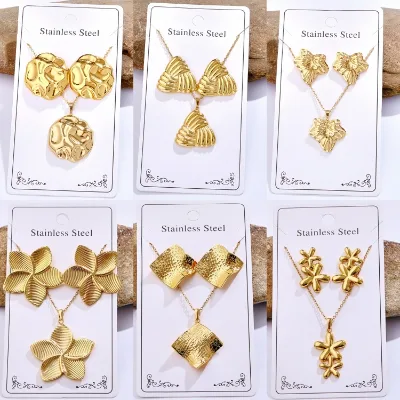
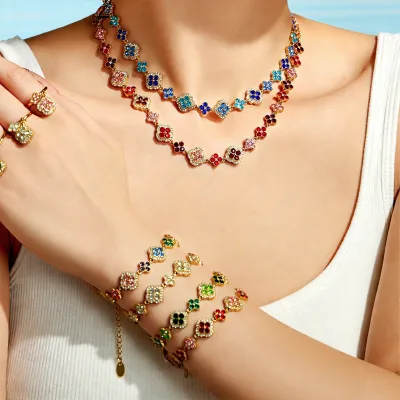
European and American Diamond-Set Necklace, Earrings, Bracelet and Flower Jewelry Set
$0.70 - $1.60
MOQ: 200 Sets

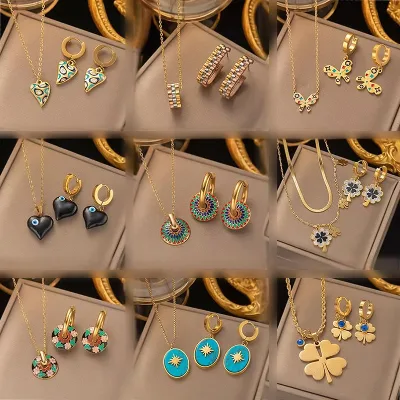
Fashion Jewelry Set Retro Exaggerated Foreign Trade Crystal Necklace and Earrings Sets
$2.04 - $4.06
MOQ: 20 Sets


Hangzhou Daishang International Trade Co., Ltd.
- Verified by SGS
- Trading Company
- China Zhejiang
- Lead time15 days
- Avg. response≤ 3h
Main productsBracelet/Bangle, Necklace, Earring, Ring, Jewelry Sets
Main marketsEurope,North America

- Verified by SGS
- Manufacturer/Factory
- China Zhejiang
- Lead time30 days
- Avg. response≤ 2h
Main productsNecklace, Bracelets, Earring, Ring, Brooch, Phone Lanyard, Key Chain, Body Jewelry, Hair Clip, Hair Band
Main marketsSouth America,Eastern Europe,Mid East,North America,Southeast Asia,Eastern Asia,Oceania,Western Europe,Africa

Longyuan (Guangzhou) Industrial Development Co., Ltd.
- Verified by TUVRHEINLAND
- Manufacturer/Factory
- China Guangdong
- Lead time23 days
- Avg. response≤ 6h
Main productsJewelry, Fashion Watch, Hair Accessories, Men Jewelry, Women Jewelry, Pendants, Brooches, Bracelets, Crowns, Necklaces
Main marketsSouth America,Eastern Europe,Mid East,North America,Western Europe

GOODLINESS JEWELLERY CO., LIMITED
- Verified by SGS
- Manufacturer
- China Guangdong
- Lead time23 days
- Avg. response≤ 7h
Main products925 Silver Ring, Brass Jewelry, 925 Silver Earring, 925 Silver Necklace, 925 Silver Set, 925 Silver Bangle, Customer's Design, 925 Silver Bracelet, Silver Accessory, Brass Accessory
Main marketsSoutheast Asia/ Mideast,Europe,North America

Jinjiang Jiayi Supply Chain Management Co., Ltd.
- Verified by BV
- Trading Company
- China Fujian
- Lead time30 days
- Avg. response≤ 2h
Main productsGift, Shoe, Garment, Machine
Main marketsDomestic

Shenzhen Hengda Xin Jewelry Co., Ltd.
- Verified by BV
- Combined
- China Guangdong
- Lead time15 days
- Avg. response≤ 2h
Main productsJewelry, Stainless Steel Fittings, Stainless Steel Jewelry, Necklace, Bracelet, Stud Earrings, Ring, Pendant, Fashion Jewelry, Fashion Accessories
Main marketsSoutheast Asia/ Mideast,East Asia(Japan/ South Korea),Domestic,Europe,Australia,North America

Guangzhou Baobaili Jewelry Co., Ltd.
- Verified by SGS
- Combined
- China Guangdong
- Lead time15 days
- Avg. response≤ 9h
Main marketsDomestic,North America


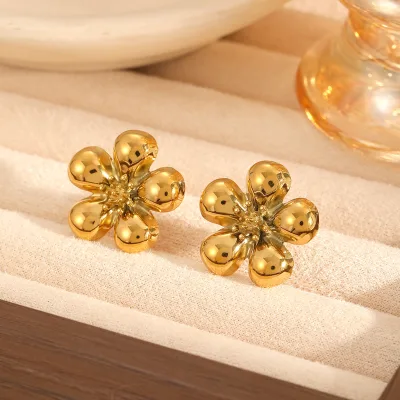
The Enchanted Bloom Jewelry Collection Flower Necklace & Earring Gift Set
$9.99 - $300.00
MOQ: 1 Pieces


Fashion Crystal Zircon Colored Women's Necklace and Earring Set Wholesale
$9.99 - $300.00
MOQ: 1 Pieces
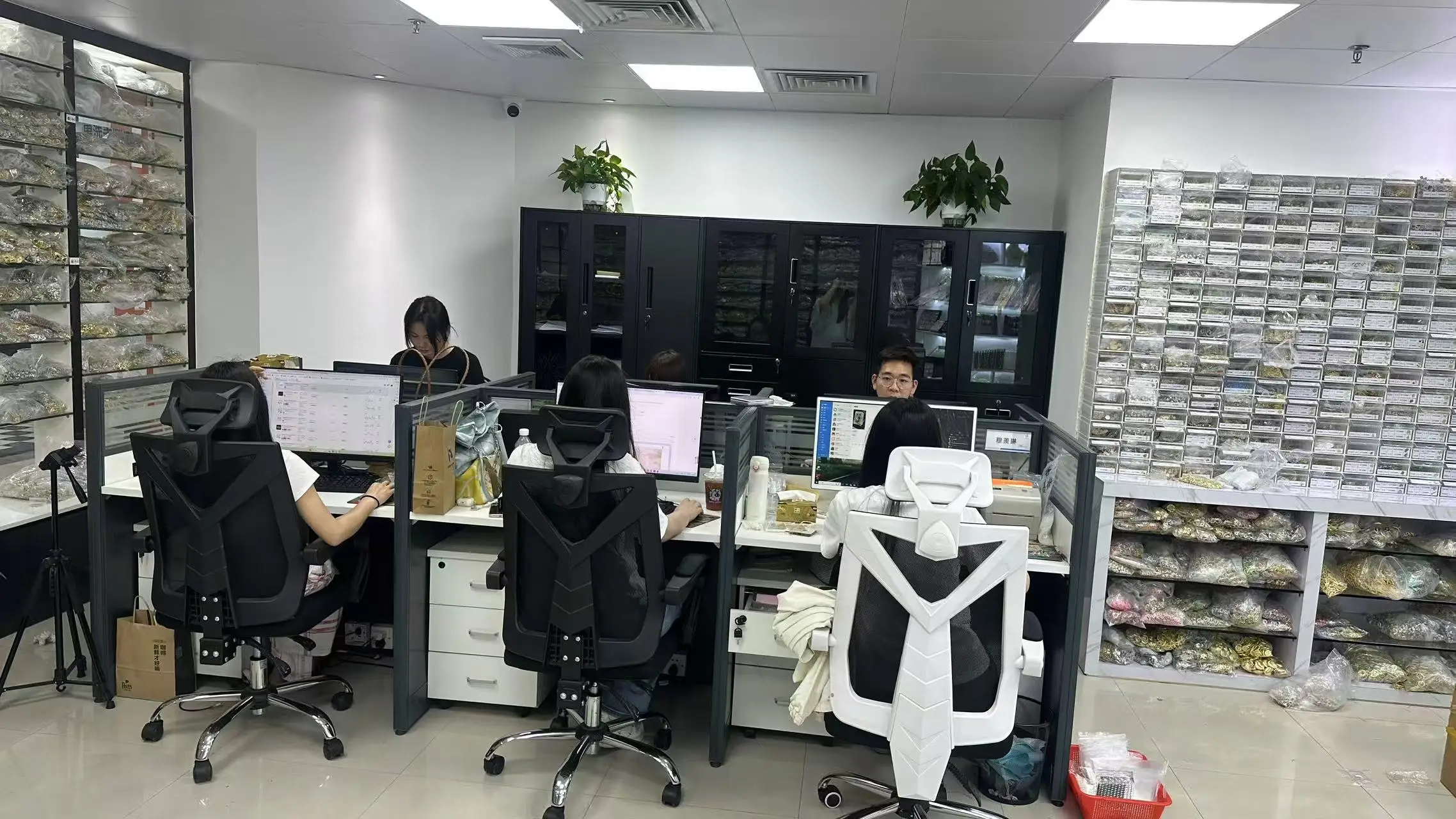
Guangzhou Julong Jewelry Co., Ltd.
- Trading Company
- Guangdong, China
- Lead time15 days
- Avg. response≤ 9h
Main productsring,necklace,earrings,bracelets,pendants
Main marketsNorth America(20.00%), Northern Europe(15.00%), Eastern Europe(15.00%)
Jiujiang Hongxin Jewelry Co., Ltd.
- Verified by TüVRheinland
- Manufacturer, Trading Company
- Lead time30 days
- Avg. response≤ 3h
Main productsJewelry Set, Necklace, Earring, Bracelet, Ring
Main marketsMid East(50%), Southeast Asia(10%), Eastern Asia(10%)
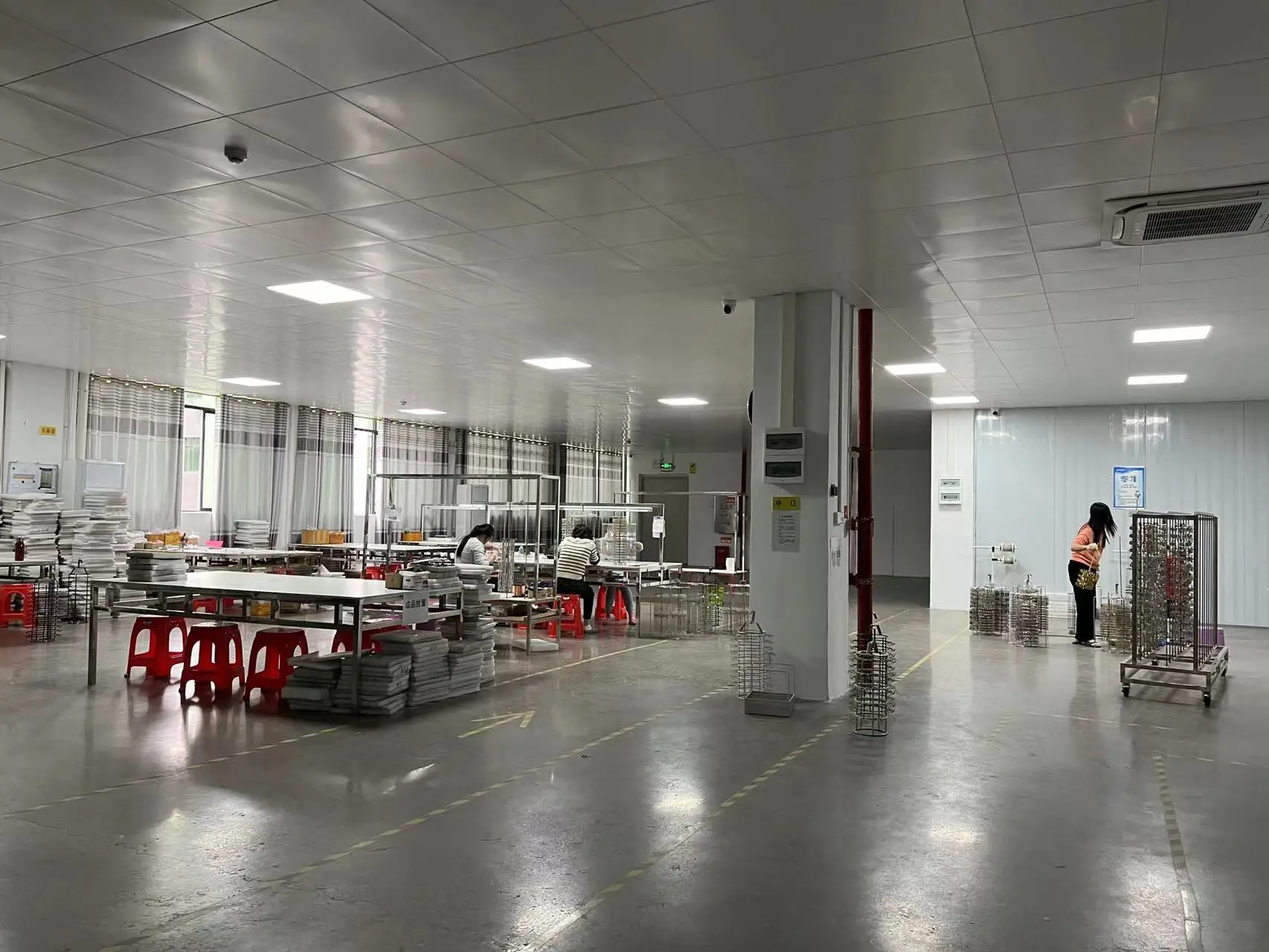
Dongguan Daimi Jewelry Co., Ltd.
- Trading Company
- Guangdong, China
- Lead time15 days
- Avg. response≤ 5h
Main productsJewelry,Earrings,Necklace,Bracelet,Rings
Main marketsNorth America(90.00%), Eastern Europe(5.00%), South America(5.00%)

- Verified by BV
- Trading Company,Manufacturer/Factory
- China Guangdong
- Lead time0 days
- Avg. response≤ 9h
Main productsSilver Jewelry, Brass Jewelry, Fashion Jewelry, Semi-Precious
Main marketsSouth America,Eastern Europe,Mid East,Southeast Asia,Eastern Asia,Oceania,Western Europe,Africa


Fashion Crystal Jewelry Set Multicolor Optional Earrings Ring Necklace Pendant Jewelry Set
$58.10 - $72.26
MOQ: 1 Pieces

Custom Design Fashion 925 Silver Jewelry Necklace Ring Earring Jewelry set
$66.79 - $82.80
MOQ: 1 Pieces

Jiuya Huitong (Qingdao) International Trade Co., Ltd.
- Verified by SGS
- Trading Company,Manufacturer/Factory
- China Shandong
- Lead time90 days
- Avg. response≤ 5h
Main productsClothes, Abaya, Camping Tent, Camping Furniture, Solar Light
Main marketsSouth America,Eastern Europe,Mid East,North America,Southeast Asia,Eastern Asia,Oceania,Western Europe,Africa
Guangzhou Lefeng Jewelry Co., Ltd.
- Manufacturer, Trading Company
- Guangdong, China
- Lead time20 days
- Avg. response≤ 2h
Main productsNecklace/Bracelet/Earring/Anklet/Ring
Main marketsNorth America(45.00%), Western Europe(13.00%), Africa(8.00%), Southern Europe(8.00%), South America(5.00%), Domestic Market(4.00%), Oceania(3.00%), Eastern Europe(3.00%), Northern Europe(3.00%), Southeast Asia(2.00%), South Asia(2.00%), Central America(2.00%), Eastern Asia(1.00%), Mid East(1.00%)

- Verified by CTI
- Trading Company
- China Zhejiang
- Lead time15 days
- Avg. response≤ 6h
Main productsJewelry, Brooch, Belt, Necklace, Agent, Bracelet, China Trim, China Ring, China Hair Accessory, China Earring
Main marketsSouth America


Rhinestone V-Shaped Necklace Earrings Jewelry Set for Daily Wedding Catwalk Jewelry
$0.95 - $1.44
MOQ: 100 Pieces

Luxury Simple Style Rhinestone Necklace Earrings Jewelry Set for Daily Party Accessories
$0.75 - $1.02
MOQ: 100 Sets


GUANGZHOU ARTS JEWELLERY CO., LTD.
- Verified by SGS
- Combined
- China Guangdong
- Lead time30 days
- Avg. response≤ 6h
Main productsSilver Jewelry, Gold Jewelry, Diamond Jewelry, Silver Ring, Silver Earring, Silver Pendant, Silver Bracelet, Silver Necklace
Main marketsSoutheast Asia/ Mideast


925 Sterling Silver Luxury Gradient Gemstone Earrings Necklace Jewelry Set
$11.49 - $15.35
MOQ: 30 Sets

Yiwu Ba Yuan Jewelry Co., Ltd.
- Verified by TUVRHEINLAND
- Trading Company,Manufacturer/Factory,Other
- China Zhejiang
- Lead time45 days
- Avg. response≤ 20h
Main productsBridal Jewelry and Hair Accessories, Wedding Jewelry, Tiara and Headpieces, CZ Jewelry, Tiara Crown, Zirconia Jewelry, CZ Necklace, Stretch Bracelet, Hip Hop Jewelry, Fashion Pendant
Main marketsSouth America,Eastern Europe,Mid East,North America,Southeast Asia,Eastern Asia,Oceania,Western Europe,Africa
- Verified by Intertek
- Manufacturer, Trading Company
- Lead time10 days
- Avg. response≤ 2h
Main productsStainless Steel Ring, Stainless Steel Necklace, Stainless Steel Earring, Bracelets, Trousers Chain
Main marketsNorth America(40%), Western Europe(30%), Oceania(20%)
Dongguan Changan Fantasy Accessories Factory (Individual Business)
- Verified by TüVRheinland
- Trading Company
- Guangdong, China
- Lead time7 days
- Avg. response≤ 1h
Main productsStainless Steel Rings, Stainless Steel Earings, Stainless Steel Necklaces, Stainless Steel Bracelets & Bangles, Fashion Jewelry Sets
Main marketsNorth America(25%), Northern Europe(15%), Eastern Asia(10%)

Yiwu Renrui E-commerce Business
- Trading Company
- China Zhejiang
- Lead time0 days
- Avg. response≤ 4h
Main productsSouvenir Gift, Craft, Scented Candle, Artificial Flower, Christmas Ornaments, Daily Use, Home Decoration, Solid Wood Carvings, Accessories, Photo Frame


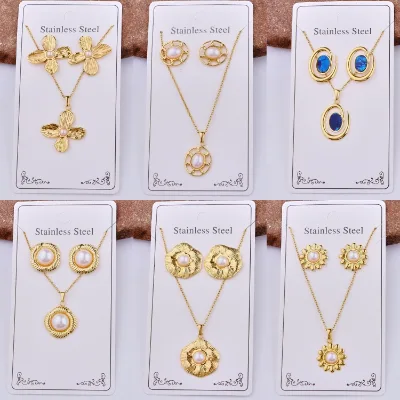
Pearl and Zircon Jewelry Set - Vintage Style Necklace and Bracelet with Colored Stones
$5.00 - $5.20
MOQ: 10 Pieces


- Trading Company
- Zhejiang, China
- Lead time30 days
- Avg. response≤ 6h
Main productsFashion Jewelries,Promotional Gifts,Crafts,Toys
Main marketsWestern Europe(30.00%), North America(20.00%), Eastern Europe(10.00%), Northern Europe(5.00%), Oceania(5.00%), Central America(5.00%), Southern Europe(5.00%), Mid East(2.00%), South Asia(2.00%), South America(2.00%), Eastern Asia(2.00%), Domestic Market(1.00%), Africa(1.00%), Southeast Asia(1.00%)
- Verified by TüVRheinland
- Trading Company
- Lead time7 days
- Avg. response≤ 2h
Main productsGarment Accessories, Shoe Accessories, Jewelry, Jewelry Decorations
Main marketsNorth America(70%), South America(20%), Western Europe(10%)
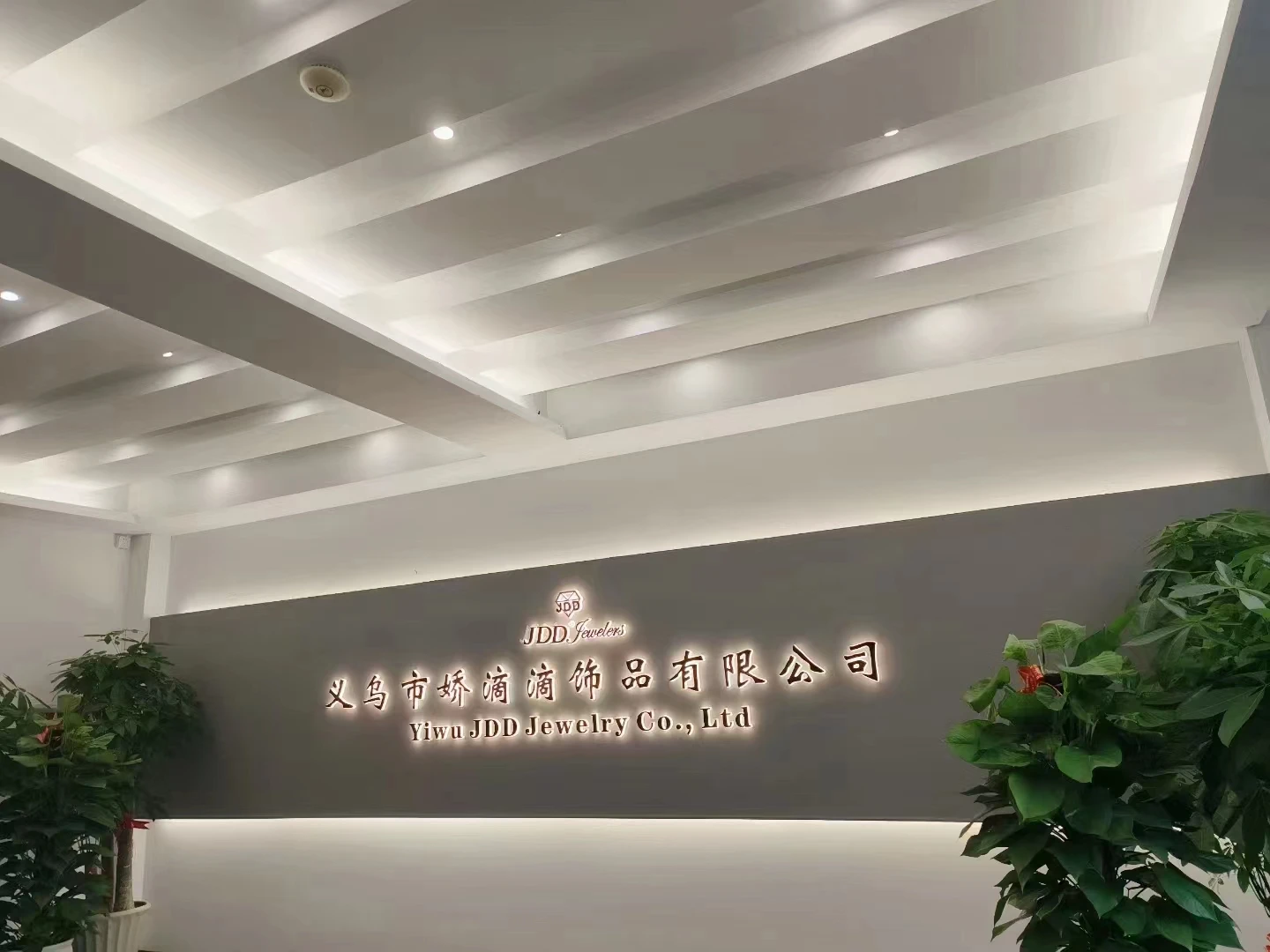
Yiwu Jiaodidi Jewelry Co., Ltd.
- Trading Company
- Zhejiang, China
- Lead time15 days
- Avg. response≤ 1h
Main productsFashion women's jewelry,earrings,jewelry sets,bracelets,pendants
Main marketsSouth America(15.00%), North America(15.00%), Domestic Market(10.00%), Eastern Asia(10.00%), Mid East(10.00%), Central America(10.00%), South Asia(5.00%), Africa(5.00%), Southeast Asia(5.00%), Northern Europe(4.00%), Eastern Europe(4.00%), Oceania(3.00%), Southern Europe(2.00%), Western Europe(2.00%)

4PCS JOMTY Fashion Women's Jewelry Set, Set with Wreath, Necklace, Earrings, and Bracelet
$0.8074 - $4.0671
MOQ: 6 Minimum


Guangdong Kalen Jewelry Company Limited
- Verified by SGS
- Combined
- China Guangdong
- Lead time30 days
- Avg. response≤ 5h
Main productsStainless Steel Jewelry, Fashion Accessories, Bracelets, Necklaces, Rings, Earrings, Pendants, Bangles, Jewelry Sets, Cufflinks
Main marketsSouth America,Europe,Australia,North America


Stylish O-Shaped Chain Necklace Sets with Heart Earrings Jewelry for Women
$1.16 - $2.07
MOQ: 30 Pieces

Guangzhou Panyu Longlong Jewelry Factory
- Verified by CTI
- Combined
- China Guangdong
- Lead time15 days
- Avg. response≤ 7h
Main productsPendants Necklaces Earrings Rings Bracelets
Main marketsAfrica,Southeast Asia/ Mideast,Domestic,Europe,North America

- Combined
- China Guangdong
- Lead time15 days
- Avg. response≤ 3h
Main productsOpal
Main marketsDomestic,Europe,North America

Fine Jewelry Set for Women Vintage Style Earrings and Necklace with for Gift
$16.54 - $19.46
MOQ: 30 set

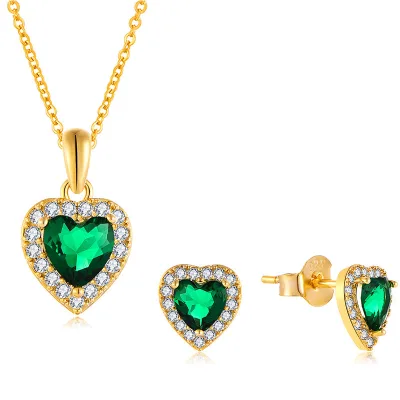
Luxury Silver Bridal Jewelry Sets Women's Heart Gemstone Earrings Necklace Set
$15.42 - $17.54
MOQ: 30 set
Guangzhou Byron Jewelry Co., Ltd
- Verified by Intertek
- Trading Company
- Lead time15 days
- Avg. response≤ 2h
Main productsStainless Steel Lobster Clasp, Jewelry Making Finddings, Necklace, Bracelet, Earrings
Main marketsNorth America(40%), Western Europe(30%), Southern Europe(20%)
- Verified by TüVRheinland
- Manufacturer, Trading Company
- Lead time7 days
- Avg. response≤ 2h
Main productsFashion Jewelry
Main marketsNorth America(75%), South America(8%), Southeast Asia(7%)
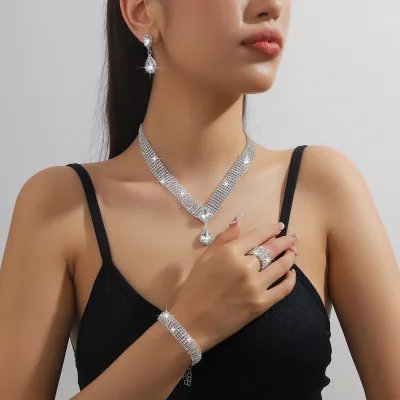
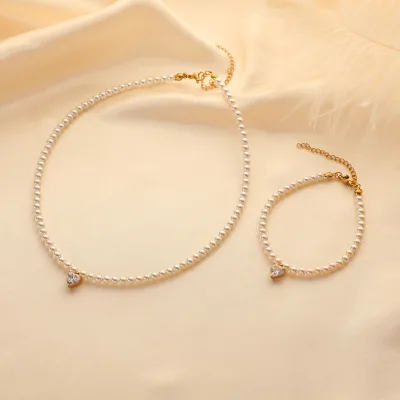
$1.50 - $1.90
MOQ: 10 Minimum
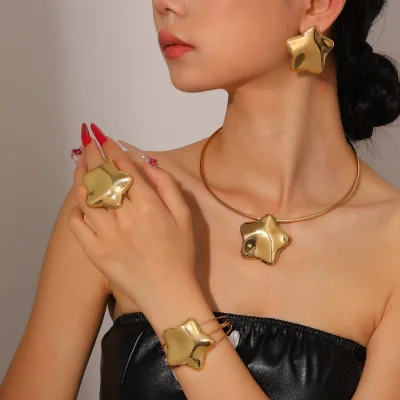
Hangzhou Daishang International Trade Co., Ltd.
- Verified by Intertek
- Trading Company
- Lead time7 days
- Avg. response≤ 1h
Main productsNecklace, Bracelet, Earrings, Ring, Jewelry Set
Main marketsNorth America(55%), Western Europe(30%), Northern Europe(5%)
Shenzhen Beijiaqin maternal and child products Co., LTD
- Manufacturer
- guangdong, China
- Lead time7 days
- Avg. response≤ 2h
Main productsBaby bottle,Silicone tableware for kids,socks,Children's clothing,Kettle
Main marketsSouth Asia(30.00%), Southeast Asia(30.00%), Eastern Europe(30.00%), Central America(30.00%), Mid East(30.00%), Domestic Market(20.00%), Southern Europe(20.00%), Northern Europe(20.00%), South America(20.00%), Western Europe(20.00%), Eastern Asia(20.00%), North America(20.00%), Oceania(20.00%), Africa(10.00%)
- Verified by Intertek
- Trading Company
- Lead time7 days
- Avg. response≤ 2h
Main productsStainless Steel Jewelry
Main marketsNorth America(48%), Western Europe(32%), Northern Europe(8%)

Guangzhou Anfook & Dakerden Jewelry Co., Ltd
- Trading Company
- China Guangdong
- Lead time0 days
- Avg. response≤ 14h







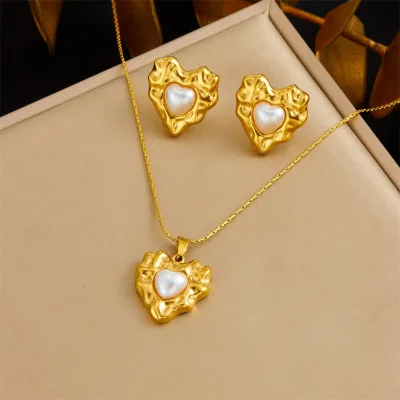
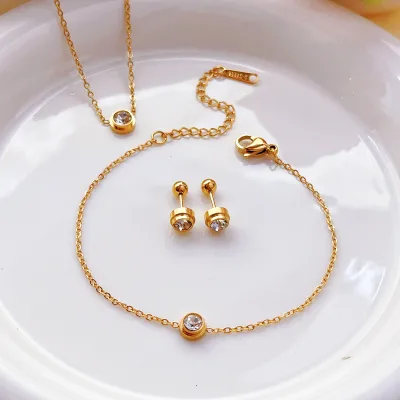
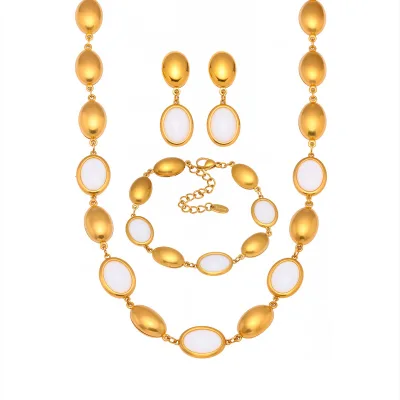
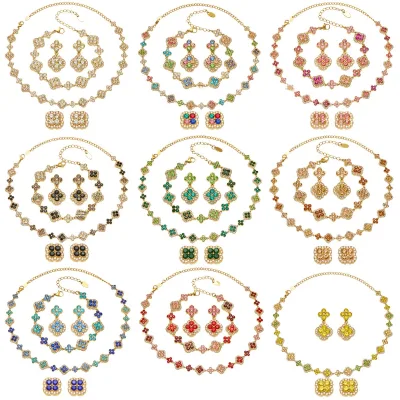
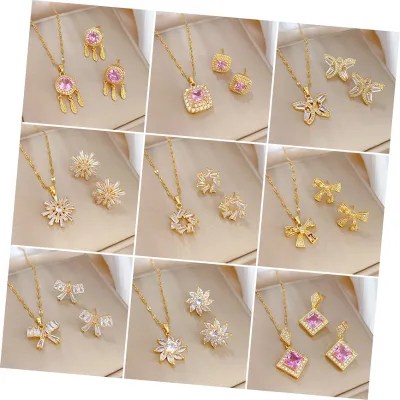
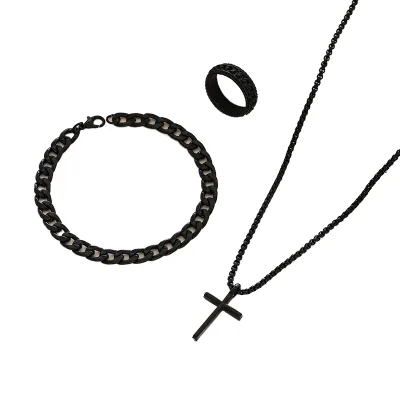
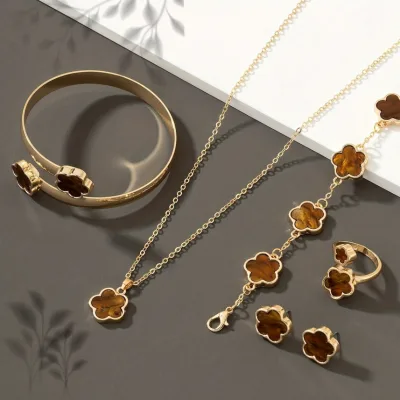
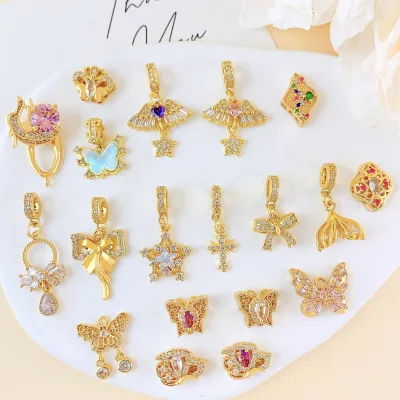


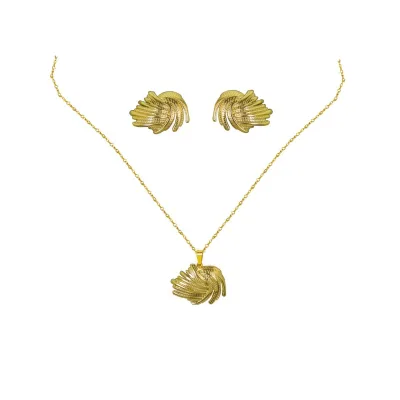
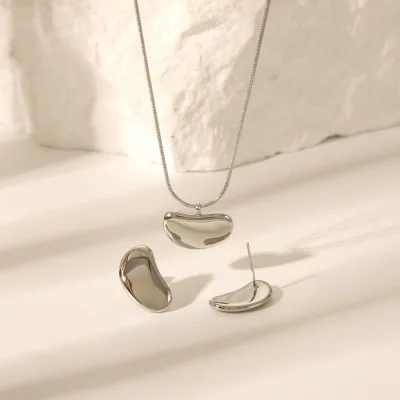


Comprehensive Sourcing Guide
Necklace and Earring Jewelry Set Supplier Concentration and Factory Types
The current supplier landscape for necklace and earring jewelry sets reveals a distinct concentration of manufacturing and trading entities within specific geographic regions, with China Zhejiang emerging as a primary hub for these goods. This regional clustering suggests a mature supply chain ecosystem where raw material sourcing, plating services, and assembly operations are closely integrated, allowing for efficient production cycles. Buyers evaluating this market should recognize that the presence of suppliers in Zhejiang often correlates with established infrastructure for fashion jewelry, including access to metal alloys, crystal embellishments, and packaging materials. Understanding this geographic concentration helps in assessing the logistical feasibility of sourcing, as proximity to major shipping ports and industrial zones can influence both lead times and freight costs. The density of suppliers in this area indicates a competitive environment where differentiation is often achieved through design versatility, customization capabilities, and rapid response times rather than just price alone.
Within this concentrated market, the types of business entities vary significantly, ranging from pure trading companies to factories with in-house research and development capacities. Many suppliers identify as trading companies, which can offer a broader catalog of styles and easier communication for international buyers, while others possess ODM or OEM capabilities, allowing for deeper customization of materials and designs. The distinction is crucial because it affects the level of control a buyer has over the production process and the flexibility to modify product specifications. Some suppliers explicitly state their ability to handle both OEM and ODM orders, indicating a higher degree of manufacturing sophistication. Buyers must carefully review the company type to determine if they need a partner for private labeling and custom design work or if they are satisfied with existing catalog items. This variation in factory types means that the sourcing strategy must align with the specific operational model of the supplier, whether it involves direct factory interaction or intermediary management.
How to Verify Necklace and Earring Jewelry Set Suppliers
Verification of suppliers requires a multi-layered approach that goes beyond basic profile reviews, focusing on tangible evidence of quality and compliance. One critical step is to examine the verification status provided by third-party inspection agencies, such as SGS, which serves as a baseline indicator of a supplier’s operational legitimacy. Buyers should prioritize suppliers who have undergone rigorous audits, as this reduces the risk of dealing with unverified entities. Additionally, checking for specific product certifications is essential, particularly those related to material safety and ethical manufacturing. Certifications like BSCI, BV, and Intertek indicate that the supplier adheres to certain social compliance and quality management standards. These credentials are not merely decorative; they provide assurance that the manufacturing processes meet international benchmarks for labor practices and product safety, which is increasingly important for brands targeting regulated markets in Europe and North America.
Beyond certifications, buyers must scrutinize the specific product attributes and testing results associated with the jewelry sets. Eco-friendly claims, such as being lead-free, nickel-free, and cadmium-free, should be backed by concrete testing data rather than just marketing language. The presence of specific test results, such as nickel and lead-free testing, is a strong indicator of a supplier’s commitment to safety standards, particularly for items that come into direct contact with the skin. Buyers should request detailed product specifications that include material composition, plating thickness, and weight, as these details reveal the true quality of the item. Furthermore, verifying the supplier’s response time and communication efficiency is part of the verification process, as a slow or unresponsive supplier may indicate underlying operational issues. A supplier with a quick response time, such as those averaging under three hours, often demonstrates better organizational structure and customer service readiness, which are vital for resolving issues during the sourcing process.
What to Compare Across Necklace and Earring Jewelry Set Suppliers
When evaluating multiple suppliers, buyers must compare key operational metrics to determine the best fit for their specific business needs. Lead time is a critical factor, as it directly impacts inventory management and time-to-market. Suppliers may offer varying lead times, with some providing faster turnaround options for smaller orders or standard catalog items. Comparing these lead times helps buyers assess the supplier’s production capacity and reliability. Additionally, the minimum order quantity (MOQ) is a significant differentiator, with some suppliers requiring high volumes while others accommodate smaller trial orders. This flexibility is crucial for new brands or those testing new designs, as lower MOQs reduce financial risk and allow for more agile inventory planning. Buyers should also compare the price ranges for similar product styles, keeping in mind that lower prices may correlate with different material qualities or plating standards.
Another vital aspect of comparison is the customization and design capabilities offered by each supplier. Buyers should assess whether the supplier supports ODM or OEM services, as this determines the level of exclusivity and brand alignment possible. Some suppliers offer extensive customization options, including custom packaging, specific plating colors, and unique design modifications, while others may only provide limited adjustments. The range of main products offered by each supplier is also important, as some may specialize in specific types of jewelry sets, such as crystal-encrusted designs or minimalist metal styles. Comparing the variety of styles, from fashion-forward pieces to classic designs, helps buyers identify suppliers that align with their target market’s aesthetic preferences. Additionally, the response time of the supplier can indicate their level of engagement and support, with faster responses often correlating with better overall service quality and problem-solving capabilities.
Common Necklace and Earring Jewelry Set Sourcing Risks
Sourcing necklace and earring jewelry sets involves several inherent risks that buyers must actively manage to ensure a successful procurement process. One significant risk is the discrepancy between product samples and bulk production, particularly regarding material quality and finish. Suppliers may use different grades of metal alloys or plating materials in bulk orders compared to samples, leading to inconsistencies in appearance and durability. This risk is heightened when working with suppliers who have low MOQs or rapid turnaround times, as quality control measures may be compromised. Buyers must implement strict quality assurance protocols, including pre-shipment inspections and detailed specification sheets, to mitigate this risk. Additionally, the risk of intellectual property infringement is present, especially when sourcing custom designs. Buyers must ensure that their designs are protected and that the supplier does not share or replicate them for other clients.
Another common risk is the reliability of shipping and logistics, which can be affected by various external factors. Suppliers may use different shipping methods, such as DHL, UPS, or TNT, each with varying levels of speed and reliability. Delays in shipping can disrupt inventory plans and lead to missed sales opportunities. Buyers must also be aware of the risk associated with non-compliance with international standards, particularly regarding material safety. Products that do not meet the required lead-free or nickel-free standards can face rejection in regulated markets, leading to financial losses and reputational damage. Furthermore, the risk of communication breakdowns can lead to misunderstandings regarding product specifications, packaging requirements, and delivery schedules. Buyers must maintain clear and documented communication channels to ensure that all parties are aligned on expectations and requirements throughout the sourcing process.
Necklace and Earring Jewelry Set Regional Sourcing and Logistics
Regional sourcing strategies play a pivotal role in determining the efficiency and cost-effectiveness of procuring necklace and earring jewelry sets. Suppliers located in China Zhejiang benefit from a well-developed logistics infrastructure, which facilitates the efficient movement of goods to international markets. This regional advantage allows for faster shipping times and potentially lower freight costs, particularly when utilizing established shipping routes. Buyers should consider the proximity of the supplier to major ports and transportation hubs, as this can significantly impact lead times and overall supply chain resilience. Additionally, the concentration of suppliers in this region often leads to competitive pricing due to economies of scale and efficient resource utilization. Understanding the logistical landscape of the supplier’s region helps buyers make informed decisions about shipping methods and delivery schedules.
Logistics planning must also account for the specific requirements of jewelry items, which are often small, lightweight, and high-value. This characteristic allows for flexible shipping options, including air freight for urgent orders and sea freight for larger volumes. Buyers should evaluate the supplier’s experience with international shipping and their ability to handle customs documentation and compliance requirements. The use of reputable shipping carriers, such as DHL, UPS, and TNT, ensures that packages are tracked and delivered securely. Additionally, buyers must consider the packaging requirements for jewelry sets, which often include protective materials to prevent damage during transit. Proper packaging not only protects the product but also enhances the unboxing experience for the end consumer. By aligning regional sourcing strategies with logistical capabilities, buyers can optimize their supply chain and ensure timely delivery of high-quality jewelry sets.
Necklace and Earring Jewelry Set Commercial Terms and Order Planning
Commercial terms and order planning are essential components of a successful sourcing strategy for necklace and earring jewelry sets. Buyers must carefully negotiate payment terms, such as the use of escrow services, to ensure financial security and protect against fraud. Escrow provides a safe mechanism for transactions, releasing funds only when the buyer confirms receipt and satisfaction with the goods. This protection is particularly important for new suppliers or large orders, as it mitigates the risk of non-delivery or substandard products. Additionally, buyers should clarify the terms regarding customization, including any additional costs for design changes, packaging, or branding. Understanding these commercial terms helps in accurate cost estimation and budget planning, ensuring that the project remains financially viable.
Order planning involves determining the optimal order quantities and timing to align with market demand and inventory needs. Buyers should consider the supplier’s production capacity and lead times when planning orders, ensuring that there is sufficient buffer for potential delays. Flexible order planning, such as placing smaller initial orders followed by larger replenishment orders, can help manage risk and adapt to changing market conditions. Buyers must also plan for quality control processes, including inspections and testing, which may require additional time and resources. By integrating commercial terms and order planning into a cohesive strategy, buyers can streamline their procurement process, reduce costs, and enhance their ability to respond to market opportunities. This structured approach ensures that the sourcing of necklace and earring jewelry sets is both efficient and effective, supporting long-term business success.
FAQs
What is the price range for necklace and earring jewelry sets?
Prices for these sets typically range from $0.70 to $9.90 per unit. The cost varies significantly based on material composition, plating type, and design complexity. Buyers can find budget-friendly metal alloy options starting at $0.70, while copper or stainless steel pieces with micro-inlaid zircon may cost up to $9.90.
What is the minimum order quantity for these jewelry sets?
Minimum order quantities vary by supplier and product style. Some suppliers require a minimum of 200 pieces for standard fashion jewelry sets, while others accept orders as low as 20 or even 2 units for specific models. Buyers should check individual product listings to confirm the exact MOQ applicable to their desired design and customization needs.
What materials are commonly used in these jewelry sets?
Common materials include metal alloy, copper, and stainless steel. Many sets feature gold or silver plating and are designed to be lead-free, nickel-free, and cadmium-free for safety. Stainless steel options are often highlighted for being waterproof and hypoallergenic, making them suitable for sensitive skin and daily wear applications.
What certifications do suppliers of these sets hold?
Suppliers often hold certifications such as SGS, BSCI, BV, and Intertek. These credentials verify compliance with international standards for quality and ethical manufacturing. Buyers should verify specific certification documents directly with suppliers to ensure the products meet their target market's regulatory requirements and safety standards.
Where are these jewelry sets typically manufactured?
Most of these jewelry sets are manufactured in Zhejiang, China. This region is a major hub for fashion jewelry production, offering efficient supply chains and competitive pricing. Buyers sourcing from this location can expect established logistics networks and a wide variety of styles available from local trading companies and manufacturers.
What is the typical lead time for these orders?
Typical lead times are around 15 days for production. This duration allows for manufacturing, quality control, and preparation for shipment. Buyers should confirm specific lead times with their chosen supplier, as customizations or high-volume orders may require additional time for completion and processing.