Golf Timing Chain Kit Suppliers and Manufacturers
Compare 18 verified suppliers offering golf timing chain kits with ISO certifications and OEM capabilities. Review response times, lead times, and MOQs to select the right factory. Contact suppliers directly to request quotes; review the available evidence before requesting comparable quotations from suitable candidates.
Updated
Suppliers List

Suzhou Goodluck Transmission Technology Co., Ltd.
- Trading Company,Manufacturer/Factory
- China Jiangsu
- Lead time38 days
- Avg. response≤ 2h
Main productsStainless Steel Chain, Roller Chain, Sprocket, Stainless Steel Sprocket, Steel Detachable Chain, Timing Chain, Bushing, Pulley, Coupling, Conveyor Chain
Main marketsSouth America,Eastern Europe,North America,Southeast Asia,Eastern Asia,Oceania,Western Europe

Zhejiang Hengjiu Machinery Group Co., Ltd.
- Verified by TUVRHEINLAND
- Group Corporation
- China Zhejiang
- Lead time60 days
- Avg. response≤ 1h
Main productsRoller Chain, Conveyor Chain, Sprocket, Silent Chain, Saw Chain, Motorcycle Chain, Agricultural Chain, Timing Chain, Stainless Steel Chain, Leaf Chain
Main marketsDomestic

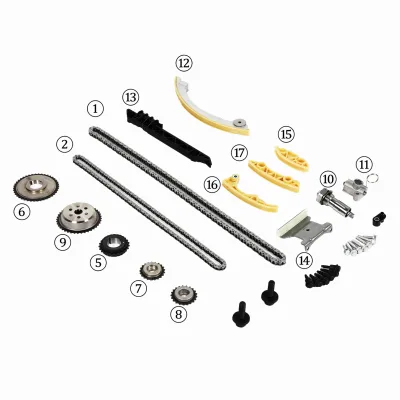
Automobile Oil Pump Timing Chain Kit Silent Engine Timing Motorcycle Roller Chain
$1.50 - $999.00
MOQ: 300 Feet


Auto System Automotive Spare Parts and Accessories Engine Drive Timing Chain Kit
$1.50 - $999.00
MOQ: 300 Feet

Reliable Toothed Timing Engine Chain Kit for High Torque Car Accessories
$1.80 - $999.00
MOQ: 300 Feet

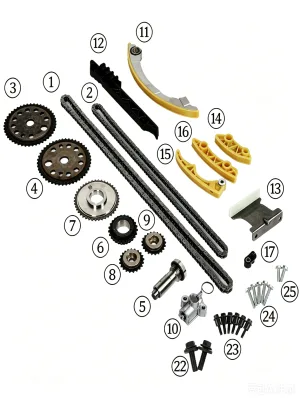
OEM & ODM Drive Engine Timing Chain Kit for Multiple Automobile Accessories
$1.50 - $999.00
MOQ: 300 Feet

Premium Engine Timing Chain Tensioner Kit Compatible with Multiple Automotive Models Parts
$1.50 - $999.00
MOQ: 300 Feet

Huzhou Nanxun Jingtong Autoparts Manufacturing Co., Ltd.
- Manufacturer
- Zhejiang, China
- Lead time0 days
- Avg. response≤ 2h
Main productsTiming Chain, Guide Rail, Tensioner, Sprocket
Main marketsWestern Europe(50.00%), North America(20.00%), South America(10.00%), Mid East(10.00%), Africa(5.00%), Eastern Europe(5.00%)

Guangzhou Fengming Auto Parts Co., Ltd.
- Verified by SGS
- Trading Company
- China Guangdong
- Lead time15 days
- Avg. response≤ 8h
Main productsAuto Part, Spark Plug, Filters, Clock Spring, Water Pump, Timing Chain Kit, Engine Mount, Gasket Kit, Control Arm, Steering Rack
Main marketsSoutheast Asia/ Mideast,Europe,North America
Guangzhou Brace Auto Parts Co., Ltd.
- Verified by SGS Group
- Trading Company
- Lead time10 days
- Avg. response≤ 6h
Main productsExterior Parts, Engine Parts, Chassis Parts, Gearbox Parts, Cooling System
Main marketsMid East(20%), South America(15%), Africa(15%)

Guangzhou Jiashida Jing Gong Technology Co., Ltd.
- Manufacturer, Trading Company
- Guangdong, China
- Lead time30 days
- Avg. response≤ 7h
Main productsCAM PHASER,VARIABLE VALVE TIMING SOLENOID,TIMING CHAIN KIT,Camshaft & Crankshaft,Pump type
Main marketsWestern Europe(20.00%), Eastern Europe(20.00%), Central America(20.00%), North America(20.00%), South America(5.00%)
Guangzhou Amma Auto Spare Parts Co., Limited
- Verified by TüVRheinland
- Trading Company
- Lead time45 days
- Avg. response≤ 3h
Main productsGasket kit, Shock Absorber, Oil Pump, Timing Chain Set, Fuel Pump Assembly
Main marketsSouth America(70%), North America(10%), Africa(8%)
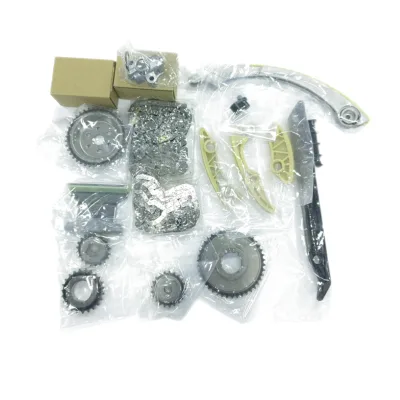
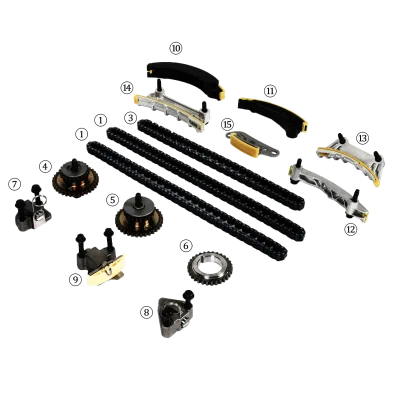
Auto Engine System Parts 12577385 Timing Chain Kit for Chevrolet Orlando 2.4
$33.21 - $36.51
MOQ: 10 pieces
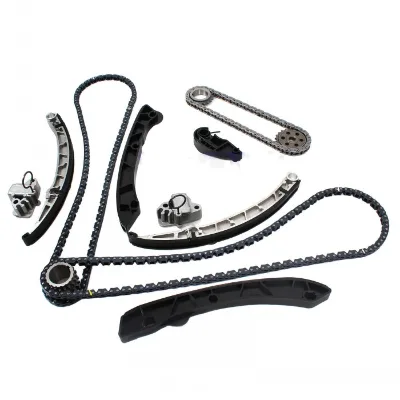

Anhui Toba Auto Parts Co., Ltd.
- Verified by SGS
- Combined
- China Anhui
- Lead time60 days
- Avg. response≤ 5h
Main productsTiming Chain Kit, Oil Pump, Water Pump, Belt Tensioner, Fan Clutch, Electric Water Pump
Main marketsSouth America,North America

Shanghai Spb Industry Co., Ltd.
- Verified by SGS
- Trading Company
- China Shanghai
- Lead time30 days
- Avg. response≤ 5h
Main productsShock Absorber, Ball Joint, C. V Joint, Car Filters, Clutch Disc, Radiator, Brake Pad, Ignition Coil, Cylinder Head, Water Pump
Main marketsSouth America,Africa,Southeast Asia/ Mideast,Europe,North America

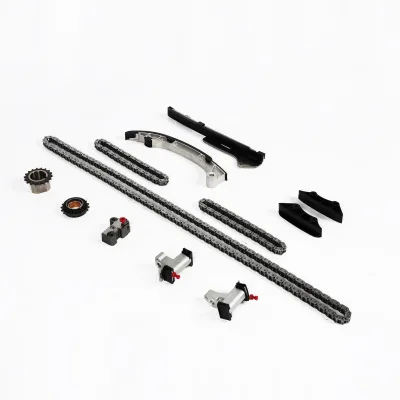
Engine Parts Timing Chain Parts Wholesale Timing Chain Kit for Toyota Timing Chain 13506-13021
$8.00 - $12.00
MOQ: 100 Pieces

High Performance Timing Chain Parts Wholesale Timing Chain Kit for Ford 7079280
$8.00 - $12.00
MOQ: 100 Pieces

Engine Parts Timing Chain Parts Wholesale Timing Chain Kit for Toyota 13506-13020
$8.00 - $12.00
MOQ: 100 Pieces
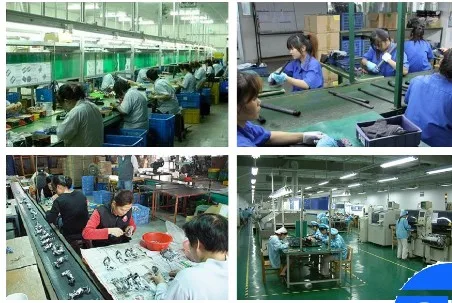
- Trading Company
- Taiwan, China
- Lead time0 days
- Avg. response≤ 9h
Main productsAuto parts,Timing Chain kit,Ignition Switch,Auto Parts Development,Window regulator
Main marketsNorth America(30.00%), Western Europe(15.00%), Southeast Asia(10.00%), South America(10.00%), South Asia(5.00%), Southern Europe(5.00%), Northern Europe(5.00%), Eastern Europe(5.00%), Mid East(5.00%), Oceania(5.00%), Africa(5.00%)

Guangzhou Hengxin Auto Parts Trading Co., Ltd.
- Verified by SGS
- Manufacturer/Factory
- China Guangdong
- Lead time23 days
- Avg. response≤ 12h
Main productsFilter, Ball Joint, Water Pump, Break Pads, Rubber Sleeve, Coil Ignition, Spark Plug, Gasket
Main marketsSouth America,Eastern Europe,Mid East,North America,Southeast Asia,Eastern Asia,Oceania,Western Europe,Africa

Timing Chain Kit 13559-21010 Timing Chain Kit Accessories for 1nz-Fe 1nz Engine
$0.01 - $0.02
MOQ: 10 Pieces


13566-40020 Timing Chain Kit 13566-40020 13566 40020 1356640020 for Small Car
$0.01 - $0.02
MOQ: 10 Pieces
Shanghai Syncer Transmission Equipment Co., Ltd.
- Trading Company
- Shanghai, China
- Lead time5 days
- Avg. response≤ 24h
Main productsTiming Chain; Chain Tensioner; Chain Guide Rail; Chain Sprocket, Camshaft Adjuster
Main marketsDomestic Market(80.00%), North America(10.00%), Eastern Europe(10.00%)
Boigevis Trading (guangzhou) Co., Ltd.
- Trading Company, Distributor/Wholesaler, Other
- Guangdong, China
- Lead time3 days
- Avg. response≤ 6h
Main productsEngine Parts,Chassis Parts,Suspension Parts,Other Auto Parts
Main marketsNorth America(35.00%), Domestic Market(5.00%), South Asia(5.00%), Southern Europe(5.00%), Northern Europe(5.00%), Central America(5.00%), Western Europe(5.00%), Eastern Asia(5.00%), Mid East(5.00%), Oceania(5.00%), Africa(5.00%), Southeast Asia(5.00%), Eastern Europe(5.00%), South America(5.00%)
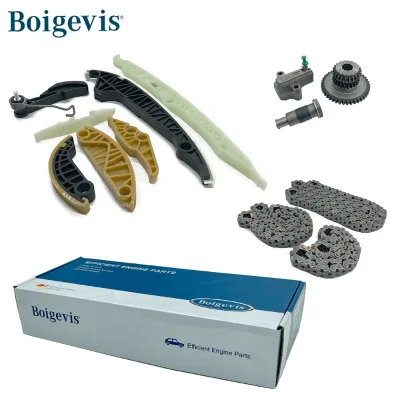
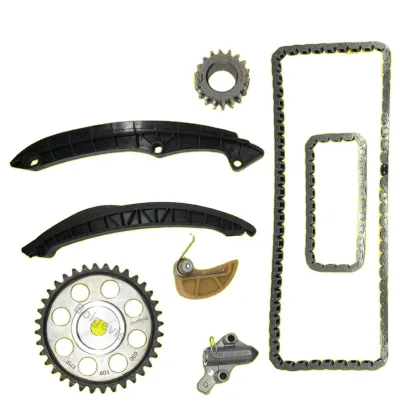
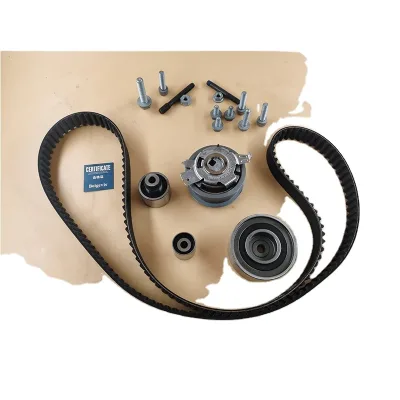
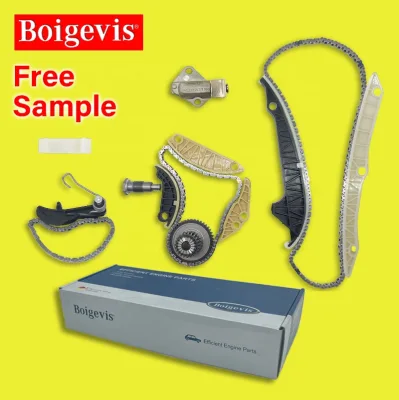
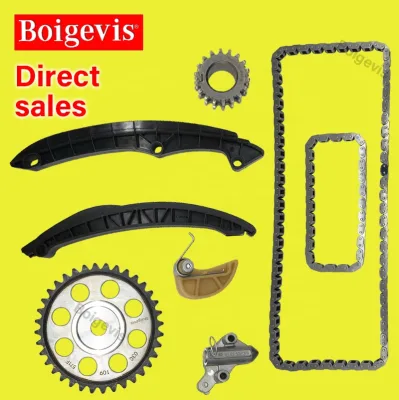
$59.5926 - $65.9324
MOQ: 10 boxes

Ruian Changsheng Electric Appliance Co., Ltd.
- Verified by Intertek
- Manufacturer, Trading Company
- Lead time30 days
- Avg. response≤ 9h
Main productsStator, Starter Motor, Rectifier
Main marketsNorth America(60%), Western Europe(20%), Southeast Asia(20%)
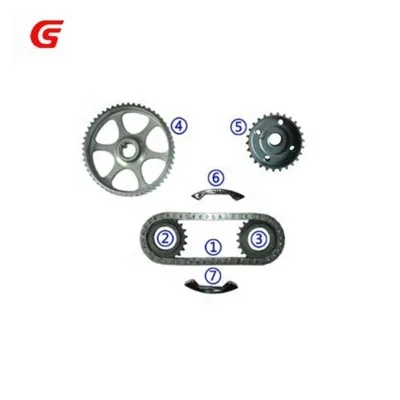
$1.0254 - $12.3053
MOQ: 20 Minimum
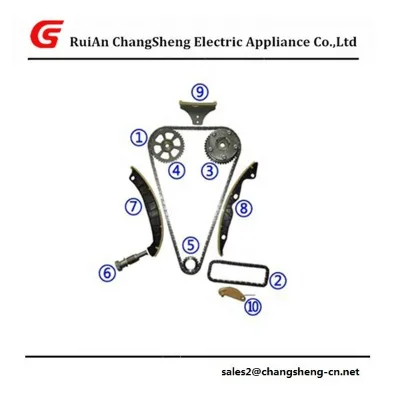
Brand New High Quality Timing Chain Kit with Vvt Gear for ROEWE 350 Morris Garages MG3 1.5L
$1.00 - $12.00
MOQ: 20 Minimum

Shijiazhuang Xuantao Import and Export Trade Co., Ltd.
- Verified by BV
- Trading Company
- China Hebei
- Lead time15 days
- Avg. response≤ 8h
Main productsEngine Assembly, Short Block, Cylinder Head, Valve Cover, Oil Pan, Crankshaft, Camshaft, Valve, Piston and Ring
Main marketsSouth America,Africa,Southeast Asia/ Mideast,East Asia(Japan/ South Korea),Europe,Australia,North America


Engine Parts Piston Kit Crankshaft Bearing Con Rod Bearing Gasket Kit Timing Chain Kit Gears
$225.00 - $325.00
MOQ: 1 Pieces


Shanghai Spb Industry Co., Ltd.
- Verified by SGS
- Trading Company,Manufacturer/Factory,Group Corporation
- China Shanghai
- Lead time30 days
- Avg. response≤ 5h
Main productsCar Spare Part, Suspension Parts, Ball Joint, Shock Absorber, C. V Joint, Brake Pad, Radiator, Stabilizer Bar, Oil Filter, Steering Rack
Main marketsSouth America,Eastern Europe,Mid East,North America,Southeast Asia,Eastern Asia,Oceania,Western Europe,Africa

Cheap Price Timing Chain Parts Wholesale Car Timing Chain Kit for Mazda Timing Chain 0324-14-151
$5.00 - $7.50
MOQ: 100 Pieces


Auto Parts Timing Chain Kit Association 14211-Rna-A01 13620-Rna-A01 14401-Rna-A01 for Honda Civic
$5.00 - $7.50
MOQ: 100 Pieces

Qingdao Choho Industrial Co., Ltd.
- Trading Company,Manufacturer/Factory,Group Corporation
- China Shandong
- Lead time23 days
- Avg. response≤ 12h
Main productsChain, Automobile Chain, Motorcycle Chain, Industrial Chain, Agricultural Chain, Vessel Chain, Bicycle Chain, Saw Chain, Sprocket, Chain Harrow/Assembly Chain
Main marketsSouth America,Eastern Europe,Mid East,North America,Southeast Asia,Eastern Asia,Oceania,Western Europe,Africa


Automatic Engine Standard Timing Link Kit Leaf System Automotive Roller Chain
$2.00 - $2.20
MOQ: 1000 Meters

- Manufacturer/Factory
- China Jiangsu
- Lead time23 days
- Avg. response≤ 3h
Main productsRoller Chain, Conveyor Chain, Welded Link Chain, Forged Parts, Sprocket /Gear/ Bushing, Scraper Chain, Chain Conveyor, Transmission Spare Parts, Overhead Conveyor, Conveyor System
Main marketsSouth America,Eastern Europe,Mid East,North America,Southeast Asia,Eastern Asia,Oceania,Western Europe,Africa


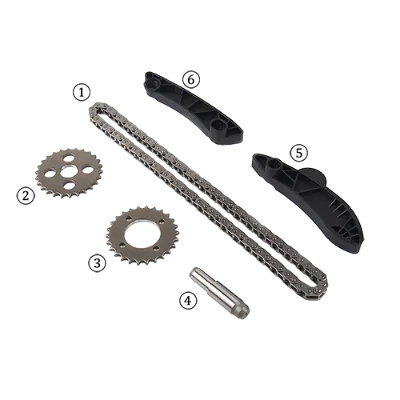
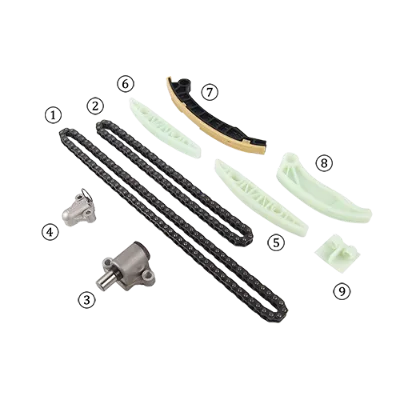




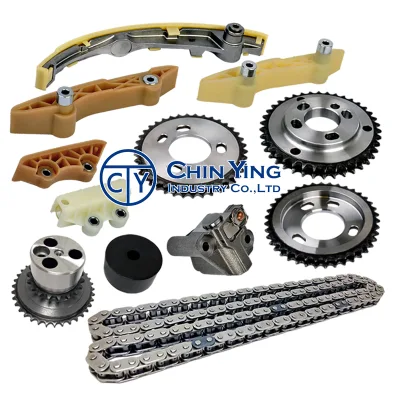
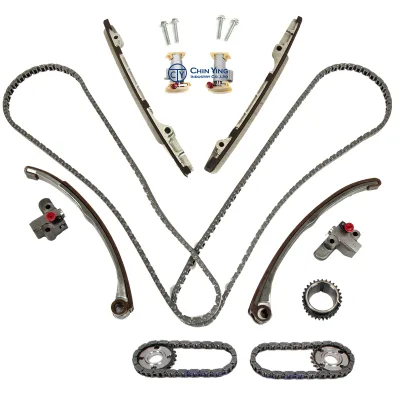
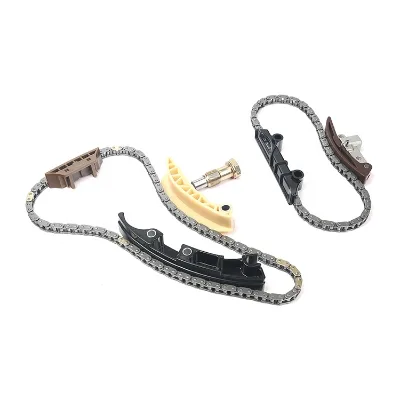
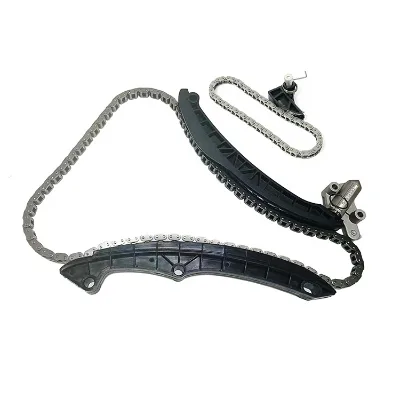


Comprehensive Sourcing Guide
Golf Timing Chain Kit Supplier Concentration and Factory Types
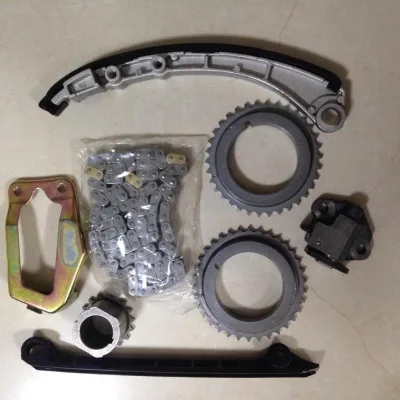
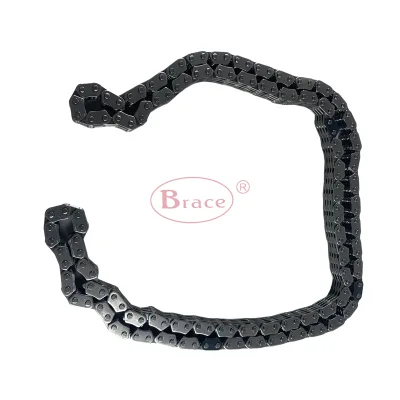
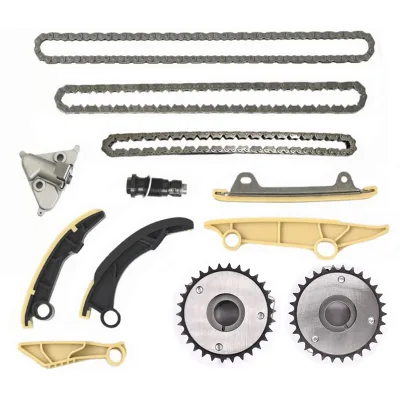
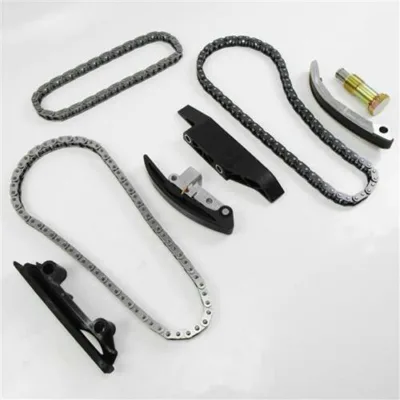
Current supplier data indicates a concentration of manufacturers and trading companies located in China, specifically within the Jiangsu and Zhejiang provinces. These regions host a mix of entity types, including trading companies, manufacturers, factories, and group corporations, all offering a diverse range of products such as stainless steel chains, roller chains, sprockets, and timing chains. The presence of these specific locations suggests a regional cluster where supply chain infrastructure supports the production of automotive and industrial chain components. Buyers should verify if a specific supplier operates from these known industrial hubs to ensure proximity to established manufacturing ecosystems.
The supplier profiles reveal a mix of company types ranging from single factories to large group corporations, each offering different capabilities like OEM, ODM, and own-brand production. Some entities list their main products to include automotive spare parts, while others focus on industrial applications like agricultural or motorcycle chains. This variation means that a single supplier might not specialize exclusively in Golf timing chain kits but may offer them as part of a broader portfolio. Buyers must assess whether the supplier's primary focus aligns with their specific needs for automotive engine systems rather than general industrial chains.
How to Verify Golf Timing Chain Kit Suppliers
Verification of supplier credentials requires checking for specific system certifications such as ISO 9000 and QC 080000, which appear in the provided product attributes for several listings. Some suppliers also display third-party verification badges like TUVRHEINLAND, indicating an external audit of their manufacturing processes or quality management systems. Buyers should request current certification documents directly from the supplier to confirm validity, as the presence of a badge in a listing does not guarantee ongoing compliance. It is essential to distinguish between general ISO certifications and industry-specific standards like IATF 16949, which are critical for automotive components.
Response time and verification status are also key indicators of supplier reliability, with observed response times varying significantly between 0.30 and 1.35 units. A faster response time often correlates with a more active sales team and better communication channels, which is vital for resolving technical queries about timing chain specifications. Buyers should prioritize suppliers who demonstrate quick engagement and provide clear verification of their business license and factory audits. Do not assume that a high response time score guarantees product quality; instead, use it as a preliminary filter to identify suppliers who are actively managing their inquiries and ready to support the procurement process.
What to Compare Across Golf Timing Chain Kit Suppliers
When evaluating potential partners, buyers should compare lead times, which range from 38 to 60 days in the observed data, to determine if the supplier can meet project deadlines. The minimum order quantity (MOQ) is another critical variable, with some listings showing an MOQ of 100 units while others require 300 units. These thresholds directly impact the initial investment and inventory risk for the buyer. Comparing these figures helps in selecting a supplier that aligns with the buyer's volume requirements and cash flow constraints without forcing an unnecessarily large initial purchase.
Price ranges and customization options also vary widely, with observed minimum prices starting at 1.50 and maximums reaching up to 999.00, depending on the specific model and material. Some suppliers offer customization for specific vehicle models like Ford, Toyota, or Dodge, while others provide standard kits. Buyers must compare the material specifications, such as steel or carbon steel, and the available surface treatments like zinc plating or nickel plating. It is crucial to verify if the price includes shipping costs or if the supplier offers multiple shipment methods like express, sea, or air, as these factors significantly affect the total landed cost of the order.
Common Golf Timing Chain Kit Sourcing Risks
One significant risk involves the discrepancy between product keywords and actual application, as some listings mention "Golf" in the context of general automotive parts rather than the specific Volkswagen Golf model. Buyers must carefully review product attributes to ensure the kit is designed for the correct engine type and vehicle generation. Misidentification can lead to receiving parts that do not fit, causing production delays and financial loss. It is essential to cross-reference the model number and application details provided in the product attributes with the specific requirements of the target vehicle.
Another risk relates to the variability in service life and material quality, with some products claiming a service life of two years while others lack specific endurance data. The raw material source, such as steel from Germany or domestic steel, can also impact the durability and performance of the timing chain. Buyers should request detailed test reports or material certificates to verify the tensile strength and coating quality. Without these assurances, there is a risk of receiving substandard components that may fail prematurely, leading to warranty claims and reputational damage for the buyer.
Golf Timing Chain Kit Regional Sourcing and Logistics
Sourcing from China, specifically Jiangsu and Zhejiang, offers access to a robust manufacturing base but requires careful logistics planning due to the distance. The observed lead times of 38 to 60 days include production and potential shipping delays, which can be exacerbated by global supply chain disruptions. Buyers should factor in the time required for customs clearance and inland transportation when planning their inventory replenishment cycles. Understanding the specific shipping methods available, such as express, sea, or air, allows for better cost and time management based on the urgency of the order.
Packaging standards also vary, with some suppliers using polybag, box, and plywood case combinations while others offer custom packaging upon request. This variation affects the protection of the timing chain kits during transit and the ease of storage upon arrival. Buyers should specify their packaging requirements clearly to ensure the products arrive in good condition, especially for high-value or delicate components. Additionally, verifying the origin of the raw materials, such as steel sourced from Germany, can influence the perceived quality and the logistics strategy required to maintain that quality throughout the supply chain.
Golf Timing Chain Kit Commercial Terms and Order Planning
Commercial terms regarding payment and trade style are critical for establishing a secure transaction, with suppliers offering trade, manufacture, and OEM styles. The availability of escrow services or secure payment platforms should be confirmed to protect the buyer's funds until the goods are delivered and verified. Buyers should negotiate clear terms for defects, returns, and after-sales service, as some listings indicate limited warranty or after-sales support. Understanding these terms helps in mitigating financial risk and ensuring that the supplier is committed to resolving any issues that arise post-delivery.
Order planning must account for the customization capabilities and production capacity of the supplier, as some offer OEM and ODM services while others focus on standard products. The ability to customize the timing chain kit for specific vehicle models or requirements can be a significant advantage but may extend the lead time. Buyers should plan their orders well in advance to accommodate any customization needs and ensure that the supplier has the capacity to meet the demand. Regular communication and clear documentation of specifications are essential to avoid misunderstandings and ensure the final product meets the buyer's expectations.
FAQs
What is the price range for timing chain kits?
Prices for timing chain kits typically range from $1.50 to $999.00 depending on specifications. Some standard steel kits are available starting at $6.88. Buyers should verify exact costs based on quantity and customization needs.
What certifications do these suppliers hold?
Suppliers generally hold ISO 9000 and QC 080000 system certifications. Some products also display ISO, IATF, or CE marks. These certifications ensure quality management standards are met for automotive and industrial chain components.
What is the typical lead time for orders?
Lead times vary between 38 and 60 days for standard orders. Some suppliers offer delivery windows of 5 to 45 days. Buyers should confirm specific timelines with suppliers based on order volume and customization requirements.
What is the minimum order quantity (MOQ)?
Minimum order quantities are typically 100 or 300 units. Specific requirements depend on the supplier and product type. Buyers should check individual listings to confirm the exact MOQ applicable to their specific timing chain kit needs.
Where are these suppliers located?
Suppliers are primarily located in China, specifically in Jiangsu and Zhejiang provinces. These regions are known for manufacturing automotive parts and chains. Buyers can filter results by these locations to find nearby or established manufacturing hubs.
What materials are used in timing chains?
Common materials include steel, carbon steel, and stainless steel. Some chains feature zinc or nickel plating for corrosion resistance. Raw materials may be sourced from Germany. Buyers should select materials based on application and durability requirements.
Do suppliers offer OEM customization?
Yes, most suppliers offer OEM and ODM customization services. Buyers can request custom branding, specific models, or tailored specifications. Customization is available for various automotive applications including Ford, Toyota, and Suzuki engines.