Grill LED Headlight Suppliers and Manufacturers - 22 Factories
Compare 22 verified Grill LED Headlight suppliers by response time, lead time, certifications, and location. Review product specs like voltage and power, then request quotes to verify pricing and MOQ; review the available evidence before requesting comparable quotations from suitable candidates.
Updated
Suppliers List
GUANGZHOU NEW VISION NEW MATERIAL TECHNOLOGY CO., LTD.
- Trading Company
- Lead time旺季: "1 - 1000":15,"> 1000":"To be negotiated", 淡季: "1 - 1000":15,"> 1000":"To be negotiated"
- Avg. response≤ 6h
Main productsAutomobile Atmosphere Lamp,double side tape,single side tape,reflective tape,adhesive products

Hangzhou lizhong shengteng Auto Parts Co., Ltd.
- Verified by TUVRHEINLAND
- Trading Company
- China Zhejiang
- Lead time23 days
- Avg. response≤ 4h
Main productsAuto Bumper, Auto Rear Bumper Cover, Auto Rear Mirror, Auto Hood, Auto Head Lamp, Auto Cooling Fan Cover, Auto Radiator
Main marketsSouth America,Eastern Europe,Mid East,North America,Southeast Asia,Eastern Asia,Western Europe

Changzhou Super Auto Parts Co., Ltd.
- Verified by CTI
- Combined
- China Jiangsu
- Lead time30 days
- Avg. response≤ 7h
Main productsAuto Lamp, Auto Mirror, Auto Parts, Bus Lamp, Bus Mirror, Bus Parts, Truck Light, Truck Mirror, Truck Parts, Bus Light
Main marketsSouth America,Southeast Asia/ Mideast,Europe,Australia
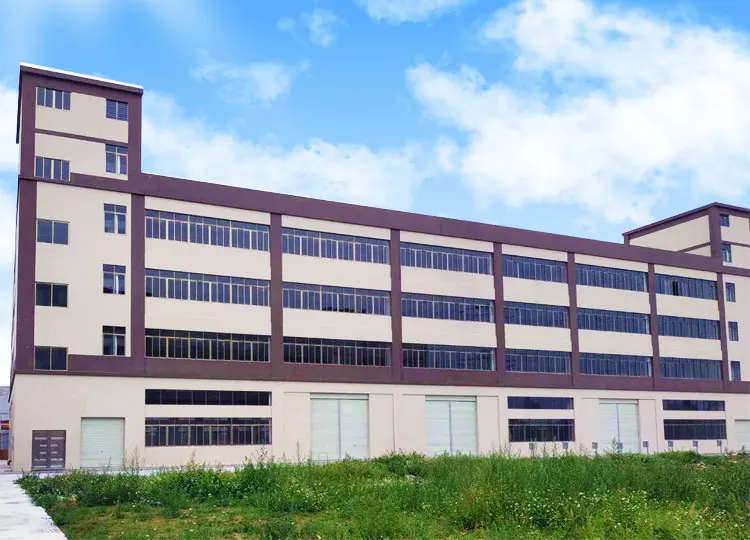
Zhongshan Hepai Electronic Technology Co., Ltd.
- Manufacturer, Trading Company
- Guangdong, China
- Lead time25 days
- Avg. response≤ 9h
Main productsMotorcycle Headlight,Auto LED Work Light,LED Bar Light,LED Car Headlight,led fog light
Main marketsSouth America(34.00%), Southeast Asia(34.00%), Domestic Market(15.00%), Eastern Europe(12.00%), Mid East(3.00%), North America(2.00%)

Jinhua Cowin Import & Export Co., Ltd.
- Verified by TUVRHEINLAND
- Trading Company
- China Zhejiang
- Lead time30 days
- Avg. response≤ 6h
Main productsHand Tool, LED Lighting, Car Tool, Hardware, Trailer Light, Trailer Hitch Mount, Power Tool, Garden Tools, Air Tools, Tie Down
Main marketsEurope
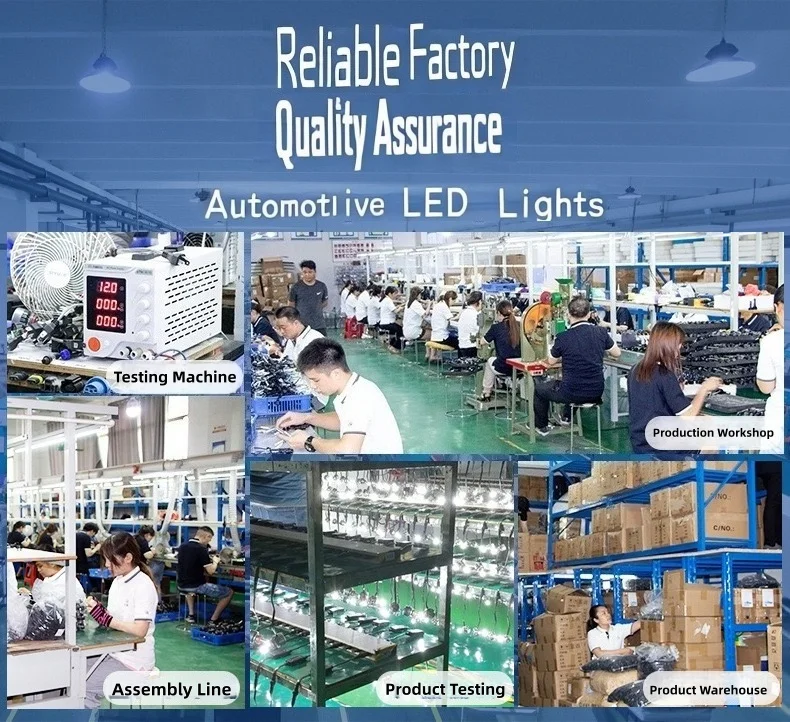
Guangzhou Maisiteng Technology Co., Ltd.
- Manufacturer, Trading Company
- Guangdong, China
- Lead time8 days
- Avg. response≤ 2h
Main productsLed car headlight,Auto LED replacement kits,LED headlight bulbs for cars,Car LED headlamps,LED HID bulbs
Main marketsNorth America(30.00%), Southeast Asia(25.00%), South America(20.00%), Eastern Europe(20.00%), Western Europe(10.00%), Domestic Market(10.00%), Northern Europe(10.00%), Central America(10.00%), Eastern Asia(5.00%), South Asia(5.00%), Southern Europe(5.00%), Oceania(5.00%), Africa(5.00%)
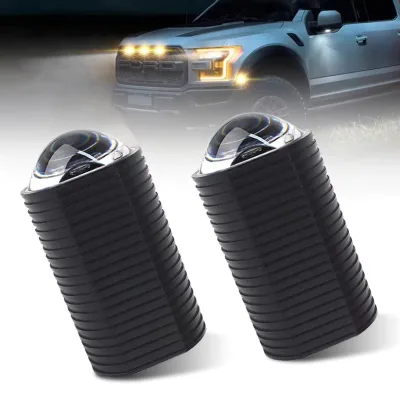
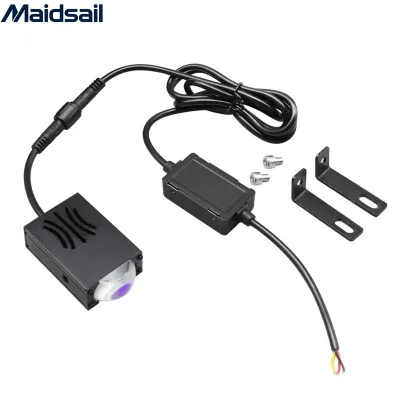
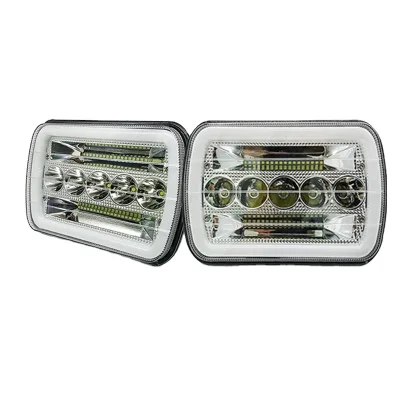
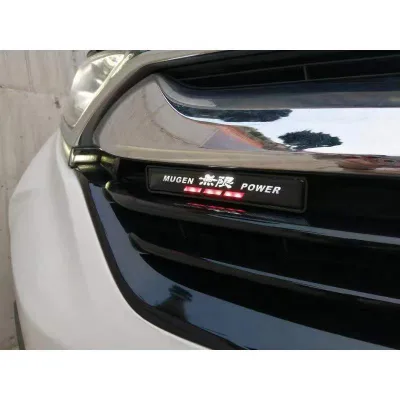
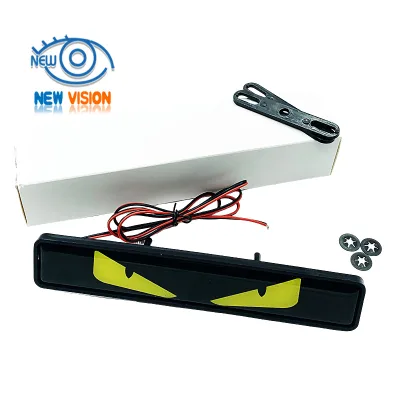
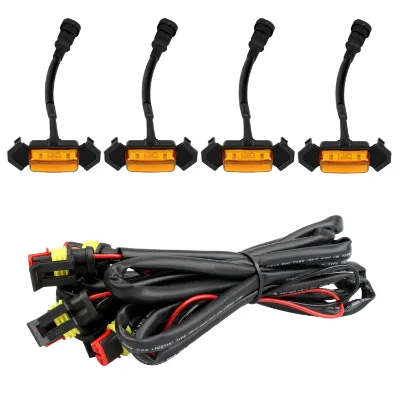
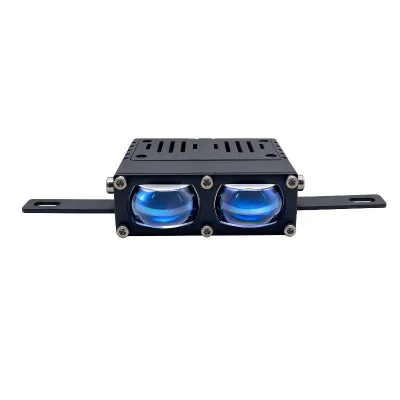
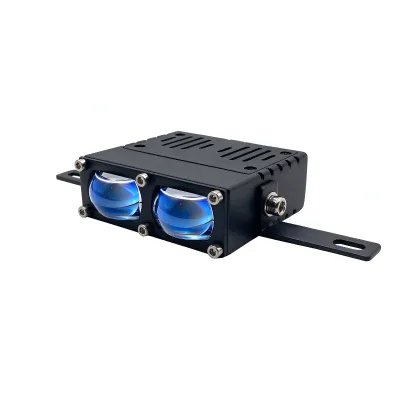
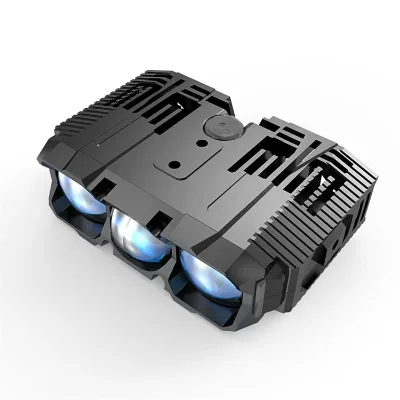
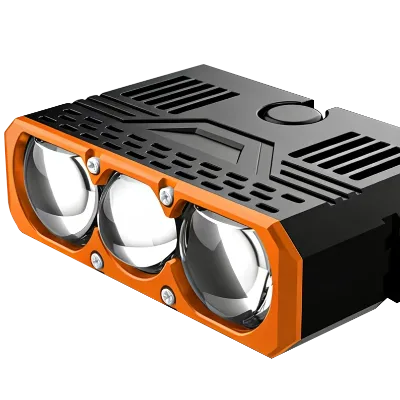
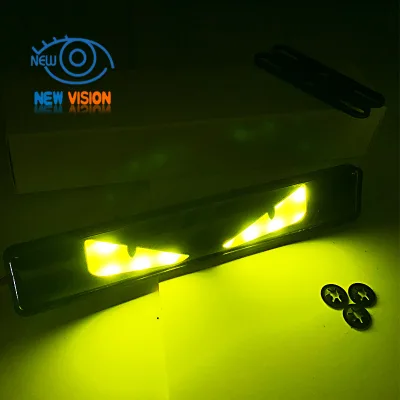
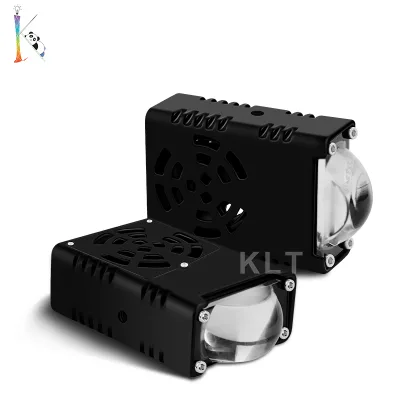
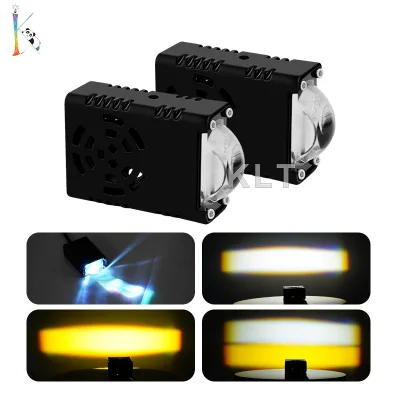
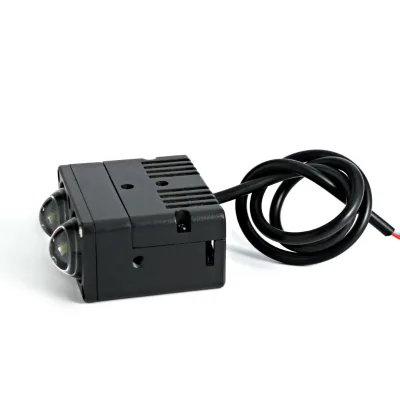
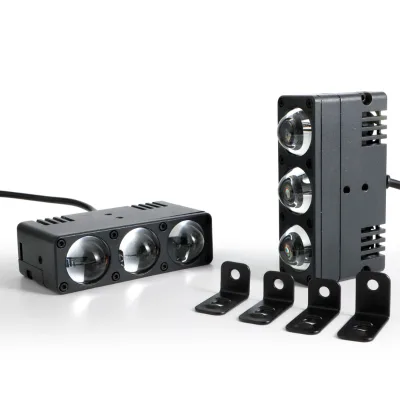
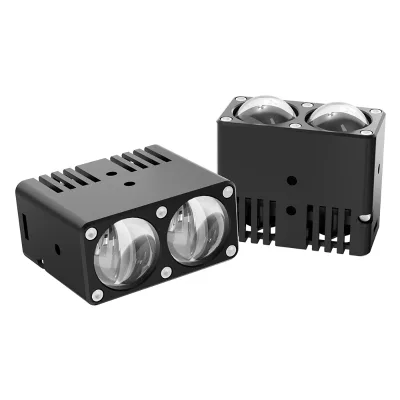
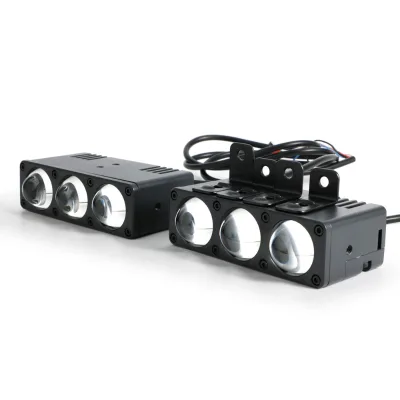
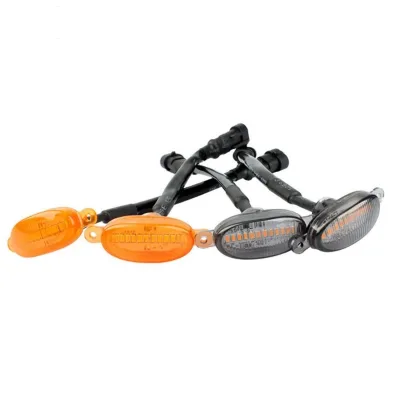
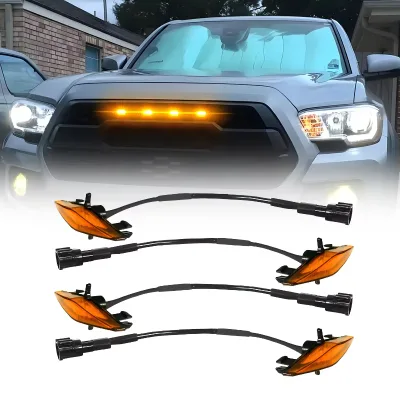
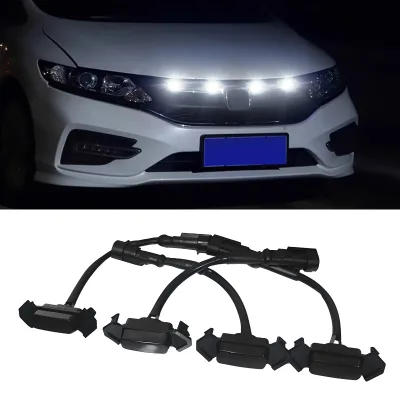
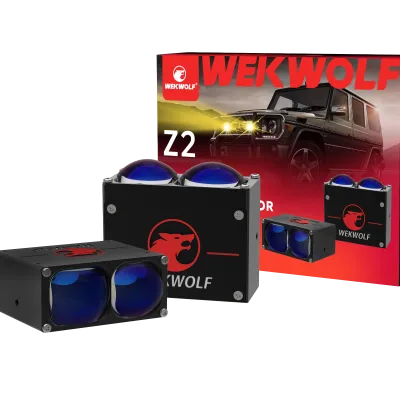
Car Grille Light Mini Matrix Laser Headlight Yellow White LED Motorcycle Spotlight Cross-Border
$4.4566 - $5.0071
MOQ: 10 Minimum
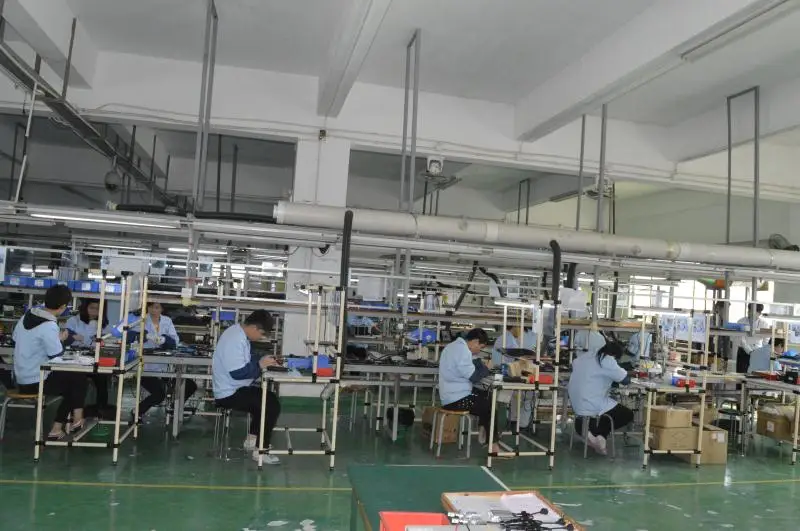
Guangzhou Flydee Electronic Technology Co., Ltd.
- Manufacturer
- Guangdong, China
- Lead time10 days
- Avg. response≤ 10h
Main productsCar LED headlight,Car ambient lights,Car led bulb,Car atmosphere lights,Car projector len led
Main marketsEastern Europe(20.00%), Western Europe(20.00%), North America(20.00%), Domestic Market(10.00%), South America(10.00%), Mid East(10.00%), Southeast Asia(10.00%)

Foshan Guangdi Auto Lighting Co., Ltd
- Verified by SGS
- Combined
- China Guangdong
- Lead time30 days
- Avg. response≤ 6h
Main productsCar Light, Truck Light, Motorcycle Light, LED Headlight, Halogen Bulb, Brake Light, Turn Signal Light, Fog Light, Car Headlight, Truck Headlight
Main marketsSoutheast Asia/ Mideast,Domestic

Beijing Songli Safety Product International Corp., Ltd.
- Verified by TUVRHEINLAND
- Trading Company
- China Beijing
- Lead time15 days
- Avg. response≤ 9h
Main productsHelmet, Safety Shoes, Gloves, Safety Glasses, Welding Mask, Reflective Vest, Rain Wear, Life Jacket, Gum Boots
Main marketsSouth America,Africa,Southeast Asia/ Mideast,Europe,Australia,North America
Guangzhou Hexiangrun Electronic Technology Co., Ltd.
- Manufacturer, Trading Company
- Guangdong, China
- Lead time0 days
- Avg. response≤ 6h
Main productsled ambient light,Led running light,Led flashing light,Led car spoiler light,Led star light
Main marketsNorth America(30.00%), Southeast Asia(10.00%), Northern Europe(10.00%), Mid East(10.00%), Central America(5.00%), Western Europe(5.00%), Eastern Europe(5.00%), South America(5.00%), Africa(3.00%)
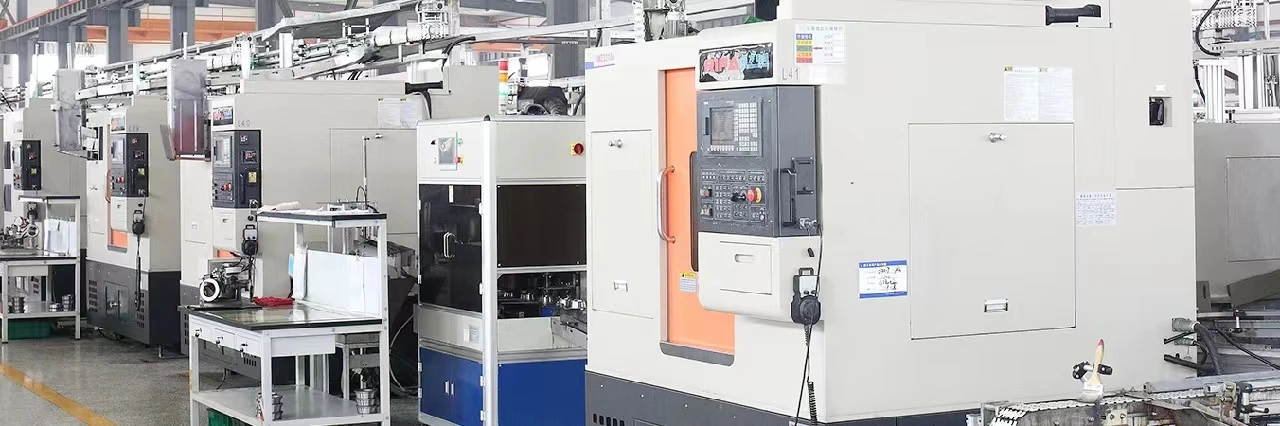
- Trading Company
- Liaoning, China
- Lead time0 days
- Avg. response≤ 2h
Main productswheel balance block
Main marketsDomestic Market(45.00%), Northern Europe(7.00%), Western Europe(5.00%), Eastern Asia(5.00%), Southern Europe(5.00%), Oceania(5.00%), North America(5.00%), Southeast Asia(5.00%), Eastern Europe(5.00%), Mid East(3.00%), South America(3.00%), South Asia(3.00%), Africa(2.00%), Central America(2.00%)

Changzhou Fantastic Vehicle Industry Co., Ltd.
- Manufacturer, Trading Company
- Jiangsu, China
- Lead time10 days
- Avg. response≤ 17h
Main productsmotorcycle headlights,motorcycle fairings,motorcycle handlebars,motorcycle tail lights,motorcycle brackets
Main marketsNorth America(33.00%), Eastern Asia(18.00%), Southern Europe(15.00%), Western Europe(12.00%), South America(5.00%), Northern Europe(5.00%)
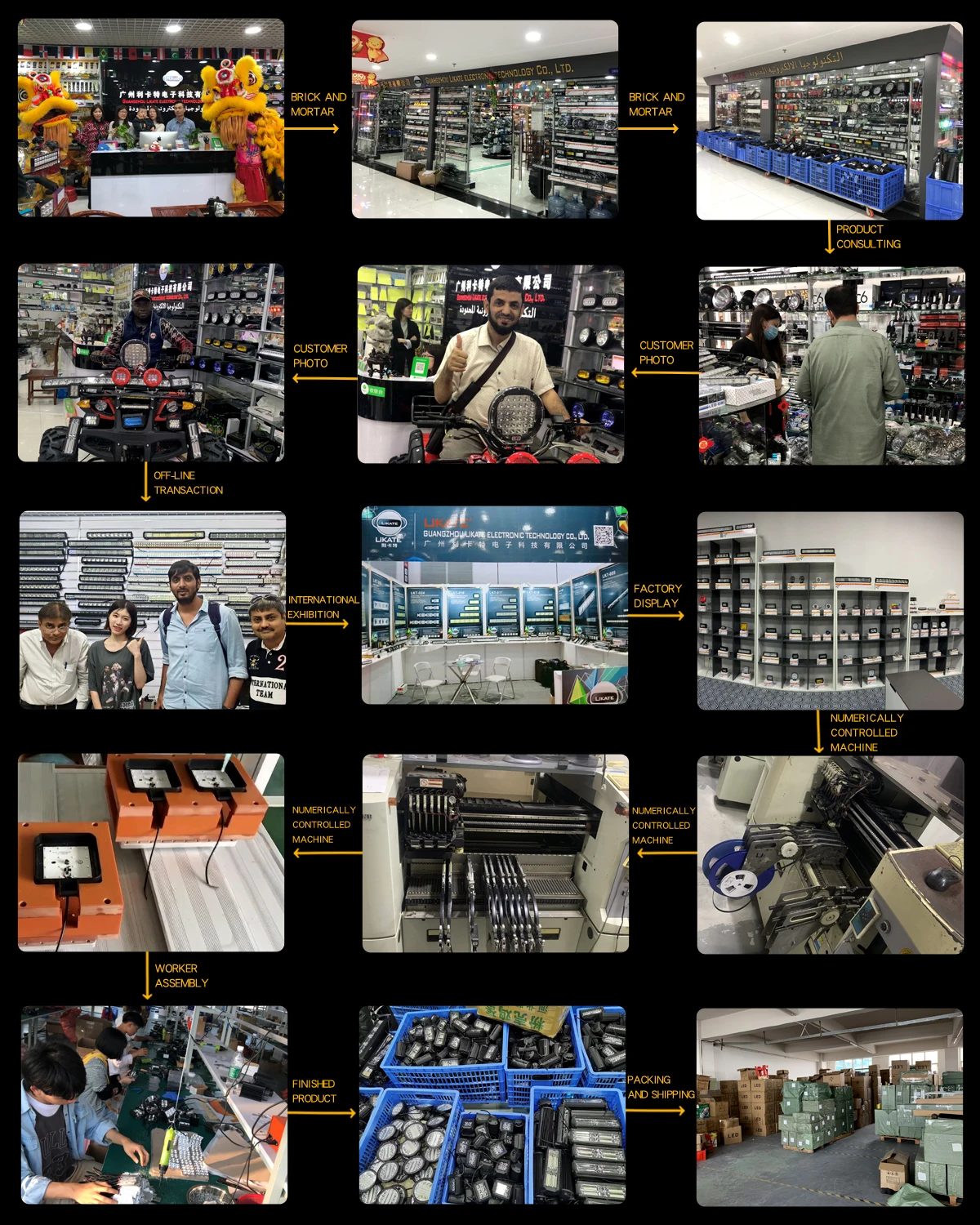
Foshan Calite Lighting Co., Ltd.
- Manufacturer, Trading Company, Distributor/Wholesaler
- Guangdong, China
- Lead time15 days
- Avg. response≤ 3h
Main productsLED Work Light Bar,LED Light Bar Offroad,LED Light Accessories,LED Fog Lights,LED Light Strip LED Auto Lights
Main marketsDomestic Market(20.00%), Eastern Asia(10.00%), Western Europe(10.00%), Oceania(10.00%), Africa(10.00%), Southern Europe(10.00%), Eastern Europe(10.00%), South America(10.00%), Central America(5.00%), Mid East(5.00%), Southeast Asia(4.00%), North America(3.00%), South Asia(2.00%)
Guangzhou Wenao Technology Co., Ltd.
- Verified by SGS Group
- Manufacturer, Trading Company
- Lead time20 days
- Avg. response≤ 4h
Main productsLED Headlight Bulb, Auto Lighting System, Car LED Bulbs, BI LED Projector Lens, Fog Light Projector Lens
Main marketsSouth America(20%), Southeast Asia(20%), Mid East(20%)
Guangzhou Yueze Auto Parts Co., Ltd.
- Trading Company, Buying Office, Business Service (Transportation, finance, travel, Ads, etc)
- Guangdong, China
- Lead time7 days
- Avg. response≤ 2h
Main productsLED Work Light,Motorcycle Light,LED Car Headlight,LED Strip,LED Bulb
Main marketsSouth America(30.00%), North America(30.00%), Western Europe(20.00%), Africa(10.00%), Eastern Europe(10.00%)
Guangzhou Lixin Intelligent Electronic Technology Co., Ltd.
- Manufacturer, Trading Company
- Guangdong, China
- Lead time15 days
- Avg. response≤ 1h
Main productsled headlight,led headlight bulbs,car led light,led lighting cars,automotive led auto lamp headlight
Main marketsDomestic Market(40.00%), Southeast Asia(20.00%), Mid East(10.00%), North America(5.00%), Africa(5.00%), South America(5.00%), Eastern Asia(3.00%), Eastern Europe(3.00%), Oceania(2.00%), Central America(2.00%), Southern Europe(2.00%), Northern Europe(1.00%), South Asia(1.00%), Western Europe(1.00%)
Guangzhou Everbright Auto Accessories Co., Ltd.
- Trading Company
- Guangdong, China
- Lead time15 days
- Avg. response≤ 3h
Main productsAuto Led Headlights/Atmosphere Lights/Turn Lights/Led Work Lights/Led Truck Lights,Car Ambient Lights,Car Decorative Lights,Auto Led Working Lights,Led Working Light Bar
Main marketsNorth America(30.00%), Eastern Europe(20.00%), Western Europe(20.00%), South America(15.00%), Southeast Asia(5.00%), Oceania(5.00%), Mid East(3.00%), South Asia(2.00%)
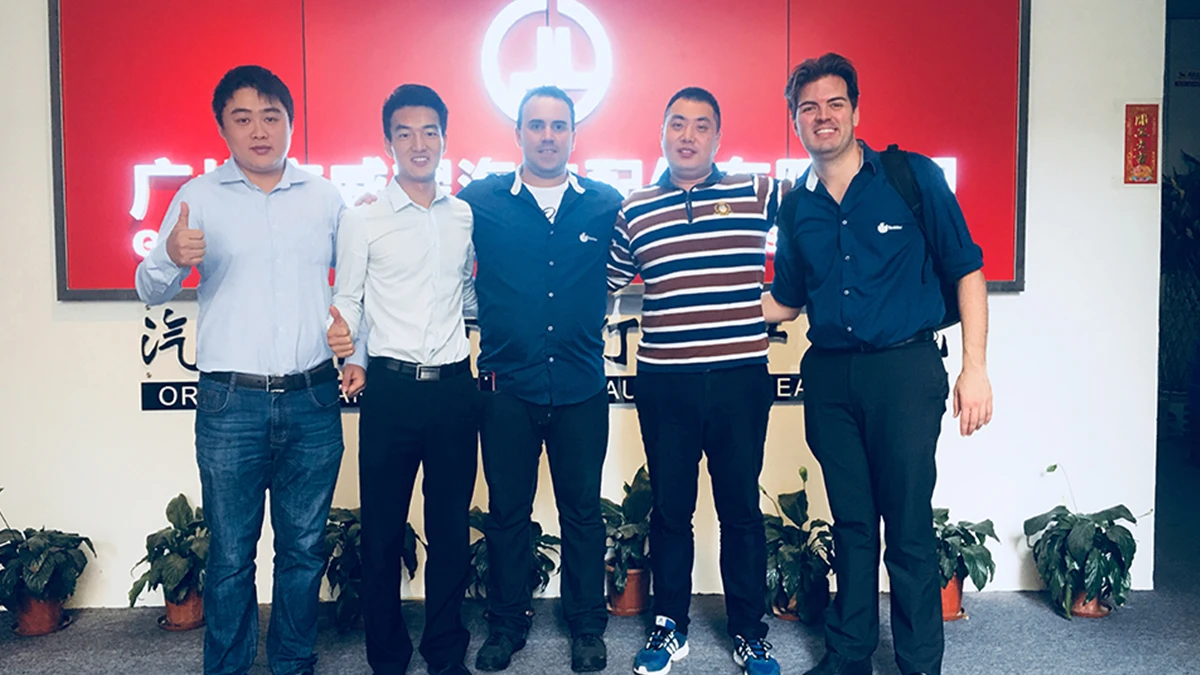
Guangzhou Weiyao Auto Parts Co., Ltd.
- Manufacturer
- Guangdong, China
- Lead time15 days
- Avg. response≤ 9h
Main productsLed car headlight,Auto LED replacement kits,LED headlight bulbs for cars,Car LED headlamps,LED HID bulbs
Main marketsNorth America(50.00%), South America(27.00%), Mid East(10.00%), Eastern Europe(2.00%), Central America(2.00%), Western Europe(2.00%), Domestic Market(1.00%), South Asia(1.00%), Southern Europe(1.00%), Northern Europe(1.00%), Africa(1.00%), Southeast Asia(1.00%), Eastern Asia(1.00%)
Guangzhou Dongmu International Trade Co., Ltd.
- Verified by Intertek
- Trading Company
- Lead time20 days
- Avg. response≤ 7h
Main productsMotorcycle Handlebar, Motorcycle Exhaust Pipe, Motorcycle Rearview Mirror, Motorcycle Windscreen, Motorcycle Light
Main marketsWestern Europe(35%), South America(25%), North America(15%)
Guangzhou DD Lighting Co., Ltd.
- Verified by SGS Group
- Manufacturer, Trading Company
- Guangdong, China
- Lead time0 days
- Avg. response≤ 1h
Main productsLED Fog Light, LED Work Light, LED Head Light, LED Bar Light, Motorcycle Light
Main marketsSouth America(45%), Eastern Europe(30%), Mid East(10%)
Guangzhou Matec Electronics Co., Ltd.
- Manufacturer, Trading Company
- Guangdong, China
- Lead time4 days
- Avg. response≤ 4h
Main productsLed Headlight,Led Rock Light,Hid Xenon Kit,Auto Jump Starter,Gimbal
Main marketsNorth America(32.00%), South America(18.00%), Eastern Asia(15.00%), Southeast Asia(8.00%), Domestic Market(7.00%), Africa(5.00%), Eastern Europe(5.00%), Western Europe(3.00%), Central America(2.00%), South Asia(2.00%), Northern Europe(1.00%), Southern Europe(1.00%), Oceania(1.00%)
Guangzhou Alcanta Auto Accessories Factory
- Manufacturer
- Guangdong, China
- Lead time5 days
- Avg. response≤ 6h
Main productsCar LED Headlight,Bi-LED Projector Lens
Main marketsSouth America(60.00%), North America(30.00%), Eastern Europe(15.00%), Southeast Asia(10.00%), South Asia(5.00%), Africa(5.00%)






Comprehensive Sourcing Guide
Grill LED Headlight Supplier Concentration and Factory Types
The landscape for sourcing Grill LED Headlight components reveals a distinct split between trading companies and specialized manufacturing entities, a distinction that directly impacts your supply chain strategy and cost structure. Current market data indicates that a significant portion of available suppliers operate as trading companies, which often serve as intermediaries connecting buyers with factory capacity rather than owning the production lines themselves. These trading entities typically list a broad array of automotive accessories, including adhesive products, reflective tapes, and various lighting systems, suggesting a focus on aggregation and logistics rather than deep technical R&D. When evaluating these suppliers, it is crucial to understand that their primary value proposition lies in consolidating orders from multiple factories, offering a wider catalog of compatible parts, and handling the administrative burden of international trade. However, this model can sometimes obscure the true origin of the product, making it essential for buyers to request clear documentation regarding the actual manufacturing site.
In contrast, suppliers identified as manufacturers or those offering OEM and ODM capabilities provide a different set of advantages, particularly for buyers seeking custom specifications or higher volume commitments. Evidence from the current results shows that some suppliers possess the capacity for own-brand production, allowing for greater control over quality standards and product differentiation. These entities often highlight specific certifications, such as ISO 9001 and ISO 14001, which indicate a structured approach to quality management and environmental responsibility. The presence of verification badges from recognized third-party inspection agencies further suggests a commitment to transparency and operational integrity. Buyers should prioritize these suppliers when their requirements involve strict adherence to technical specifications, such as specific voltage ratings, material compositions like ABS+LED, or custom packaging requirements. Understanding whether a supplier is a trader or a manufacturer helps in negotiating better terms, as manufacturers may offer more flexibility on customization while traders may offer faster access to existing stock.
How to Verify Grill LED Headlight Suppliers
Verifying the legitimacy and capability of a Grill LED Headlight supplier requires a multi-layered approach that goes beyond simple profile reviews. One of the most critical steps is to check for third-party verification badges, such as those from TÜV Rheinland, which indicate that an independent agency has audited the supplier’s business license and operational capabilities. This verification process helps mitigate the risk of engaging with fraudulent entities or shell companies that may not have the actual capacity to fulfill orders. Buyers should also scrutinize the supplier’s response time, as a quick and professional reply often correlates with a well-organized internal team. In the current market, response times can vary significantly, with some suppliers responding within hours while others may take longer, so establishing a baseline for expected communication speed is important for project planning. Additionally, looking for evidence of past performance, such as detailed product attributes and consistent listing quality, can provide insights into the supplier’s reliability and attention to detail.
Another vital aspect of verification is the assessment of product-specific certifications and compliance standards, which are non-negotiable for automotive lighting components. Grill Led Headlights must often meet rigorous safety and performance standards to ensure they are suitable for installation on vehicles. Buyers should request documentation for certifications such as CCC, E-mark, DOT, GOST, SONCAP, PVOC, NRCS, GCC, and ARAI, depending on the target market. These certifications confirm that the products have undergone testing for electrical safety, durability, and optical performance. It is also important to verify the supplier’s ability to provide accurate product data, including voltage ratings, power consumption, and material specifications. For instance, confirming that a product is rated for 12V systems and uses waterproof materials is essential for ensuring compatibility and longevity. By demanding these verifications upfront, buyers can filter out suppliers who lack the necessary technical expertise or compliance infrastructure, thereby reducing the risk of receiving substandard or non-compliant goods.
What to Compare Across Grill LED Headlight Suppliers
When comparing suppliers for Grill LED Headlight products, several key dimensions must be evaluated to determine the best fit for your specific business needs. One of the most immediate factors is the minimum order quantity (MOQ), which can vary widely depending on the supplier’s production model and inventory levels. Some suppliers may offer low MOQs, such as five or ten units, which are ideal for testing new products or fulfilling small-scale orders. In contrast, others may require higher volumes, necessitating a larger initial investment. Alongside MOQ, the lead time is a critical consideration, as it directly impacts your ability to meet customer demand. Current data suggests that lead times can range from a few days to several weeks, depending on the order size and the seasonality of production. Buyers should clarify whether the quoted lead time applies to peak or off-peak seasons, as this can significantly affect delivery schedules.
Price is another essential factor, but it should be analyzed in conjunction with other value drivers such as customization options and warranty terms. The price range for Grill Led Headlights can vary based on features like lens color, material quality, and additional functions such as daytime running lights. Some suppliers offer competitive pricing for standard models, while others may charge a premium for customized solutions or higher-grade materials. It is also important to compare the warranty periods offered, as a longer warranty can indicate greater confidence in product quality. Additionally, suppliers that offer customization services, such as private labeling or specific packaging requirements, may provide better long-term value for brands looking to differentiate themselves in the market. By systematically comparing these attributes, buyers can make informed decisions that balance cost, quality, and service levels, ensuring they select a supplier that aligns with their strategic objectives.
Common Grill LED Headlight Sourcing Risks
Sourcing Grill Led Headlights from international suppliers introduces several risks that buyers must proactively manage to ensure a smooth procurement process. One of the primary risks is the potential for product inconsistency, where the received goods do not match the specifications provided in the initial inquiry. This can occur due to variations in manufacturing processes, material substitutions, or quality control lapses. To mitigate this risk, buyers should request detailed product samples before placing bulk orders, allowing them to verify the physical attributes, electrical performance, and overall build quality. It is also advisable to establish clear quality acceptance criteria in the purchase agreement, including tolerances for dimensions, color, and functionality. By setting these expectations upfront, buyers can hold suppliers accountable for delivering products that meet their standards, reducing the likelihood of disputes or returns.
Another significant risk is the potential for supply chain disruptions, which can be caused by factors such as raw material shortages, production delays, or logistical bottlenecks. These disruptions can lead to missed deadlines and dissatisfied customers, particularly if the buyer has committed to specific delivery dates. To address this, buyers should maintain open communication with their suppliers and request regular updates on production status. It is also beneficial to work with suppliers who have diversified supply chains or sufficient inventory buffers to absorb minor shocks. Additionally, buyers should consider the geographical location of the supplier, as certain regions may be more prone to specific types of disruptions. By understanding these risks and implementing appropriate mitigation strategies, buyers can enhance the resilience of their supply chain and ensure a more reliable sourcing experience.
Grill LED Headlight Regional Sourcing and Logistics
The geographical location of Grill LED Headlight suppliers plays a crucial role in determining logistics costs, lead times, and overall supply chain efficiency. Current market data indicates that many suppliers are located in specific industrial clusters within China, such as Zhejiang and Jiangsu provinces, which are known for their robust manufacturing ecosystems and proximity to major ports. These regions offer advantages in terms of infrastructure, skilled labor, and access to raw materials, making them attractive hubs for automotive lighting production. Buyers sourcing from these areas can benefit from shorter transit times to international destinations and potentially lower freight costs due to the high volume of shipments. However, it is important to verify the exact location of the supplier’s factory, as some trading companies may list a different address than their actual manufacturing base.
Logistics planning should also account for the specific requirements of shipping automotive lighting components, which may include special packaging to prevent damage during transit. Given the delicate nature of LED components and the need for waterproofing, suppliers should use sturdy packaging materials, such as cartons or wooden crates, to ensure product integrity. Buyers should confirm the packaging specifications with their suppliers and consider the impact of packaging on shipping volume and cost. Additionally, it is important to understand the Incoterms agreed upon for the shipment, as this determines who is responsible for various logistics tasks and costs. By carefully considering the regional location and logistics requirements, buyers can optimize their supply chain, reduce costs, and ensure timely delivery of Grill LED Headlight products to their customers.
Grill LED Headlight Commercial Terms and Order Planning
Effective order planning for Grill LED Headlight products requires a thorough understanding of the commercial terms offered by suppliers, including payment conditions, warranty policies, and after-sales support. Payment terms can vary significantly, with some suppliers requiring full payment upfront, while others may offer partial payments or credit terms for established customers. Buyers should negotiate terms that align with their cash flow needs and risk tolerance, ensuring that they have adequate protection against non-delivery or non-conforming goods. It is also important to clarify the warranty period and the process for handling defective products, as this can impact the total cost of ownership. Suppliers that offer a one-year warranty and clear return or replacement policies provide greater peace of mind and reduce the financial risk associated with product failures.
Furthermore, buyers should consider the scalability of the supplier’s operations when planning future orders. Suppliers that demonstrate the ability to handle large volumes, with lead times that remain consistent even during peak seasons, are better positioned to support business growth. It is advisable to discuss capacity constraints and production schedules with the supplier to ensure they can meet your projected demand. Additionally, buyers should explore opportunities for long-term partnerships, which may result in more favorable pricing, priority production slots, and enhanced customer support. By carefully evaluating these commercial terms and planning for scalability, buyers can build a sustainable and efficient sourcing strategy for Grill LED Headlight products, ensuring they can meet market demands while maintaining profitability and quality standards.
FAQs
What is the price range for LED grille lights?
Prices for LED grille lights typically range from $1.00 to $100.00 per unit depending on specifications. Basic decorative screens start around $1.00, while complex headlight assemblies can cost up to $100.00. Buyers should verify exact pricing based on order quantity and customization needs.
What is the minimum order quantity for these products?
Minimum order quantities vary by supplier and product type. Some listings require a minimum of 5 units, while others set the threshold at 10 units. Buyers must check specific product pages to confirm the exact MOQ applicable to their desired model and customization requirements.
How long does production take for bulk orders?
Lead times generally range from 15 to 23 days for standard orders. For quantities exceeding 1000 units, production schedules may require negotiation. Buyers should confirm specific delivery windows with suppliers, as peak seasons can impact manufacturing timelines and shipping availability.
Are these lights compatible with universal car models?
Many LED grille lights are designed for universal application across various vehicle models. Products often feature 12V voltage compatibility and adjustable mounting options. Buyers should verify specific fitment details, as some items are labeled for decorative purposes or specific bumper configurations.
What certifications do these auto lighting products hold?
Certifications vary by manufacturer but often include CCC, E-mark, DOT, and ISO 9001 standards. Some suppliers also provide GOST, SONCAP, and SGS certificates. Buyers should request valid documentation to ensure compliance with regional safety and quality regulations for automotive parts.
Where are these LED grille lights manufactured?
Manufacturing locations primarily include Guangdong, Zhejiang, and Jiangsu provinces in China. Suppliers in these regions offer various LED lighting solutions with established production capabilities. Buyers can filter results by specific origin to align with logistics preferences or regional sourcing strategies.